
Unlocking Emotional and Intellectual Balance with The Queen of Swords and The Queen of Cups
This article delves into the dynamic interplay between the Queen of Swords and the Queen of Cups in tarot readings, focusing on their combined symbolism to unlock a balanced approach between intellect and emotion. Using the traditional Rider-Waite-Smith imagery and the detailed meanings of these two Queens, the article guides learners through nuanced interpretations in family, relationship, and career contexts. It emphasizes the importance of integrating both cards without simplistic one-card extrapolations, highlights upright and reversed nuances when relevant, and offers practical methods to apply these insights in real readings. Readers will gain a deeper understanding of how these Queens influence each other, creating a harmonious template for mature emotional receptivity paired with clear-headed communication.
Read the cards together
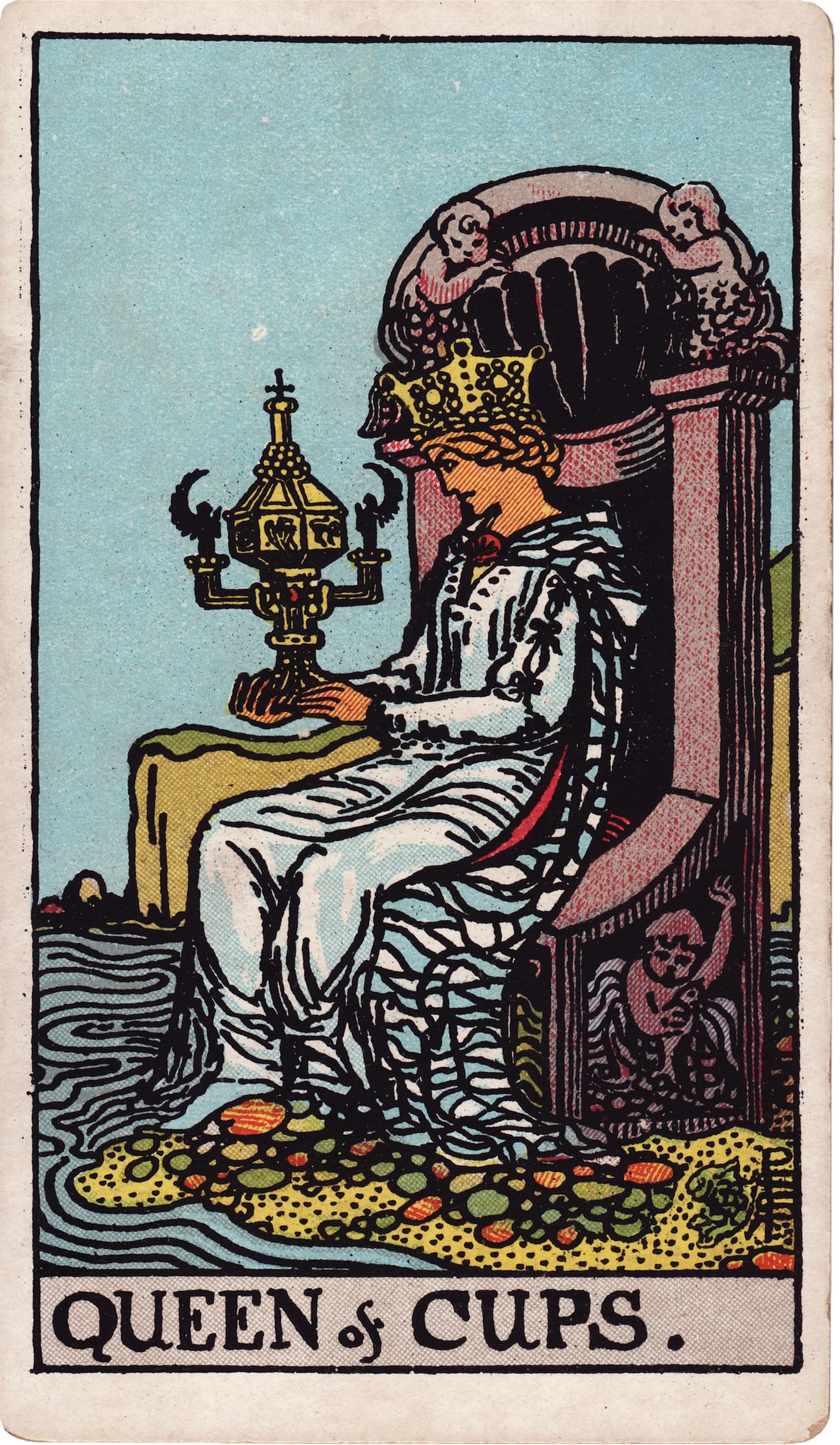 Queen of Cups
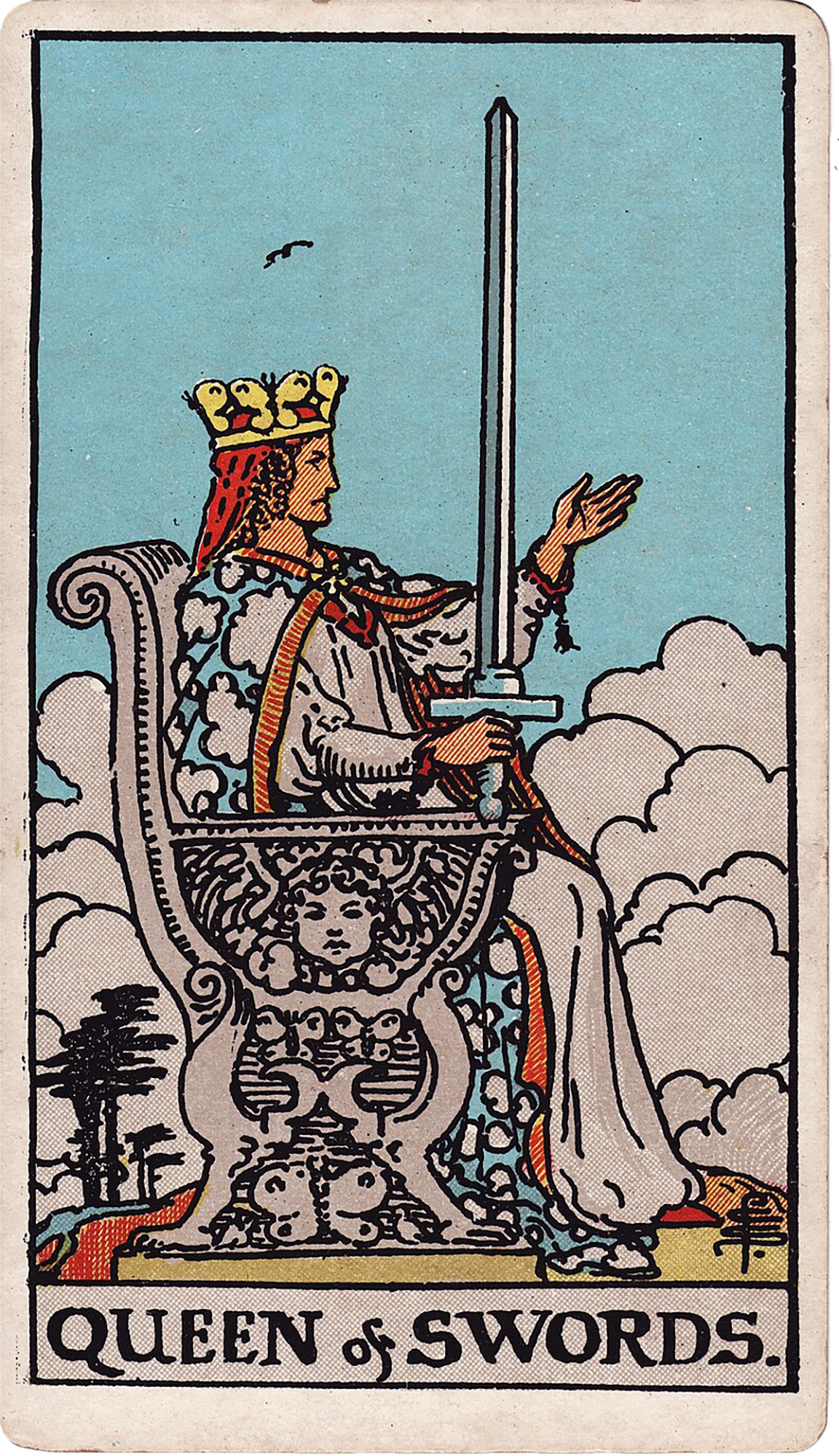 Queen of Swords
Introduction to The Queen of Swords and The Queen of Cups
The Queen of Swords and Queen of Cups are powerful archetypes within the tarot, each representing distinct yet complementary energies. The Queen of Swords traditionally symbolizes clear-minded independence, sharp intellect, honest communication, and the ability to set firm boundaries. Her upright position highlights truth, strategy, and mental clarity without cruelty, visible in her upright sword and alert gaze in Rider-Waite imagery. Conversely, the Queen of Cups signifies mature emotional receptivity, deep empathy, intuitive understanding, and the capacity to hold complex feelings within an inner container. She embodies emotional depth and practical kindness, illustrated by her ornate cup and serene expression. When these two Queens appear together, they invite the reader to explore a synthesis of intellectual rigor and emotional wisdom. This combination is especially potent in family and relationship readings, where balancing thought and feeling can unlock profound insights.
Understanding Each Queen in Detail
Before combining these cards, it’s crucial to understand their individual meanings fully. The Queen of Swords stands for mental clarity, decisiveness, and the courage to communicate truth even when uncomfortable. Her imagery—usually a seated queen holding a sword upright—reflects a readiness to face reality head-on. She is practical and demands a response appropriate to present circumstances rather than idealistic or abstract notions. The Queen of Cups, by contrast, is rooted in the Cups suit, which deals with emotions, intuition, relationships, and memory. Her upright position suggests emotional maturity and the ability to intuitively understand and support others while maintaining healthy boundaries. Her cup is often ornate, symbolizing the richness of emotional experience contained within her. Importantly, her energy is practical, asking for responses that fit the current emotional landscape rather than abstract ideals. Both Queens can appear reversed, indicating internal blockages or excesses—bitterness or isolation in the Queen of Swords, and emotional overwhelm or withdrawal in the Queen of Cups. Understanding these reversed nuances helps avoid simplistic interpretations and highlights where growth or healing is necessary.
The Interplay of The Queen of Swords and The Queen of Cups in Card Combinations
When the Queen of Swords and Queen of Cups appear together, their energies modify and balance each other. The intellectual clarity and boundary-setting of the Queen of Swords can provide structure to the emotional depth and receptivity of the Queen of Cups. Conversely, the empathetic understanding of the Queen of Cups can soften and humanize the sometimes stern or detached rationality of the Queen of Swords. In practical terms, the combination suggests a balanced approach: using both heart and mind to navigate a situation. For example, in a family reading, this pairing might indicate the need to communicate difficult emotional truths with empathy and tact, ensuring that neither logic nor feeling dominates unfairly. The Queen of Swords helps avoid emotional confusion or codependency, while the Queen of Cups ensures that intellectual decisions remain grounded in compassion and emotional reality. This dynamic applies similarly in career contexts where emotional intelligence (Queen of Cups) must be balanced with strategic thinking and clear communication (Queen of Swords) to manage people and situations effectively.
Applying the Combination in Relationship Readings
In relationship readings, the Queen of Swords and Queen of Cups together highlight the need for both honest communication and emotional attunement. The Queen of Swords demands clarity and truth, encouraging partners to speak openly and set healthy boundaries. Meanwhile, the Queen of Cups asks for empathy, listening with the heart, and responding to emotional nuances. This combination warns against one-sided dynamics where either logic or emotion dominates exclusively. For instance, if a querent tends toward emotional overwhelm (a common Queen of Cups reversed theme), the presence of the Queen of Swords may suggest cultivating clearer boundaries and more rational communication. Alternatively, if the querent is overly critical or detached (Queen of Swords reversed tendencies), the Queen of Cups energy encourages reconnecting with emotional sensitivity and compassionate understanding. The imagery of the Queens—one holding a sword upright, the other holding a cup close—reminds readers that relationship health depends upon embracing both tools for balance.
Navigating Emotional and Practical Challenges in Family Contexts
Family dynamics often involve complex emotional histories and conflicting perspectives. The Queen of Cups and Queen of Swords pairing provides a roadmap for managing these challenges by integrating emotional receptivity with intellectual clarity. For example, when dealing with family conflict, the Queen of Swords urges honest expression of boundaries and truths that may be uncomfortable but necessary. The Queen of Cups insists on holding space for the emotions these truths evoke, promoting healing rather than alienation. Together, they encourage a practical yet compassionate approach that respects individual needs and feelings. In situations where the Queen of Cups appears reversed, watch for emotional overwhelm or codependency patterns that might cloud judgment. The Queen of Swords can help break these cycles through clear communication and strategic detachment. Conversely, if the Queen of Swords is reversed, the Queen of Cups can aid in softening harsh judgments and fostering emotional openness.
Career and Practical Life Interpretations
In professional contexts, the Queen of Swords and Queen of Cups highlight the importance of balancing analytical skills with emotional intelligence. The Queen of Swords represents strategic decision-making, clear communication, and objective analysis—qualities essential in leadership and problem-solving. The Queen of Cups contributes emotional awareness, empathy for colleagues or clients, and intuition about office dynamics. This combination advises professionals to avoid overly cold or critical communication that alienates others (a Queen of Swords reversed pitfall) while steering clear of emotional confusion or avoidance (a Queen of Cups reversed risk). Instead, the cards encourage a leadership style rooted in honest dialogue combined with genuine care and understanding. For querents facing decisions, the imagery of the sword and cup together suggests holding both intellect and intuition as guides, ensuring choices are well-informed and emotionally attuned.
Avoiding Common Pitfalls in Reading This Card Combination
When interpreting the Queen of Swords and Queen of Cups together, it’s important to avoid reducing each card’s meaning to a single keyword or treating them in isolation. One common mistake is to read the Queen of Swords solely as 'logic' and the Queen of Cups as 'emotion' and then assume a simple conflict or opposition. Instead, these Queens represent mature, integrated expressions of their suits. Another pitfall is ignoring the cards’ positions (upright vs. reversed) or the overall spread context. For example, reversed Queens may indicate internal struggles rather than external behaviors, so assuming outward conflict might be misleading. Also, resist the urge to apply these cards as fixed personality types in querents or others. They more often describe situational energies or approaches needed in the moment. Always consider surrounding cards and the question’s context to refine meaning. Finally, be mindful of the cards’ practical orientation: both ask what response fits the present stage rather than abstract ideals. This practical focus can guide more grounded and actionable readings.
Practical Techniques for Integrating the Queen of Swords and Queen of Cups
To work effectively with this combination, readers can use several techniques. First, visualize the imagery: the Queen of Swords’ upright sword represents clarity and cutting through confusion, while the Queen of Cups’ ornate cup symbolizes emotional depth held securely. Consider how these symbols interact—perhaps the sword protects the cup’s contents, or the cup tempers the sword’s edge. Second, map the cards onto emotional and intellectual centers in the querent’s situation. Ask: Where is clarity needed? Where is empathy required? How can these responses coexist? Third, test the dynamic by narrating a dialogue between the two Queens: What does the Queen of Swords say about boundaries or truth? How does the Queen of Cups respond with compassion or intuition? This can deepen interpretive nuance. When reversed cards appear, identify where energy is stuck or excessive. For example, a reversed Queen of Cups might suggest the querent is overwhelmed by feelings and needs guidance from the Queen of Swords to create boundaries. Conversely, a reversed Queen of Swords might indicate harshness that the Queen of Cups can soften through emotional connection. Finally, always anchor interpretations in the specific question and spread context, using the Queens as guides for balanced responses rather than rigid outcomes.
Examples of The Queen of Swords and Queen of Cups in Family Readings
Consider a family reading where a querent asks about mediating a conflict between siblings. The Queen of Swords might represent the need to speak clearly and set boundaries around acceptable behavior, cutting through blame or denial. The Queen of Cups encourages the querent to listen empathetically and acknowledge each sibling’s feelings, helping to hold space for emotional expression. If the Queen of Cups is reversed, it may suggest that emotions are running too high or codependency is present, so the advice would be to ground the process with the Queen of Swords’ clear communication. Conversely, if the Queen of Swords is reversed, the querent might be overly critical or detached, and the Queen of Cups energy would promote reconnecting with emotional sensitivity to heal rifts. Another example could involve a parent-child relationship where the Queen of Swords advises honest dialogue about expectations and consequences, while the Queen of Cups urges patience and emotional listening to understand underlying fears or hopes. These examples show how combined Queens provide a toolkit for navigating complex family dynamics with balanced intellect and feeling.
Summary and Final Reflections
The Queen of Swords and Queen of Cups together form a potent combination for unlocking emotional and intellectual balance in tarot readings, especially within family and relationship contexts. They remind us that mature decision-making involves both clear communication and empathetic understanding. Their Rider-Waite-Smith imagery offers rich symbolism—an upright sword and a guarded cup—that illustrates how these energies support and temper each other. Avoid simplistic one-card interpretations by exploring how the two Queens modify each other’s influence. Apply context, consider upright and reversed nuances, and use practical techniques to integrate their messages. Through thoughtful reading, this card pair can guide querents in balancing thought and feeling, boundaries and empathy, strategy and intuition—skills essential for healthy family relations and effective personal growth.
Practice questions
• How can I balance clear communication with empathy in my own family or relationship situations?
• Where in my life might I be leaning too heavily on intellect or emotion, and how can the other Queen’s energy help?
• What practical steps can I take to integrate emotional receptivity and intellectual clarity when making difficult decisions?
• How do the visuals of the Queen of Swords and Queen of Cups inform my understanding of their energies?
• In what ways might reversed aspects of these Queens show up internally rather than externally?
Comments
Sign in to comment.
Continue learning
Interpreting the Dance of Justice and The Devil: Balancing Morality and Temptation in Tarot Readings
The combination of Justice and The Devil in tarot presents a profound exploration of morality, temptation, and personal accountability. This article unpacks how these cards influen...
Harnessing the Power of The Magician and Ace of Wands: Igniting Creativity and Manifestation in Tarot Readings
The combination of The Magician and the Ace of Wands in tarot readings offers a potent blend of creative energy and manifestation power. This article delves into the ways these car...
Understanding the Synergy Between The Empress and The Emperor in Tarot Card Combinations
This article delves into the intricate synergy between The Empress and The Emperor cards in Tarot, focusing on how their combined energies modify and enrich readings across various...
Decoding Transformation and Renewal with Death and The Star in Tarot Combinations
This article delves into the card combination of Death and The Star, two powerful Major Arcana cards from the Rider-Waite-Smith deck. It explores how their imagery and meanings int...
Balancing Ambition and Compassion with The Emperor and Queen of Cups in Tarot Combinations
This article delves into the nuanced Tarot card combination of The Emperor and Queen of Cups, emphasizing how their energies complement and challenge each other. By analyzing their...
Finding Emotional Healing and Renewal with The Star and The Moon Tarot Combination
This article examines the rich interplay between The Star and The Moon tarot cards when they appear together in a reading. Using the traditional Rider-Waite-Smith symbolism and the...
Unlocking Emotional Wisdom with The High Priestess and The Queen of Cups in Tarot Combinations
This article delves into the card combination of The High Priestess and The Queen of Cups, emphasizing their shared themes of intuition, emotional depth, and receptivity. By examin...
Unlocking Emotional Resilience with Strength and The Star in Tarot Combinations
This article delves into the Tarot card combination of Strength and The Star, revealing how their interplay highlights pathways to emotional resilience. Anchored in the Rider-Waite...
Unveiling Emotional Strength with Strength and The Queen of Cups in Tarot Combinations
This article delves into the dynamic Tarot combination of Strength and The Queen of Cups, emphasizing how these cards together illuminate emotional strength, compassionate boundari...
Unlocking Emotional Transformation with Death and The Moon Tarot Combination
This article explores the rich and complex interaction between the Death and The Moon tarot cards within the Rider-Waite-Smith tradition, focusing on their combined potential to un...