
Unlocking Emotional Insight and Communication Through Queen of Swords Knight of Cups and King of Cups
This article delves into the card combination of Queen of Swords, Knight of Cups, and King of Cups to illuminate emotional insight and communication, particularly in family and relational contexts. By analyzing how these cards influence and modify each other, readers will learn to interpret their interplay beyond isolated meanings. The discussion covers upright and reversed nuances, practical techniques for synthesis, common interpretive pitfalls, and how to apply this knowledge for nuanced readings that honor both emotional depth and clear communication.
Read the cards together
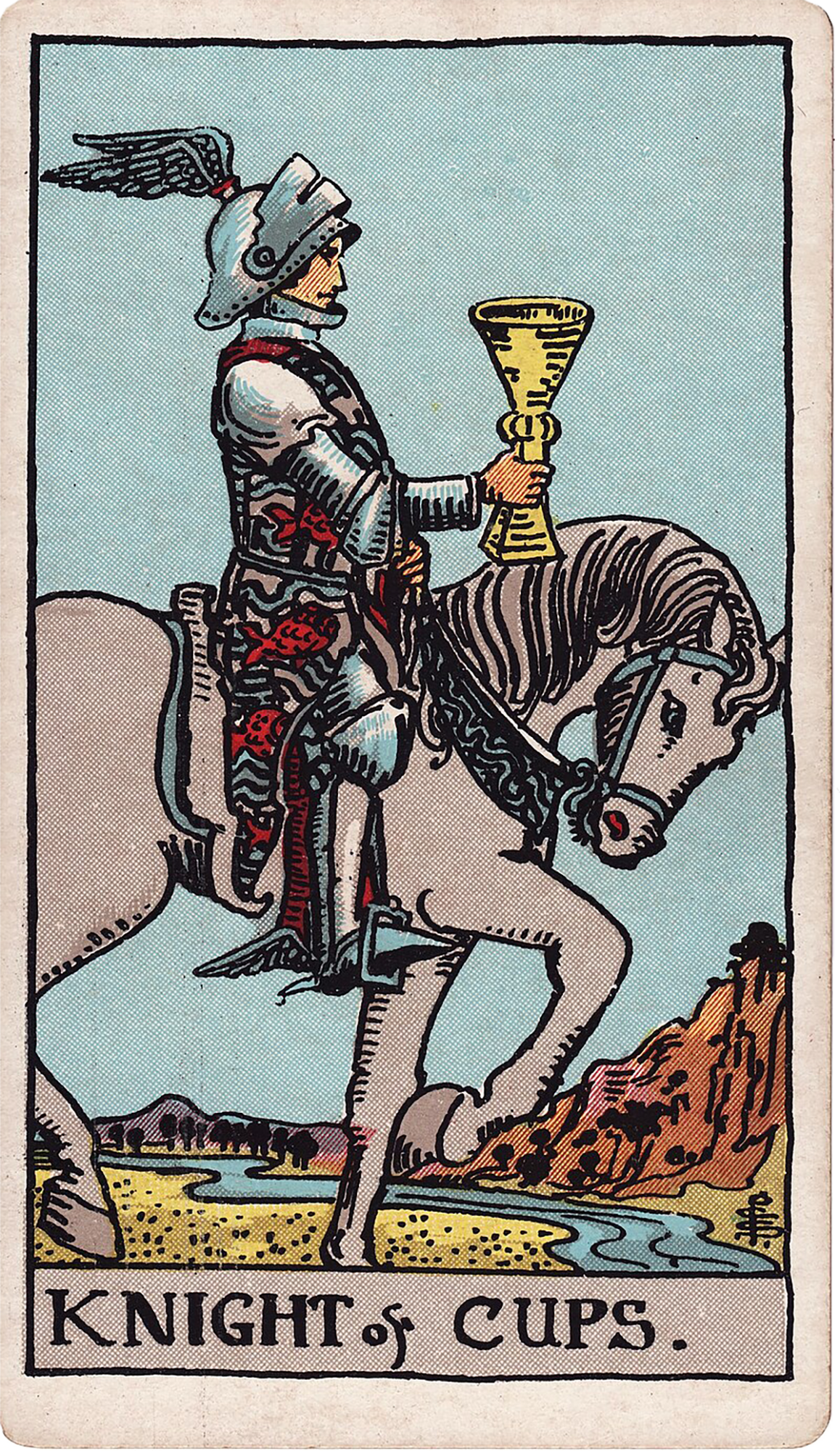 Knight of Cups
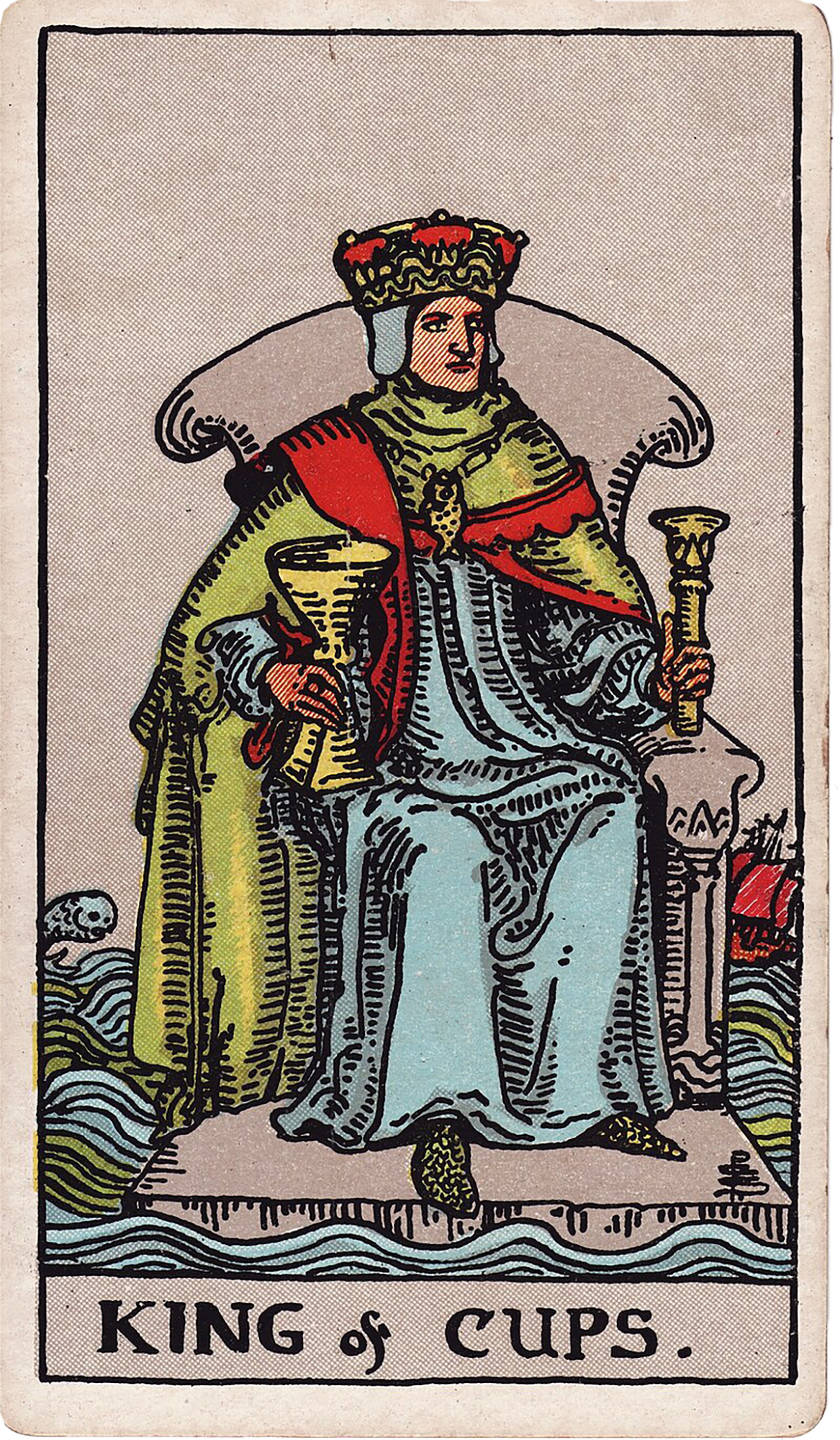 King of Cups
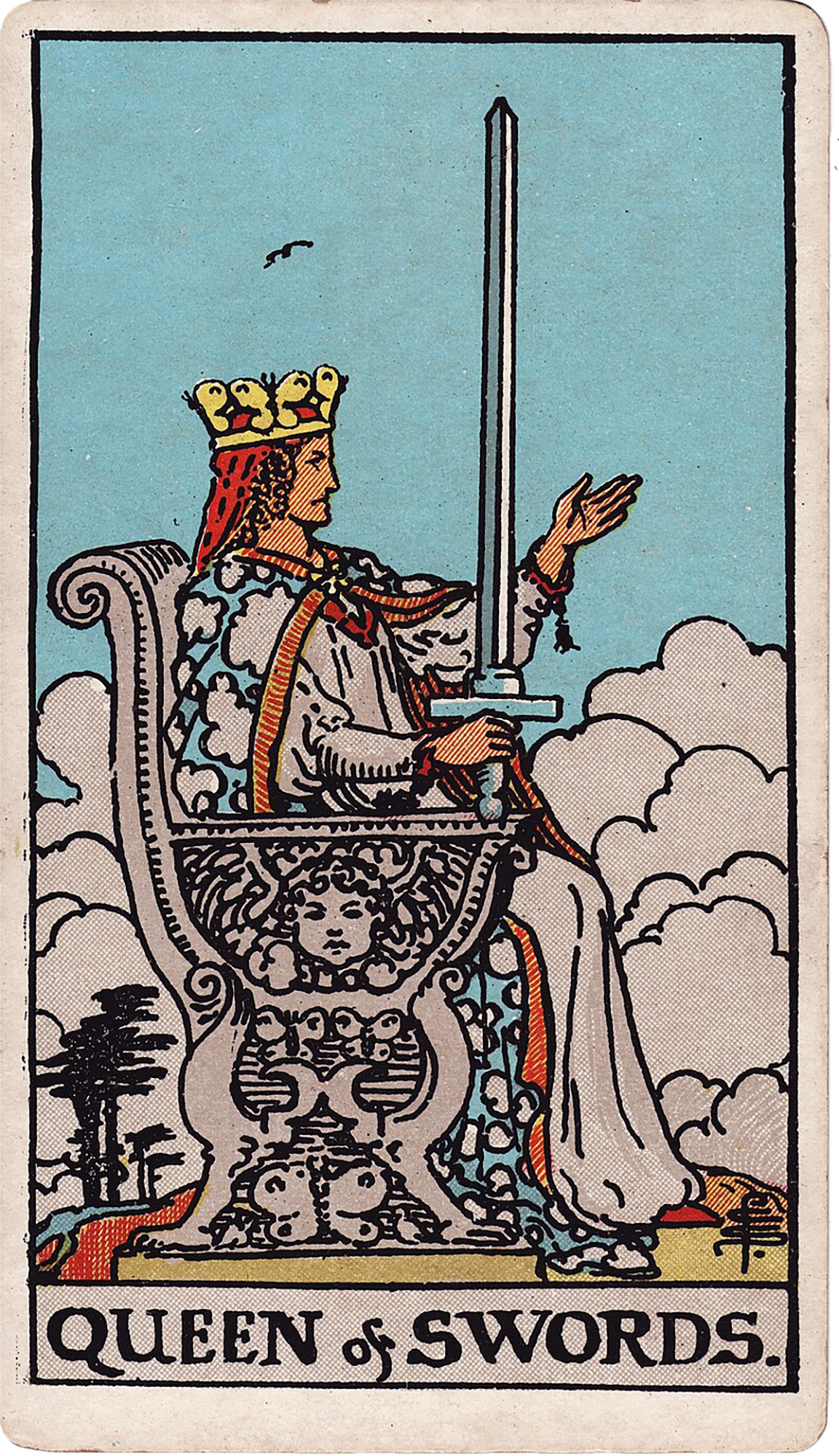 Queen of Swords
Introduction to Card Combinations in Family Contexts
In tarot, individual cards provide foundational meanings, but it is their combinations that unlock richer stories and insights—especially within family or close relational dynamics. The Queen of Swords, Knight of Cups, and King of Cups together represent a complex interplay of intellect, emotion, communication, and leadership. These cards collectively can speak to how individuals manage feelings, express boundaries, and nurture relationships in practical and emotional ways. This article focuses on reading these cards in combination to understand patterns of emotional insight and communication that shape family life.
Core Energies of Each Card Anchored in Imagery and Symbolism
The Queen of Swords embodies clear-minded independence and honest communication. Visualized typically as a mature woman seated on a throne, holding a sword upright in one hand and gesturing with the other, she represents truth, mental clarity, and setting boundaries without cruelty. Her gaze is often sharp, underscoring intellectual discernment. The Knight of Cups, depicted as a knight riding a horse while holding a cup forward, symbolizes the pursuit of emotional ideals with grace and imagination. The flowing water symbolism on his horse and armor indicates fluid emotion and receptivity, but with a practical call to respond appropriately to the present stage. The King of Cups is a figure of steady emotional leadership, shown seated calmly on a throne surrounded by water and holding a cup. He demonstrates feeling deeply while maintaining composure, suggesting mastery of emotion without being overwhelmed by it. Together, these images form a spectrum from intellectual clarity (Queen of Swords) through emotional pursuit (Knight of Cups) to mature emotional leadership (King of Cups).
How Queen of Swords Modifies Knight of Cups and King of Cups
The Queen of Swords introduces clarity and boundaries to the more fluid and emotional energies of the Knight and King of Cups. When paired, she can temper overly idealistic or moody tendencies of the Knight of Cups, helping to ground emotional expression in rational communication and honesty. For example, in a family conflict, the Queen of Swords may represent a member who insists on truth and clear boundaries, encouraging the Knight to articulate feelings instead of chasing fantasies or emotional confusion. Regarding the King of Cups, the Queen’s presence may sharpen his emotional leadership by reinforcing the need for honest and direct communication alongside empathy. Together, they balance emotional depth with intellectual honesty. This synergy supports healthy emotional regulation and nurtures trust through transparent dialogue rather than emotional suppression or manipulation. In practical terms, the Queen of Swords acts as an anchor to ensure that the Cups energy does not become overwhelmed by idealization (Knight) or emotional repression (King reversed). She demands that feelings be acknowledged with clarity rather than avoided or distorted.
Interpreting Upright and Reversed Dynamics in Combination
Understanding the upright and reversed meanings of these cards within combinations is crucial to avoid simplistic or contradictory readings. For instance, an upright Knight of Cups paired with an upright Queen of Swords and King of Cups suggests a harmonious balance of emotional pursuit, honest communication, and mature emotional leadership, especially in family interactions. If the Knight of Cups appears reversed alongside an upright Queen and King, the reading might emphasize a blockage in emotional expression—perhaps idealization or fantasy is interfering with genuine communication. Here, the Queen of Swords’ call for truth can serve as a corrective force, helping to identify what emotional patterns need simplification or acknowledgment. Similarly, a reversed King of Cups paired with an upright Queen of Swords can highlight emotional manipulation or repression within family dynamics. The Queen’s clarity might expose this, pushing for healthier vulnerability and emotional honesty. Avoid reading reversals as mere opposites; instead, examine where emotional or communicative processes have stalled and what the family system must address to restore balance.
Applying This Combination in Relationship and Emotional Contexts
Within family or intimate relationships, these three cards together suggest a narrative of emotional insight facilitated by clear communication and emotional maturity. The Knight of Cups often represents a family member or partner who approaches relationships with sensitivity and creative emotional intention but may sometimes struggle with inconsistency or idealization. The Queen of Swords offers the intellectual framework to set honest boundaries and articulate feelings clearly, preventing misunderstandings or emotional confusion. The King of Cups symbolizes the goal of emotional stability and compassionate leadership, encouraging all involved to process feelings without losing composure or empathy. For readers, this combination advises fostering open dialogue that honors both emotional experience and intellectual clarity. It can highlight phases where emotional expression needs to be more grounded or where communication must be softened to maintain emotional safety.
Career and Practical Contexts of These Cards Together
In a career or practical context, the Queen of Swords, Knight of Cups, and King of Cups combination can illustrate how emotional intelligence and communication intersect with professional relationships. The Knight of Cups may point to someone pursuing work that aligns with their values and passions but requires practical adaptation. The Queen of Swords underscores the necessity of clear strategies, honest feedback, and setting intellectual boundaries to navigate workplace challenges effectively. Meanwhile, the King of Cups encourages steady emotional leadership, affirming the importance of emotional balance in managing teams or client relationships. Together, these cards suggest that success depends not only on emotional enthusiasm but also on disciplined communication and mature emotional regulation. They advise against letting idealism cloud professional judgment or allowing emotions to be repressed for appearances.
Common Mistakes and How to Avoid One-Card-at-a-Time Reading
A common pitfall is to interpret each card in isolation, applying stock meanings without considering interaction. For example, seeing the Knight of Cups upright and immediately assuming romantic or dreamy energy without integrating the Queen of Swords’ critical clarity misses the nuance that communication and boundaries are vital to channeling that energy constructively. Another mistake is to treat reversals as simply negative or the exact opposite of upright meanings. Instead, reversals should be examined as indicators of blockages or distortions in the card’s energy. For instance, a reversed Knight of Cups does not negate emotional pursuit but suggests it may be misdirected or internalized. To avoid these errors, always ask how the cards influence or modify each other’s messages. Look at the narrative formed by their combined imagery and symbolic attributes. Consider context—family, emotional, or career—and identify which card’s qualities dominate, support, or challenge the others.
Practical Reading Method Using the Queen of Swords Knight of Cups and King of Cups
When this combination appears in a reading, start by identifying the role each card plays in the querent’s current situation. Ask: Who or what does each card represent? Is the Queen of Swords embodying the querent’s communication style or a family member’s influence? Is the Knight of Cups showing an emotional approach that needs adjustment? Does the King of Cups signal emotional maturity being sought or a challenge with emotional repression? Next, relate the cards to one another. How does the Queen’s clarity affect the Knight’s emotional idealism? Does the King’s steady leadership support the Queen’s boundaries or challenge them? Then, apply the context—family relationships, career, or emotional health—using the cards to highlight areas of strength and tension. For example, in a family spread, this combo might reveal that emotional conflicts can be resolved through honest conversations (Queen) supported by empathy and emotional steadiness (King), while cautioning against unrealistic emotional expectations (Knight reversed). Finally, synthesize your insights into guidance that respects the complexity of human emotions and communication, helping the querent move toward healing or clarity.
Conclusion and Integration
The Queen of Swords, Knight of Cups, and King of Cups together unlock profound insights into how emotional intelligence and communication operate within family and relational dynamics. Their synthesis reveals that emotional depth must be balanced with intellectual clarity and mature leadership to foster healthy interactions. For learners, this combination is an excellent study in reading cards as a dynamic conversation rather than isolated symbols. It encourages attention to the balance between heart and mind, idealism and realism, vulnerability and boundaries. Applying these lessons equips readers to offer nuanced and compassionate interpretations that honor the complexity of human relationships and emotional processes.
Practice questions
• How does the Queen of Swords’ approach to communication help clarify emotional intentions expressed by the Knight of Cups?
• In what ways can the King of Cups’ emotional maturity balance the idealism or moodiness sometimes associated with the Knight of Cups?
• What challenges might arise if the Queen of Swords applies her clarity too rigidly in an emotional family context?
• How can understanding reversals in this combination deepen insight into blocked or distorted emotional communication?
• What practical steps can a querent take to integrate the balance of intellect and emotion suggested by these cards in their personal relationships?
Comments
Sign in to comment.
Continue learning
Interpreting the Dance of Justice and The Devil: Balancing Morality and Temptation in Tarot Readings
The combination of Justice and The Devil in tarot presents a profound exploration of morality, temptation, and personal accountability. This article unpacks how these cards influen...
Harnessing the Power of The Magician and Ace of Wands: Igniting Creativity and Manifestation in Tarot Readings
The combination of The Magician and the Ace of Wands in tarot readings offers a potent blend of creative energy and manifestation power. This article delves into the ways these car...
Understanding the Synergy Between The Empress and The Emperor in Tarot Card Combinations
This article delves into the intricate synergy between The Empress and The Emperor cards in Tarot, focusing on how their combined energies modify and enrich readings across various...
Decoding Transformation and Renewal with Death and The Star in Tarot Combinations
This article delves into the card combination of Death and The Star, two powerful Major Arcana cards from the Rider-Waite-Smith deck. It explores how their imagery and meanings int...
Balancing Ambition and Compassion with The Emperor and Queen of Cups in Tarot Combinations
This article delves into the nuanced Tarot card combination of The Emperor and Queen of Cups, emphasizing how their energies complement and challenge each other. By analyzing their...
Finding Emotional Healing and Renewal with The Star and The Moon Tarot Combination
This article examines the rich interplay between The Star and The Moon tarot cards when they appear together in a reading. Using the traditional Rider-Waite-Smith symbolism and the...
Unlocking Emotional Wisdom with The High Priestess and The Queen of Cups in Tarot Combinations
This article delves into the card combination of The High Priestess and The Queen of Cups, emphasizing their shared themes of intuition, emotional depth, and receptivity. By examin...
Unlocking Emotional Resilience with Strength and The Star in Tarot Combinations
This article delves into the Tarot card combination of Strength and The Star, revealing how their interplay highlights pathways to emotional resilience. Anchored in the Rider-Waite...
Unveiling Emotional Strength with Strength and The Queen of Cups in Tarot Combinations
This article delves into the dynamic Tarot combination of Strength and The Queen of Cups, emphasizing how these cards together illuminate emotional strength, compassionate boundari...
Unlocking Emotional Transformation with Death and The Moon Tarot Combination
This article explores the rich and complex interaction between the Death and The Moon tarot cards within the Rider-Waite-Smith tradition, focusing on their combined potential to un...