
Unlocking Personal Transformation with Death Temperance and The Star Tarot Combination
This article explores the powerful card combination of Death, Temperance, and The Star in Tarot readings, focusing on how these cards together illuminate processes of personal transformation. By studying their upright and reversed qualities, symbolism, and interplay, learners discover how to read these cards as a dynamic trio rather than isolated meanings. Through practical contexts including relationships, career, and emotional growth, the article reveals how to use this combination to foster endings, balance, and hopeful renewal. Techniques for avoiding common one-card reading mistakes and practical steps for interpretation are outlined with reference to traditional Rider-Waite-Smith imagery. This comprehensive guide enhances Tarot literacy by showing how Death’s transformation, Temperance’s integration, and The Star’s hope work synergistically to unlock deep personal growth.
Read the cards together
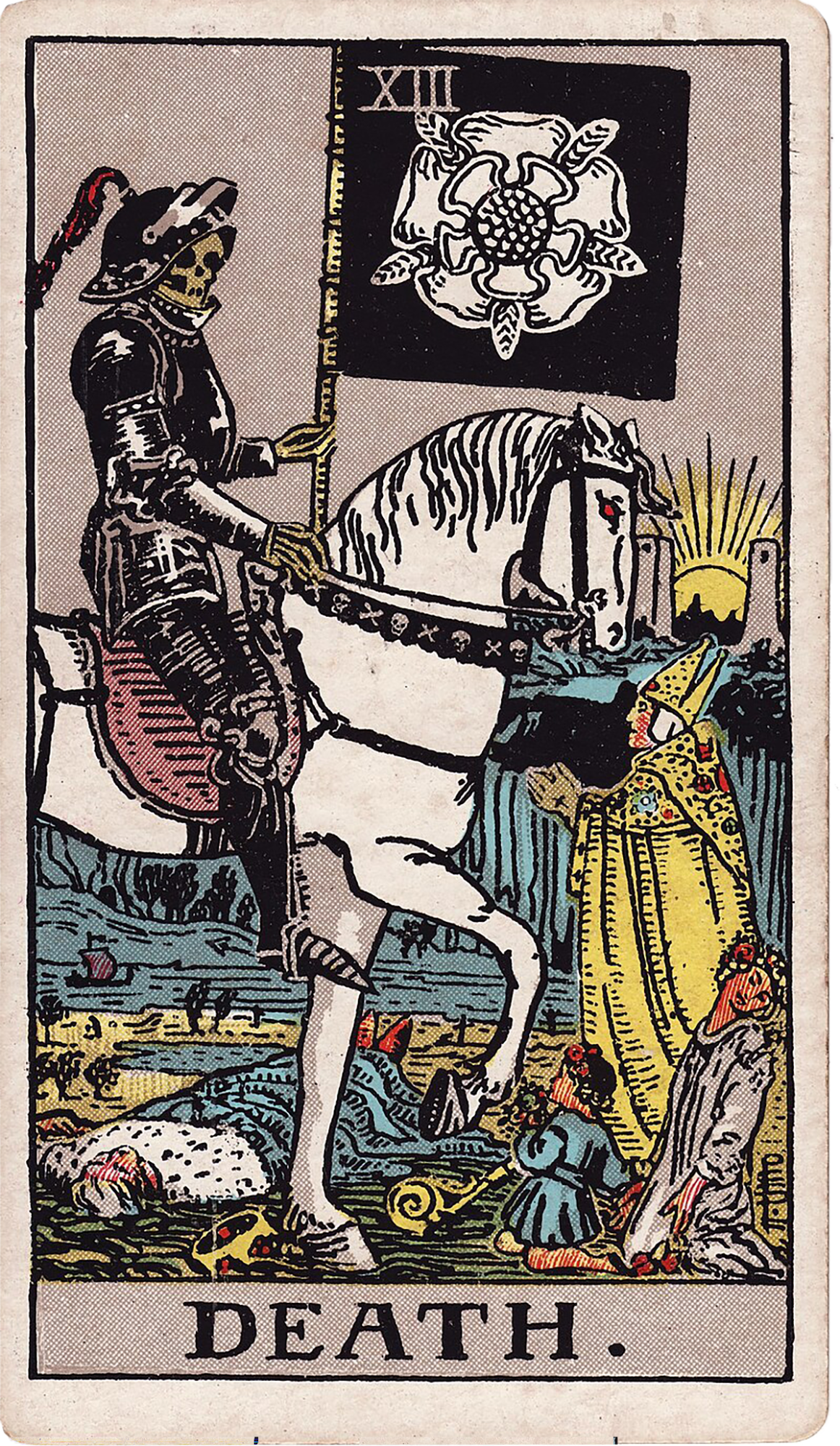 Death
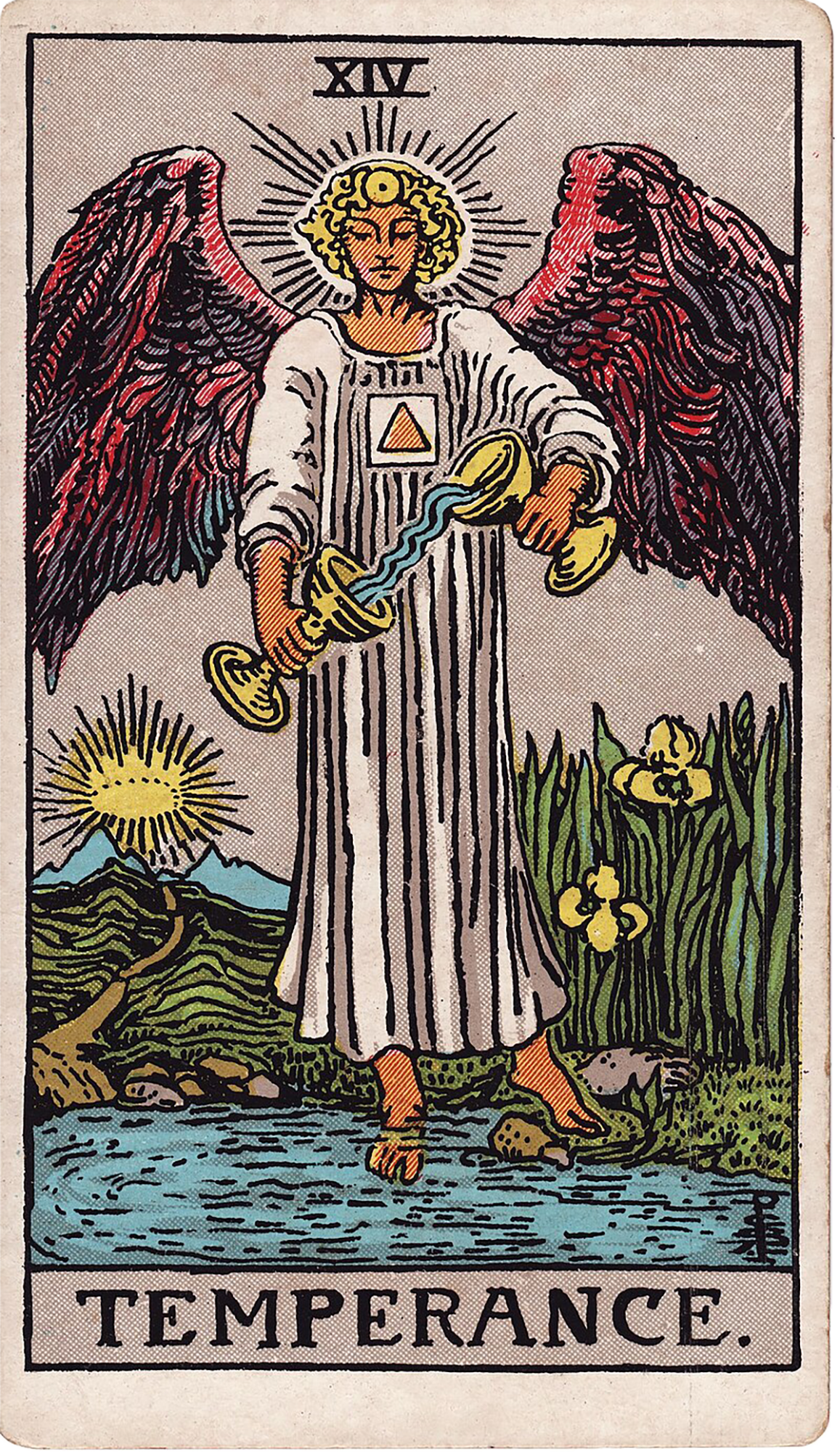 Temperance
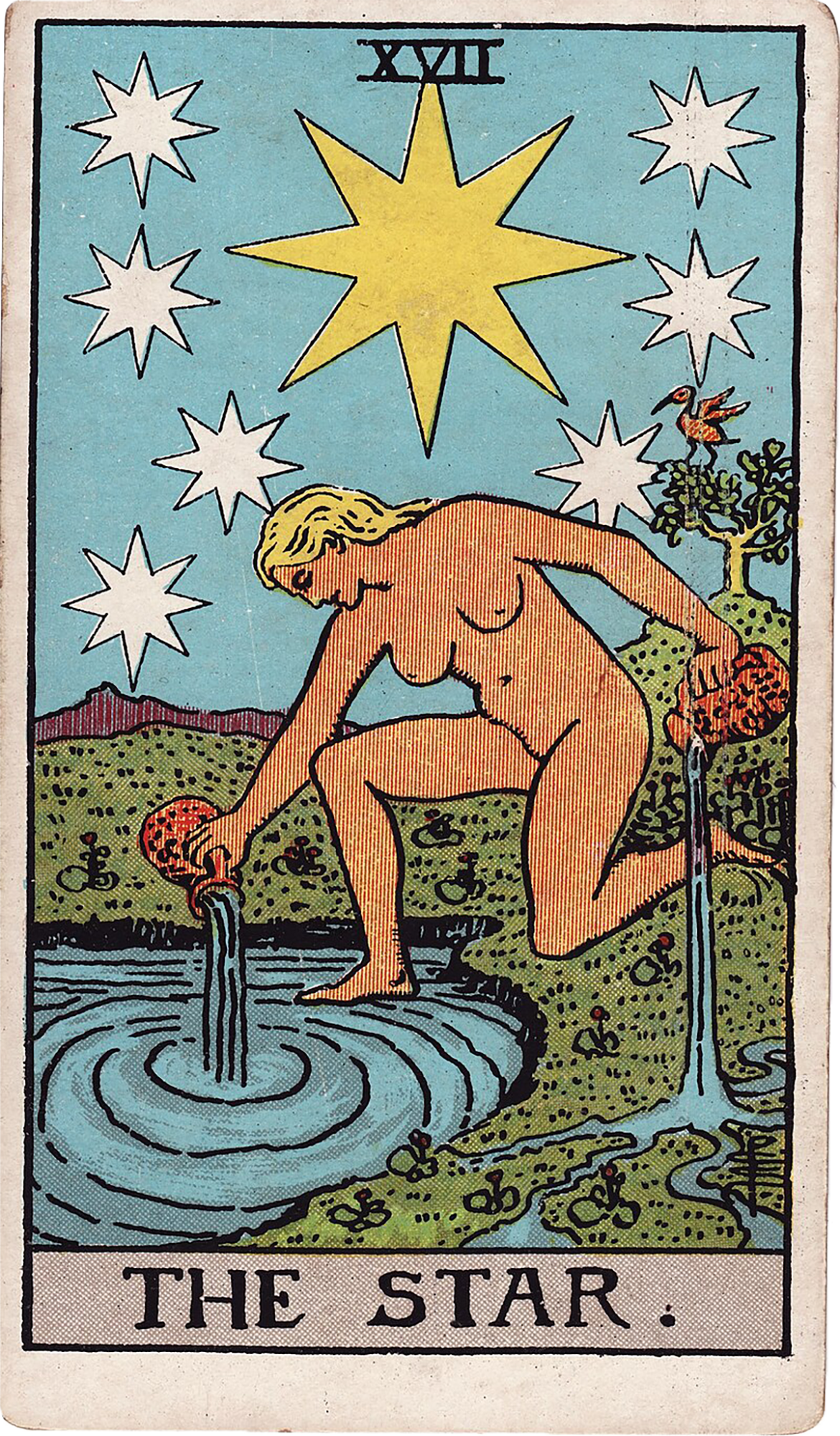 The Star
Introduction to the Death Temperance and The Star Combination
The combination of Death, Temperance, and The Star cards provides a profound narrative arc in Tarot readings centered on personal transformation. Each card carries rich symbolism in the Rider-Waite-Smith tradition: Death emphasizes endings and necessary release, Temperance highlights balanced integration and moderation, and The Star embodies hope, renewal, and authenticity. When these cards appear together, they describe a process of conscious evolution — ending what no longer serves, blending new elements skillfully, and opening to renewed faith in the future. Understanding this combination is essential for Tarot learners because it challenges the tendency to interpret cards in isolation. Instead, this triad invites deep reflection on how endings, balance, and hope interrelate to produce real change. This article will unfold their synergy across common reading contexts such as family relationships, career decisions, and emotional healing, supported by practical methods for integrated interpretation.
Core Symbolism and Upright Meanings Anchored in Rider-Waite-Smith Imagery
Each card in this combination provides a foundational quality essential for transformation: - Death depicts a skeletal figure riding a white horse, symbolizing the impartial force of endings. Upright, it calls for acknowledging when something has reached completion, releasing attachments, and preparing for transformation. The presence of the rising sun in the background reminds us that endings are always preludes to new beginnings. - Temperance shows an angel gracefully mixing water between two cups, representing harmonious blending and moderation. Upright, it encourages choosing balance and steady integration, working with available elements to create a better whole. - The Star features a nude woman pouring water into a pool and onto land beneath a large shining star, symbolizing openness, hope, and renewal. Upright, it invites healing through authenticity and gradual rebuilding of confidence. Understanding these visual cues and symbolic messages helps learners access the cards’ upright qualities and their constructive energies in readings.
How Death Modifies Temperance and The Star in Transformation Readings
When Death appears alongside Temperance and The Star, the theme of explicit ending or release provides a necessary foundation. Death’s upright call to acknowledge completion grounds the process in reality—before integration (Temperance) and hopeful renewal (The Star) can happen, something must be consciously allowed to end. In family or relational contexts, Death signals the importance of letting go of outdated patterns, roles, or conflicts. Temperance then advises how to rebalance relationships by blending new approaches or attitudes gently yet skillfully. The Star reassures that this process leads toward healing and restored faith. In career readings, Death may highlight the need to leave a position, role, or project that no longer fits. Temperance guides practical moderation and patience in navigating transitions, such as retraining or collaborative restructuring. The Star inspires confidence to pursue authentic vocational paths after disruption. Emotionally, Death asks for honest acknowledgment of grief or fear tied to change. Temperance assists in emotional regulation and integrating complex feelings without extremes. The Star encourages hopeful openness and self-acceptance during healing. Thus, Death’s presence modifies the meaning of Temperance and The Star from abstract ideals into active steps rooted in real endings.
Temperance as the Bridge Between Death and The Star Energies
Temperance holds a pivotal role in this combination as the balancing, integrating force between the finality of Death and the promise of The Star. After an ending is embraced, Temperance advises measured, skillful blending of old and new elements rather than rushing or forcing change. Practically, Temperance tempers the raw energy of Death’s upheaval to prevent reactionary extremes. It encourages moderation — for example, pacing emotional processing or combining conflicting demands with care. This steady integration creates fertile ground for The Star’s gentle renewal. Temperance’s angelic figure pouring water between cups visually symbolizes this transfer and transformation of energy, helping readers visualize how to move from an ending toward hopeful rebuilding. Without Temperance’s stabilizing influence, the reader risks misinterpreting the combination as abrupt or overwhelming rather than as a sustainable process. In family dynamics, Temperance suggests negotiating compromises and blending diverse needs thoughtfully after releasing toxic patterns (Death), preparing for mutual healing (The Star). In career contexts, it advises balancing ambition with patience during transitions. Emotionally, it encourages moderation of feelings and steady self-care.
The Star as the Outcome of Transformation and Integration
Within this trio, The Star represents the endpoint in the transformation cycle — a renewal of hope, confidence, and openness after endings and integration. Its upright symbolism of the woman pouring water into earth and sky suggests replenishing both conscious and subconscious aspects of the self. The Star’s presence in combination reassures the querent that the difficult process marked by Death and Temperance is not in vain. Healing, inspiration, and authenticity are attainable. This card invites active participation in rebuilding — not passive waiting — emphasizing gradual and steady renewal. In family card combinations, The Star encourages openness to reconciliation, rebuilding trust, or embracing new family roles. In career, it signals the possibility of authentic self-expression and visionary goals once transitions settle. Emotionally, it promotes renewed faith in oneself and the future. Reading The Star in combination with Death and Temperance thus reveals a powerful narrative arc of conscious transformation culminating in hopeful new beginnings.
Interpreting Reversed Cards in the Combination With Caution and Depth
Reversed cards in this combination often indicate blocks or distortions in the transformational process. For example: - Death reversed might show resistance to endings, clinging to past dynamics, or delayed transitions. - Temperance reversed can reveal imbalance, impatience, or failed integration efforts. - The Star reversed suggests discouragement, loss of faith, or passivity in healing. When these reversals appear together, the reader must carefully explore which phase of transformation is stuck or distorted. Rather than predicting disaster, the focus is on identifying where energy is trapped and how consciousness can be expanded to move forward. For example, in a family reading, Death reversed with Temperance upright but The Star reversed might indicate lingering denial of change, attempts at balance that feel forced, and fading hope. This signals a need for deeper honesty and clearer boundaries before renewal is possible. Interpreters should always consider the interaction among the cards rather than isolating reversals, looking for nuanced psychological or practical insights to avoid simplistic interpretations.
Practical Techniques for Reading This Combination Holistically
To avoid the common pitfall of reading each card alone, use these techniques: 1. Identify the narrative flow—see Death as beginning the process, Temperance as managing the transition, and The Star as the hopeful outcome. 2. Examine symbolism and color themes across cards, such as the white horse of Death and the flowing water in Temperance and The Star, to understand emotional and spiritual currents. 3. Ask integrative questions: How is the ending (Death) shaping the balance needed (Temperance)? How does this balance open the path for hope (The Star)? 4. Consider card positions in spreads—are they sequential steps, simultaneous influences, or past-present-future cards? 5. Reflect on upright and reversed combinations collectively—what blocks or facilitates transformation? 6. Avoid quick judgments. Instead, allow the cards’ combined imagery and meanings to guide a layered interpretation relevant to the querent’s context. These methods ensure a reading rich in depth and practical relevance.
Examples of the Combination in Various Contexts
Family Context: A querent struggling with a toxic family pattern might draw Death, Temperance, and The Star. Death signals the need to acknowledge the end of old behaviors, Temperance advises the careful blending of new communication styles, and The Star promises healing and renewed trust if these steps are followed. Career Context: For someone facing job loss, Death indicates the necessity of letting go, Temperance encourages thoughtful planning and skill development during transition, and The Star inspires hopeful visioning of future possibilities. Emotional Growth: A person processing grief may see Death as accepting loss, Temperance as balancing grief with self-care, and The Star as gradually finding hope and meaning again. These examples show the versatility of this combination, always emphasizing transformation as a holistic process.
Common Mistakes and How to Avoid Them When Reading This Combination
1. Reading cards in isolation without acknowledging their interaction—this loses the narrative power of the trio. 2. Assuming Death means physical death or purely negative outcomes—remember it symbolizes transformation and necessary endings. 3. Overlooking Temperance’s role leading to impulsive interpretations or ignoring balance issues. 4. Expecting The Star to guarantee instant miracles rather than gradual healing. 5. Ignoring reversals or treating them as simply “bad” rather than nuanced blocks or internal challenges. 6. Neglecting to tailor interpretations to the querent’s question and context. Avoid these by practicing integrative reading, staying grounded in the symbolism, and asking clarifying questions.
Conclusion Unlocking Deep Personal Transformation
The combination of Death, Temperance, and The Star offers Tarot readers a profound roadmap for understanding transformation as a layered and compassionate journey. By embracing endings, cultivating balance, and nurturing hope, querents can consciously engage with change rather than passively endure it. For learners, this trio exemplifies the power of card combinations to deepen insights beyond single card meanings. Using Rider-Waite-Smith imagery and symbolism as anchors, focusing on interaction, and applying practical techniques ensures readings that are rich, nuanced, and supportive. Unlocking the personal transformation this combination embodies requires patience, honesty, and openness—qualities these three cards collectively model. Incorporate this synergy into your Tarot practice to guide querents toward authentic renewal across family, career, and emotional realms.
Practice questions
• How can recognizing the interplay between Death, Temperance, and The Star deepen my understanding of transformation in Tarot readings?
• In what ways does Temperance serve as a balancing bridge between endings and new beginnings in this combination?
• How can I avoid interpreting these cards in isolation and instead weave their meanings into a coherent story?
• What signs might indicate that someone is resisting transformation when these cards appear reversed?
• How can the imagery of these cards guide my intuition during readings involving complex life transitions?
• How might this combination apply differently in family versus career contexts?
• What practical steps can I suggest to a querent facing a difficult ending based on this card trio?
Comments
Sign in to comment.
Continue learning
Interpreting the Dance of Justice and The Devil: Balancing Morality and Temptation in Tarot Readings
The combination of Justice and The Devil in tarot presents a profound exploration of morality, temptation, and personal accountability. This article unpacks how these cards influen...
Harnessing the Power of The Magician and Ace of Wands: Igniting Creativity and Manifestation in Tarot Readings
The combination of The Magician and the Ace of Wands in tarot readings offers a potent blend of creative energy and manifestation power. This article delves into the ways these car...
Understanding the Synergy Between The Empress and The Emperor in Tarot Card Combinations
This article delves into the intricate synergy between The Empress and The Emperor cards in Tarot, focusing on how their combined energies modify and enrich readings across various...
Decoding Transformation and Renewal with Death and The Star in Tarot Combinations
This article delves into the card combination of Death and The Star, two powerful Major Arcana cards from the Rider-Waite-Smith deck. It explores how their imagery and meanings int...
Balancing Ambition and Compassion with The Emperor and Queen of Cups in Tarot Combinations
This article delves into the nuanced Tarot card combination of The Emperor and Queen of Cups, emphasizing how their energies complement and challenge each other. By analyzing their...
Finding Emotional Healing and Renewal with The Star and The Moon Tarot Combination
This article examines the rich interplay between The Star and The Moon tarot cards when they appear together in a reading. Using the traditional Rider-Waite-Smith symbolism and the...
Unlocking Emotional Wisdom with The High Priestess and The Queen of Cups in Tarot Combinations
This article delves into the card combination of The High Priestess and The Queen of Cups, emphasizing their shared themes of intuition, emotional depth, and receptivity. By examin...
Unlocking Emotional Resilience with Strength and The Star in Tarot Combinations
This article delves into the Tarot card combination of Strength and The Star, revealing how their interplay highlights pathways to emotional resilience. Anchored in the Rider-Waite...
Unveiling Emotional Strength with Strength and The Queen of Cups in Tarot Combinations
This article delves into the dynamic Tarot combination of Strength and The Queen of Cups, emphasizing how these cards together illuminate emotional strength, compassionate boundari...
Unlocking Emotional Transformation with Death and The Moon Tarot Combination
This article explores the rich and complex interaction between the Death and The Moon tarot cards within the Rider-Waite-Smith tradition, focusing on their combined potential to un...