
Unlocking Personalities and Growth Opportunities Through the Court Cards of Cups
The Court Cards of Cups represent a rich spectrum of emotional personalities and developmental stages within the Minor Arcana. This article delves into the Page, Knight, Queen, and King of Cups, connecting their traditional Rider-Waite-Smith symbolism to practical interpretations for readers and learners. By examining each card’s upright and reversed meanings, common pitfalls, and practical reading strategies, readers will gain insights into their own emotional growth and relationships. The Cups Court Cards invite exploration of intuition, vulnerability, emotional maturity, and leadership, offering clear lessons and opportunities for personal evolution through the Minor Arcana family suit framework.
Cards explored in this article
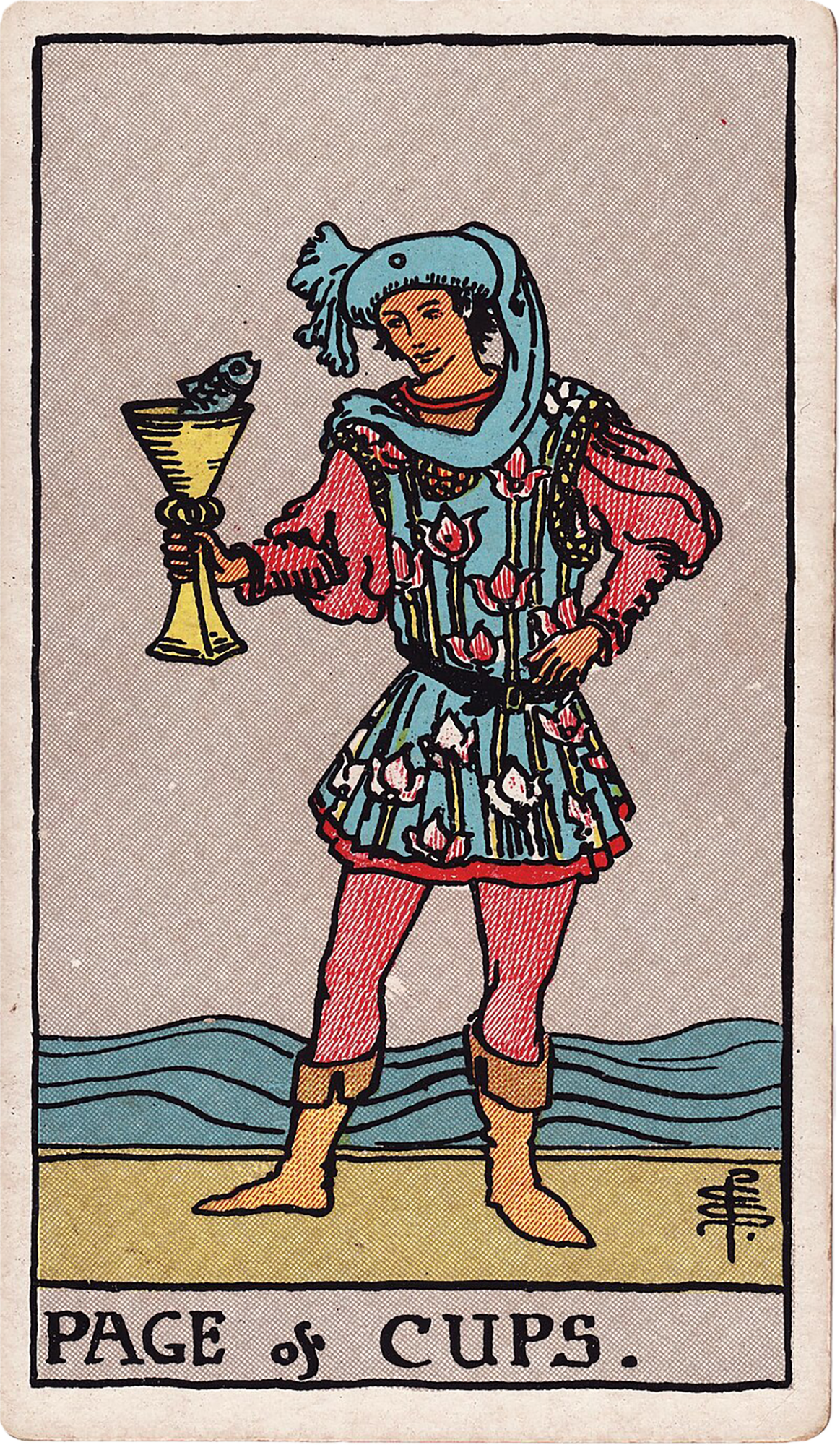 Page of Cups
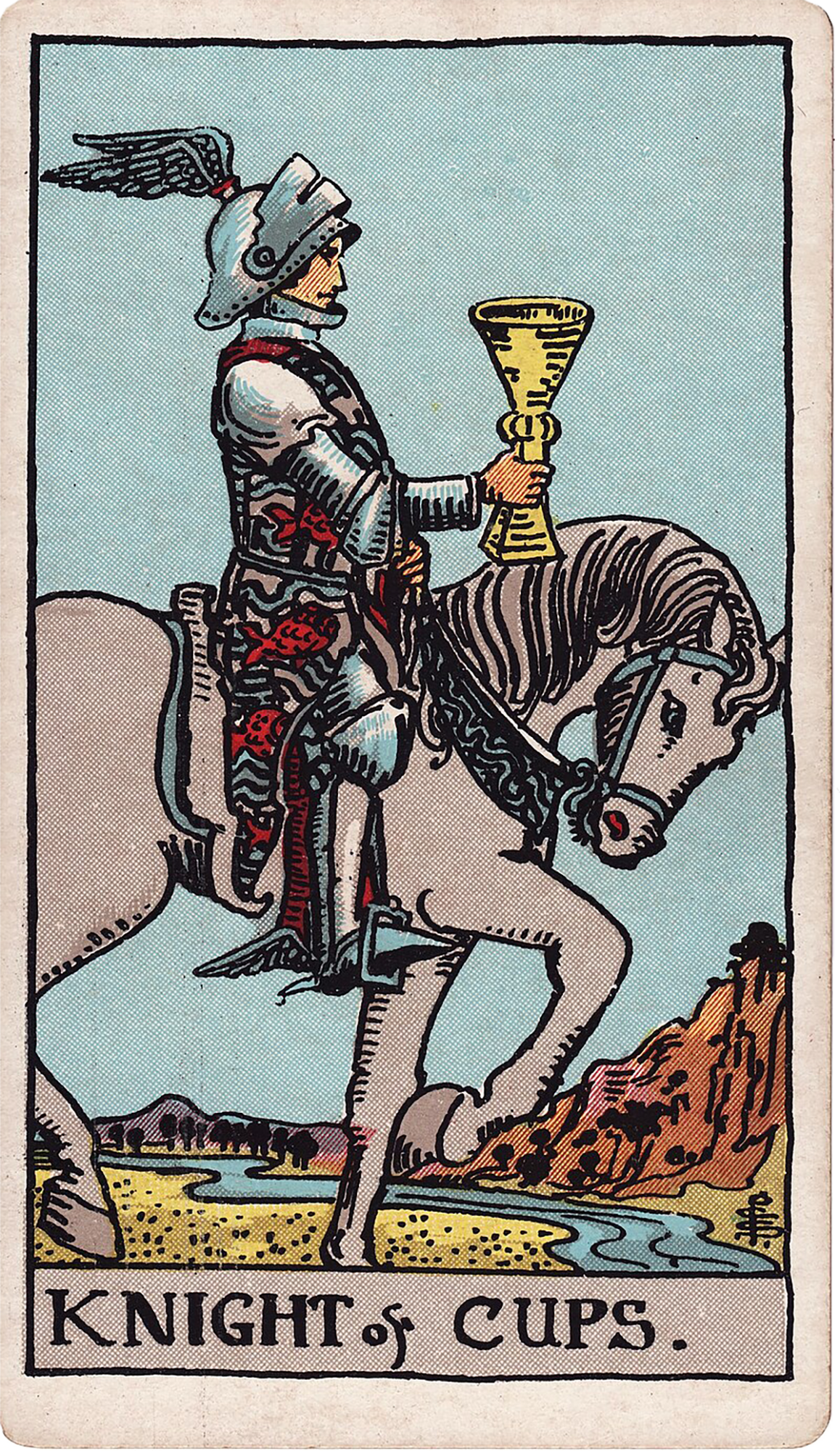 Knight of Cups
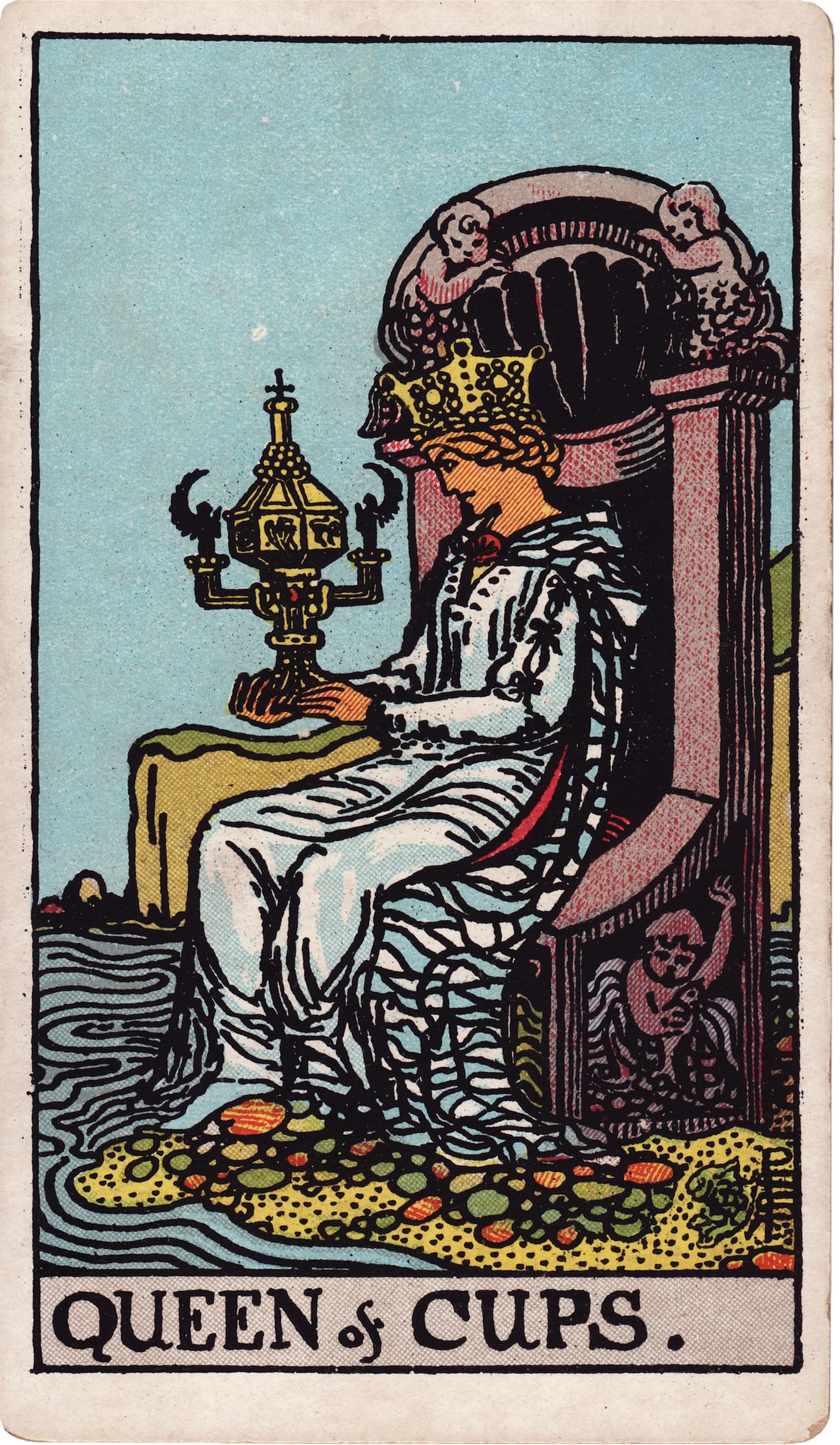 Queen of Cups
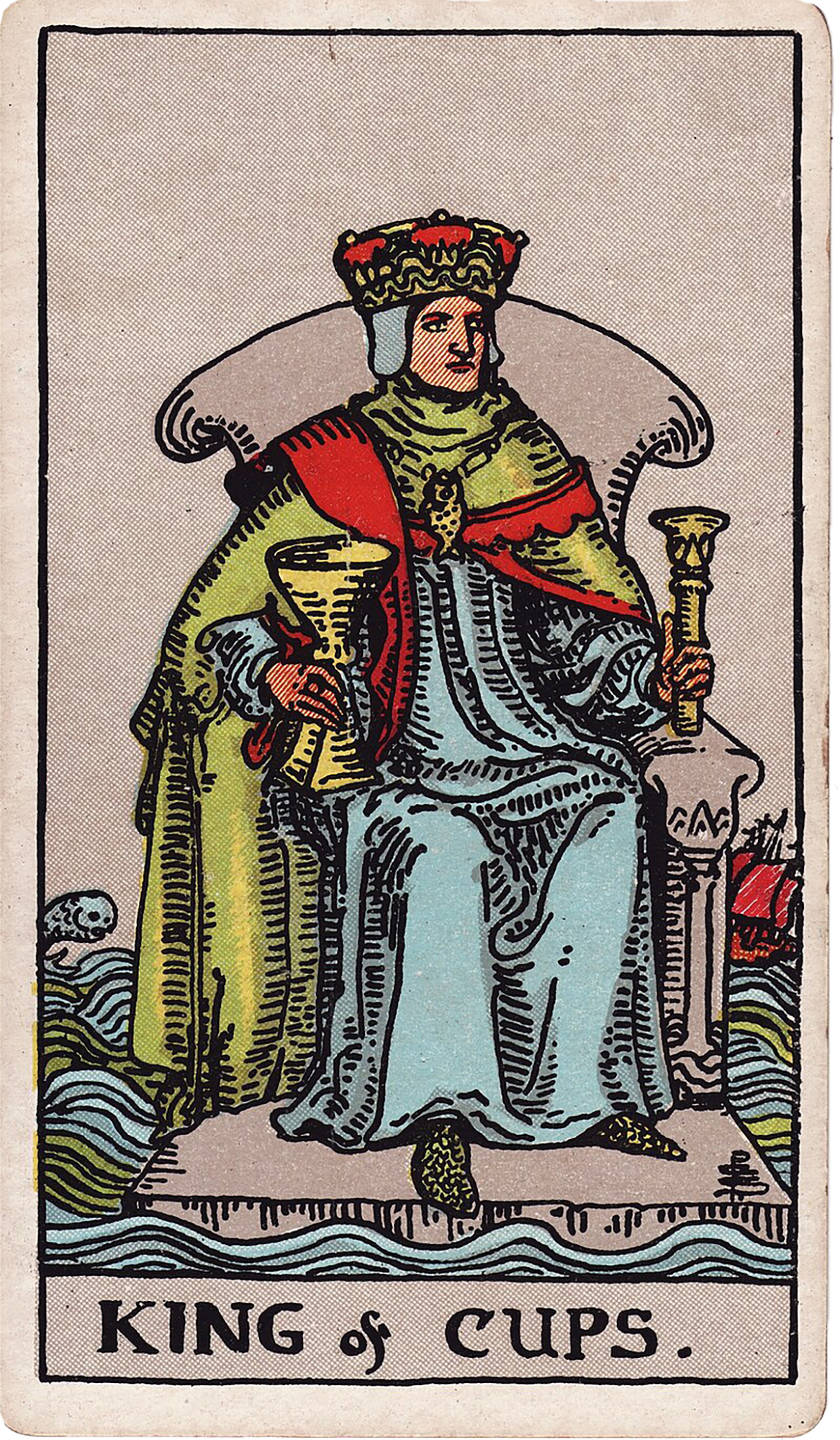 King of Cups
Introduction to the Court Cards of Cups and Their Family Suit Context
The Minor Arcana in tarot is divided into four suits, each representing a specific realm of experience. The suit of Cups traditionally corresponds to the emotional, intuitive, and relational aspects of life. Within this suit, the Court Cards—the Page, Knight, Queen, and King—embody evolving personalities and archetypes that illustrate different stages of emotional development and relational dynamics. Understanding these cards through the lens of family suit lessons helps readers see them not just as static characters but as fluid expressions of growth. Each card brings a unique emotional role: the youthful curiosity of the Page, the passionate pursuit of the Knight, the empathetic wisdom of the Queen, and the steady leadership of the King. Together, they form a roadmap for exploring how we process feelings, relate to others, and express intuition.
Page of Cups Unlocking Emotional Curiosity and Intuitive Beginnings
The Page of Cups traditionally signals the emergence of intuitive and emotional awareness. Upright, this card highlights unexpected emotional messages, creative impulses, and the importance of curiosity over premature judgment. The Rider-Waite-Smith imagery shows a youth holding a cup from which a fish emerges—a symbol of sudden inspiration or intuition rising from the subconscious. This emphasizes receptivity and the early stage of emotional learning where openness matters more than certainty. Practical reading advice is to consider how the querent might be encountering new feelings or creative ideas that require a gentle, experimental response rather than immediate action. When reversed, the Page of Cups calls attention to emotional immaturity, hypersensitivity, or a dismissal of intuition, often indicating internal blockages. Learners should avoid treating reversal as merely negative; instead, it signals where emotional development is stuck and needs care, such as practicing emotional honesty or simplifying complex feelings.
Knight of Cups Pursuing Emotional Ideals with Grace and Caution
The Knight of Cups is often seen as the romantic or idealistic figure, moving forward with emotional intention and imagination. The Rider-Waite-Smith card depicts a knight riding calmly with a cup held forward, symbolizing active pursuit of what the heart values. Upright, this card encourages the graceful pursuit of emotional goals and relationships, emphasizing balance between dreams and reality. Readers should assess whether the querent is embodying this pursuit constructively or if the energy is becoming pressured or unrealistic. Reversed, the Knight warns of moodiness, empty promises, or chasing fantasies disconnected from real interpersonal dynamics. This card’s lesson advises recognizing when emotional idealism turns into avoidance or deception and encourages grounding feelings through honest communication. In practice, the Knight of Cups invites readers to observe how emotions motivate actions and whether these are aligned with genuine needs or escapism.
Queen of Cups Mastering Emotional Receptivity and Empathic Wisdom
The Queen of Cups represents mature emotional receptivity and intuitive understanding while maintaining an inner container for feelings. The Rider-Waite-Smith imagery shows a serene and attentive woman holding a closed cup, symbolizing her containment of deep emotions and intuition. Upright, this card suggests empathy, compassion, and emotional balance. It encourages readers to cultivate emotional intelligence that is both open and protected, able to absorb others’ feelings without losing oneself. Reversed, it signals emotional overwhelm, codependency, or confusion between intuition and anxiety—pointing to a need for boundaries or self-care. The Queen’s lessons include recognizing when empathy becomes enmeshment and learning to differentiate one’s own feelings from those absorbed from others. Practical reading technique involves evaluating surrounding cards to see if emotional situations require nurturing or healthy detachment.
King of Cups Embracing Steady Emotional Leadership and Composure
The King of Cups symbolizes emotional mastery and leadership—feeling deeply while maintaining composure and creating a safe space for vulnerability. In the Rider-Waite-Smith deck, the King sits calmly on a throne surrounded by water, representing his dominion over emotions. Upright, this card encourages steady guidance, emotional resilience, and compassionate authority. It invites readers to embody the balance between feeling and rationality, offering safety to themselves and others. When reversed, the King can indicate emotional manipulation, repression, or a reluctance to show genuine vulnerability. This reversal points to a blockage in emotional leadership where feelings are controlled by withdrawal or hidden agendas. Readers should explore where emotional honesty may be lacking and what needs to be released for healthier expression. The King of Cups challenges learners to develop emotional maturity that supports both personal and relational growth.
Practical Techniques for Reading the Cups Court Cards
When interpreting the Court Cards of Cups, it is essential to approach them as dynamic personalities and stages of growth rather than fixed predictions. Start by observing the card’s posture, facial expression, and symbols—such as the fish in the Page’s cup or the closed cup held by the Queen—to connect with the energy portrayed. Use the surrounding cards in a spread to contextualize whether the card’s energy is emerging, climaxing, or resolving. For example, a Page of Cups near cards representing beginnings suggests emotional or creative newness, while near challenging cards, it might indicate emotional confusion needing clarity. In reversals, inquire where emotional processes are stuck or need simplification rather than defaulting to negative interpretations. Reflective questioning during readings helps uncover whether the querent is suppressing feelings, idealizing scenarios, or ready to lead emotionally. Finally, consider the question’s nature—relationship, self-growth, or intuition development—as it shapes the Court Cards’ guidance.
Common Mistakes and How to Avoid Them in Cups Court Card Interpretation
A frequent mistake in interpreting the Cups Court Cards is treating reversals as mere opposites of the upright meaning or as outright negative omens. Instead, learners should view reversals as signals of emotional processes that are delayed, blocked, or misunderstood internally. Another error is overgeneralizing the cards to personality types without considering the reading context and surrounding cards. For example, the Knight of Cups is not only a romantic figure but also a lesson in balancing idealism with reality. Additionally, readers sometimes neglect the practical aspect of these cards, focusing only on abstract ideals rather than what real actions or emotional attitudes the cards suggest. Avoid this by always asking, 'What stage is this emotional energy at and what response fits here?' Lastly, ignoring the Rider-Waite-Smith symbolism leads to superficial readings. Paying close attention to imagery such as water, cups, and gestures enriches the interpretation and connects the cards to their traditional roots.
Integrating Court Cards of Cups into Personal Growth and Relationship Awareness
The Cups Court Cards offer a valuable framework for introspection and emotional development. By identifying with the Page’s openness, the Knight’s purposeful pursuit, the Queen’s compassionate container, and the King’s balanced leadership, individuals can track their emotional maturity and relational patterns. In personal growth work, these cards encourage learners to cultivate intuition, manage emotional energy skillfully, establish healthy boundaries, and lead with empathy. In the context of relationships, they provide insights into the emotional dynamics at play, helping to recognize when one is embodying youthful curiosity, passionate pursuit, nurturing care, or steady guidance. Using these cards as mirrors rather than predictions facilitates conscious transformation and healthier emotional expression. Regular reflection on what these archetypes mean in one’s life and relationships unlocks opportunities for deeper awareness and growth.
Practice questions
• In what ways am I currently embodying the emotional qualities of the Page, Knight, Queen, or King of Cups?
• Where might I be dismissing or misunderstanding my intuition, as suggested by the Page of Cups reversed?
• How can I balance idealism and reality in my emotional pursuits, taking lessons from the Knight of Cups?
• Am I allowing myself to hold space for others’ feelings without losing my own boundaries like the Queen of Cups?
• Where do I need to develop steadier emotional leadership similar to the King of Cups?
• What emotional patterns feel stuck or blocked, and how might I release or acknowledge them for growth?
• How do the surrounding cards in a spread help clarify the current stage of emotional energy represented by the Court Cards?
Comments
Sign in to comment.
Continue learning
Exploring The High Priestess in Career Relationships and Personal Growth
The High Priestess card in the tarot deck invites readers to explore intuition, hidden knowledge, and inner wisdom across various life contexts. This article examines how The High...
Using the Career Five Card Spread to Identify Growth Opportunities and Challenges
This article explores the Career Five Card Spread, a practical tarot method designed to spotlight growth opportunities, strengths, and obstacles within a career context. By analyzi...
Advanced Techniques for Combining The Moon and The Star to Enhance Intuition in Tarot Readings
This article explores advanced techniques to combine the symbolism and energy of The Moon and The Star Tarot cards to enhance intuition during Tarot readings. Drawing from traditio...
Finding Emotional Healing and Renewal with The Star and The Moon Tarot Combination
This article examines the rich interplay between The Star and The Moon tarot cards when they appear together in a reading. Using the traditional Rider-Waite-Smith symbolism and the...
Unlocking Emotional Wisdom with The High Priestess and The Queen of Cups in Tarot Combinations
This article delves into the card combination of The High Priestess and The Queen of Cups, emphasizing their shared themes of intuition, emotional depth, and receptivity. By examin...
Exploring Emotional Growth with The Moon and The Queen of Cups in Tarot Combinations
This article explores the deep emotional and intuitive themes arising when The Moon and The Queen of Cups appear together in Tarot spreads. By examining their upright and reversed...
Balancing Ambition and Intuition with The Emperor and The High Priestess in Tarot Combinations
This article delves into the card combination of The Emperor and The High Priestess, highlighting their complementary energies of structure and intuition. It explores how these car...
Unlocking Emotional Growth with The Moon and The Hanged Man in Tarot Combinations
This article delves into the Tarot combination of The Moon and The Hanged Man, highlighting how their interplay unlocks emotional growth. By analyzing their upright and reversed me...
Understanding the Many Facets of The Moon in Emotional and Intuitive Tarot Readings
The Moon card in the Tarot deck embodies themes of intuition, uncertainty, dreams, and emotional complexity. This article offers a comprehensive exploration of The Moon’s upright a...
Unlocking Advanced Intuition Techniques Using The High Priestess The Moon and The Hermit
This article examines advanced intuition development in tarot reading by focusing on The High Priestess, The Moon, and The Hermit cards. It offers practical techniques for beginner...