
Unlocking Advanced Intuition Techniques Using The High Priestess The Moon and The Hermit
This article examines advanced intuition development in tarot reading by focusing on The High Priestess, The Moon, and The Hermit cards. It offers practical techniques for beginner and advanced readers to deepen intuitive skills, explains how to engage with the symbolism of these cards during readings, addresses common pitfalls, and provides a structured method to integrate these archetypes into intuition training. The guidance is anchored in traditional Rider-Waite-Smith symbolism and encourages readers to cultivate discernment, navigate uncertainty, and use solitude constructively.
Cards explored in this article
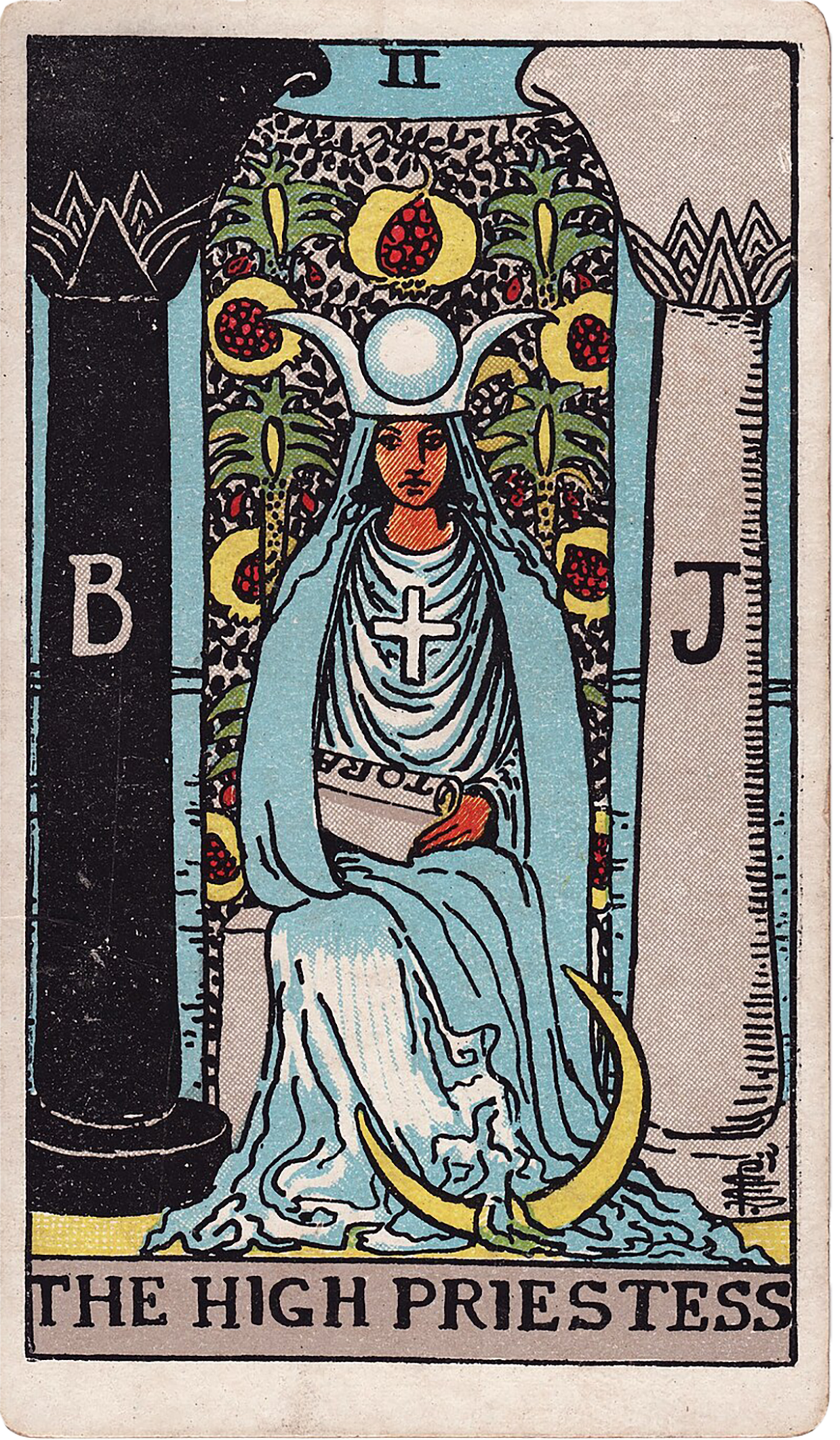 The High Priestess
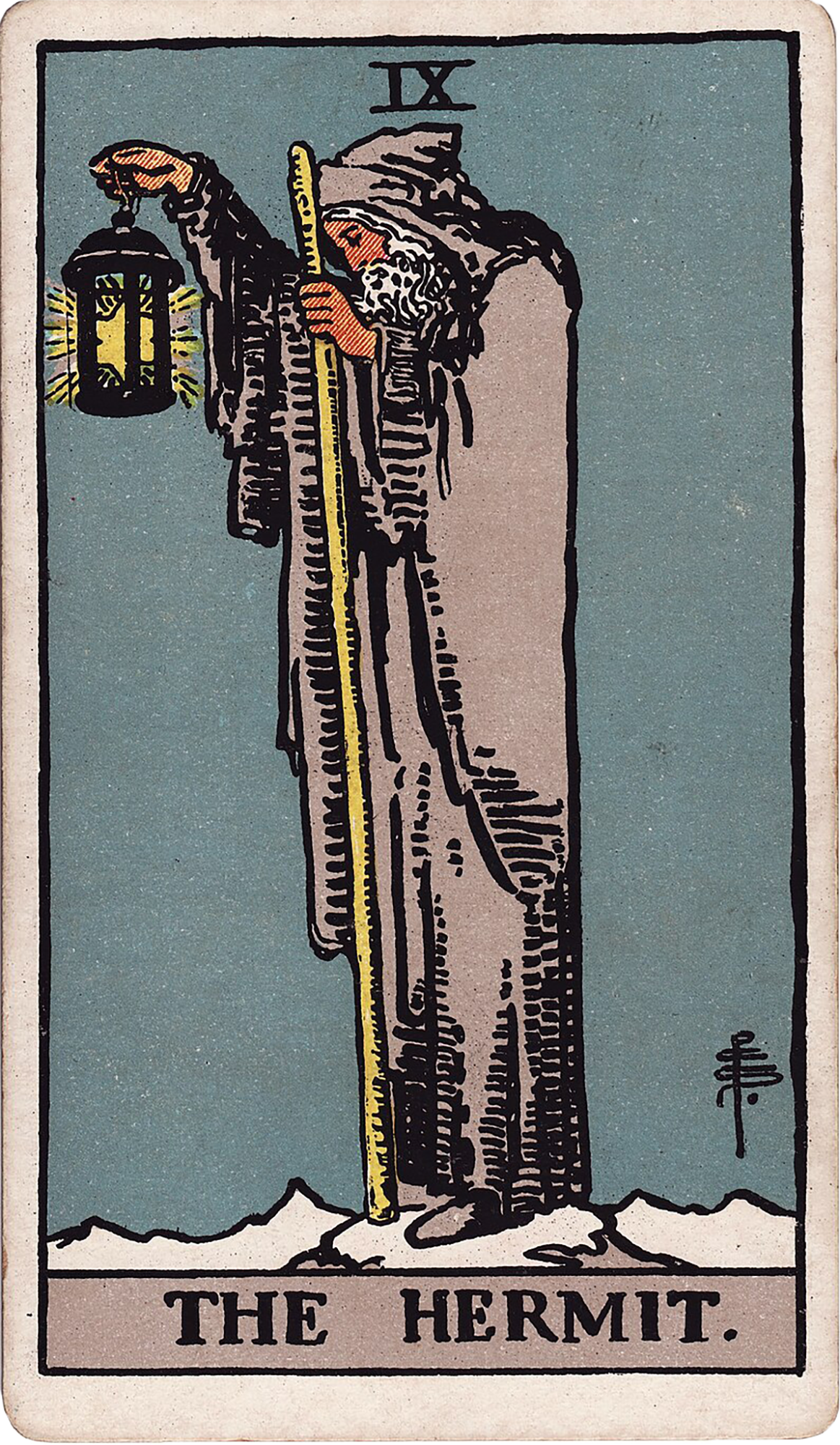 The Hermit
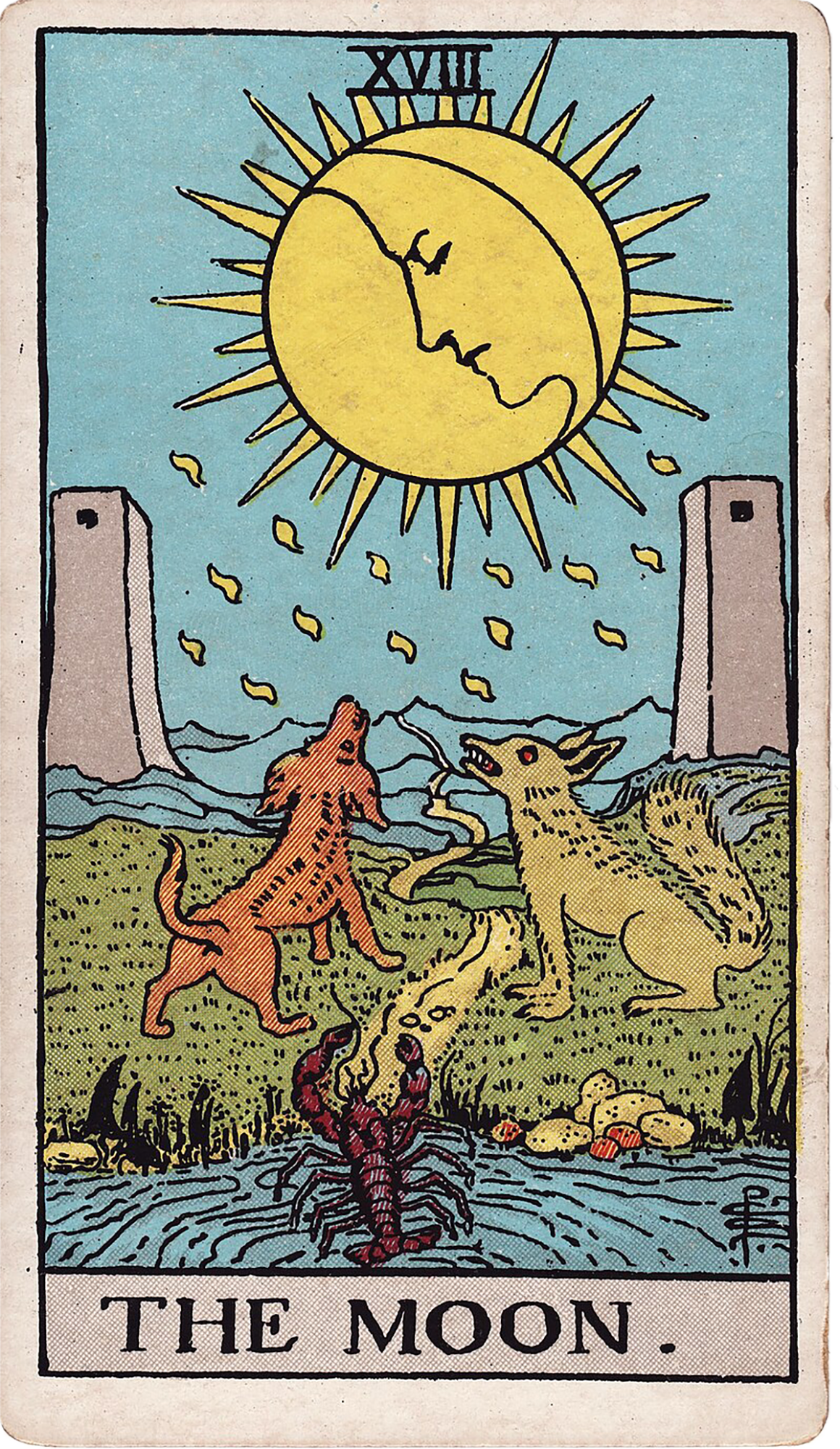 The Moon
Introduction to Advanced Intuition in Tarot Reading
Intuition is a central skill for tarot readers, enabling them to move beyond surface interpretations and access deeper layers of meaning. Developing advanced intuition involves more than spontaneous flashes; it requires disciplined engagement with the cards’ symbolism, self-awareness, and a methodical approach to inner knowing. This article uses three powerful Major Arcana cards—The High Priestess, The Moon, and The Hermit—as gateways to refine and advance your intuitive abilities. Each card embodies qualities essential to intuition: quiet discernment, navigating uncertainty, and solitary reflection. By exploring these archetypes in detail, readers of all levels can build both foundational and sophisticated intuition techniques.
The High Priestess as a Foundation for Quiet Discernment
The High Priestess card, shown upright, emphasizes listening beneath surface appearances and trusting a calm, internal knowing. Traditionally depicted seated between dual pillars, holding a scroll partially hidden behind a veil, she invites the reader to balance mystery and revelation. In practice, The High Priestess encourages readers to pause and allow intuition to emerge naturally instead of forcing answers. When this card appears in a reading, the technique involves observing what information is already present but not yet consciously acknowledged. For example, focus on subtle details in the querent’s story or body language that might resonate with the card’s symbols such as the crescent moon or the pomegranates—symbols of hidden knowledge and fertility. Common beginner mistakes include rushing to a conclusion, confusing anxiety or wishful thinking with intuition, or ignoring the card’s call for patience. Using The High Priestess as a tool means developing disciplined receptivity—practicing silence in your mind to hear inner whispers and distinguishing these from projections or fears. This practice forms the ground for more complex intuitive work.
Navigating Uncertainty with The Moon
The Moon card presents a different but complementary aspect of intuition: moving carefully through uncertainty. Its imagery—often featuring a moonlit path, a crayfish emerging from water, and two dogs representing tamed and wild instincts—symbolizes the challenge of discerning truth from illusion. Upright, The Moon encourages respecting dreams and intuitive signals while verifying them against reality. This card helps advanced readers to recognize when intuition is clouded by fear, confusion, or imagination. Technique-wise, when The Moon appears, practice grounding exercises to balance intuition with conscious awareness. Ask yourself which aspects of your intuitive impressions are factual and which might be projections. For example, during a reading, note if intuitive insights arise as vivid images or feelings, then mentally cross-check for external evidence or logical consistency. A common difficulty is becoming trapped in imagined scenarios or overanalyzing intuitive information, which leads to paralysis or distorted outcomes. Working with The Moon means embracing the ambiguous, allowing mystery without rushing to certainty, and cultivating patience for clarity to emerge. This intermediate step is essential before integrating the insight into practical advice.
The Hermit as a Guide for Solitude and Deep Reflection
The Hermit card symbolizes stepping back to think clearly and seek depth through solitude. Traditionally depicted as an old figure holding a lantern, The Hermit embodies wisdom gained from introspection and deliberate thought. This card teaches that intuition is not only about spontaneous insight but also about reflective processing and honest self-inquiry. When The Hermit appears upright in a reading, it suggests a deliberate withdrawal from external noise to focus on internal clarity. Practically, this might mean setting aside distractions, journaling impressions, or meditating on the question at hand. The lantern’s light is a metaphor for using conscious awareness to illuminate the unconscious or hidden aspects of a situation. Beginners sometimes mistake The Hermit for avoidance or loneliness, while advanced readers recognize the power of balanced solitude to refine intuition. The technique is to create structured periods of reflection after initial intuitive impressions to evaluate and integrate them. This process deepens understanding and prevents impulsive or emotionally driven readings.
Combining The High Priestess The Moon and The Hermit for Advanced Intuition Training
Integrating these three cards as a triad provides a comprehensive method for developing advanced intuition. Begin with The High Priestess’s invitation to quiet listening—cultivating openness and trust in inner knowing. Follow this with The Moon’s teaching to navigate uncertainty, balancing imaginative impressions with grounded reality testing. Finally, engage The Hermit’s practice of reflective solitude to process insights and refine judgment. A practical exercise involves a three-step reading or meditation: first, draw The High Priestess and focus on sensory awareness and subtle cues; second, draw The Moon and explore emotional or unconscious material, noting areas of doubt or distortion; third, draw The Hermit and undertake a period of quiet reflection to synthesize the information. This method helps readers move beyond surface intuition to nuanced, reliable insight. In readings, applying these cards’ lessons may look like pacing the delivery of information, signaling to the querent when to pause and consider, and clarifying when intuitive impressions need further verification or contemplation. This approach fosters ethical reading practices grounded in discernment and honesty.
Common Mistakes and How to Avoid Them
Several pitfalls commonly arise when working with these cards for intuition. One is confusing intuition with wishful thinking or fear—often seen as reversed High Priestess or reversed Moon energies. Another is excessive withdrawal or overanalysis, linked to reversed Hermit tendencies. Readers may also rush readings, ignoring the cards’ call for patience and deeper inquiry. Avoid these mistakes by regularly asking reflective questions such as: Am I projecting my desires or fears onto this reading? Have I checked these insights against reality or facts? Am I taking sufficient time to process and reflect? Using journaling or discussing readings with trusted peers can help reveal biases and strengthen intuitive accuracy. Remember that these cards encourage balance—between receptivity and discernment, imagination and reality, solitude and engagement.
Practical Reading Method for Intuition Development
To apply these lessons in practice, start with a focused daily or weekly exercise: Shuffle and draw these three cards in sequence or at random. For each card, spend time with its imagery, symbolism, and traditional Rider-Waite-Smith meanings. Note your spontaneous impressions without judgment. Then, journal responses to guided questions: - For The High Priestess: What is hidden beneath the surface here? What quiet message am I receiving? - For The Moon: Where might my intuition be clouded by fear or confusion? What needs more clarity? - For The Hermit: What insights arise when I create space for reflection? What wisdom has solitude revealed? Over time, this practice strengthens the ability to distinguish intuitive insights from noise, guides ethical interpretation, and enhances confidence in delivering readings. When used alongside study of card symbolism, it supports both beginner and advanced readers in mastering the art of intuition.
Conclusion and Continuing the Journey
Unlocking advanced intuition using The High Priestess, The Moon, and The Hermit is a layered process that honors patience, self-awareness, and disciplined practice. These cards invite readers to develop a dynamic balance of openness, critical awareness, and reflective insight. By anchoring intuition training in their rich symbolism and traditional meanings, tarot practitioners can deepen their connection to inner wisdom and improve the quality and depth of their readings. Remember, intuition is a skill cultivated over time, not a sudden gift. Using these archetypes as guides, you can build a sustainable practice that moves from beginner receptivity to advanced discernment, enabling you to serve querents with integrity and clarity.
Practice questions
• How do I currently distinguish between true intuition and projection or fear during readings?
• In what ways can I create more mental or physical space for The Hermit’s practice of reflection in my tarot work?
• What symbols in The High Priestess, The Moon, and The Hermit resonate most strongly with my intuitive process, and why?
• How can I balance patience and the desire for certainty when working with uncertainty represented by The Moon?
• What habits or mental patterns might be blocking my access to the quiet discernment The High Priestess invites?
Comments
Sign in to comment.
Continue learning
Interpreting the Dance of Justice and The Devil: Balancing Morality and Temptation in Tarot Readings
The combination of Justice and The Devil in tarot presents a profound exploration of morality, temptation, and personal accountability. This article unpacks how these cards influen...
Advanced Techniques for Combining The Moon and The Star to Enhance Intuition in Tarot Readings
This article explores advanced techniques to combine the symbolism and energy of The Moon and The Star Tarot cards to enhance intuition during Tarot readings. Drawing from traditio...
Unlocking Life Insights with the Celtic Cross Tarot Spread
This article offers a thorough exploration of the Celtic Cross Tarot Spread, focusing on its application within family and practical life contexts. Using a worked example featuring...
Unlocking Hidden Meanings with The Hermit and The Hanged Man for Spiritual Growth
This article offers an in-depth exploration of The Hermit and The Hanged Man Tarot cards focusing on their roles in spiritual growth. It guides readers through beginner and advance...
Unlocking Personal Insight with the Seven Card Horseshoe Spread
The Seven Card Horseshoe Spread is a practical and insightful Tarot layout ideal for exploring personal and family dynamics. This article breaks down each position—Past, Present, H...
Mastering the Court Cards of Wands for Unlocking Personal Drive and Leadership
The Court Cards of Wands represent a dynamic spectrum of personal energy, ambition, and leadership potential within the Minor Arcana. This article offers a comprehensive exploratio...
Tracing the Origins and Evolution of The Fool Card in Tarot History
The Fool card holds a foundational place in tarot tradition, symbolizing beginnings, openness, and the embrace of uncertainty. This article traces its origins from early European d...
Techniques for Reading Court Cards to Unlock Personality Insights
Court cards in Tarot often represent people, personality traits, or energy patterns within a situation. This article offers a structured approach for beginners and advanced readers...
Unlocking Emotional Transformation with Death and The Moon Tarot Combination
This article explores the rich and complex interaction between the Death and The Moon tarot cards within the Rider-Waite-Smith tradition, focusing on their combined potential to un...
Applying The Star Card to Foster Hope and Renewal in Personal Growth
The Star card in Tarot symbolizes hope, authenticity, and the process of steady renewal. In a single-card reading, The Star encourages embracing what is present, cultivating openne...