
Unlocking Practical and Emotional Lessons Through the Page Knight Queen and King of Cups
This article delves into the Minor Arcana family of Cups court cards—the Page, Knight, Queen, and King—unpacking their intertwined practical and emotional lessons. By closely examining their upright and reversed meanings, symbolism, and common reading contexts, learners discover how these cards represent stages of emotional growth, relationship dynamics, and intuitive development. The discussion emphasizes how to read these cards effectively using their imagery and traditional symbolism, avoid common mistakes, and apply interpretive techniques that honor the cards' evolving energies. Reflection questions and related topics encourage deeper engagement with the family suit’s layered insights.
Cards explored in this article
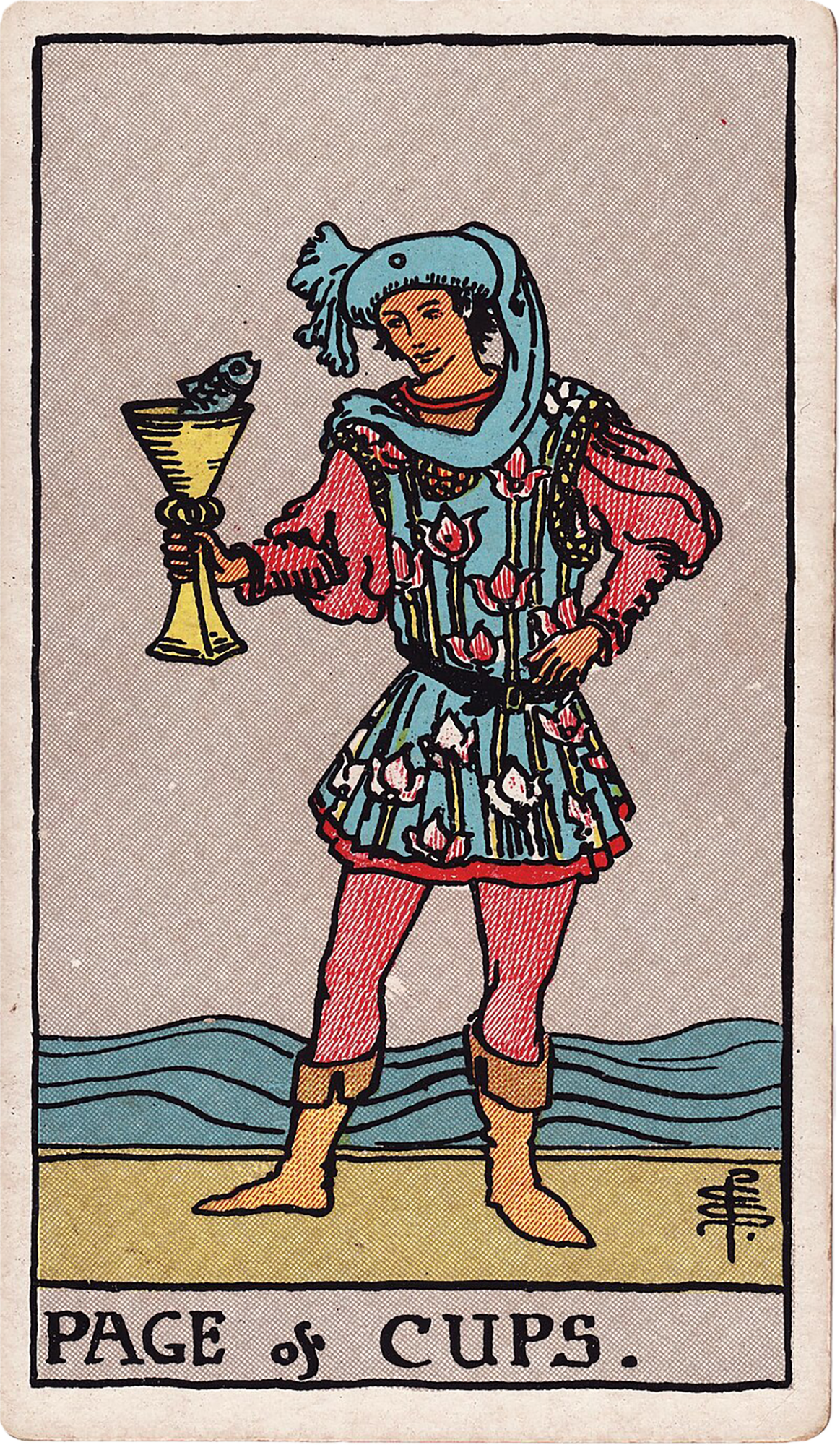 Page of Cups
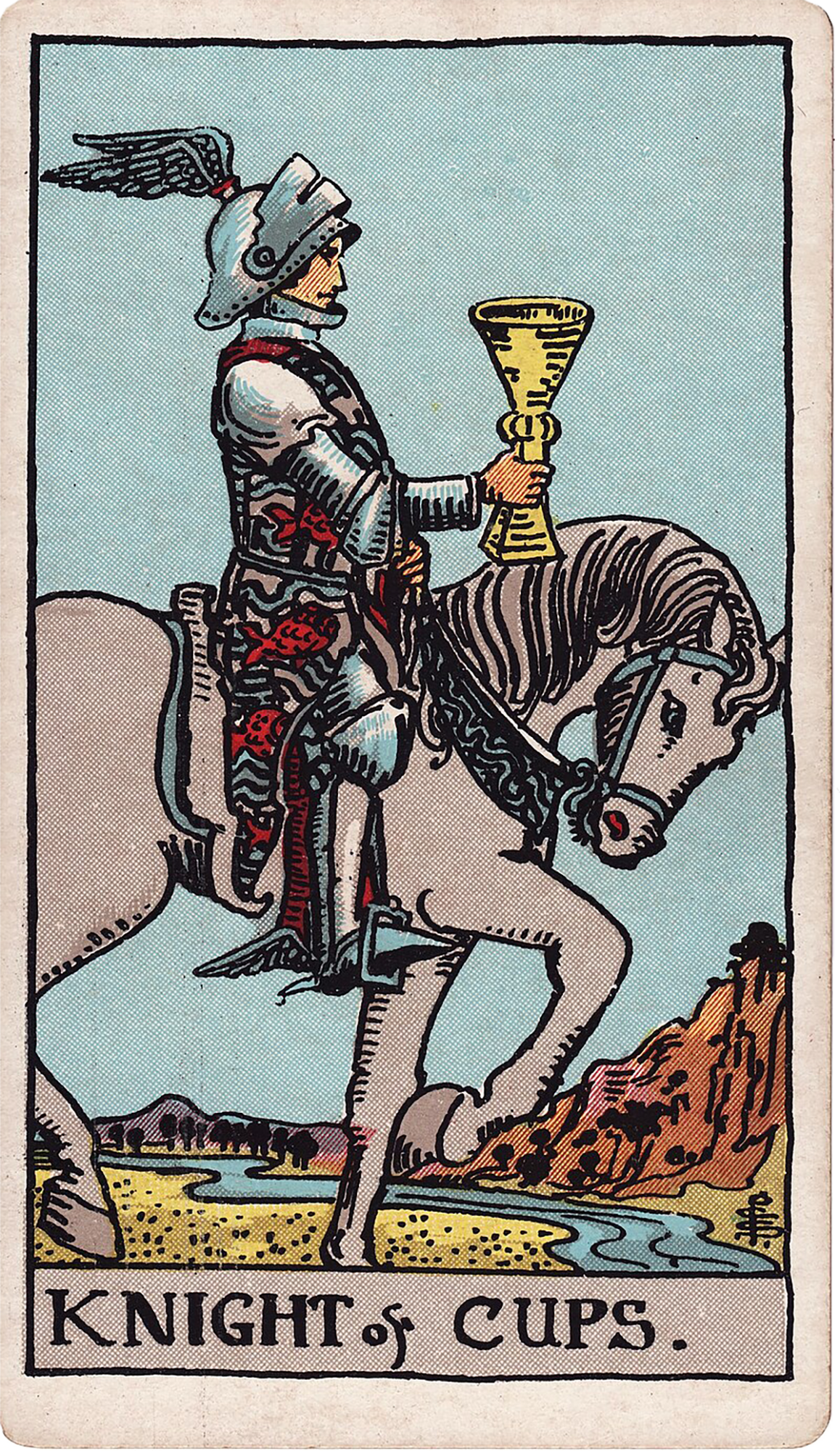 Knight of Cups
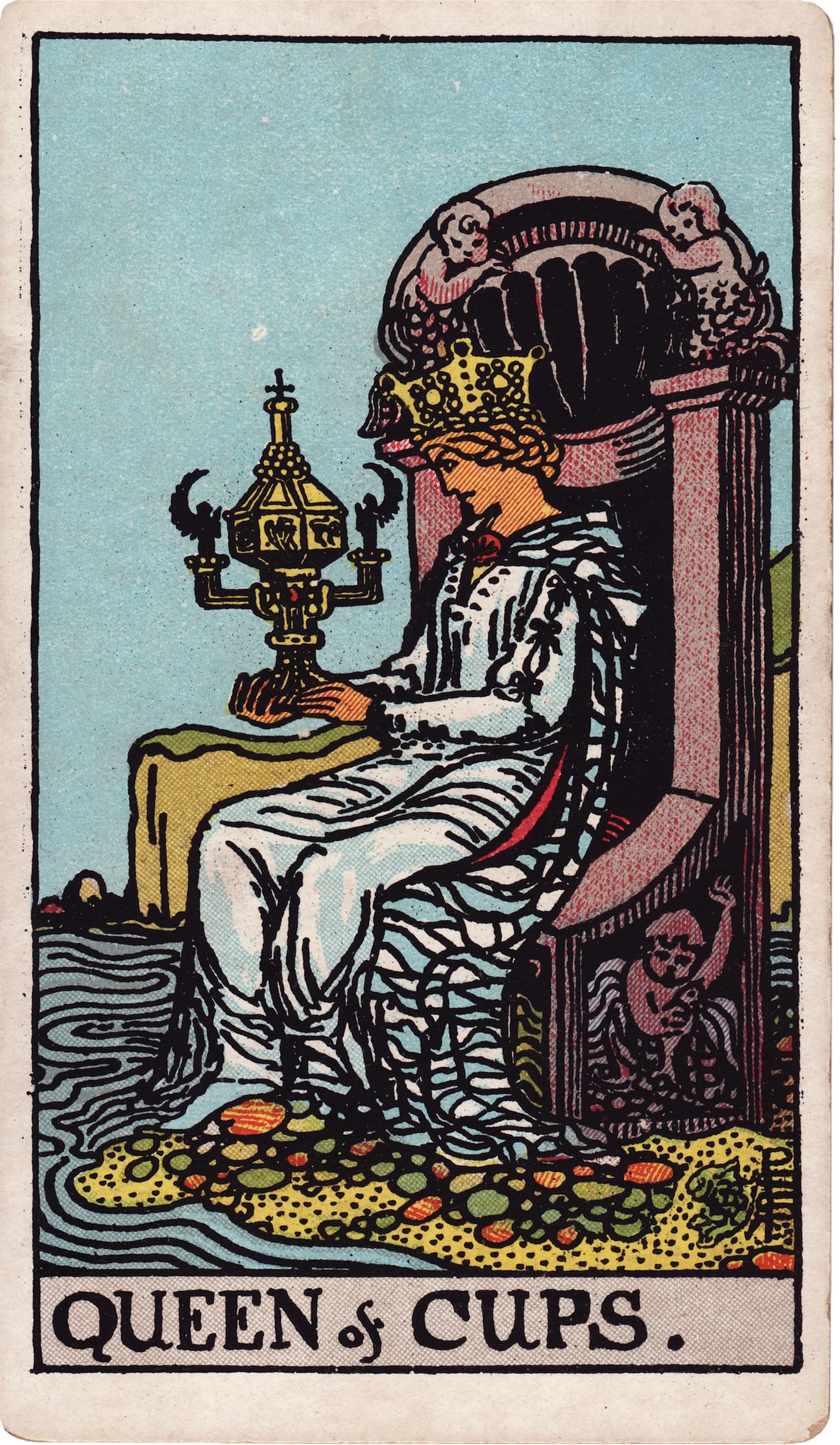 Queen of Cups
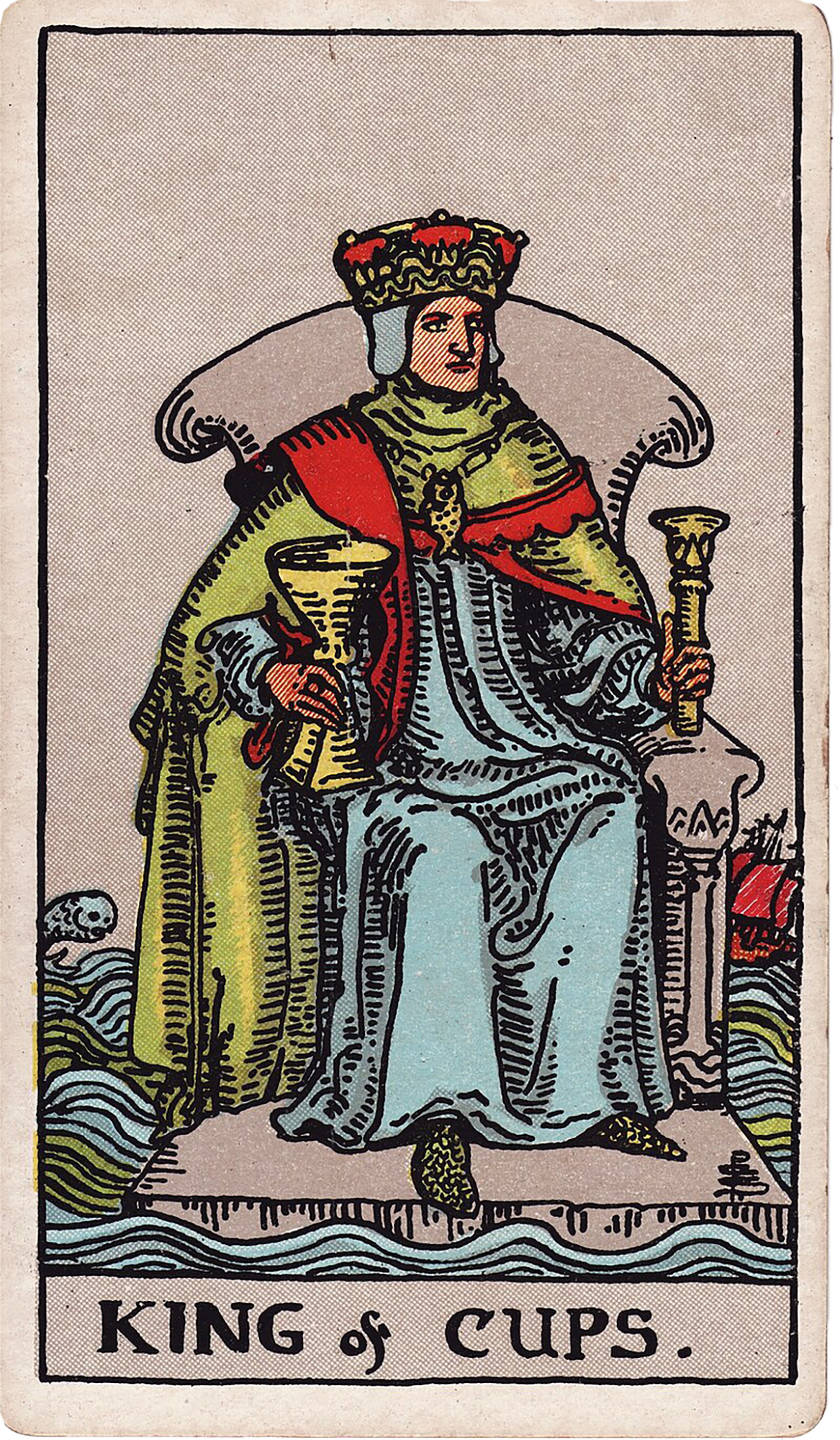 King of Cups
Understanding the Family Suit of Cups and Its Court Cards
The Minor Arcana’s suit of Cups primarily engages with the emotional realm—feelings, relationships, intuition, and memory. Its court cards, the Page, Knight, Queen, and King of Cups, represent a developmental progression in emotional maturity and interaction. Each card embodies a particular stage in learning how to navigate inner and outer emotional landscapes practically and psychologically. When reading these cards, it is essential to see them not as isolated archetypes but as a family with evolving lessons and energies. The Rider-Waite-Smith deck imagery reinforces this progression. The Page holds a cup from which a fish emerges, symbolizing unexpected emotional messages and the blossoming of intuitive creativity. The Knight rides gracefully with a cup, illustrating pursuit and action guided by heart and imagination. The Queen sits calmly with her cup, embodying mature emotional receptivity and empathy. Lastly, the King’s composed posture and regal attire convey emotional leadership and balance. Interpreting these cards involves observing where they appear in a spread—are they initiating, developing, or resolving emotional themes? Their practical lesson is to respond to emotions and relationships appropriate to the current stage rather than idealized expectations.
Page of Cups Practical and Emotional Lessons
The Page of Cups, upright, indicates a moment of emotional curiosity or an unexpected message from the subconscious or external relationships. Its fish-in-the-cup imagery suggests that intuition or emotional insight may appear in surprising or playful ways. Practically, this card advises responding with openness, curiosity, and receptivity rather than rigid judgment. In readings, the Page often signals the beginning of emotional engagement or creative inspiration. It reminds us that feelings and intuition are still developing and that discomfort or awkwardness is part of growth. Its challenge is to remain present with emerging emotions rather than retreating or intellectualizing them. Reversed, the Page warns of emotional immaturity or hypersensitivity. The message may be blocked or distorted—perhaps the querent is dismissing intuition because it comes unexpectedly or feeling stuck in escapism. Here, the imagery of the fish can be a reminder to simplify and acknowledge what feelings are present before moving forward. Common mistakes include reading the Page as merely childish or immature without recognizing its role as a messenger or beginner. Practically, readers should ask where emotional openness is needed now and what simple first steps can be taken to honor inner messages.
Knight of Cups Practical and Emotional Lessons
The Knight of Cups commands attention with its forward motion and graceful posture, symbolizing active pursuit of heart-centered goals. Upright, this card encourages balancing imagination and emotion with intention and grace. The Knight’s image of carrying the cup forward represents moving through emotional experiences with purpose rather than passivity. In practice, the Knight signifies phases where relationships, creativity, or emotional aims require confident movement and follow-through. It also cautions against rushing without integrating feelings fully. The card asks where emotional energy can be invested constructively and how to maintain authenticity while pursuing desires. Reversed, the Knight can illustrate emotional idealization or chasing fantasies disconnected from reality. The card challenges readers to examine if emotional promises are grounded or if moodiness and seduction without substance are clouding judgment. The Knight’s reversed energy often signals an internal struggle between heart and reason. A common interpretive pitfall is to treat the Knight’s energy as only romantic or impulsive. Instead, it represents a vital phase of emotional skill development that requires mindful engagement and awareness of both intuition and practical outcomes.
Queen of Cups Practical and Emotional Lessons
The Queen of Cups, seated with her ornate cup, embodies mature emotional receptivity, empathy, and intuitive wisdom. Upright, she represents the capacity to hold deep feelings without being overwhelmed, maintaining an inner container that provides stability for self and others. This Queen asks readers to develop emotional boundaries that enable compassionate engagement rather than codependency or emotional absorption. Her calm expression and water imagery link to psychic sensitivity and the ability to navigate complex emotional waters. When reversed, the Queen’s lessons focus on emotional overwhelm, withdrawal, or difficulty distinguishing intuition from anxious projections. This state signals a need to simplify emotional input and practice self-care to restore balance. A frequent error in reading the Queen of Cups is over-romanticizing her empathy or confusing emotional sensitivity with fragility. Instead, her strength lies in balanced emotional intelligence and the ability to empathize without losing oneself.
King of Cups Practical and Emotional Lessons
The King of Cups symbolizes steady emotional leadership. His upright posture and calm demeanor capture the mastery of feeling deeply while not being ruled by every emotional wave. Practically, the King models how to create safety and trust through composure and genuine vulnerability. In readings, this card often points to situations requiring emotional maturity, diplomacy, and mental clarity applied to relationships or creative ventures. The King integrates intuition and reason, showing that emotional depth does not preclude effective control and responsibility. Reversed, the King draws attention to emotional manipulation, repression, or using a calm exterior to mask inner turmoil. This energy warns against withdrawing genuine vulnerability or controlling moods to avoid discomfort. A common mistake is to read the King simply as emotional stoicism. His lesson is about authentic leadership that embraces feeling as a source of strength rather than weakness.
Techniques for Reading Cups Court Cards Together
When multiple Cups court cards appear in a spread, it is essential to interpret their relationship dynamically, focusing on the progression of emotional development they represent. A practical method is to note which cards are upright or reversed and consider the sequence or tension between immature, active, receptive, and leadership energies. For example, the Page and Knight together may indicate emerging emotions that are actively being pursued or tested. The Queen and King appearing can show mature emotional states or relational dynamics requiring balance between empathy and leadership. Using surrounding cards to clarify whether these energies are emerging, developing, or resolving is crucial. Avoid treating each card as a fixed personality; instead, see them as aspects or stages in emotional processes. This approach deepens understanding and makes interpretations more actionable. In practice, ask: How does this card’s energy interact with the others? Where is emotional growth occurring or stuck? What practical steps are suggested by their combined message? This technique anchors the reading firmly in the cards’ imagery and traditional symbolism.
Common Mistakes and How to Avoid Them
One frequent mistake when reading the Cups court cards is oversimplifying their meanings—reducing the Page to childishness, the Knight to romantic gestures, the Queen to emotional softness, or the King to stoic authority. Each card has layered lessons about emotional skill development that require nuanced understanding. Another error is ignoring reversed cards or treating reversals as mere negatives. Instead, reversals point to specific places where emotional processes are stuck or need attention. Engage with these as invitations to refine or practice emotional awareness. Misreading the cards outside of their narrative progression also limits insight. Always consider the family suit’s theme of emotional evolution and how these cards relate to each other. Finally, neglecting the cards’ Rider-Waite-Smith symbolism—such as the fish in the Page’s cup, the Knight’s forward motion, the Queen’s water imagery, or the King’s steady posture—reduces interpretive richness. Always anchor lessons in visually evident symbols for authenticity and clarity.
Practical Application and Interpretation Logic for Learners
To apply these lessons practically, start by identifying which Cups court card appears and its orientation. Use the imagery to ask: What stage of emotional processing or relationship development is highlighted? Is the energy beginning, active, mature, or leadership-oriented? Then, connect this with the querent’s situation: Are they initiating emotional openness (Page)? Pursuing heartfelt goals (Knight)? Managing empathy and boundaries (Queen)? Or leading emotionally with balance (King)? Interpretation logic follows the principle of fitting the response to the present stage rather than abstract ideals. For example, the Page suggests curiosity and receptivity now, not perfection; the King asks for steady leadership, not emotional suppression. Finally, explore reversals by asking where emotional blocks or excesses exist. What needs simplifying, acknowledging, or releasing? This reflective approach honors the court cards’ practical and emotional teachings, empowering learners to give readings that are insightful, compassionate, and grounded in the cards’ true symbolism.
Practice questions
• How do the images in the Page, Knight, Queen, and King of Cups represent different stages of emotional development?
• In what ways can the reversed positions of these cards reveal emotional blocks or challenges that are less visible externally?
• How can understanding the family suit of Cups as a progression improve the accuracy and depth of a Tarot reading?
• When reading multiple Cups court cards together, how do their energies interact to tell a more complete story?
• What practical steps can you suggest to a querent based on the current stage indicated by a Cups court card?
Comments
Sign in to comment.
Continue learning
Exploring The High Priestess in Career Relationships and Personal Growth
The High Priestess card in the tarot deck invites readers to explore intuition, hidden knowledge, and inner wisdom across various life contexts. This article examines how The High...
Using the Career Five Card Spread to Identify Growth Opportunities and Challenges
This article explores the Career Five Card Spread, a practical tarot method designed to spotlight growth opportunities, strengths, and obstacles within a career context. By analyzi...
Advanced Techniques for Combining The Moon and The Star to Enhance Intuition in Tarot Readings
This article explores advanced techniques to combine the symbolism and energy of The Moon and The Star Tarot cards to enhance intuition during Tarot readings. Drawing from traditio...
Finding Emotional Healing and Renewal with The Star and The Moon Tarot Combination
This article examines the rich interplay between The Star and The Moon tarot cards when they appear together in a reading. Using the traditional Rider-Waite-Smith symbolism and the...
Unlocking Emotional Wisdom with The High Priestess and The Queen of Cups in Tarot Combinations
This article delves into the card combination of The High Priestess and The Queen of Cups, emphasizing their shared themes of intuition, emotional depth, and receptivity. By examin...
Exploring Emotional Growth with The Moon and The Queen of Cups in Tarot Combinations
This article explores the deep emotional and intuitive themes arising when The Moon and The Queen of Cups appear together in Tarot spreads. By examining their upright and reversed...
Balancing Ambition and Intuition with The Emperor and The High Priestess in Tarot Combinations
This article delves into the card combination of The Emperor and The High Priestess, highlighting their complementary energies of structure and intuition. It explores how these car...
Unlocking Emotional Growth with The Moon and The Hanged Man in Tarot Combinations
This article delves into the Tarot combination of The Moon and The Hanged Man, highlighting how their interplay unlocks emotional growth. By analyzing their upright and reversed me...
Understanding the Many Facets of The Moon in Emotional and Intuitive Tarot Readings
The Moon card in the Tarot deck embodies themes of intuition, uncertainty, dreams, and emotional complexity. This article offers a comprehensive exploration of The Moon’s upright a...
Unlocking Advanced Intuition Techniques Using The High Priestess The Moon and The Hermit
This article examines advanced intuition development in tarot reading by focusing on The High Priestess, The Moon, and The Hermit cards. It offers practical techniques for beginner...