
Unlocking the Dynamic Balance of The Emperor The Empress and Justice in Tarot Combinations
This deep educational article delves into the tarot card combination of The Emperor, The Empress, and Justice, focusing on their dynamic interplay within family and related life contexts. By examining their upright and reversed aspects, readers learn to interpret these cards cohesively rather than individually. Through Rider-Waite-Smith symbolism, the guide explores how these archetypes balance authority, nurturing, and fairness, offering practical techniques for nuanced readings in relationships, career, and emotional situations. Common pitfalls and strategies for layered interpretation are also discussed to deepen understanding and avoid simplistic conclusions.
Read the cards together
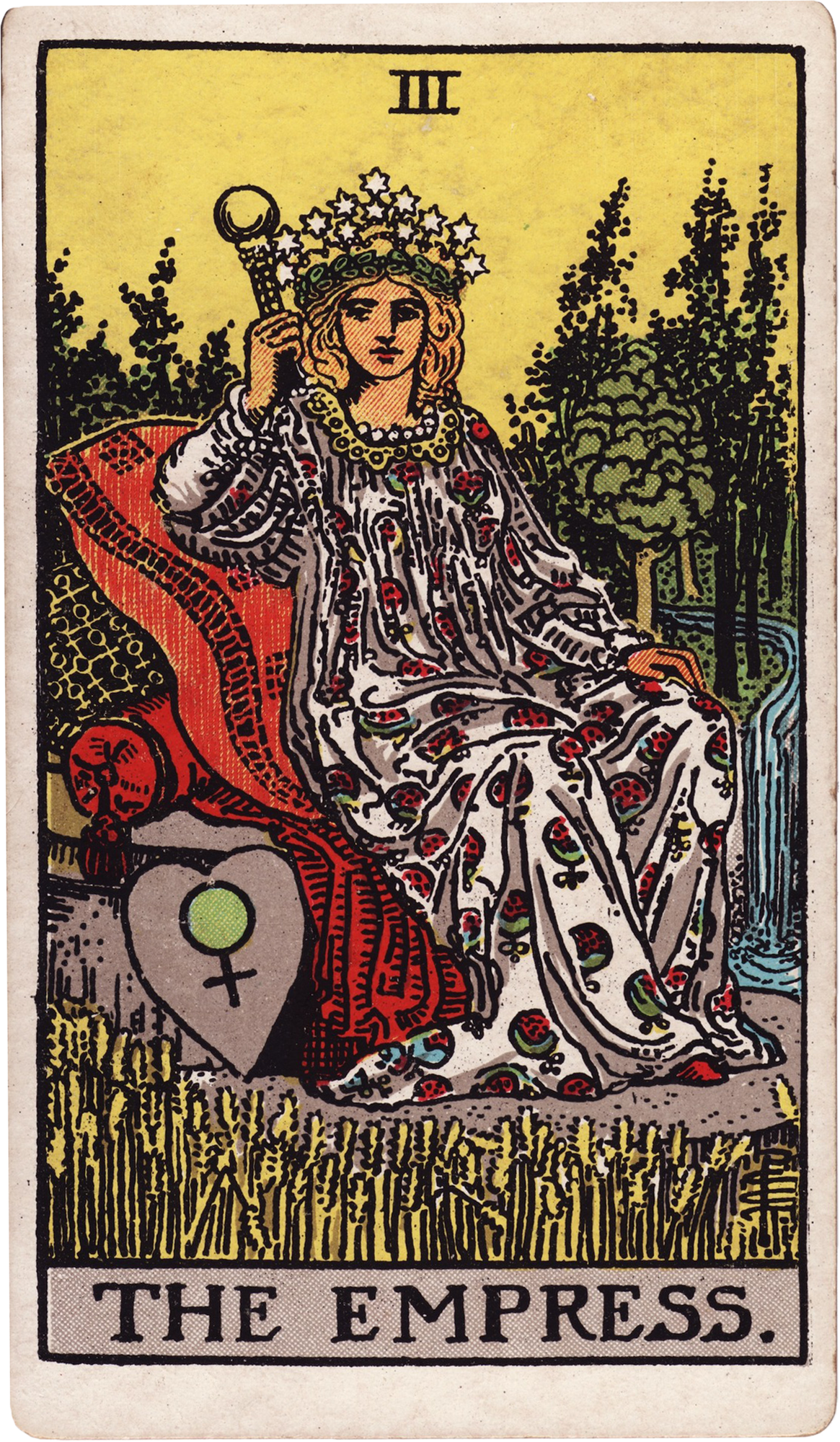 The Empress
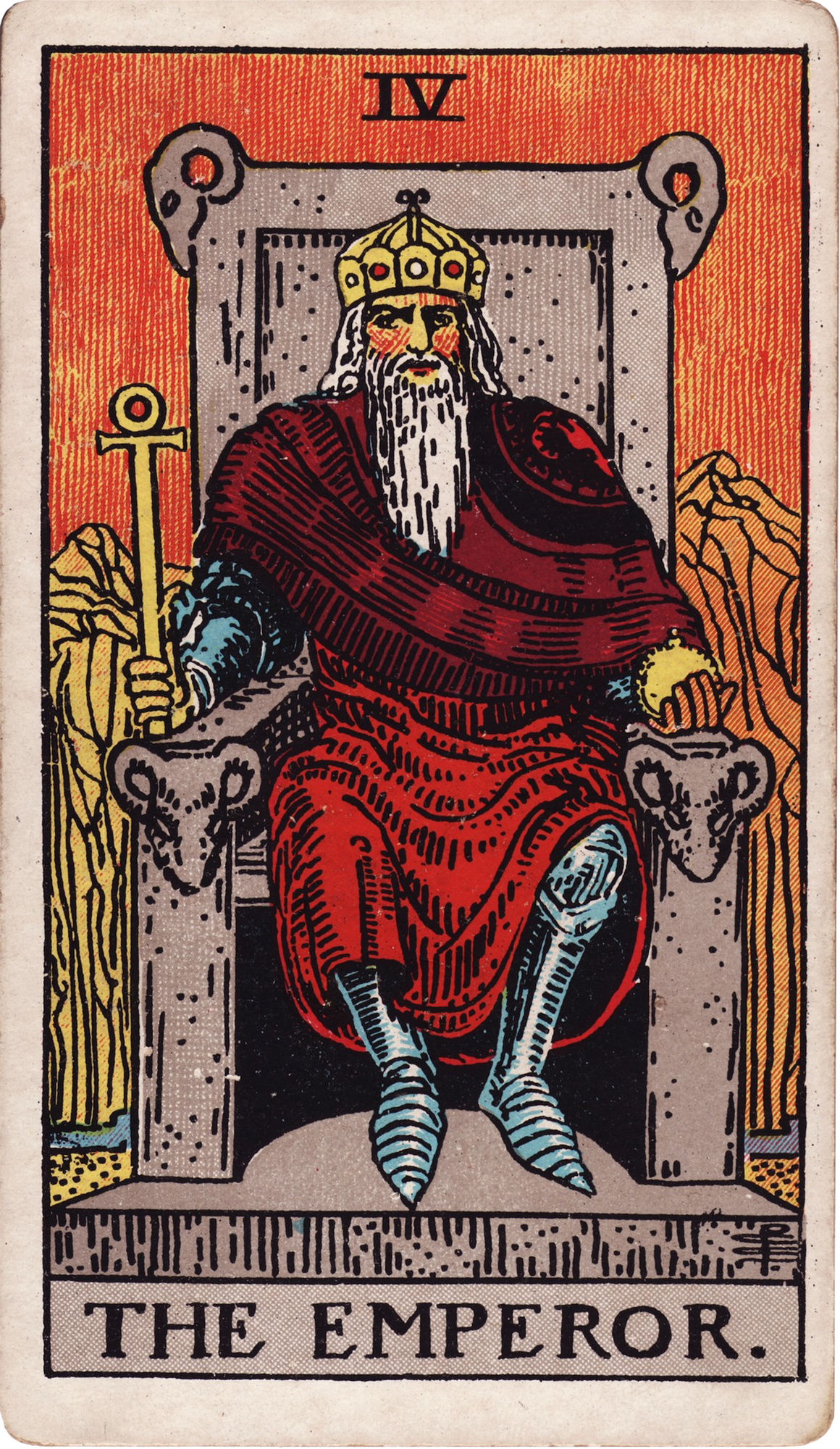 The Emperor
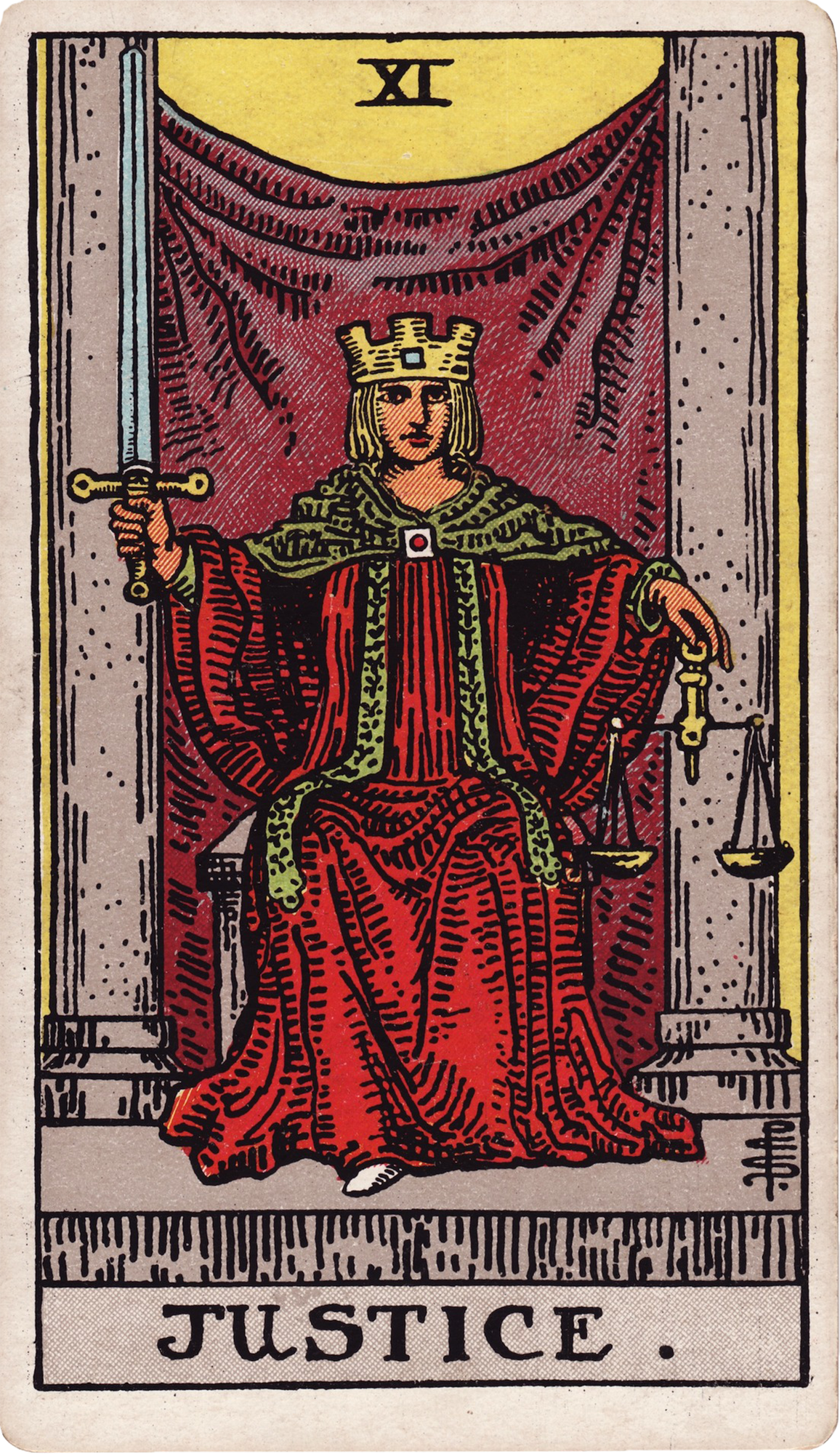 Justice
Introduction to The Emperor, The Empress, and Justice as a Family Card Combination
The tarot cards The Emperor, The Empress, and Justice each embody distinct archetypal energies that, when combined, create a rich narrative about family dynamics and foundational life structures. The Emperor symbolizes authority, structure, and leadership; The Empress represents nurturing, growth, and creative care; and Justice reflects balance, fairness, and accountability. Individually, these cards provide insights into different facets of personal and social life. However, when they appear together in a reading, they invite the reader to explore how leadership, nurturing, and fairness interact to form the stable yet evolving framework of family and close relationships. In the Rider-Waite-Smith deck, The Emperor is depicted as a firm ruler seated on a throne adorned with ram heads, suggesting strength and determination. The Empress sits in a fertile environment abundant with wheat and natural symbolism, emphasizing growth and abundance. Justice holds scales and a sword, representing impartiality and clear judgment. These images anchor the qualities these cards bring to a reading and provide visual cues for interpretation. This article will guide learners on how to combine these energies thoughtfully, moving beyond isolated interpretations to unlock the holistic story they tell together.
Core Qualities and Interactions of The Emperor and The Empress
The Emperor and The Empress represent complementary yet distinct energies essential to family and relational dynamics. The Emperor’s upright qualities emphasize clear boundaries, responsibility, and disciplined leadership. This card encourages conscious engagement with the available structures in life, whether within family roles or professional systems. Conversely, The Empress highlights the importance of creating conditions where growth can thrive, focusing on consistent care, attention, and emotional nourishment. When these cards appear together upright, the reading suggests a balanced approach to family or project management: structure supports growth, and nurturing energy is directed within clear boundaries. For example, in a family context, The Emperor may reflect a parental figure establishing rules and stability, while The Empress symbolizes the emotional warmth and encouragement that allow relationships to flourish. In career readings, this combination highlights the importance of both strategic leadership and fostering creativity or teamwork. If one card appears reversed, the dynamic shifts. A reversed Emperor may signal rigidity or control issues disrupting harmony, while a reversed Empress can indicate over-giving or neglect of self-care. The combination asks the reader to explore where the balance is lost and how these energies might be recalibrated. The visual contrast between the throne-bound Emperor and the fertile surroundings of the Empress reminds us that effective leadership requires openness to growth—not just control.
Integrating Justice to Foster Equilibrium and Accountability
Justice introduces a vital third dimension to the interplay between The Emperor and The Empress by emphasizing fairness, clear-eyed judgment, and the acceptance of consequences. This card ensures that neither authority nor nurturing becomes unchecked or unjust. Justice’s scales and sword in the Rider-Waite-Smith imagery symbolize weighing evidence and acting decisively with integrity. When Justice appears alongside The Emperor and The Empress, the combination points toward a family or organizational system that seeks balance through honest appraisal and accountability. For instance, The Emperor may set rules, The Empress nurtures growth, and Justice evaluates whether these measures are fair and sustainable for everyone involved. This triad can highlight the necessity of transparent communication and ethical decision-making within family disputes or workplace conflicts. In practical readings, Justice can serve as a corrective or balancing factor. If The Emperor or The Empress energies are expressed in excess or deficiency, Justice challenges the querent to reflect on fairness and truth. For example, a reversed Justice may signal bias or avoidance of responsibility, warning against distorted interpretations of authority or care. By using the symbolism of Justice’s sword and scales, readers can encourage clients to consider both emotional and logical elements in their decisions.
Contextual Applications in Relationships Family and Career
Understanding how The Emperor, The Empress, and Justice function together allows for rich interpretations across different contexts: Relationships and Family: This combination often describes the foundational roles within a family or intimate relationship. The Emperor may represent a protective or disciplinary figure, The Empress an emotional nurturer, and Justice the mediator or arbiter ensuring fairness. Upright, these cards suggest healthy boundaries combined with emotional support and accountability. In more challenging readings, reversed cards can indicate imbalances such as authoritarian control (Emperor reversed), emotional neglect (Empress reversed), or unresolved disputes and unfairness (Justice reversed). Career and Projects: The Emperor’s structured leadership supports The Empress’s creative growth, while Justice ensures decisions are ethically sound and balanced. This triad advises readers to build systems that encourage innovation but also demand accountability. For example, a manager (Emperor) fostering a team’s creative input (Empress) must apply fair policies (Justice) to maintain morale and productivity. Emotional and Practical Growth: These cards together invite reflection on how one’s internal authority (The Emperor) governs emotional well-being (The Empress) and guides moral clarity (Justice). This can be particularly useful in personal development readings, where the querent is encouraged to balance self-discipline, self-love, and honesty with themselves and others.
Avoiding One-Card-At-A-Time Reading Pitfalls
A common mistake in tarot reading is interpreting each card in isolation without considering how cards modify each other’s meanings. With The Emperor, The Empress, and Justice, this pitfall can lead to oversimplified or conflicting conclusions. For example, reading The Emperor upright as purely positive authority and The Empress reversed as purely negative neglect misses their relational significance. Instead, readers should examine how the cards’ energies interact dynamically. Questions to ask include: Does Justice’s presence suggest a needed correction in leadership or nurturing? Are The Emperor and The Empress in partnership, or is there tension between control and care? How does the balance of these archetypes shift depending on their orientation (upright or reversed) and position in the spread? Visual details can guide this integration. The Emperor’s ram-headed throne and The Empress’s lush surroundings both evoke stability and fertility but in different registers—rigid order vs. organic growth. Justice’s scales weigh these forces to produce equilibrium. By weaving these symbols into a coherent narrative, readers move beyond “one card at a time” to a more nuanced, layered interpretation that respects the complexity of real-life relationships and systems.
Practical Techniques for Reading The Emperor The Empress and Justice Together
To accurately read this combination, start by identifying each card’s position in the spread and what aspect of the querent’s life it pertains to. Note their upright or reversed states and observe how their energies might support or challenge each other. 1. Begin with The Emperor: Consider what structures, boundaries, or leadership roles are present or needed. Ask if the Emperor is offering healthy guidance or if it suggests overcontrol. 2. Add The Empress: Reflect on the quality of nurturing and growth. Is emotional support or creative development flourishing or is it stifled? How does this relate to The Emperor’s authority? 3. Integrate Justice: Assess fairness and consequences. Is there balance among authority and care? Are decisions made transparently? Does Justice urge the querent to reconsider ethical dimensions? Use the combined symbolism to formulate questions for the querent, such as: Where do I need clearer boundaries to support growth? How am I balancing responsibility with compassion? What truths am I avoiding that Justice calls me to face? Finally, consider the cards’ imagery as a visual story. The Emperor’s firmness, The Empress’s abundance, and Justice’s scales invite a reading that appreciates both the emotional and rational aspects of the situation. This practice strengthens the reader’s intuition and grounds insights in concrete symbolism.
Common Mistakes and How to Overcome Them
Readers sometimes fall into the trap of labeling cards as simply “good” or “bad.” For example, interpreting The Empress reversed as outright failure ignores its nuanced meaning around blocked or internalized energy. Similarly, assuming Justice upright guarantees fairness misses the card’s invitation to conscious engagement. Another frequent mistake is neglecting the psychological dimension. These cards may reflect inner dynamics as much as external circumstances. For instance, The Emperor reversed may point to internal fears of vulnerability rather than an authoritarian figure in the querent’s life. To overcome these pitfalls, always contextualize each card within the combination and the querent’s question. Use open-ended questions rather than fixed predictions. Emphasize process over outcome, focusing on where balanced action and honest reflection can move the situation forward. Lastly, revisit the imagery of the cards frequently, allowing visual symbols—the throne, the wheat field, the scales and sword—to inspire layered interpretations rather than relying solely on memorized definitions.
Practice questions
• How do authority and nurturing balance each other in your current relationships or projects?
• Where might you be applying too much control or over-giving in your family or work life?
• In what ways does fairness and accountability influence your decision-making processes?
• How can you integrate emotional care with clear boundaries more effectively?
• What internal patterns related to leadership, growth, or justice might you need to reconsider?
Comments
Sign in to comment.
Continue learning
Interpreting the Dance of Justice and The Devil: Balancing Morality and Temptation in Tarot Readings
The combination of Justice and The Devil in tarot presents a profound exploration of morality, temptation, and personal accountability. This article unpacks how these cards influen...
Harnessing the Power of The Magician and Ace of Wands: Igniting Creativity and Manifestation in Tarot Readings
The combination of The Magician and the Ace of Wands in tarot readings offers a potent blend of creative energy and manifestation power. This article delves into the ways these car...
Understanding the Synergy Between The Empress and The Emperor in Tarot Card Combinations
This article delves into the intricate synergy between The Empress and The Emperor cards in Tarot, focusing on how their combined energies modify and enrich readings across various...
Decoding Transformation and Renewal with Death and The Star in Tarot Combinations
This article delves into the card combination of Death and The Star, two powerful Major Arcana cards from the Rider-Waite-Smith deck. It explores how their imagery and meanings int...
Balancing Ambition and Compassion with The Emperor and Queen of Cups in Tarot Combinations
This article delves into the nuanced Tarot card combination of The Emperor and Queen of Cups, emphasizing how their energies complement and challenge each other. By analyzing their...
Finding Emotional Healing and Renewal with The Star and The Moon Tarot Combination
This article examines the rich interplay between The Star and The Moon tarot cards when they appear together in a reading. Using the traditional Rider-Waite-Smith symbolism and the...
Unlocking Emotional Wisdom with The High Priestess and The Queen of Cups in Tarot Combinations
This article delves into the card combination of The High Priestess and The Queen of Cups, emphasizing their shared themes of intuition, emotional depth, and receptivity. By examin...
Unlocking Emotional Resilience with Strength and The Star in Tarot Combinations
This article delves into the Tarot card combination of Strength and The Star, revealing how their interplay highlights pathways to emotional resilience. Anchored in the Rider-Waite...
Unveiling Emotional Strength with Strength and The Queen of Cups in Tarot Combinations
This article delves into the dynamic Tarot combination of Strength and The Queen of Cups, emphasizing how these cards together illuminate emotional strength, compassionate boundari...
Unlocking Emotional Transformation with Death and The Moon Tarot Combination
This article explores the rich and complex interaction between the Death and The Moon tarot cards within the Rider-Waite-Smith tradition, focusing on their combined potential to un...