
Unlocking the Power Balance of The Emperor The Hierophant and Justice in Tarot Combinations
This article offers a deep exploration of the combined meanings of The Emperor, The Hierophant, and Justice cards within tarot spreads, focusing on how their energies interact to provide balanced guidance. By moving beyond single-card interpretations, readers learn to synthesize these archetypes’ shared themes of structure, tradition, and fairness. Applying upright and reversed nuances, practical examples, and Rider-Waite-Smith symbolism, the article helps tarot learners develop nuanced readings in areas such as relationships, career, and emotional challenges. It also outlines common pitfalls like ignoring context or oversimplifying combinations, and provides practical techniques for richer insight.
Read the cards together
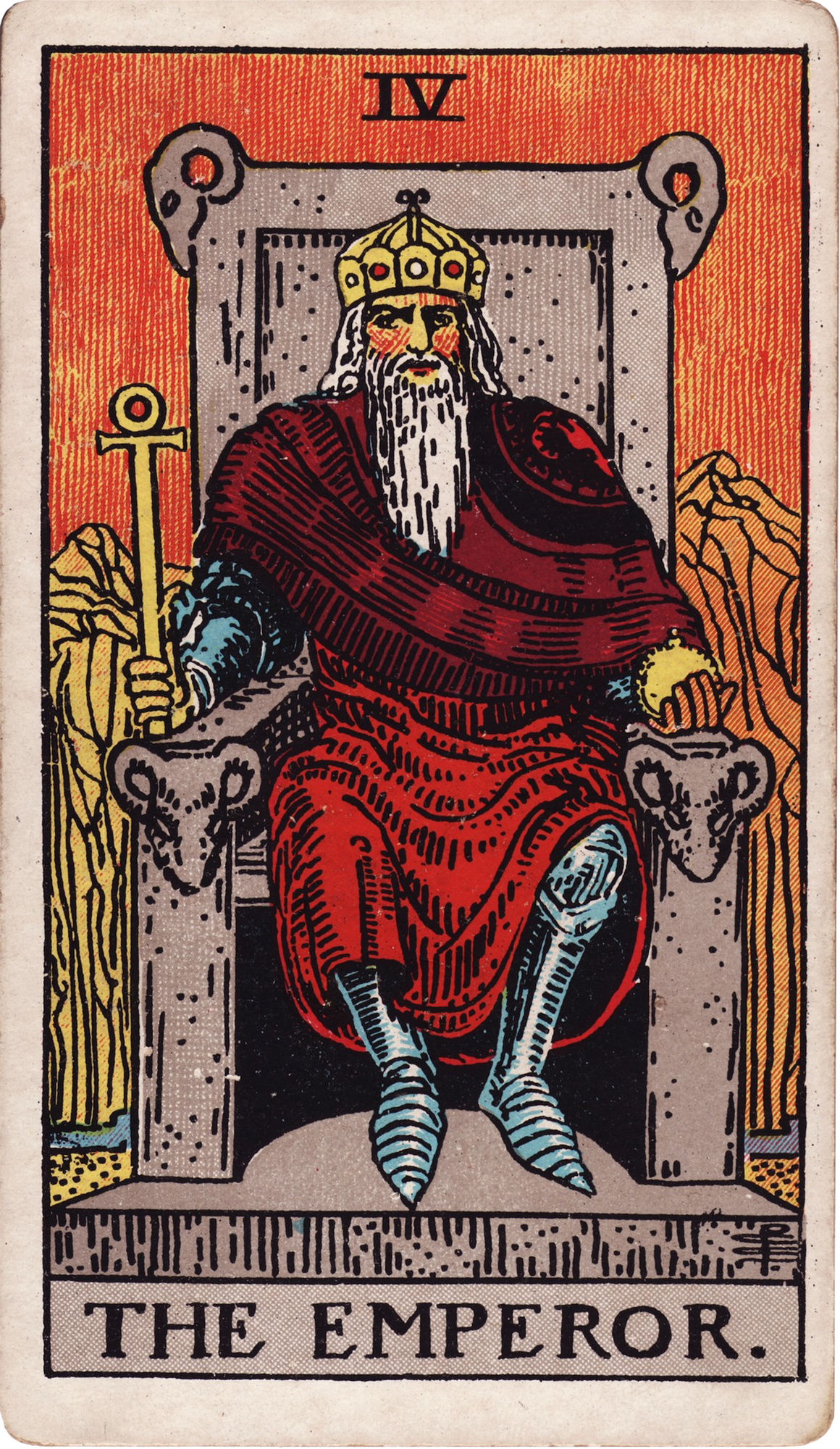 The Emperor
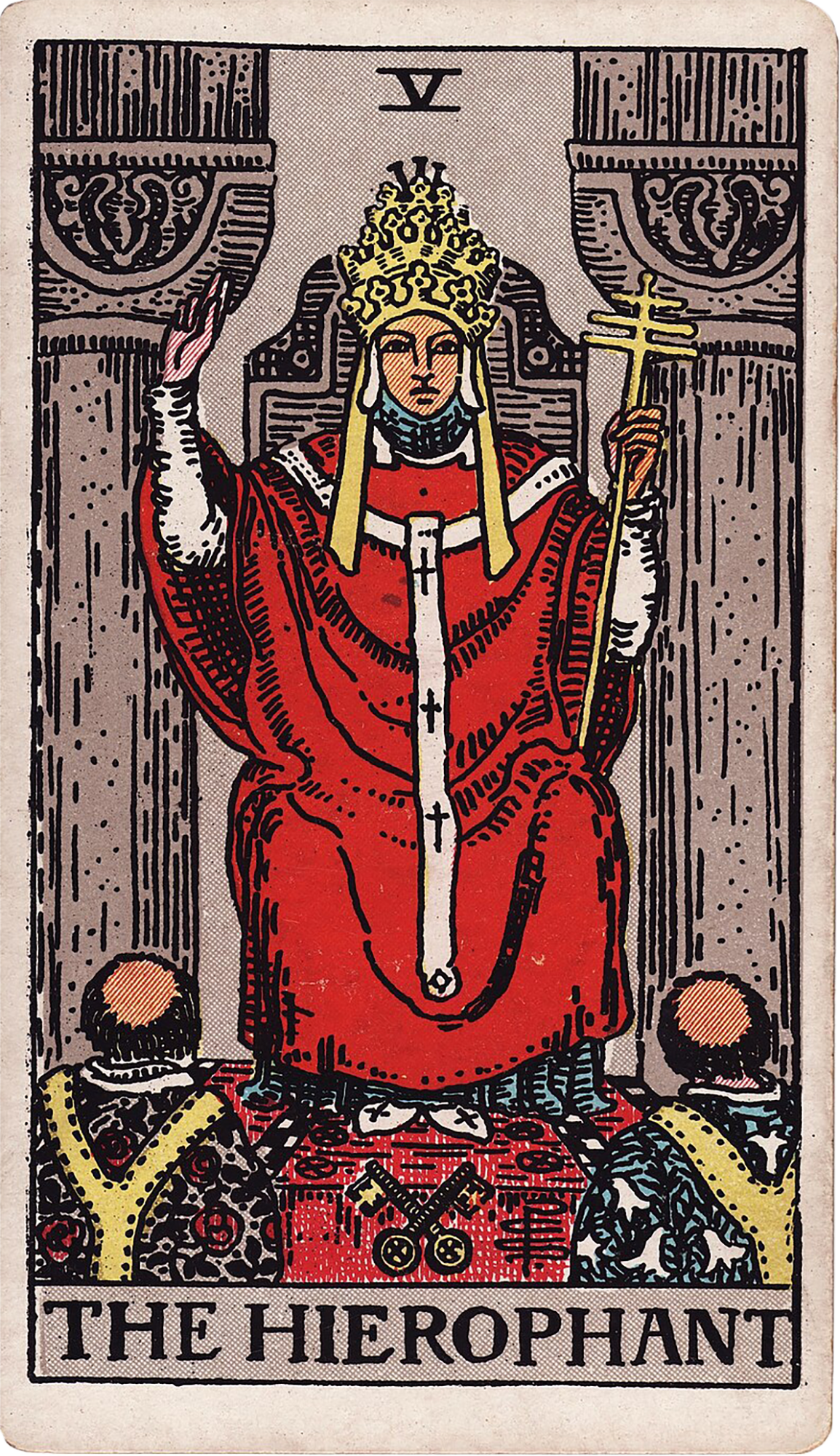 The Hierophant
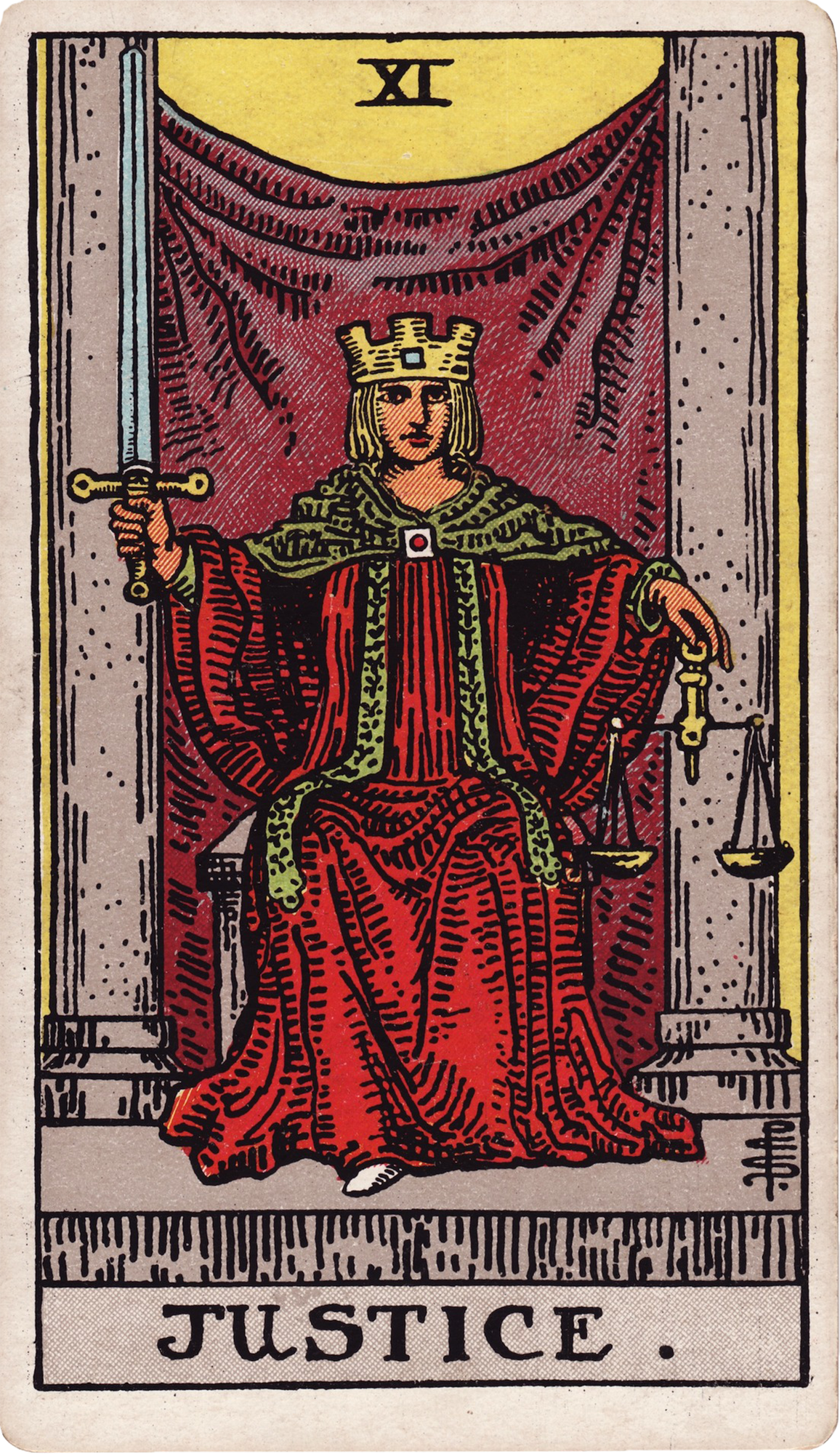 Justice
Introduction to The Emperor The Hierophant and Justice as a Card Combination
The Emperor, The Hierophant, and Justice are powerful Major Arcana cards, each representing foundational themes related to authority, tradition, and fairness. When these cards appear together, their interaction creates a complex dialogue about power balance, societal rules, and personal accountability. The Emperor embodies leadership, discipline, and structure, often depicted as a stern but stabilizing ruler. The Hierophant represents established wisdom, spiritual and cultural traditions, and learning from institutional authority. Justice emphasizes truth, fairness, and weighing evidence to reach balanced decisions. Understanding their interplay helps deepen interpretations beyond isolated meanings. By studying these cards in combination, readers can unlock insights into how external systems and internal principles shape real-world situations.
Core Symbolism and Upright Qualities Anchoring the Combination
Examining the upright symbolism of these cards as depicted in Rider-Waite-Smith imagery reveals complementary strengths. The Emperor, seated on a stone throne adorned with ram heads, symbolizes concrete authority, clear boundaries, and applied discipline. His scepter and orb represent control over physical and material realms, urging direct engagement with reality. The Hierophant, shown as a pontiff in papal robes holding a triple cross, sits between two acolytes representing learned tradition and collective wisdom. This card encourages respect for established knowledge and ethical frameworks, highlighting the value of mentorship and structured learning. Justice, blindfolded and holding balanced scales and a sword, underscores impartiality and clear-eyed decision-making based on facts. Together, these cards emphasize a progression from creating order (The Emperor), following or questioning tradition (The Hierophant), to determining fair outcomes (Justice). This progression can guide readers to consider how leadership, societal roles, and moral judgment interplay in the querent’s situation.
Dynamic Interactions in Relationship Contexts
In a relationship reading, these three cards combined often highlight themes of structure, tradition, and fairness in partnership dynamics. The Emperor may represent one partner’s role as protector or decision-maker, emphasizing responsibility and boundaries. The Hierophant suggests shared values, cultural or familial traditions, and the influence of external systems like religion or social expectations on the couple. Justice calls for honest evaluation of fairness and accountability—are both individuals treated equitably? Upright cards here invite inquiry into how well the partners balance authority and mutual respect. A reversed Emperor could warn of controlling behavior, while a reversed Hierophant might suggest blind conformity or rebellion against relationship norms. Justice reversed might reveal hidden biases or denial of problems. By synthesizing these energies, the reader can explore whether the relationship thrives on healthy structure and shared ethics or struggles under imbalanced power or outdated expectations.
Career and Practical Implications of the Card Combination
When these cards appear in career or practical contexts, they emphasize the importance of clear leadership, adherence to professional codes or institutional wisdom, and fair decision-making processes. The Emperor points to the need for discipline, strategic planning, and taking responsibility in managing work or projects. The Hierophant encourages learning from mentors, respecting organizational culture, or following established protocols to ensure stability. Justice demands transparent evaluation of outcomes, ethical conduct, and accountability for actions. If any of the cards appear reversed, they signal a disruption: The Emperor reversed might indicate rigidity or authoritarianism damaging workplace harmony; The Hierophant reversed warns of dogmatic thinking or resistance to necessary change; Justice reversed suggests partiality or unethical decisions. Understanding how these cards modify one another allows the reader to advise maintaining balance between exercising authority, respecting institutional knowledge, and upholding fairness to navigate career challenges effectively.
Emotional and Psychological Dimensions in Combination
Emotionally, this triad invites reflection on how internalized authority, belief systems, and personal ethics shape one’s psychological outlook. The Emperor asks where you might need to establish clearer personal boundaries and assume responsibility for your emotional state. The Hierophant pushes inquiry into which inherited or adopted belief systems influence your feelings and whether these are supportive or restrictive. Justice challenges you to honestly assess emotional patterns and their consequences without denial or self-deception. In reversed positions, these cards often highlight internal blocks: an overly harsh inner critic (Emperor reversed), rigid or unexamined mental frameworks (Hierophant reversed), or self-judgment and bias (Justice reversed). Combining these cards encourages a balanced approach to emotional work—blending self-discipline, wise learning, and fair self-assessment to foster psychological growth.
Avoiding Common Pitfalls in Reading This Combination
A frequent mistake in interpreting combinations like The Emperor, The Hierophant, and Justice is reading each card in isolation and simply stacking their meanings. This approach can lead to oversimplification or contradictory advice that confuses the querent. Instead, successful readings require synthesizing the cards as a dynamic system—asking how The Emperor’s leadership style affects the tradition represented by The Hierophant and how Justice mediates their interaction. Another pitfall is ignoring reversal nuances or assuming reversals are 'bad.' In this combination, reversal often indicates internal psychological processes or necessary corrections rather than doom. Also, overemphasizing one card’s authority without considering the others’ moderating influence can create unbalanced guidance. Practitioners should use the imagery to visualize the power flow and consult contextual factors like question type or card positions to ground interpretations.
Practical Techniques for Reading These Cards Together
To read The Emperor, The Hierophant, and Justice effectively as a combination, begin by observing their placement in the spread and the question’s context. Note whether the cards are upright or reversed, and what that suggests about the accessibility of their energies. Use the following steps: first, identify the dominant theme—authority (Emperor), tradition/wisdom (Hierophant), or fairness/accountability (Justice). Second, consider how the other cards support or challenge this theme. For example, The Emperor may provide the structure needed for Justice to fairly resolve an issue influenced by The Hierophant’s rules. Third, ask integrative questions such as: Where does leadership need to be balanced with ethical guidelines? What traditions require re-examination for justice to be served? Fourth, relate imagery details (like the scales of Justice or the triple cross of The Hierophant) back to the querent’s situation to deepen intuitive connection. Finally, avoid jumping to predictive conclusions; instead, position the combination as a guide to conscious choices involving power, values, and fairness.
Example Reading Scenarios Illustrating the Combination
Imagine a querent concerned about a family dispute over inheritance. The Emperor upright appears as a reminder to take responsibility and set clear boundaries around the conflict. The Hierophant upright suggests consulting family traditions or legal standards to navigate the situation. Justice upright stresses the need for impartial evaluation and fairness in resolving disagreements. The reader might conclude that the querent should engage firmly but respectfully, rely on established frameworks (like a will or mediation), and strive for a balanced outcome. Alternatively, if The Hierophant were reversed, it could warn against blind adherence to outdated family rules causing unfairness, suggesting a need to question tradition. In a career query, these cards might advise balancing assertive leadership with institutional policies and ethical standards to resolve a workplace challenge.
Conclusion Unlocking Balanced Insights from The Emperor The Hierophant and Justice
The combined appearance of The Emperor, The Hierophant, and Justice offers a rich opportunity to explore the equilibrium between personal authority, societal or spiritual tradition, and ethical fairness. By integrating upright and reversed nuances through Rider-Waite-Smith symbolism and practical context, readers can move beyond one-dimensional meanings. This triad encourages mindful engagement with responsibility, inherited wisdom, and accountability—whether in relationships, career, or emotional journeys. Avoiding simplistic card-by-card reading and instead synthesizing their energies produces nuanced insights guiding conscious choices. Ultimately, this combination empowers tarot learners to unlock balanced, constructive pathways through complex power dynamics and moral questions.
Practice questions
• How do The Emperor’s leadership qualities interact with The Hierophant’s traditional wisdom in your current life situation?
• Where might you need to apply Justice’s call for fairness to balance authority and conformity?
• Are any of these card energies showing signs of being blocked or distorted in your personal or professional context?
• How can you use the symbolism of these cards to set clearer boundaries without becoming rigid or dogmatic?
• In what ways might examining your internalized beliefs (The Hierophant) help resolve external conflicts involving responsibility (The Emperor) and fairness (Justice)?
Comments
Sign in to comment.
Continue learning
Interpreting the Dance of Justice and The Devil: Balancing Morality and Temptation in Tarot Readings
The combination of Justice and The Devil in tarot presents a profound exploration of morality, temptation, and personal accountability. This article unpacks how these cards influen...
Harnessing the Power of The Magician and Ace of Wands: Igniting Creativity and Manifestation in Tarot Readings
The combination of The Magician and the Ace of Wands in tarot readings offers a potent blend of creative energy and manifestation power. This article delves into the ways these car...
Understanding the Synergy Between The Empress and The Emperor in Tarot Card Combinations
This article delves into the intricate synergy between The Empress and The Emperor cards in Tarot, focusing on how their combined energies modify and enrich readings across various...
Decoding Transformation and Renewal with Death and The Star in Tarot Combinations
This article delves into the card combination of Death and The Star, two powerful Major Arcana cards from the Rider-Waite-Smith deck. It explores how their imagery and meanings int...
Balancing Ambition and Compassion with The Emperor and Queen of Cups in Tarot Combinations
This article delves into the nuanced Tarot card combination of The Emperor and Queen of Cups, emphasizing how their energies complement and challenge each other. By analyzing their...
Finding Emotional Healing and Renewal with The Star and The Moon Tarot Combination
This article examines the rich interplay between The Star and The Moon tarot cards when they appear together in a reading. Using the traditional Rider-Waite-Smith symbolism and the...
Unlocking Emotional Wisdom with The High Priestess and The Queen of Cups in Tarot Combinations
This article delves into the card combination of The High Priestess and The Queen of Cups, emphasizing their shared themes of intuition, emotional depth, and receptivity. By examin...
Unlocking Emotional Resilience with Strength and The Star in Tarot Combinations
This article delves into the Tarot card combination of Strength and The Star, revealing how their interplay highlights pathways to emotional resilience. Anchored in the Rider-Waite...
Unveiling Emotional Strength with Strength and The Queen of Cups in Tarot Combinations
This article delves into the dynamic Tarot combination of Strength and The Queen of Cups, emphasizing how these cards together illuminate emotional strength, compassionate boundari...
Unlocking Emotional Transformation with Death and The Moon Tarot Combination
This article explores the rich and complex interaction between the Death and The Moon tarot cards within the Rider-Waite-Smith tradition, focusing on their combined potential to un...