
Unlocking the Transformative Power of Death Temperance and The Hanged Man in Tarot Combinations
This article explores the transformative synergy between Death, Temperance, and The Hanged Man in Tarot combinations. Moving beyond one-card interpretations, it demonstrates how these cards interact visually and symbolically to deepen readings in multiple life areas. Drawing on Rider-Waite-Smith symbolism, the article guides learners to integrate themes of ending, moderation, and perspective shift, offering practical techniques to avoid oversimplification and to enhance nuanced understanding.
Read the cards together
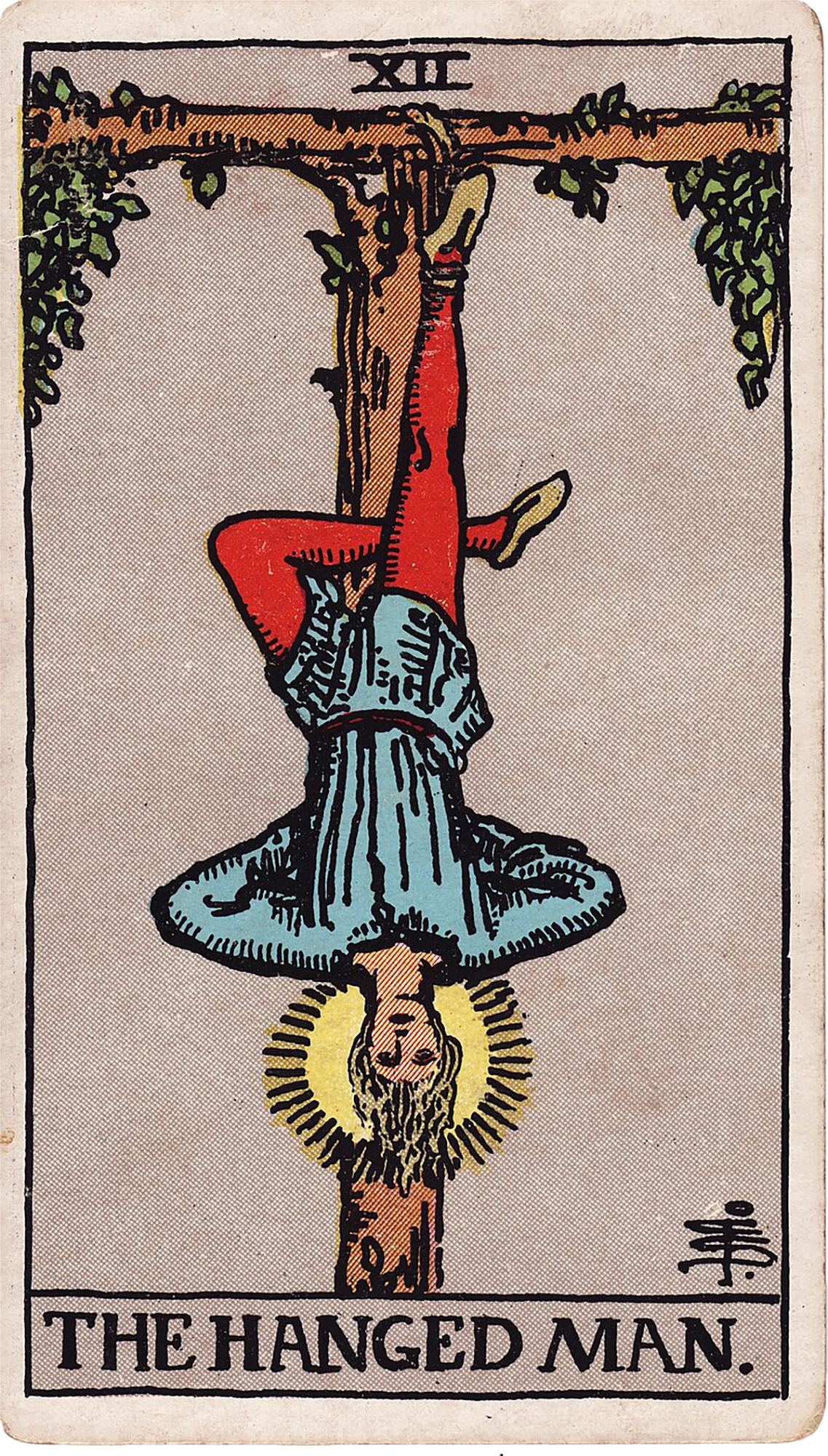 The Hanged Man
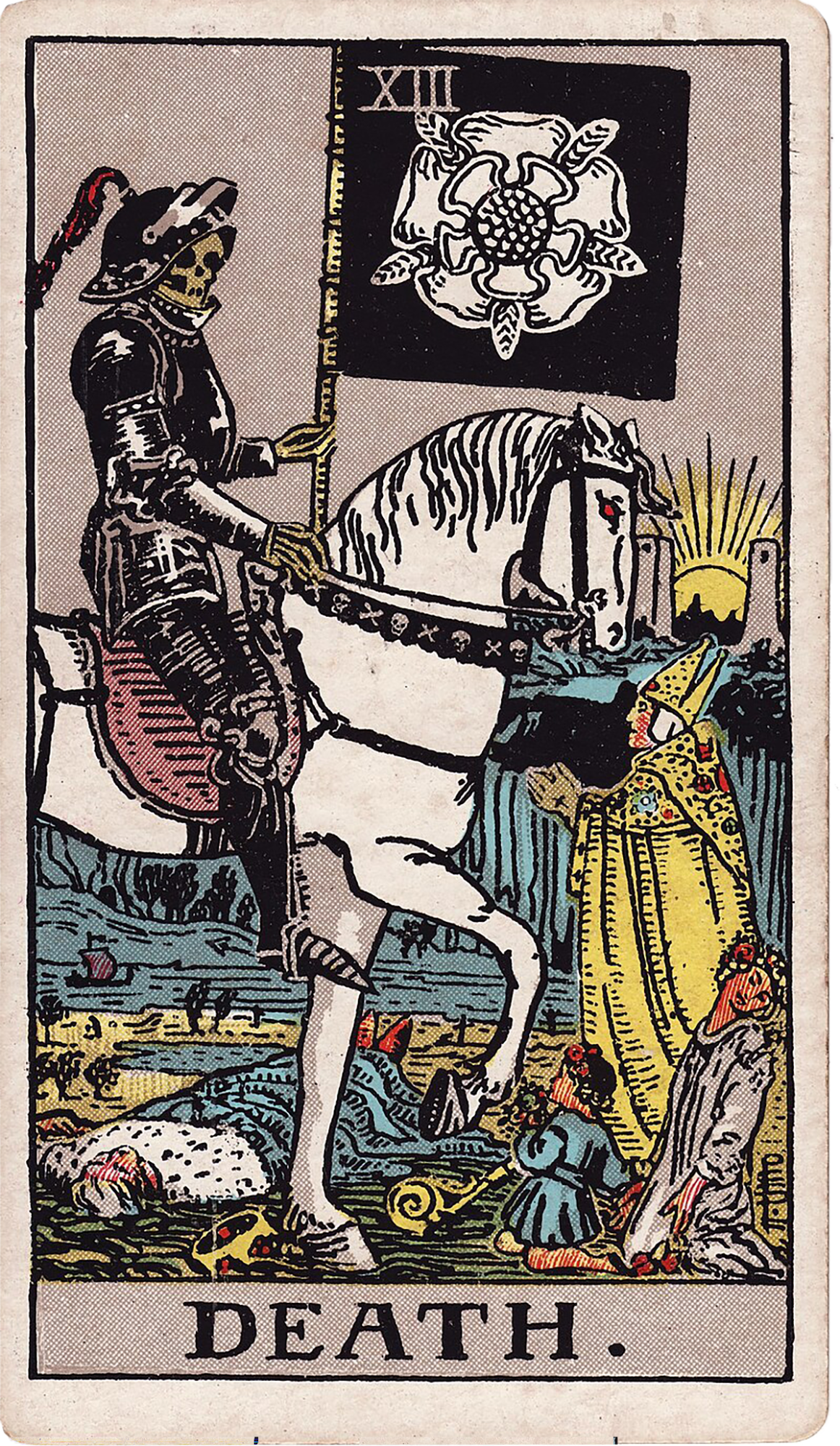 Death
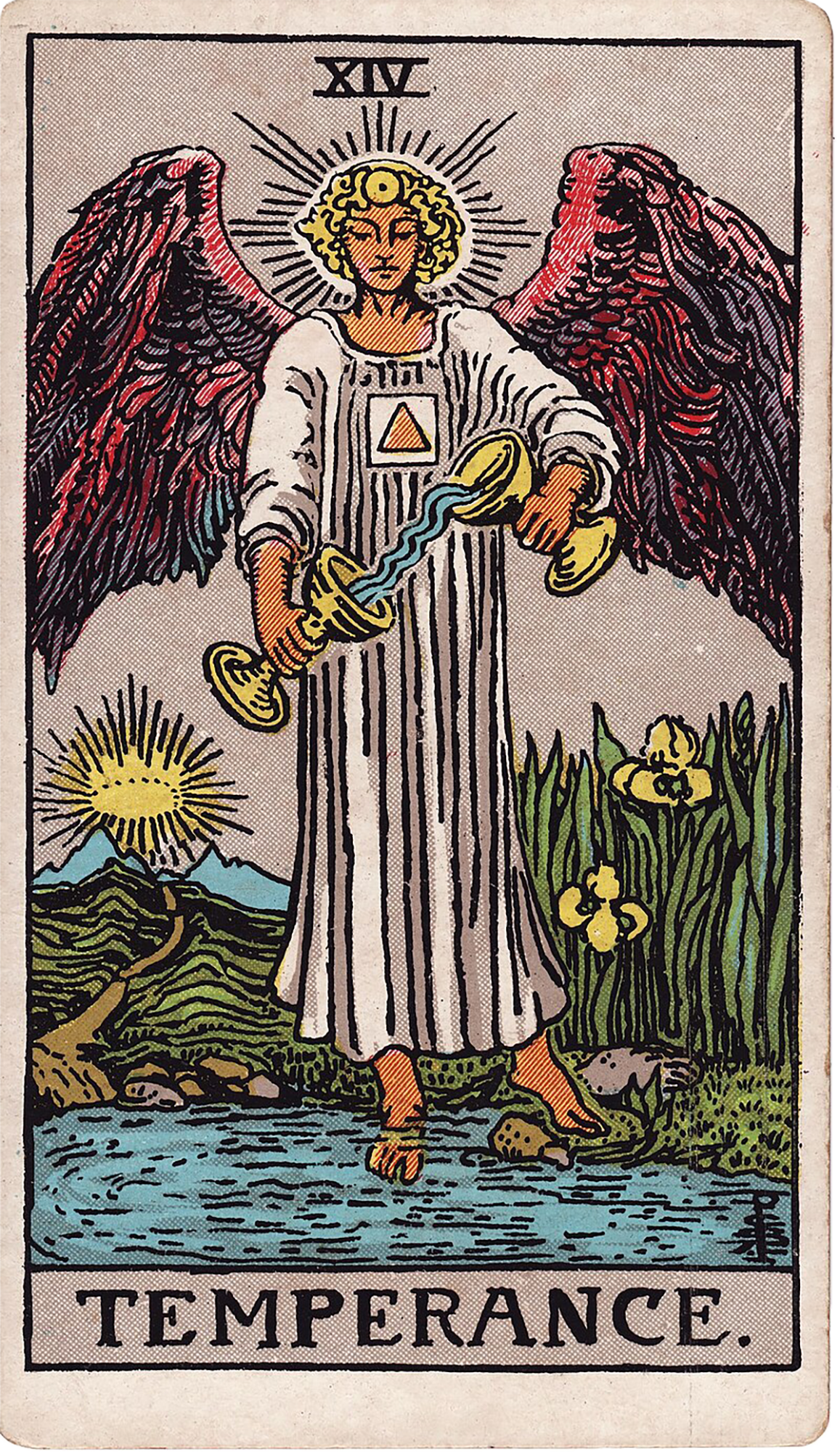 Temperance
Introduction to Card Combinations in Tarot
Interpreting Tarot cards in isolation risks missing the layered meanings that emerge when cards appear in combination. Card combinations reveal how energies blend, conflict, or support each other, providing richer insights into complex life situations. This article focuses on three Major Arcana cards—Death, Temperance, and The Hanged Man—each embodying a powerful transformative archetype. By reflecting on their traditional Rider-Waite-Smith imagery and upright/reversed meanings, we will investigate how these cards interact in various contexts, especially within families of cards that highlight transformation, balance, and surrender.
Deep Dive into Each Card’s Meaning and Imagery
Understanding each card’s individual symbolism provides the foundation for interpreting their combinations. Death features a skeletal figure riding a white horse, carrying a black banner emblazoned with a white rose. This imagery conveys the inevitability of endings and the purity inherent in transformation. Upright, Death invites us to release what is finished and embrace new beginnings with honesty and deliberate decisions. Reversed, it often signals resistance to change or clinging to outdated patterns. Temperance shows an angelic figure pouring water between two cups, symbolizing skillful blending, moderation, and steady integration. Upright, it encourages balance and thoughtful combination of diverse elements. When reversed, it may indicate extremes, imbalance, or difficulty coordinating parts that require clearer boundaries. The Hanged Man depicts a figure suspended upside down by one foot, serene and contemplative. This card emphasizes deliberate pause, surrendering control, and adopting new perspectives. Upright, it invites conscious engagement with the present moment, while reversed, it can expose stagnation, martyrdom, or an inability to fully surrender.
Interpreting the Combination of Death and Temperance
When Death and Temperance appear together, their energies interweave around endings and integration. The horse-mounted Death card’s stark finality contrasts with Temperance’s gentle angelic mediation. Together, they suggest that transformation is not only about allowing something to end but also about skillfully blending the new with the residual elements of the past. In relationships, this pairing may indicate a need to consciously balance letting go of old dynamics while integrating lessons to create healthier connections. In career contexts, it can speak to the end of a work phase coupled with a careful, moderate transition to a new role or project, urging patience and calibrated effort rather than abrupt change. Emotionally, Death and Temperance together encourage accepting the grief or discomfort of endings while practicing compassionate self-regulation to foster healing. This combination reminds us that transformation is a process involving both release and harmonious synthesis.
Synergy Between Death and The Hanged Man in Readings
Death and The Hanged Man together highlight a profound transformative pause. The Hanged Man’s suspended figure invites relinquishing control and reconsidering perspectives, while Death demands acknowledging what must come to an end. This pairing encourages an intentional, conscious engagement with endings—not rushing through but allowing a shift in viewpoint to deepen the experience of closure. For family readings, this combination may suggest a critical moment where a family member must see long-standing relational patterns through a new lens to foster genuine transformation. In career matters, it implies that awaiting a breakthrough requires surrendering old assumptions and actively seeking new awareness about what must conclude. Emotionally, this duo can represent a liminal space—where old attachments dissolve, and the individual gains insight through deliberate pause. The Rider-Waite-Smith imagery supports this: the calm expression of The Hanged Man contrasts with Death’s dynamic movement, illustrating the balance between stillness and inevitable change.
Integrating Temperance and The Hanged Man
Temperance and The Hanged Man together focus on the art of balanced surrender. The angel’s careful mixing of waters pairs with the suspended figure’s deliberate pause, suggesting that transformation requires both moderation and the willingness to see from a different angle. In practical contexts, this combination may highlight the importance of pacing oneself and blending patience with new viewpoints. For family-related questions, it can indicate that healing or progress needs time and conscious effort to harmonize differing perspectives or emotional states. In career or creative pursuits, it points to the need for diplomatic balance—merging opposing ideas or approaches by stepping back and reflecting before acting. This pairing encourages readers to avoid impulsive reactions and instead cultivate a measured openness to transformation.
The Power of Combining All Three Cards: Death, Temperance, and The Hanged Man
When Death, Temperance, and The Hanged Man appear together, a powerful narrative of transformation unfolds, emphasizing ending, balance, and perspective shift in tandem. The Rider-Waite-Smith symbolism invites the reader to see transformation not as a single event but as a process involving three interdependent energies. First, Death demands allowing endings to be real, inviting conscious engagement with what must conclude. Next, Temperance shows how integration and moderation can skillfully blend old and new elements to create a more balanced whole. Finally, The Hanged Man models the inner work of surrender and perspective change necessary for transformation to deepen. In relationships, this trio may indicate a phase where letting go, balancing emotional dynamics, and consciously adopting new viewpoints are all required to move forward with maturity and healing. Career readings might highlight a time of profound transition where endings are embraced, new strategies are blended carefully, and the individual adopts fresh perspectives to navigate change effectively. Emotionally, these cards together suggest a holistic process of transformation: the need to release, integrate, and shift perspective for lasting growth. The visual language of the cards—the horse’s movement, the angel’s flowing water, and the hanged figure’s serene suspension—offers a roadmap for readers to engage actively and consciously with change.
Avoiding Common Mistakes in Card Combination Interpretation
A frequent pitfall in Tarot reading is interpreting each card separately and then simply adding their meanings, which can lead to oversimplification. Instead, consider how the imagery, position, and energy of each card modify or shade the others. For instance, seeing Death alone might suggest ending, but in combination with Temperance, the message shifts to moderated transition rather than abrupt rupture. Likewise, The Hanged Man reversed alongside Death reversed could indicate resistance to necessary change rather than inevitable transformation. Avoid reading reversals as purely negative; they often signal where the energy is blocked or internalized. Always ask how the cards’ energies interact dynamically: Does Temperance temper Death’s finality? Does The Hanged Man’s pause indicate readiness or stagnation? Using the supplied card images as anchor points, observe how the visual cues—such as the calmness of The Hanged Man or the angel’s careful blending—inform the tone and quality of change suggested by the Death card’s more forceful symbolism.
Practical Techniques for Reading These Combinations
To effectively read these combinations: 1. Begin by reviewing each card’s traditional Rider-Waite-Smith imagery and upright/reversed meanings, paying close attention to the supplied images. 2. Identify the dominant themes each card brings—endings (Death), balance/integration (Temperance), and perspective/surrender (The Hanged Man). 3. Look for ways these themes interact: Which card’s energy is dominant? Which modifies or softens another? 4. Apply context: In a relationship spread, how does the combination speak to emotional cycles or communication? In career, what does it say about transitions or project management? 5. Consider timing and sequence. Does The Hanged Man suggest an upcoming pause before Death’s ending? Does Temperance indicate ongoing moderation during the process? By using this layered approach, readers move beyond simplistic one-card meanings to deep, nuanced narratives that align with the querent’s lived experience.
Summary and Final Reflections
Death, Temperance, and The Hanged Man together offer a profound lens on transformation, emphasizing the necessity of endings, the art of balance, and the power of shifting perspectives. Their combined imagery and symbolism from the Rider-Waite-Smith deck invite Tarot learners to engage with change as a complex, multifaceted process rather than a single event. This card family teaches that transformation requires conscious release, skillful integration, and deliberate surrender. By anchoring interpretations firmly in the supplied card images, readers can provide insightful, relevant guidance across relational, career, and emotional domains. Approaching Tarot combinations with this integrative method safeguards against oversimplification and opens the door to rich, transformative insights that honor the querent’s unique situation.
Practice questions
• How do the themes of ending, balance, and perspective shift interplay in my current situation?
• Where might I be resisting necessary change indicated by Death or The Hanged Man?
• In what ways can I practice moderation and integration as Temperance suggests?
• How can pausing and adopting a new viewpoint (The Hanged Man) enrich my understanding of endings (Death)?
• What life areas require a combined approach of release, balance, and perspective shift for meaningful transformation?
Comments
Sign in to comment.
Continue learning
Interpreting the Dance of Justice and The Devil: Balancing Morality and Temptation in Tarot Readings
The combination of Justice and The Devil in tarot presents a profound exploration of morality, temptation, and personal accountability. This article unpacks how these cards influen...
Harnessing the Power of The Magician and Ace of Wands: Igniting Creativity and Manifestation in Tarot Readings
The combination of The Magician and the Ace of Wands in tarot readings offers a potent blend of creative energy and manifestation power. This article delves into the ways these car...
Understanding the Synergy Between The Empress and The Emperor in Tarot Card Combinations
This article delves into the intricate synergy between The Empress and The Emperor cards in Tarot, focusing on how their combined energies modify and enrich readings across various...
Decoding Transformation and Renewal with Death and The Star in Tarot Combinations
This article delves into the card combination of Death and The Star, two powerful Major Arcana cards from the Rider-Waite-Smith deck. It explores how their imagery and meanings int...
Balancing Ambition and Compassion with The Emperor and Queen of Cups in Tarot Combinations
This article delves into the nuanced Tarot card combination of The Emperor and Queen of Cups, emphasizing how their energies complement and challenge each other. By analyzing their...
Finding Emotional Healing and Renewal with The Star and The Moon Tarot Combination
This article examines the rich interplay between The Star and The Moon tarot cards when they appear together in a reading. Using the traditional Rider-Waite-Smith symbolism and the...
Unlocking Emotional Wisdom with The High Priestess and The Queen of Cups in Tarot Combinations
This article delves into the card combination of The High Priestess and The Queen of Cups, emphasizing their shared themes of intuition, emotional depth, and receptivity. By examin...
Unlocking Emotional Resilience with Strength and The Star in Tarot Combinations
This article delves into the Tarot card combination of Strength and The Star, revealing how their interplay highlights pathways to emotional resilience. Anchored in the Rider-Waite...
Unveiling Emotional Strength with Strength and The Queen of Cups in Tarot Combinations
This article delves into the dynamic Tarot combination of Strength and The Queen of Cups, emphasizing how these cards together illuminate emotional strength, compassionate boundari...
Unlocking Emotional Transformation with Death and The Moon Tarot Combination
This article explores the rich and complex interaction between the Death and The Moon tarot cards within the Rider-Waite-Smith tradition, focusing on their combined potential to un...