
Using the Five Card Cross Spread to Assess and Overcome Career Burnout
Career burnout is a complex state that affects motivation, energy, and clarity. The Five Card Cross spread provides a structured, insightful way to explore its dynamics and find practical strategies to overcome it. Anchoring the reading in the cards The Chariot, Strength, The Hermit, Temperance, and 10 of Wands, this article teaches learners how to position cards, interpret their meanings in context, and synthesize their messages into actionable guidance. By understanding each card’s symbolism, the interaction between cards, and the role of each position in the spread, readers will gain a replicable method for addressing professional exhaustion through tarot.
Five Card Cross
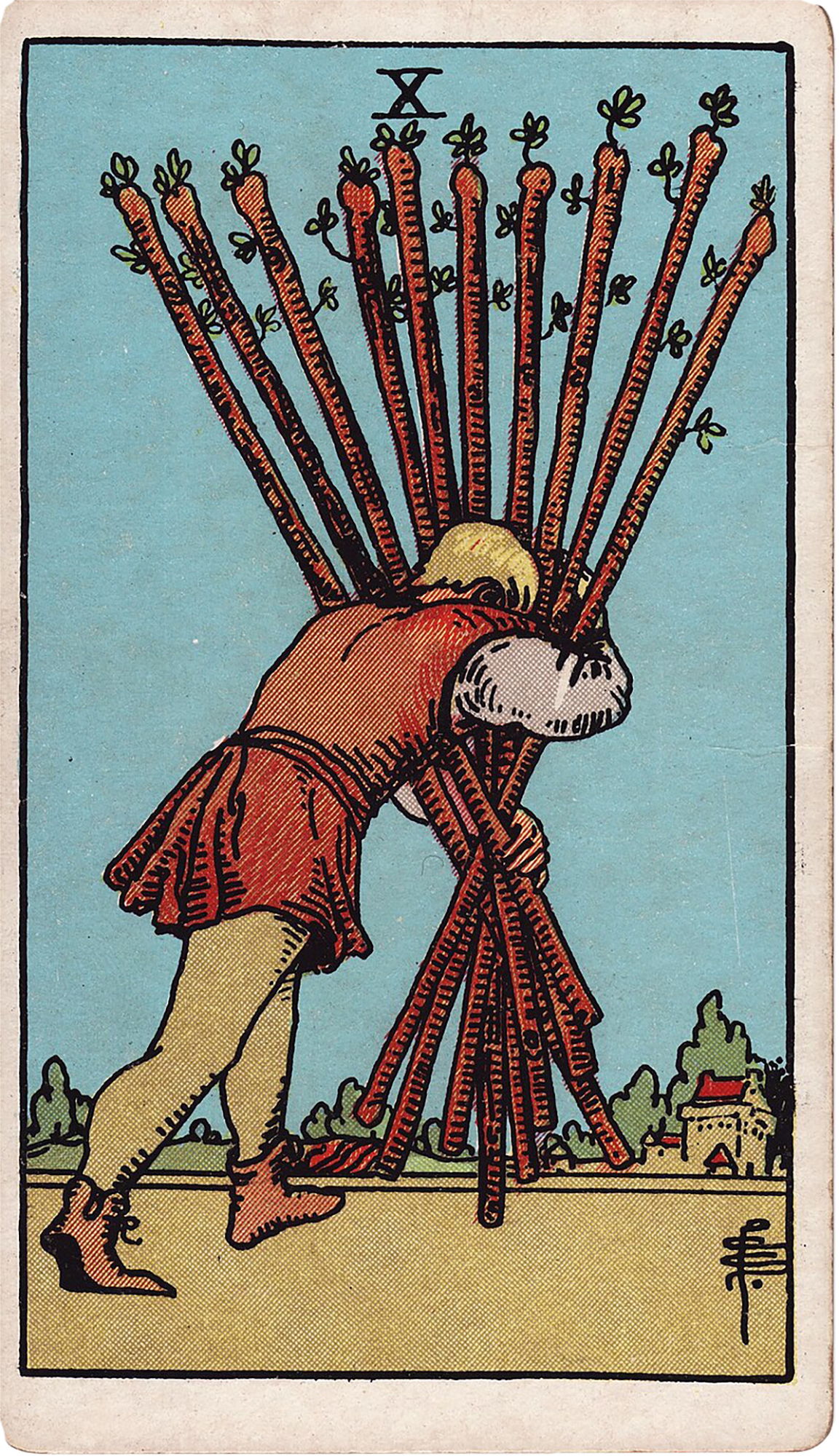 Present10 of Wands
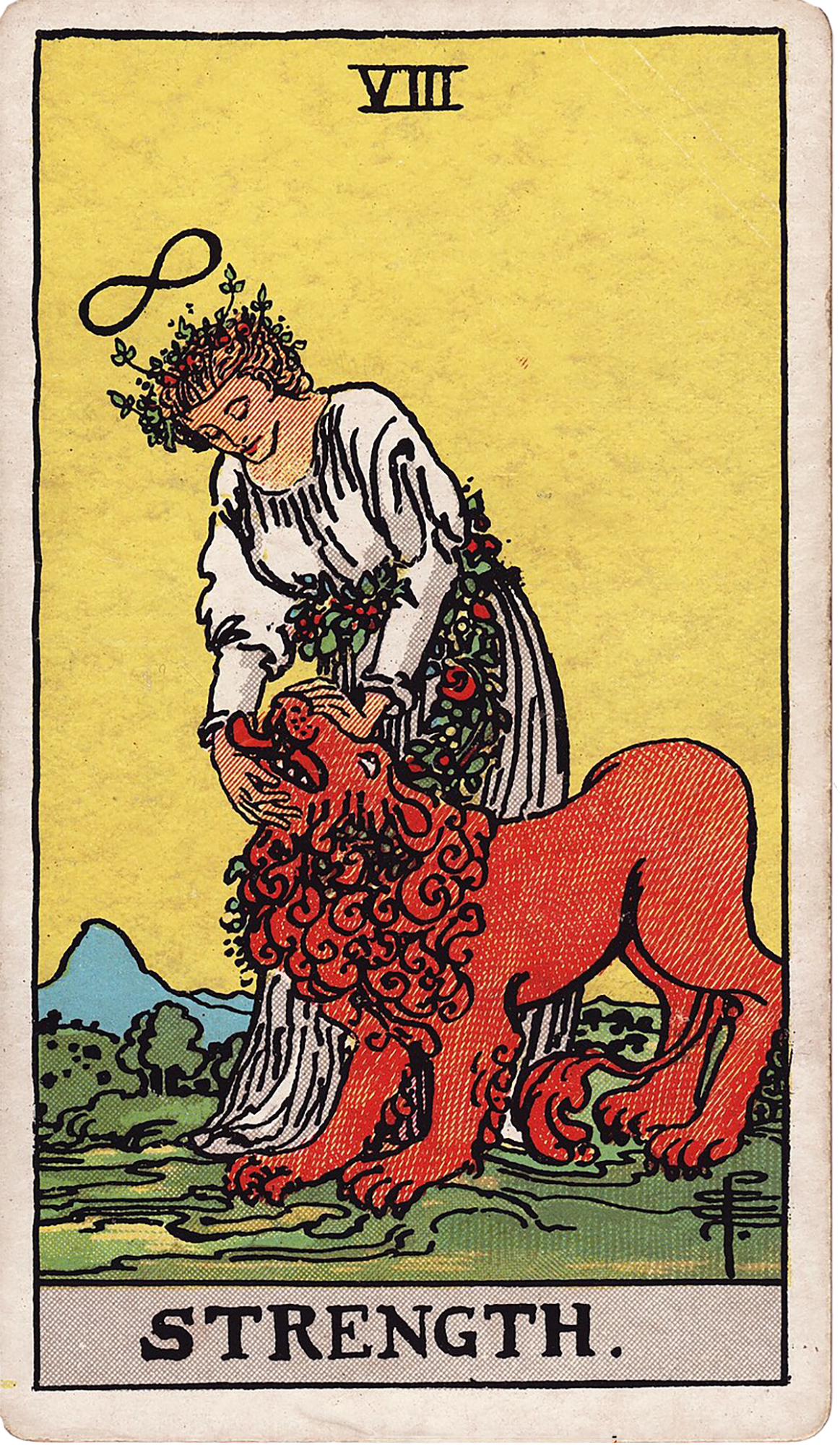 PastStrength
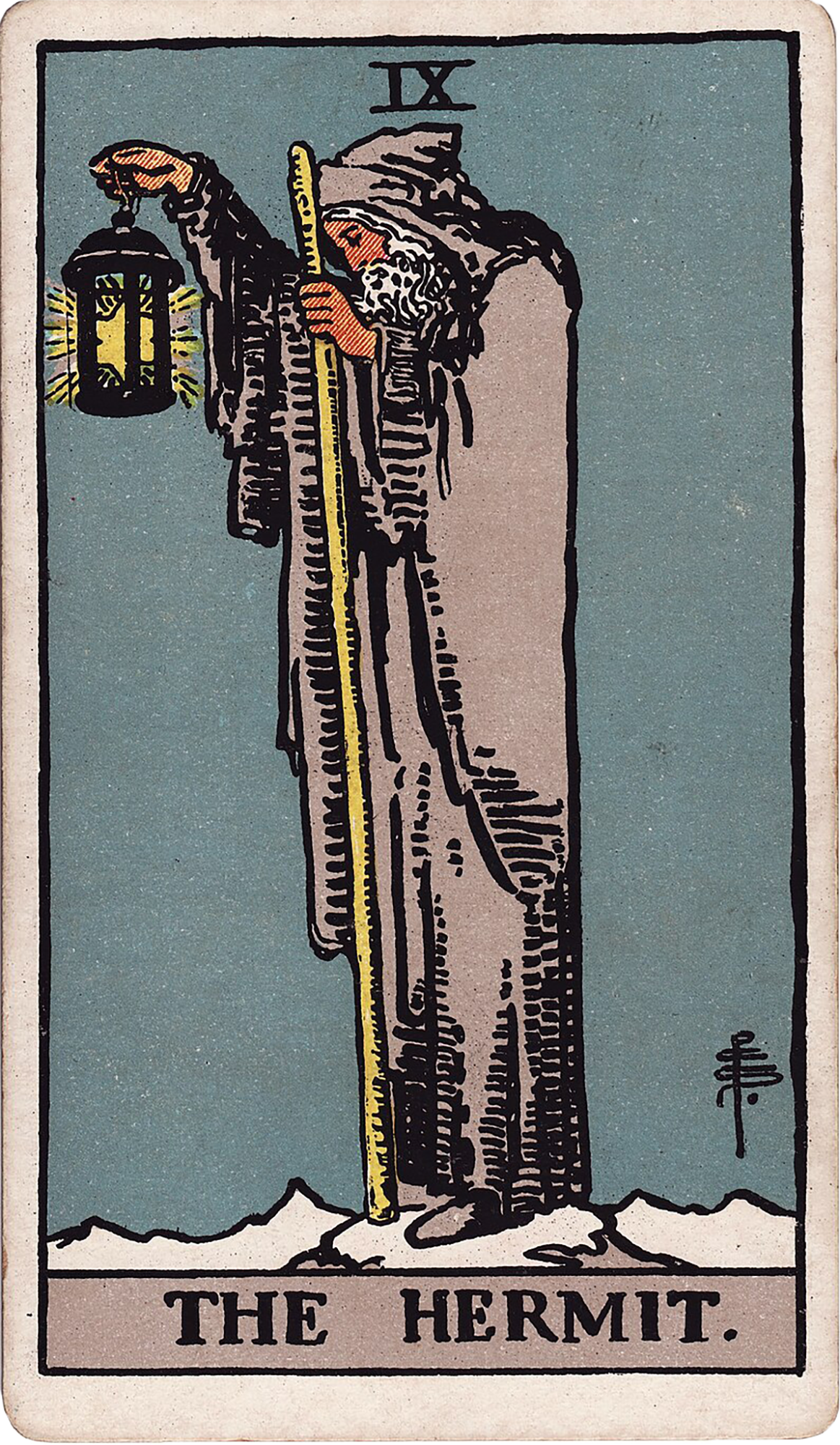 FutureThe Hermit
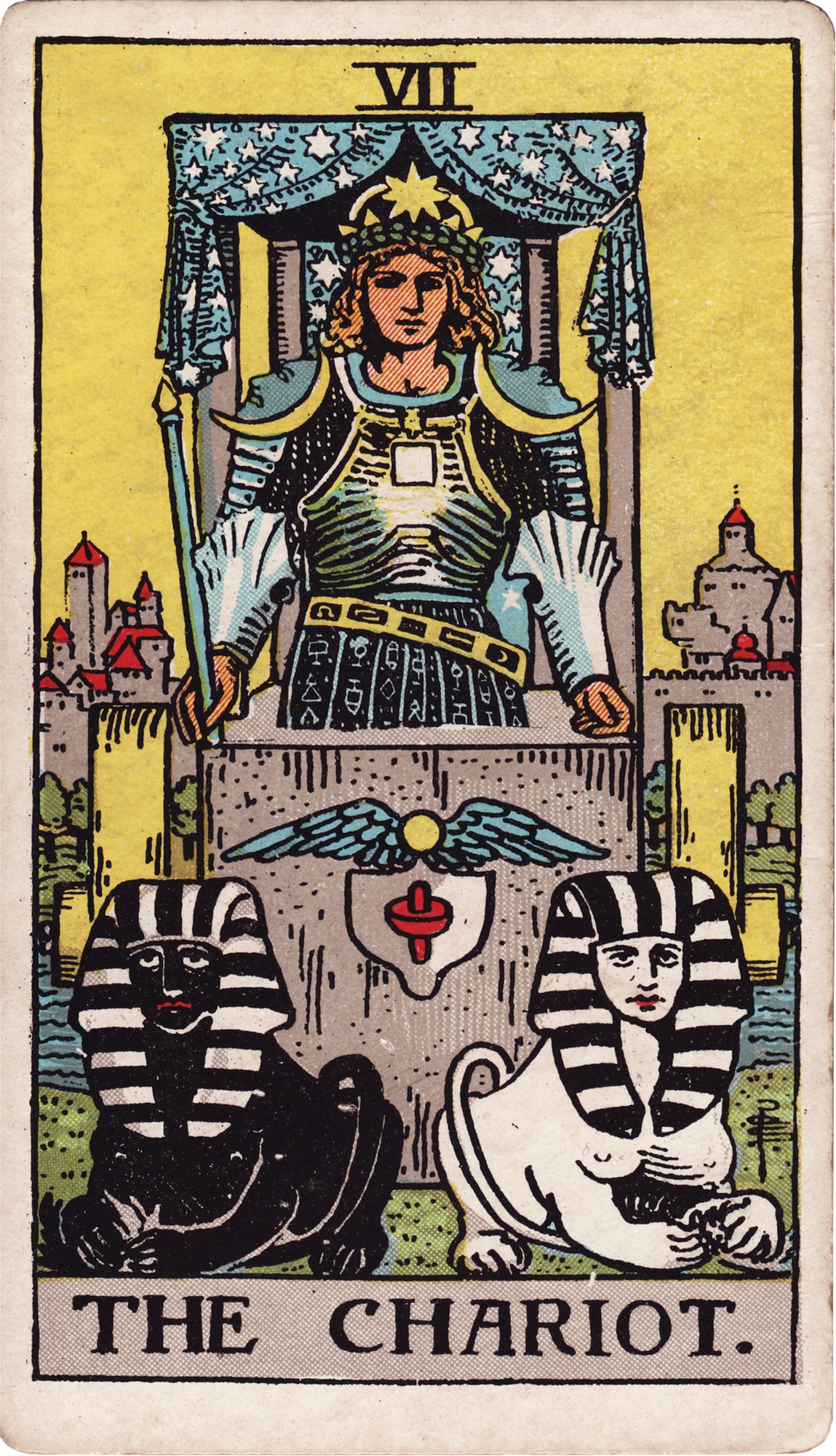 ChallengeThe Chariot
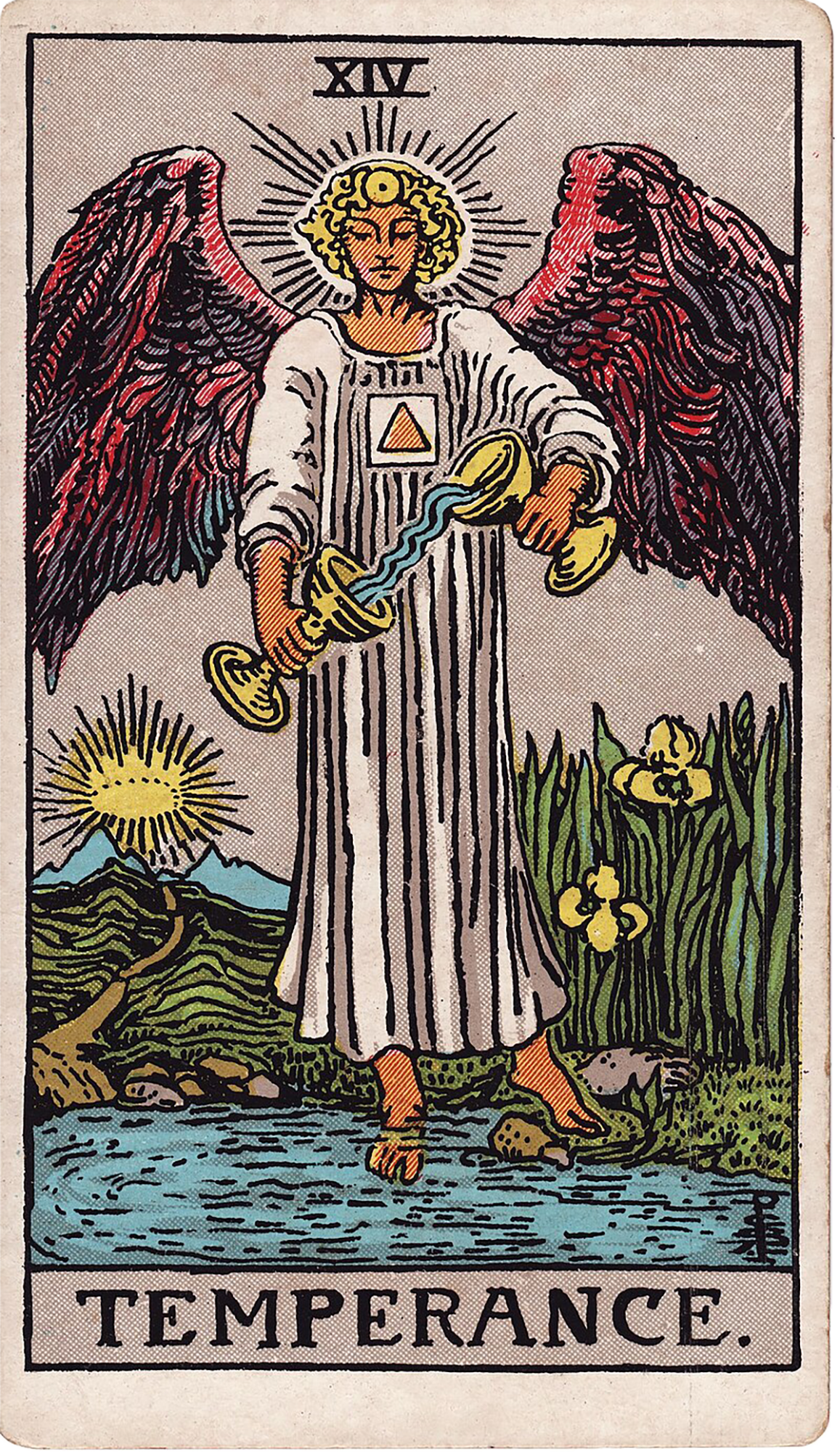 AdviceTemperance
Introduction to the Five Card Cross Spread for Career Burnout
The Five Card Cross spread is a classic, versatile layout that balances depth with clarity. It is especially suited for exploring complex personal issues like career burnout because it allows the reader to examine the present situation, contextual history, probable future, underlying challenges, and practical advice in a compact format. In this spread, each card holds a distinct role—"Present," "Past," "Future," "Challenge," and "Advice." When applied thoughtfully, it offers a holistic snapshot of the querent’s current professional struggles and paths to renewal. For those experiencing career burnout, this spread can illuminate the sources of stress and fatigue, highlight internal and external factors, and reveal actionable steps toward recovery. The cards chosen for this example—The Chariot, Strength, The Hermit, Temperance, and 10 of Wands—each embody critical qualities and lessons relevant to overcoming burnout.
Understanding the Spread Positions and Their Roles
The Five Card Cross positions work together like a narrative arc: 1. Present: Represents the current state or the immediate energy influencing the querent's career burnout. 2. Past: Reveals factors or events that have contributed to the current situation, providing context and background. 3. Future: Suggests possible developments if the current path continues or shifts. 4. Challenge: Identifies obstacles, inner blocks, or external pressures complicating the issue. 5. Advice: Offers guidance, strengths to cultivate, or actions to consider for overcoming burnout. Each position layers insight onto the others. While the Present sets the tone, the Past deepens understanding, and the Future offers foresight. The Challenge pinpoints friction points, and Advice directs constructive responses. When analyzing the cards, keep their positions in mind to anchor interpretations logically.
Card by Card Interpretation Anchored to Position and Imagery
We will now explore each card in its position with practical application to career burnout. - Present – The Chariot (Upright): The Chariot in the Present position shows a person confronting burnout with a strong desire for direction and control. The card’s imagery—often a figure steering a chariot pulled by sphinxes or horses—symbolizes harnessing opposing forces and moving forward with disciplined focus. This suggests the querent is aware of the need to choose a clear career direction and is ready to exert willpower to regain momentum. The presence of The Chariot here encourages conscious engagement with current challenges rather than passivity. - Past – Strength (Upright): Strength reflects past resilience and inner courage. The traditional image of a person gently taming a lion alludes to patience, self-respect, and calm perseverance. This card in the Past position implies that the querent has previously managed intense pressures through composure and emotional self-control. It highlights a history of meeting difficulties with grace, which may now be strained or exhausted, leading to burnout. - Future – The Hermit (Upright): The Hermit points to a future phase of introspection and thoughtful withdrawal. Depicted as a solitary figure holding a lantern, this card invites stepping back from external demands to gain clarity and wisdom. Its placement in the Future suggests the querent’s path toward recovery involves deliberate solitude and reflection to reassess values and goals. The Hermit supports the idea that burnout recovery includes quiet moments that foster insight rather than rushing forward. - Challenge – Temperance (Upright): Temperance in the Challenge position indicates the difficulty lies in achieving balance and moderation. The card shows an angel gently mixing two elements, symbolizing skillful integration and harmony. As a challenge, it underscores the querent’s struggle with extremes—perhaps overwork or emotional volatility—and the need to develop patience and restraint. The challenge is to coordinate opposing needs and energies without forcing or rushing the process. - Advice – 10 of Wands (Upright): The 10 of Wands represents the advice to address the burden of accumulated responsibilities. The imagery traditionally depicts a figure carrying a heavy load of wands, emphasizing weight and effort. It suggests the querent should identify which tasks or expectations can be delegated, reduced, or reorganized. The card urges practical action to relieve pressure rather than heroic overexertion. This advice aligns well with the need to manage energy sustainably to overcome burnout.
Analyzing Card Relationships and Overall Narrative
The five cards interconnect to form a coherent story of burnout awareness and recovery: - The Chariot (Present) and Strength (Past) together show the querent is transitioning from a place of steady inner strength to a moment where clear direction and focused effort are necessary. The past endurance is acknowledged but may not be sufficient alone now. - Strength to The Hermit (Future) suggests a movement from external perseverance toward internal reflection. The querent is encouraged to shift from outward control to inward wisdom. - Temperance (Challenge) acts as a pivot, highlighting the friction between extremes of effort and rest. It asks the querent to refine their approach and develop moderation. - The 10 of Wands (Advice) offers a concrete action: lighten the load. This card connects naturally with Temperance’s message by advocating practical balance and manageable effort. Together, these cards encourage the querent not only to recognize the causes and symptoms of burnout but to engage in a process of conscious choice, gentle self-care, and structural adjustment in their workload or professional life.
Practical Steps for Reproducing This Reading Method
To use the Five Card Cross spread effectively for career burnout, learners can follow these steps: 1. Frame the Question Clearly: "What do I need to understand and do about my career burnout?" This focus helps orient the reading. 2. Shuffle and Draw Five Cards: Assign positions in this order—Present, Past, Future, Challenge, Advice. 3. Observe Each Card’s Imagery: Note symbols, characters, and colors. Relate these visual cues to the querent’s situation. 4. Interpret Position Context: Understand how the card’s traditional meanings align with the positional question. 5. Explore Card Relationships: Look for thematic continuities or contrasts between cards. 6. Synthesize into a Narrative: Weave insights into a coherent story that addresses the querent’s experience. 7. Reflect on Practical Applications: Consider how advice cards translate to actionable steps. Common mistakes include ignoring the positional context, reading cards in isolation, or jumping to deterministic conclusions rather than seeing the spread as guidance. Practicing with journaling and revisiting readings helps develop fluency.
Common Challenges and Tips for Learners
Learners may struggle with: - Card Reversals: Though all example cards are upright here, understand that reversed cards indicate blockages or delays rather than outright negative outcomes. - Overinterpretation: Avoid stretching meanings to fit expectations; let the cards’ symbolism guide naturally. - Balancing Intuition and Structure: Use intuitive impressions but ground them in card meanings and spread positions. - Emotional Projection: Stay aware of how personal emotions might color interpretations. Tips include studying each card’s Rider-Waite-Smith symbolism carefully, practicing with different querents, and using the spread repeatedly to build confidence. Remember that tarot is a tool for reflection, not fortune-telling.
Conclusion and Empowerment Through Tarot for Career Burnout
The Five Card Cross spread, exemplified with The Chariot, Strength, The Hermit, Temperance, and 10 of Wands, offers a robust framework to dissect and address career burnout. By examining current energy, past resilience, future needs for insight, present challenges in moderation, and actionable advice to lighten burdens, this reading promotes self-awareness and practical change. Learners empowered with this spread can confidently support themselves or others in navigating career fatigue, moving from exhaustion toward renewed purpose and balance.
Practice questions
• How does the imagery of The Chariot inspire you to regain control and direction in your career?
• What past experiences, symbolized by Strength, have shaped your ability to face professional challenges?
• In what ways might withdrawing and reflecting like The Hermit help you find clarity about your burnout?
• Where could you be struggling to find balance or moderation as indicated by Temperance in your work life?
• What responsibilities or burdens represented by the 10 of Wands can you realistically delegate or reduce?
Comments
Sign in to comment.
Continue learning
Mastering Decision Making with the Five Card Cross Tarot Spread
The Five Card Cross Tarot Spread is a powerful tool for deepening decision-making skills by examining the present situation, past influences, future possibilities, challenges, and...
Navigating Conflict Resolution and Inner Struggles with the Five Card Cross Tarot Spread
This article delves into the Five Card Cross Tarot Spread as a practical tool for navigating conflict resolution and inner struggles, especially within family contexts. Using the s...
Using the Five Card Cross Tarot Spread to Navigate Career Changes with Confidence
The Five Card Cross Tarot Spread is a versatile and insightful tool for navigating career changes. This article guides learners through the method step-by-step using a practical ex...
Unlocking Personal Insight with the Seven Card Horseshoe Spread
The Seven Card Horseshoe Spread is a practical and insightful Tarot layout ideal for exploring personal and family dynamics. This article breaks down each position—Past, Present, H...
Using the Five Card Cross Spread to Enhance Emotional Intelligence and Self Awareness
The Five Card Cross spread is a powerful tool for cultivating emotional intelligence and self-awareness. This article explores how to use this practical spread in personal tarot pr...
Making Confident Career Decisions with the Five Card Cross Tarot Spread
This article presents an in-depth guide to the Five Card Cross Tarot Spread designed specifically to aid confident career decision-making. By exploring the symbolism and interplay...
Using the Five Card Cross Spread to Enhance Financial Decision Making
The Five Card Cross Spread offers a structured approach to exploring financial decisions through Tarot. Using a cross-shaped layout with positions labelled Present, Past, Future, C...
Using the Five Card Cross Spread to Improve Financial Decision Making
This article explores the Five Card Cross Spread as a practical tool for improving financial decision making. Using five Pentacle cards — Ace, 2, 7, 9, and 10 of Pentacles — the ar...
Using the Five Card Cross Spread to Understand and Manage Work Life Balance
This article explores the Five Card Cross Tarot Spread as a practical tool for understanding and managing work-life balance. Using five specific cards—The Empress, The Emperor, Jus...
Using the Three Card Spread to Make Balanced and Informed Relationship Decisions
This article explains how to use the Three Card Tarot Spread to gain balanced and practical insights into relationship decisions. By examining the Past, Present, and Future positio...