
Why Major Arcana Order Differs Across Decks and What That Means for Readers
Major Arcana order is not fixed: historical, symbolic, and practical choices have produced multiple sequences. The most commonly noticed difference involves the relative positions of Strength and Justice, and that change alters narrative emphasis in readings. Using the supplied images and card texts for The Fool, Strength, and Justice, this article explains why orders differ, how the swap changes interpretive logic, and offers concrete techniques and spreads to work with any deck confidently.
Cards explored in this article
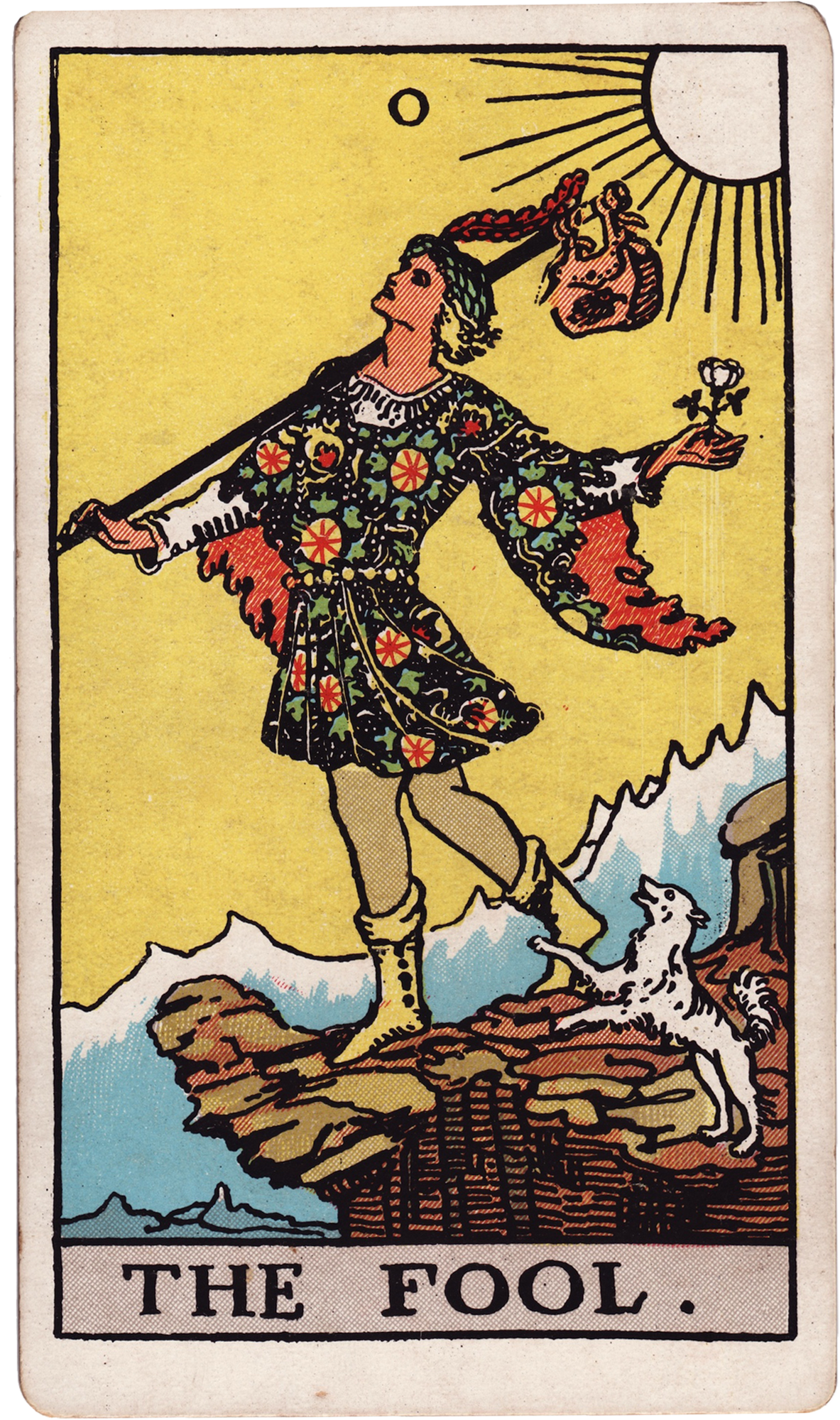 The Fool
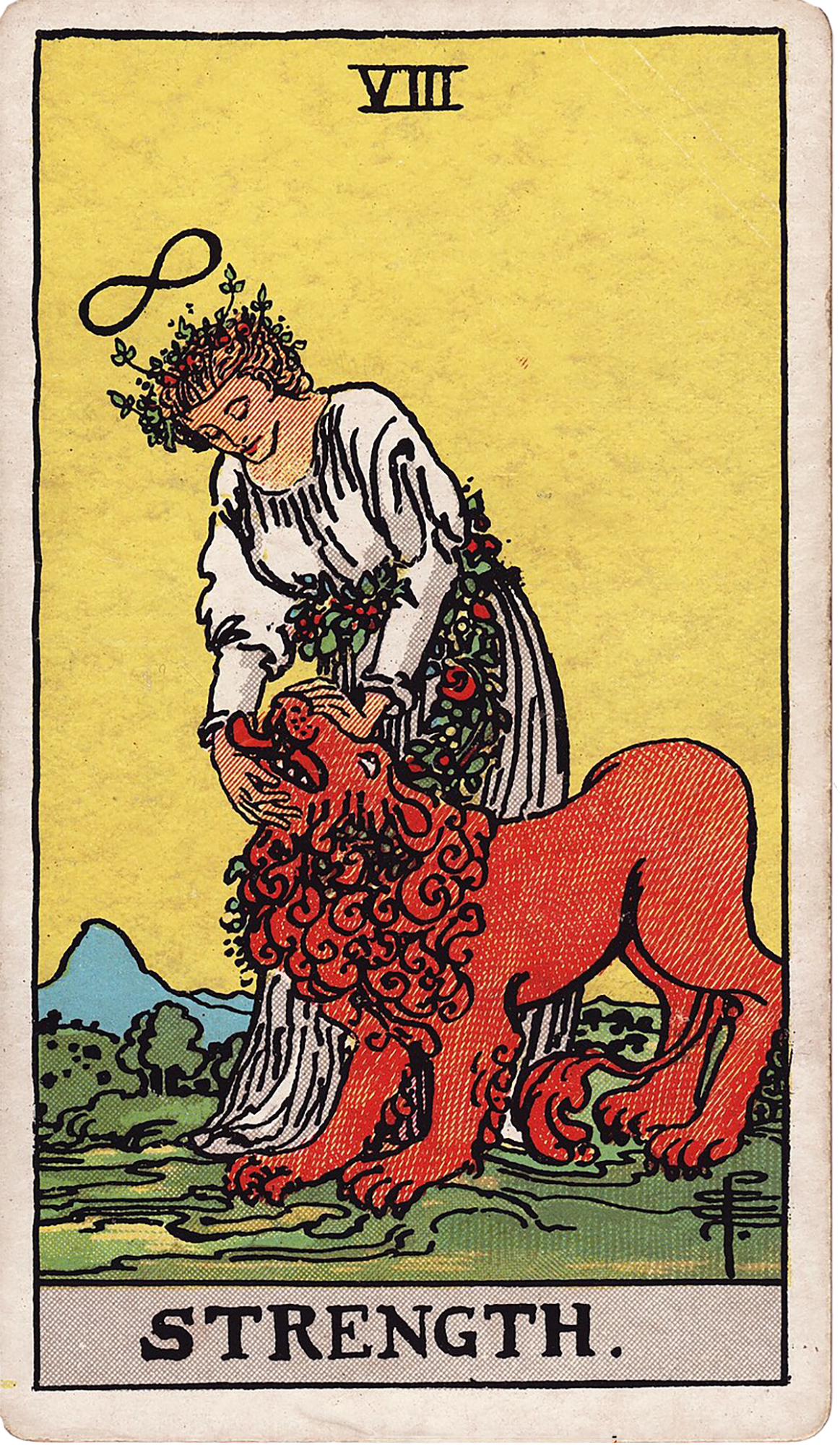 Strength
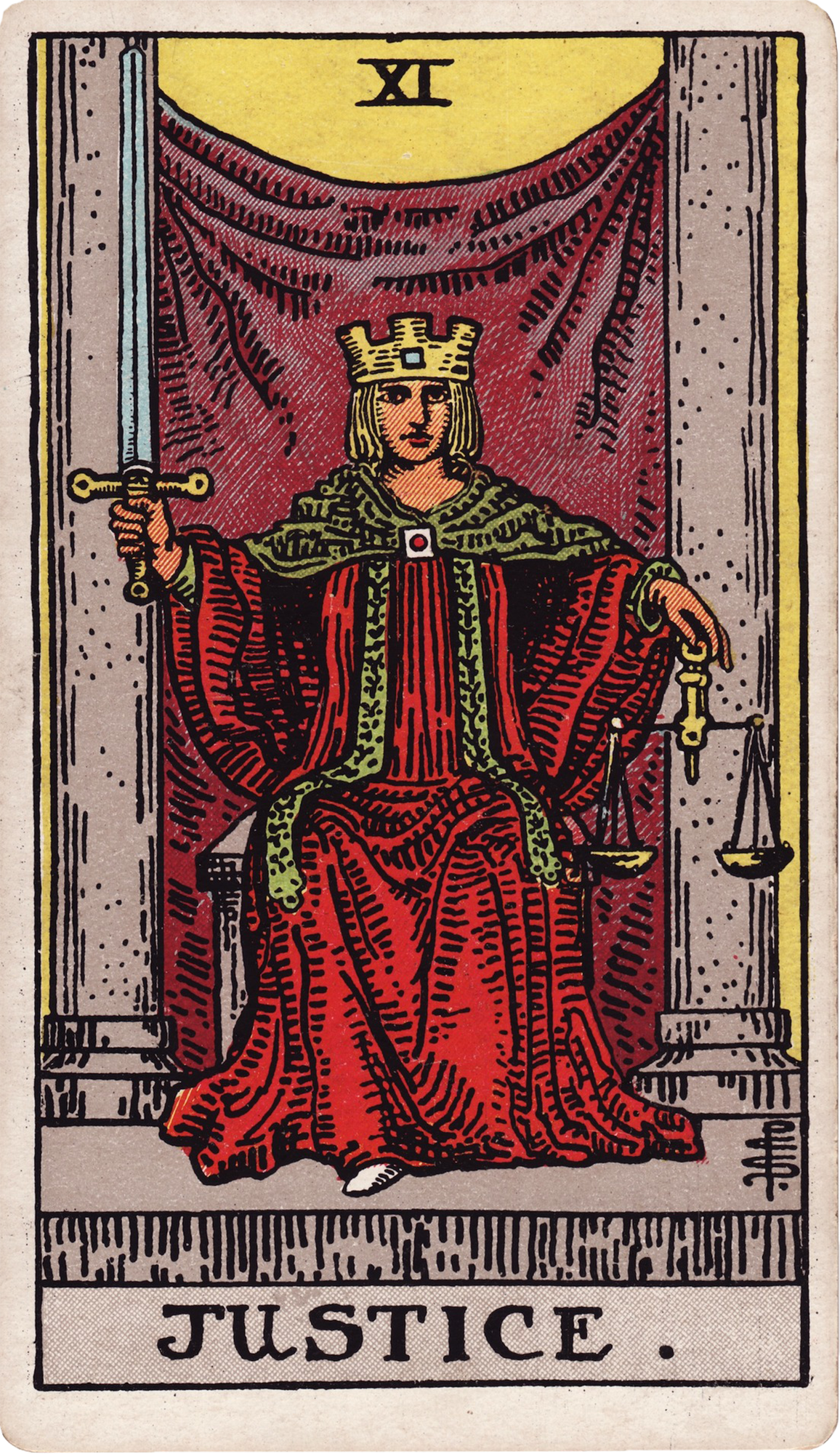 Justice
Introduction: why order matters
A deck's Major Arcana is often presented as a journey, and that narrative power makes order feel important. But order itself is not sacred; it is historically contingent and interpretively flexible. The Fool—traditionally the card of beginnings, curiosity, and taking the next step even without full certainty—serves as a familiar anchor point. Strength and Justice are two visually and thematically potent cards whose relative placement varies between traditions, and that variation changes how a reader constructs a story. This article uses the supplied images and card descriptions for The Fool, Strength, and Justice to show what those differences mean for learners and practicing readers.
A brief history of differing sequences
Tarot evolved in stages: tarot packs were used as playing cards, then adapted by occultists and readers who assigned symbolic progressions to the Major Arcana. Different geographic and cultural lineages produced slightly different lists and priorities. Practical reasons (publishing conventions, local symbolism), esoteric desires (reordering to fit Kabbalistic or astrological correspondences), and editorial choices all shaped which card came before or after which. Over time a few stable variants emerged. Importantly, what readers now call the Rider–Waite–Smith (RWS) imagery and the older Tarot de Marseille iconography are both authoritative in tradition, and each influenced how later decks numbered and placed cards. The result: when you pick up a deck you may see a sequence that emphasizes psychological development, legal consequence, social structures, or spiritual mastery, depending on which tradition the deck follows.
Why Strength and Justice get swapped and what the swap signals
Among the Major Arcana, the most-discussed swap involves Strength and Justice. Different traditions place these two cards in opposite positions relative to each other. The reason for the swap is not an accident: readers and designers have reordered them to emphasize different interpretive arcs. Strength (commonly illustrated in RWS-style decks as a woman gently controlling or calming a lion, emphasizing patience, courage, and self-respect) highlights inner work and emotional mastery. Justice (depicted with scales and a sword and emphasizing clear-eyed assessment, consequences, and fair decision-making) emphasizes external balance, legal or social consequence, and public accountability. If a deck places Strength before Justice, the implied arc can read: inner mastery develops first, and then the person is called to face consequences or make a fair decision in the world. If Justice comes before Strength, the arc suggests that external reckoning or objective facts arrive first, and the querent is then invited to integrate that reality through courage and steadiness. Neither sequence is 'right'; each simply foregrounds a different lesson in the hero's path. That is why checking your deck's numbering and understanding its tradition matters for narrative work.
How the Fool anchors any sequence
The supplied The Fool image and description make a reliable pivot. The Fool 'emphasizes starting before every detail is known, choosing curiosity over paralysis, and meeting a new chapter with openness.' In most systems The Fool functions as 0 or as a wild card of beginnings, and that quality is portable across orders. When reading, use The Fool's presence to ask where a new chapter is beginning in the querent's life and what part of the Fool's energy is present or missing. Because The Fool's lesson is about taking the next proportionate step, its placement rarely depends on whether Strength or Justice comes next. Instead, consider how the subsequent Major Arcana (whichever order your deck uses) modifies the Fool's leap: does the next card suggest inner courage will be required, or does it warn that external fairness and consequence must be considered?
Concrete reading examples using the supplied cards
Example 1 — Sequence A (Fool → Strength → Justice): Imagine a three-card timeline reading where the querent has The Fool in past, Strength in present, and Justice in future. Read visually and thematically: The Fool in the past suggests a recent leap or new beginning. Strength in the present emphasizes that the querent is currently cultivating calm courage and patience to handle what they set in motion. Justice in the future suggests that consequences, contracts, or a more public reckoning will soon require a balanced decision. Example 2 — Sequence B (Fool → Justice → Strength): With the same three card positions but the deck's ordering (or interpretive frame) that puts Justice before Strength, the narrative shifts: after The Fool's initial step, the querent faces a reality check or public/accountable event that forces a decision. Strength afterward suggests that integration and inner mastery will be the path of healing and recovery following that encounter. Both readings are informative; they simply emphasize different parts of the story. Use the supplied upright texts to flesh these narratives. The Fool's upright instruction to 'work with what is available now' prompts attention to immediate opportunities; Strength's emphasis on 'meeting intensity with calm courage' directs the reader to notice patience rather than force; Justice's 'looking at facts clearly' asks the querent to gather evidence and accept consequences.
Practical method for reading decks with different orders
Step 1 — Check your deck. Look at the printed numbers and the publisher's notes. Many modern decks include a guidebook explaining which tradition they follow. Step 2 — Decide on your frame: chronological/sequence storytelling (a 'fate' or life-path reading) or thematic/psychological reading (how energies appear in the querent now). Step 3 — When you encounter the Strength/Justice swap, narrate both possibilities aloud or in writing: 'If the deck intends Strength before Justice, then... If it intends Justice before Strength, then...' This counterfactual check quickly reveals which reading fits the querent's situation. Step 4 — Use card imagery to root the choice. For Strength, look closely at the figure's demeanor, the lion, and the posture — signs of internal mastery. For Justice, look at the scales, the sword, and any depiction of law or social context — signs the issue will be evaluated publicly or legally. Step 5 — Ask the querent clarifying questions: Do you expect an external decision or a moment of inner resilience? Which of those feels most urgent? The querent's answer helps select which interpretive arc to emphasize.
Technique: testing order through practice spreads
Use small experimental spreads to see how the different orders change outcomes. Example spread: three-card 'Possible Paths' where you deal three copies of the same reading but intentionally apply one sequencing frame to each (Strength→Justice, Justice→Strength, and neutral/no-order) and compare. Pay attention to which narrative elements resonate. Another technique is to lay out the Major Arcana in printed numeric order from your deck and read them as a continuous story, then do the same using an alternative order (if you know it) and note shifts in theme. Keep a reading journal and track which version consistently gives clearer guidance for your querent population. Over time you'll develop an instinct for whether a deck leans social/legal or psychological in its implicit arc.
Common mistakes and how to avoid them
Mistake 1: Treating numbering as deterministic. A number is a guide, not a prophecy. Mistake 2: Assuming all decks follow Rider–Waite–Smith order. Many authoritative decks follow other traditions. Mistake 3: Forcing a single narrative. When card imagery resists your chosen story, return to the cards and the querent. Mistake 4: Ignoring the supplied upright and reversed signals. In the supplied texts, both Strength and Justice remind readers to ask where a 'direct response, clearer boundary, deeper honesty, or more deliberate choice would move the situation forward.' Using these action-oriented prompts prevents static storytelling. To avoid these mistakes, stay curious, test both arcs, and prioritize the cards' visual cues and the querent's lived context over abstract doctrine.
Integrating reversals and neighbor cards
Reversed positions of The Fool, Strength, or Justice change emphasis. The supplied reversal text for The Fool highlights recklessness or avoidance of beginning; Strength reversed points toward self-doubt or trying to force control; Justice reversed flags bias or avoidance of accountability. When a reversal appears, use neighboring cards to determine whether the reversal is an internal block, a correction in progress, or an external setback. For example, The Fool reversed next to upright Strength suggests that the querent's difficulty starting is best addressed through internal courage. The same reversed Fool next to upright Justice might indicate avoidance has legal or practical consequences. This neighbour-checking is one of the most reliable ways to mediate ambiguity introduced by ordering differences.
Final practical advice
Treat your deck's order as a conversation partner rather than a boss. Learn the deck's tradition, but be willing to run counterfactual readings. Anchor interpretations in concrete imagery: The Fool's cliff, dog, and travelling pack; Strength's woman and lion; Justice's scales and sword. Use the supplied upright and reversed prompts as interpretive heuristics: ask what direct response, boundary, or honest choice would move things forward. Over time you will find that the apparent puzzle of order differences becomes a resource: each ordering offers a slightly different lens, and the best readers move between lenses to deliver nuanced, useful guidance.
Practice questions
• When you look at the supplied The Fool image, what immediate next step does it suggest in your own life or a client's situation?
• If Strength appears before Justice in a reading you give, how would that change your recommended next action compared with Justice appearing first?
• Which parts of the Strength and Justice imagery (lion, scales, sword, figure's posture) do you notice first, and how do those details alter your interpretation?
• How often do you check a deck's numbered order before doing a Major Arcana narrative reading, and how might a habit of checking change your readings?
• Try a practice spread where you read the same three positions twice, swapping Strength and Justice. Which version felt more accurate and why?
• When a supplied card appears reversed, which follow-up question helps you most: 'Where is this energy becoming distorted?' or 'What practical step would rebalance this situation?'
Comments
Sign in to comment.
Continue learning
Interpreting the Dance of Justice and The Devil: Balancing Morality and Temptation in Tarot Readings
The combination of Justice and The Devil in tarot presents a profound exploration of morality, temptation, and personal accountability. This article unpacks how these cards influen...
Mastering Decision Making with the Five Card Cross Tarot Spread
The Five Card Cross Tarot Spread is a powerful tool for deepening decision-making skills by examining the present situation, past influences, future possibilities, challenges, and...
Enhancing Clarity in Complex Choices with the Five Card Cross Tarot Spread
The Five Card Cross Tarot Spread is a practical tool designed to clarify complex choices by breaking down the decision into manageable parts. This article explores each position in...
Using the Five Card Cross Spread to Make Confident Life Decisions
The Five Card Cross spread is a practical and insightful tarot layout designed to assist with complex life decisions by clarifying the situation, presenting options, uncovering hid...
Making Confident Life Choices with the Five Card Cross Tarot Spread
The Five Card Cross Tarot Spread is a powerful tool designed to aid practical decision-making, particularly within family or life-altering situations. This article explains the spr...
Using the Five Card Cross Tarot Spread to Gain Confidence in Difficult Decisions
The Five Card Cross spread is a powerful practical tool for navigating difficult decisions with confidence. By placing cards in positions representing Situation, Option A, Option B...
Using the Five Card Cross Spread to Gain Clarity in Difficult Life Decisions
The Five Card Cross Spread is a structured tarot layout designed to help clarify challenging life decisions by examining the situation, options, hidden influences, and advice. This...
Using the Five Card Cross Spread to Clarify Complex Decisions
The Five Card Cross Spread is a practical tarot method designed to clarify complex decisions by laying out the situation, contrasting options, hidden factors, and advice. This arti...
Using the Five Card Cross Spread to Gain Insight into Relationship Dynamics
This article provides an in-depth guide to using the Five Card Cross Spread for gaining clarity on relationship dynamics, especially within family contexts. Anchored by a worked ex...
Using the Five Card Cross Spread to Make Balanced and Informed Life Decisions
The Five Card Cross Spread is a powerful Tarot layout designed to aid balanced and informed decision-making. This article teaches learners how to use this spread effectively, focus...