
How to use tarot card reversals for simple new insights
Learn how to understand reversed tarot cards in beginner-friendly ways. This post explains what card reversals are, how to read them in context, and offers practical examples to make your tarot practice richer and clearer.

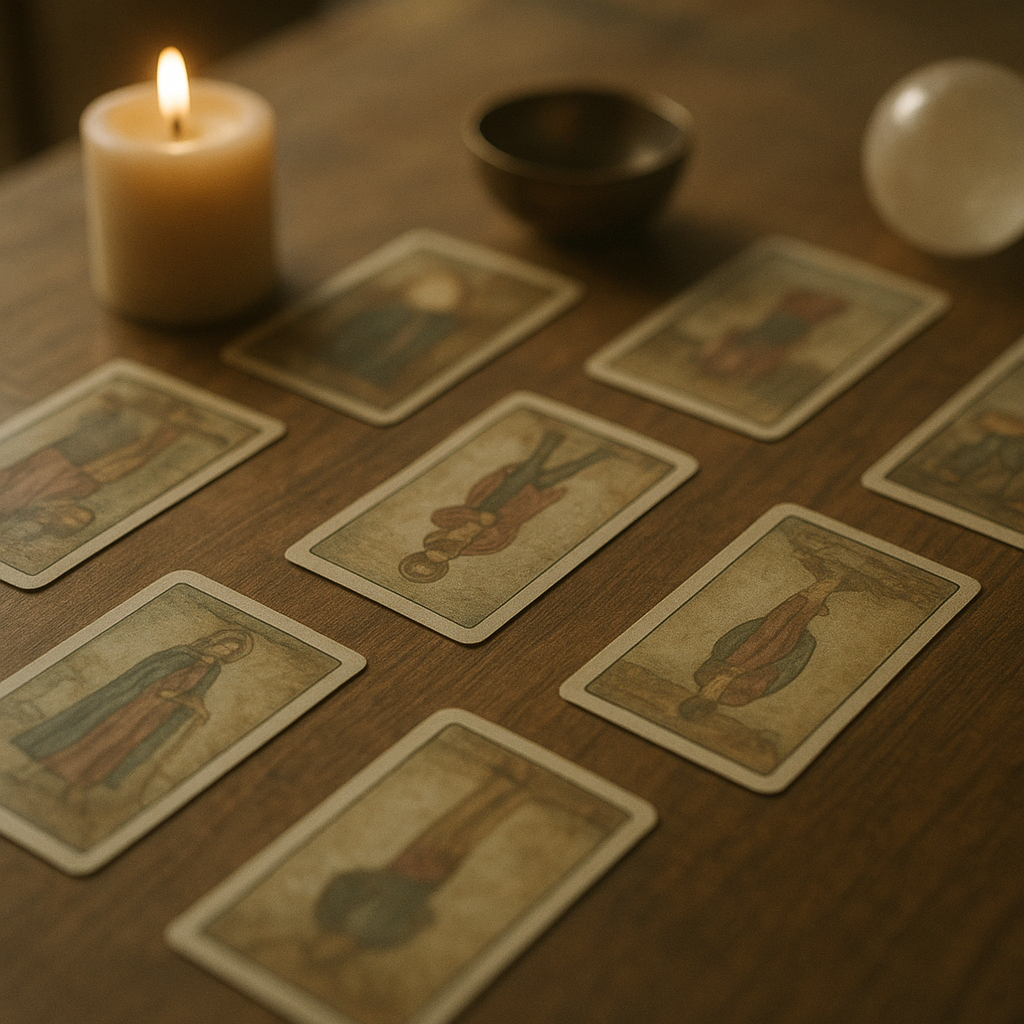
When you are starting to read tarot cards, you might notice some cards are reversed, or upside down, after a shuffle and deal. These reversed cards can feel confusing or intimidating, but they actually add a useful layer to your readings. Understanding reversals helps you get more nuanced and practical messages from your cards.
This guide will introduce you to the basics of tarot reversals with simple explanations and real examples to help you feel confident using them in your beginner readings.
What are tarot card reversals?
In tarot, a card can appear upright or reversed after you shuffle and lay them out. Reversed means the card is turned upside down relative to the reader. While some readers choose not to use reversals, many find that reversed cards give extra details about challenges, delays, inner feelings, or alternative meanings.
Think of it this way: if an upright card shows the main energy or message, the reversed card can highlight what is blocked, hidden, or the shadow side of that energy.
How to read reversed cards simply
As a beginner, the best approach is to start by considering the upright meaning you already know and then gently explore how the reversal might change it. Often, a reversed card indicates one of these possibilities:
- The energy of the upright card is weakened or delayed.
- The card’s message is internalized or expressed in a quieter way.
- There are obstacles or something you need to be cautious about.
- The card relates to something hidden or unconscious.
For example, the upright Strength card means courage, confidence, and inner power. When reversed, it might mean self-doubt, feeling weak, or needing patience to build strength slowly.
Using reversals in a simple spread
Try this easy exercise: pull three cards for a past, present, and future reading. Notice if any cards appear reversed and think about how that changes their meaning in the timeline.
Let’s say your cards are:
- Past - The Magician upright (skills and opportunities)
- Present - The Moon reversed (confusion lifting, hidden truths coming out)
- Future - The Emperor reversed (challenges with authority or control)
Here the reversed Moon suggests you are starting to see clearer now compared to before. The reversed Emperor warns to watch for potential power struggles or loss of control ahead. This simple use of reversals can add depth to your reading without being overwhelming.
Tips for beginners working with reversals
Start by familiarizing yourself with upright card meanings first. Only add reversals when you feel comfortable. Take notes on how reversals feel in your own readings—this personal connection will help you learn faster.
Use a Tarot journal to record your reversed cards and your interpretations. Over time, you will notice patterns on how reversals speak to you personally. Remember, there is no one right way—your intuitive sense matters.
Finally, keep your mindset open. Reversals are not “bad” cards. They simply point to areas needing attention or a different perspective.
Practical example for practice
Draw a card with potential reversal and explore both meanings. For example, pick The Hermit upright, meaning reflection and wisdom gained through solitude. The reversed Hermit might suggest isolation feeling lonely or reluctance to seek guidance.
Ask yourself how the reversed message applies in your current life or a question you have. This helps you see reversals as practical insights relevant to your everyday situations.
By practicing this way, reversals become less mysterious and more a handy tool for deeper tarot understanding.
Summary
Reversed tarot cards offer simple but valuable extra layers to your readings. They signal delays, obstacles, inner processes, or hidden factors. As a beginner, work with reversals carefully and gently by comparing with the upright meanings. Use small spreads and keep a journal to build confidence.
In time, reversals will enrich your tarot experience and help you see clearer messages for yourself and others. Approach them with curiosity and practical focus, and enjoy the journey of learning tarot step by step.
Comments
Comments appear after approval.
Log in to comment