
How to Read Tarot Cards by Noticing the Background Scenes
Learning to observe the background details in Tarot cards can offer new insights and make reading easier for beginners. This post guides you through simple ways to understand card meanings by focusing on the scenes and environments pictured behind the main figures.
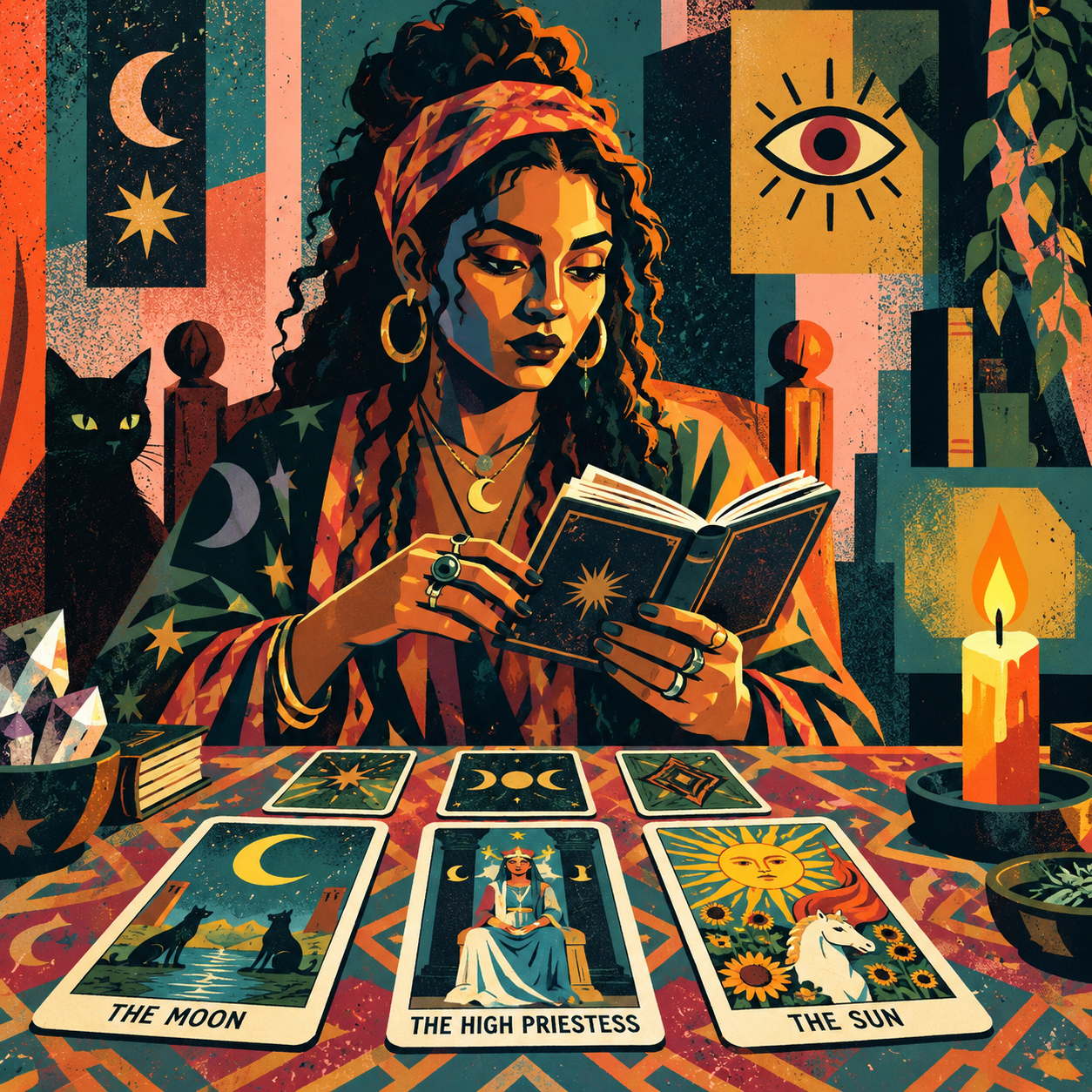
When learning Tarot, many beginners start by focusing on the central figures or symbols on each card. While these are very important, the background scenes and environments also hold valuable clues that help tell the full story of the card. Paying attention to these details can deepen your understanding and offer clearer readings without adding complexity.
Why Look at Background Scenes
Tarot is a visual language, and every element in the card’s artwork has meaning. The background often shows landscapes, weather, buildings, or activities that create context for the main images. This context helps you interpret the card’s message more naturally and confidently.
For example, a card showing a calm river in the background suggests peace and flow, while a stormy sky might point to tension or change. Noticing these scenes can support or refine your first impression of the card.
How to Practice Observing Background Scenes
Start by choosing one card and looking beyond the central figure. Ask yourself simple questions:
- What kind of place is shown behind the main subject? Is it indoors or outdoors?
- What is the weather like? Sunny, rainy, cloudy, or stormy?
- Are there natural elements like mountains, trees, rivers, or flowers? What feelings or ideas do they suggest?
- Do you see structures such as houses, castles, or bridges? What might they represent?
- Are there other people or animals in the background? How do they relate to the card’s main figure?
Answering these questions helps you practice connecting scenes with meanings. Write down your observations to compare with traditional card keywords as you learn.
Example with the Six of Cups
The Six of Cups often suggests nostalgia, kindness, or childhood memories. When you look at the background of this card, you might see a garden or house that looks inviting and safe. Children playing in the background hint at innocence and joyful past moments. Observing this setting can soften the card’s interpretation and remind you to think about warmth and connection beyond just the main symbols.
Using Background Scenes in Readings
When doing a reading, notice how the background relates to the question. If the card shows a difficult emotion but the background depicts a gentle sunrise or open field, it can suggest hope and new beginnings despite challenges. Alternatively, a calm card with a harsh-looking background may indicate hidden difficulties or warnings.
Try to tell a simple story using both the main images and the background. This approach makes your reading richer and more personalized without requiring advanced Tarot knowledge.
Tips for Beginners
- Take your time with each card. Look closely and describe what you see before jumping to typical meanings.
- Draw cards regularly and compare your background observations with traditional card interpretations to build confidence.
- Keep a journal of your insights about backgrounds to strengthen your visual awareness over time.
- Use your intuition but also trust simple, practical observations from the card images.
By learning to read Tarot cards through their background scenes, you open a new door to understanding that supports beginner readers in creating clear and meaningful interpretations. This gentle practice makes Tarot both accessible and enjoyable as you build your skills.
Comments
Comments appear after approval.
Log in to comment