
Applying The Hermit in Meditation and Mindfulness Practices for Deeper Insight
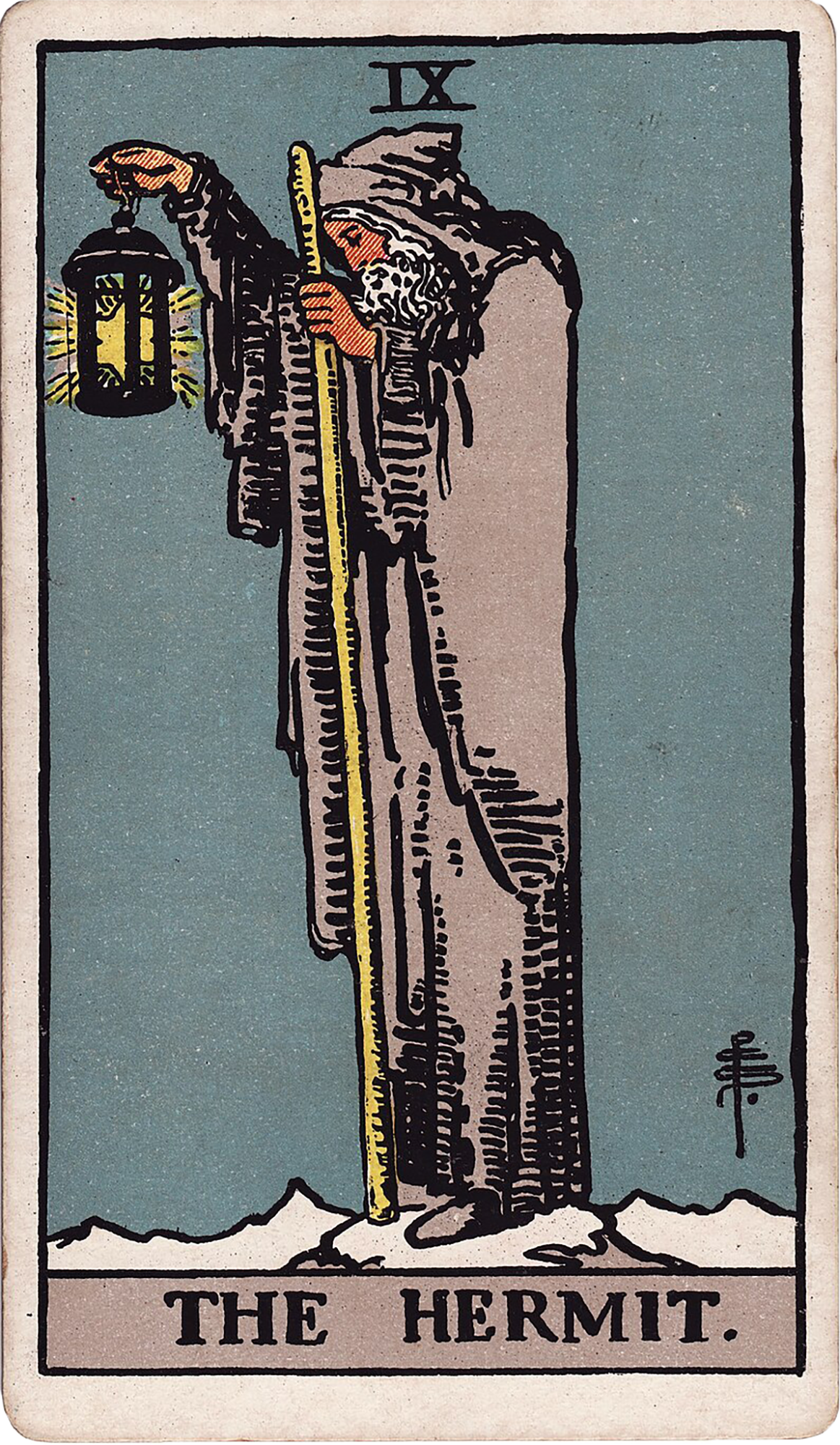
The Hermit card embodies the essence of introspection, solitude, and deliberate contemplation. Applied to meditation and mindfulness, it encourages stepping back from external distractions to gain clarity and deeper insight. This article explores The Hermit's upright and reversed meanings and how they inform different contexts such as love, career, money, and spiritual reflection. By closely examining The Hermit's Rider-Waite-Smith symbolism—like the lantern, staff, and cloaked figure—we provide practical techniques for integrating its lessons into mindful awareness and reflective practice. Readers will learn how to use this card’s energy constructively, recognize common pitfalls like avoidance or excessive analysis, and develop balanced, conscious engagement with their inner journey.
Cards explored in this article
 The Hermit
Understanding The Hermit Upright and Reversed in Mindfulness
The Hermit card traditionally depicts an old, cloaked figure holding a glowing lantern and a staff—symbols of inner guidance, wisdom, and support. Upright, The Hermit encourages stepping back from noise and haste to seek clarity through solitude and reflection. This archetype promotes deliberate choices made after quiet contemplation rather than impulsive reactions. In mindfulness, this translates to cultivating presence through conscious withdrawal from distractions to hear the 'inner voice.' It acknowledges that clarity takes effort and time, and insight often grows in silence rather than action. Conversely, reversed, The Hermit's energy can tip toward unhealthy isolation, avoidance, or overthinking. Instead of constructive solitude, it may signal loneliness, resistance to engagement, or using withdrawal as a defense mechanism. This distorted expression warns against disconnection from self or others and suggests a need to rebalance mindfulness practice by integrating reflection with participation. Recognizing these nuances helps maintain a mindful stance that honors both introspection and healthy interaction.
Symbolism of The Hermit in Meditation Practice
The lantern The Hermit carries symbolizes the light of conscious awareness illuminating the path within darkness or uncertainty. In meditation, this is the focused attention that gently sheds light on subconscious patterns and emotions. Practitioners can visualize the lantern as their mindfulness itself, guiding them safely through internal landscapes. The staff grounds The Hermit, representing stability and support during the inner journey. Mindfulness techniques often employ a metaphorical staff by anchoring attention to the breath or bodily sensations, providing steadiness amidst mental fluctuations. The Hermit's cloak implies humility and withdrawal from external judgment, inviting a non-egoic exploration of experience. Meditation inspired by this card encourages letting go of ego-driven narratives to witness thoughts and feelings without attachment. By focusing on these symbols during practice, learners deepen their connection to The Hermit's lessons and create a vivid mental framework for mindful insight.
Applying The Hermit in Love and Relationship Mindfulness
When The Hermit appears in a love context, it invites a pause to reflect on personal needs, boundaries, and emotional clarity before acting. Meditation can be used to explore one’s authentic feelings away from relational noise or expectations. For example, someone facing uncertainty about a relationship might silently ask: 'What do I truly seek? Where do I need clearer boundaries?' This internal inquiry aligns with The Hermit's upright teaching to seek depth over quick reaction. In reversed position, The Hermit may warn of isolation within relationships—emotional withdrawal, avoiding communication, or loneliness despite being with a partner. Mindfulness here helps identify these patterns by observing feelings of disconnection without judgment, fostering self-compassion and encouraging conscious re-engagement rather than avoidance. A practical technique is journaling after meditation to capture insights about relational patterns, fostering informed choices grounded in self-awareness.
Using The Hermit for Career and Work Reflection
The Hermit urges stepping back from career pressures to assess goals and values with quiet honesty. Meditation practices inspired by this card might focus on visualizing the lantern’s light as illuminating career paths or obstacles previously obscured by busyness or stress. This moment of mindful stillness promotes deliberate decisions, such as recognizing when to set clearer professional boundaries or pursue a more meaningful direction. Upright, it encourages working with current resources and conditions, not waiting for perfect external circumstances. The Hermit suggests uncovering the next small but significant step rather than attempting broad leaps. In reversed form, The Hermit’s energy can manifest as excessive rumination about work challenges or reluctance to engage with necessary tasks, leading to stagnation. Mindfulness here involves recognizing these avoidance tendencies compassionately and gently redirecting attention toward constructive action.
Financial Awareness and The Hermit’s Guidance
Financial mindfulness with The Hermit involves introspective budgeting and conscious spending rather than reactive or impulsive financial decisions. The card’s upright message supports using what is presently available thoughtfully and deliberately. Meditative reflection might include questions such as: 'Where am I withholding clarity about my financial habits?' or 'How can solitude support better money management without anxiety or denial?' If reversed, The Hermit can indicate financial isolation, fear-driven hoarding, or avoidance of addressing money issues. Mindfulness practice helps by bringing these fears into awareness, reducing their unconscious hold, and inviting balanced engagement with one’s finances.
Advice and Challenge Through The Hermit’s Lens
As advice, The Hermit encourages intentional solitude to gain clarity before responding to situations—be it personal dilemmas or external conflicts. This card counsels patience and measured decision-making grounded in self-knowledge. Challenges may arise when solitude turns into isolation or when overanalysis leads to paralysis. The reversed Hermit highlights these risks, reminding practitioners to balance inward focus with outward presence. A helpful mindfulness strategy is to set time-bound periods for reflection and action. For example, dedicating 15 minutes to quiet meditation for insight, then consciously shifting toward engagement prevents getting stuck in rumination or avoidance.
The Hermit as a Person in a Reading
When The Hermit represents a person, it often depicts someone wise, introspective, and measured. This individual values solitude and thoughtful reflection and may serve as a guide or mentor. In mindfulness terms, this person embodies presence, calm, and intentional listening. Reversed, this figure may become withdrawn, detached, or overly critical. Mindful awareness can help recognize these traits as signals to practice compassion and encourage balanced social connection. Recognizing the Hermit’s personality archetype in oneself or others aids in tailoring meditation practices that nurture needed qualities like calm discernment or open-hearted engagement.
Outcome and Spiritual Reflection with The Hermit
The Hermit as an outcome card highlights the emergence of insight gained through self-reflection and mindful practice. It suggests a turning point where conscious awareness leads to meaningful progress, even if the external situation remains complex. Spiritually, this card aligns with the quest for inner truth and enlightenment. Meditation inspired by The Hermit fosters a deeper connection to wisdom traditions, encouraging seekers to look beyond surface distractions. Practitioners might adopt contemplative exercises such as silent retreats, focused breathwork, or guided imagery of the lantern’s light revealing hidden knowledge. These practices embody The Hermit’s spiritual lesson: that profound wisdom often arises from patient solitude and attentive presence.
Common Mistakes When Applying The Hermit in Mindfulness and Meditation
One common pitfall is equating The Hermit’s solitude with mere isolation or passive withdrawal, which can foster loneliness rather than insight. Mindfulness must be active and aware, not escapist. Another mistake is impatience—expecting immediate clarity or resolution. The Hermit teaches that insight unfolds gradually, requiring tolerance for uncertainty. Additionally, ignoring the reversed meanings can lead to missing signs of imbalance, such as overthinking or emotional avoidance. Practitioners should regularly check in with their experience to ensure that solitude remains constructive. Finally, neglecting to integrate meditation insights into daily life limits The Hermit’s transformative potential. The card encourages deliberate steps informed by reflection, emphasizing the interplay of inner wisdom and outer action.
Practical Method for Reading The Hermit in Meditation and Mindfulness Contexts
When The Hermit appears in a reading focused on meditation or mindfulness, start by observing its upright or reversed position and relating symbols to the question or life area. 1. Begin with quiet contemplation of the card’s imagery: note the lantern’s glow, the staff’s support, the figure’s posture. 2. Ask how themes of solitude, inner guidance, or withdrawal apply to the current context (love, career, money, etc.). 3. Frame mindful inquiry questions that reflect the card’s lessons, e.g., 'Where do I need clearer boundaries?' or 'What inner truth is emerging?' 4. Encourage meditation or journaling on these questions to deepen insight. 5. Identify any reversed indications of imbalance, such as avoidance or isolation, and include strategies to mitigate these by balancing reflection with engagement. 6. Conclude by outlining a proportionate next step grounded in insight rather than reactivity. This structured approach ensures The Hermit’s wisdom is actively integrated into personal growth and decision-making processes.
Practice questions
• In what areas of my life could stepping back and seeking solitude deepen my insight?
• How do I differentiate between healthy reflection and avoidance or isolation?
• What symbols from The Hermit card resonate most with my meditation practice?
• Where might I be rushing decisions that would benefit from more deliberate contemplation?
• How can I balance inner wisdom with necessary social engagement?
• What next small step can I take today that reflects The Hermit’s guidance for working with what I have?
Comments
Sign in to comment.
Continue learning
Exploring The High Priestess in Career Relationships and Personal Growth
The High Priestess card in the tarot deck invites readers to explore intuition, hidden knowledge, and inner wisdom across various life contexts. This article examines how The High...
The Fool in Life Transitions and New Beginnings
The Fool card embodies the spirit of beginnings, curiosity, and the leap of faith required during life transitions. This article explores The Fool’s meanings across various reading...
Understanding The Chariot Card in Personal Ambition and Overcoming Obstacles
The Chariot card represents the power of focused will, disciplined action, and choosing a clear direction amid competing impulses. Upright, it encourages decisive steps forward usi...
Understanding The Hermit in Self Discovery and Spiritual Enlightenment
The Hermit card in the Rider-Waite-Smith deck embodies themes of introspection, solitude, and spiritual wisdom. This article examines how The Hermit's upright and reversed position...
Exploring The Hierophant in Modern Spiritual Practices and Personal Development
The Hierophant tarot card symbolizes structured wisdom, tradition, and the pursuit of knowledge through established systems. This article explores how The Hierophant’s upright and...
Applying The Star Card to Foster Hope and Renewal in Personal Growth
The Star card in Tarot symbolizes hope, authenticity, and the process of steady renewal. In a single-card reading, The Star encourages embracing what is present, cultivating openne...
Understanding The Wheel of Fortune in Tarot Readings for Life Cycles and Change
The Wheel of Fortune card in Tarot is a powerful symbol of cycles, change, and the dynamics of fate and free will. This article explores the card’s upright and reversed meanings, a...
Understanding The Hermit Card in Solitude Reflection and Guidance
This article offers an in-depth exploration of The Hermit tarot card as a single-card reading in different contexts such as love, career, money, advice, challenge, person, outcome,...
Understanding The Tower in Tarot for Navigating Sudden Change and Crisis
The Tower card in Tarot symbolizes sudden, often disruptive change that destroys false foundations and compels honest reassessment. This article provides a comprehensive exploratio...
Understanding The Hanged Man in Personal Sacrifice and Spiritual Growth
The Hanged Man tarot card embodies the themes of intentional pause, surrender, and gaining new perspectives that foster personal sacrifice and spiritual growth. In this article, we...