
Assess Co Parenting Readiness with the Relationship Five Card Spread
A step-by-step teaching of the Relationship Five Card Spread focused on evaluating co-parenting readiness. The spread places the 2 of Cups as You, 10 of Cups as The Other Person, Queen of Cups as the Connection, 5 of Pentacles as the Challenge, and King of Pentacles as the Direction. The article explains each position, Rider‑Waite imagery, card-to-card dynamics, interpretation logic, practical reading steps and common pitfalls so learners can reproduce accurate, grounded readings for family decisions.
Relationship Five
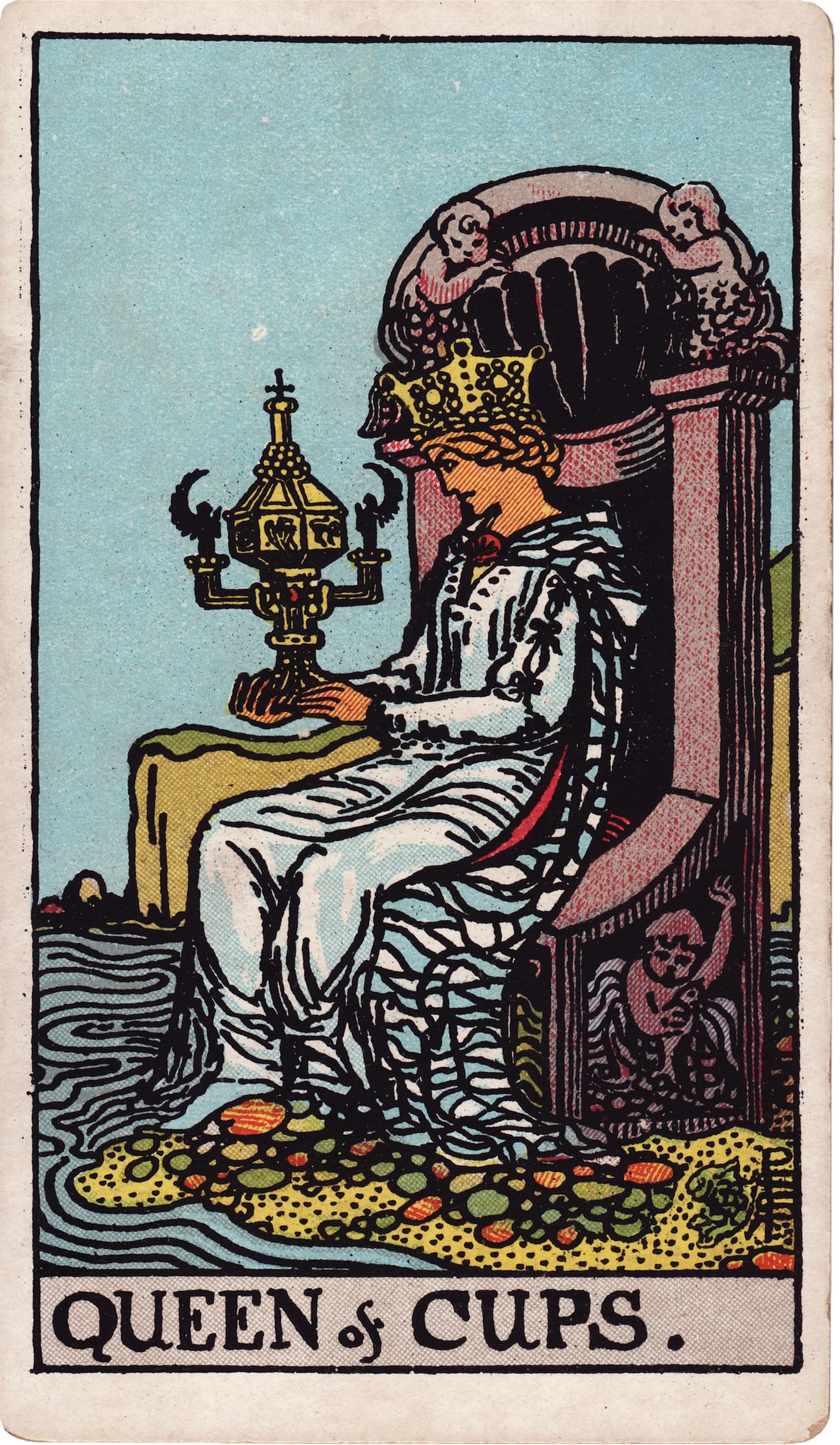 YouQueen of Cups
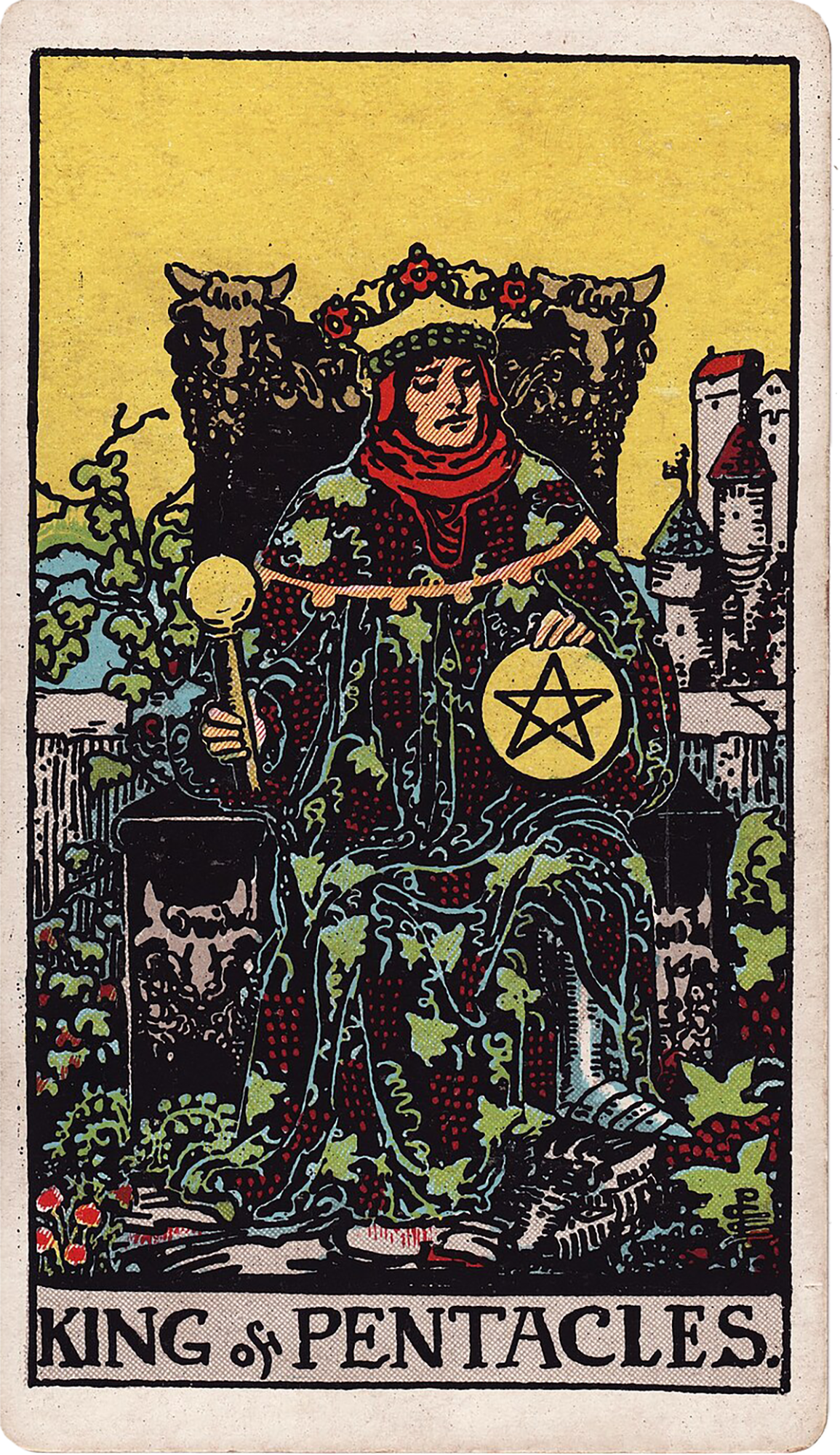 The Other PersonKing of Pentacles
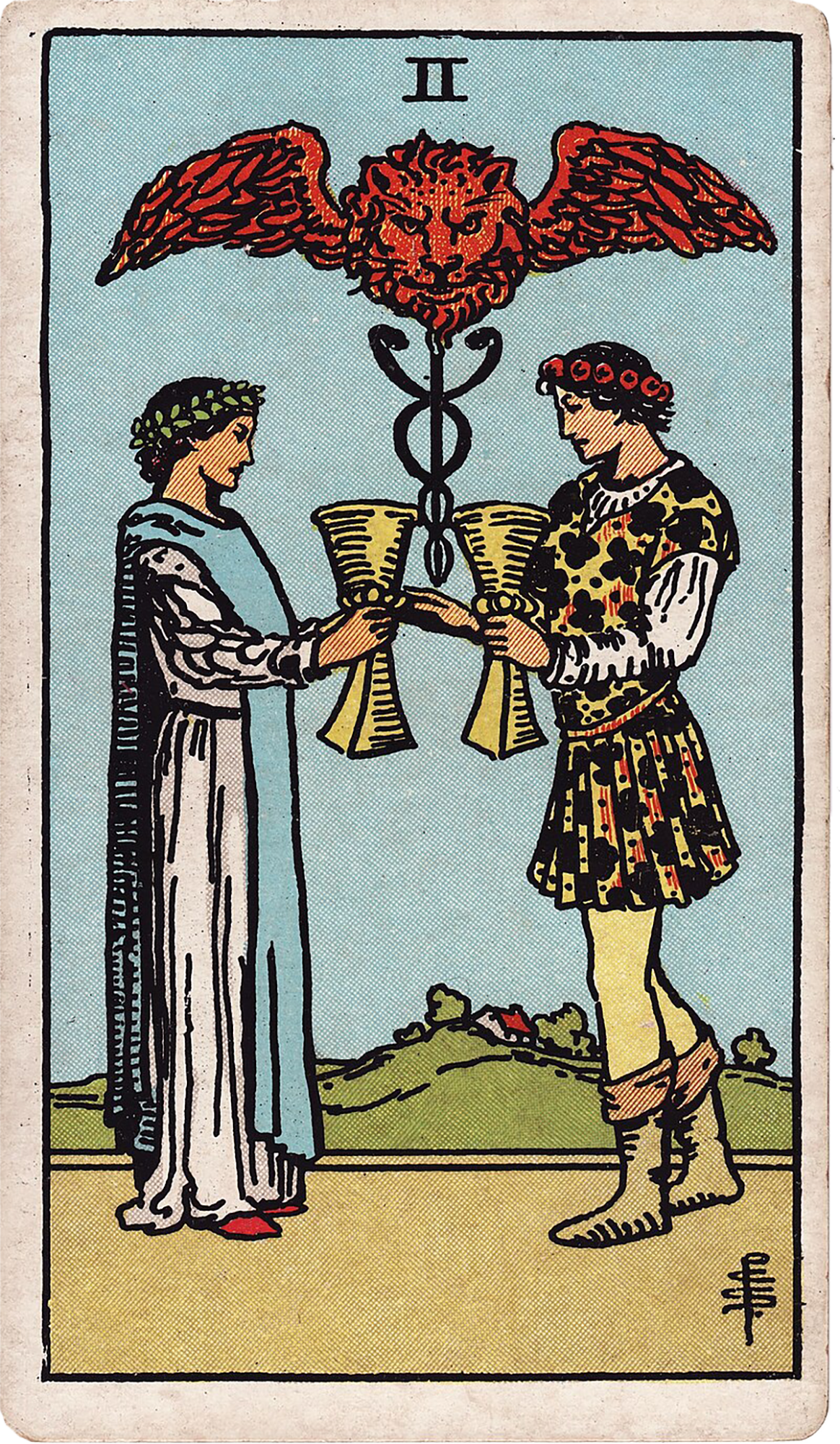 Connection2 of Cups
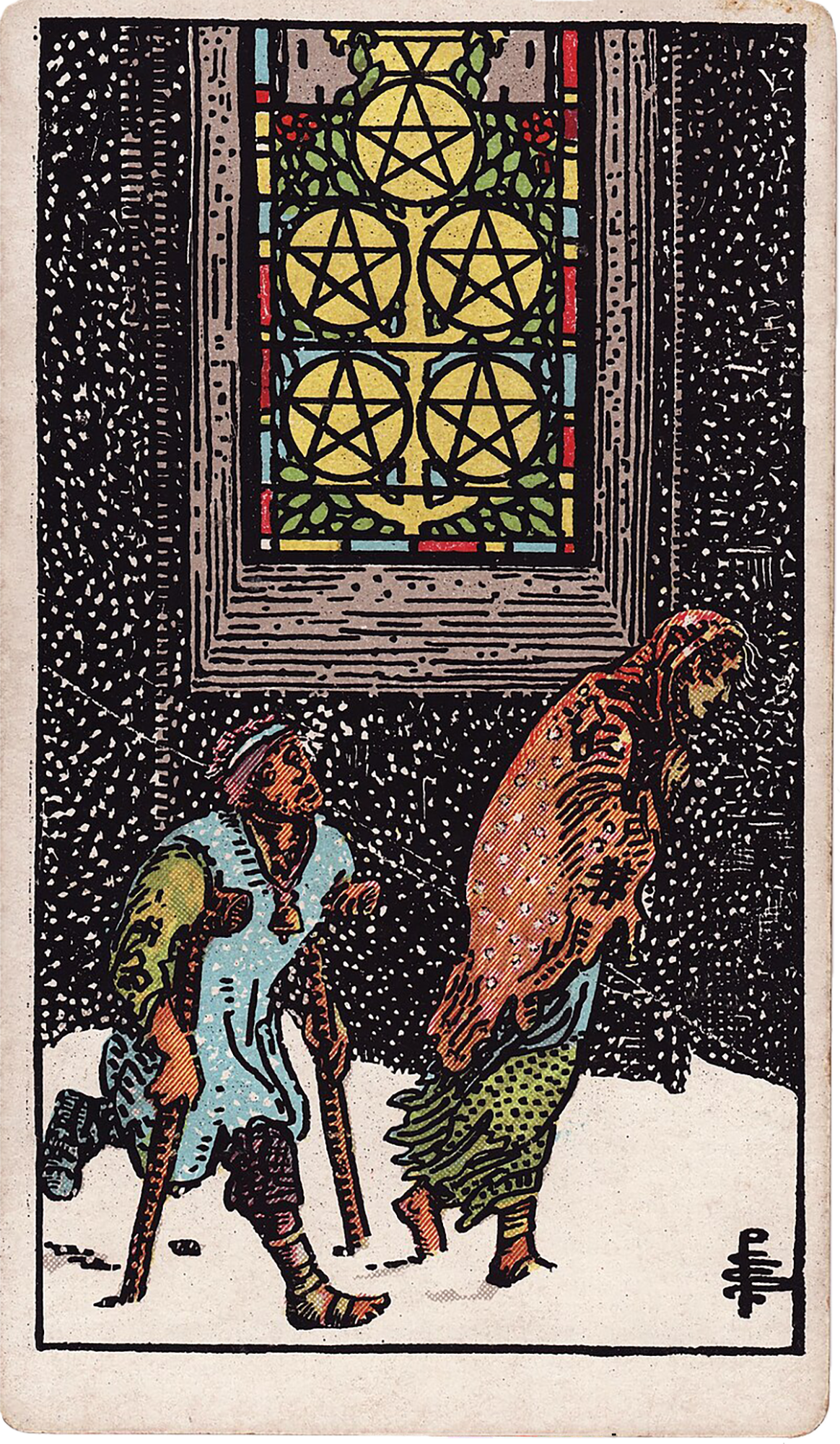 Challenge5 of Pentacles
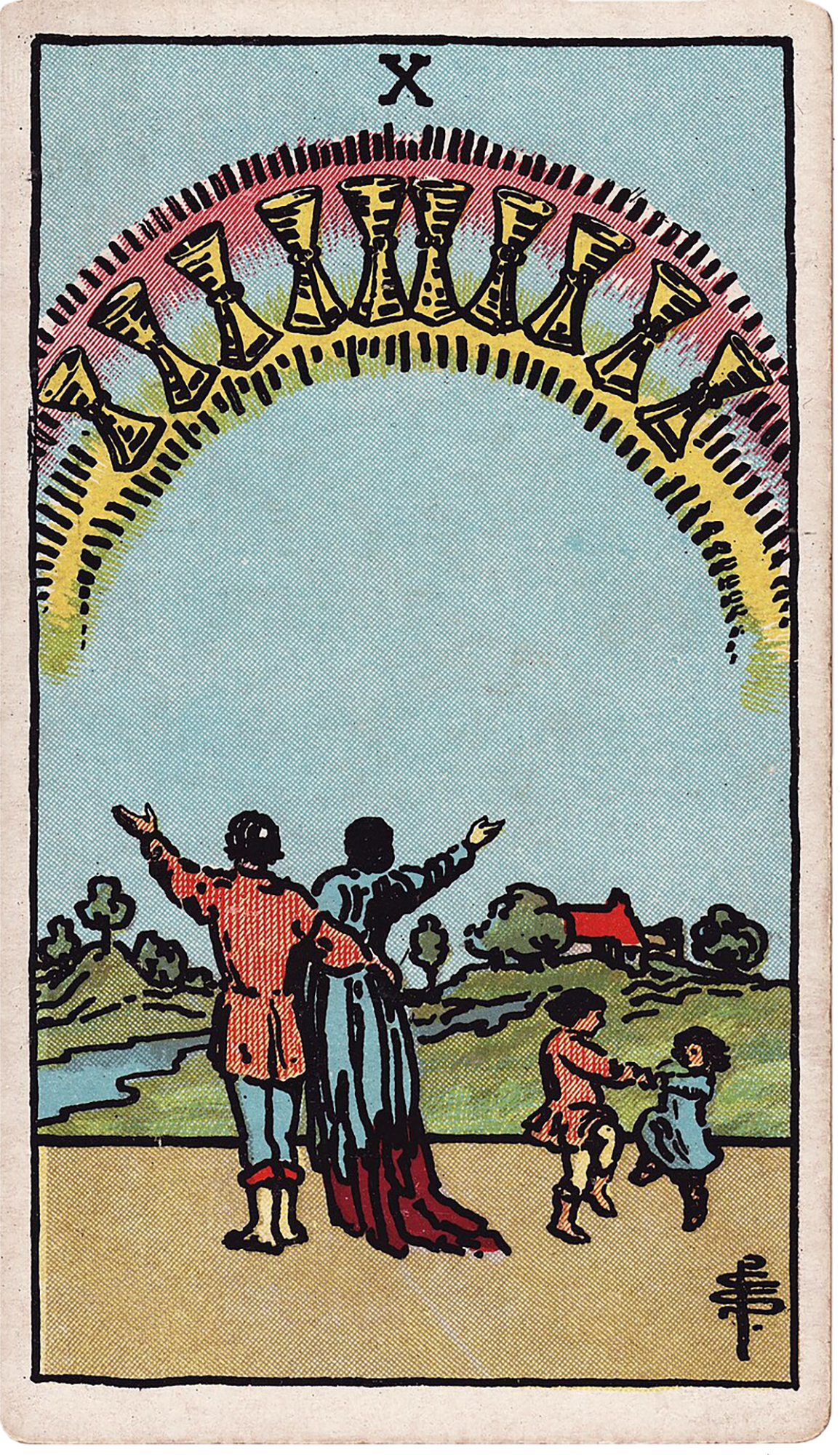 Direction10 of Cups
Overview and Purpose
This Relationship Five Card Spread is built to assess relational readiness for a practical family process: co-parenting. It is not a predictive guarantee; rather, it is a focused diagnostic tool to clarify emotional alignment, practical resources, relational dynamics and realistic direction. The five positions are labeled (in order): You, The Other Person, Connection, Challenge, Direction. For this worked example you will display or imagine these exact cards in this order: 2 of Cups (You), 10 of Cups (The Other Person), Queen of Cups (Connection), 5 of Pentacles (Challenge), King of Pentacles (Direction). Throughout the reading we refer exclusively to those cards and their conventional Rider‑Waite imagery and meanings so your interpretation stays visually and semantically anchored to what is shown.
Quick layout and how to reproduce it
Materials: a deck (Rider‑Waite or similar), a quiet surface, a pen and notebook. Shuffle with the intention: "Assess readiness to co-parent: what do I need to know right now?" When you feel ready, cut or draw five cards and lay them left to right in this order with the position labels above each card: You, The Other Person, Connection, Challenge, Direction. Some readers prefer a slightly curved relationship arc rather than a straight line to reflect a relational flow from self to shared future; either is fine so long as positions are clear. Reading sequence: First read each card in its position (individual position meaning). Then read pair relationships (You + The Other Person), triad (how Connection moderates the pair), Challenge's impact on the pair and connection, and finally how Direction offers a practical next step. Take notes of immediate images, colors, body language, and symbol details from each card—the images are your primary data. Always state the reading as conditional guidance: "If X, then Y is likely to help" rather than absolute outcomes.
Position 1 — You (2 of Cups)
Card: 2 of Cups. Upright summary: reciprocity, mutual recognition, exchange, practical emotional balance. Rider‑Waite imagery: two figures face one another, each offering a cup; a caduceus or lion's head appears above, suggesting healing and shared will. For "You" this card indicates that you are oriented toward partnership and mutuality in the co‑parenting context. You are ready to meet another person halfway, to negotiate, and to respond to concrete needs rather than pursue an idealized outcome. Interpretation notes for learners: - Emotional stance: The 2 of Cups in the You position highlights willingness to cooperate. You likely prefer equal exchange of responsibilities and an explicit, negotiated arrangement. - Practical indicators: This card asks you to identify what reciprocity looks like in parenting tasks: drop‑offs, schedules, decision‑making, financial contributions. - Shadow considerations: If reversed (not the case here), it would warn of misalignment or one‑sided effort. But upright, it invites you to test assumptions: are you offering what you can sustain? The card suggests starting from clear, mutual agreements rather than unilateral solutions.
Position 2 — The Other Person (10 of Cups)
Card: 10 of Cups. Upright summary: shared emotional fulfillment, belonging, family harmony. Rider‑Waite imagery: a rainbow of ten cups arches over a happy family and house, indicating domestic happiness and emotional closure. As The Other Person, the 10 of Cups suggests they either present as oriented toward family stability or they value the idea of an emotionally complete family environment. Interpretation notes for learners: - Appearance vs reality: 10 of Cups can show an honest desire for long‑term harmony. In a co‑parenting reading this person may emphasize unity and the child's emotional well‑being. - Expectations: Because the 10 of Cups is also prone to idealizing "perfect" family life, watch for unrealistic expectations about how smooth co‑parenting will be. The card asks you to inspect whether this person's desire for harmony comes with flexibility or with an expectation that things should be naturally easy. - Practical questions to ask: Do they prioritize rituals and emotional consistency? Are they likely to commit to routines that support the child? Or are they more invested in the idea of harmony and may resist complex, imperfect work?
Position 3 — Connection (Queen of Cups)
Card: Queen of Cups. Upright summary: mature emotional receptivity, empathy, intuitive understanding. Rider‑Waite imagery: a queen seated near the sea holds a cup, gaze soft and inward; the cup may be covered or ornate implying the interior life of emotion. Interpretation as Connection: - Emotional container: The Queen of Cups as the connective energy indicates that the relationship's primary glue is emotional empathy and attentive care. This spread shows that both people can connect through compassionate listening and sensitivity to the child's feelings. - How it shows up: Practically, the Queen's presence might mean that conversations often land on emotional topics: the child's anxieties, co‑parents' feelings during transitions, attunement to moods. This can be a strength when balanced—it helps both people notice the child's inner life. - Cautions: The Queen of Cups can also signal over‑absorption or blurred boundaries if not balanced by pragmatic measures. In co‑parenting, you will need caregiving empathy plus clear structures (timed handoffs, written agreements). The Queen supplies the empathic softening that eases negotiation, but she alone does not organize logistics.
Position 4 — Challenge (5 of Pentacles)
Card: 5 of Pentacles. Upright summary: material or physical hardship, sense of exclusion, but a nearby light indicates support may exist even if hard to see. Rider‑Waite imagery: two figures move through snow outside a church window showing pentacles; they appear impoverished and isolated. Interpretation as Challenge: - Core difficulty: The 5 of Pentacles highlights tangible stressors—money, housing, health, transportation, or legal/fiscal complications—that make co‑parenting logistics fragile. The card warns that scarcity or the felt absence of support will strain negotiations. - Emotional overlay: When resources are scarce, emotions become raw. The Queen of Cups (connection) will try to smooth feelings, but 5 of Pentacles insists on confronting the material realities. - Actionable implications: The spread is pointing to concrete problem solving: budgeting for childcare, finding reliable transport for exchanges, arranging legal clarity around custody or support, or acknowledging that one or both parties feel excluded from community resources. The nearby light in the imagery suggests that help is available if sought: social services, extended family, mediation or legal clinics.
Position 5 — Direction (King of Pentacles)
Card: King of Pentacles. Upright summary: mature stewardship of resources, building stability, practical support. Rider‑Waite imagery: a robust, crowned king sits with symbols of fruitfulness (grapes, vine) and often bull or horse imagery signaling productive, grounded leadership. Interpretation as Direction: - Practical counsel: The King of Pentacles asks for a pragmatic, stable plan built by sober resource management. For co‑parenting readiness this means designing systems—financial arrangements, schedules, backup plans—that protect the child's stability. - Recommended actions: Create budgets, set routine handover points, use written agreements, adopt contingency plans (sick days, holiday schedules), and if needed, involve a neutral financial or legal advisor. - Balance with Connection: The King of Pentacles is not cold; he offers dependable provision so the Queen of Cups' empathy can be delivered within a safe, predictable container. This card directs you toward stewarding resources as an act of care.
Card‑to‑Card Relationships: Reading as a System
First layer — pair dynamic: You (2 of Cups) + The Other Person (10 of Cups) The 2 of Cups and 10 of Cups together form a strong emotional alignment: you are both oriented toward relationship and family cohesion. The 2 of Cups is practical reciprocity—a negotiation stance—while the 10 of Cups expresses the other's longing for an emotionally satisfying, stable family. This mix signals that conversation can be constructive because both sides value partnership; however, the 10 of Cups' preference for harmony may risk glossing over friction that the 2 of Cups wants to resolve explicitly. Second layer — Connection as mediator: Queen of Cups interacting with the pair The Queen of Cups softens and humanizes negotiations. She allows empathy to be the mediator. Practically this is good: emotional wounds are acknowledged, and the conversation will likely emphasize the child's feelings. However, the Queen also cautions against meetings that become purely emotional without concluding logistics. The Queen's presence suggests using empathy as a tool for clear decision‑making: describe how a child responds to transitions and then create concrete steps to reduce distress. Third layer — Challenge in tension: 5 of Pentacles affecting the system The 5 of Pentacles brings an external constraint. It can turn idealized or emotionally rich intentions into stress because scarcity or exclusion interrupts implementation. Ask: where are resources lacking? Are one or both parents working irregular hours, or is there limited financial support? The 5 of Pentacles may also represent a felt exclusion—one person might feel shut out of decisions or unable to access support networks. Fourth layer — Direction as solution: King of Pentacles guiding toward stability The King of Pentacles responds directly to the 5 of Pentacles by recommending stewardship and practical planning. The King suggests that the most effective route to co‑parenting readiness is to translate empathy and mutual desire for family into stable routines and resource plans. For example, if 5 of Pentacles indicates unstable housing, the King recommends exploring steady income solutions, emergency funds, or formal agreements that protect the child's daily routine.
Interpreting Imagery and Symbolism Practically
Use Rider‑Waite images to ground your interpretations. - 2 of Cups: note the cups, mirrored stance, and caduceus/lion head. These symbols indicate not just affection but reciprocal healing and mutual agreement. In practice, look for signs of mutual concessions or shared rituals that support exchange (co-created calendars, shared school pickups). - 10 of Cups: the rainbow and home indicate an image of completion. Ask whether the other person is seeking outward signs of family success (holidays done together, stable household) and whether they will accept a co‑parenting structure that is not a romantic partnership. - Queen of Cups: watch the direction of her gaze and the covered cup. Is emotion interior and reflective, or overflowing? That detail helps you determine whether the connection is mature empathy or emotional enmeshment. - 5 of Pentacles: the figures' posture and the window's light are crucial. They often appear to miss the church's warmth. In practice, this prompts you to inventory available supports you may have overlooked (community centers, mediation) and to ask why someone might feel excluded. - King of Pentacles: look for earthly abundance and symbols of productivity. This card's imagery instructs you to prefer measurable, repeatable interventions—budgets, contracts, vocational stability—over vague promises.
Practical Reading Method and Step‑by‑Step Interpretation
1) Prepare: Sit with the co‑parenting question: "Are we ready to co‑parent in a way that protects the child’s stability and wellbeing?" Shuffle and draw five cards in the specified order. 2) Read positions individually: Note immediate impressions and the upright or reversed state. (In this worked example all cards are presented with upright descriptions.) Write a one‑sentence summary for each position: e.g., "You are ready to negotiate (2 of Cups)." 3) Pair reading: Look at You + The Other Person—what is the primary agreement and where are the differing emphases? (Here: mutuality vs ideal family.) 4) Add the Connection: Ask how the Queen of Cups changes the negotiation: does empathy ease friction or mask it? Translate that into a behavior (e.g., schedule a 20‑minute check‑in where feelings are named and then task items are listed). 5) Bring in Challenge: Identify tangible obstacles from the 5 of Pentacles and list practical countermeasures: emergency fund, official paperwork, transport plan, community resources. 6) Final Direction: Use the King of Pentacles as a checklist: Is there a budget? Is there a written schedule? Is there a person accountable for enforcing contingency plans? The King suggests delegating roles and building a durable structure. 7) Synthesize an action plan: Based on the spread, produce a short plan with deadlines and responsibilities. For example: - Immediate: create a written handover routine and shared calendar (King of Pentacles). - Emotional: schedule a weekly 15‑minute check‑in about the child’s mood (Queen of Cups). - Safety net: research two local supports for childcare or emergency financial help (5 of Pentacles). - Agreements: list reciprocal commitments each parent will make (2 of Cups) and clarify expectations about holidays and family rituals (10 of Cups). 8) Communicate findings: Share the reading as guidance, not a verdict. Say, "The cards show we want the same things emotionally, but there are resource issues. Practical steps that create financial and logistical stability will help us live the emotional goals."
Examples and Phrasing for Clients
Example phrasing for readings helps clients translate symbolism into concrete steps. - "You (2 of Cups) come here wanting a fair exchange of responsibilities; you’re ready to negotiate. The other person (10 of Cups) is motivated by building a stable, emotionally fulfilled environment. That shared goal helps. The Queen of Cups shows your connection will run through empathy—use that to keep the child's emotions central. The 5 of Pentacles warns of resource strains; make an inventory of what’s missing. Finally, the King of Pentacles advises making a clear, written stewardship plan—schedules, budgets, and a contingency fund." This phrasing moves smoothly from feeling to fact to plan—exactly the shift this spread encourages.
Common Mistakes and How to Avoid Them
1) Over‑emphasizing emotion without structure: The Queen of Cups is compassionate, but empathic listening must lead to concrete actions. Avoid leaving sessions purely as "venting"; synthesize agreed tasks. 2) Ignoring reversal signals: Reversals indicate where processes are stuck. If one of the cards were reversed, follow up with specific questions about stuck behavior or hidden factors instead of assuming a straightforward meaning. 3) Reading cards in isolation: Always interpret each card in relation to its neighbors. A strong emotional card (Queen of Cups) next to a harshly practical card (King of Pentacles) suggests combining feelings with systems, not choosing one. 4) Projecting desire onto the other: With 10 of Cups as The Other Person, resist assuming their ideal is your ideal. Ask clarifying questions: do they want to recreate a nuclear ideal, or do they want the child's daily needs prioritized? Use the reading to refine these distinctions. 5) Confusing hope with readiness: The presence of 10 of Cups can represent hopefulness. Read it as motivation, not as proof of capacity. Cross‑check with 5 of Pentacles and King of Pentacles: do resources and plans exist to support that hope?
Ethical and Practical Boundaries
Tarot is a counseling aid—not a legal or financial substitute. When the 5 of Pentacles highlights material hardship, suggest concrete professional resources: social services, legal clinics, mediators, financial counselors. If a reading surfaces safety concerns, prioritize safety planning, and recommend professional help. Frame the cards as prompts for action: "The cards recommend these steps" rather than mandates. Maintain confidentiality and encourage documented written agreements when co‑parenting decisions are significant or legally consequential.
Wrap‑up: Synthesis of the Worked Spread
With the 2 of Cups as You, the 10 of Cups as The Other Person, Queen of Cups as the Connection, 5 of Pentacles as Challenge, and King of Pentacles as Direction, the spread tells a coherent story: - You and the other person share an emotional aim (mutuality and family harmony). - The relationship’s strength is empathy and sensitivity (Queen of Cups), which helps the parties stay aligned around the child’s feelings. - The primary obstacle is material or logistical scarcity (5 of Pentacles), which can undermine otherwise willing partners. - The remedy is practical stewardship and creating formalized systems (King of Pentacles). Action plan distilled: agree on shared responsibilities (2 of Cups); test expectations around family life (10 of Cups); use empathy to keep the child's needs central but pair it with a short, agreed checklist of logistics (Queen of Cups + King of Pentacles); address resource gaps through community or legal support (5 of Pentacles). This spread shows readiness is possible when emotional will is matched by concrete systems.
Practice questions
• Where does my highest energy go right now: emotional connection or practical preparation?
• What concrete resources are missing that the 5 of Pentacles highlights, and who can I ask for help?
• How can empathy (Queen of Cups) be used to clarify logistics rather than delay them?
• What specific steps would the King of Pentacles approve of in the next 30 days?
• Are we aiming for the 10 of Cups as an ideal, or actively building the stable conditions that make the 10 of Cups possible?
Comments
Sign in to comment.
Continue learning
Mastering Decision Making with the Five Card Cross Tarot Spread
The Five Card Cross Tarot Spread is a powerful tool for deepening decision-making skills by examining the present situation, past influences, future possibilities, challenges, and...
Navigating Conflict Resolution and Inner Struggles with the Five Card Cross Tarot Spread
This article delves into the Five Card Cross Tarot Spread as a practical tool for navigating conflict resolution and inner struggles, especially within family contexts. Using the s...
Using the Career Five Card Spread to Identify Growth Opportunities and Challenges
This article explores the Career Five Card Spread, a practical tarot method designed to spotlight growth opportunities, strengths, and obstacles within a career context. By analyzi...
Unlocking Life Insights with the Celtic Cross Tarot Spread
This article offers a thorough exploration of the Celtic Cross Tarot Spread, focusing on its application within family and practical life contexts. Using a worked example featuring...
Enhancing Clarity in Complex Choices with the Five Card Cross Tarot Spread
The Five Card Cross Tarot Spread is a practical tool designed to clarify complex choices by breaking down the decision into manageable parts. This article explores each position in...
Deepening Connection and Communication Using the Relationship Five Card Spread
This article introduces the Relationship Five Card Spread as a practical tool to enhance family communication and connection. Using five specific card positions—You, The Other Pers...
Using the Five Card Cross Tarot Spread to Navigate Career Changes with Confidence
The Five Card Cross Tarot Spread is a versatile and insightful tool for navigating career changes. This article guides learners through the method step-by-step using a practical ex...
Unlocking Personal Insight with the Seven Card Horseshoe Spread
The Seven Card Horseshoe Spread is a practical and insightful Tarot layout ideal for exploring personal and family dynamics. This article breaks down each position—Past, Present, H...
Using the Career Five Card Spread to Uncover Professional Strengths and Opportunities
This article presents a comprehensive guide to the Career Five Card Spread, designed to help learners explore professional strengths and opportunities using five specific Tarot car...
Using the Career Five Card Spread to Overcome Professional Challenges with Insight
The Career Five Card Spread is a powerful tool for exploring current professional situations, identifying strengths, challenges, opportunities, and practical next steps. This artic...