Unlocking Life Insights with the Celtic Cross Tarot Spread
This article offers a thorough exploration of the Celtic Cross Tarot Spread, focusing on its application within family and practical life contexts. Using a worked example featuring ten iconic Major Arcana cards—including The Fool, The Magician, and The Empress—we explain each card’s position meaning, inter-card relationships, and how to synthesize insights. The guide equips learners with techniques to confidently use this versatile spread, avoid common pitfalls, and draw nuanced interpretations anchored in classic Rider-Waite-Smith symbolism.
Celtic Cross
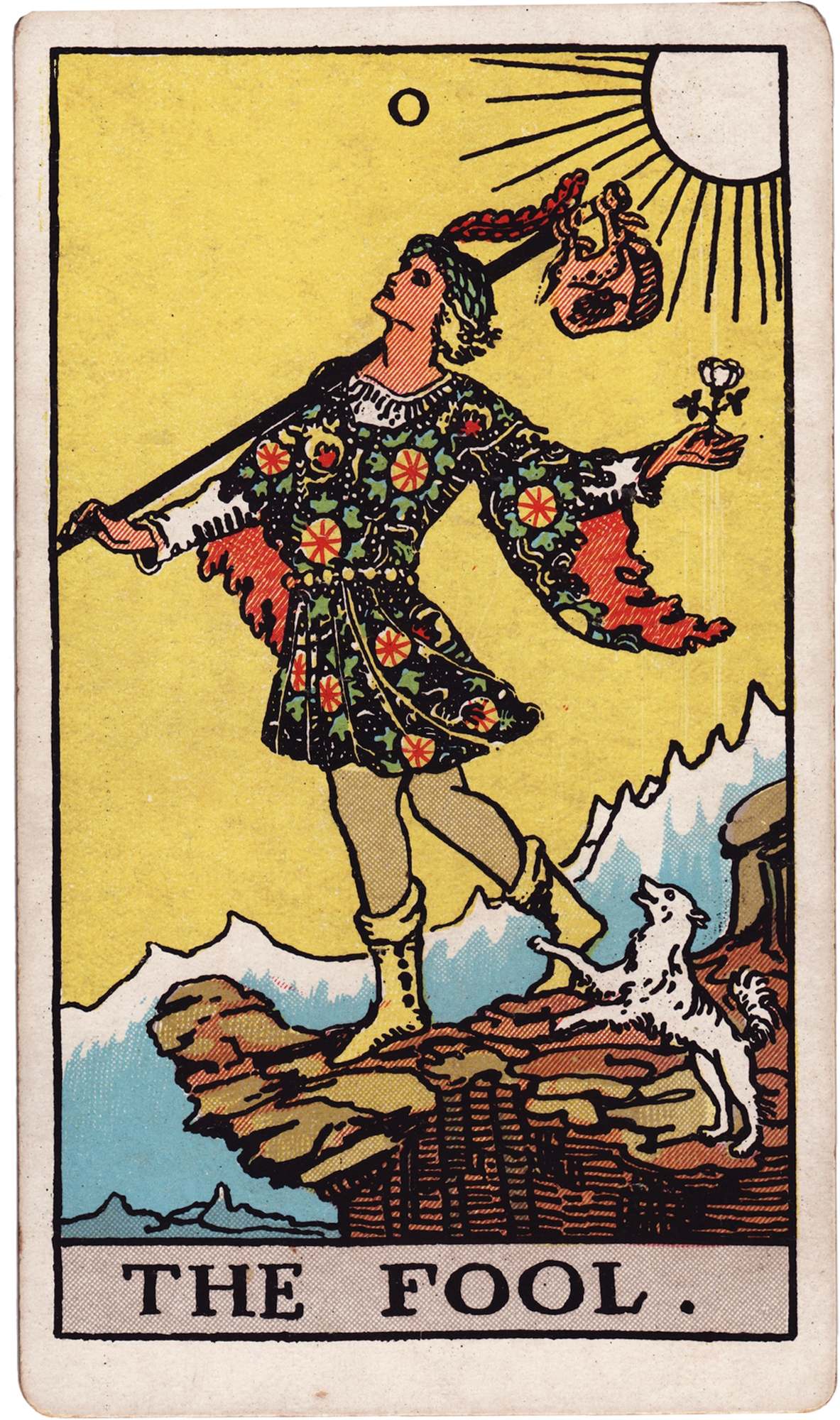 Present / HeartThe Fool
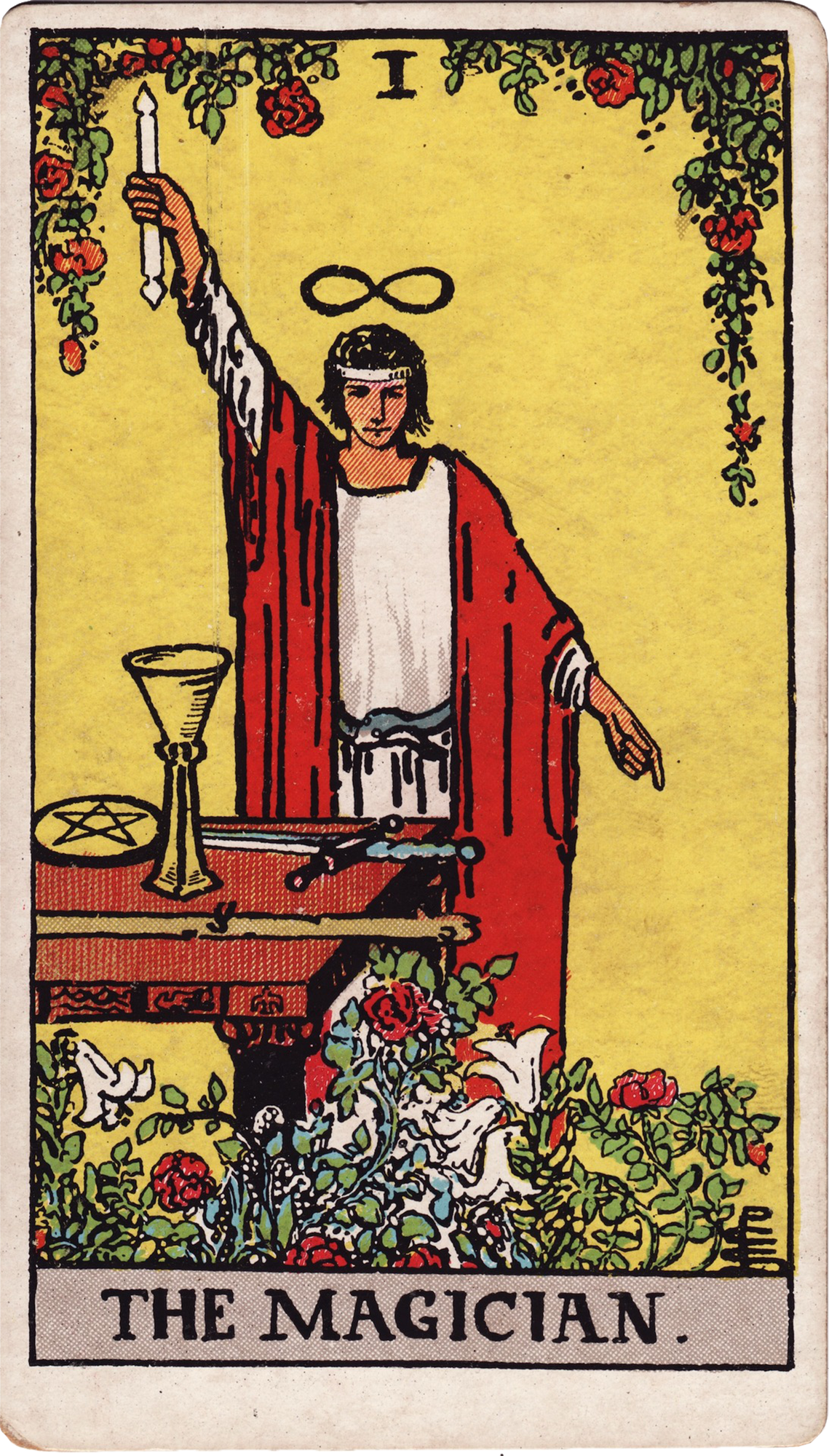 ChallengeThe Magician
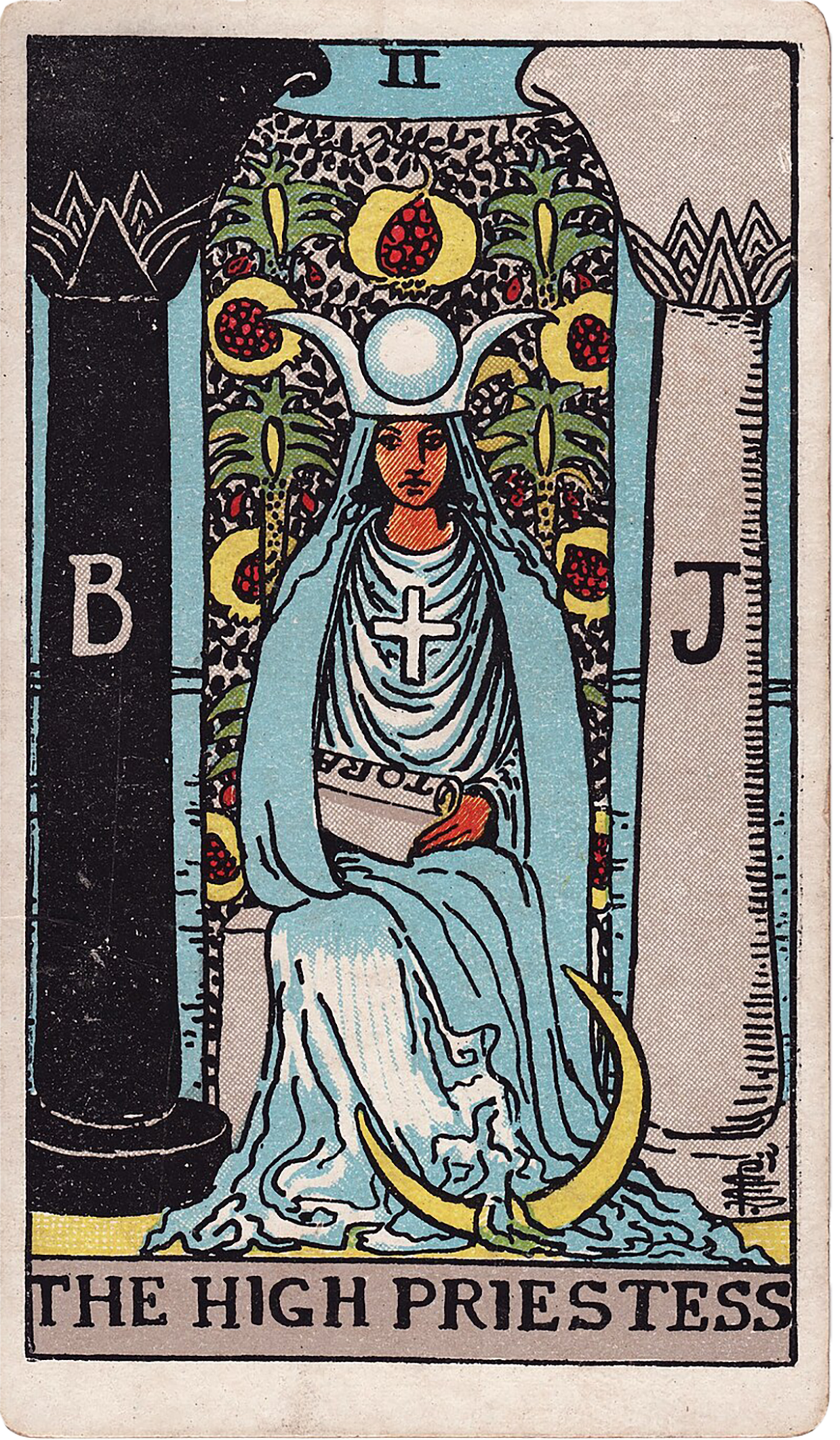 FoundationThe High Priestess
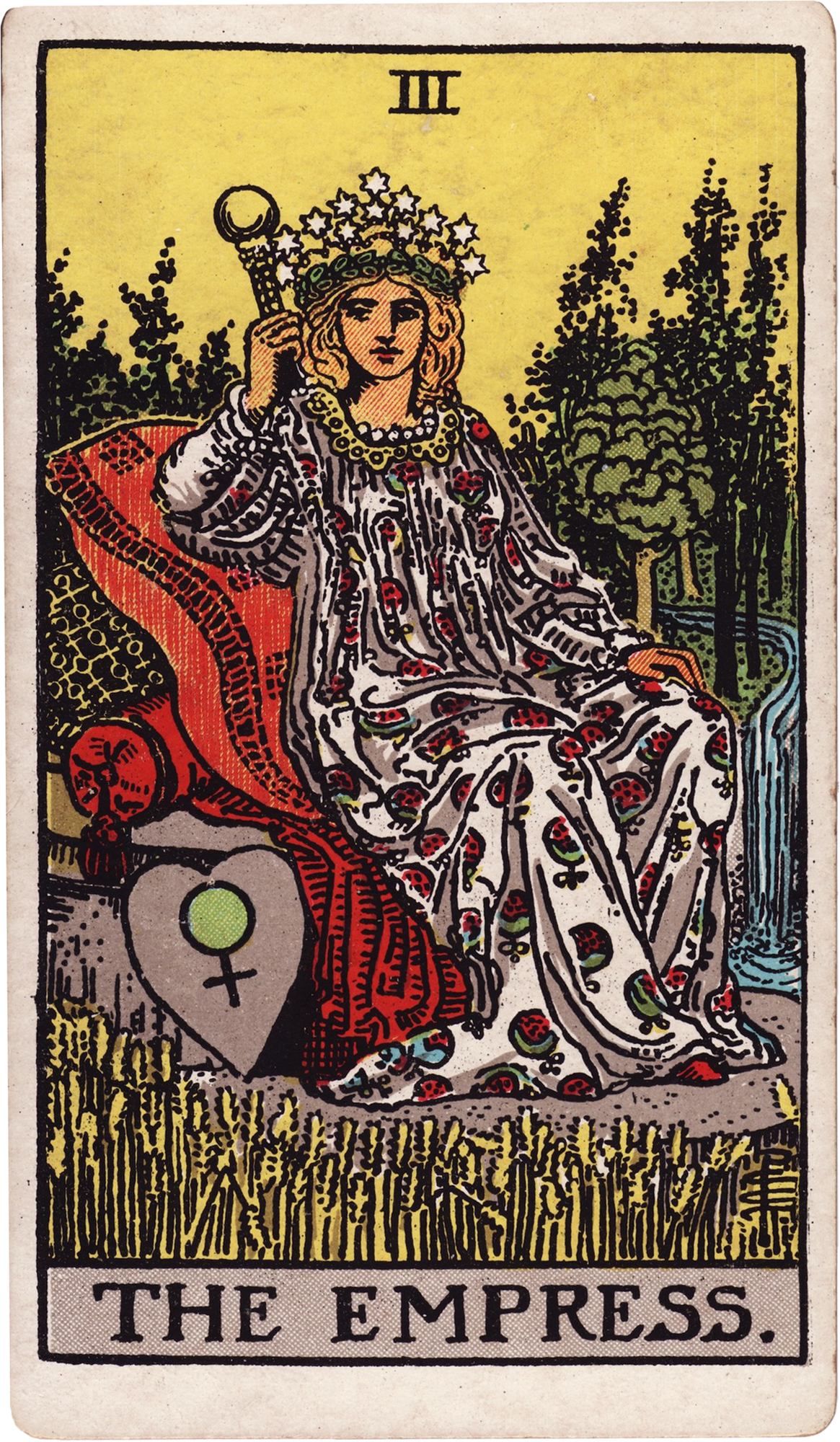 Recent PastThe Empress
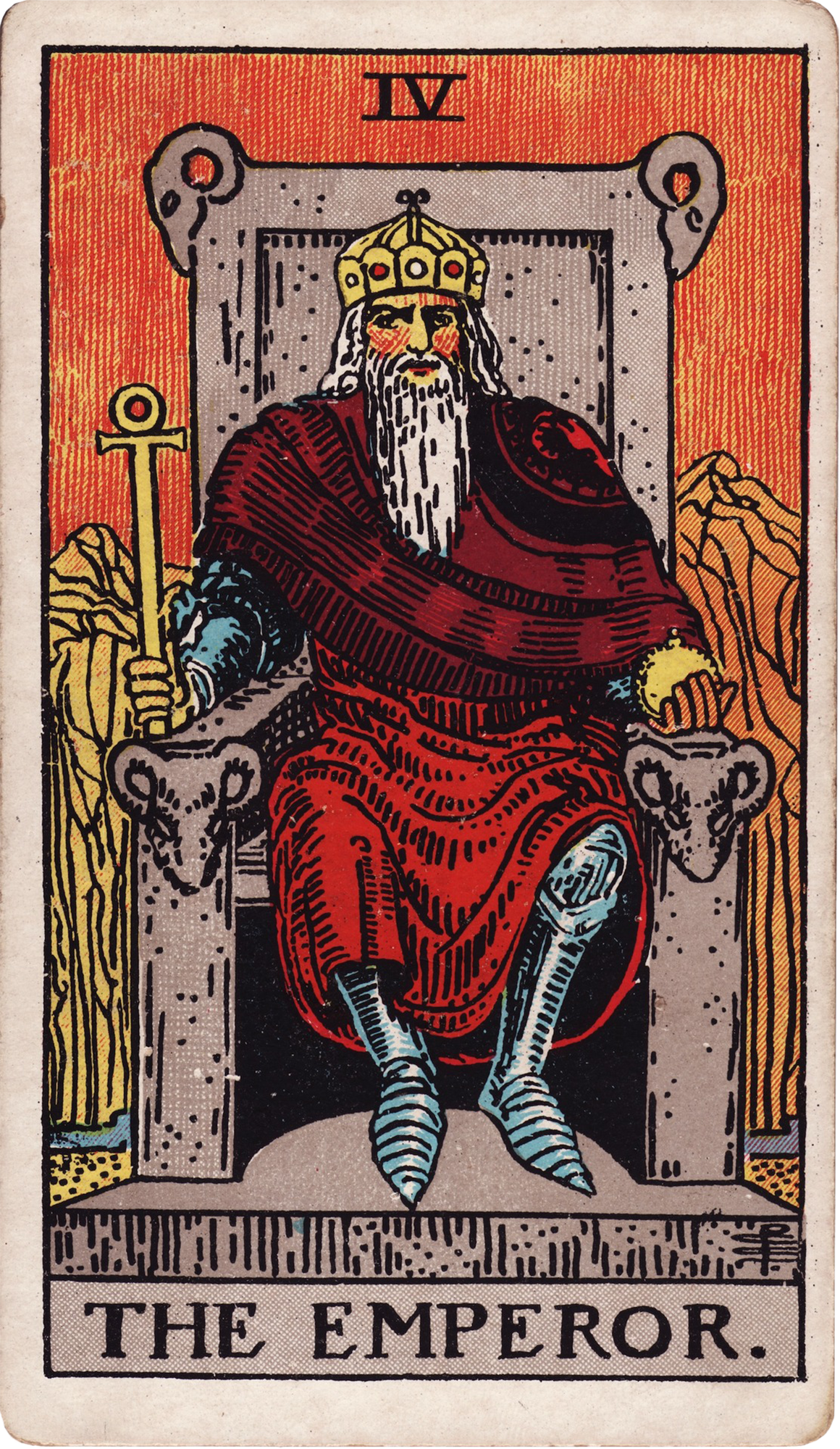 PossibilityThe Emperor
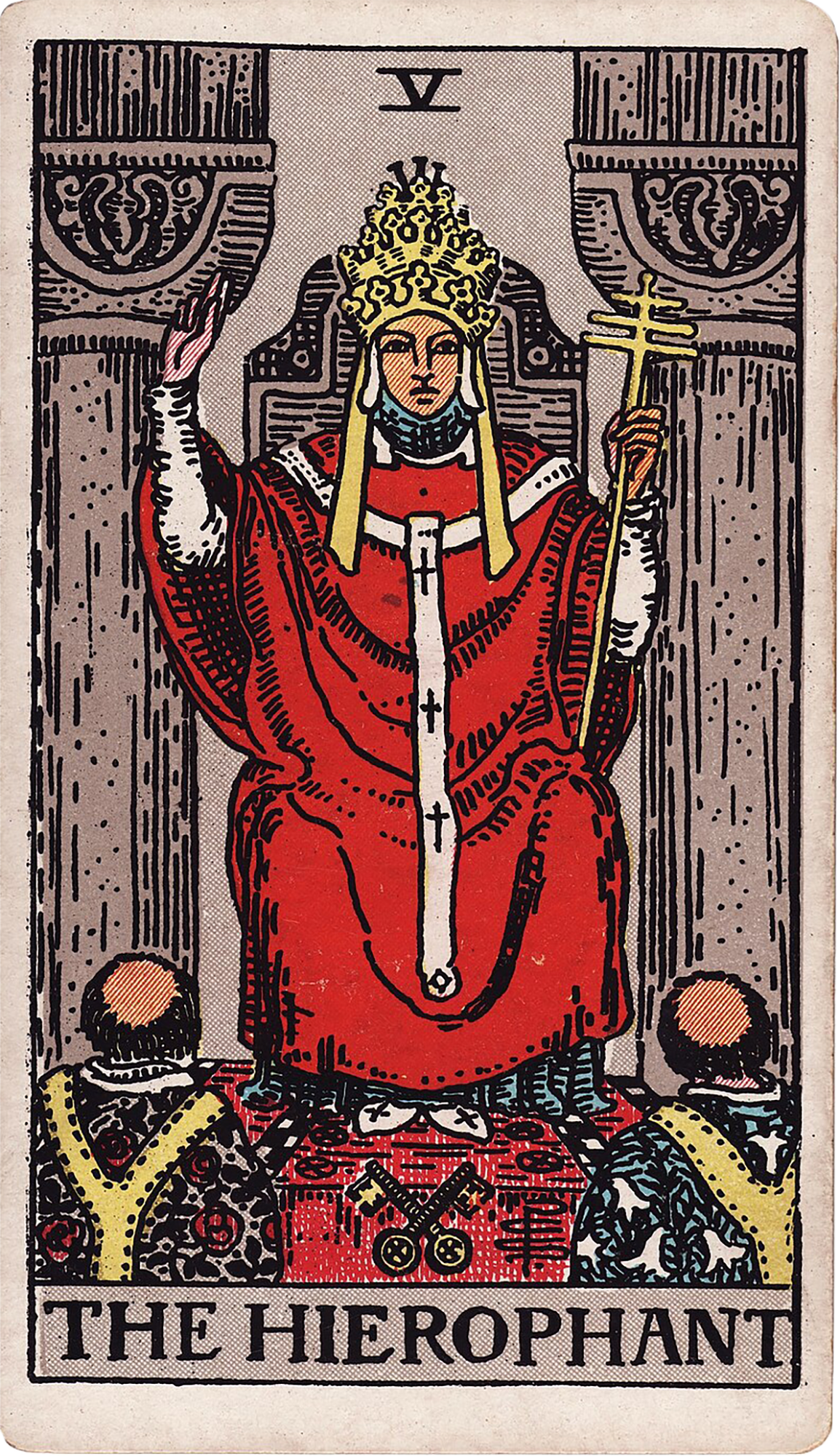 Near FutureThe Hierophant
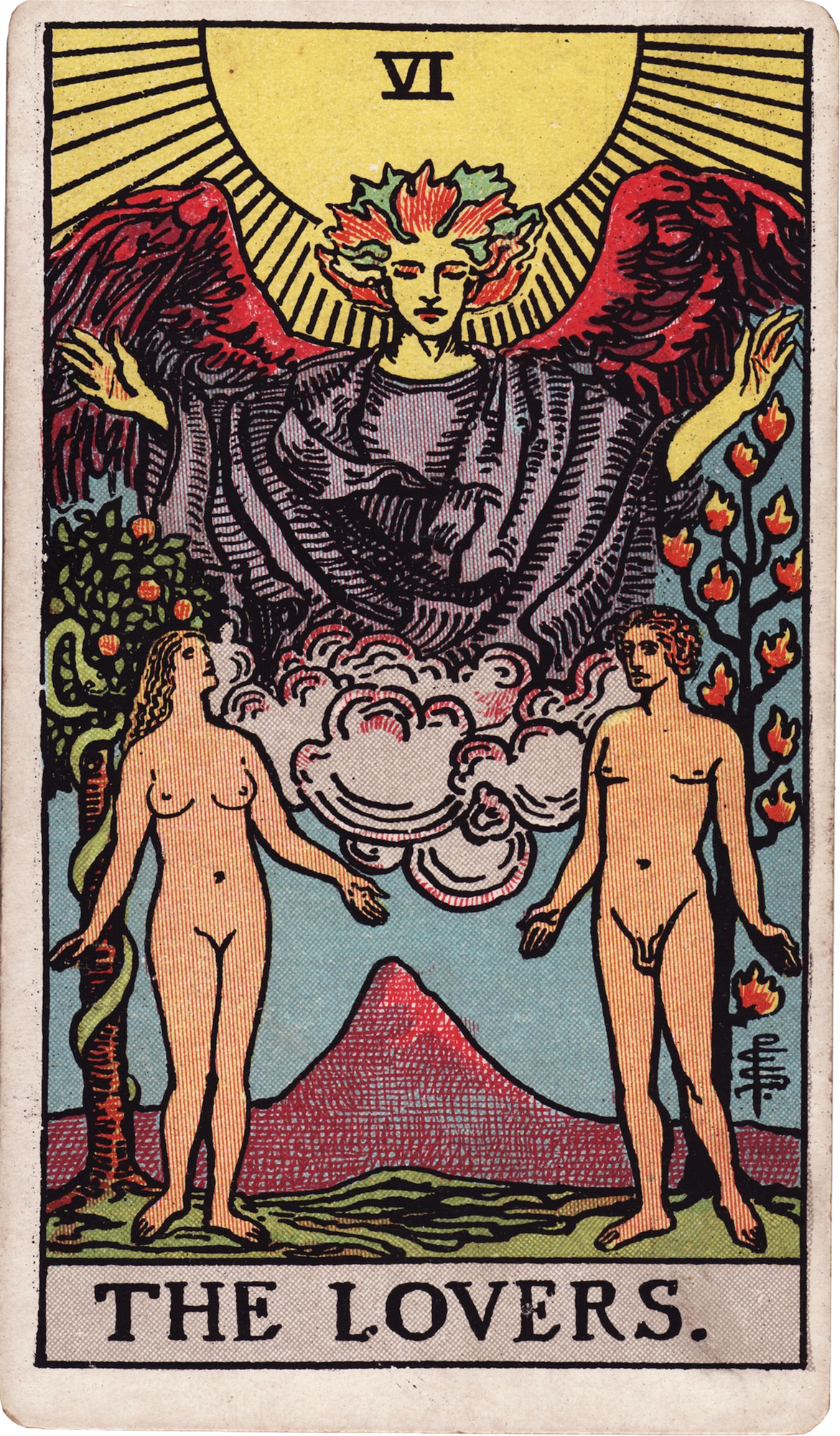 SelfThe Lovers
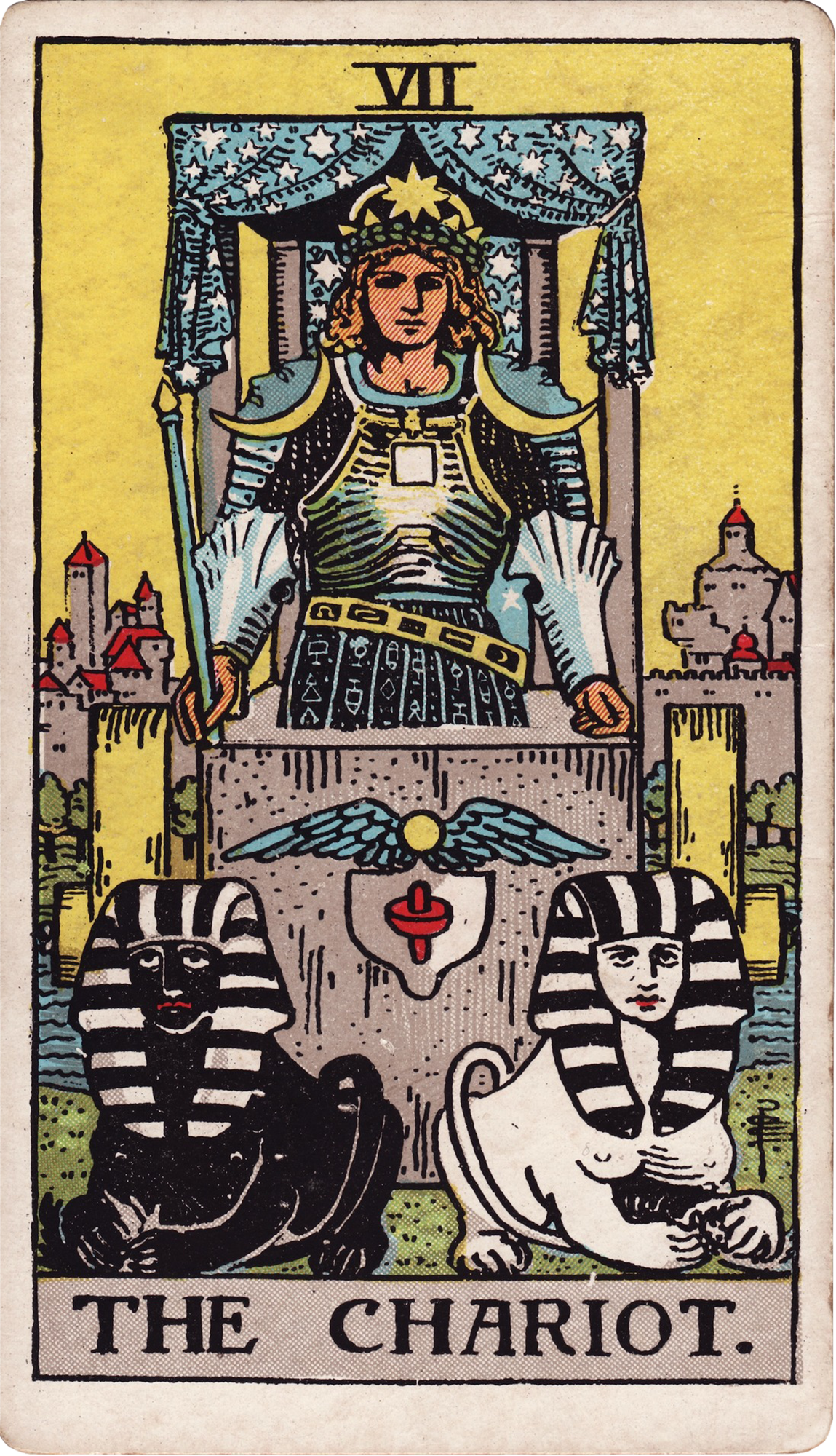 EnvironmentThe Chariot
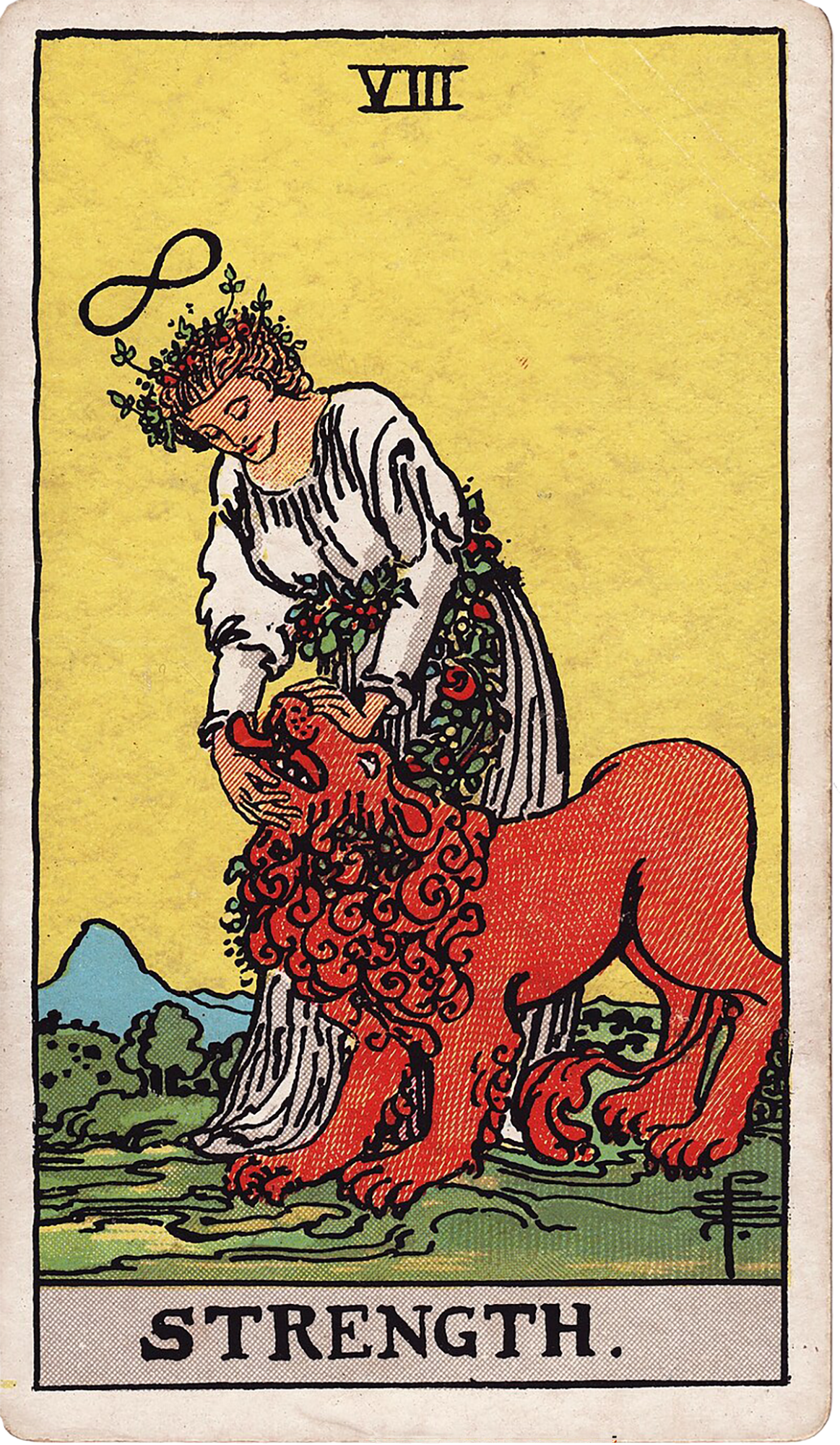 Hopes & FearsStrength
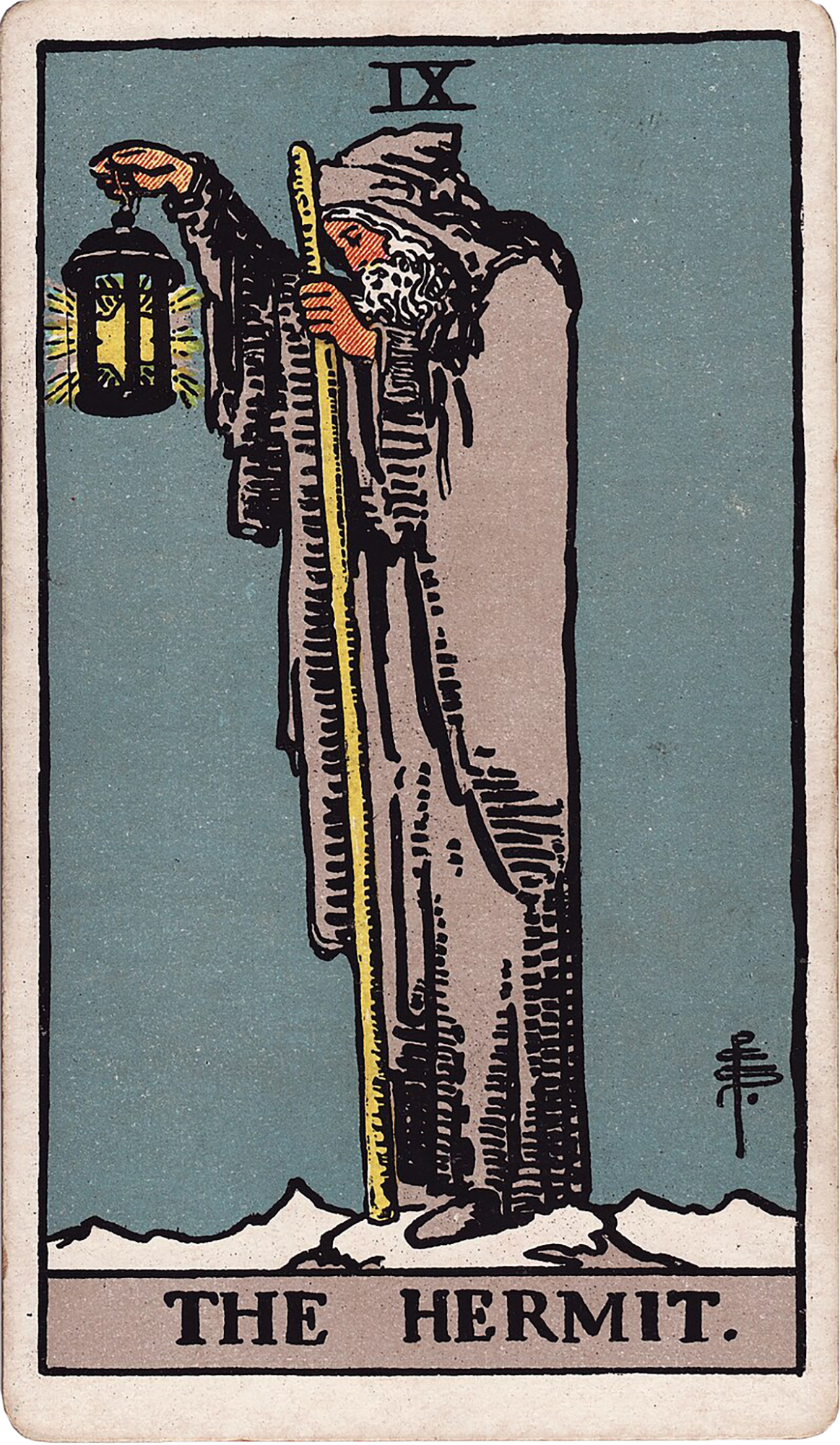 OutcomeThe Hermit
Introduction to the Celtic Cross Tarot Spread
The Celtic Cross is among the most widely used tarot spreads, prized for its comprehensive scope and versatility. Comprising ten cards arranged in a distinctive cross and staff pattern, it provides a multi-dimensional view of a question or situation. Each position within the spread holds a specific significance, offering layers of insight from immediate circumstances to subconscious influences and projected outcomes. For learners, mastering this spread is foundational because it hones skills in positional reading, card interaction, and narrative synthesis. In the context of family and practical life questions, this spread helps uncover dynamics, challenges, and actionable guidance.
Understanding the Positions in the Celtic Cross
The ten positions of the Celtic Cross are labeled as follows: Present / Heart, Challenge, Foundation, Recent Past, Possibility, Near Future, Self, Environment, Hopes & Fears, and Outcome. Each reveals a facet of the querent's situation: 1. Present / Heart: The core situation or current focus. 2. Challenge: Obstacles or tensions directly influencing the present. 3. Foundation: Underlying causes or subconscious drivers. 4. Recent Past: Influences just passed that shape current events. 5. Possibility: Opportunities or alternate paths emerging. 6. Near Future: Expected developments in the short term. 7. Self: How the querent views themselves or their role. 8. Environment: External influences, including family or social context. 9. Hopes & Fears: Internal emotional dynamics or conflicting desires. 10. Outcome: Likely result if current paths continue. This positional clarity aids the reader in structuring interpretations logically and detecting shifts or contradictions within the spread.
The Worked Example Card Layout
We will analyze the following cards placed in order for each position: 1. Present / Heart: The Fool (Upright) 2. Challenge: The Magician (Upright) 3. Foundation: The High Priestess (Upright) 4. Recent Past: The Empress (Upright) 5. Possibility: The Emperor (Upright) 6. Near Future: The Hierophant (Upright) 7. Self: The Lovers (Upright) 8. Environment: The Chariot (Upright) 9. Hopes & Fears: Strength (Upright) 10. Outcome: The Hermit (Upright) Each card’s upright meaning offers constructive qualities essential to family and practical life contexts. This layout showcases a narrative arc from new beginnings to mature insight.
Interpreting Each Position with the Cards
1. Present / Heart — The Fool invites openness to a new chapter, encouraging curiosity despite uncertainty. This suggests a family or life situation where a fresh start or approach is needed; perhaps embarking on a new dynamic or project without full knowledge. 2. Challenge — The Magician highlights the challenge of harnessing available skills deliberately. The querent may face obstacles in communicating clearly or applying their potential effectively within family decisions. 3. Foundation — The High Priestess at the base reveals that intuition and hidden knowledge underpin the situation. The querent’s subconscious or unspoken feelings influence current events. 4. Recent Past — The Empress reflects a recent period of nurturing, growth, or care, indicating that stable foundations or creative attention were recently present. 5. Possibility — The Emperor offers the possibility of establishing clear structure, responsibility, or leadership to move forward. This points to an opportunity to create order in family or practical matters. 6. Near Future — The Hierophant suggests upcoming guidance from tradition, institutions, or established wisdom, indicating that learning or conforming to systems will impact the near future. 7. Self — The Lovers in the self-position signals the querent’s awareness of choices involving values and relationships. They likely sense the importance of aligning desire with responsibility. 8. Environment — The Chariot shows that external forces are dynamic and driven, possibly involving competing influences or a need for disciplined action in the querent’s surroundings. 9. Hopes & Fears — Strength here reveals a desire for calm courage and patience, but also a fear of losing confidence or control in emotional intensity within family or practical challenges. 10. Outcome — The Hermit as the likely result encourages introspection and seeking deeper understanding. It suggests the querent will need to embrace solitude and reflection to resolve their situation.
Card-to-Card Relationships and Narrative
The Fool’s presence in the heart of the spread aligns well with The Magician’s challenge: starting anew requires deliberate skill application. The High Priestess as foundation implies that intuition supports this journey beneath the surface, while The Empress’ recent nurturing sets the backdrop for growth. The progression toward The Emperor and The Hierophant in the possibility and near future positions reflect a trajectory from initiating leadership and structure to integrating traditional wisdom or guidance—typical for family or practical life stabilization. The Lovers in self echoes internal alignment with values, which the external Chariot energy complicates by pushing for control and direction. Strength’s hopes and fears position reveals emotional tension underlying the spread, where calm courage is both sought and doubted. Finally, The Hermit outcome advises inward reflection to synthesize lessons, suggesting that the journey begun with The Fool will mature through contemplation. Together, these cards tell a story of a new beginning tempered by conscious skill, intuition, structured leadership, and emotional resilience.
Practical Method for Learners to Reproduce the Celtic Cross Reading
1. Preparation: Formulate a clear question or focus related to family or practical life. 2. Shuffle and Lay Out Cards: Draw ten cards in the Celtic Cross order, placing each in its proper position. 3. Position Interpretation: Understand the meaning of each position. For example, the first two cards reveal present circumstances and immediate challenges. 4. Card Meaning: Familiarize yourself with Rider-Waite-Smith symbolism and upright/reversed meanings. Use supplied card descriptions to ground your interpretation. 5. Synthesize: Look for relationships between cards—shared themes, contrasts, or narrative flow. 6. Contextualize: Apply insights specifically to the querent’s situation rather than offering fixed predictions. 7. Reflect: Ask questions such as "Where can clearer boundaries help?" or "Which qualities can be strengthened?" as suggested by the card energies. 8. Document: Record interpretations and outcomes to build skill. Common mistakes include ignoring card positions, overemphasizing individual card meanings without context, or rushing the synthesis step. The goal is to narrate a coherent, nuanced story that supports conscious choice and insight.
Common Pitfalls and How to Avoid Them
Learners often fall into several traps: - Treating cards as deterministic rather than symbolic prompts. Remember the cards guide inquiry rather than guarantee outcomes. - Neglecting positional influence on card meanings. For example, The Fool in Challenge position differs from The Fool in Present. - Overlooking card relationships. Each card influences and modifies others nearby. - Ignoring reversals or subtle card qualities. Even upright cards contain nuanced lessons. - Failing to connect imagery and symbolism to the reading context. Avoid these by taking time to study card images, reflect on position meanings, and practice integrating cards into a cohesive story.
Summary and Final Thoughts
The Celtic Cross Tarot Spread offers a rich framework for unlocking life insights, especially within family and practical settings. Using the example of ten Major Arcana cards—from The Fool’s fresh start to The Hermit’s reflective outcome—we demonstrate how to approach each position thoughtfully and explore card interrelationships. Learners are encouraged to see the spread as a dynamic map rather than a script, inviting deeper questions and conscious responses. Mastery comes from blending traditional symbolism with intuitive synthesis, always tailored to the querent’s unique experience.
Practice questions
• How does the position of a card influence its interpretation within the Celtic Cross?
• In what ways can The Fool’s energy be constructive or challenging in a family reading?
• How might The Magician’s skills be harnessed or blocked according to its position?
• What role does intuition, represented by The High Priestess, play in understanding underlying family dynamics?
• How can you identify and integrate the interplay between cards like The Lovers and The Chariot in your readings?
• What strategies help avoid common mistakes when interpreting complex spreads like the Celtic Cross?
• How does the outcome card, such as The Hermit, reflect the journey through the spread’s narrative?
Comments
Sign in to comment.
Continue learning
Interpreting the Dance of Justice and The Devil: Balancing Morality and Temptation in Tarot Readings
The combination of Justice and The Devil in tarot presents a profound exploration of morality, temptation, and personal accountability. This article unpacks how these cards influen...
Advanced Techniques for Combining The Moon and The Star to Enhance Intuition in Tarot Readings
This article explores advanced techniques to combine the symbolism and energy of The Moon and The Star Tarot cards to enhance intuition during Tarot readings. Drawing from traditio...
Unlocking Hidden Meanings with The Hermit and The Hanged Man for Spiritual Growth
This article offers an in-depth exploration of The Hermit and The Hanged Man Tarot cards focusing on their roles in spiritual growth. It guides readers through beginner and advance...
Unlocking Personal Insight with the Seven Card Horseshoe Spread
The Seven Card Horseshoe Spread is a practical and insightful Tarot layout ideal for exploring personal and family dynamics. This article breaks down each position—Past, Present, H...
Mastering the Court Cards of Wands for Unlocking Personal Drive and Leadership
The Court Cards of Wands represent a dynamic spectrum of personal energy, ambition, and leadership potential within the Minor Arcana. This article offers a comprehensive exploratio...
Tracing the Origins and Evolution of The Fool Card in Tarot History
The Fool card holds a foundational place in tarot tradition, symbolizing beginnings, openness, and the embrace of uncertainty. This article traces its origins from early European d...
Techniques for Reading Court Cards to Unlock Personality Insights
Court cards in Tarot often represent people, personality traits, or energy patterns within a situation. This article offers a structured approach for beginners and advanced readers...
Unlocking Emotional Transformation with Death and The Moon Tarot Combination
This article explores the rich and complex interaction between the Death and The Moon tarot cards within the Rider-Waite-Smith tradition, focusing on their combined potential to un...
Applying The Star Card to Foster Hope and Renewal in Personal Growth
The Star card in Tarot symbolizes hope, authenticity, and the process of steady renewal. In a single-card reading, The Star encourages embracing what is present, cultivating openne...
Understanding the Synergy Between The Empress and The Emperor in Tarot Card Combinations
This article delves into the intricate synergy between The Empress and The Emperor cards in Tarot, focusing on how their combined energies modify and enrich readings across various...