
Assessing Readiness for New Projects with Page and Ace Pairings
This article teaches how to assess readiness for new projects using pairings of Aces and Pages in the suits of Wands and Pentacles. It anchors interpretation in Rider-Waite-Smith imagery and the supplied card meanings for Ace of Wands, Page of Wands, Ace of Pentacles and Page of Pentacles. You will learn the functional differences between an Ace (seed/opportunity) and a Page (novice/messenger), how suit qualities change the kind of readiness shown, a practical reading workflow to test whether a project is ready to start, what to do with reversals, and concrete next steps and experiments to move from idea to sustainable practice. Several worked examples demonstrate how to turn symbolic signals into decisions and measurable actions. The approach is educational, technique-focused, and intended for learners developing interpretive skill rather than for deterministic prediction.
Cards explored in this article
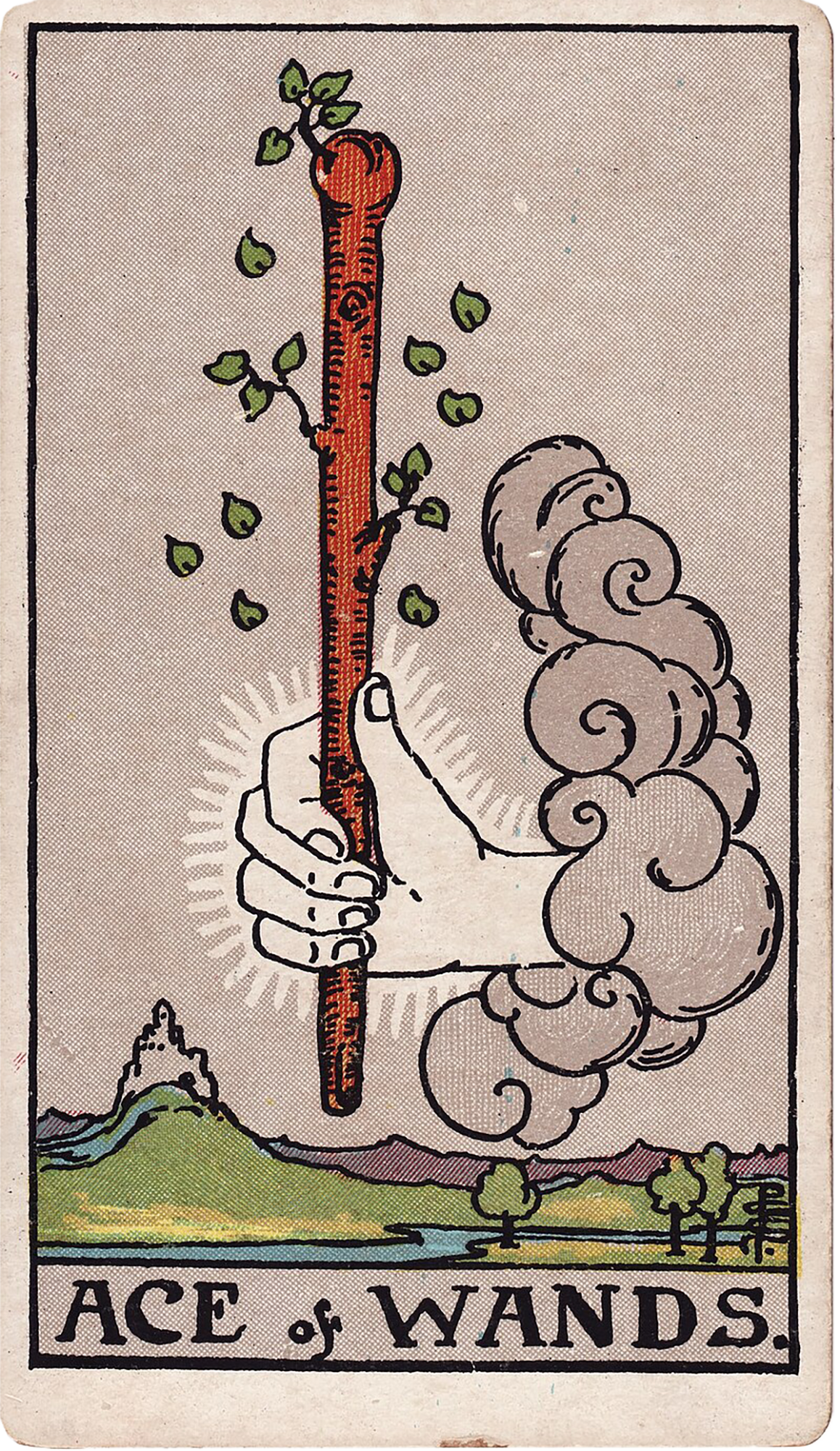 Ace of Wands
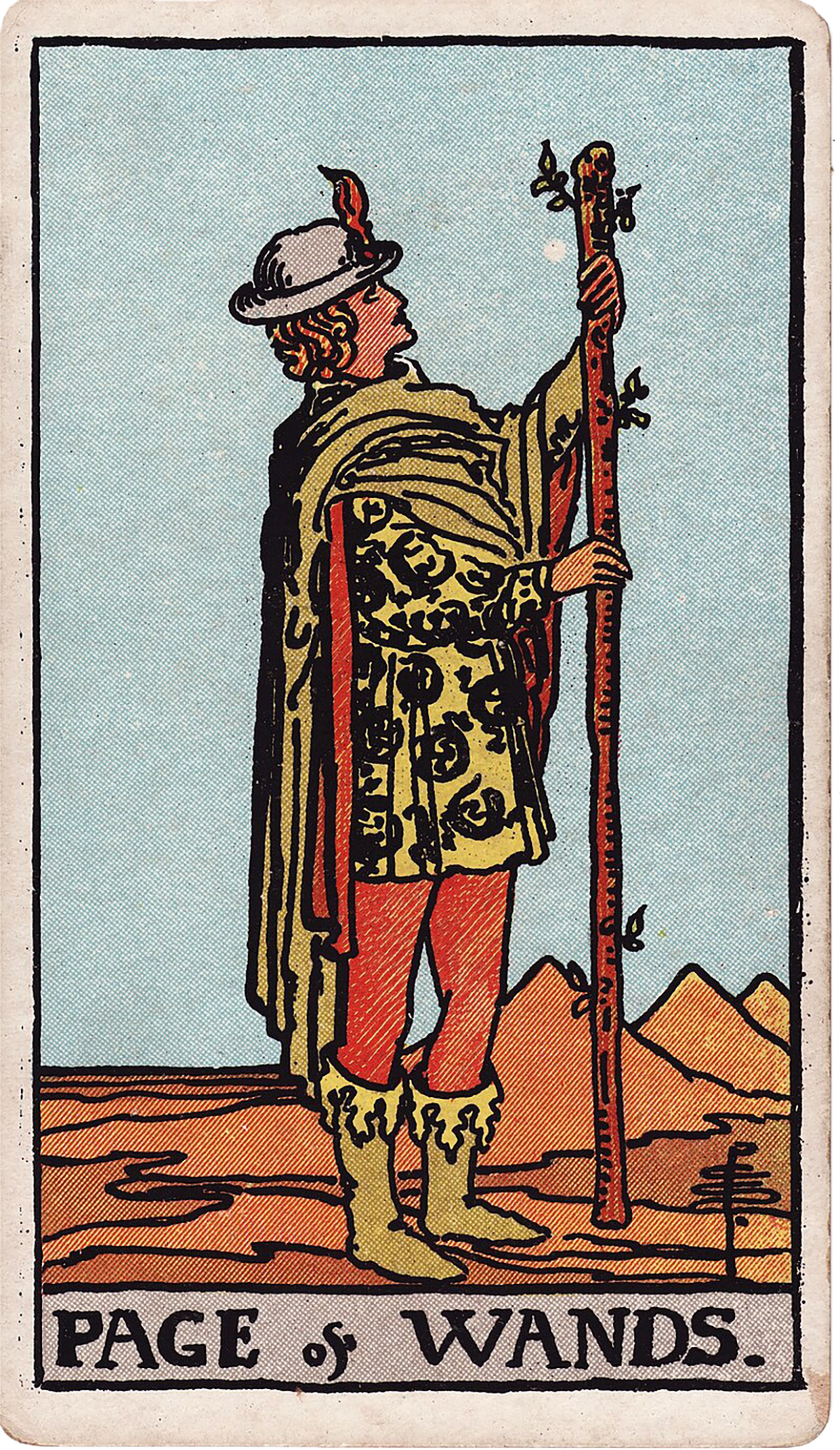 Page of Wands
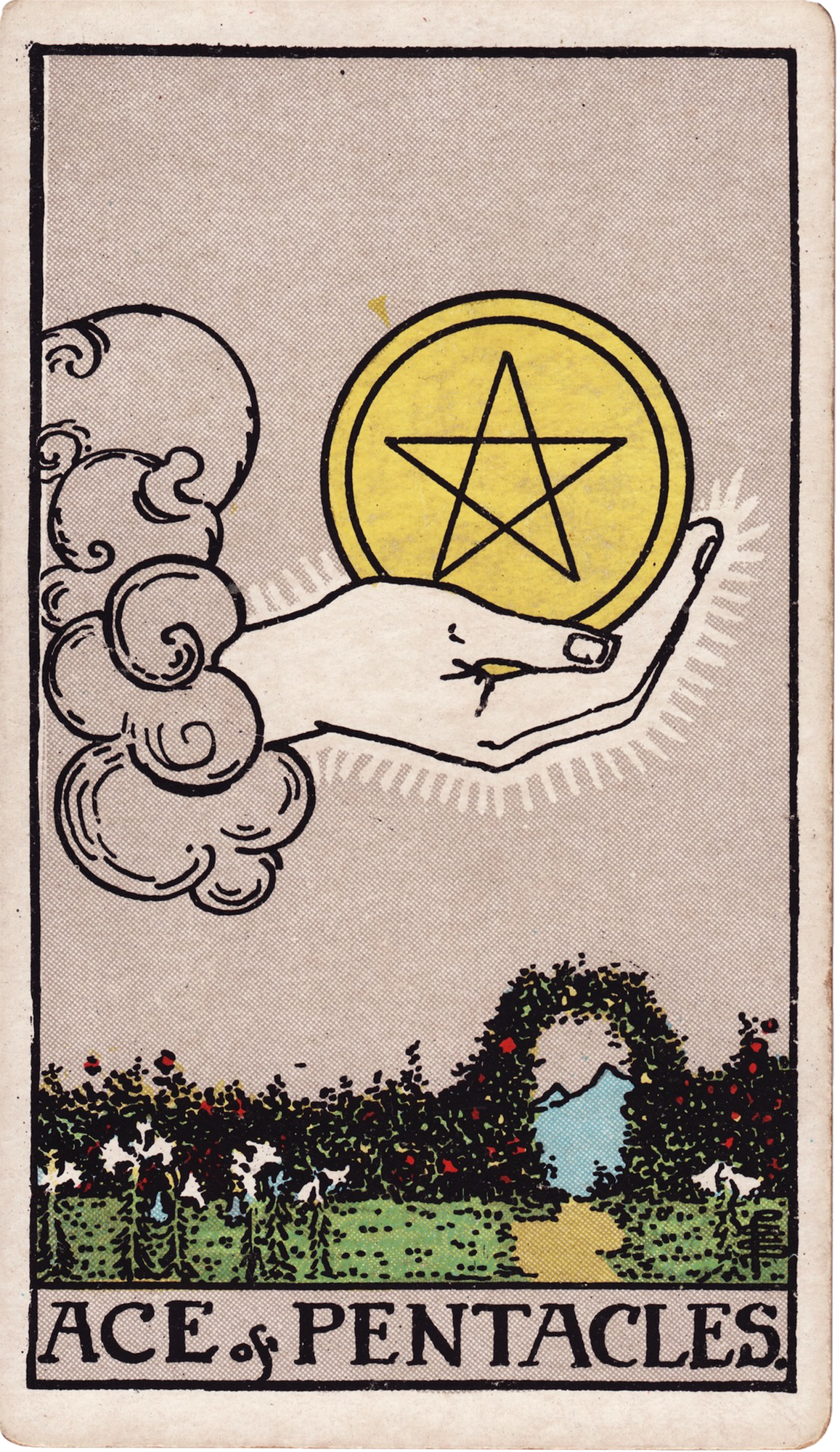 Ace of Pentacles
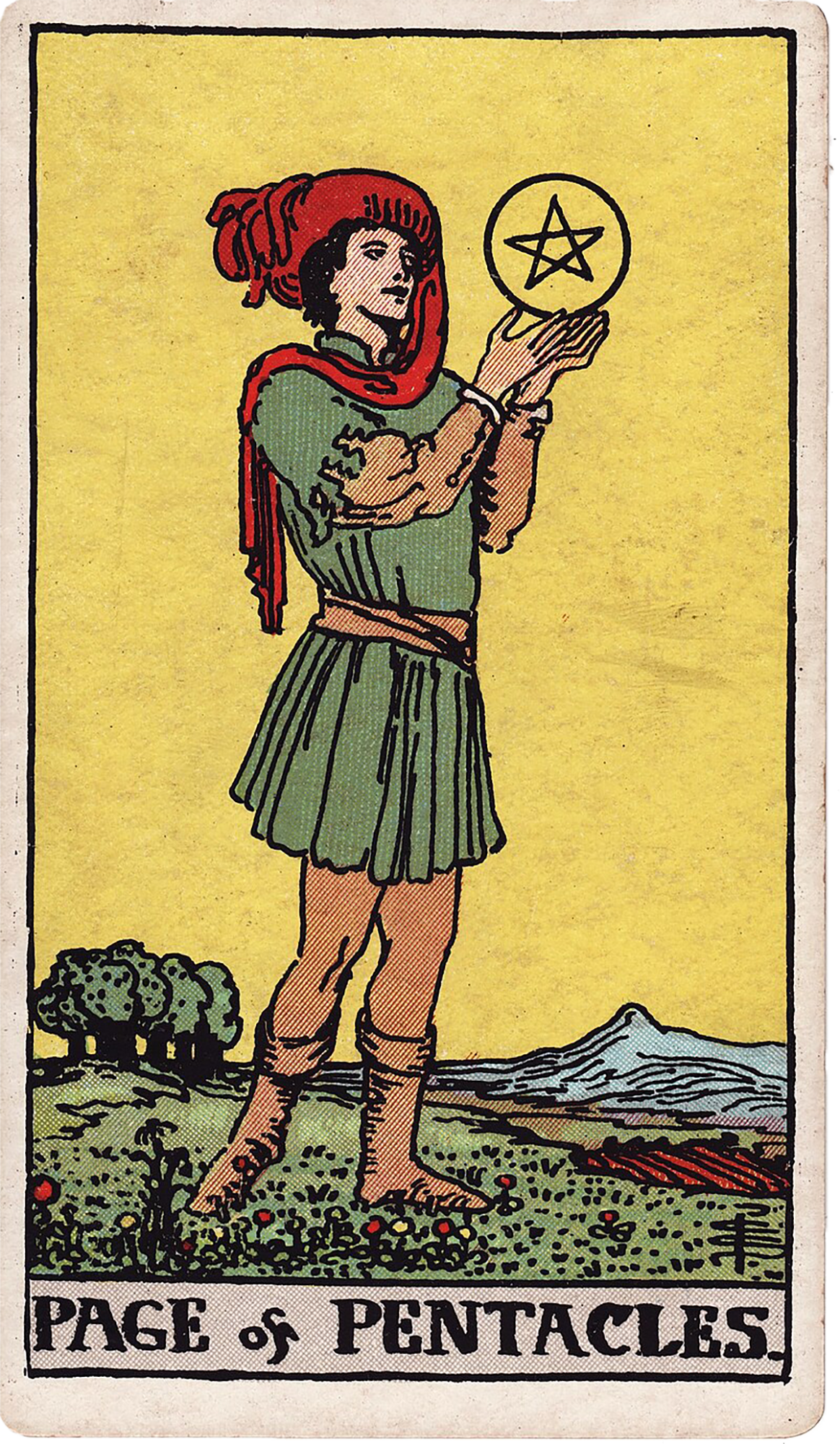 Page of Pentacles
Introduction Why pair Aces with Pages to assess readiness
When you want to judge whether a new project is ready to begin, two court-of-origin archetypes are especially relevant: Aces and Pages. An Ace represents an initiating impulse, an opportunity or a raw offer of energy; the Rider-Waite Ace imagery shows a hand emerging from clouds presenting a tangible sign of possibility. A Page represents the beginner, the learner and the messenger who engages with an opportunity. In the supplied images you have both Ace of Wands and Page of Wands (fire, impulse and identity) and Ace of Pentacles and Page of Pentacles (material opportunity and learning practical craft). Reading Aces with Pages helps you evaluate two dimensions of readiness simultaneously: whether an opportunity exists and whether there is beginner-level capacity or temperament present to steward it. This article unpacks how to read those pairings, ground them in Rider-Waite-Smith symbolism, and convert symbolic messages into practical tests and next steps.
Key distinctions: Ace versus Page
Aces and Pages are both 'beginnings,' but they point to different moments in a process. Use these distinctions as a first filter when assessing a project. - Aces as offers and impulses: The Ace of Wands and the Ace of Pentacles both show an externalized offer: in Rider-Waite imagery a hand usually appears from the clouds holding a wand or a pentacle. That visual language suggests something presented or made available in the world. Upright, an Ace asks for an initial, practical response before the impulse dissipates. Reversed, an Ace points to blocked opportunity, premature action or a need to reframe the foundation. - Pages as learner-energy and implementation temperament: The Page of Wands and Page of Pentacles depict a young figure studying or starting with their element. Pages are not fully developed performers; they are the first person to pick up a tool or message and experiment. Upright, a Page signals curiosity, willingness to learn and a practical invitation to try. Reversed, a Page highlights inconsistency, fear of looking inexperienced, procrastination, or scattered effort. Together, an Ace asks 'Is something available to take?' and a Page asks 'Who will engage and how?' The more closely those answers align practically, the higher the practical readiness.
Suit dynamics: Wands versus Pentacles
Suit matters because it changes what kind of readiness is being tested. - Wands (Ace of Wands, Page of Wands): Wands are the suit of fire—initiative, identity, creativity and energy direction. The Ace of Wands shows a flowering wand: an idea with momentum and symbolic evidence that a creative impulse wants to be expressed. The Page of Wands is visually alert, often looking at the staff as if assessing where to aim energy. When both Wands cards appear together they emphasize whether creative momentum and exploratory courage line up. Questions to ask: Is there motivation? Is identity clarity and willingness to take creative risk? Can the querent complete small experiments to sustain enthusiasm? - Pentacles (Ace of Pentacles, Page of Pentacles): Pentacles are material: resources, craft, routine, health and long-term stability. The Ace of Pentacles is often shown as a coin held above a cultivated garden—an opportunity that becomes valuable through tending. The Page of Pentacles looks at the coin with study and focus, embodying the apprenticeship disposition. When both Pentacles cards pair, the reading centers on whether an opportunity has a tangible foundation and whether the person is prepared to learn the craft and implement consistent routines. Questions to ask: Do resources exist or can they be marshalled? Are practical skills and study processes in place? The vector is crucial: a Wands-Ace with a Pentacles-Page will mean a creative impulse meets a practical beginner ready to learn; a Pentacles-Ace with Wands-Page means a material opportunity is present but the temperament is experimental and oriented toward initiation rather than steady routine. Read the pairing to see whether the suit energies complement or require translation.
Imagery close-reading as diagnostic technique
Anchor your interpretations in Rider-Waite imagery to avoid abstractions. For each of the four supplied cards, use at least two visual details as diagnostic cues: - Ace of Wands: note the hand from the clouds (external offer), the budding tip of the wand (potential that needs tending), and any landscape elements that suggest where action will grow. An upright Ace of Wands implies a visible spark; reversed suggests the spark is smothered, misdirected, or acting too soon. - Page of Wands: note posture and gaze (forward-looking curiosity versus distractedness), clothing or symbols of youth (indicating novice stage), and whether the staff is held ready to use. Upright Page of Wands shows willingness to explore; reversed shows performative bravado or lack of follow-through. - Ace of Pentacles: note the coin presented in the hand and the cultivated garden below (tangible resources needing tending). Upright indicates real material opening; reversed suggests missed opportunities, poor planning, or lack of infrastructure. - Page of Pentacles: note the student's focus on the coin, the earthy setting and the posture of study—these indicate methodical learning and apprenticeship. Upright shows study and steady practice; reversed points to procrastination, unrealistic expectations, or studying without application. Use these visual cues to ground your questions: is the hand presenting something definite or ambiguous? Is the Page studying or merely posing?
A practical reading workflow to test readiness
This is a step-by-step method you can use when one or more of these four cards appears in a spread and your question is project readiness. 1) Clarify roles in the spread: Assign which position or card corresponds to 'opportunity' (usually the Ace) and which speaks to 'operator' or 'capacity' (the Page). If both cards are present in the same reading, identify which is signaling the project's nature and which shows the querent's approach. 2) Read upright/reversed status first: Upright Ace = an active offer; reversed Ace = blocked or mistimed offer. Upright Page = beginner-ready and curious; reversed Page = inconsistency or fear. Take these initial orientations as hypotheses, not facts. 3) Translate suit orientation: Is the impulse material (Pentacles) or creative/identity-driven (Wands)? Convert that into practical domains: Pentacles -> budgeting, resourcing, skill training, routines. Wands -> vision, identity, marketing, early prototyping. 4) Ask three diagnostic questions tied to the imagery: What is the simplest first action (Ace asks for this)? What would a Page do tomorrow to test the opportunity? What small contextual adjustments (tending, study, simplification) are required to eliminate the reversal dynamics if any? 5) Design a Minimal Viable Test: Based on the answers, sketch a one- to two-week experiment: time commitment, one clear measurable outcome, resource delta (money, space, contacts), and what learning will be gathered. 6) Map thresholds for 'green light': Define what success in the test looks like. For Wands pairings, thresholds often center on sustained momentum (e.g., complete three creative outputs or find two supportive collaborators). For Pentacles pairings, thresholds often center on consistency and resource viability (e.g., ability to fund three months of runway, completion of a practice milestone). 7) Use feedback and re-run the decks: After the test, either the Ace becomes a small project and the Page develops toward a Knight-level practice, or you discover structural gaps that require work. Return to the cards for additional nuance if needed.
Worked examples: pairing readouts and recommended next steps
Below are concise examples using only the supplied cards. Each example gives an interpretive readout and a concrete next-step plan. Example 1: Upright Ace of Wands + Upright Page of Wands Readout: A visible creative impulse is present and the querent has beginner curiosity and courage. This pairing strongly favors launching a small, timed experiment to capture enthusiasm. Next step: Create a 14-day prototyping sprint with three specific outputs (a sketch, a short demo, and a social post). Measure two metrics: whether you finish each output and whether you feel energy at day 14. If both true, scale to a 6-week plan. Example 2: Upright Ace of Pentacles + Upright Page of Pentacles Readout: A tangible material opportunity exists and the querent has the study-oriented temperament to turn it into craft. Focus on setup rather than hype. Next step: Draft a three-month onboarding plan: itemize resources needed, enroll in one practical course or mentor session, and schedule weekly practice blocks. Success looks like consistent practice for four weeks and a basic product or habit established. Example 3: Upright Ace of Wands + Reversed Page of Wands Readout: The impulse is real but the querent is inconsistent, anxious about appearing inexperienced, or scattered. Risk is enthusiasm without follow-through. Next step: Replace open-ended goals with micro-commitments (two 30-minute deep-work sessions per week). Use accountability (a partner or a public progress update) and keep experiments small enough to finish to build confidence. Example 4: Reversed Ace of Pentacles + Upright Page of Pentacles Readout: There is learning willingness but the opportunity lacks foundation or the timing is poor. The Page can still prepare while the external conditions improve. Next step: Turn inward: create a resource audit and skill checklist. Practice until the material conditions change (save a buffer, complete essential training). Consider applying to smaller, lower-cost pilots while waiting for the Ace to realign. Example 5: Reversed Ace of Wands + Reversed Page of Pentacles Readout: Blocked inspiration plus procrastination or poor planning. This pair warns against forcing a start now. Next step: Simplify. Remove options and do one honest audit: what is draining energy? Allocate two weeks to rest and to maintain low-effort practice (five minutes per day of journaled ideas or two short study sessions). Reassess afterward; the goal is to restore clear impulses and basic discipline before launching.
Interpreting reversals as process signals, not punishments
Reversals in these cards rarely mean permanent failure. Instead, treat reversed Aces and Pages as diagnostic signs that a specific part of the process needs attention. - Reversed Ace (Wands or Pentacles): Look for where the opportunity is blocked, muddled or prematurely acted upon. The Rider-Waite hand imagery reminds you that sometimes what is presented is conditional—either you must create a sturdier container for it or delay until the context shifts. Diagnostic moves: slow the timeline, check assumptions about resources, or simplify the initial action so it fits available capacity. - Reversed Page (Wands or Pentacles): Focus on technique and consistency. The Page reversed often indicates that the person understands the idea intellectually but lacks practiced habit. Remedial moves include habit scaffolding, mentorship, small repeatable drills, and public accountability. A reversed Page often benefits most from micro-experiments with measurable outputs. Combine both reversals as layered instructions. For instance, a reversed Ace with an upright Page suggests preparation time—train and prepare while environmental conditions improve. An upright Ace with a reversed Page suggests the need to convert enthusiasm into structure immediately.
Common mistakes learners make and how to avoid them
Students new to pairing court and ace cards often fall into recurring errors. Here are the most common and practical corrections. - Mistake: Treating Aces as purely inspirational and ignoring the question of competence. Correction: Always ask what the simplest first action is and whether the Page-level skills exist to complete it. - Mistake: Reading Pages as failure if reversed. Correction: Read reversals as process friction. They point to specific fixes—simplify, practice, or communicate—not fatal flaws. - Mistake: Ignoring suit translation when pairs cross suits. Correction: Translate suit qualities into real-world domains (Wands -> creative/marketing/identity; Pentacles -> finances/skill/practice) and read for complementarity. - Mistake: Confusing speed with readiness. Correction: An Ace can push for speed, but the Page determines whether the pace will be sustained. Slow and steady wins a Pentacles project; timed sprints suit Wands projects. - Mistake: Skipping the Minimal Viable Test. Correction: Always design a short, measurable experiment to test both the Ace's opportunity and the Page's capacity. The cards are more useful as guides for experiments than as final verdicts.
Practical exercises to build interpretive muscle
Practice structured exercises to sharpen how you translate card imagery into action. Exercise 1: Two-card daily spreads Shuffle focusing on a personal micro-project. Draw two cards. If an Ace appears, write the single smallest action you can take before the day ends. If a Page appears, write one skill practice you will complete. If both appear, do both. Keep a log for 30 days and note patterns. Exercise 2: Imagery journaling For each supplied card, spend five minutes describing the visual details and what they suggest about timing, environment and temperament. Translate that description into one concrete checklist item (for example, 'create a budget worksheet' from Ace of Pentacles). Exercise 3: Role-play reversals Take a reversed card and list three practical barriers it could represent. For each barrier, write one mitigation action and a one-week experiment to test the mitigation. Practicing these exercises improves your ability to move from image to decision quickly and cleanly.
Integrating this technique into multi-card spreads and timelines
When you see one or more of these four cards inside larger spreads, use them as anchors: - As place holders for phases: Aces often denote the 'initiation' slot; Pages often denote the 'apprenticeship' slot. Place them in timeline readings to highlight whether you are at the moment to act or the moment to learn. - As decision nodes in pros-and-cons spreads: Use an Ace to represent opportunity and a Page to represent capacity. If the Ace outweighs the Page, treat the reading as a do-not-launch signal until capacity is developed. - As resource checks: If a Pentacles Ace appears in a 'resources' position but the Page of Pentacles is missing, plan to build a resourcing or learning phase before committing. Always return to minimal experiments and measurable thresholds; multi-card complexity should converge on one or two practical steps.
Conclusion Turning symbolic insight into real-world readiness
Pairing Aces and Pages gives you a disciplined, image-anchored way to assess whether a project should be launched now or prepared further. The Ace indicates an offer or impulse that requires a first practical move; the Page shows the beginner energy available to take that move. Read suit quality to determine whether the focus should be on creative momentum (Wands) or material implementation and routine (Pentacles). Treat reversals as diagnostic flags rather than verdicts. Most importantly, translate the reading into a Minimal Viable Test with a clear measurement. Over time, this method will help you transform abstract enthusiasm into a sequence of small, reliable actions that make projects sustainably real.
Practice questions
• When you imagine the Ace of Wands' hand from the clouds, what specific opportunity in your life does that image most closely match?
• If you were the Page of Pentacles in the card, what is the single skill you would commit to practicing for the next two weeks?
• Which is more present in your project idea right now: a clear external offer (Ace) or internal readiness to learn (Page)?
• If one of the supplied cards appears reversed in your reading, what specific friction (resource, habit, timing, confidence) would you test for first?
• Design a one-week Minimal Viable Test inspired by an Ace-and-Page pairing you drew. What are the measurable success criteria?
• How would the interpretation change if the Ace and Page are in different suits (Wands vs Pentacles)? Which translation tasks are necessary?
• What accountability structures could convert a Page's inconsistent enthusiasm into steady practice?
• After completing a short experiment, what signals will tell you to scale, iterate, or pause?
Comments
Sign in to comment.
Continue learning
Harnessing the Power of The Magician and Ace of Wands: Igniting Creativity and Manifestation in Tarot Readings
The combination of The Magician and the Ace of Wands in tarot readings offers a potent blend of creative energy and manifestation power. This article delves into the ways these car...
Unlocking the Creative Synergy of The Magician The Empress and Ace of Wands in Tarot Combinations
This article delves into the dynamic interplay of The Magician, The Empress, and Ace of Wands when they appear together in tarot readings. It explores how these cards collectively...
Unveiling Personal Power Through The Magician Strength and Ace of Wands
This article delves into the dynamic interplay of The Magician, Strength, and Ace of Wands tarot cards, exploring how their combined symbolism illuminates personal power across var...
Exploring the Symbolism and Elemental Correspondences of the Four Tarot Suits for Deeper Understanding
This article offers an in-depth exploration of the symbolism and elemental correspondences of the four tarot suits—Wands, Cups, Swords, and Pentacles—anchored by the imagery and me...
Using the Five Card Cross Spread to Overcome Career Burnout and Reignite Passion
This article guides learners through the Five Card Cross spread applied to overcoming career burnout and reigniting passion. Featuring a worked example using The Emperor, The Chari...
Mastering the Art of Combining The Magician The Empress and Ace of Wands for Creative Manifestation
This article explores the combined reading of The Magician, The Empress, and Ace of Wands Tarot cards, focusing on their synergy for creative manifestation. Through detailed analys...
Exploring the Symbolic Language and Elemental Meanings of the Suit of Wands in Tarot
The Suit of Wands in Tarot represents dynamic energy, creative force, and the drive for identity and ambition. Rooted in the elemental symbolism of fire, Wands cards articulate mot...
Unlocking Creative Synergy with The Magician The High Priestess and Ace of Wands
This article examines the powerful combination of The Magician, The High Priestess, and Ace of Wands within Tarot readings. By exploring their symbolic interplay, readers learn how...
Exploring the Symbolic Meanings and Elemental Correspondences of the Suit of Wands in Tarot
The Suit of Wands in Tarot embodies dynamic energy, creativity, and ambition, rooted in the elemental force of fire. This article delves deeply into the symbolism and elemental cor...
Mastering the Art of Combining The Magician The High Priestess and Ace of Wands for Advanced Tarot Readings
This article delves into the advanced skill of synthesizing The Magician, The High Priestess, and Ace of Wands within Tarot spreads. By grounding the discussion in the Rider-Waite-...