
Exploring the Symbolic Meanings and Elemental Correspondences of the Suit of Wands in Tarot
The Suit of Wands in Tarot embodies dynamic energy, creativity, and ambition, rooted in the elemental force of fire. This article delves deeply into the symbolism and elemental correspondences of Wands, examining key cards such as the Ace, Page, Knight, and Queen of Wands. Through detailed analysis, it illustrates how these cards reflect stages of personal and creative development, offering practical guidance for readers learning to interpret Wands in diverse contexts. Emphasizing traditional Rider-Waite-Smith symbolism, the article provides techniques for reading Wands cards effectively, common interpretive pitfalls, and reflective questions to deepen understanding.
Cards explored in this article
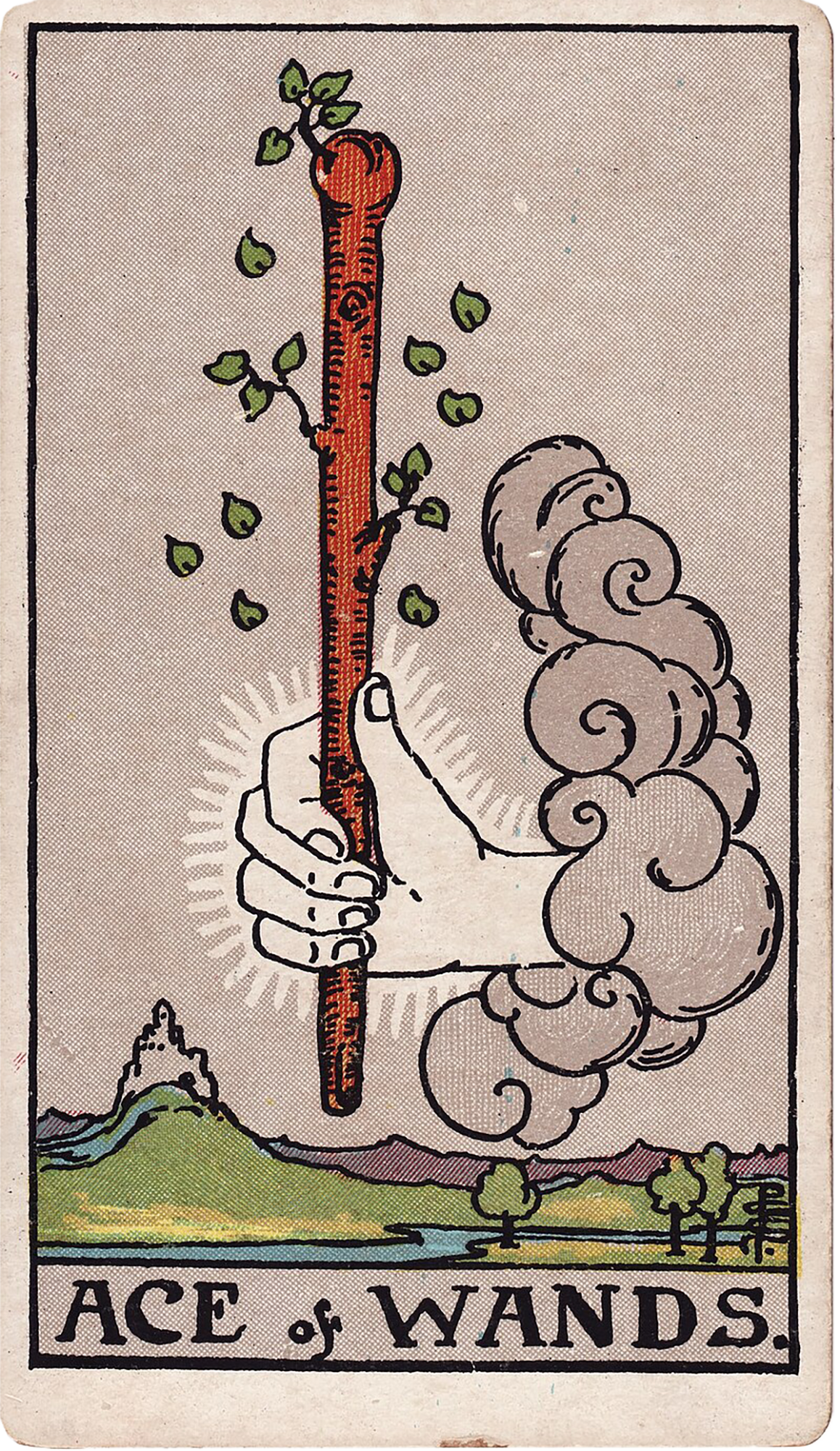 Ace of Wands
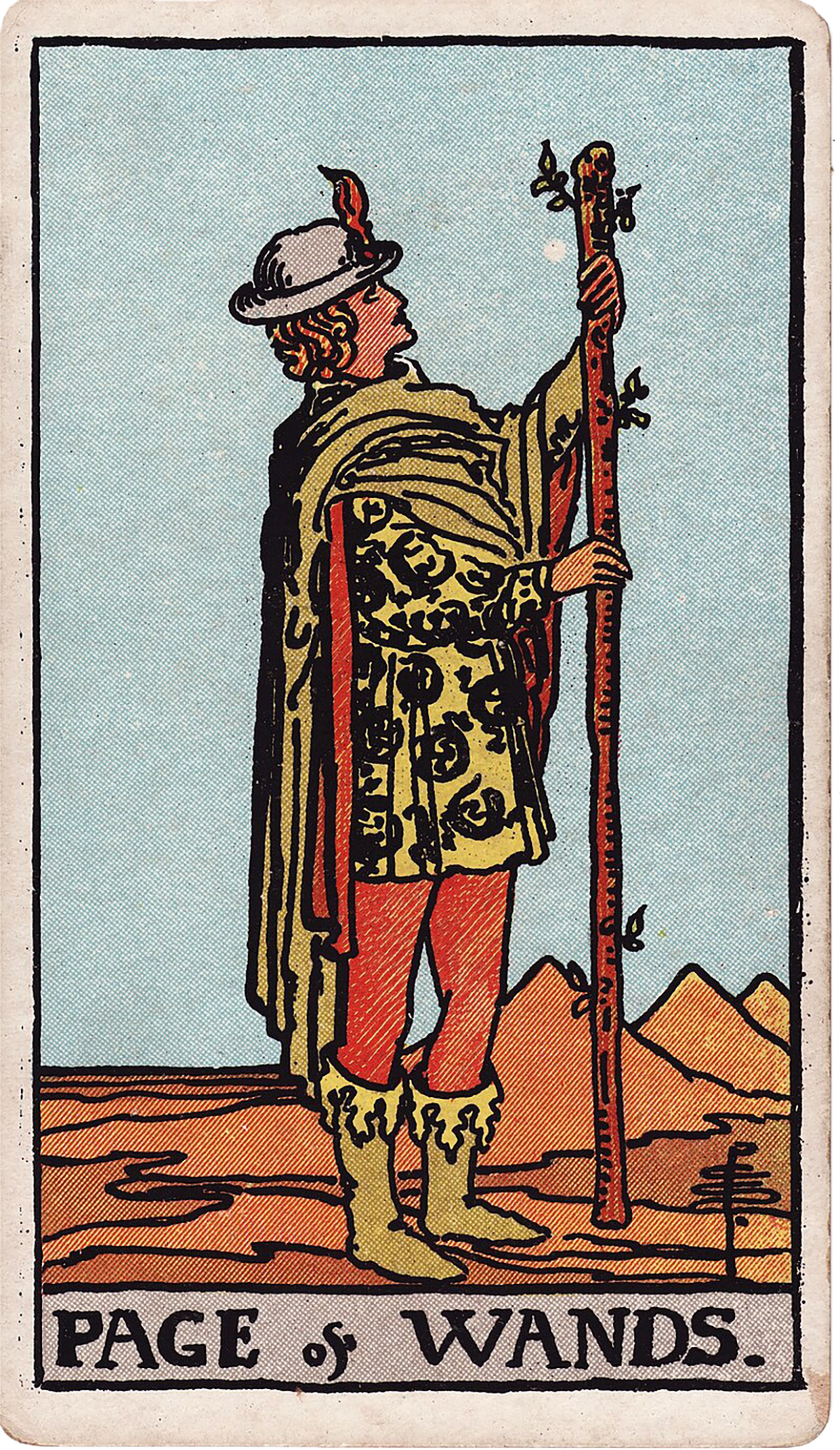 Page of Wands
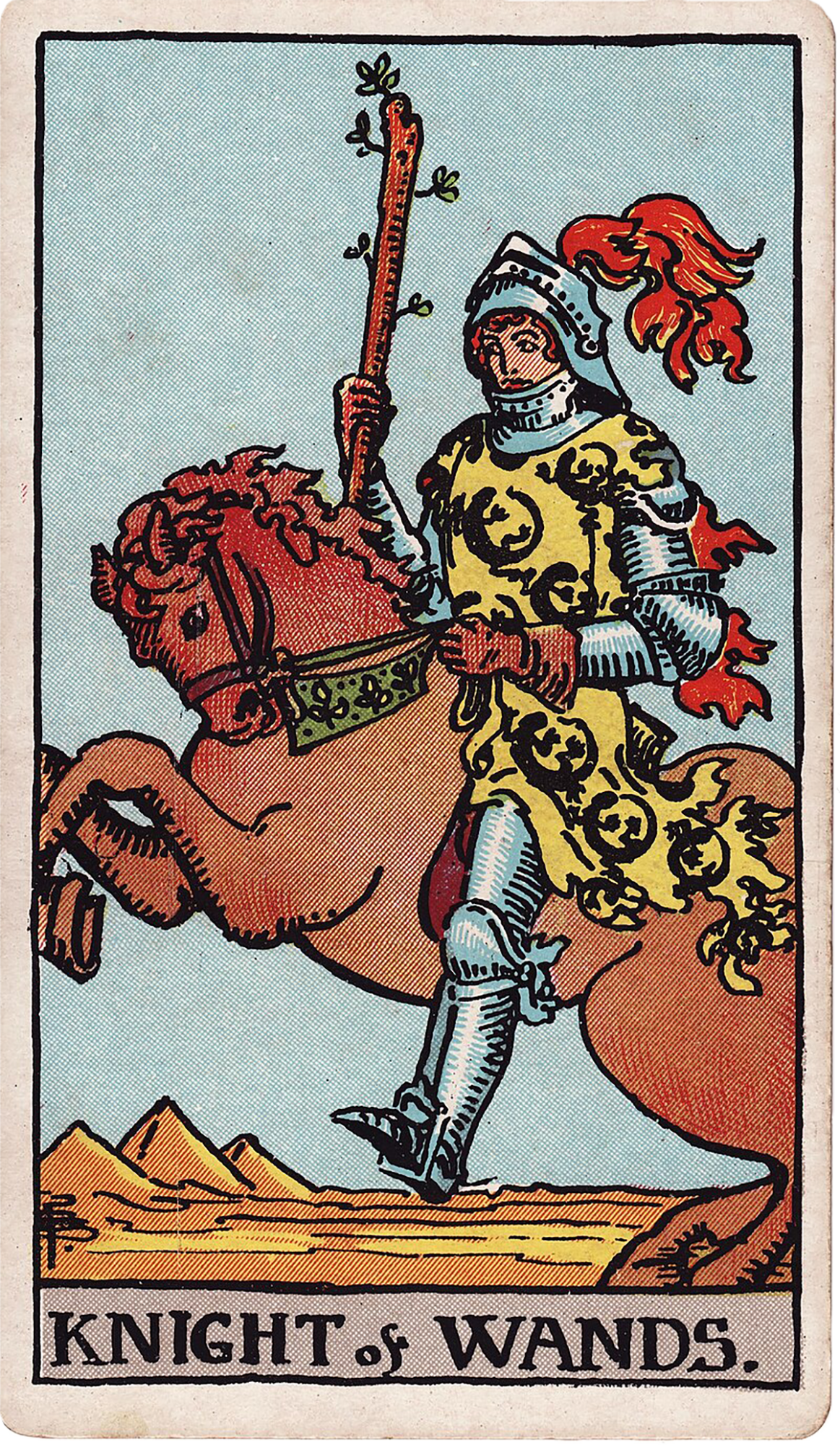 Knight of Wands
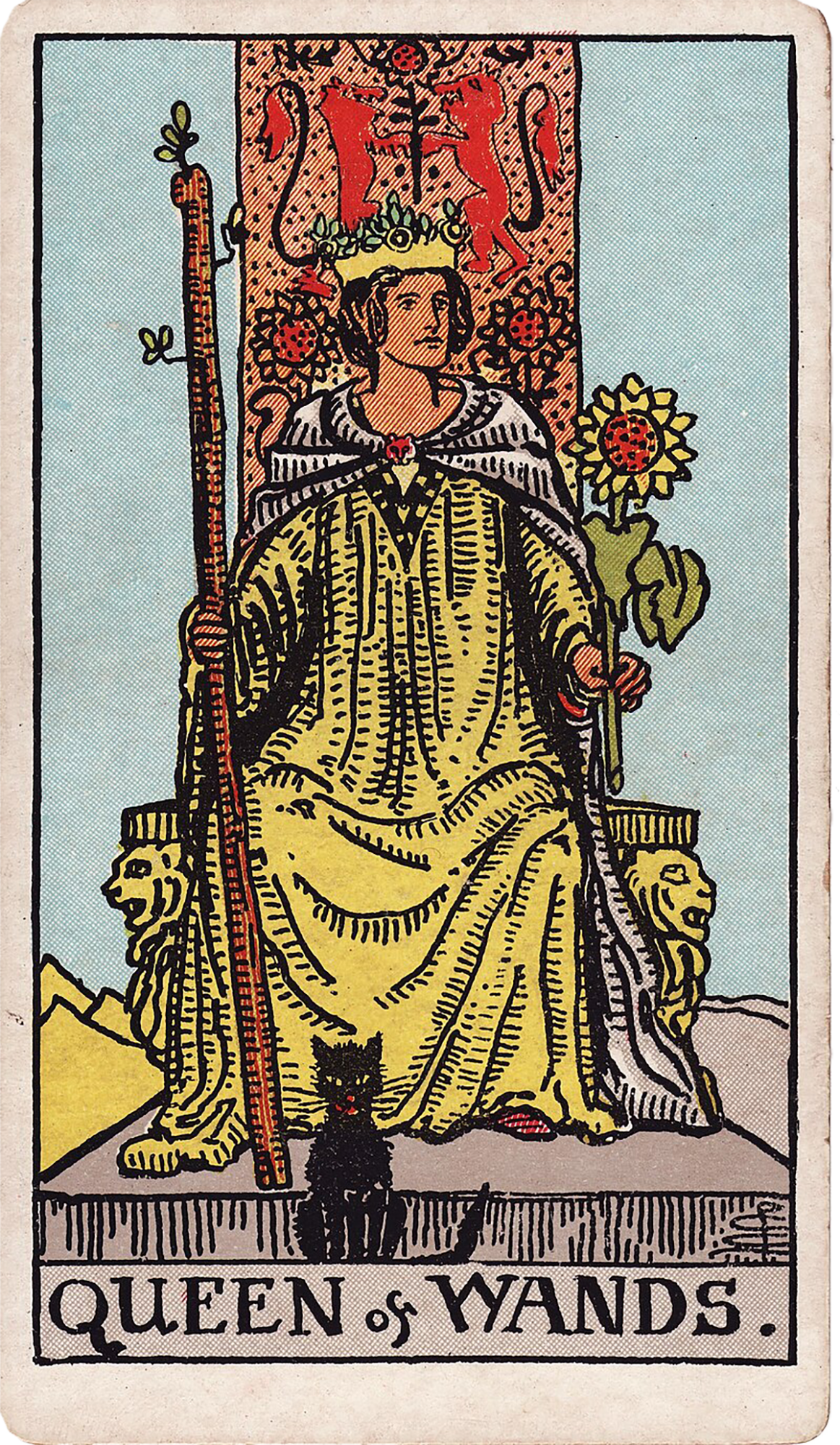 Queen of Wands
Introduction to the Suit of Wands and its Elemental Foundations
The Suit of Wands is one of the four minor arcana suits in Tarot, traditionally associated with the element of fire. Fire symbolizes energy, passion, creativity, motivation, and transformation. In the Rider-Waite-Smith deck, Wands are depicted as wooden staffs or rods, reinforcing their connection to growth and vitality—like living branches that channel elemental fire. This elemental correspondence aligns Wands with the qualities of inspiration and the drive toward action. Understanding Wands demands a grasp of this fiery dynamic, which manifests as both constructive ambition and potential for restlessness or impulsiveness. The suit reflects the human spirit’s inner fire, encompassing identity, initiative, and the conscious direction of one’s life force.
Symbolism and Interpretation of the Ace of Wands
The Ace of Wands symbolizes the initial spark of creative energy and new beginnings. Upright, it highlights a fresh impulse or idea that demands expression before enthusiasm fades. The card urges practical first action tailored to the immediate situation rather than vague idealism. Visually, the Ace often depicts a hand emerging from a cloud, grasping a flourishing wand, reinforcing the notion of divine or subconscious inspiration entering the conscious world. In reading, it suggests the presence of raw, energetic potential that can be harnessed through motivation, creativity, and ambition. When reversed, the card warns of blocked inspiration, premature action, or hesitation rooted in waiting for certainty. Rather than seeing reversal as simply negative, it invites the reader to identify where the creative process is stuck and what needs simplification, acknowledgment, or practice to restore flow. In practical readings, the Ace of Wands is often the card that names the core energy available to the querent, providing a foundation for understanding subsequent cards in the spread.
The Page of Wands and the Beginner’s Fire
The Page of Wands represents the initial stage of engaging with fire’s qualities: curiosity, experimentation, and the excitement of new ideas or messages. In traditional Rider-Waite-Smith imagery, the Page stands in a barren landscape yet holds a sprouting wand, symbolizing the youthful energy ready to explore untapped potential. The card calls for a response appropriate to this stage—encouraging learning, taking small steps, and embracing enthusiasm without rushing. Upright, the Page signals the activation of motivation and ambition grounded in innocent exploration. When reversed, the card points to immaturity, inconsistency, or fear of seeming inexperienced, which can block progress. It cautions against merely intellectual understanding without embodying the lessons. In readings, the Page of Wands often marks the querent’s approach to a new project or phase, emphasizing the need for patience and practical engagement with creative impulses.
Knight of Wands as Decisive Movement and Direction
The Knight of Wands embodies the maturity and action phase of fire energy, marked by decisive movement, courage, and ambition. Traditionally depicted as a rider on a fiery steed, the Knight charges forward with confidence, symbolizing high energy and swift progress. However, the Rider-Waite-Smith imagery also suggests the importance of balancing speed with direction; reckless haste can undermine results. Upright, the card encourages bold initiative and the harnessing of creative and motivational energies toward a clear goal. Reversed, the Knight warns of recklessness, impatience, or chasing distractions without commitment, which can lead to unfinished ventures. The Knight of Wands in a spread often indicates a period of action where energy must be consciously directed, serving as a reminder that courage is vital but must be aligned with purpose. Readers should note whether the energy represented is building toward resolution or generating pressure requiring temperance.
Queen of Wands and Creative Leadership
The Queen of Wands represents a fully realized and visible confidence rooted in creative leadership, independence, and social warmth. She embodies the mature expression of fire’s qualities, balancing strength with compassion and influence without domination. Rider-Waite-Smith imagery shows her seated with a sunflower—a symbol of vitality and joy—and a black cat, indicating intuition and mystery, highlighting her multidimensional nature. Upright, the Queen signals constructive use of ambition and motivation, fostering creativity while uplifting others. When reversed, she warns of jealousy, insecurity hidden behind performance, burnout from maintaining strength, or manipulative charm to control outcomes. The Queen of Wands challenges readers to consider how confidence is expressed and whether it nourishes or diminishes the self and others. In practical readings, she often represents a person or energy that can guide through creative or social challenges with warmth and assertiveness.
Practical Techniques for Reading the Suit of Wands
When interpreting Wands cards, it is essential to anchor reading in the present stage of the energy cycle—whether the card signals a beginning, development, pressure, or resolution. Readers should assess the card’s upright or reversed position not as strict opposites but as indicators of where the process might be stuck or imbalanced. Surrounding cards provide context that refines meaning, revealing whether the energy is constructive or destructive, internal or external. A practical method involves identifying the core Wands qualities present—motivation, creativity, ambition, initiative, identity—and asking how these manifest in the querent’s situation. Visual cues from the Rider-Waite-Smith imagery, such as growing plants, active creatures, or directional posture, guide interpretation. Avoid common errors like overgeneralizing the fiery energy as purely positive or equating reversal simply with failure. Instead, explore nuance, such as blocked expression, internal conflict, or unintegrated lessons. Consistent practice using example spreads and reflecting on personal experience helps build fluency with the suit.
Common Mistakes and How to Avoid Them
A frequent mistake in reading the Suit of Wands is interpreting the cards as one-dimensional symbols of success or failure. For instance, seeing the Ace of Wands only as immediate opportunity without recognizing the need for timely action can lead to misguidance. Similarly, the Page of Wands reversed should not be dismissed as immaturity alone but examined for specific blocks or fears preventing progress. Another error is neglecting the reversal’s invitation to explore stuck processes rather than assuming negative outcomes. Ignoring the elemental symbolism results in superficial readings detached from the fire’s transformative power. Practitioners should also beware of projecting impatience onto the Knight of Wands, instead appreciating the nuanced balance of speed and direction. Lastly, the Queen of Wands reversed can be misunderstood as mere jealousy, missing deeper themes of burnout or performative insecurity. Developing a layered understanding and using imagery as a guide mitigates these pitfalls.
Using the Suit of Wands for Reflective and Practical Guidance
Incorporating the Suit of Wands into Tarot practice enriches readings by emphasizing the querent’s energetic dynamics and creative life force. To use these cards practically, consider the following approach: first, identify the card’s stage in the energetic cycle, then observe how motivation and ambition manifest. Evaluate whether energy is being directed constructively or if it faces internal or external blockages. Use reflection questions to deepen insight, such as "Where is my creative energy waiting to be expressed?" or "How can I balance courage and direction in my ambitions?" Engage with the cards’ imagery to connect personally; for example, the sunflower in the Queen of Wands can symbolize areas where joy and vitality are nurtured or needed. Through iterative practice, readers develop sensitivity to subtle shifts in fiery energy, enabling nuanced interpretations that empower querents to harness their inner fire for growth and transformation.
Practice questions
• What current areas of my life reflect the energy and qualities associated with the Suit of Wands?
• Where might I be experiencing blocked inspiration or premature action, as suggested by the reversed Ace of Wands?
• How can I cultivate the beginner’s curiosity and experimentation represented by the Page of Wands without rushing or fear?
• In what ways can I balance speed and purposeful direction in my actions, drawing on the lessons of the Knight of Wands?
• How do I express confidence and leadership in a way that uplifts others, similar to the Queen of Wands’ energy?
• What internal or external factors are causing my fire energy to become stuck or misdirected?
• How can I apply the elemental symbolism of fire to understand motivation and transformation in my current challenges?
Comments
Sign in to comment.
Continue learning
Interpreting the Dance of Justice and The Devil: Balancing Morality and Temptation in Tarot Readings
The combination of Justice and The Devil in tarot presents a profound exploration of morality, temptation, and personal accountability. This article unpacks how these cards influen...
Advanced Techniques for Combining The Moon and The Star to Enhance Intuition in Tarot Readings
This article explores advanced techniques to combine the symbolism and energy of The Moon and The Star Tarot cards to enhance intuition during Tarot readings. Drawing from traditio...
Unlocking Life Insights with the Celtic Cross Tarot Spread
This article offers a thorough exploration of the Celtic Cross Tarot Spread, focusing on its application within family and practical life contexts. Using a worked example featuring...
Unlocking Hidden Meanings with The Hermit and The Hanged Man for Spiritual Growth
This article offers an in-depth exploration of The Hermit and The Hanged Man Tarot cards focusing on their roles in spiritual growth. It guides readers through beginner and advance...
Unlocking Personal Insight with the Seven Card Horseshoe Spread
The Seven Card Horseshoe Spread is a practical and insightful Tarot layout ideal for exploring personal and family dynamics. This article breaks down each position—Past, Present, H...
Mastering the Court Cards of Wands for Unlocking Personal Drive and Leadership
The Court Cards of Wands represent a dynamic spectrum of personal energy, ambition, and leadership potential within the Minor Arcana. This article offers a comprehensive exploratio...
Tracing the Origins and Evolution of The Fool Card in Tarot History
The Fool card holds a foundational place in tarot tradition, symbolizing beginnings, openness, and the embrace of uncertainty. This article traces its origins from early European d...
Techniques for Reading Court Cards to Unlock Personality Insights
Court cards in Tarot often represent people, personality traits, or energy patterns within a situation. This article offers a structured approach for beginners and advanced readers...
Unlocking Emotional Transformation with Death and The Moon Tarot Combination
This article explores the rich and complex interaction between the Death and The Moon tarot cards within the Rider-Waite-Smith tradition, focusing on their combined potential to un...
Applying The Star Card to Foster Hope and Renewal in Personal Growth
The Star card in Tarot symbolizes hope, authenticity, and the process of steady renewal. In a single-card reading, The Star encourages embracing what is present, cultivating openne...