
Exploring the Symbolism and Elemental Correspondences of the Four Tarot Suits for Deeper Understanding
This article offers an in-depth exploration of the symbolism and elemental correspondences of the four tarot suits—Wands, Cups, Swords, and Pentacles—anchored by the imagery and meanings of their respective Aces. By examining the traditional Rider-Waite-Smith symbolism alongside the practical interpretations found in the Ace cards, learners will develop a nuanced understanding of how each suit represents distinct realms of human experience. The discussion includes techniques for reading these cards contextually, common pitfalls, and how to use elemental insights to refine interpretations. The goal is to equip readers with a robust framework to approach tarot readings with greater clarity and confidence.
Cards explored in this article
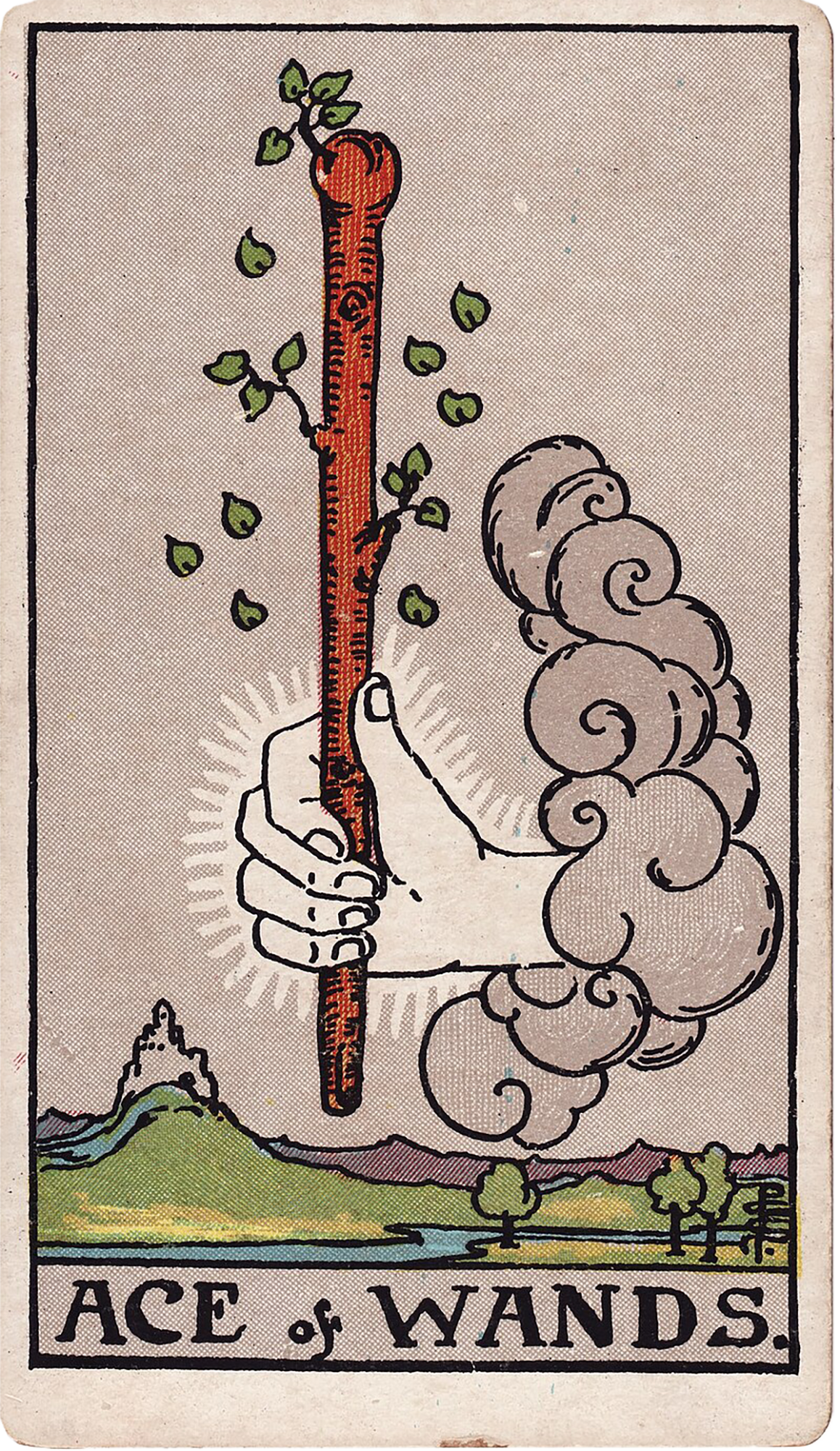 Ace of Wands
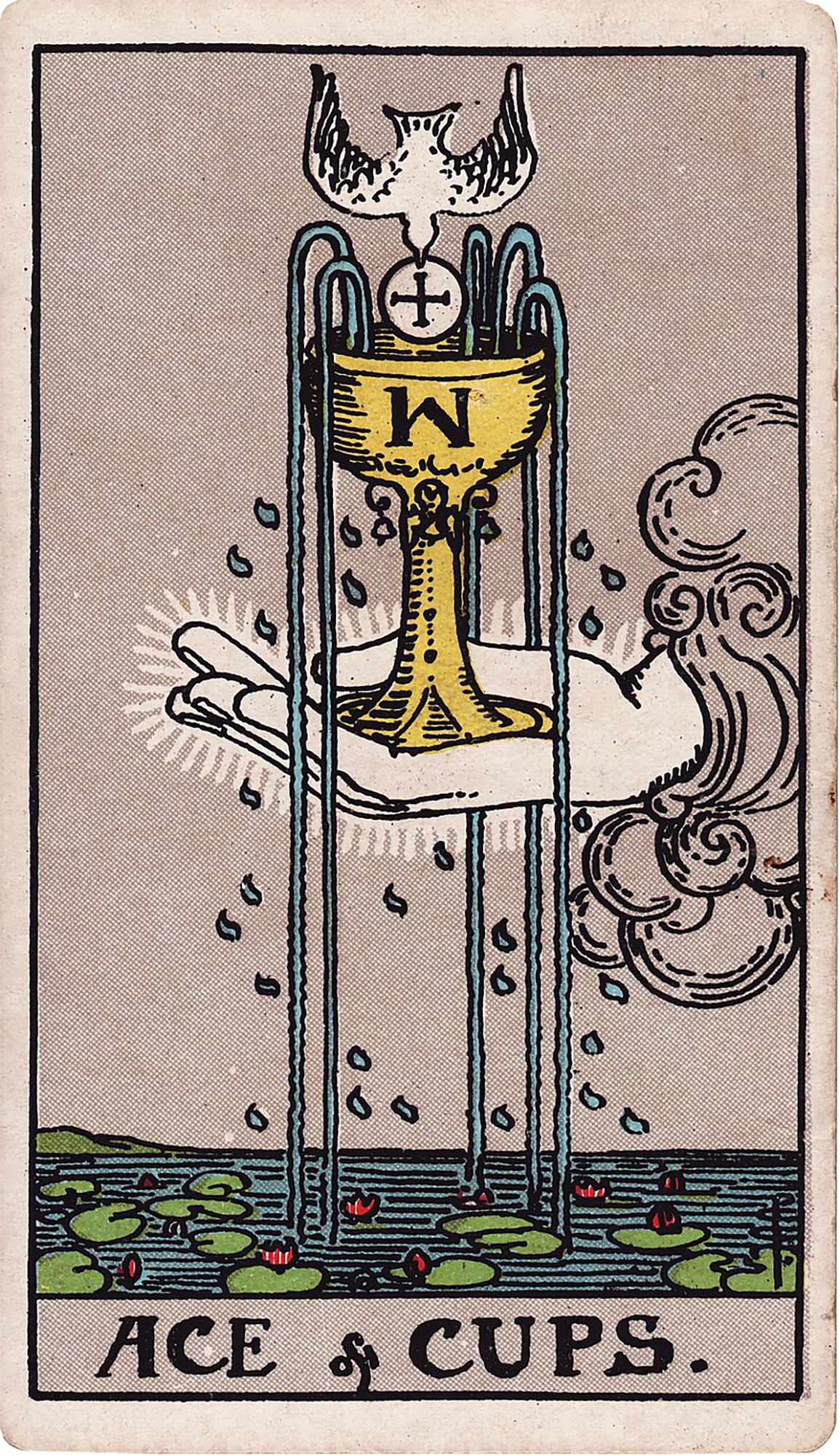 Ace of Cups
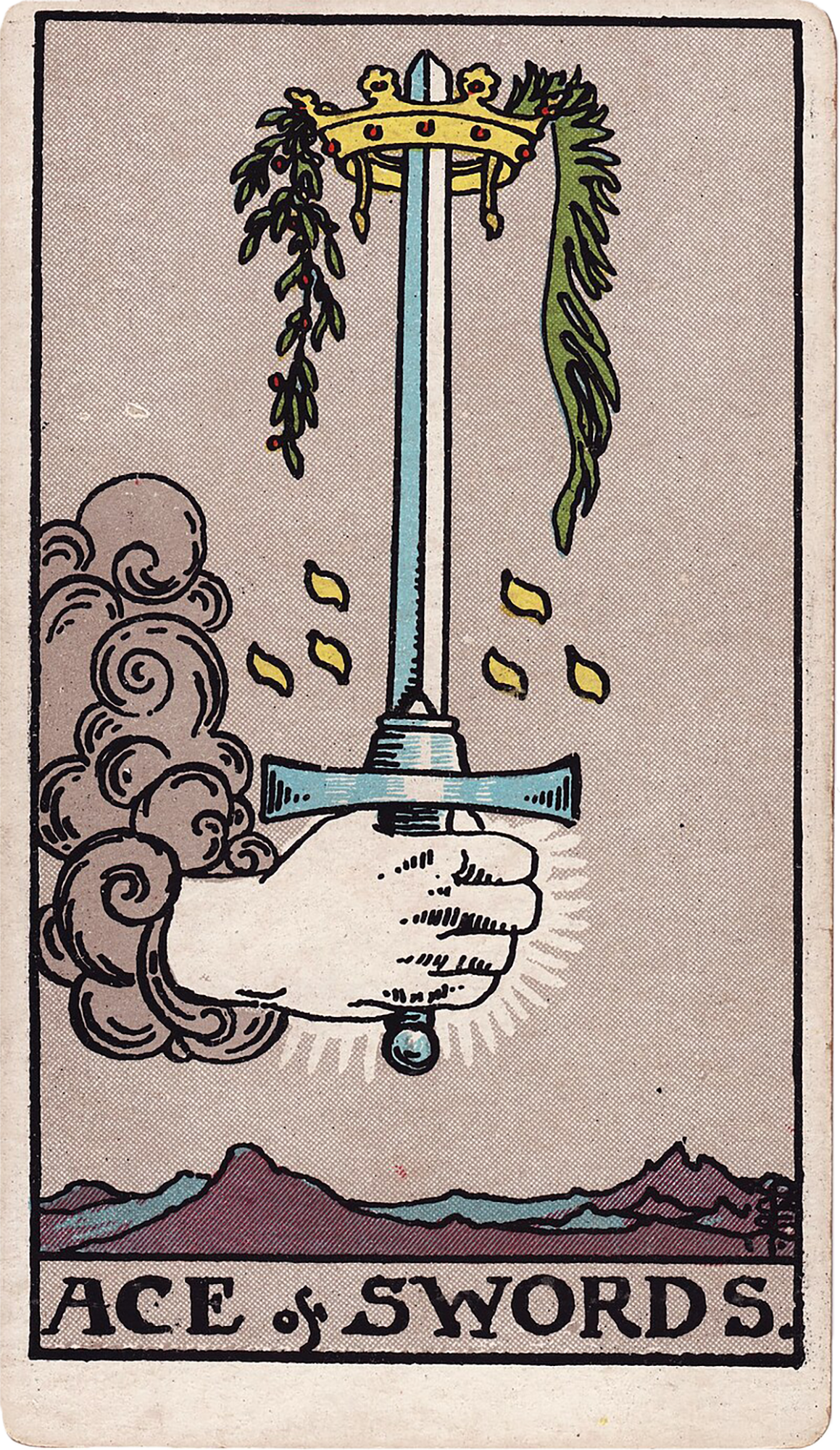 Ace of Swords
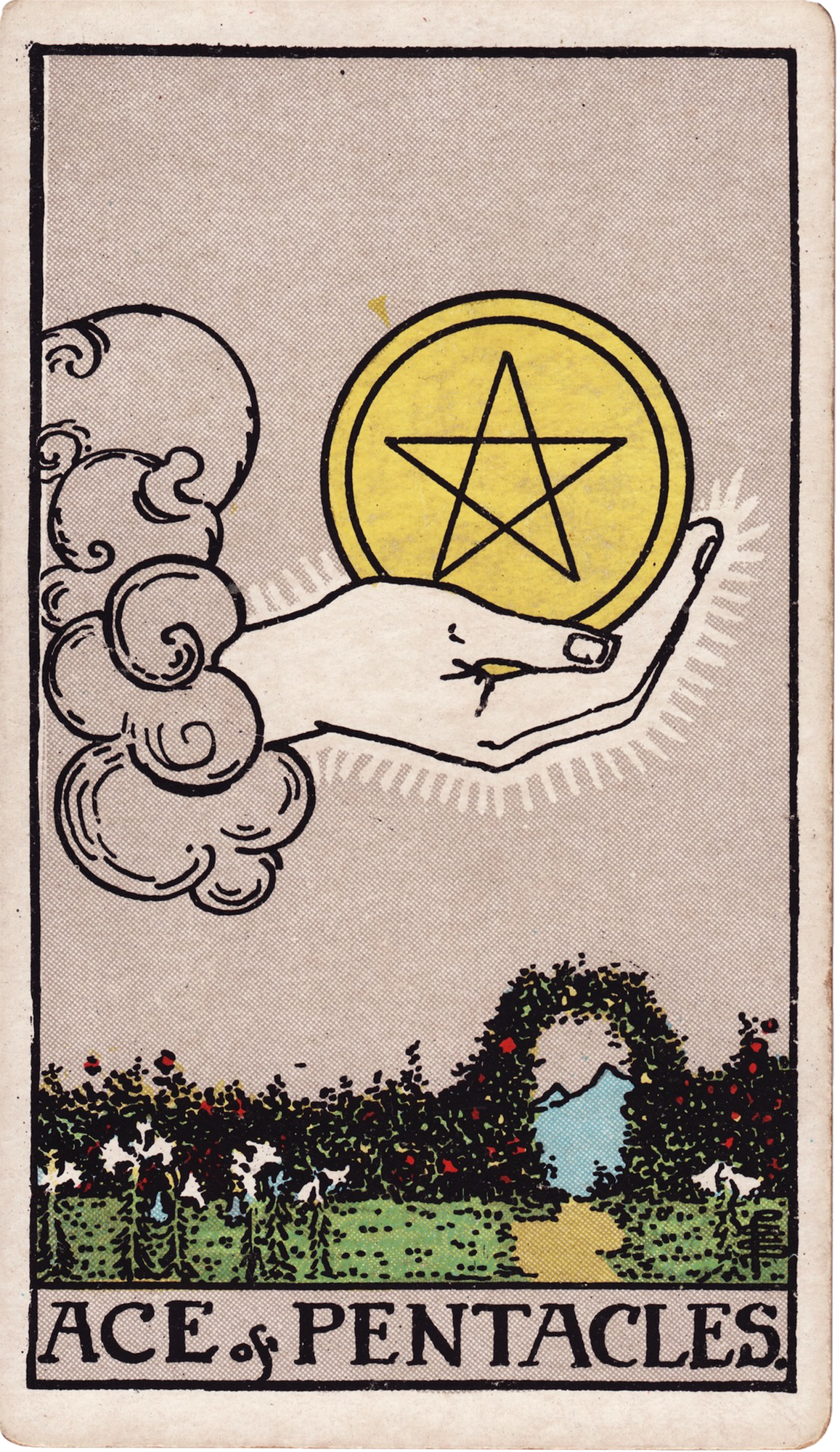 Ace of Pentacles
Understanding the Four Tarot Suits and Their Elemental Foundations
The tarot deck is traditionally divided into four suits, each governed by an elemental correspondence that shapes its symbolism and interpretive focus. These suits—Wands, Cups, Swords, and Pentacles—represent different facets of life and human experience. Understanding their elemental roots is foundational for deeper tarot comprehension and precise readings. Wands are associated with the element of Fire, symbolizing energy, creativity, ambition, and initiative. This suit often reflects our motivation and how we direct personal power. The Ace of Wands encapsulates a new impulse or creative spark that is ready to be expressed, as shown in the supplied card context where it urges practical action to nurture emerging energy. Cups correspond to Water, representing emotions, relationships, intuition, and receptivity. The fluidity of water mirrors the ebb and flow of feelings and connections. The Ace of Cups illustrates the opening of the emotional field, inviting the querent to embrace compassion or intuitive insight while being mindful of emotional blockages indicated in its reversed position. Swords are linked to Air, denoting thought, communication, conflict, and clarity. This suit deals with intellectual processes and decision-making. The Ace of Swords highlights breakthroughs in understanding or decisive communication that cut through confusion. Reversed, it warns against misused logic or harsh judgments. Pentacles correspond to Earth, symbolizing the material world, work, resources, and physical health. This suit grounds the querent in tangible realities and practical concerns. The Ace of Pentacles signals new opportunities that require consistent care and planning to mature, while reversals highlight missed chances or poor foundations. Recognizing these elemental correspondences helps readers contextualize each card’s message within a broader symbolic framework and tailor interpretations to the querent’s lived experience.
Symbolism in the Ace Cards as Gateway to Each Suit’s Realm
The Ace cards in tarot serve as archetypal gateways into their respective suits, distilling core themes and energies. Each Ace card’s imagery and upright/reversed meanings provide practical entry points for readers to grasp suit symbolism. Examining the Ace of Wands, we see a hand holding a flourishing wand, symbolizing raw creative potential and the initiation of energy. The card’s upright meaning emphasizes the urgency of taking the first step to manifest this new impulse, while the reversal points to blocked inspiration or premature action. This illustrates the mutable nature of Fire energy: it can ignite passion but also burn out if not managed effectively. The Ace of Cups features a hand emerging from a cloud, holding a chalice overflowing with water. This potent image conveys emotional abundance and intuitive receptivity. The upright card encourages embracing new emotional beginnings and compassionate openness. In reversal, it cautions about emotional depletion or fear of vulnerability, highlighting Water’s dual capacity for nurture and overwhelm. The Ace of Swords depicts a hand gripping an upright sword crowned with a wreath, symbolizing clarity, truth, and intellectual mastery. The card’s upright interpretation invites decisive insight and communication that dispels confusion. Conversely, the reversed position warns against misuse of intellect or harmful judgments, reflecting Air’s potential both to illuminate and to wound if wielded carelessly. Lastly, the Ace of Pentacles shows a hand offering a golden coin bordered by a lush garden, representing material opportunity and grounded potential. Upright, it signifies practical beginnings that can develop into stability through applied effort. The reversed meaning highlights missed chances or unsound foundations, illustrating Earth’s steady but demanding nature. These visual and thematic elements form an anchor for practical reading, grounding abstract elemental concepts in tangible imagery.
Practical Techniques for Reading the Four Suits in Context
To effectively interpret the four suits, readers should practice integrating elemental symbolism, card imagery, and positional context within spreads. Here are several techniques: 1. Situational Mapping: Begin by identifying which suit or suits dominate the spread. For example, multiple Wands cards may indicate a focus on creative energy or ambition, while Cups suggest emotional or relational issues. Use the Ace cards as indicators of new beginnings or blocks within these domains. 2. Elemental Balancing: Assess whether the elemental energy appears balanced or skewed. A spread heavy in Swords without Pentacles may show intellectual activity lacking grounding. Conversely, many Pentacles but few Wands might imply stability without initiative. 3. Upright/Reversed Nuance: Rather than treating reversed cards as strictly negative, view them as signals where energy is blocked or needs adjustment. For example, a reversed Ace of Cups might point to internal emotional challenges not visible externally. Ask what needs acknowledgment or release to restore flow. 4. Surrounding Card Influence: Use neighboring cards to clarify the stage of energy development—whether a Wands impulse is just igniting, building pressure, or resolving. This contextualizes the Ace of Wands’ call for timely action. 5. Question Alignment: Tailor interpretations to the querent’s question and life context. For example, the Ace of Pentacles might signal a job opportunity in a career-focused reading, but in a health-oriented spread, it could highlight the need for foundational lifestyle changes. These techniques encourage dynamic reading that respects the suits’ symbolic depth and practical realities.
Common Mistakes When Interpreting Suit Symbolism and How to Avoid Them
Learners often encounter pitfalls when working with the four suits and their elemental correspondences. Awareness of these common errors and strategies to avoid them enhances accuracy: - Oversimplification: Reducing suits to one-dimensional meanings (e.g., Wands always mean 'career') limits interpretive richness. Remember each suit encompasses a spectrum of related themes shaped by element, symbolism, and context. - Ignoring Reversal Depth: Treating reversed cards simply as opposites of the upright meaning can obscure subtle messages about blockage or internal processes. Instead, explore where energy may be stuck and what the querent needs to address. - Neglecting Imagery Details: Failing to consider the specific symbols on the Ace cards, such as the overflowing water in Cups or the laurel crown in Swords, misses opportunities for layered interpretation rooted in Rider-Waite-Smith tradition. - Overlooking Elemental Balance: Not assessing elemental representation across the whole spread can lead to skewed readings. Pay attention to the interplay and relative strength of Fire, Water, Air, and Earth energies. - Disregarding Practicality: Tarot is a tool for actionable insight. Overly abstract or idealized readings that ignore the 'practical response fitting the present stage' (as emphasized in the supplied card contexts) reduce relevance. By consciously addressing these areas, readers deepen their suit symbolism comprehension and provide grounded, meaningful guidance.
Applying Elemental and Suit Symbolism for Deeper Tarot Learning
To internalize the lessons of the four tarot suits, learners should engage in regular reflective practice: - Daily Card Draws: Pull one card focusing on the suit and element, noting how its energy manifests in daily life. For instance, drawing the Ace of Wands might inspire noticing new creative urges or the need for initiative. - Elemental Journaling: Track suit appearances in readings and journal about their elemental qualities. Reflect on how Fire’s dynamism, Water’s emotionality, Air’s intellect, and Earth’s grounding express themselves personally and in readings. - Visual Study: Study the supplied Ace cards closely, noting color, posture, symbols, and gestures. Compare these with traditional Rider-Waite-Smith designs to build visual literacy. - Scenario Practice: Create hypothetical questions and interpret the Ace cards’ upright and reversed meanings within those contexts. This reinforces adaptability and situational sensitivity. - Peer Discussion: Share interpretations with fellow learners to gain perspective on how elemental symbolism enriches reading approaches. These strategies cultivate intuitive and analytical skills essential for mastering tarot’s four suits.
Practice questions
• How does understanding the elemental correspondences of the suits enhance the clarity of your tarot readings?
• In what ways can the imagery of the Ace cards serve as a practical guide for interpreting new beginnings in each suit?
• How might reversal meanings reveal internal processes that are not immediately visible in a reading?
• What techniques can you use to balance the elemental energies present in a tarot spread?
• How do you avoid oversimplifying the meanings of the four suits when conducting a reading?
Comments
Sign in to comment.
Continue learning
Interpreting the Dance of Justice and The Devil: Balancing Morality and Temptation in Tarot Readings
The combination of Justice and The Devil in tarot presents a profound exploration of morality, temptation, and personal accountability. This article unpacks how these cards influen...
Advanced Techniques for Combining The Moon and The Star to Enhance Intuition in Tarot Readings
This article explores advanced techniques to combine the symbolism and energy of The Moon and The Star Tarot cards to enhance intuition during Tarot readings. Drawing from traditio...
Unlocking Life Insights with the Celtic Cross Tarot Spread
This article offers a thorough exploration of the Celtic Cross Tarot Spread, focusing on its application within family and practical life contexts. Using a worked example featuring...
Unlocking Hidden Meanings with The Hermit and The Hanged Man for Spiritual Growth
This article offers an in-depth exploration of The Hermit and The Hanged Man Tarot cards focusing on their roles in spiritual growth. It guides readers through beginner and advance...
Unlocking Personal Insight with the Seven Card Horseshoe Spread
The Seven Card Horseshoe Spread is a practical and insightful Tarot layout ideal for exploring personal and family dynamics. This article breaks down each position—Past, Present, H...
Mastering the Court Cards of Wands for Unlocking Personal Drive and Leadership
The Court Cards of Wands represent a dynamic spectrum of personal energy, ambition, and leadership potential within the Minor Arcana. This article offers a comprehensive exploratio...
Tracing the Origins and Evolution of The Fool Card in Tarot History
The Fool card holds a foundational place in tarot tradition, symbolizing beginnings, openness, and the embrace of uncertainty. This article traces its origins from early European d...
Techniques for Reading Court Cards to Unlock Personality Insights
Court cards in Tarot often represent people, personality traits, or energy patterns within a situation. This article offers a structured approach for beginners and advanced readers...
Unlocking Emotional Transformation with Death and The Moon Tarot Combination
This article explores the rich and complex interaction between the Death and The Moon tarot cards within the Rider-Waite-Smith tradition, focusing on their combined potential to un...
Applying The Star Card to Foster Hope and Renewal in Personal Growth
The Star card in Tarot symbolizes hope, authenticity, and the process of steady renewal. In a single-card reading, The Star encourages embracing what is present, cultivating openne...