
Career Five Card Spread for Freelancers and Portfolio Career Planning
This article teaches the Career Five Card Spread designed for freelancers and people with portfolio careers. Using the supplied card images (2 of Wands, 10 of Wands, 3 of Pentacles, 8 of Pentacles, 9 of Pentacles) it explains position meanings, Rider‑Waite‑Smith symbolism, card-to-card relationships, practical takeaways, a worked example and a reproducible method for learners. The tone is educational, focused on actionable interpretation rather than deterministic prediction.
Career Five
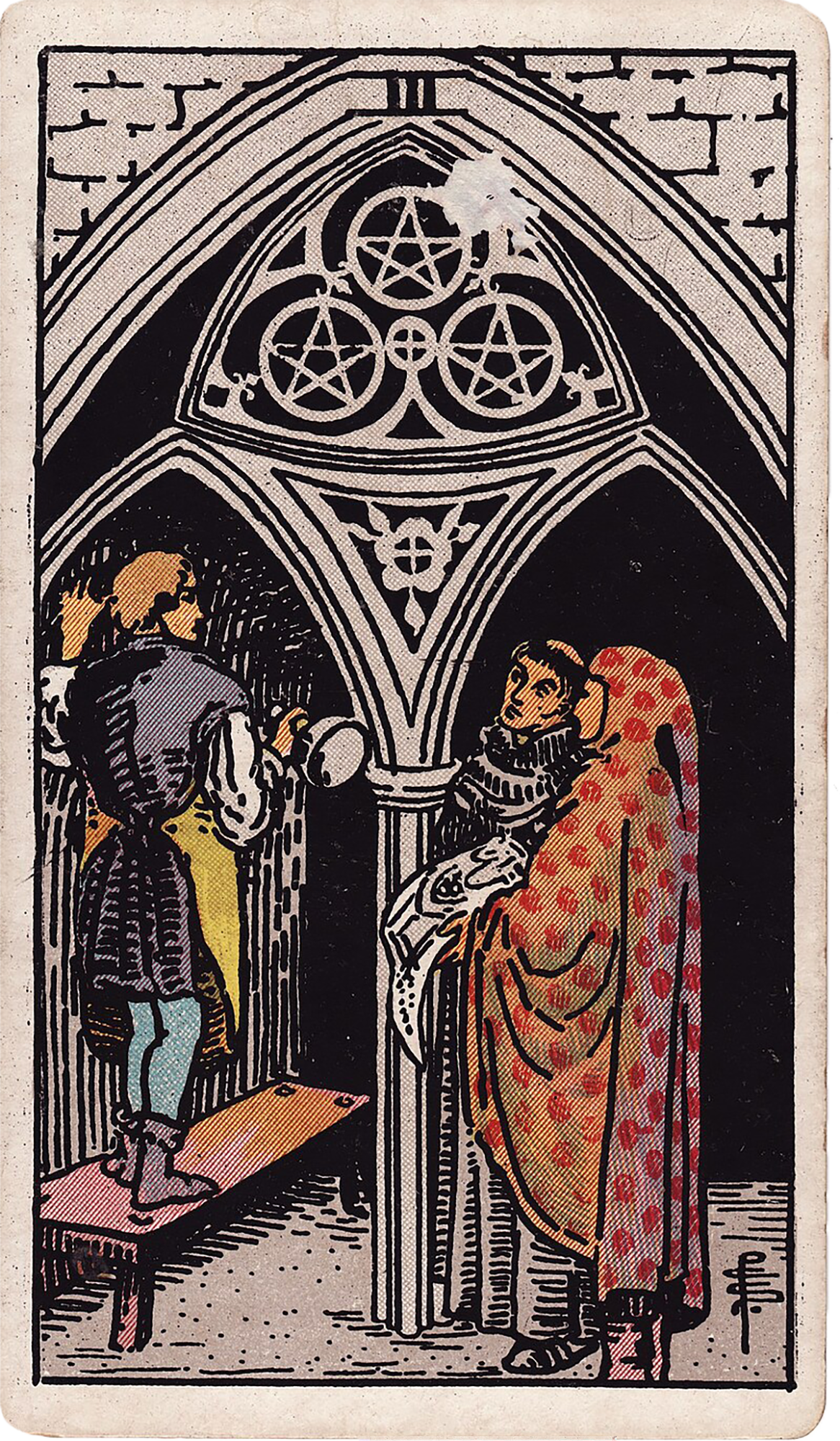 Current Position3 of Pentacles
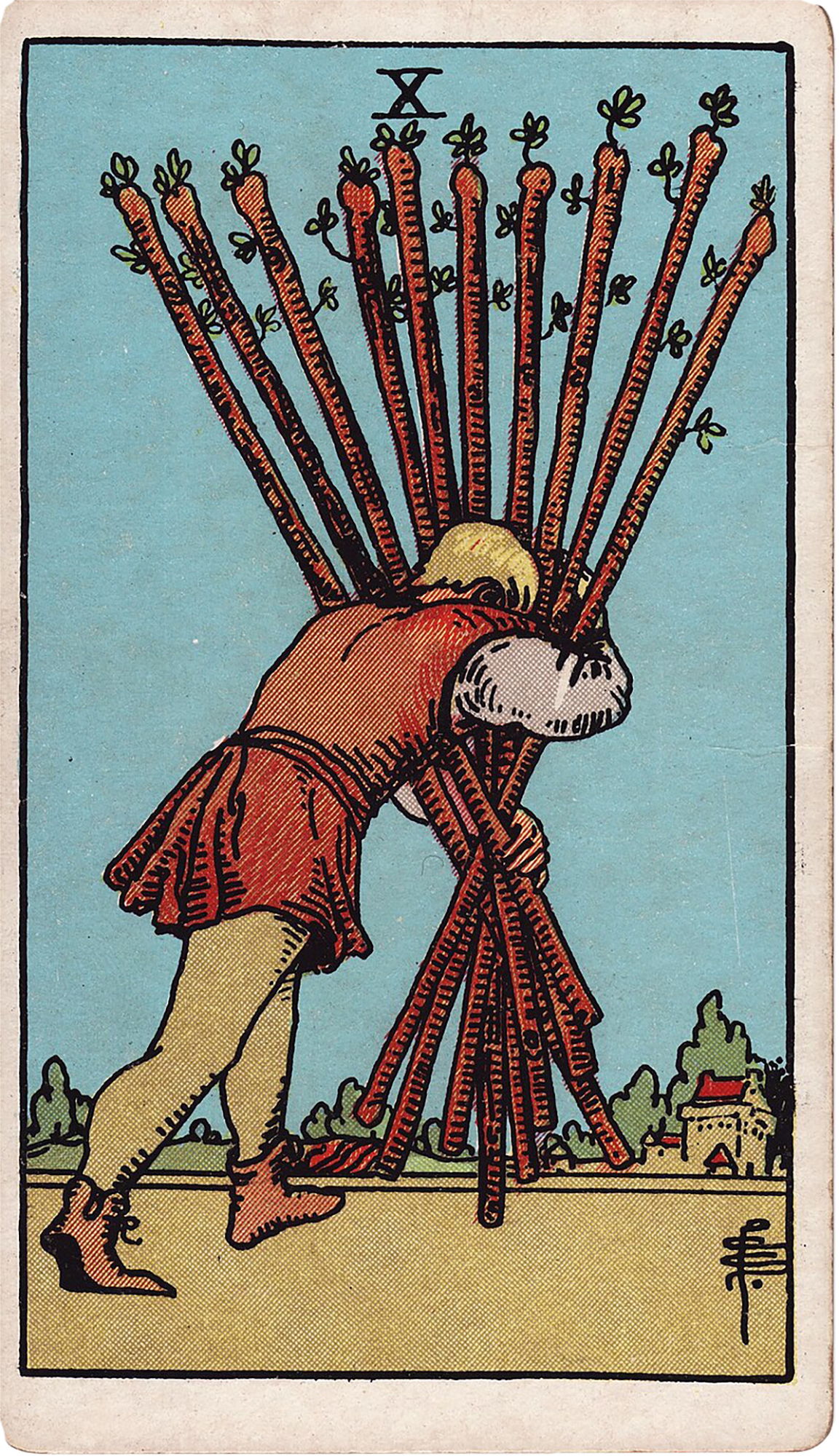 Strength10 of Wands
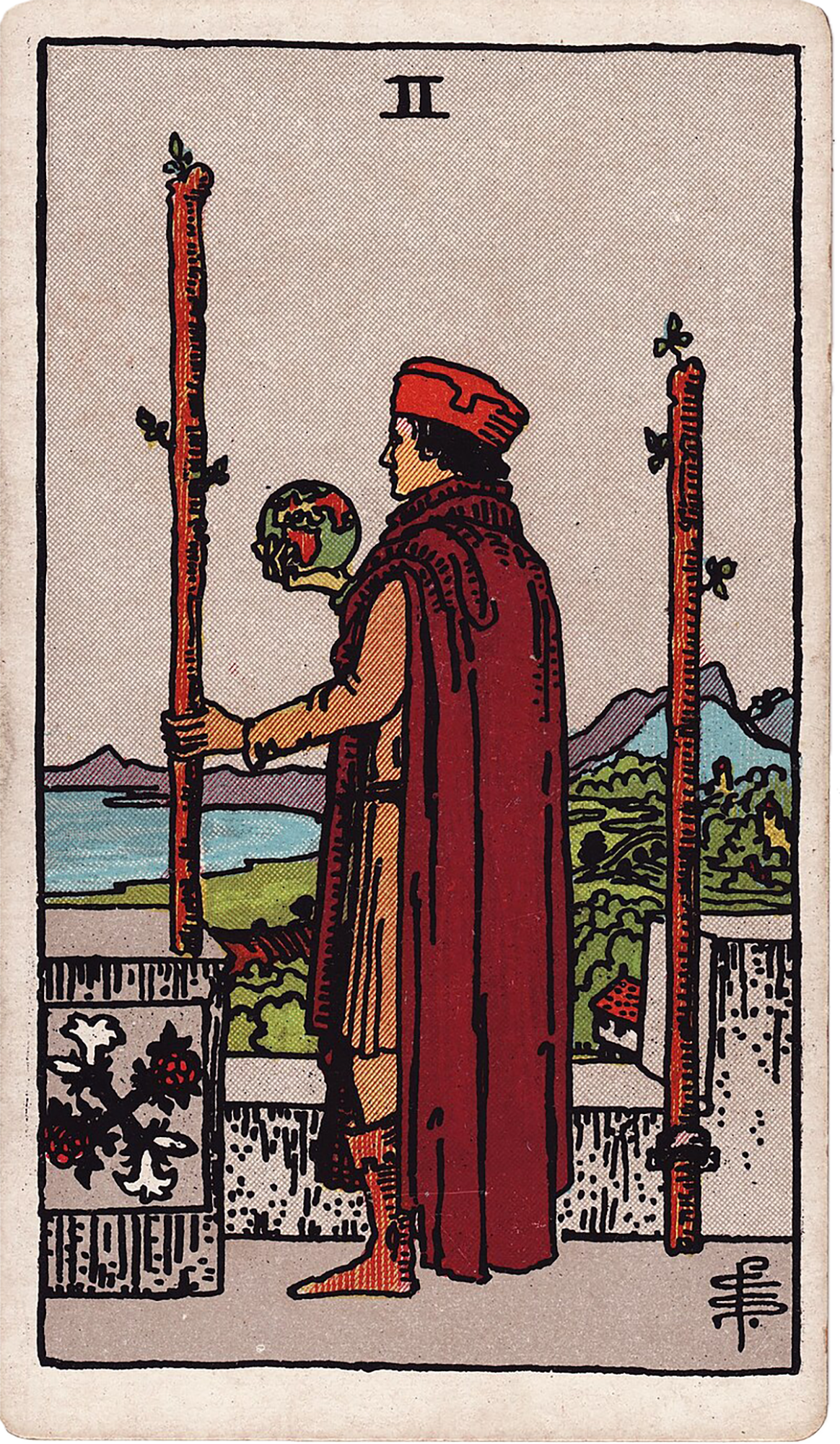 Challenge2 of Wands
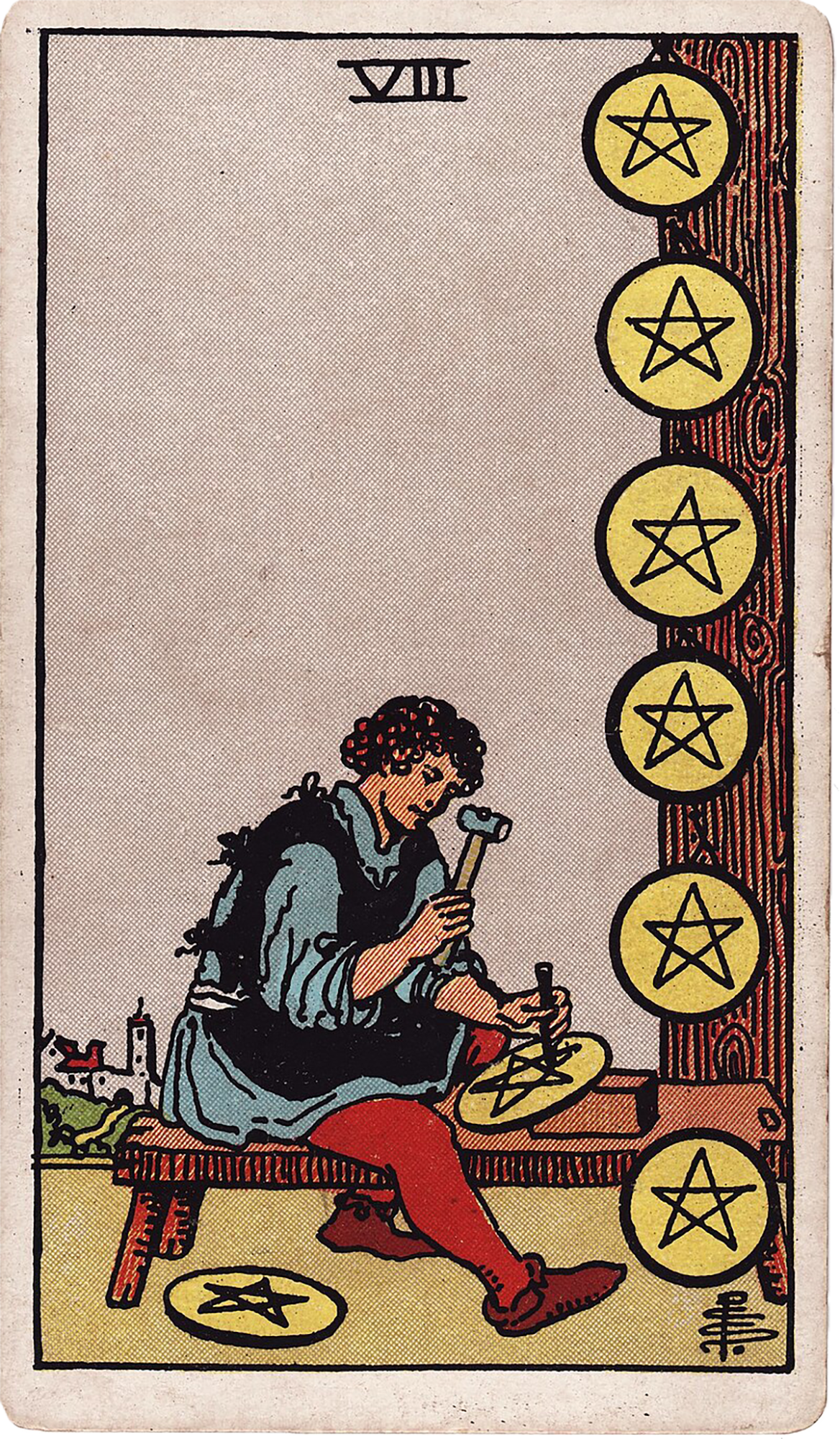 Opportunity8 of Pentacles
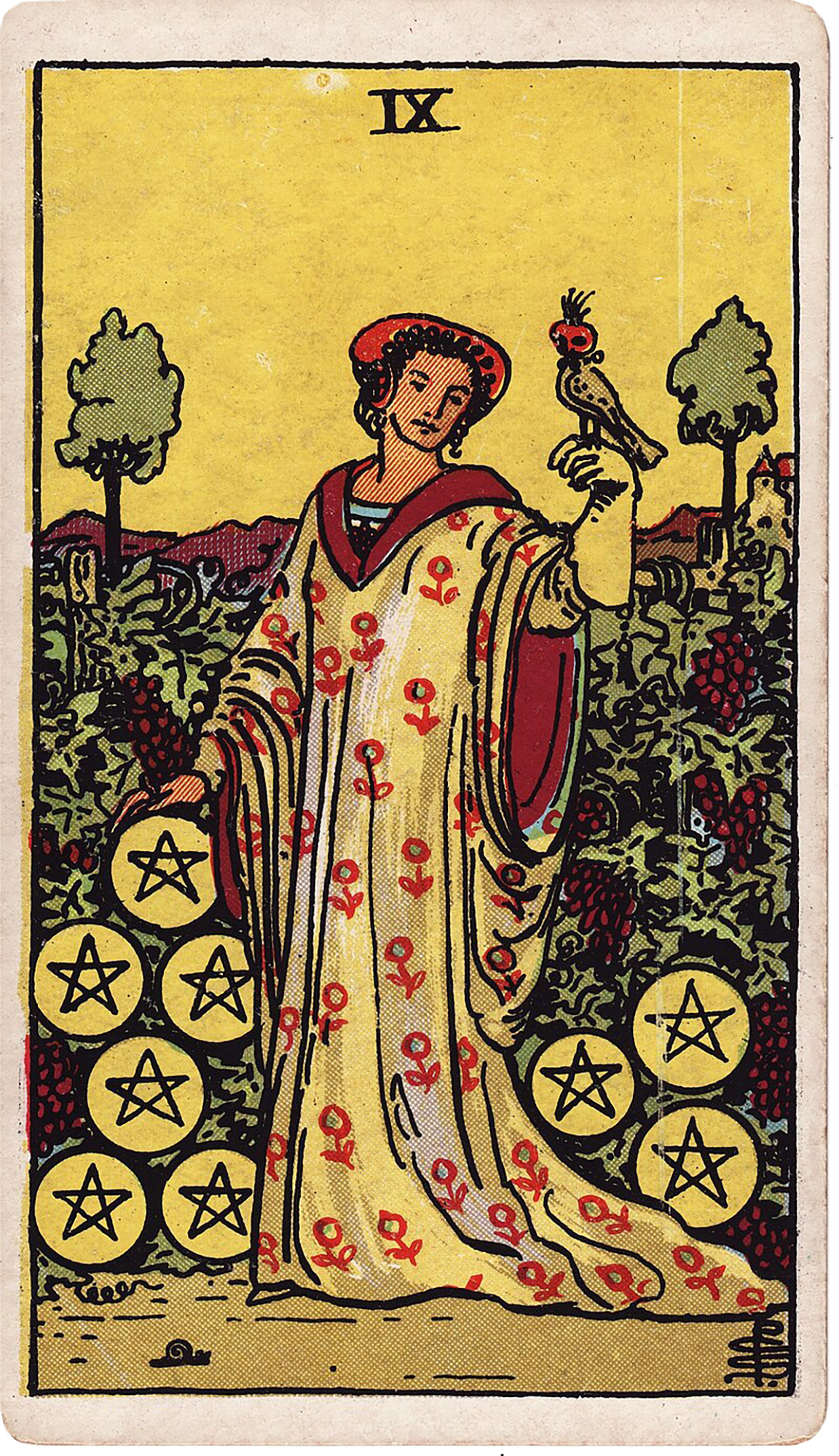 Next Step9 of Pentacles
Introduction and context
This Career Five Card Spread is built for freelancers, solopreneurs, consultants and anyone running a portfolio career: people whose work income comes from multiple projects, clients and roles rather than a single employer. The supplied card images — 2 of Wands, 10 of Wands, 3 of Pentacles, 8 of Pentacles and 9 of Pentacles — are the only cards used in this worked spread. Throughout the article we will repeatedly anchor meanings and technique to those exact images and their conventional Rider‑Waite‑Smith symbolism so the spread feels visually connected to the displayed cards. The spread uses five positions in a simple, left-to-right layout labeled: Current Position, Strength, Challenge, Opportunity and Next Step. In a reading the cards map a short strategic arc: where you are now, what helps, what blocks you, where to invest, and an actionable next step.
Layout and quick instructions
Set the cards in a horizontal row or a small fan. Position labels in order: Current Position (leftmost), Strength, Challenge, Opportunity, Next Step (rightmost). Use a clear intention: a concise question about your freelance life or portfolio direction (for example: "How should I structure my services to increase recurring income?" or "Which skill should I prioritize to make my portfolio career more stable?"). Shuffle until your mind quiets, then draw five cards and place them in the five labeled positions. For this worked example we will use the supplied cards in the supplied order: 2 of Wands in Current Position, 10 of Wands in Strength, 3 of Pentacles in Challenge, 8 of Pentacles in Opportunity, 9 of Pentacles in Next Step.
Why this spread works for freelancers
Freelancers balance vision and craft, client relationships and financial stability. This spread mirrors that balance: the Wands card (2 of Wands) sits at the beginning as a card of planning and expansion; the Wands 10 in Strength represents management of load and ambition; the Pentacles cards (3, 8, 9) describe teamwork, practice and earned independence — core themes for portfolio careers. The five positions encourage a movement from intention (Current) through capacity (Strength), obstruction (Challenge), refinement (Opportunity) to a practical, material result (Next Step). That arc helps you translate insight into a concrete action plan.
Position 1 — Current Position: 2 of Wands (upright imagery and meaning)
Card and image: The 2 of Wands traditionally shows a figure standing on battlements holding a globe, with one wand beside them and another fixed to the wall. The imagery is of surveying a landscape and weighing possibilities. Upright meaning: moving from inspiration to strategy, comparing options and deciding how far to expand beyond familiar territory. For freelancers this card often signals a period of planning, choosing which direction to develop, or identifying which revenue streams to grow. Notice the globe in the figure's hand: that visual ties to long-term perspective, market reach or a product idea. The battlements suggest a solid base to launch from — perhaps a reliable client or a signature service.
How to read 2 of Wands in Current Position for freelancing
Questions to ask looking at the image and meaning: What option am I realistically comparing? Which small expansion is on the table — a new market, a productized service, a partnership? The card asks for practical next-step thinking, not daydreaming; use it to identify one experiment you can test within four to eight weeks. If the 2 of Wands appears reversed in your own deck, the supplied reversed text highlights indecision or fear of expansion — in that case prioritize simplification and risk-framed experiments rather than large leaps. Because the figure is both ready and cautious, treat Current Position as an invitation to set metrics: what will success look like at the end of the test?
Position 2 — Strength: 10 of Wands (upright imagery and meaning)
Card and image: The Rider‑Waite image for 10 of Wands shows a man bent under the weight of ten wands as he carries them home. Upright meaning: responsibility has accumulated into weight; completion may be close, but the load must be organized, delegated or reduced. Strength in this spread indicates the personal or structural asset you can rely on. For a freelancer, seeing the 10 of Wands as Strength often points to determination, ability to shoulder many roles, a reputation for reliability or a pipeline that's active — even if heavy. The card's strength is endurance and momentum: you can complete projects, meet deadlines and keep multiple commitments.
How to use 10 of Wands as a resource
Recognize the double-edged nature of this asset. The image shows both accomplishment and overload. In advisory terms: map what you are carrying and categorize tasks that must remain with you (strategy, client relationships) versus tasks you can delegate (bookkeeping, admin, parts of production). The upright card authorizes you to rely on this capacity temporarily, but it flags a need to organize — make a delegation plan or pricing model that rewards scope management. If 10 of Wands were reversed in your reading the supplied reversed description suggests collapse under pressure or a necessary release; treat reversed as a stronger signal to immediately cut or outsource.
Position 3 — Challenge: 3 of Pentacles (upright imagery and meaning)
Card and image: The 3 of Pentacles shows a craftsman working on a cathedral or a commissioned piece while two figures observe and discuss. Upright meaning: skill becomes stronger through collaboration, feedback and respect for different forms of expertise. As Challenge, the 3 of Pentacles points to issues around teamwork, recognition, quality standards or accepting feedback. For freelancers this can mean difficulty collaborating with clients or contractors, unclear briefs, inconsistent standards on collaborative projects or low recognition from partners who should be advocating for you.
Practical methods to address 3 of Pentacles as a challenge
Use the card's image to diagnose: who are the two figures watching? Are they clients, collaborators, gatekeepers? The challenge may be in communication, expectations, or valuation of craft. Actionable steps: create clearer contracts and deliverable checklists, schedule regular check-ins where feedback is structured, define standards and scope before you start work, and cultivate a small circle of trusted peers for quality review. If your 3 of Pentacles appears reversed in a real spread the provided reversal indicates poor teamwork or low standards — escalate the need for boundary-setting and clearer project governance.
Position 4 — Opportunity: 8 of Pentacles (upright imagery and meaning)
Card and image: The 8 of Pentacles depicts an apprentice focused intently on carving pentacles — a visual of repetitive work and skill-building. Upright meaning: focused practice, skill-building and improvement through repetition; quality grows through attention to process. In Opportunity position the 8 of Pentacles highlights the most promising path for growth: invest time in deliberate practice, craft improvement, productization of work, or creating repeatable processes. For a portfolio career this card often recommends building a robust body of work or templates that allow scaling without diluting quality.
Translating 8 of Pentacles into a concrete plan
Frame a 6–12 week learning or productization sprint. Possible actions: create a signature offering (a template or productized package), document your process as standard operating procedures, run a small paid pilot to refine delivery, or dedicate regular hours to skill sharpening that increases your rate. The apprentice in the image reminds you: mastery is incremental. The Opportunity is not flashy expansion but solid, repeatable craft that compounds. If the 8 of Pentacles appeared reversed, the supplied reversal would warn against perfectionism or stagnation — in which case set timeboxes and quality thresholds to avoid endless tinkering.
Position 5 — Next Step: 9 of Pentacles (upright imagery and meaning)
Card and image: The 9 of Pentacles traditionally shows a figure in a cultivated garden with a falcon at hand, symbolizing earned independence and refined competence. Upright meaning: earned independence, competence and the ability to enjoy results without needing constant external validation. As the Next Step the 9 of Pentacles points to actions that move you toward self-sufficiency and scaled independence: tightening client selection, formalizing passive or recurring income, or setting financial and lifestyle boundaries that let you enjoy your work and its fruits.
Concrete Next Steps suggested by 9 of Pentacles
Use the image of the garden and falcon as a checklist: prune offerings that drain energy, invest in stable revenue (retainers, recurring products), and build systems that allow leisure and independence. Specific tasks: set a target for monthly recurring revenue, create a process for client screening, raise prices if your skill level now justifies it, and automate bookkeeping or onboarding. The 9 of Pentacles encourages actions that maintain quality of life as part of financial strategy. If reversed, the supplied reversal warns of isolation or hidden dependence — check whether independence is genuine or a fragile presentation.
Card-to-card relationships and thematic movement
Reading the five cards as a sequence reveals a clear thematic movement: the 2 of Wands (Current) establishes planning and decision; the 10 of Wands (Strength) shows that you have capacity and momentum but also a burden; the 3 of Pentacles (Challenge) indicates that collaboration and standards could be impeding progress; the 8 of Pentacles (Opportunity) points to craft refinement as the growth lever; and the 9 of Pentacles (Next Step) offers the end-goal of earned independence. Notice the suit shift: two Wands followed by three Pentacles shows a transition from intention and ambition (Wands) into material work and skill (Pentacles). That transition is exactly what freelancers must manage: turning ideas into paid, repeatable work. Read the 10 of Wands not just as overload but as the muscle that will carry a disciplined 8 of Pentacles effort into the 9 of Pentacles outcome — provided the 3 of Pentacles challenge around collaboration is solved. Key relationships to watch: 2 of Wands ↔ 10 of Wands (vision vs capacity), 10 of Wands ↔ 3 of Pentacles (can you distribute load via collaboration?), 8 of Pentacles ↔ 9 of Pentacles (practice leads to independence).
Worked example: an applied freelancing scenario
Imagine a freelance UX designer named Ana who wants to move from hourly work into productized UX packages. Using the supplied card placements: Current Position — 2 of Wands: Ana is at the planning stage; she’s comparing options of packaging services or building a template product. Strength — 10 of Wands: she has the discipline and client commitments to fund a transition but is carrying a heavy load. Challenge — 3 of Pentacles: her collaborators (developers, copywriters) are inconsistent, and clients give unclear briefs. Opportunity — 8 of Pentacles: by running a focused sprint to create a repeatable onboarding and deliverable template, she can improve quality and speed. Next Step — 9 of Pentacles: set a pilot for three productized packages with clear pricing and a client screening form to attract the right clients and create space for independence. The reading’s logic leads to an actionable plan: pare down work, delegate or automate admin, run a productization experiment, and move toward income stability that supports autonomy. Notice how each supplied image informed a practical step: the globe and battlements of 2 of Wands identified strategy; the weight in 10 of Wands signalled the need for delegation; the craftsman in 3 of Pentacles focused attention on standards; the apprentice in 8 of Pentacles recommended deliberate practice; and the cultivated garden of 9 of Pentacles set the independence goal.
Practical reading method and technique for learners
1) Prepare: choose a quiet space and a concise question. 2) Shuffle with intention until you feel ready; name the five positions aloud or on paper. 3) Lay out five cards left-to-right or in a slight arc. 4) Record the cards and take a photo of the spread (this helps later comparison). 5) Start with literal image observation: who, what, where in each supplied card image? Note emotional tone. 6) Apply the conventional upright/reversed meanings from the supplied card texts — since the supplied images will be displayed, use their imagery first to ground interpretation, then the conventional text to expand. 7) Read relationships — ask how each card affects the next (see the relationship guidance earlier). 8) Translate into 1–3 concrete, time-bound actions (example: run a 6‑week pilot, delegate two tasks, implement a client screening checklist). 9) Close the reading by summarizing in one paragraph and one immediate action you can complete within 48 hours. Timing: allow 20–45 minutes for a careful reading and journaling. Repeat the spread monthly or whenever a major decision about your portfolio occurs.
Common mistakes and troubleshooting
Mistake 1: treating the spread as deterministic — this method is a decision-support tool, not fate. Mistake 2: reading single cards in isolation — always synthesize across positions. Mistake 3: ignoring Rider‑Waite imagery — since the public article displays the supplied images, use them; small visual cues (the globe, the apprentice's focus, the falcon) are evidence you can cite to support interpretation. Mistake 4: overcomplicating reversals — if a card is reversed, follow the supplied reversed text and, more importantly, ask where the process is stuck. Mistake 5: producing vague actions — convert insights into specific steps with deadlines. Troubleshooting tip: if the 3 of Pentacles as challenge feels vague, ask: who needs to agree for this project to work? If you can’t answer, that is the problem to solve.
How to practice and build reading skill with this spread
Practice rounds: • Single‑card focus: pick one card position per week and journal how the image and meaning show up in your week. • Monthly check: run the full five‑card spread at the start of each month and measure one metric tied to your Next Step. • Peer practice: swap spreads with a fellow freelancer and compare how each reads the 3 of Pentacles’ collaborative dynamics. Keep a reading log noting date, question, the five cards, three insights and your 48‑hour action. Over time you will learn patterns (for example, you may often get 10 of Wands as Strength — a personal signature that flags the need for delegation).
Final synthesis and responsible use
This Career Five Card Spread, using the supplied images 2 of Wands, 10 of Wands, 3 of Pentacles, 8 of Pentacles and 9 of Pentacles, maps a practical path from intention into material stability. It asks you to convert vision (2 of Wands) into organized effort (10 of Wands), clear collaboration (resolve 3 of Pentacles issues), disciplined practice or productization (8 of Pentacles), and finally to design for earned independence (9 of Pentacles). Use the imagery to anchor meaning and always translate readings into concrete steps. Read responsibly: use this spread to inform decisions and experiments, not to avoid them. With practice it becomes a compact career strategy tool that connects symbolic insight to measurable action.
Practice questions
• Looking at the 2 of Wands image, what specific option am I most drawn to expand and why?
• Which tasks am I carrying that mirror the burden in 10 of Wands, and which can I realistically delegate this month?
• Who are the 'two figures' in the 3 of Pentacles for my situation — clients, collaborators, or gatekeepers — and how can I improve communication with them?
• What one repetitive process or skill could I sharpen during the next 6–12 weeks that would move me toward the 8 of Pentacles outcome?
• What practical change (pricing, screening, automation) would make my next month feel more like the 9 of Pentacles?
• If one of the supplied cards appeared reversed in my reading, where in the project lifecycle is the process stuck and what small action releases it?
• Which metric will show progress toward the Next Step and how will I track it for 6 weeks?
• After this reading, what is one 48‑hour action I can complete that aligns with the spread?
Comments
Sign in to comment.
Continue learning
Mastering Decision Making with the Five Card Cross Tarot Spread
The Five Card Cross Tarot Spread is a powerful tool for deepening decision-making skills by examining the present situation, past influences, future possibilities, challenges, and...
Using the Five Card Cross Spread to Unlock Career Path Clarity
The Five Card Cross Spread is a versatile and insightful layout particularly useful for clarifying complex questions such as career direction. This article guides learners through...
Using the Five Card Cross Spread to Clarify Conflicting Priorities in Decision Making
The Five Card Cross is a versatile spread ideal for clarifying complex situations involving conflicting priorities. This article explores how to use it for decision making by inter...
Mastering the Celtic Cross Spread for Detailed Life and Decision Insights
The Celtic Cross is a foundational Tarot spread widely used for deep and nuanced readings about life situations and decisions. This article offers a comprehensive guide to masterin...
Using the Five Card Decision Spread to Navigate Conflicting Priorities with Confidence
The Five Card Decision Spread is a practical Tarot layout designed to help readers clarify and resolve conflicting priorities by examining options, hidden factors, and advice. This...
Mastering the Seven Card Horseshoe Spread for Effective Career and Life Decision Making
This article provides an in-depth exploration of the Seven Card Horseshoe Tarot Spread, a versatile layout ideal for career and life decision-making. Using supplied cards such as t...
Mastering the Seven Card Horseshoe Spread for Practical Life Decisions and Goal Setting
The Seven Card Horseshoe Spread is a versatile and practical Tarot layout ideal for navigating real-life decisions and clarifying goals. This article unpacks the spread's structure...
Mastering the Five Card Decision Spread for Confident Practical Life Choices
This article offers an in-depth exploration of the Five Card Decision Spread, a practical Tarot layout designed to help readers make grounded, confident choices in everyday life. U...
Career Five Card Spread for Networking Growth and Personal Branding
This article teaches the Career Five Card Spread, a focused layout for people working on networking growth and personal branding. Using the supplied cards in order—The Emperor (Cur...
Map Transferable Skills and Plan Career Pivots with the Career Five Card Spread
This article teaches a five-card vocational spread—the Career Five Card Spread—using the displayed cards in order: 2 of Wands (Current Position), 3 of Pentacles (Strength), 7 of Pe...