
Career Five Card Spread for Networking Growth and Personal Branding
This article teaches the Career Five Card Spread, a focused layout for people working on networking growth and personal branding. Using the supplied cards in order—The Emperor (Current Position), 2 of Wands (Strength), Page of Wands (Challenge), 3 of Pentacles (Opportunity), and 8 of Pentacles (Next Step)—the guide explains how to read each position, relate images and symbols from the Rider-Waite-Smith tradition, combine cards into actionable advice, and reproduce the spread for practice. It includes a worked interpretation, practical tools, common mistakes, and reflection prompts to help learners translate tarot reading into real-world networking strategies.
Career Five
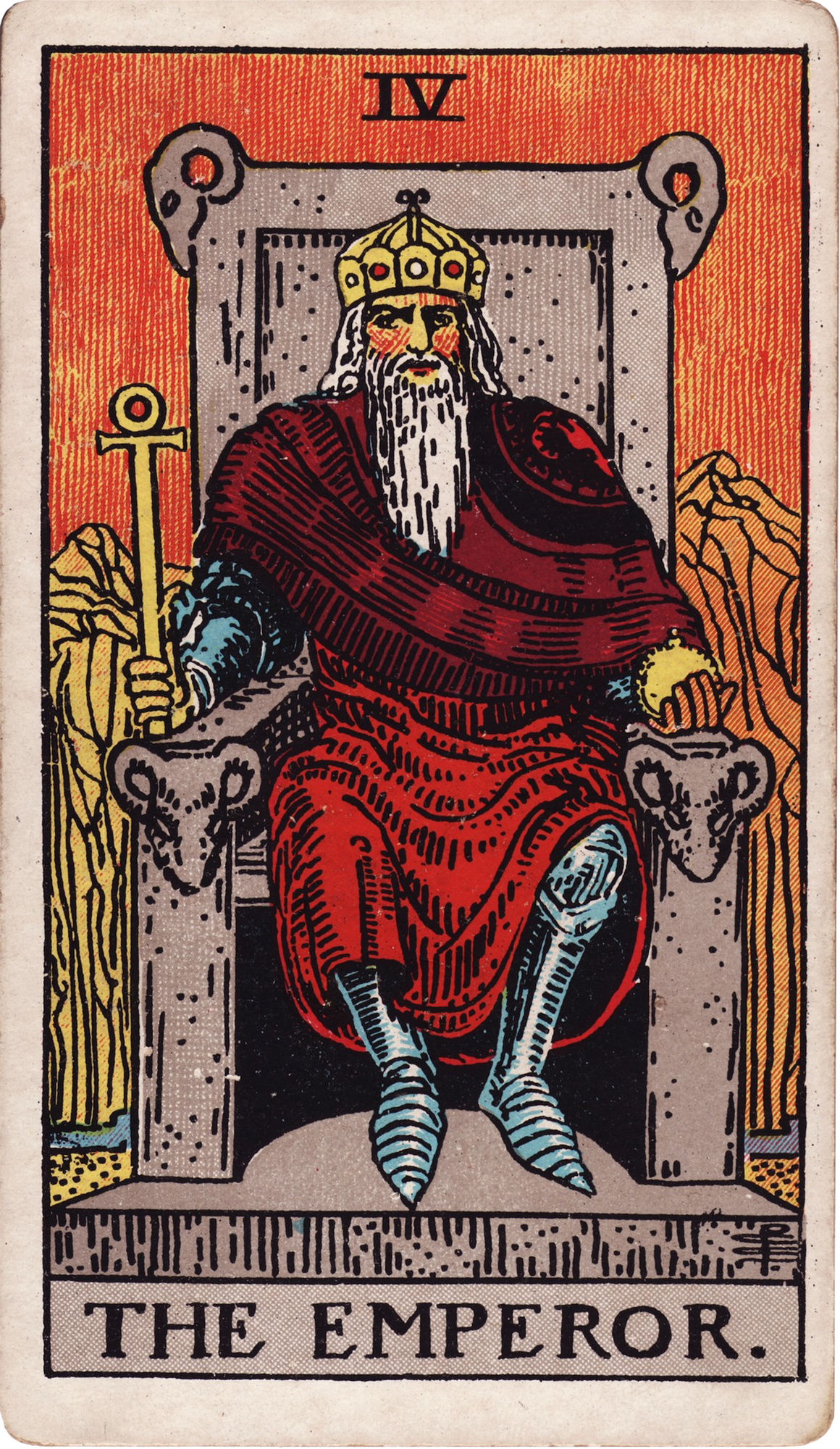 Current PositionThe Emperor
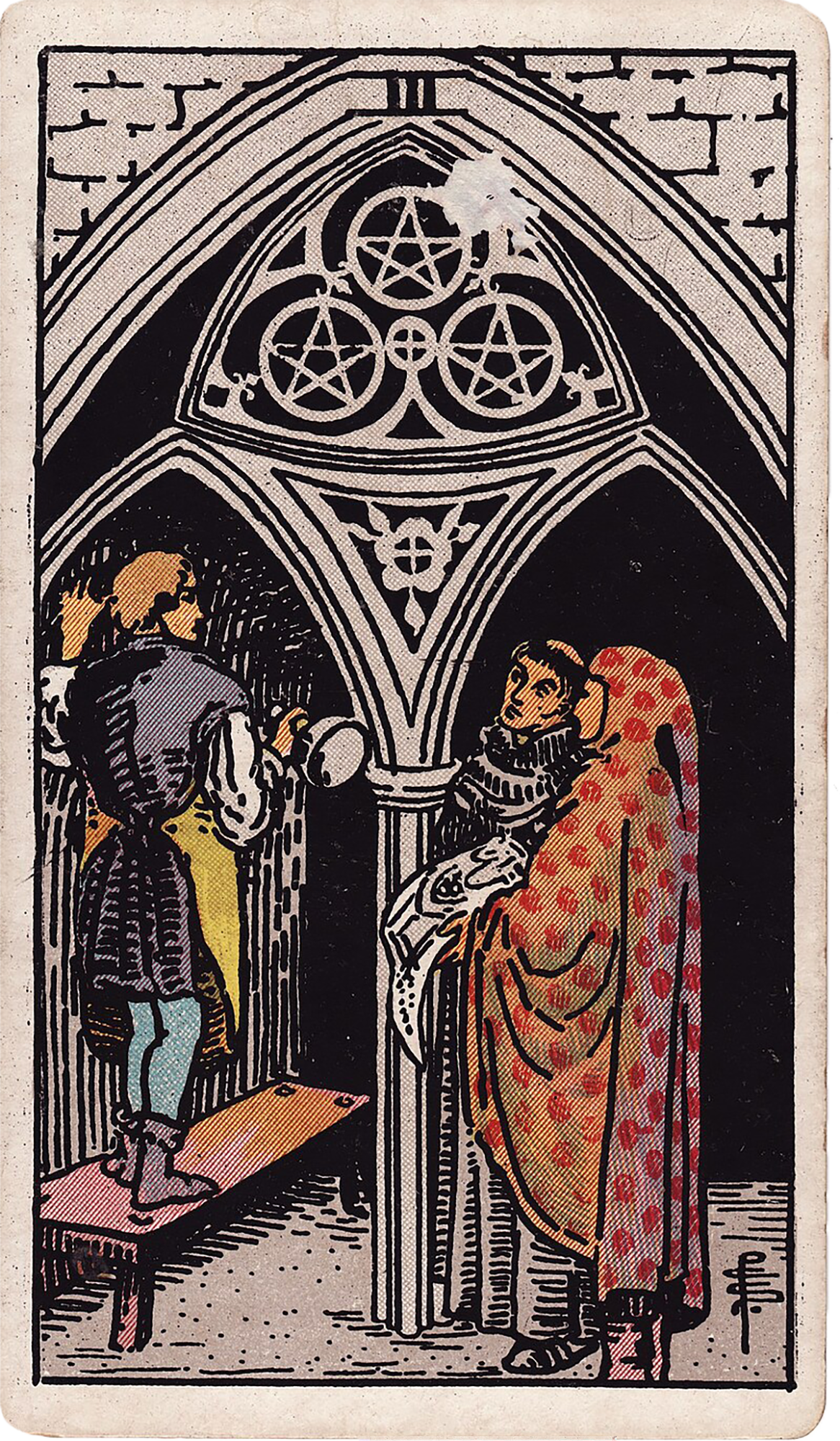 Strength3 of Pentacles
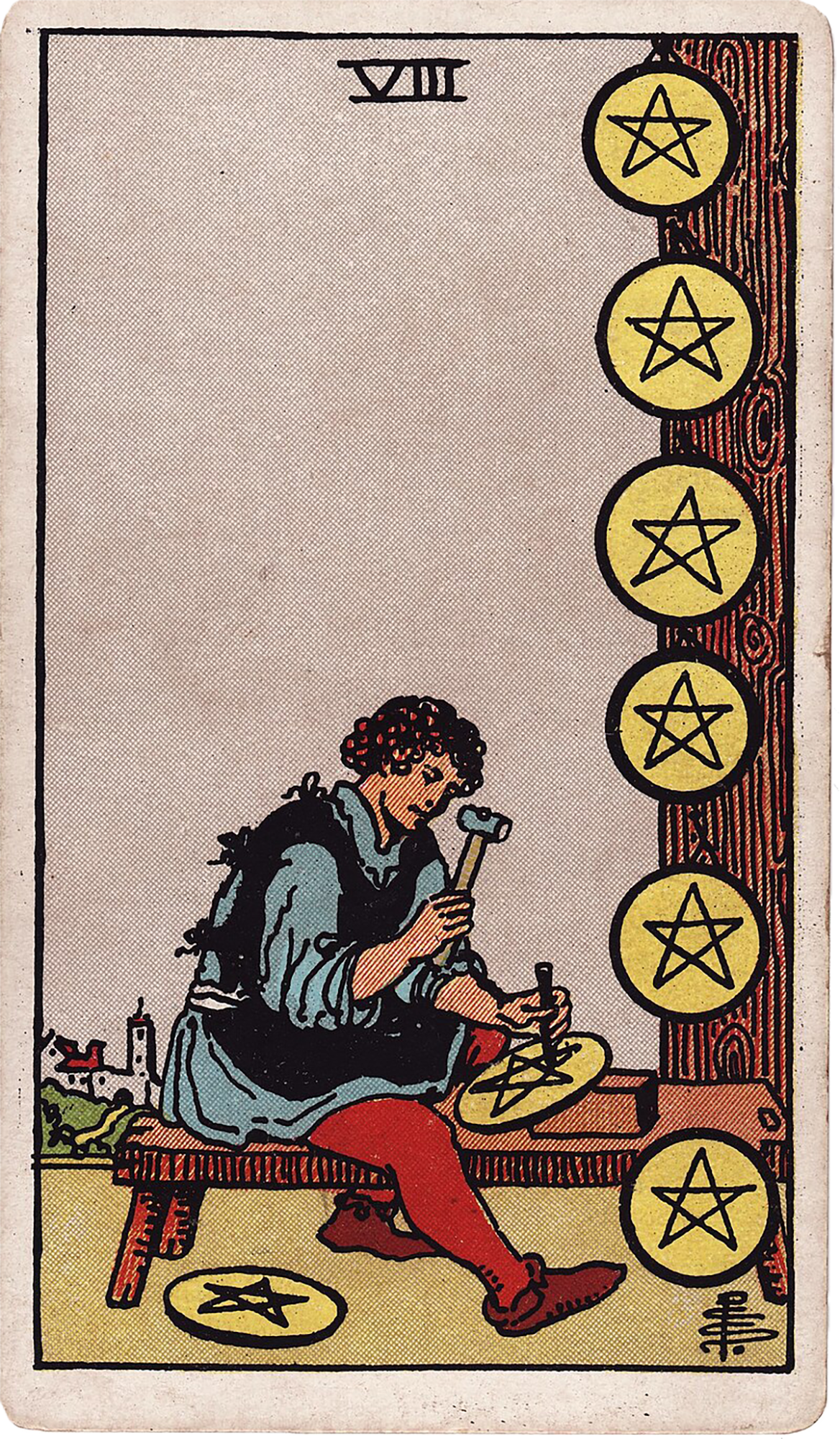 Challenge8 of Pentacles
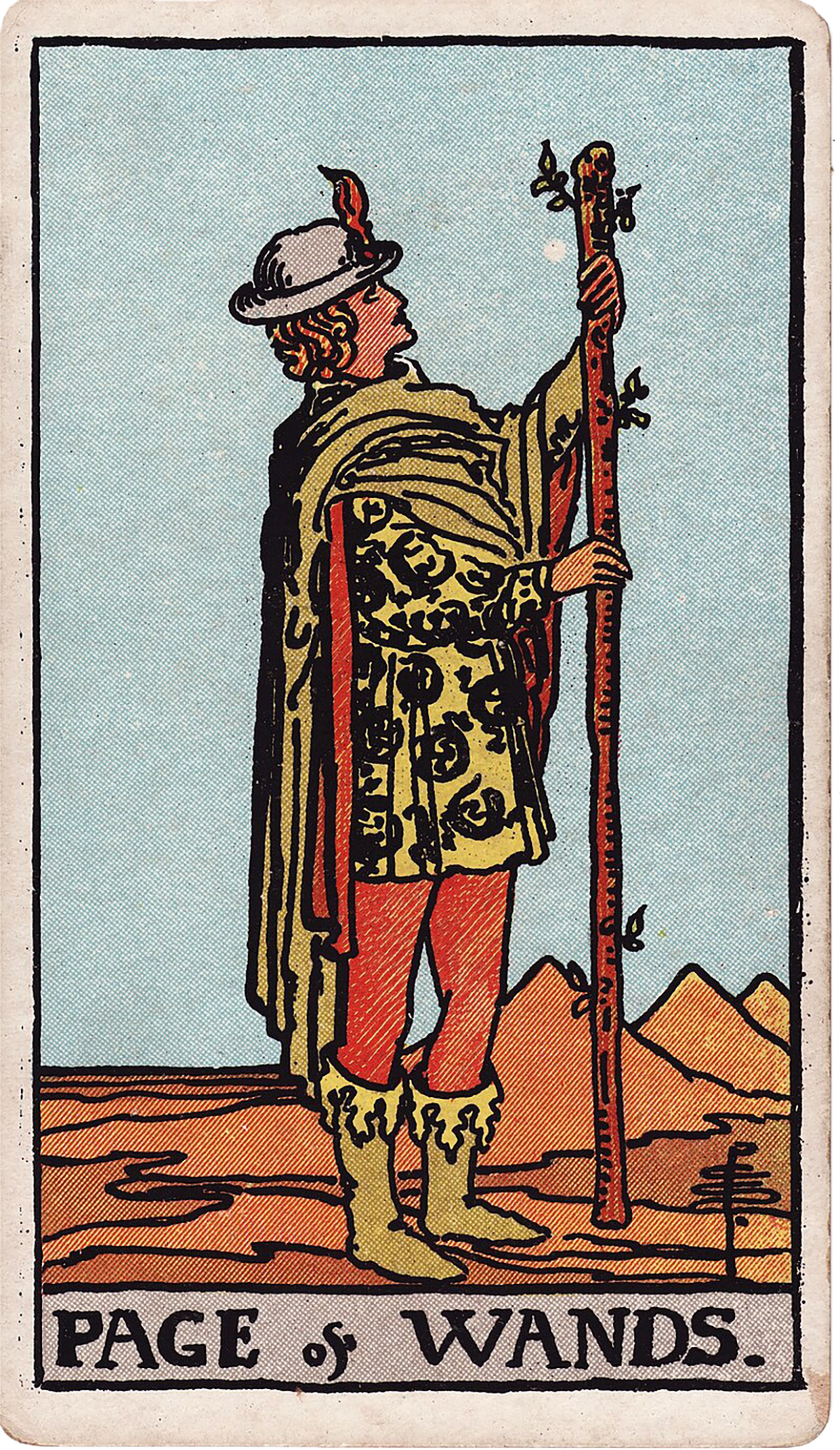 OpportunityPage of Wands
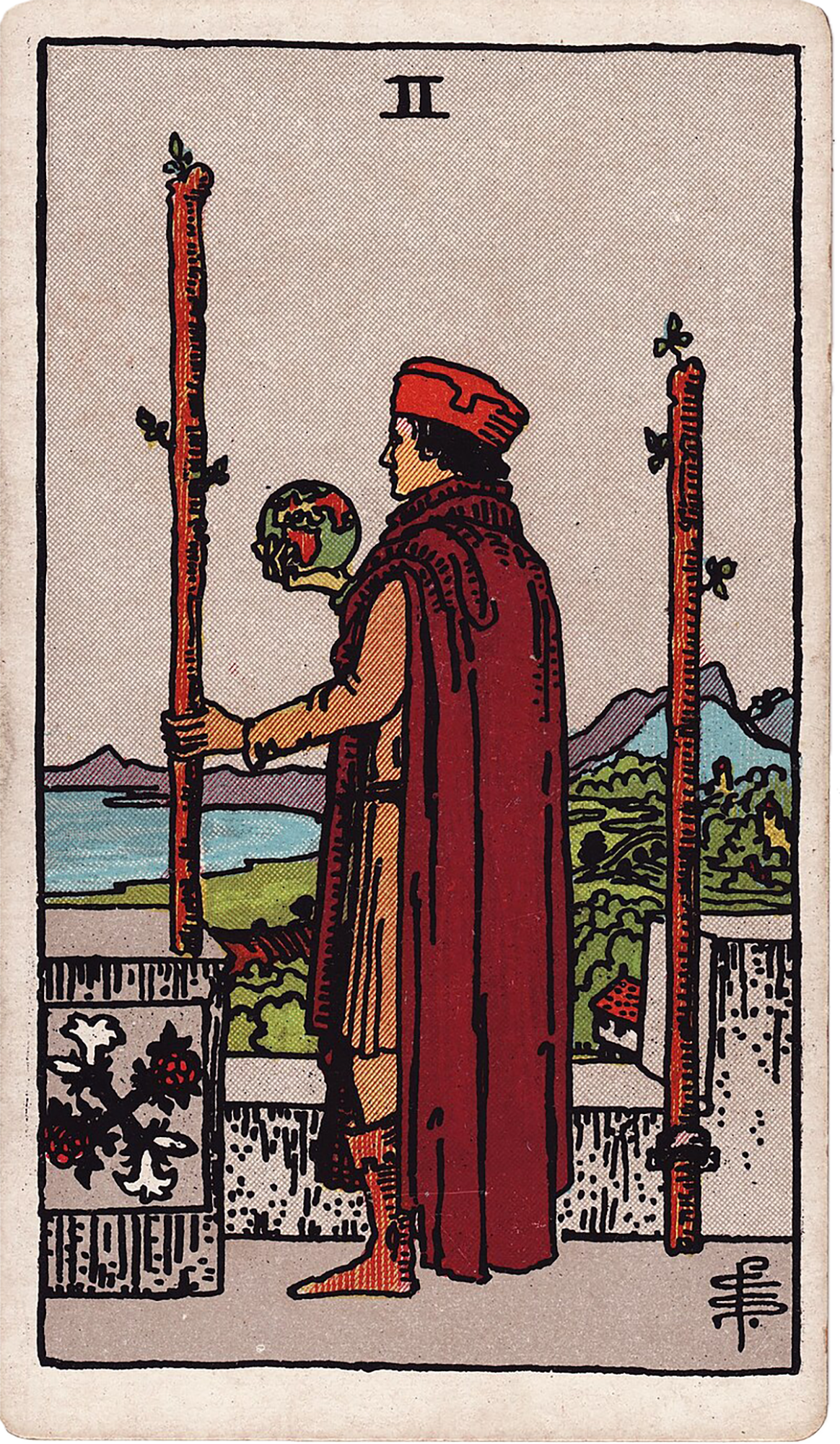 Next Step2 of Wands
Introduction and Purpose
What this spread does: The Career Five Card Spread is designed to give concise, practical guidance for networking growth and personal branding. It takes five related perspectives: where you are now (Current Position), what internal resource or pattern supports you (Strength), what is blocking or testing you (Challenge), where the best opportunity lies (Opportunity), and the immediate practical next step (Next Step). The supplied cards are displayed with their images and are used in the exact order provided. The reading is deliberately focused on development and action rather than prophecy. Why these cards are used here: The five supplied cards form a coherent story for career and public-facing work. The Emperor anchors leadership and structure; 2 of Wands shows planning and expansion; Page of Wands brings beginner-fire energy and potential stumbling blocks; 3 of Pentacles highlights collaboration and reputation-building through craft; and 8 of Pentacles points to disciplined skill development. Throughout the article I will anchor interpretations to the visible Rider-Waite-Smith symbolism in each supplied image so learners can connect meaning to what they see on the cards, and to the upright/reversed practical definitions provided for each card.
Layout and Position Definitions
Use this layout precisely. Lay five cards left to right in a row. Position labels and their order (use exact labels): 1) Current Position, 2) Strength, 3) Challenge, 4) Opportunity, 5) Next Step. How each position functions for career networking and personal branding: 1) Current Position: Where you actually stand in your professional/nodal network and brand presence. This is descriptive, not prescriptive. In this worked spread the card here is The Emperor—we will read that as the present organizing energy. 2) Strength: A resource you can call on reliably—a pattern, skill, or trait that supports your networking and brand strategy. This is often an internal habit or external asset. Here it is the 2 of Wands. 3) Challenge: The main obstacle or recurring tension that could undermine progress. This should highlight what requires attention or transformation. In this spread it is the Page of Wands. 4) Opportunity: Where scale, visibility, collaboration or leverage is most available if you choose to act. This is where you can grow influence or reputation. The card here is 3 of Pentacles. 5) Next Step: A concrete, achievable action that moves you toward the Opportunity while neutralizing the Challenge and using the Strength. The final card here is 8 of Pentacles, offering a practical step. Practical note on reading reversals: Use the supplied upright/reversed descriptions for each card. If you pull a reversed card, treat it as a blocked or internalized form of the upright quality and focus on how to restore balance. For practice here we assume the supplied cards as presented in the reading order; if they appear reversed when you reproduce the spread record that orientation because it changes nuance in each position.
Card 1 Current Position The Emperor
Image and Rider-Waite-Smith symbolism: You will see a stern throne, ram heads, a scepter, an orb and armor under a red cloak—traditional RWS symbols of authority, established structures, and protective discipline. The Emperor is rulership made visible: visible borders, expectations, concrete rules. Upright meaning anchored to career and networking: The provided upright text emphasizes setting clear boundaries, responsibility, creating systems, and choosing disciplined leadership. As Current Position, The Emperor suggests the querent currently identifies with or is operating from a leadership identity. In networking and personal branding this looks like: setting explicit expectations in collaborations, designing processes for follow-up, controlling your public narrative, or being the person who organizes meetups, newsletters or structured outreach. How to read the card in this position: Ask which parts of your public presence are intentionally structured and which are accidental. Use the Emperor's energy constructively: you may already have visible authority or a reputation for reliability. The card advises working with what is present now and taking the next proportionate step rather than waiting for perfect conditions. Look at the throne's ram imagery—ram is Aries energy, initiative and forward motion—so leadership here is active, not passive. If reversed in this position: The Emperor reversed (rigidity, domination, structures that no longer serve) would indicate either over-control in networking—pushing contacts away with strict rules—or a lack of adaptive structure. As Current Position the reversal would signal a need to relax control, make boundaries healthier, and open channels for authentic vulnerability. Because your public brand is often tested by how you manage authority, be mindful of whether your leadership style is attracting or repelling the connections you want.
Card 2 Strength 2 of Wands
Image and symbolism: In the RWS 2 of Wands a figure stands holding a globe, looking out across a landscape or sea—contemplation about expansion, comparing options, deciding where to invest energy. The two wands behind him show a foundation, while the globe indicates awareness of potential reach. Upright meaning anchored to networking: The supplied upright text says this card highlights moving from inspiration to strategy, comparing options and deciding how far to expand. As Strength, 2 of Wands indicates you have practical strategic vision: you are good at sizing up possibilities, prioritizing initiatives, and making early-stage expansions. This is the internal compass that helps you choose which networks to enter, what events to attend, or which collaborations to pursue. How it supports the Emperor in Current Position: The Emperor provides structure; 2 of Wands adds intentioned expansion. Together this combination suggests that your strength is turning ordered systems into strategic plans—establishing processes for outreach rather than ad hoc messaging. The globe in the card confirms you can think about scale; the wands behind the figure show you already have foundations to build from. If reversed: A reversed 2 of Wands would signal fear of expansion or indecision. In Strength position that would appear as a hidden hesitation: you intellectually know where to go but are not committing. If you see that, use the Emperor's practical discipline to build small experiments that reduce risk.
Card 3 Challenge Page of Wands
Image and symbolism: The Page of Wands is a youthful, energetic figure holding a sprouting staff, often standing in a desert landscape. The Page represents messenger energy, curiosity, and the invitation to experiment. Upright meaning anchored to challenge: The upright Page of Wands highlights curiosity, experimentation, and beginner energy. As Challenge this card points to either too much flitting between new ideas or fear of appearing inexperienced. The supplied reversed description also warns of immaturity and inconsistency—useful ways the card can manifest here. How to interpret the Page as the spread's central test: Positioned between Strength (2 of Wands) and Opportunity (3 of Pentacles), the Page often represents the stage where ideas must be translated into visible work. The challenge may be that your experiments (Page energy) lack follow-through or polish, which can undermine networking because first impressions matter. The image of the Page with a single wand indicates initiative but also inexperience; readers should ask: Are my outreaches too casual or underdeveloped? Am I experimenting without documenting outcomes or refining my pitch? Card relationship with The Emperor and 2 of Wands: The Emperor wants deliberate structure, 2 of Wands wants strategic expansion, and the Page wants to test and explore. The tension is constructive: the Page pushes you to try new methods, but without the Emperor's systems and 2 of Wands' planning, experiments may scatter. Use the Emperor's discipline to convert Page impulses into measured pilots: for example, set a one-month trial for a new content format rather than launching many untested ideas at once.
Card 4 Opportunity 3 of Pentacles
Image and symbolism: The RWS 3 of Pentacles shows a craftsman working on a cathedral while two other figures—often a patron and an architect—observe plans and give feedback. The scene emphasizes collaboration, public work, and recognition of craft. Upright meaning anchored to networking and brand: The supplied upright 3 of Pentacles highlights skill strengthened through collaboration, feedback and respect for expertise. As the Opportunity, this card singles out collaborative projects, visible craftsmanship, and co-created work as the fastest path to growth. Concretely for networking: co-host a workshop, contribute to a community project, or join a visible team where your work is credited. How the 3 of Pentacles connects to the Page of Wands challenge: The Page wants to experiment; the 3 of Pentacles points to the best place to do that is within structured collaboration. Instead of experimenting in isolation or publicly with unrefined prototypes, partner with peers or mentors who can help provide standards and public polish. The cathedral scene in the card reminds you that public craft benefits from others' perspectives and formal acknowledgment. Card relationship with the Emperor and 2 of Wands: The Emperor supplies structure and standards; the 3 of Pentacles supplies collaborative frameworks to execute those standards. The 2 of Wands supplies strategic direction: which collaborations to choose that align with scale. Together they indicate that opportunities will show up where your leadership and planning meet skilled teamwork—formal projects, committees, guest columns, or co-branded initiatives.
Card 5 Next Step 8 of Pentacles
Image and symbolism: The 8 of Pentacles shows a craftsman at his bench, repeatedly engraving pentacles with focused attention. The traditional symbolism is about repetition, practice, and dedication to craft. Upright meaning anchored to action: The supplied upright meaning emphasizes focused practice, skill-building, and process attention. As Next Step this card prescribes deliberate skill development that is public or visibly demonstrable. Examples of practical next steps: create a portfolio piece, publish a case study of recent work, practice a talk and record it, or set weekly skill sessions and share progress publicly. How the 8 of Pentacles resolves the spread: The Emperor's structure ensures you commit; 2 of Wands' planning chooses which skills to sharpen; the Page's exploratory energy is channeled into repeatable practice within collaborative settings suggested by 3 of Pentacles. The 8 of Pentacles asks for a sustained, measurable practice—small, repeatable actions that accumulate into professional reputation and better networking outcomes. If reversed: A reversed 8 of Pentacles would warn against perfectionism or repetitive behavior without learning. If you find yourself doing busywork or obsessing over tiny details, reorient practice toward visible outcomes and feedback loops so effort becomes meaningful and network-building.
Card-to-Card Relationships and Narrative Logic
Reading cards in sequence gives a narrative arc rather than isolated meanings. Use these relationships to derive strategy: The Emperor (Current) -> 2 of Wands (Strength): The Emperor supplies structure and leadership; the 2 of Wands gives direction. Together this indicates you are already a person who can organize a process and imagine where it should go. Imagine the Emperor setting the policy and the 2 of Wands choosing which territory to enter. 2 of Wands -> Page of Wands (Strength -> Challenge): The strategic thinker (2 of Wands) wants planned expansion while the Page insists on quick experimentation. The friction is timing and polish. The solution is to design short, planned experiments that satisfy the Page's curiosity but follow the 2 of Wands' plan. Page of Wands -> 3 of Pentacles (Challenge -> Opportunity): The Page's experiments are best conducted within collaborative contexts. The 3 of Pentacles offers a venue where beginner energy is supported by mentorship and peer feedback. Use collaborations to increase the Page's likelihood of success and public acceptance. 3 of Pentacles -> 8 of Pentacles (Opportunity -> Next Step): Collaboration highlights what craft matters; the 8 of Pentacles prescribes the practice that will make that craft excellent. This is where the immediate work is focused: skill-building for visible contribution to collaborative projects. The Emperor frames the entire narrative: authority and structure should be used not to control experiments but to create reliable frameworks for growth. The sequence moves from identity and structure (Emperor) through strategy (2 of Wands), testing (Page), collaborative leverage (3 of Pentacles), and disciplined practice (8 of Pentacles).
Worked Example: How this looks for a Networking Project Manager
Context: Imagine a project manager named Maya who wants to grow her presence as a community connector and thought leader in her industry. Card readings applied: - Current Position The Emperor: Maya currently acts as an organizer who sets expectations, runs meetings and creates formal processes for events. Her brand is reliable and authoritative. - Strength 2 of Wands: She can plan expansions—identify target communities and create scalable outreach plans. She maps where to invest time. - Challenge Page of Wands: She finds herself chasing new content ideas and prototypes but not finishing them or testing them with structure; sometimes she worries about looking inexperienced when trying new formats. - Opportunity 3 of Pentacles: A local professional association is planning a workshop and is inviting collaborators. This offers a visible place to present work, receive feedback and earn public credit. - Next Step 8 of Pentacles: The practical next step is to prepare one workshop module, rehearse it twice, collect feedback, and create a single polished resource (a 10-minute talk and one slide handout). Then post the handout and request testimonials. Action plan from the narrative: Use the Emperor's systems to create a rehearsal schedule (Emperor + 8 of Pentacles), choose the best audience from 2 of Wands, treat the Page's experiments as pilot content with a fixed duration, and use 3 of Pentacles' collaborative frame to obtain mentorship and visibility. This plan keeps experiments constrained, visible, and useful for brand-building.
Practical Method: How to Reproduce This Spread for Practice
Materials and setup: Use the deck you prefer, pad, pen, and a quiet 20–30 minute window. Lay out five cards left to right and label positions exactly: Current Position, Strength, Challenge, Opportunity, Next Step. Step-by-step reading routine: 1) Clarify the question: State a focused question like "What next step should I take this month to grow my network and personal brand?" Keep it concrete and time-bound. 2) Shuffle and cut while holding the question. If you use reversals, shuffle in a way that allows for random orientation. 3) Draw five cards and place them left to right in the position order. Observe immediate visceral reactions to imagery before searching meanings. 4) Describe each card in position using imagery first (what you see in the supplied images), then consult upright/reversed meanings as anchors. For example, notice The Emperor's throne, the 2 of Wands' globe, the Page's sprouting staff, the 3 of Pentacles' plans and collaboration, and the 8 of Pentacles' working bench. 5) Build relationships: read pairs (1->2, 2->3, 3->4, 4->5) and then read the whole five-card arc. 6) Translate to action: Write down one specific, time-boxed next step (8 of Pentacles style). If multiple next steps appear, choose the smallest testable action. 7) Record outcomes and follow up: Keep a journal entry with date, intention, actions, and results. Revisit in 2–4 weeks. Timing and practice: Practice this spread weekly or monthly. Shorter cycles (2–4 weeks) work well for networking experiments because feedback accumulates quickly. The more you practice observing symbols before defaulting to meaning lists, the better your visual literacy and nuance.
Common Mistakes and How to Avoid Them
1) Treating the spread as prophecy rather than a strategy tool: Use cards to design experiments, not to predict fixed outcomes. 2) Ignoring imagery: Relying only on textbook keywords causes shallow readings. Look at details: The Emperor's armor, the globe in 2 of Wands, the way the Page holds the staff, the cathedral blueprint in 3 of Pentacles, and the apprentice's concentration in 8 of Pentacles provide concrete cues for interpretation. 3) Skipping relational reading: Cards rarely operate in isolation. If you only read each card separately you miss the narrative logic, e.g., Page experiments need the 3 of Pentacles' collaboration to be effective. 4) Asking vague questions: "Will my career improve?" is unhelpful. Ask "What concrete action this month will make my networking more effective?" and the spread will give clearer guidance. 5) Overcommitting to the Challenge: If Page of Wands seems negative, don't stop; instead plan structures that make experimentation safer (Emperor + 8 of Pentacles). 6) Avoiding measurement: The spread favors actions you can test and measure. Decide how you will know your experiment succeeded (attendance, follow-ups, testimonials, invited collaborations). How to course-correct when stuck: If the Page energy becomes scattered, reintroduce Emperor structure—time-box experiments, set minimum viability standards for public content, and request partner feedback to increase accountability.
Advanced Tips for Personal Branding and Networking Translation
1) Public craft as a signal: Use 8 of Pentacles work to create shareable artifacts—case studies, short videos, or a blog series. These become portfolio proof you can show collaborators (3 of Pentacles). 2) Use the 2 of Wands' globe as a filter: Choose networks that match your target geographic or thematic reach instead of trying to join every community. Map three communities and pick one to test each month. 3) Page of Wands as curated experiments: Limit your experiments to a clear hypothesis and success metric. For example, hypothesis: "Hosting a 45-minute co-hosted workshop will generate three new professional contacts who request follow-up." Run it once under Emperor's process and refine with feedback from 3 of Pentacles. 4) Feedback loops: Build feedback into each action. Use the craftsman model (3 of Pentacles + 8 of Pentacles) to solicit critique from at least two peers and iterate publicly. 5) Reputation management: The Emperor warns against hubris and over-control. Keep authority grounded by acknowledging collaborators and crediting shared work. Visible, well-documented collaboration increases trust and invites more opportunities.
Practice Exercises and How to Journal This Spread
Exercise 1 — One-Month Pilot - Draw the spread with the question: "What single pilot should I run this month to grow my network and brand?" - Use the 8 of Pentacles as the commitment: plan three practice sessions, one public delivery, one request for feedback, and one published artifact. Exercise 2 — Collaboration Mapping - After pulling the spread, list three people or organizations matching the 3 of Pentacles energy. Draft a one-paragraph proposal for a micro-collaboration. How to journal each reading: - Date and question. - Quick visual notes: three immediate image words from each card. - Position interpretation in one-sentence action language. - Concrete next step(s) with dates and success metrics. - Result section to fill later: what happened, what feedback arrived, and next iteration. Review cadence: After two weeks, re-read your notes and the spread to see whether your perception changed with real-world feedback. Use a follow-up spread focusing on "What to refine in iteration 2" if needed.
Conclusion and Teaching Notes
The supplied five cards offer a practical and visually coherent path for anyone working on networking and personal branding. The Emperor gives you a leadership container; the 2 of Wands helps you choose direction; the Page of Wands reminds you to experiment while warning against inconsistency; the 3 of Pentacles points to collaboration as a multiplier; and the 8 of Pentacles prescribes disciplined practice as the leaven that turns effort into reputation. This spread is most useful when used as a planning tool: treat it as guidance for iterative experiments rather than immutable fate. Anchor your readings in the imagery you see in the supplied cards and use the upright/reversed descriptions to refine nuance. With practice, the Career Five Card Spread becomes a reliable method to design, test, and scale networking and branding efforts in clear, measurable steps.
Practice questions
• How does the Emperor's image of authority show up in your public behavior and systems?
• Which part of your networking strategy reflects the 2 of Wands' globe—what territories are you considering and why?
• Where have you acted like the Page of Wands recently: starting many experiments or avoiding visible mistakes?
• Who in your existing network fits the role of the collaborators in the 3 of Pentacles, and how can you invite them into a shared project?
• What specific skill or polished artifact could you commit to producing in the next four weeks as the 8 of Pentacles suggests?
• If a card appears reversed in your own reading, how might that reversed energy present as an internal obstacle rather than an external fate?
• What measurable outcome will tell you your next step succeeded (number of contacts, testimonials, playbook, workshop attendees)?
• How can you design a feedback loop that mirrors the 3 of Pentacles model of craftsmanship and critique?
Comments
Sign in to comment.
Continue learning
Mastering Decision Making with the Five Card Cross Tarot Spread
The Five Card Cross Tarot Spread is a powerful tool for deepening decision-making skills by examining the present situation, past influences, future possibilities, challenges, and...
Navigating Conflict Resolution and Inner Struggles with the Five Card Cross Tarot Spread
This article delves into the Five Card Cross Tarot Spread as a practical tool for navigating conflict resolution and inner struggles, especially within family contexts. Using the s...
Using the Career Five Card Spread to Identify Growth Opportunities and Challenges
This article explores the Career Five Card Spread, a practical tarot method designed to spotlight growth opportunities, strengths, and obstacles within a career context. By analyzi...
Unlocking Life Insights with the Celtic Cross Tarot Spread
This article offers a thorough exploration of the Celtic Cross Tarot Spread, focusing on its application within family and practical life contexts. Using a worked example featuring...
Deepening Connection and Communication Using the Relationship Five Card Spread
This article introduces the Relationship Five Card Spread as a practical tool to enhance family communication and connection. Using five specific card positions—You, The Other Pers...
Using the Five Card Cross Tarot Spread to Navigate Career Changes with Confidence
The Five Card Cross Tarot Spread is a versatile and insightful tool for navigating career changes. This article guides learners through the method step-by-step using a practical ex...
Unlocking Personal Insight with the Seven Card Horseshoe Spread
The Seven Card Horseshoe Spread is a practical and insightful Tarot layout ideal for exploring personal and family dynamics. This article breaks down each position—Past, Present, H...
Unlocking Career Clarity with the Seven Card Horseshoe Tarot Spread
This article explores the Seven Card Horseshoe Tarot Spread as a practical technique to gain clarity in career matters, focusing on detailed interpretations of Pentacles cards. Usi...
Using the Three Card Spread to Gain Clarity on Past Present and Future Influences
This article guides learners through the practical use of the Three Card Spread to gain clarity on past, present, and future influences. Using the specific cards The Emperor in the...
Using the Three Card Spread to Gain Insight on Past Present and Future Challenges
This article explores the practical three card tarot spread designed to provide insight into challenges across time: Past, Present, and Future. Using the Ace of Wands, 10 of Wands,...