
Celtic Cross for Iterative Decision Testing and Course Correction
This article teaches a practical version of the Celtic Cross spread framed as an iterative decision-testing and course-correction tool. Using the ten supplied cards in order—The Fool, Wheel of Fortune, The Hanged Man, The World, 2 of Wands, 3 of Wands, 7 of Wands, Ace of Swords, 6 of Swords and 8 of Swords—readers learn how to translate symbolic imagery into targeted actions, design short experiments to test choices, and use repeated readings to adjust tactics. The piece explains each Celtic Cross position, anchors meanings to Rider-Waite-Smith imagery visible on the displayed card images, maps card-to-card relationships across the spread, and offers a step-by-step reproducible method for learners. Practical advice includes phrasing questions, journaling prompts, common mistakes, and examples of course-correction strategies tied to the illustrated cards.
Celtic Cross
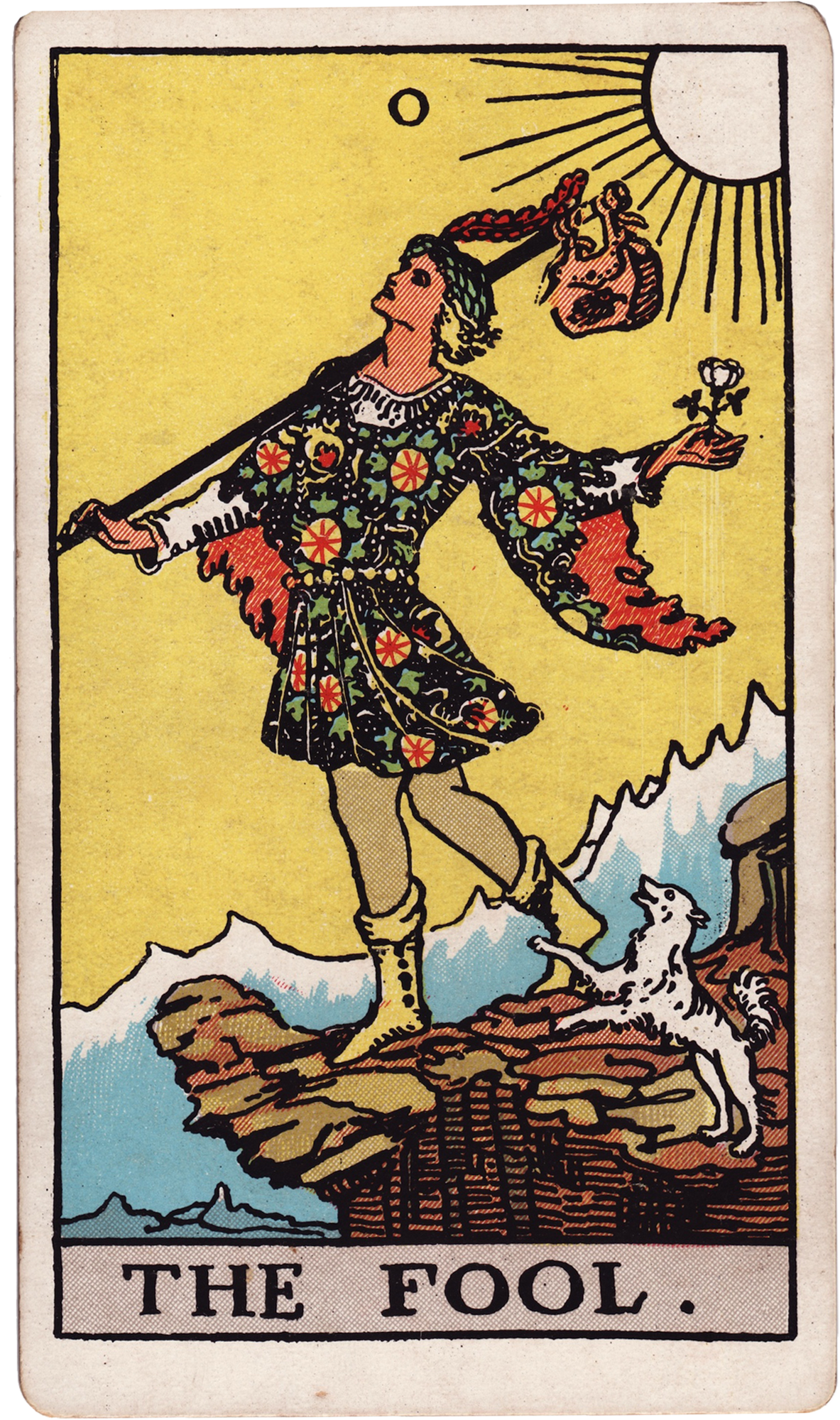 Present / HeartThe Fool
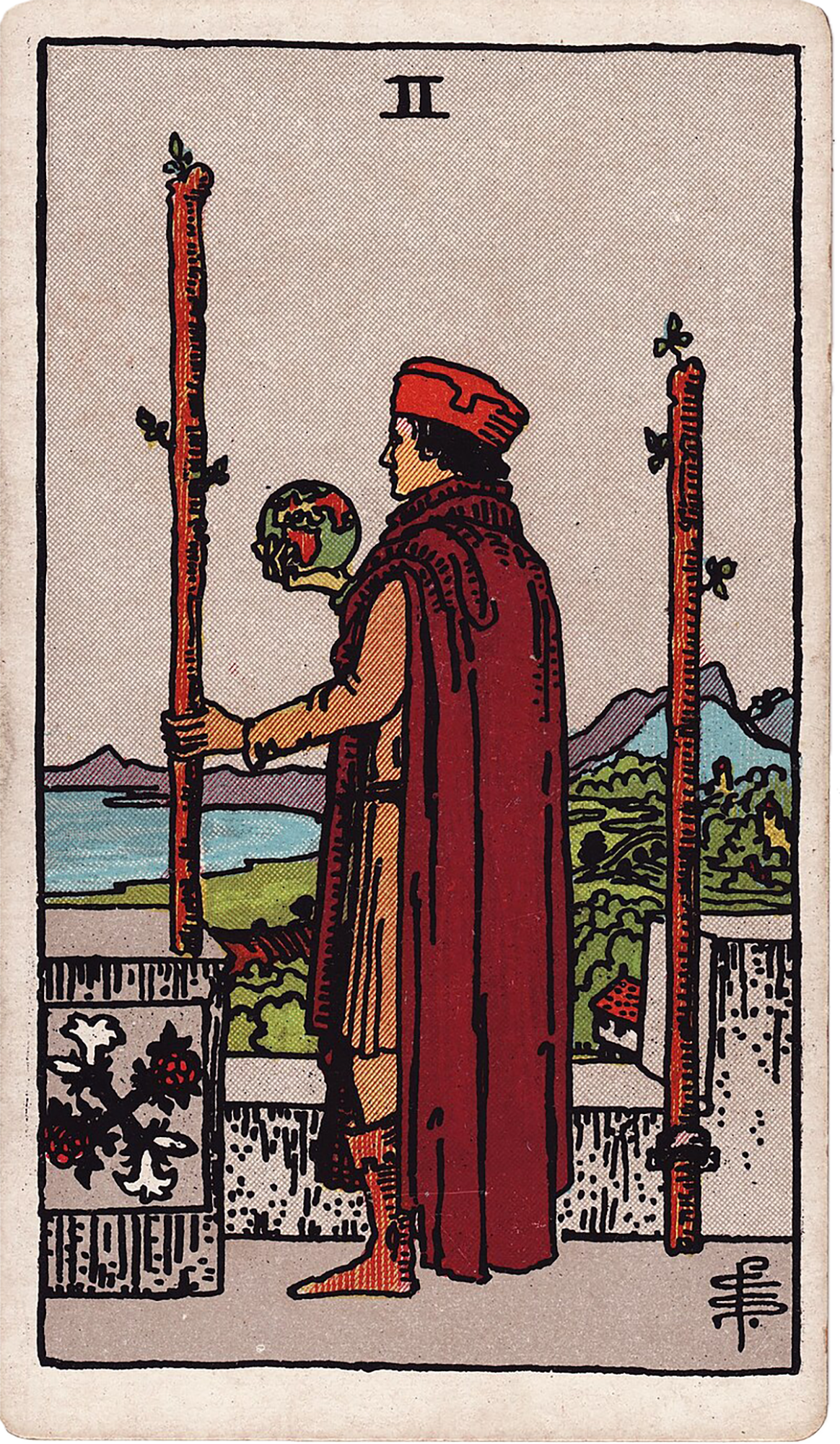 Challenge2 of Wands
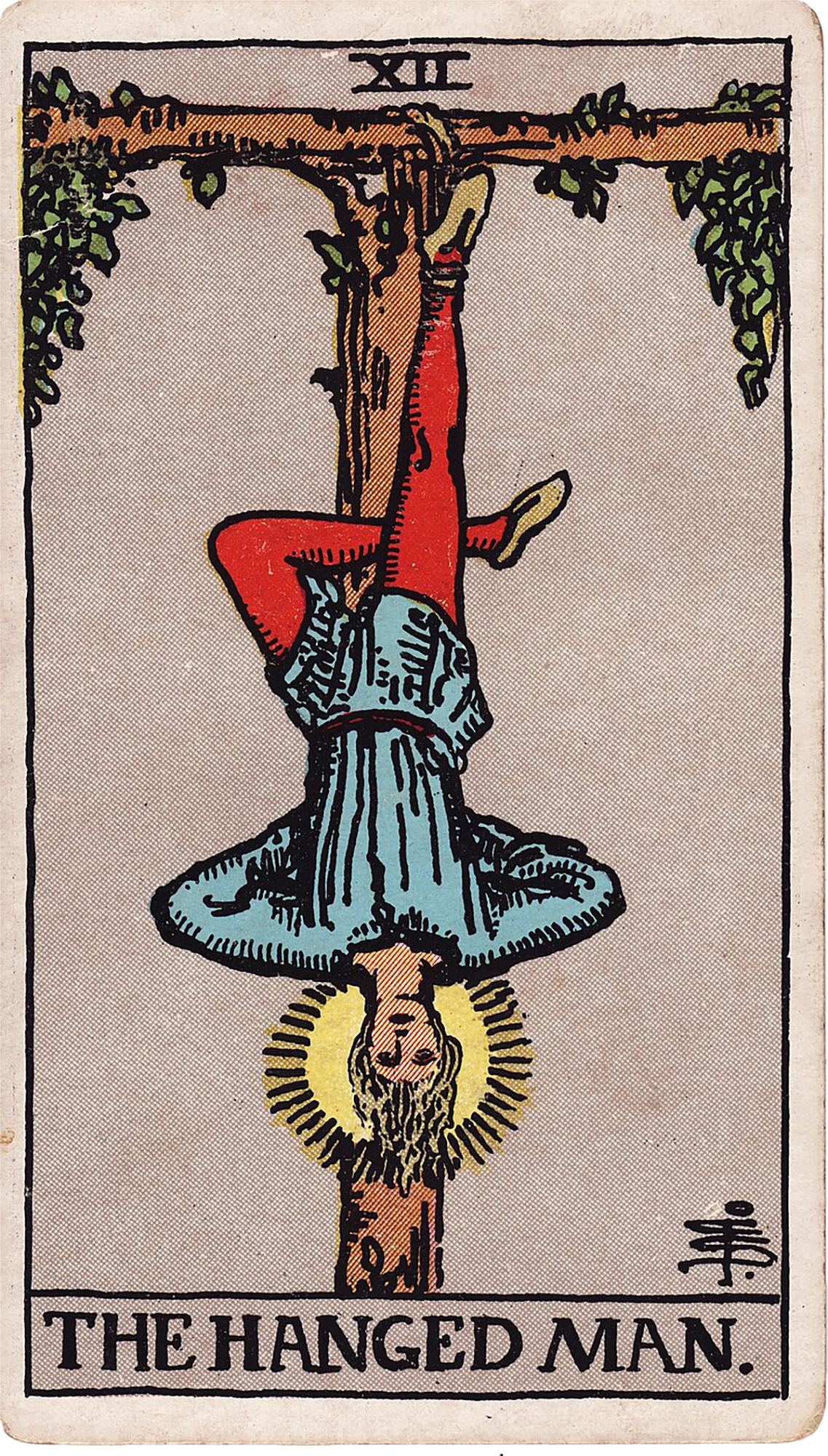 FoundationThe Hanged Man
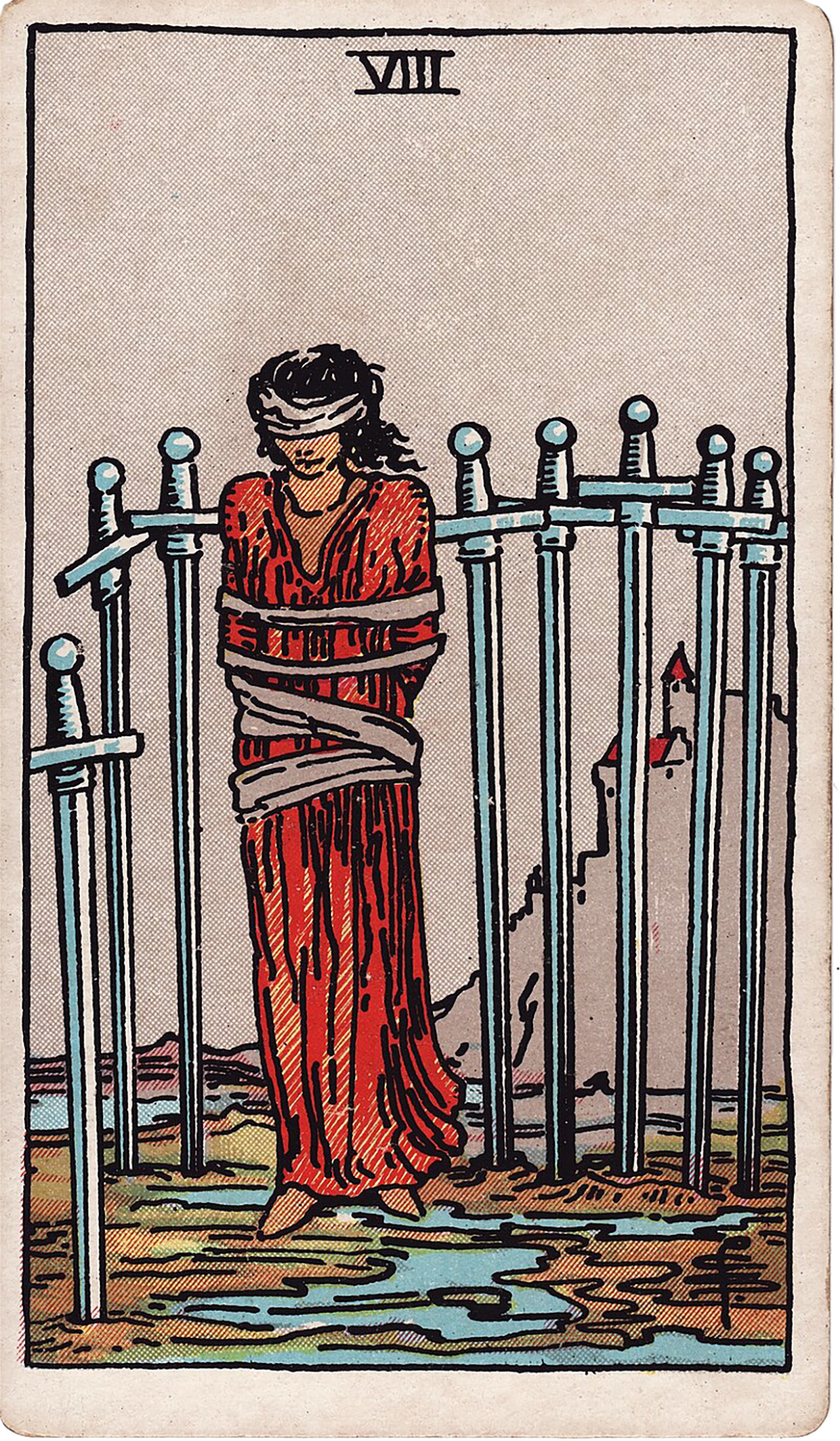 Recent Past8 of Swords
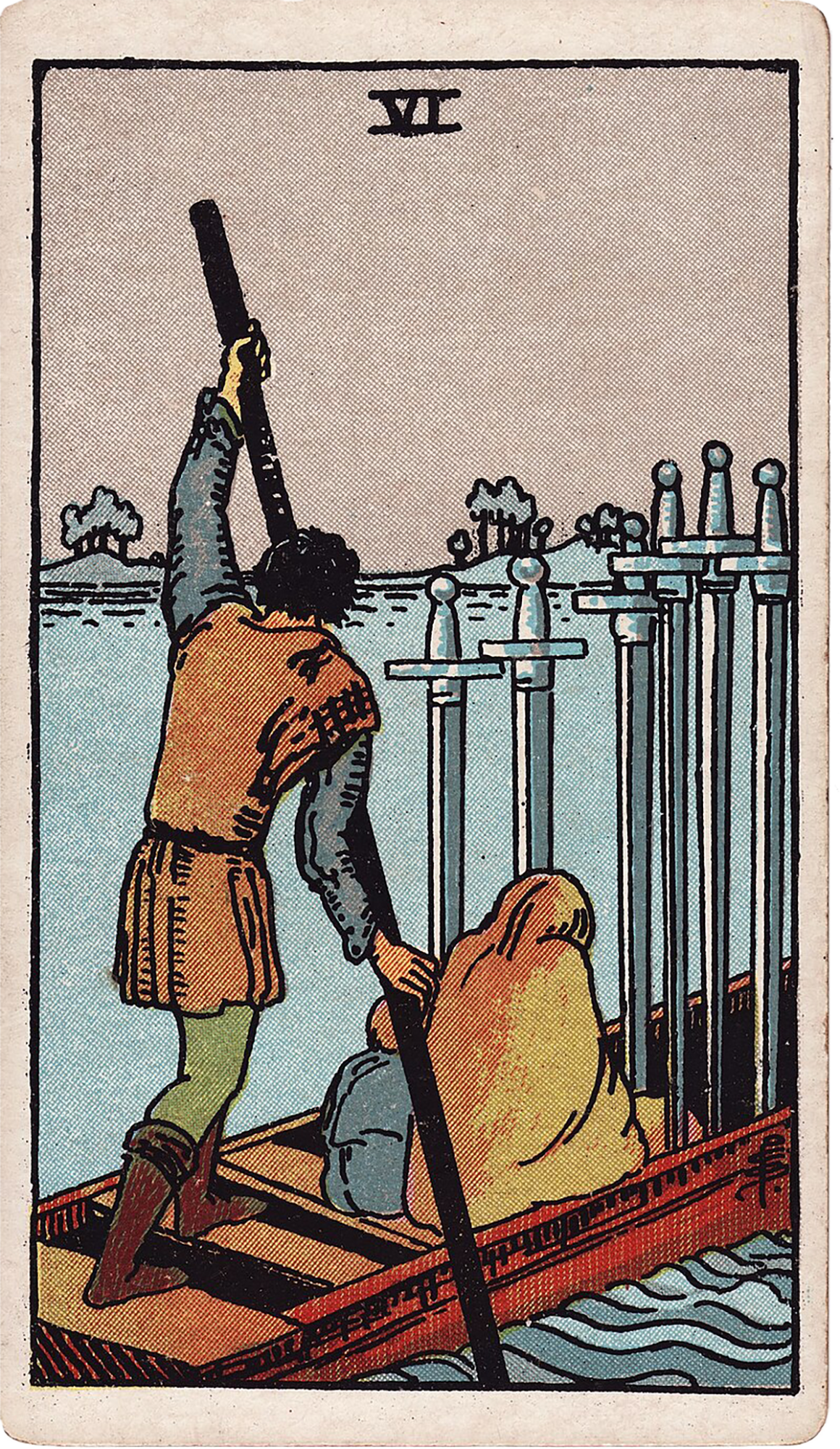 Possibility6 of Swords
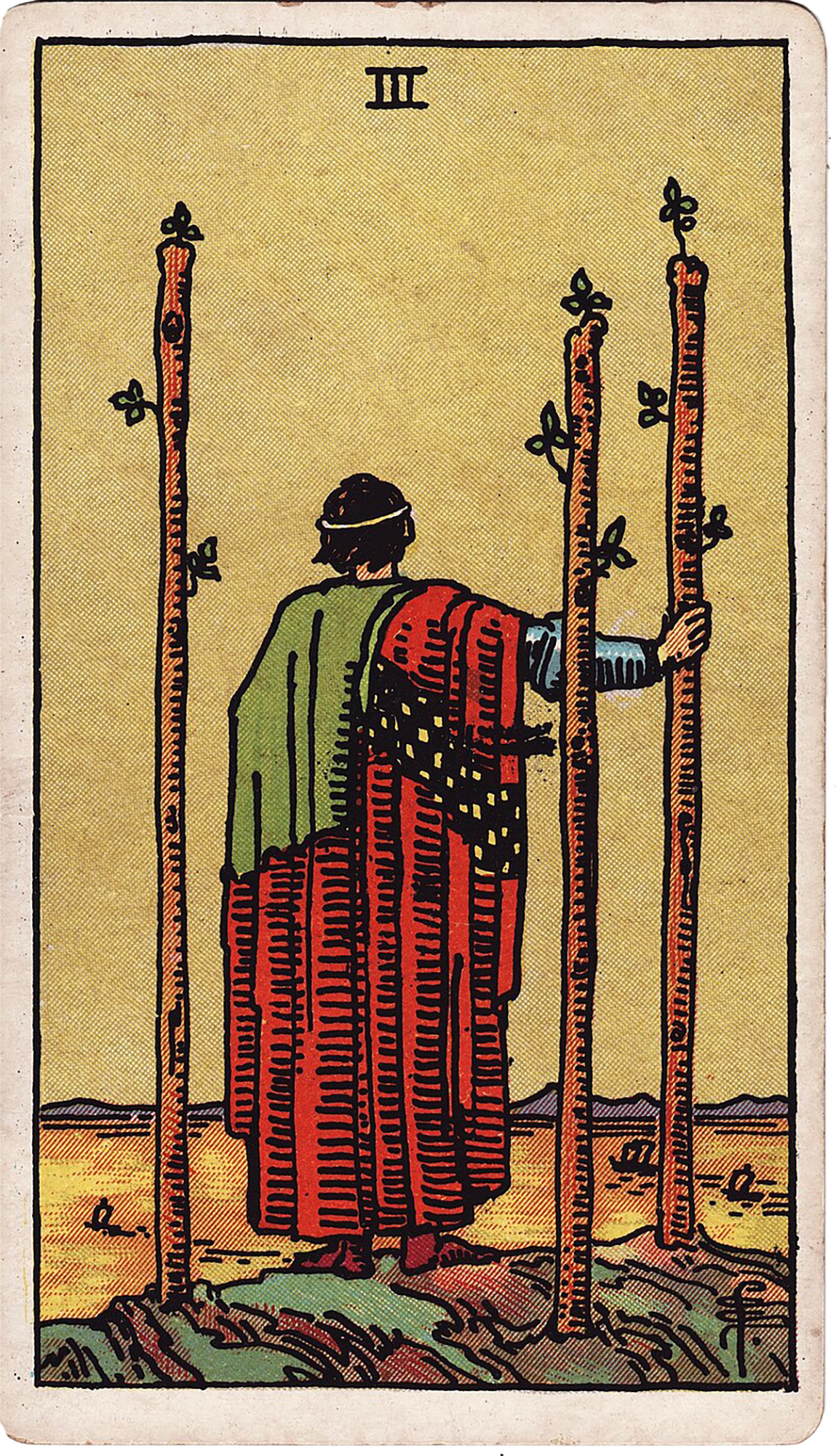 Near Future3 of Wands
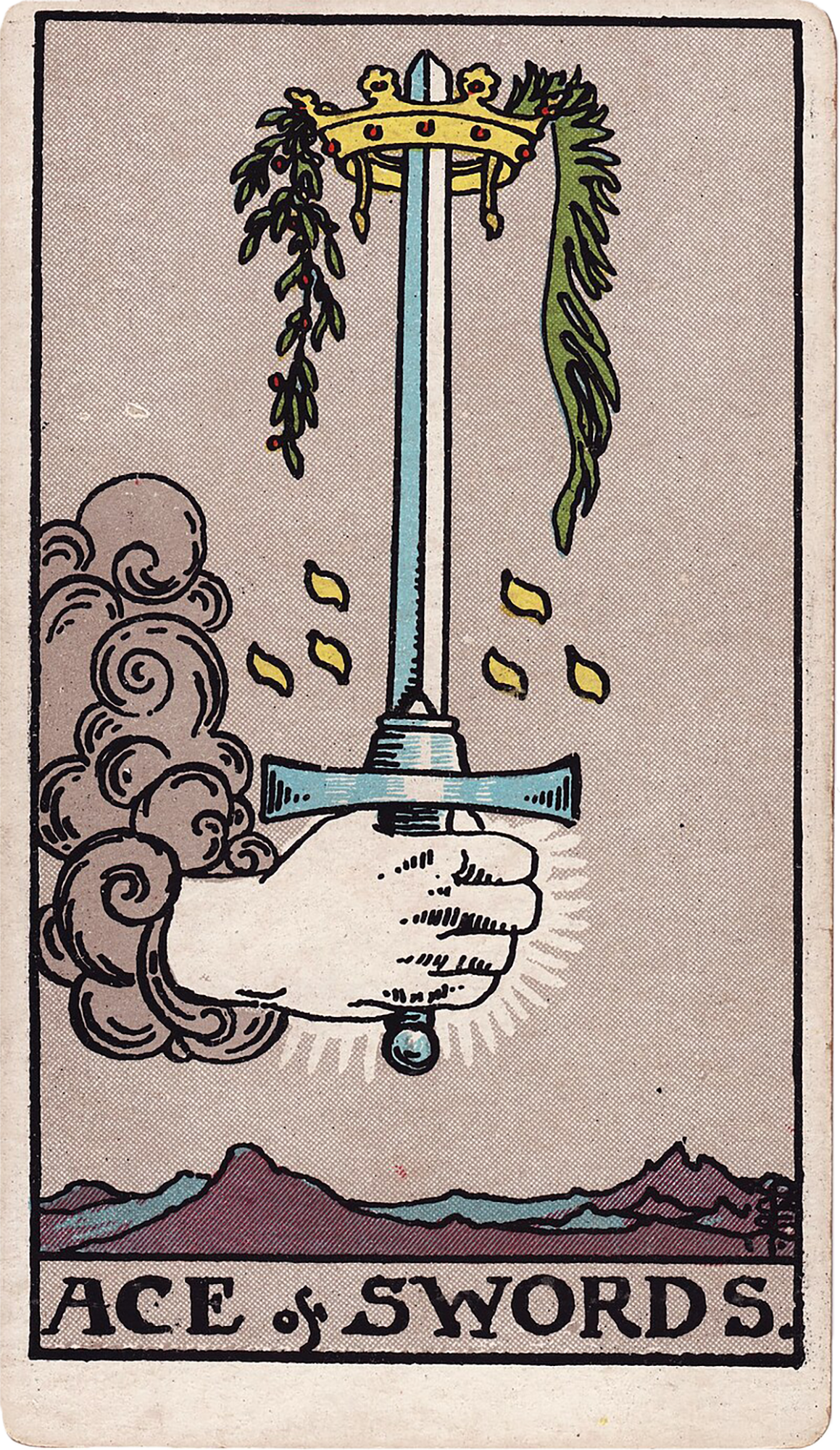 SelfAce of Swords
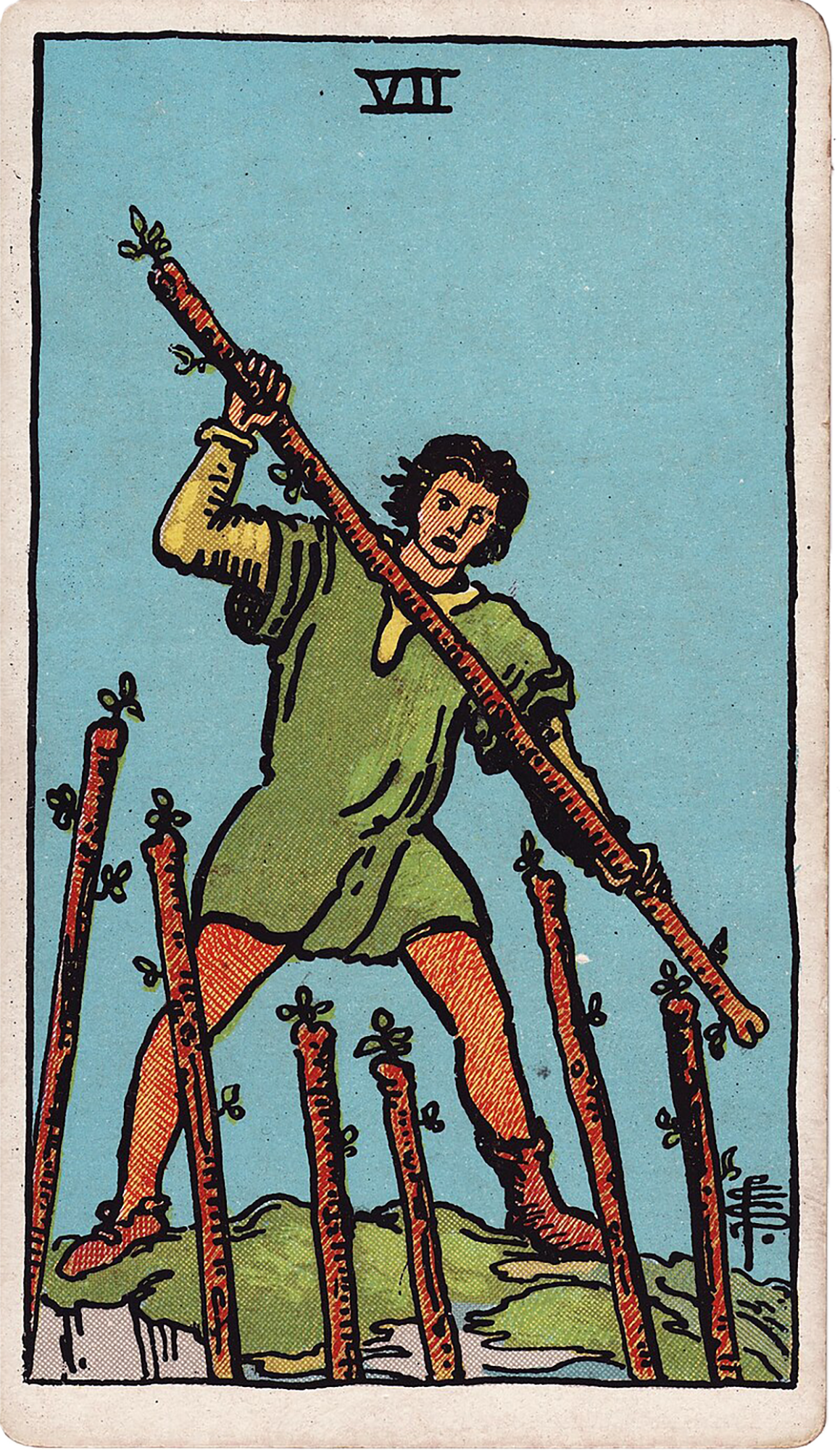 Environment7 of Wands
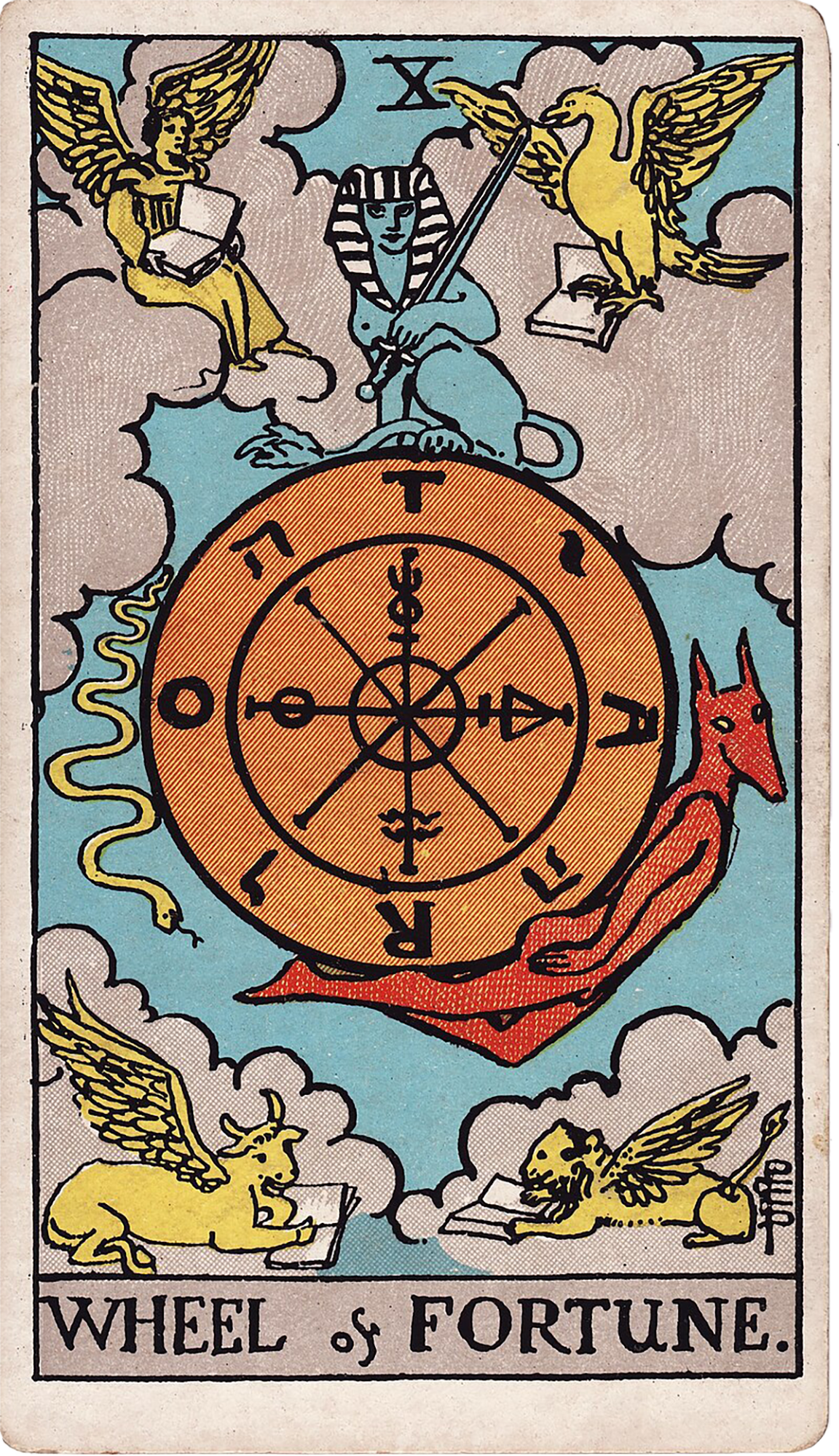 Hopes & FearsWheel of Fortune
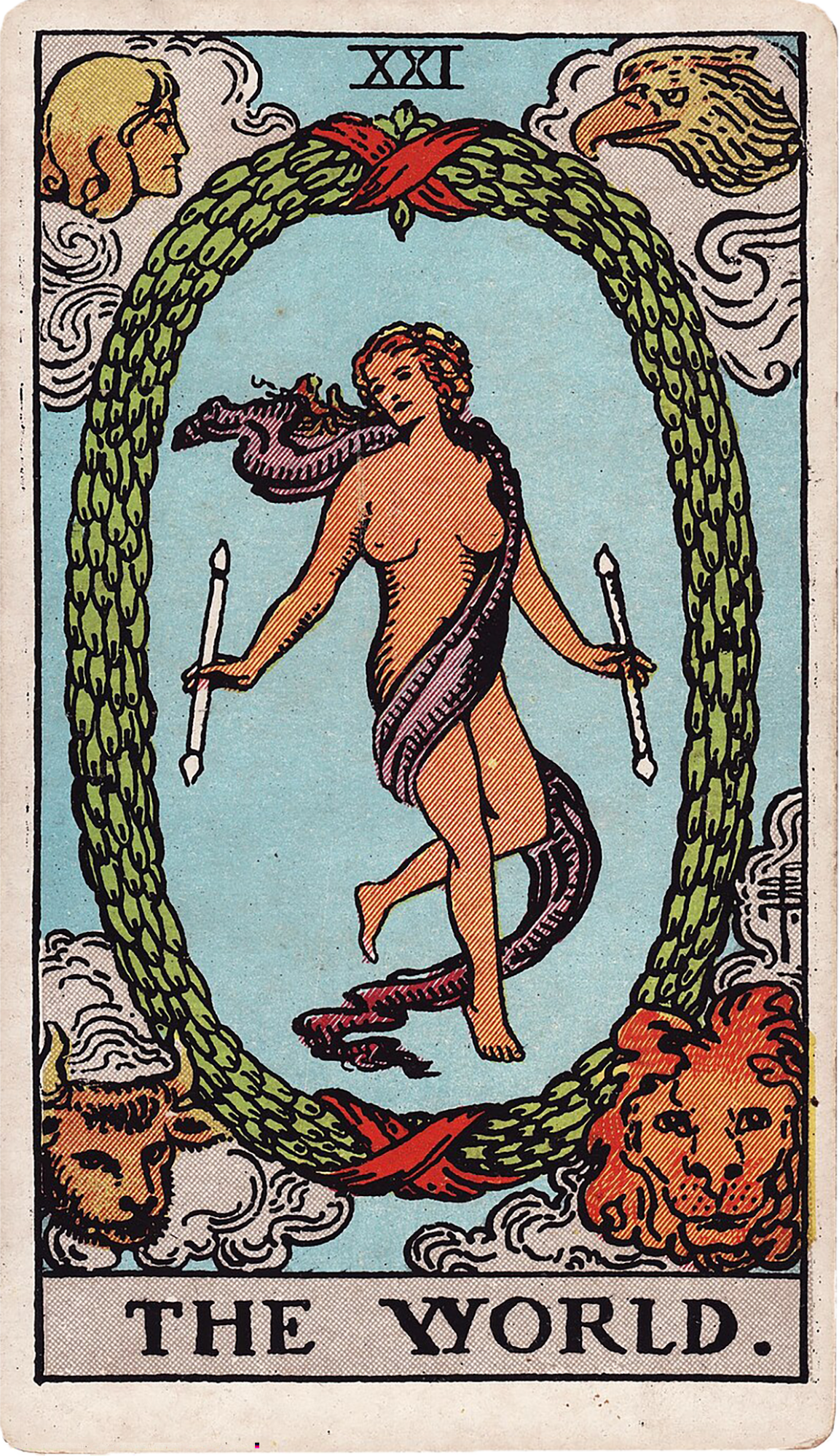 OutcomeThe World
Why use the Celtic Cross for iterative decision testing
The Celtic Cross is one of the most flexible multi-card spreads in Tarot. Traditionally it maps the present situation, obstacles, foundations, recent influences, potential development and an outcome. For learners interested in practical decision-making rather than prediction, the structure translates naturally into a sequence of checkpoints you can test and retest. Treat each reading as an experiment: the spread diagnoses the current dynamics, suggests an obvious next step, and reveals likely pitfalls. The ten positions act like sensors; when you repeat the spread after a test period you can see which variables changed and how to adjust course. In this article every position is anchored to a specific card image you will see displayed: The Fool, Wheel of Fortune, The Hanged Man, The World, 2 of Wands, 3 of Wands, 7 of Wands, Ace of Swords, 6 of Swords and 8 of Swords. That visual anchor keeps interpretation grounded in Rider-Waite-Smith symbolism while supporting practical actions.
How to set up this practical Celtic Cross
Materials and ritual: a tarot deck (we reference Rider-Waite-style imagery), a notebook for journaling, a timer, and a clear intention for a testable question. Frame your question as an experimentable aim: not 'Will I get the job?' but 'What single, measurable step can I take this week to improve my candidacy?' Shuffle with that specific intention in mind. Draw the cards sequentially and lay them in the classic Celtic Cross pattern with the position labels in this order: Present / Heart, Challenge (crossing), Foundation, Recent Past, Possibility, Near Future, Self, Environment, Hopes & Fears, Outcome. For this worked example you will place the supplied images in order: 1 The Fool in Present / Heart; 2 Wheel of Fortune in Challenge; 3 The Hanged Man in Foundation; 4 The World in Recent Past; 5 2 of Wands in Possibility; 6 3 of Wands in Near Future; 7 7 of Wands in Self; 8 Ace of Swords in Environment; 9 6 of Swords in Hopes & Fears; 10 8 of Swords in Outcome. Assume upright orientation unless you or your deck show reversals; the supplied card texts include upright and reversed meanings you can apply if a drawn card is reversed.
Position by position: explanation and image-anchored meaning
Present / Heart — The Fool: The Fool sits at the center of the spread and marks the current energy. In the Rider-Waite image the young traveler stands at the cliff's edge with a small knapsack, a dog at his heels, and a white rose in hand—symbols of openness, innocence, and the start of a journey. As Present / Heart, The Fool emphasizes readiness to begin and an invitation to act before every detail is known. Practically, read this as: the querent's primary stance is curiosity and willingness to step forward. Actionable question to derive an experiment: what is one low-cost, high-learning step you can take immediately that aligns with The Fool's forward motion? If reversed, watch for avoidance or reckless leaps. Challenge — Wheel of Fortune: Crossing the center, Wheel of Fortune represents forces that complicate or press against the central issue. The Rider-Waite wheel is a symbol of cycles, shifting luck, and timing; a sphinx, snake and Anubis-like figure suggest ups and downs and the need to adapt. As Challenge, this card says the main difficulty is timing, changing conditions, or the sense that outcomes are outside your control. For an experiment, be explicit: can you design a test that reduces reliance on luck—breaking a goal into steps that respond to timing signals rather than waiting for the 'right moment'? If reversed in a reading it suggests resistance to change or blaming fate. Foundation — The Hanged Man: The Hanged Man underpins the spread. In Rider-Waite imagery the figure is suspended, serene, with a halo of insight—this indicates a necessary pause or reframe as the base of the situation. As Foundation, The Hanged Man suggests the circumstances depend on an intentional pause, a changed perspective, or sacrifice of immediate action for insight. For learners, this signals that your experiments should include an observation phase: gather data rather than act faster. If reversed, expect stalled or passive delays that are not intentional. Recent Past — The World: The World appearing in Recent Past shows a recent completion or closure that feeds into the present. The figure within the wreath and the four corner creatures in the Rider-Waite deck represent integration and the end of a cycle. As Recent Past, The World means something has recently been completed—perhaps a project, a learning phase, or a closure—so the present new beginning (The Fool) springs from finishing something. In practice, note what has just concluded and ask: what lessons from that completion can inform the next test? Possibility — 2 of Wands: The 2 of Wands shows a figure holding a globe and looking outward. As Possibility, it highlights strategic expansion: there are options to choose between staying local and exploring wider terrain. This is the card of deliberate planning and comparing two directions. Turn that into an experiment by selecting one of the two paths the card suggests and making it your single measurable action for the test period. If reversed, it signals fear of expansion or indecision to act on the plan. Near Future — 3 of Wands: In Rider-Waite imagery a person watches ships sailing out to sea—early results of initial planning. As Near Future, 3 of Wands promises the beginning of outward results from the 2 of Wands' plan; it favors patience and preparation. Practically, this card encourages you to prepare infrastructure and expect initial signs, not final victory. Useful metric: what sign will indicate 'initial progress' in your chosen experiment (first client reply, first draft completed, first pilot scheduled)? If reversed, expect delays or weak follow-through. Self — 7 of Wands: The Self position shows how the querent is being asked to operate. The Rider-Waite 7 of Wands depicts a figure standing on higher ground, defending their position against multiple challengers. This suggests that in this moment the querent needs to hold ground and defend a plan or value. For testing, the learner becomes the gatekeeper: choose which lines you will defend and which you will let go. If reversed, watch for exhaustion or fighting every skirmish unnecessarily. Environment — Ace of Swords: The Ace of Swords in the Environment position indicates external conditions offer clarity, decisive information or an opportunity for a clear conversation. The upright Ace in Rider-Waite shows a single upright sword crowned by a laurel—a signal that a decisive idea or honest conversation is available in the querent's surroundings. For practical use, look for a single clear piece of communication or evidence outside you can use: an email to be sent, a conversation to request, or a document to produce. Reversed could indicate confusion or harsh logic in the environment. Hopes & Fears — 6 of Swords: The 6 of Swords is a card of transition—boat carrying passengers away from choppy waters toward calmer seas. As Hopes & Fears it captures the double edge: hope to move on and fear of carrying unresolved baggage or losing something. This ambivalence matters when designing experiments: you may hope the test frees you, but fear it will simply transport unresolved issues. Make your test include a check for what you're carrying forward (unresolved expectations, debts, assumptions). If reversed, the transition may be blocked. Outcome — 8 of Swords: The final position is the likely short-term outcome if present energies continue unchanged. The Rider-Waite 8 of Swords shows a blindfolded, bound woman surrounded by swords—a scene of perceived entrapment with loose bindings. As Outcome here it warns that without deliberate choice you risk feeling stuck or trapped by circumstances or your beliefs. Practically, view the 8 of Swords as a prompt to design your experiment so it explicitly tests where constraints are negotiable and how to remove self-imposed limits.
Reading the spread as a system: card-to-card relationships
A useful skill is to read not just individual positions but how cards talk to each other across the spread. This reading pattern forms a coherent narrative about starting (The Fool), the friction of timing (Wheel of Fortune), a grounded pause (The Hanged Man), a recent completion behind you (The World), practical options to act (2 of Wands), early outward results (3 of Wands), a defensive personal posture (7 of Wands), external clarity (Ace of Swords), ambivalent desire to move on (6 of Swords), and a caution about feeling trapped (8 of Swords). Key relationships to note: - The Fool (Present) crossed by Wheel of Fortune (Challenge): The open, experimental energy at the center is being tested by changing conditions and timing. Translation: you can start, but expect the landscape to shift; make your first step reversible and low-cost. - The Hanged Man (Foundation) supporting The Fool: The base requirement for this new start is a deliberate reframe or observation period. The experiment should prioritize learning over choosing a final direction. - The World (Recent Past) leading into The Fool (Present): The recent completion explains why a new beginning is possible. Ask: what integrated lessons from the completed cycle can you repurpose for this start? - 2 of Wands (Possibility) -> 3 of Wands (Near Future): This forward line reads as strategy (2) becoming early implementation (3). When designing your test, choose one of the 2 of Wands' options and define what the 3 of Wands' 'initial signal of expansion' would look like. - 7 of Wands (Self) vs Ace of Swords (Environment): You are called to defend a position while the environment favors clarity and decisive conversation. This pairing suggests using clear, crisp communication to justify your stance rather than combative energy. - 6 of Swords (Hopes & Fears) toward 8 of Swords (Outcome): You hope to move on but fear that transition will leave you trapped. This sequence warns that moving without resolving assumptions can create a new prison. The experiment should explicitly check for assumptions being carried forward and include corrective measures.
From reading to experiment: practical method and timeline
Turn the spread into an experiment in four steps: 1) Define a one-question test. Use the spread to translate the question. Example from these cards: "Given my readiness to start (The Fool) and recent completion (The World), what single measurable action this week will help me expand (2 of Wands) while protecting my values (7 of Wands) and avoiding being trapped by assumptions (8 of Swords)?" 2) Choose a single action. Use the 2 of Wands to pick between two concrete options; let the Ace of Swords indicate the clear external communication or document you will produce. Make it binary and measurable—e.g., send three concise outreach emails, launch a one-page pilot, or schedule two exploratory conversations. 3) Set a short timeframe and metrics. The Celtic Cross is ideal for short cycles—one week to one month. Define success signs mapped to 3 of Wands (near-future signals): replies, a scheduled meeting, an early prototype step, or measurable momentum. Also define what would count as a trap (8 of Swords) such as no engagement combined with self-criticism. 4) Observe, record, iterate. Keep a short daily log noting actions, external signals (Ace of Swords), internal stance (7 of Wands), how timing changed (Wheel of Fortune), and whether the pause/reframe (Hanged Man) was honored. At the end of the period repeat the Celtic Cross and compare anchors: did The Fool's energy persist? Did the Wheel of Fortune shift? Did the outcome change from 8 of Swords to something less confining? Use comparisons to determine course-correction.
How to craft experiments from the images and meanings
Use the imagery to design concrete steps. Examples tied to the displayed cards: - The Fool (start small): pick a micro-action—send one candid message, create one micro-offer, or commit one hour to a new practice. The Fool asks for a proportionate next step rather than an all-or-nothing move. - Wheel of Fortune (test timing): design two timing windows. Run the micro-action at different times or days to see which timing produces responses. - The Hanged Man (observe first): include an explicit observation period—collect five data points (responses, impressions, metrics) before committing to a follow-up. - 2 of Wands and 3 of Wands (compare and measure results): choose one direction (local vs broader) for the micro-test and categorize responses as 'initial traction' (3 of Wands) or 'no traction'. - 7 of Wands and Ace of Swords (defend values with clarity): prepare a short script or one-paragraph statement that explains your boundary or value and use it in outreach. That script is the Ace of Swords—clear and decisive. - 6 of Swords and 8 of Swords (check baggage and constraints): before you launch, list assumptions you might carry forward. During the test, actively ask whether each assumption is confirmed, revised, or discarded. If assumptions remain untested, plan a smaller follow-up experiment specifically to challenge them.
Common mistakes and troubleshooting
Mistake: treating the reading as prophecy rather than hypothesis. Fix: treat every card as a variable to test. Mistake: making too many changes at once. Fix: pick one primary action tied to 2 of Wands and one measurement tied to 3 of Wands. Mistake: ignoring nearby cards. Fix: always read crosses and sequences (e.g., The Fool crossed by Wheel of Fortune is different from The Fool crossed by The Hanged Man). Mistake: skipping journaling. Fix: document daily actions and at least one concrete external signal (Ace of Swords) and one internal stance marker (7 of Wands). Mistake: assuming a single reading gives final answers. Fix: repeat the spread on a fixed cadence (two-week or monthly) to see movement and refine experiments. Troubleshooting specific to this reading: if your final outcome still looks like 8 of Swords after multiple tests, intensify focus on the Hanged Man foundation—do a deliberate reframing exercise (journaling, perspective mapping) to reveal which beliefs bind you. If Wheel of Fortune keeps appearing as a barrier, shift to shorter experiments that reduce exposure to changing external conditions.
Practice exercises for learners
Exercise 1 — Single-week micro-test: Frame a one-week question anchored to The Fool: "What one beginner step can I take this week?" Draw the Celtic Cross using the same order as the supplied cards. Choose one micro-action (2 of Wands) and a clear metric (3 of Wands). Log daily and repeat the spread at week end. Exercise 2 — Two-option A/B test: Use 2 of Wands literally—define option A and option B. Run each option for half the test period or in parallel if feasible. Use Ace of Swords to finalize the wording you use and 7 of Wands to note where you hold boundaries. Compare which option produces the 3 of Wands signal. Exercise 3 — Reframe test: If the Hanged Man sits in Foundation, spend two days only observing and journaling assumptions. Then design a micro-action that explicitly rejects one assumption and measure whether the 8 of Swords outcome softens. After each exercise always repeat the Celtic Cross and compare changes in cards, imagery, and your journal notes.
Putting it together: an integrated example
Imagine you are transitioning careers. The spread as supplied reads: The Fool in Present (ready to start), Wheel of Fortune as Challenge (market timing and shifting opportunities), Hanged Man as Foundation (you need to pause and re-evaluate perspective), The World in Recent Past (you just completed a degree or project), 2 of Wands as Possibility (two paths: deepen current skills or pivot into an adjacent field), 3 of Wands Near Future (initial outward signs if you pick a direction), 7 of Wands Self (you must defend your choice), Ace of Swords Environment (an opportunity for a clear pitch), 6 of Swords Hopes & Fears (want to move on but fear taking baggage), and 8 of Swords Outcome (risk of feeling trapped by indecision). Practical plan from this reading: choose one path from 2 of Wands and create a concise pitch (Ace of Swords) to send to three contacts this week (The Fool micro-action). Honor the Hanged Man by spending the first two days learning who those contacts are rather than pitching immediately. Use 3 of Wands as the metric: a reply or a meeting scheduled is an early sign. Hold ground on standards (7 of Wands) by refusing low-quality opportunities. In your journal check what assumptions you are taking across (6 of Swords). After one week repeat the Celtic Cross and compare whether the final position has shifted from 8 of Swords toward more freedom or clarity. Each repetition refines timing (Wheel of Fortune) and reduces the risk of the outcome remaining a feeling of entrapment.
Conclusion and next steps for learners
The Celtic Cross becomes most useful when you treat each spread as an experiment report rather than a verdict. Use the supplied card images—The Fool, Wheel of Fortune, The Hanged Man, The World, 2 of Wands, 3 of Wands, 7 of Wands, Ace of Swords, 6 of Swords and 8 of Swords—as anchors for specific, observable actions, timelines, and metrics. Repeat the spread on a regular cadence, keep short, measurable test periods, and prioritize learning over immediate outcomes. Over time this method builds an empirical feedback loop: cards that initially warn of entrapment or timing friction will either change or clarify what specific constraint needs dismantling. That movement is the real value of using Tarot for iterative decision testing and course correction.
Practice questions
• What single micro-action does The Fool inspire you to take this week?
• How might Wheel of Fortune be affecting timing in your situation and how can you reduce reliance on luck?
• What assumptions is The Hanged Man asking you to set aside or examine?
• Which of the two directions suggested by the 2 of Wands can you test with one measurable step?
• What would count as the 3 of Wands 'initial sign' that your test is working?
• Where are you defending ground like the 7 of Wands instead of choosing which battles to accept or decline?
• What clear external piece of information or conversation (Ace of Swords) can you secure to move the experiment forward?
• What baggage might you carry into the transition (6 of Swords) and how will you test whether it is negotiable?
• If the outcome resembles the 8 of Swords, what specific belief or constraint will you target in the next test?
Comments
Sign in to comment.
Continue learning
Mastering Decision Making with the Five Card Cross Tarot Spread
The Five Card Cross Tarot Spread is a powerful tool for deepening decision-making skills by examining the present situation, past influences, future possibilities, challenges, and...
Using the Five Card Cross Spread to Unlock Career Path Clarity
The Five Card Cross Spread is a versatile and insightful layout particularly useful for clarifying complex questions such as career direction. This article guides learners through...
Using the Five Card Cross Spread to Clarify Conflicting Priorities in Decision Making
The Five Card Cross is a versatile spread ideal for clarifying complex situations involving conflicting priorities. This article explores how to use it for decision making by inter...
Mastering the Celtic Cross Spread for Detailed Life and Decision Insights
The Celtic Cross is a foundational Tarot spread widely used for deep and nuanced readings about life situations and decisions. This article offers a comprehensive guide to masterin...
Using the Five Card Decision Spread to Navigate Conflicting Priorities with Confidence
The Five Card Decision Spread is a practical Tarot layout designed to help readers clarify and resolve conflicting priorities by examining options, hidden factors, and advice. This...
Mastering the Seven Card Horseshoe Spread for Effective Career and Life Decision Making
This article provides an in-depth exploration of the Seven Card Horseshoe Tarot Spread, a versatile layout ideal for career and life decision-making. Using supplied cards such as t...
Mastering the Seven Card Horseshoe Spread for Practical Life Decisions and Goal Setting
The Seven Card Horseshoe Spread is a versatile and practical Tarot layout ideal for navigating real-life decisions and clarifying goals. This article unpacks the spread's structure...
Mastering the Five Card Decision Spread for Confident Practical Life Choices
This article offers an in-depth exploration of the Five Card Decision Spread, a practical Tarot layout designed to help readers make grounded, confident choices in everyday life. U...
Career Five Card Spread for Networking Growth and Personal Branding
This article teaches the Career Five Card Spread, a focused layout for people working on networking growth and personal branding. Using the supplied cards in order—The Emperor (Cur...
Map Transferable Skills and Plan Career Pivots with the Career Five Card Spread
This article teaches a five-card vocational spread—the Career Five Card Spread—using the displayed cards in order: 2 of Wands (Current Position), 3 of Pentacles (Strength), 7 of Pe...