
Celtic Cross for Project Planning and Actionable Timelines
This article teaches a reproducible Celtic Cross spread focused on project planning and creating actionable timelines. Using the displayed card images in this exact order, learners will map leadership, initiative, expansion, friction, recognition, endurance, resources, teamwork, review points and focused practice into a pragmatic project roadmap. The guide explains each position (Present / Heart; Challenge; Foundation; Recent Past; Possibility; Near Future; Self; Environment; Hopes & Fears; Outcome), card-to-card relationships, how to convert imagery into tasks and dates, common mistakes, and exercises to build confident, useful readings for real-world projects.
Celtic Cross
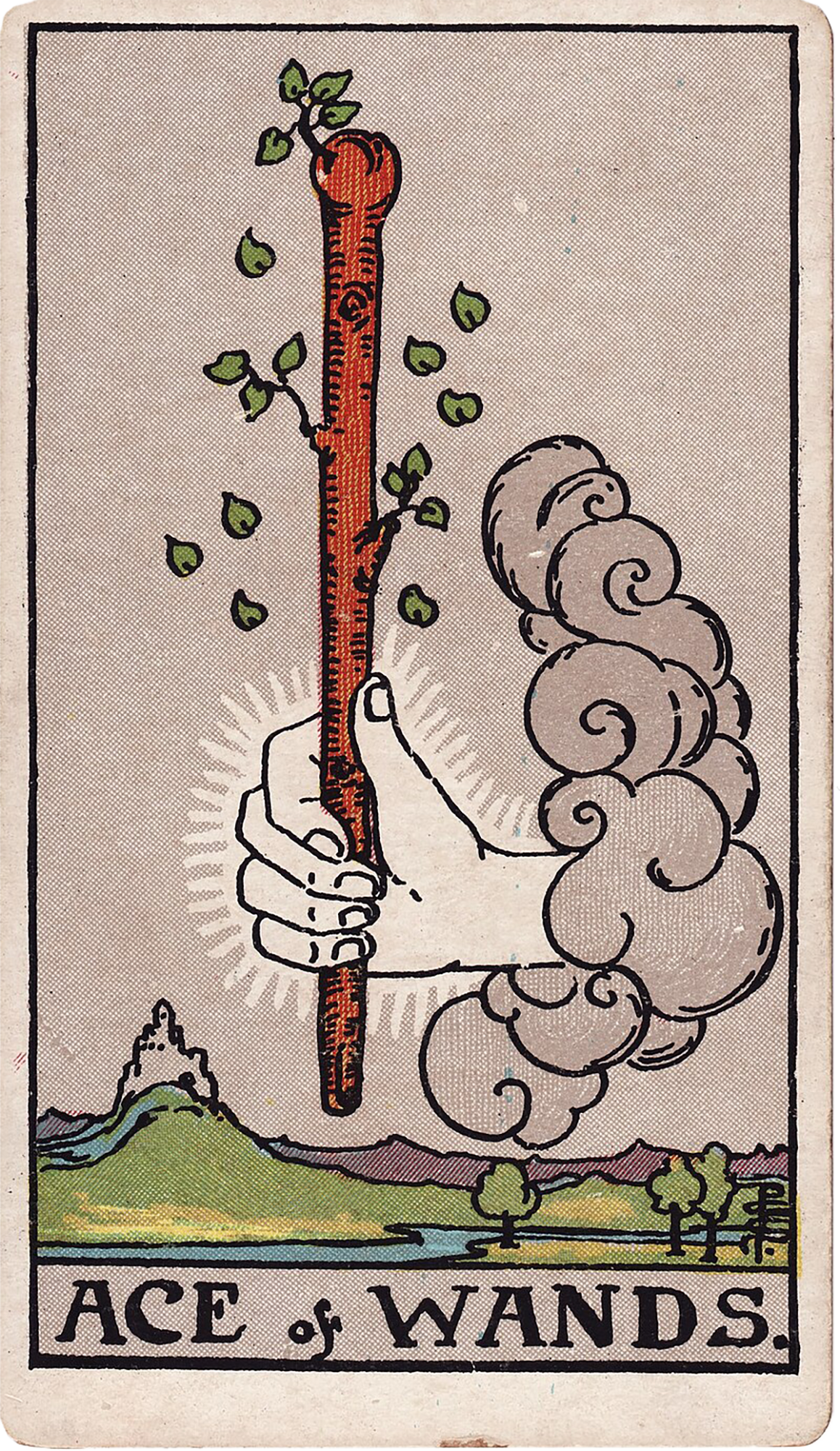 Present / HeartAce of Wands
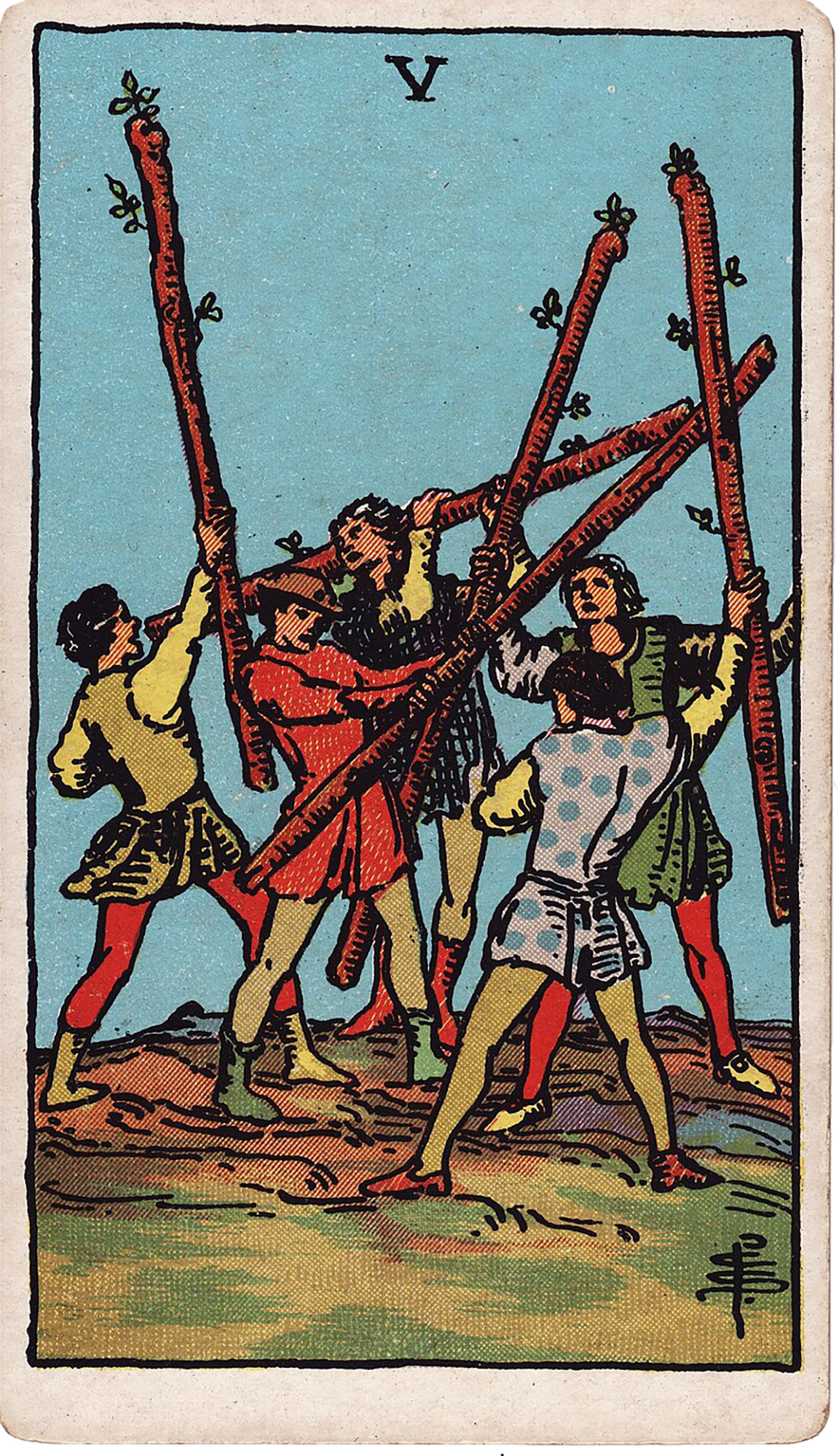 Challenge5 of Wands
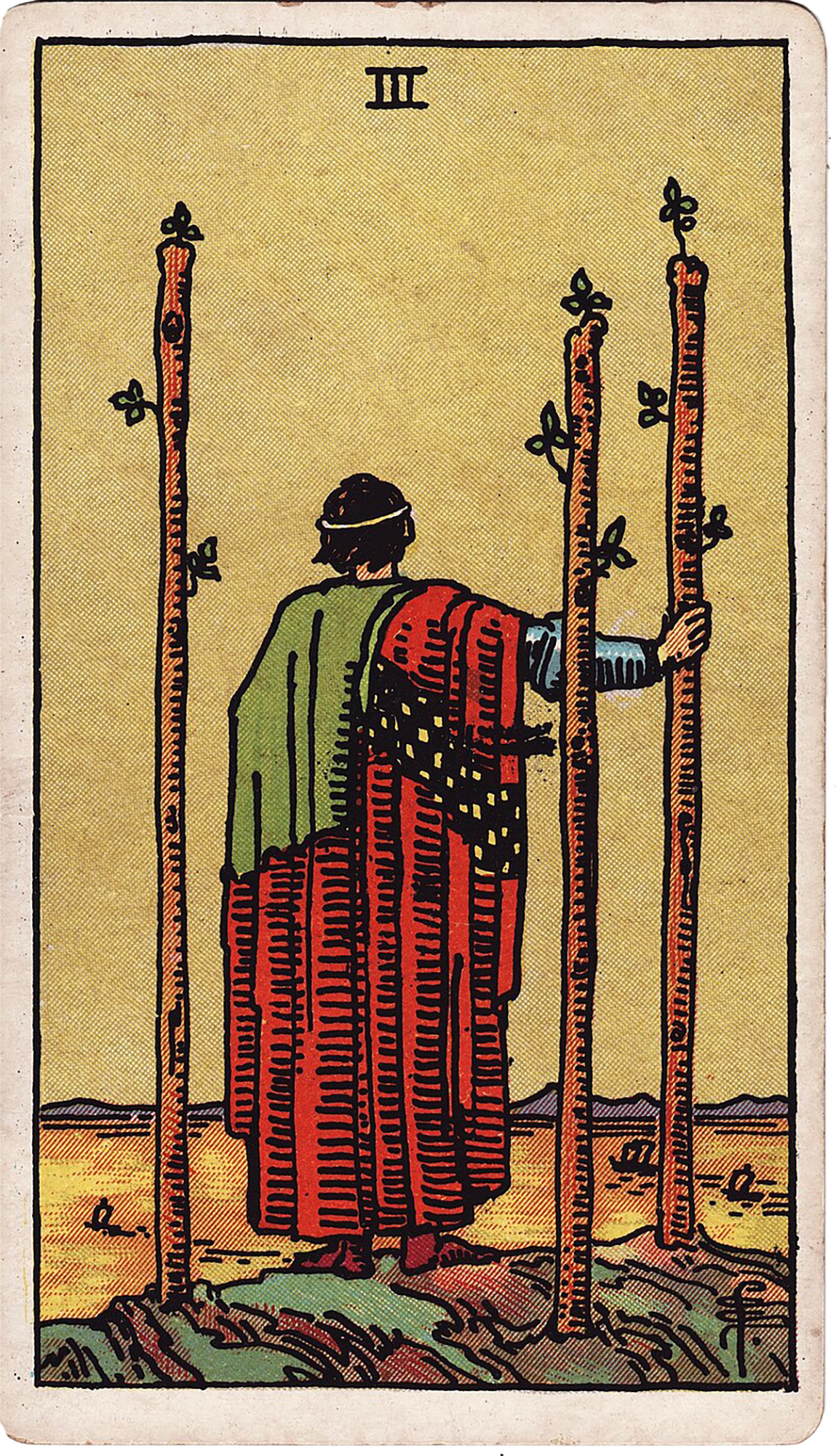 Foundation3 of Wands
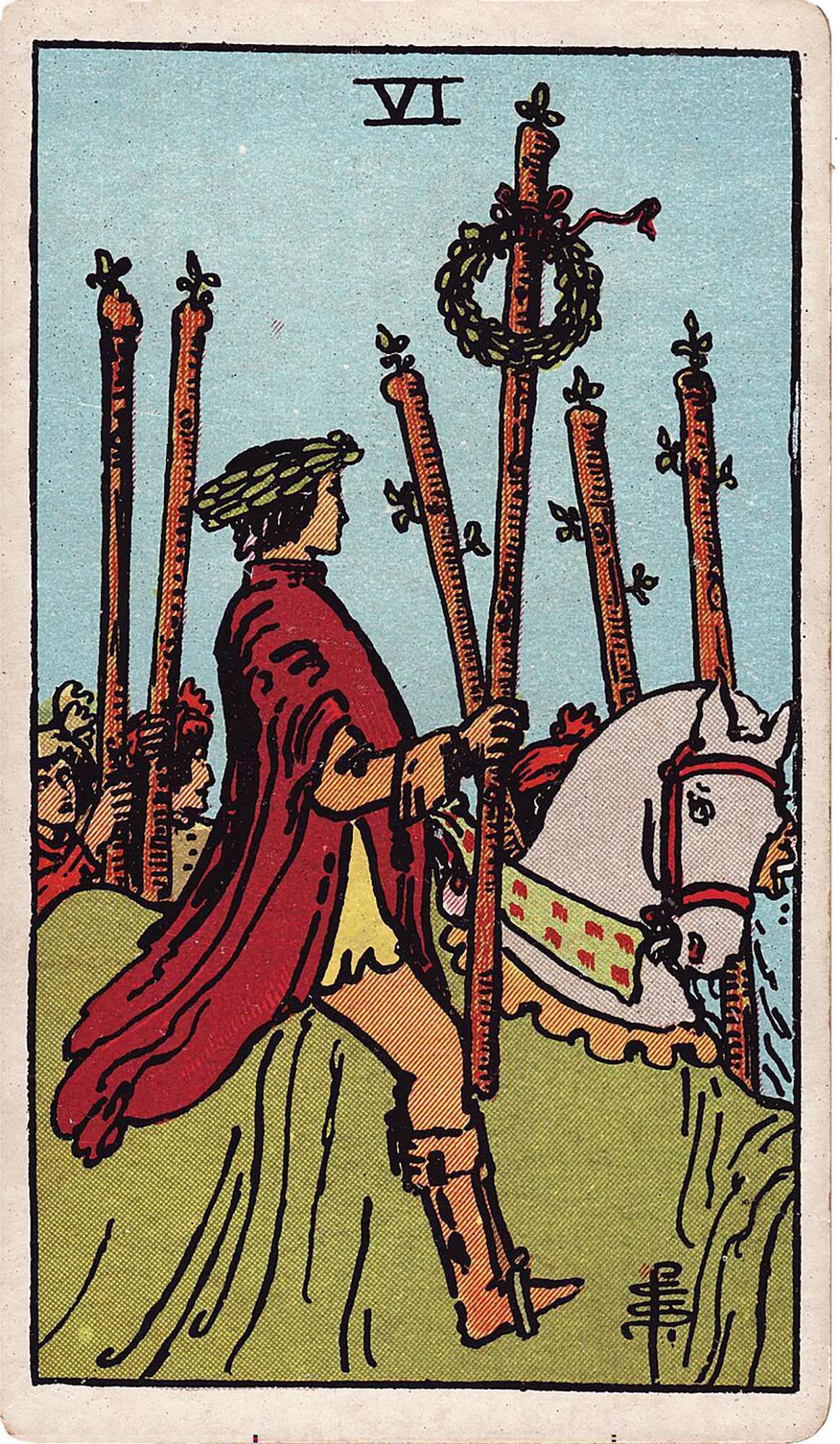 Recent Past6 of Wands
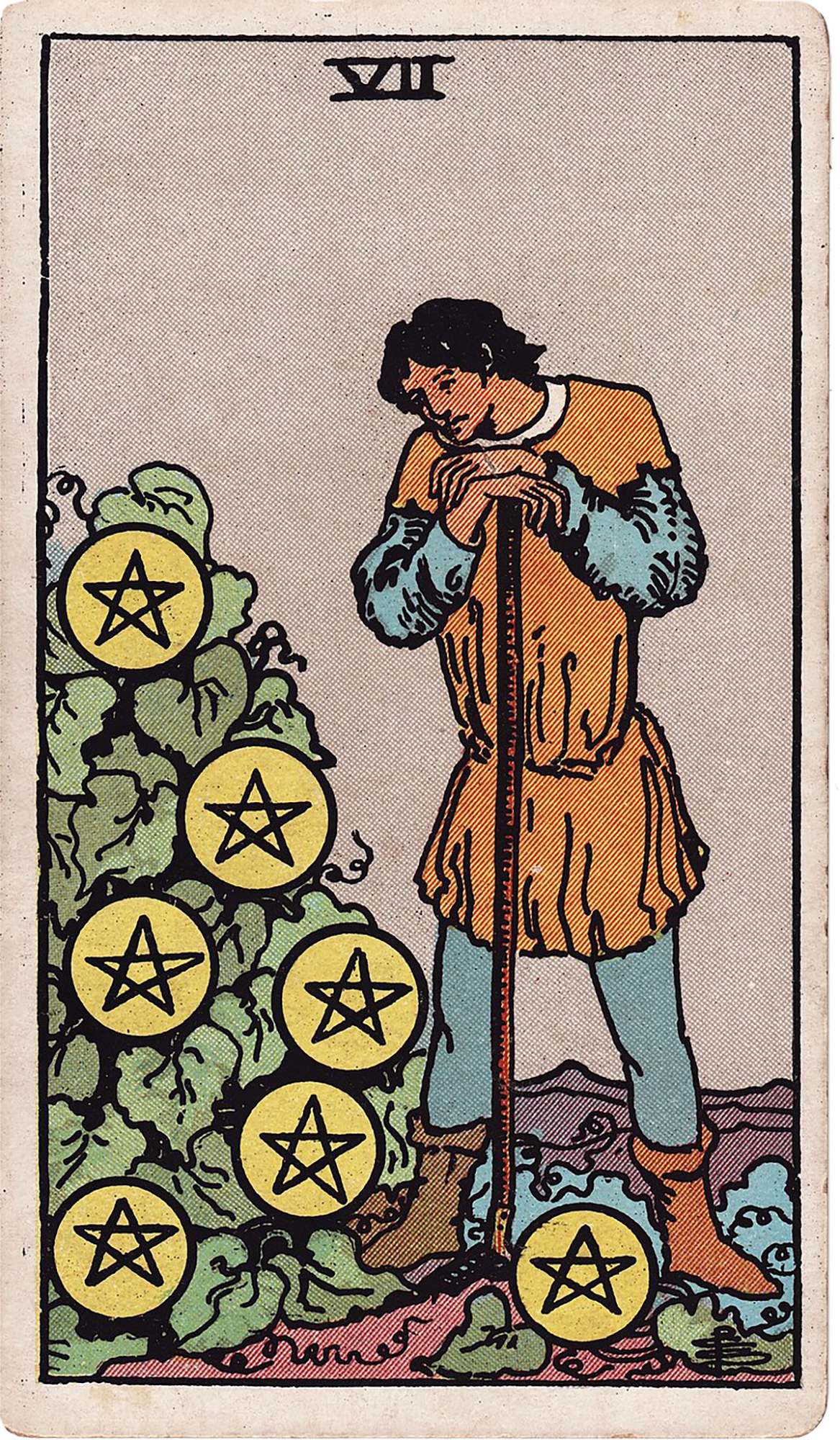 Possibility7 of Pentacles
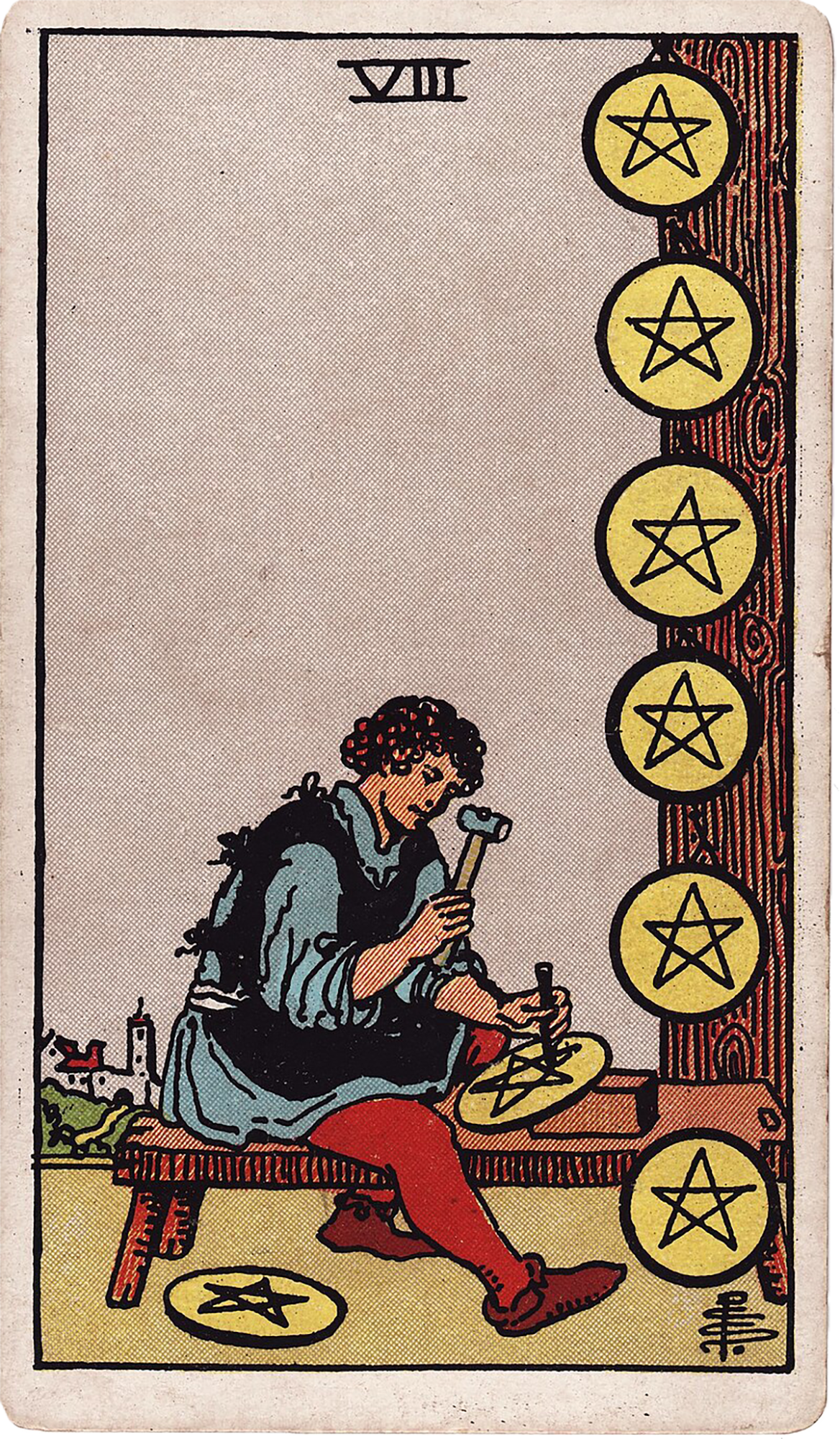 Near Future8 of Pentacles
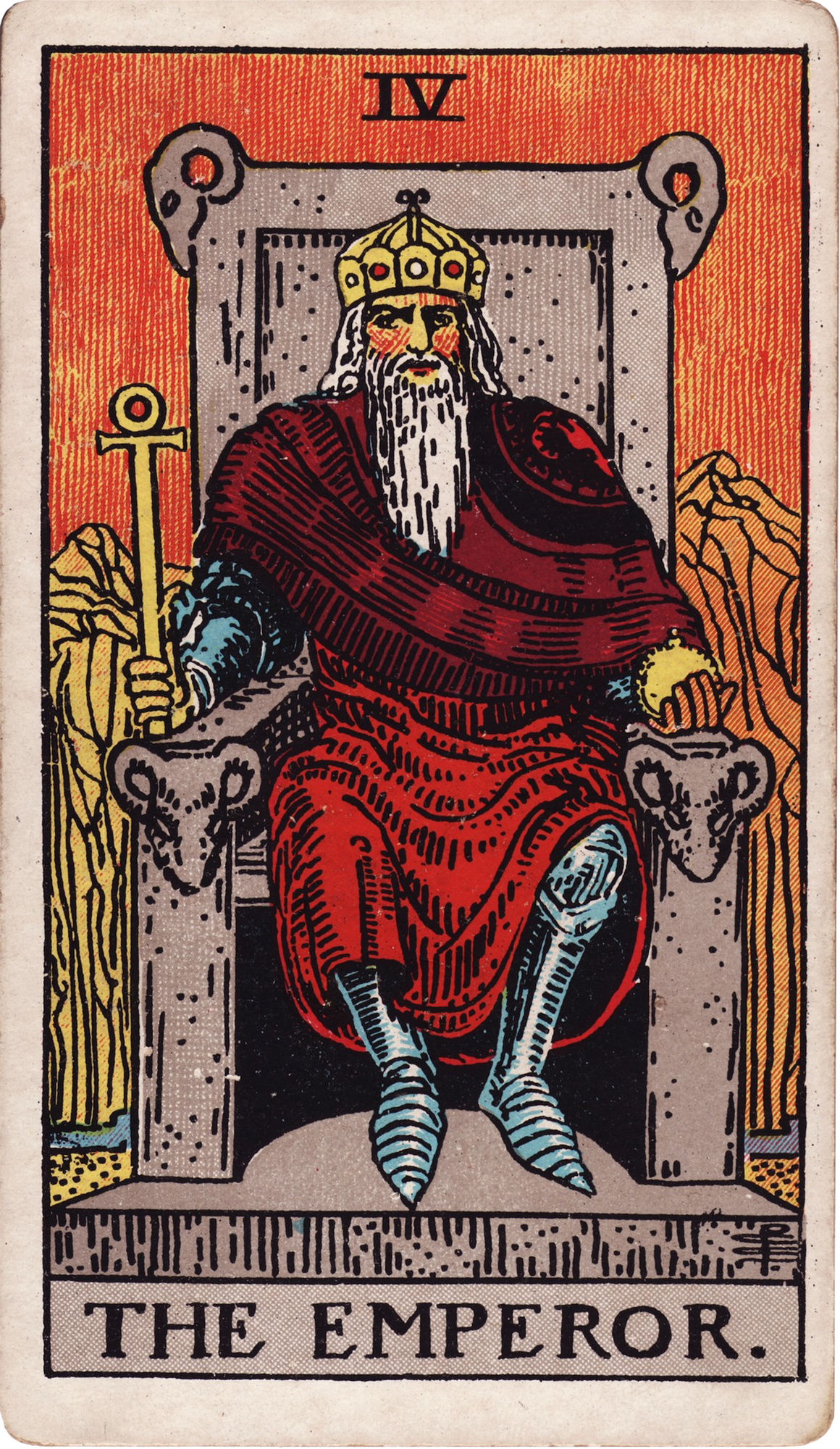 SelfThe Emperor
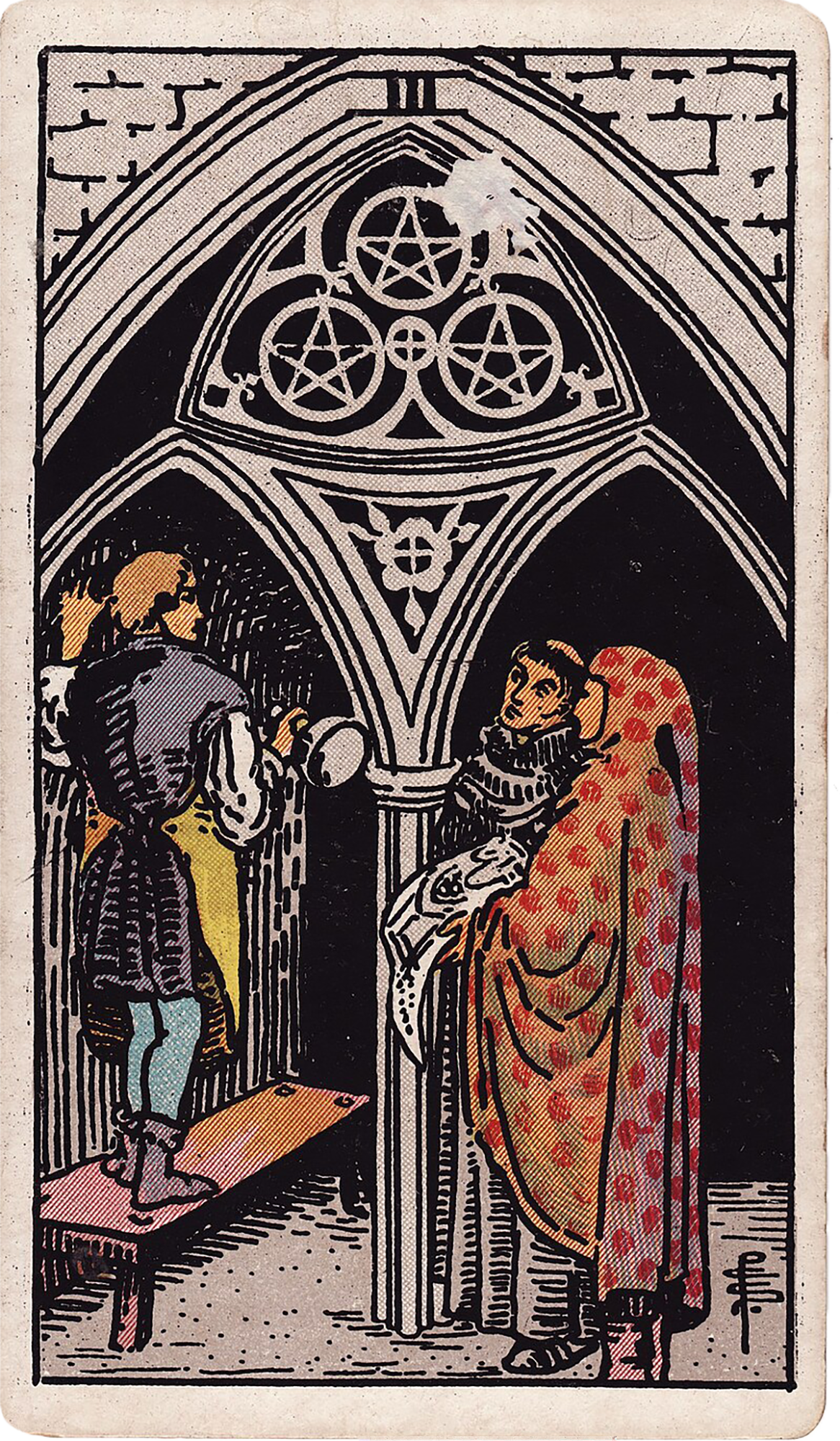 Environment3 of Pentacles
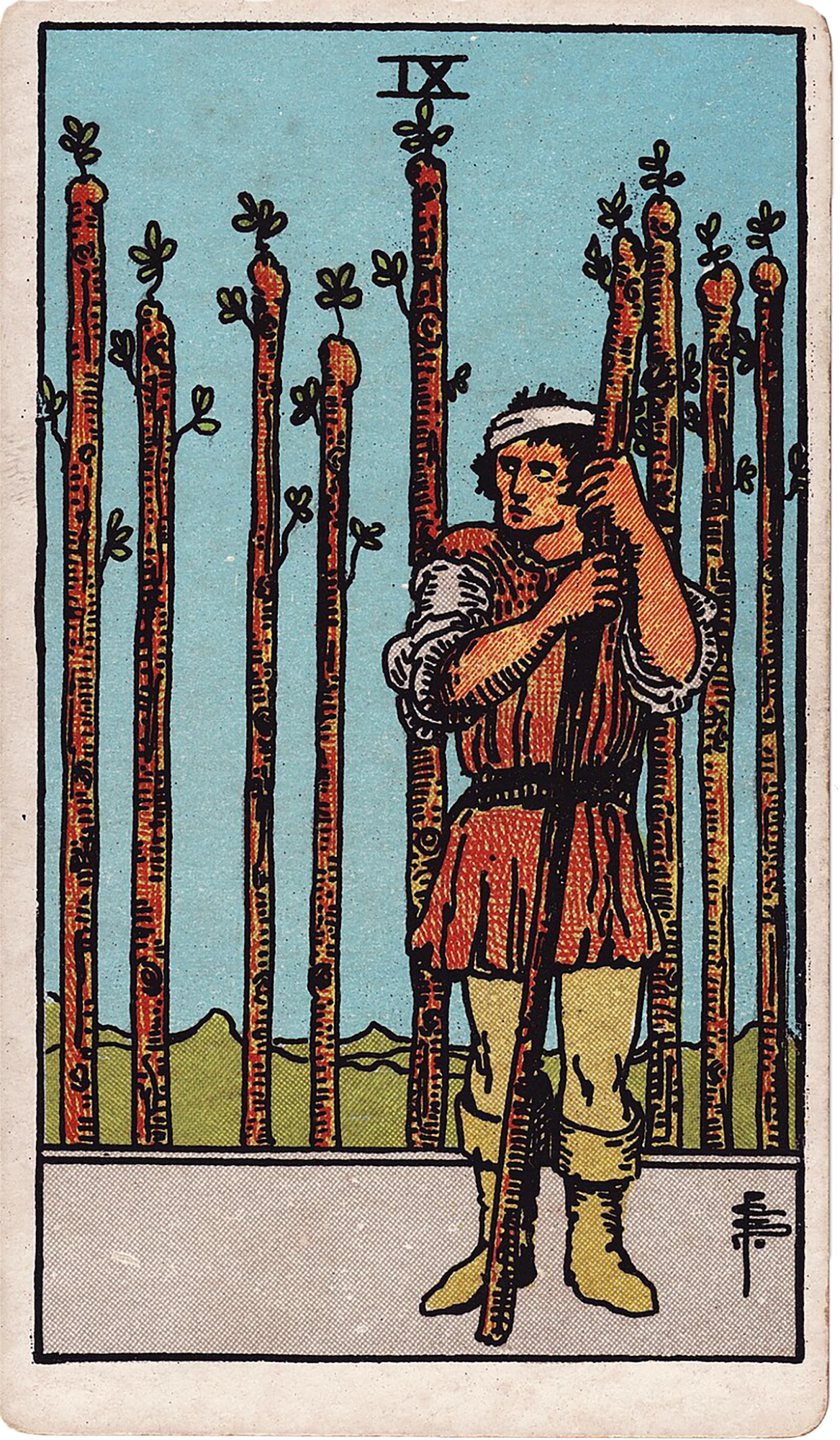 Hopes & Fears9 of Wands
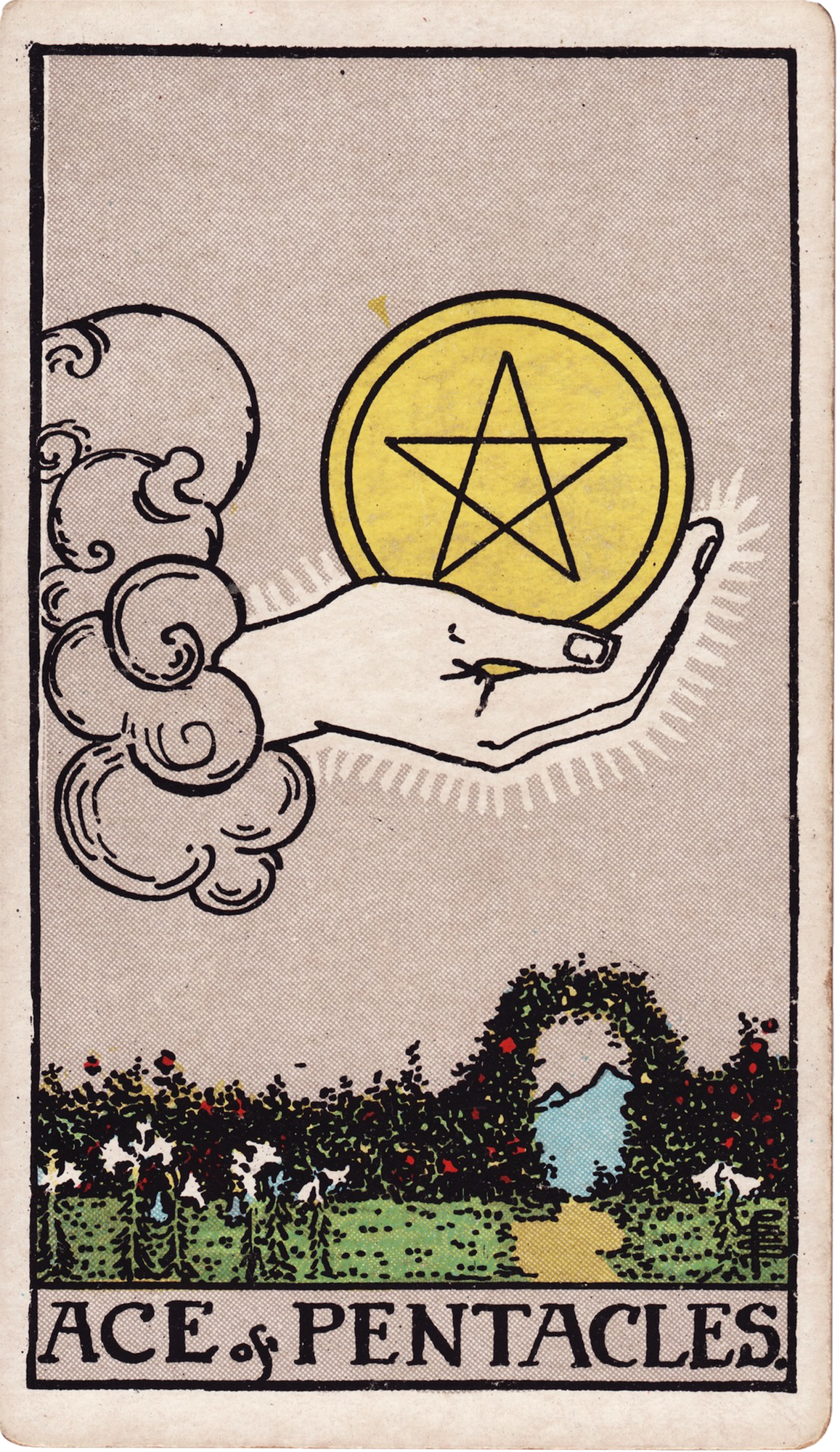 OutcomeAce of Pentacles
Introduction and purpose
The Celtic Cross has long served as a versatile, diagnostic spread. For project planning it is especially valuable because its structure balances internal capacity, external environment, obstacles, and outcomes in a single, ordered snapshot. This article uses the displayed Tarot card images in the exact order you see them: The Emperor; Ace of Wands; 3 of Wands; 5 of Wands; 6 of Wands; 9 of Wands; Ace of Pentacles; 3 of Pentacles; 7 of Pentacles; 8 of Pentacles. We will place them into the standard Celtic Cross positions in this order: Present / Heart, Challenge, Foundation, Recent Past, Possibility, Near Future, Self, Environment, Hopes & Fears, Outcome. The goal is practical: translate symbols into clear, time-bound actions and a resilient timeline. This is a learning resource, not a guaranteed prediction. Use it to stimulate planning, accountability and adaptive project management.
Why use the Celtic Cross for projects
The Celtic Cross organizes information in a way that mirrors project dynamics: a central core (what needs attention now), a crossing factor (obstacle or catalyst), the groundwork under everything, recent history, near prospects, personal stance, team and context, emotional projections, and final outcomes. For project planning you can map these onto roles, tasks, risks, milestones and learned behaviors. The spread offers a sequential, layered read that supports timeline creation because it separates immediate actions (the cross) from mid-term movement (near future and possibility) and long-term habits (outcome). When you anchor each position to the pictured cards and Rider-Waite-Smith imagery—thrones, wands, artisans, laurel wreaths—you convert symbolic cues into concrete verbs and checkpoints.
Layout and mapping: positions with the displayed cards
Below is the exact mapping used in this worked reading. For each position I describe the card’s visual cues, core practical meanings, and the question you ask to translate it into planning language. Always refer to the displayed card image while reading; visual details guide nuance. 1) Present / Heart — The Emperor (displayed image) Visual cues and keyword: a seated figure on a stone throne, ram iconography, armor, stable posture. Practical reading: The project's present state needs clearer structure, authority and boundaries. Question to ask: What systems, roles or governance are missing that would let this project move forward? Planning translation: Create or formalize a decision-maker, charters, timelines and escalation paths. Action example: Draft a one-page governance outline within 48 hours. 2) Challenge — Ace of Wands (displayed image) Visual cues and keyword: a single upright wand, fresh shoots, raw potential. Practical reading: The challenge is a new impulse or initiative that needs a first tangible step before enthusiasm fades. Question: What immediate action converts inspiration into progress? Planning translation: Define the smallest viable first task (a prototype, a meeting, a one-day test). Action example: Launch a one-week pilot task to capture momentum. 3) Foundation — 3 of Wands (displayed image) Visual cues and keyword: a figure looking out to ships at sea, horizon and preparation. Practical reading: Foundations support expansion and wider reach; the work is now positioned to scale if you have patience and preparation. Question: Where is the project already set to expand, and what minimum resources are required? Planning translation: Reserve logistics, alignment and medium-term planning (supply lines, partnerships). Action example: Draft a 4–8 week resource plan for expansion. 4) Recent Past — 5 of Wands (displayed image) Visual cues and keyword: five figures sparring with staffs, apparent conflict. Practical reading: Recent energy involved productive friction, conflicting agendas or competition. This friction has shaped the present need for structure. Question: What disagreements or competing priorities shaped the present? Planning translation: Hold a conflict-resolution checkpoint to separate useful critique from distraction. Action example: Convene a focused alignment session to chart agreed priorities. 5) Possibility — 6 of Wands (displayed image) Visual cues and keyword: a rider returning with a laurel wreath, public recognition. Practical reading: There is genuine potential for visible success and earned recognition if milestones are met. Question: What milestone would demonstrate credible progress and encourage stakeholders? Planning translation: Identify a celebratory deliverable and criteria for success. Action example: Define milestone metrics and a communications plan for publicizing initial wins. 6) Near Future — 9 of Wands (displayed image) Visual cues and keyword: a weary, guarded figure with a bandage; wands standing behind. Practical reading: The near future includes endurance, guardedness and the need to protect progress. The project will face pressure that requires resilience and buffer planning. Question: What defenses or contingency plans are necessary now? Planning translation: Include buffers for time, budget and staffing; plan for a push-phase. Action example: Add a two-week contingency window and a 'rest and review' after the next sprint. 7) Self — Ace of Pentacles (displayed image) Visual cues and keyword: a hand offering a pentacle, solid opportunity. Practical reading: Your role (or the lead role) is in a position to establish tangible resources and practicality. Question: What immediate tangible resource can you secure or commit? Planning translation: Commit funds, a workspace, equipment or a clear contract. Action example: Secure the first resource commitment and log it in project records. 8) Environment — 3 of Pentacles (displayed image) Visual cues and keyword: artisans collaborating in a cathedral-like space. Practical reading: The external environment favors collaboration, recognized skill and feedback loops. Question: Who are key collaborators and what skills must be coordinated? Planning translation: Formalize roles, feedback rituals and quality standards. Action example: Set weekly skill-review sessions and a shared task board. 9) Hopes & Fears — 7 of Pentacles (displayed image) Visual cues and keyword: a figure pausing to assess a plot of growth. Practical reading: There is hope the long-term investment will pay off, and fear that effort may not yield sufficient return. Question: Where will you make a review decision to continue, pivot or stop? Planning translation: Schedule honest assessment gates with criteria. Action example: Set a 3-month review with metrics to keep, adjust or abandon the approach. 10) Outcome — 8 of Pentacles (displayed image) Visual cues and keyword: a focused craftsman at work, repeated effort and skill refinement. Practical reading: If systems are enacted, the likely outcome is steady skill-building and quality through practice. Question: What daily routines, roles and inspections produce the outcome? Planning translation: Build learning cycles, QA processes and incremental upskilling. Action example: Create a 90-day skill development plan with weekly deliverables.
Interpreting imagery and Rider-Waite symbolism for planning
Successful practical readings use visual details. The Emperor’s throne, ram imagery and armor indicate authority, law, energetic discipline and the need to formalize power structures—think charters, budgets, sign-off lines. The Ace of Wands’ budding tip asks for a first physical movement: an email, a prototype, a meeting. The 3 of Wands’ ships and gaze represent outward planning and logistics—commercial outreach, distribution or scaling. The 5 of Wands’ scattered combat suggests clarification: are fights about resources, scope, or personalities? 6 of Wands’ laurel means publicly shareable wins. The 9 of Wands’ bandaged figure cautions that past weariness can create defensive postures; include rest cycles. Pentacles imagery (hand with coin; artisans; gardener; craftsman) moves the reading from idea to substance: fund, collaborate, review and practice. Ride the visual cues toward verbs: establish, launch, prepare, resolve, celebrate, endure, secure, coordinate, review, refine.
Card-to-card relationships and reading logic
A Celtic Cross is a system: cards influence one another. Read these relationships both horizontally (across the spread) and vertically (through suits and themes). Central interaction (Present / Heart — The Emperor) crossed by the Challenge (Ace of Wands) Interpretation: A new impulse (Ace of Wands) is pressing against the need for formal decisions and boundaries (The Emperor). This reads as 'you have a good idea but it needs to be given structure now.' Planning implication: Before you launch the Ace of Wands initiative, define authority and limits so momentum does not become chaotic. Foundation (3 of Wands) supporting Present and Challenge Interpretation: The groundwork already points toward expansion; logistics and horizon thinking are available. That means the impulse is not blind—it can scale if staged. Use the 3 of Wands to convert the Ace of Wands' first step into a small expansion test layered under Emperor governance. Recent Past (5 of Wands) -> Present (The Emperor) Interpretation: Recent friction led to the present requirement for order. Consider what conflicts created gaps in responsibility; clean those up by assigning roles under Emperor structures. Possibility (6 of Wands) & Near Future (9 of Wands) Interpretation: There is a realistic chance of public recognition (6) if you make it through an endurance phase (9). That suggests scheduling a milestone that, when reached, will be celebrated and will help morale through the next difficult push. Self (Ace of Pentacles) & Environment (3 of Pentacles) Interpretation: You personally can secure tangible assets and the environment is collaborative. This is ideal: convert the Ace of Pentacles into an explicit resource commitment and use the 3 of Pentacles to bring in stakeholders with defined roles and quality standards. Hopes & Fears (7 of Pentacles) leading to Outcome (8 of Pentacles) Interpretation: You're worrying about return on effort, and the best outcome is to focus on disciplined work and skill-building. This situates the project as a craft—growth from attention and iteration rather than a single breakthrough. Cross-suit pattern: Wands in positions 2–6 show a narrative arc from impulse to recognition, with necessary endurance in the near future. Pentacles in positions 7–10 shift the reading into practical execution and habit. Use this to divide the project timeline: early strategic moves (Wands) then operationalization (Pentacles).
From reading to a timeline and milestones
A practical timeline converts each key card into milestones, durations, and checkpoints. Below is a template timeline using the spread’s logic. Adjust cadence to your project scope. Phase 0: Immediate (0–2 weeks) - The Emperor (Present): Draft governance, roles and a one-page project charter (48–72 hours). Assign a named decision-maker. - Ace of Wands (Challenge): Launch a smallest-viable-action (SVA) or sprint kickoff task within the first week. Phase 1: Short-term preparation and alignment (2–8 weeks) - 3 of Wands (Foundation): Create a 4–8 week expansion plan: resource reservations, vendor hookups, outreach list. - 5 of Wands (Recent Past suggests unresolved conflict): Run an alignment session and resolve priority conflicts; freeze scope boundaries for the short term. Phase 2: Early milestone and visibility (8–12 weeks) - 6 of Wands (Possibility): Aim for a visible, measurable milestone that can be demonstrated publicly—an MVP, pilot report, or user testimonial. Prepare a short communications plan to announce it. Phase 3: Consolidation and defense (12–16 weeks) - 9 of Wands (Near Future): Expect pressure; schedule contingency buffers, review resources and morale, and set a 'support week' where tasks are reduced to allow recovery. Phase 4: Operationalization and skill-building (4+ months) - Ace of Pentacles (Self): Secure longer-term resources and contracts. - 3 of Pentacles (Environment): Establish collaboration rituals—weekly reviews, peer feedback and quality criteria. - 7 of Pentacles (Hopes & Fears): Hold a 3-month evaluation gate with concrete metrics (ROI, user adoption, quality). Decide to continue, pivot or wind down. - 8 of Pentacles (Outcome): Move into a routine of incremental improvement and upskilling. Create a rolling 90-day plan for skill development and QA. Mapping durations: This example uses weeks and months but is illustrative. For smaller tasks compress the timeline; for large initiatives expand it. The important practice is to tie each card to a milestone and a measurable acceptance criterion.
Step-by-step technique learners can reproduce
1) Set the question and scope. Frame a project-focused question: e.g., 'What is the next realistic 6-month roadmap for Project X?' Keep it practical and bounded. 2) Shuffle and cut with intention. If you use reversals, decide ahead whether you read them; reversals can indicate delay, internalization or blockage. 3) Deal the Celtic Cross in the standard order: place the first card as Present / Heart, second crossing as Challenge, third Foundation, fourth Recent Past, fifth Possibility, sixth Near Future, then a vertical line for Self (7), Environment (8), Hopes & Fears (9), and Outcome (10). Use the supplied order if you are practicing this worked example. 4) Observe imagery first. Before consulting keywords, look at the card picture and note three immediate details (colors, figures, objects). Write them down. 5) Read position meaning + card meaning. Combine the position prompt with the card's core interpretation and Rider-Waite imagery into a single-sentence planning insight. 6) Translate into actions. Convert that sentence into an action with a verb, owner and target date. For instance, 'Formalize decision-making' becomes 'Lead: Project Sponsor to deliver one-page charter by Day 3.' 7) Map relationships. Ask how the central cards influence one another. Write two linking sentences, e.g., 'The Emperor requires governance before Ace of Wands can be safely launched.' 8) Build milestones and contingency. Use Possibility and Near Future to set a milestone and a buffer plan. Use Hopes & Fears to set evaluation gates. 9) Document and revisit. Record the reading, photograph the layout, and place it in your project management tool as a one-page plan. Re-run the spread at predetermined review gates (e.g., at the 3-month check-in represented by the 7 of Pentacles). 10) Practice and iterate. Do short practice readings on low-stakes projects to grow fluency with imagery-to-action conversion.
Common mistakes and troubleshooting
Mistake: Over-precision on dates. Tarot gives process and rhythm, not exact delivery dates. Fix: convert cards into time windows (immediate, short-term sprint, consolidation, long-term habit) and add specific dates only when validated by stakeholders. Mistake: Reading single cards in isolation. Fix: always ask how a card modifies or is modified by adjacent cards (especially cross-card pairs like Present/Challenge and Possibility/Near Future). Mistake: Ignoring visual details. Fix: force yourself to list three image details per card before reading keywords; this grounds interpretations. Mistake: Using the spread as prescriptive prophecy. Fix: treat it as a planning heuristic—an evidence-based creative prompt that requires human decision and accountability. Mistake: Skipping reversals or uncertainly handling them. Fix: decide in advance whether you read reversed meanings; if you do, use them to flag internal blocks or delays and incorporate remedial actions. Troubleshooting question set when stuck: - Where does the Emperor’s authority need to be applied today? - What is the smallest possible action the Ace of Wands asks for? - Which logistics in the 3 of Wands need to be secured now for the next milestone? - Who must be invited to the 3 of Pentacles collaboration session to make the 6 of Wands moment possible? - What specific metrics will the 7 of Pentacles review use?
Worked synthesis: turning this reading into a practical plan
Below is a concise working plan built from our card relationships. Use exact verbs, owners and timeboxes. Immediate 72-hour actions - Governance: Project lead drafts the project charter and approval matrix (The Emperor). Owner: Project Lead. Due: 72 hours. - Pilot: Kick off a 5-day proof-of-concept that demonstrates the Ace of Wands' idea. Owner: Sprint owner. Due: End of week 1. Weeks 2–6 - Logistics: Create an expansion checklist informed by the 3 of Wands (suppliers, distribution, user testing schedule). Owner: Ops. Due: Week 3. - Alignment: Host a 2-hour alignment meeting to resolve issues flagged by 5 of Wands; freeze non-essential scope changes for the short term. Owner: Facilitator. Due: Week 2. Weeks 8–12 (Milestone) - Public milestone: Prepare a shareable deliverable and announcement aligning with 6 of Wands. Owner: Communications + Product. Success metric: X users/customers or Y demonstrations. - Prepare for push-phase: Insert a two-week buffer and staff rotation plan to manage the 9 of Wands endurance phase. Month 3 gate - Review: Use the 7 of Pentacles gate to evaluate ROI and decide next steps. Gather quantitative metrics and qualitative feedback. Owner: Steering Committee. Ongoing (Month 3 onward) - Resources and collaboration: Convert Ace of Pentacles and 3 of Pentacles into contracts, weekly peer reviews and a shared quality checklist. - Skill-building and QA: Move to an 8 of Pentacles cadence—daily practice, weekly deliverables, and continuous improvement with a visible backlog of learning items. Use this plan as a living document: a one-page roadmap connected to your project tool. Re-run the Celtic Cross at each major gate to check alignment with reality.
Practical exercises to build skill
Exercise 1: Image-first practice Shuffle and layout the Celtic Cross. Before reading any keywords, write three visual observations for each of the ten displayed cards. Then write a single-line action for each card. Compare the action list to the card keywords. Exercise 2: Two-card linking drills Pick two adjacent positions (Present/Challenge or Possibility/Near Future). For five repeats, draw those two positions and write three sentences linking them, always ending with a concrete task and owner. Exercise 3: Timebox mapping Using the spread's narrative, create three timeline options: 6-week sprint, 3-month plan and 6-month plan. For each, map where each card's instruction falls and what the milestone looks like. Exercise 4: Re-run for retrospectives After a sprint or a milestone, re-run the same Celtic Cross focusing on lessons learned. Compare new cards to the original reading to identify emergent trends in governance, energy and skill.
Conclusion and learning ethos
This Celtic Cross reading with the supplied cards provides a robust framework for turning symbolic insight into a pragmatic project roadmap. The Emperor asks you to create structure now; the Ace of Wands demands an immediate, small action; the Wands sequence (3, 5, 6, 9) narrates preparation, friction, recognition and endurance; the Pentacles sequence (Ace, 3, 7, 8) outlines resource commitment, collaborative craft, review and disciplined practice. Read visually, translate into verbs, allocate owners and timeboxes, and treat the spread as an adaptive planning tool rather than a fate-fixed script. Practice the method, document outcomes, and refine your use of imagery-to-action conversions. With disciplined use this spread becomes a recurring project management heuristic that keeps planning human, responsive and artful.
Practice questions
• Looking at the Emperor image now, what one governance change could remove the most friction from your project?
• What is the smallest, testable action the Ace of Wands image asks you to take within 72 hours?
• Which logistical detail suggested by the 3 of Wands must be secured before you scale?
• What recurring conflict shown by the 5 of Wands still drains energy, and how will you contain it?
• Which concrete milestone would count as the kind of recognition promised by the 6 of Wands?
• What buffers or recovery actions does the 9 of Wands ask you to schedule into the timeline?
• What specific resource can you commit now that echoes the Ace of Pentacles’ imagery?
• How will you structure collaboration and feedback to align with the 3 of Pentacles?
• What metrics will make your 7 of Pentacles gate decisive (continue/pivot/stop)?
• What daily habit or practice will you commit to that reflects the 8 of Pentacles outcome?
Comments
Sign in to comment.
Continue learning
Mastering Decision Making with the Five Card Cross Tarot Spread
The Five Card Cross Tarot Spread is a powerful tool for deepening decision-making skills by examining the present situation, past influences, future possibilities, challenges, and...
Navigating Conflict Resolution and Inner Struggles with the Five Card Cross Tarot Spread
This article delves into the Five Card Cross Tarot Spread as a practical tool for navigating conflict resolution and inner struggles, especially within family contexts. Using the s...
Using the Career Five Card Spread to Identify Growth Opportunities and Challenges
This article explores the Career Five Card Spread, a practical tarot method designed to spotlight growth opportunities, strengths, and obstacles within a career context. By analyzi...
Unlocking Life Insights with the Celtic Cross Tarot Spread
This article offers a thorough exploration of the Celtic Cross Tarot Spread, focusing on its application within family and practical life contexts. Using a worked example featuring...
Enhancing Clarity in Complex Choices with the Five Card Cross Tarot Spread
The Five Card Cross Tarot Spread is a practical tool designed to clarify complex choices by breaking down the decision into manageable parts. This article explores each position in...
Deepening Connection and Communication Using the Relationship Five Card Spread
This article introduces the Relationship Five Card Spread as a practical tool to enhance family communication and connection. Using five specific card positions—You, The Other Pers...
Using the Five Card Cross Tarot Spread to Navigate Career Changes with Confidence
The Five Card Cross Tarot Spread is a versatile and insightful tool for navigating career changes. This article guides learners through the method step-by-step using a practical ex...
Unlocking Personal Insight with the Seven Card Horseshoe Spread
The Seven Card Horseshoe Spread is a practical and insightful Tarot layout ideal for exploring personal and family dynamics. This article breaks down each position—Past, Present, H...
Using the Career Five Card Spread to Uncover Professional Strengths and Opportunities
This article presents a comprehensive guide to the Career Five Card Spread, designed to help learners explore professional strengths and opportunities using five specific Tarot car...
Using the Career Five Card Spread to Overcome Professional Challenges with Insight
The Career Five Card Spread is a powerful tool for exploring current professional situations, identifying strengths, challenges, opportunities, and practical next steps. This artic...