
Choose Your Next Creative Project with the Five Card Decision Spread
This article teaches a five-card Decision spread designed to help choose between two creative projects. Using the supplied cards—Knight of Wands in Situation, 8 of Cups as Option A, 9 of Cups as Option B, 9 of Swords as the Hidden Factor and 3 of Pentacles as Advice—we explain position meanings, Rider–Waite–Smith imagery, card-to-card dynamics, synthesis logic, and a reproducible practice method. The tone is educational and practical: this is guidance for learners, not absolute prediction.
Decision Five
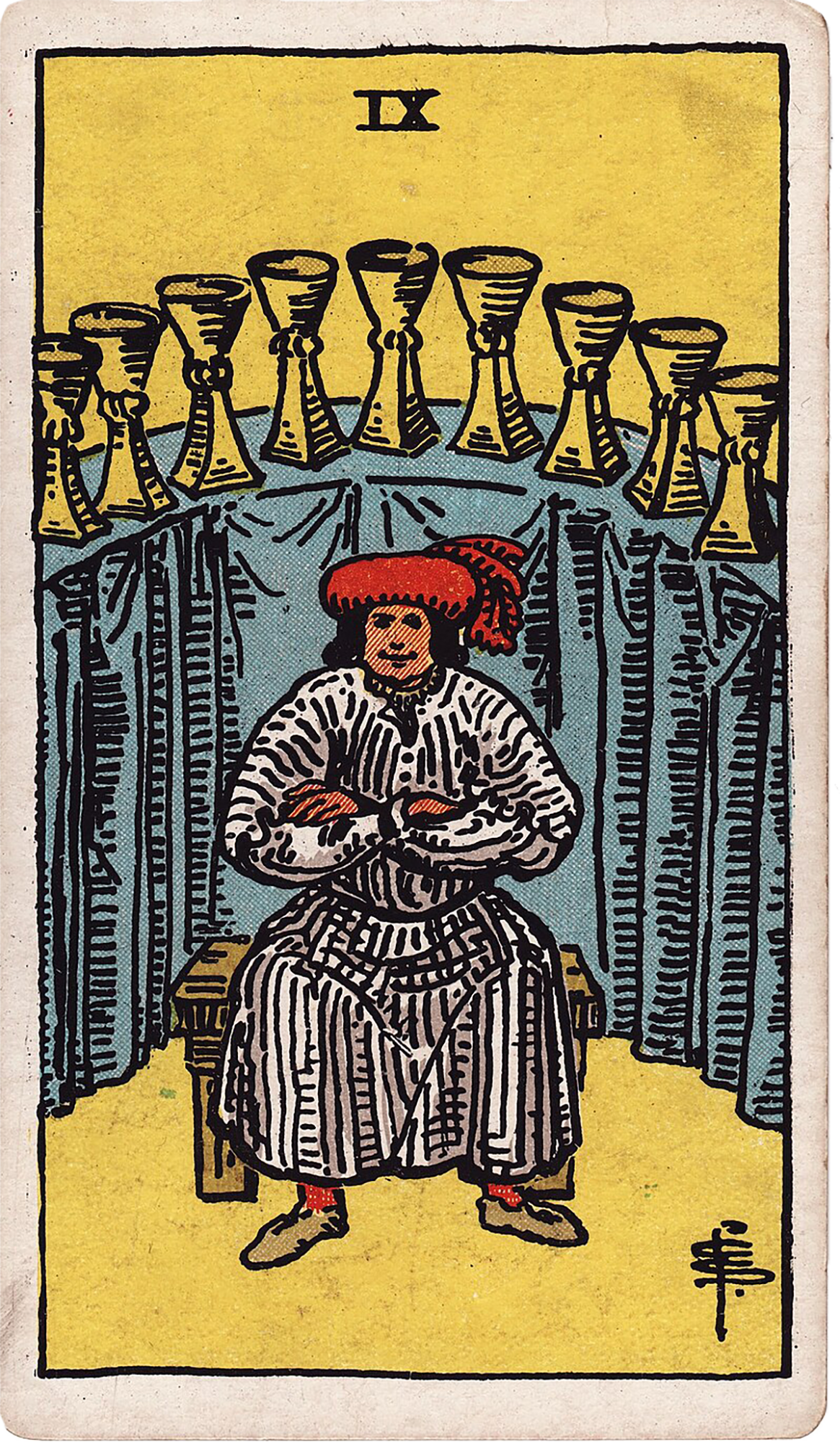 Situation9 of Cups
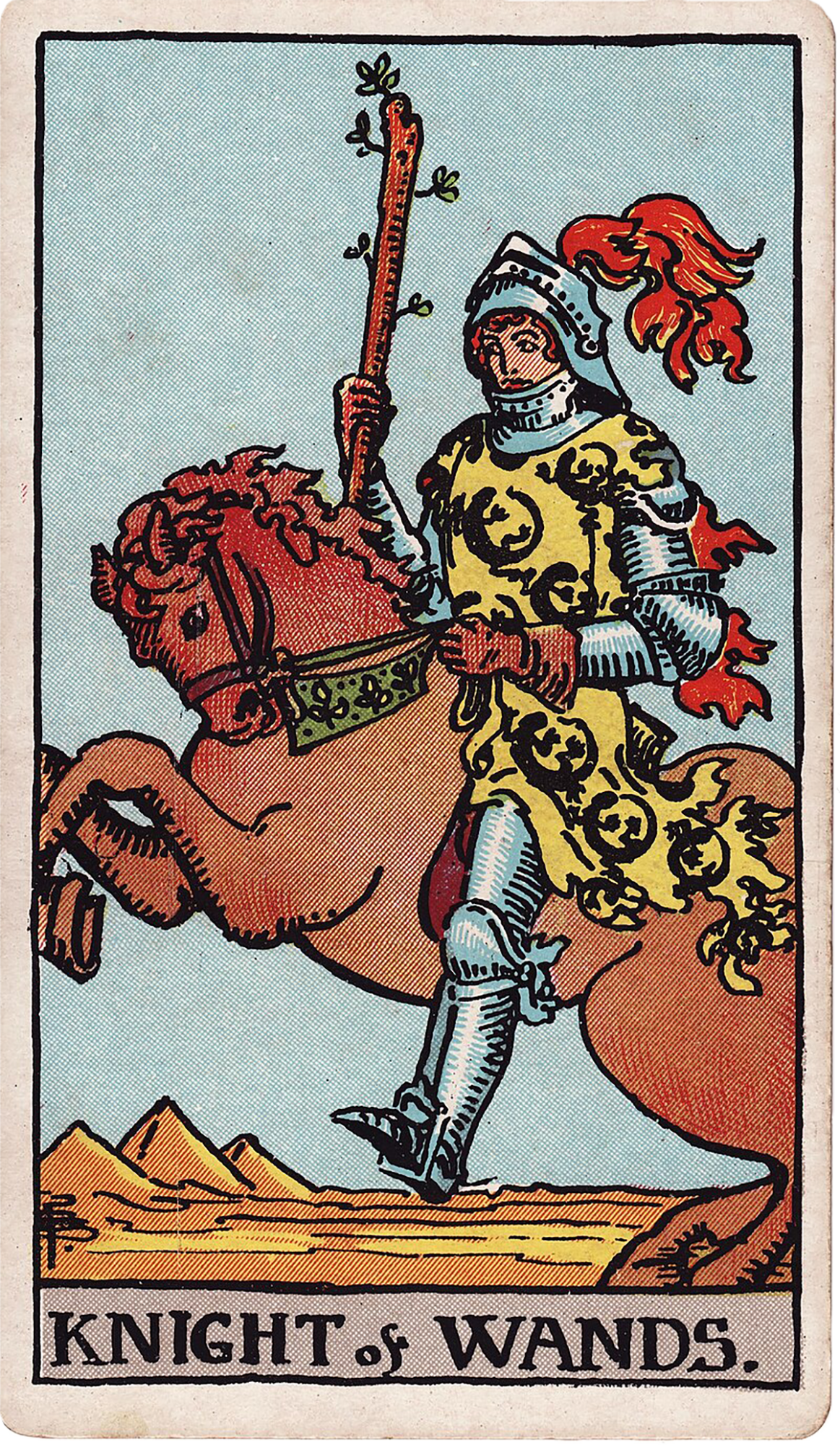 Option AKnight of Wands
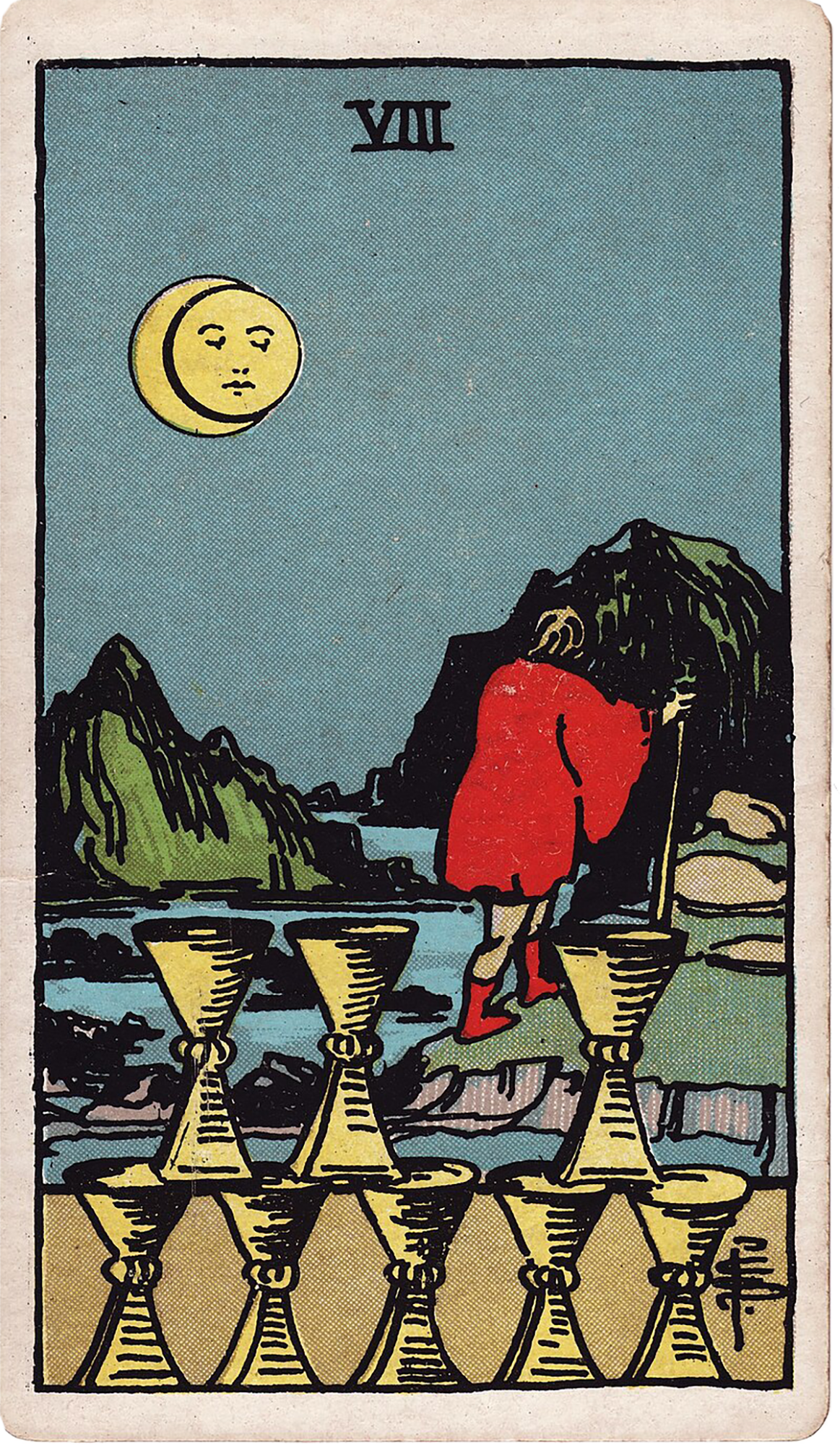 Option B8 of Cups
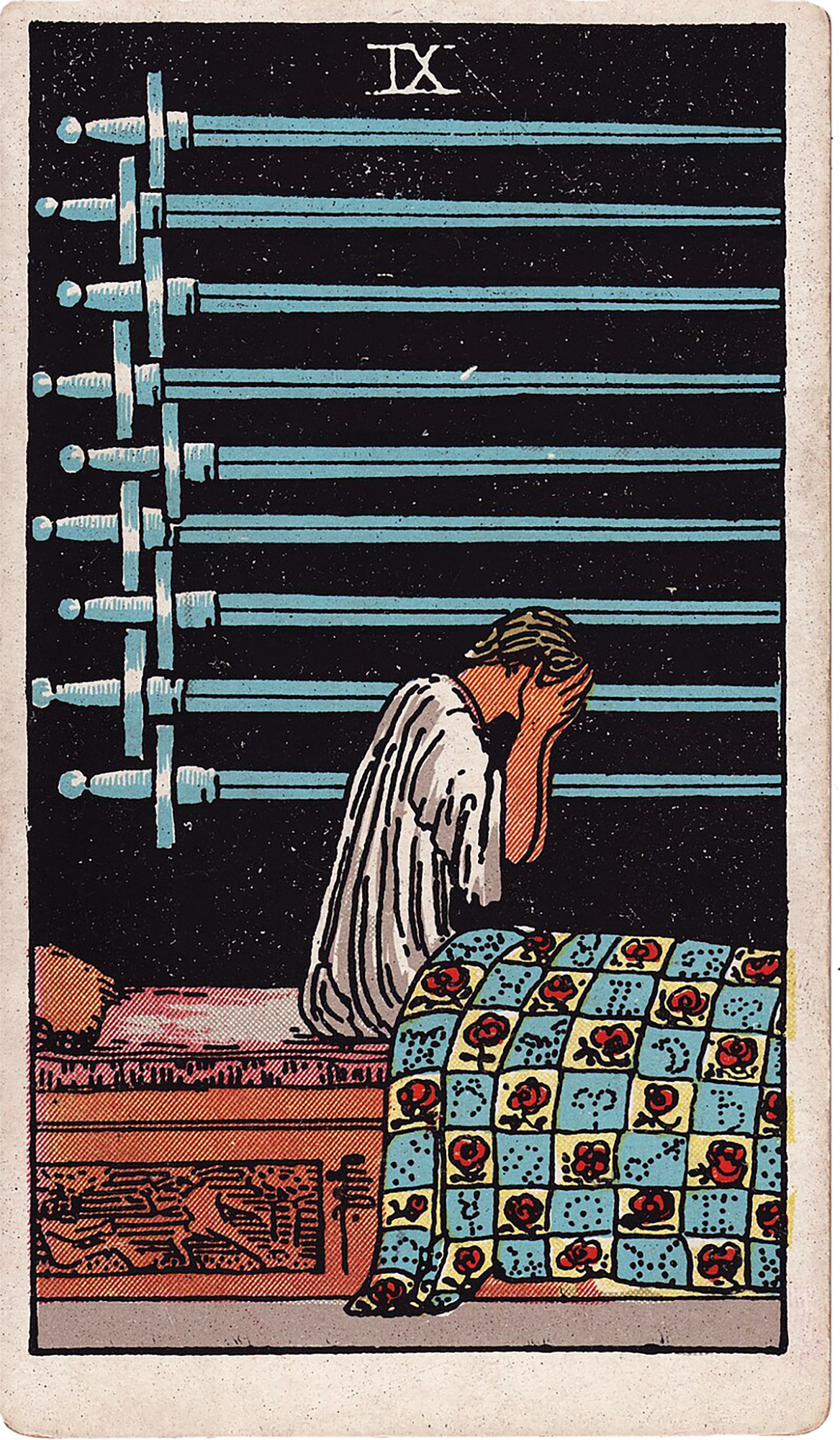 Hidden Factor9 of Swords
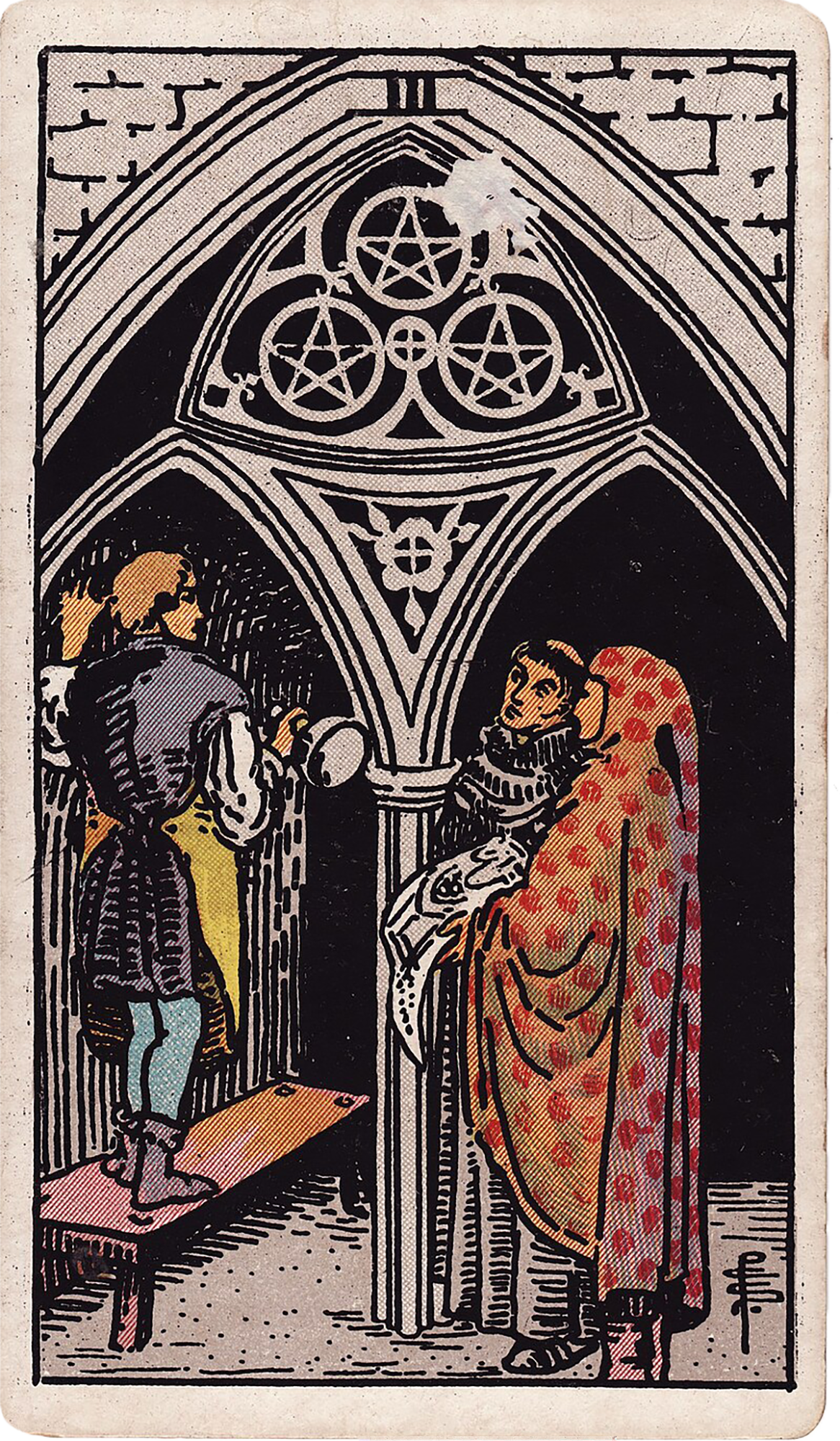 Advice3 of Pentacles
Overview: What the Decision Five Spread does
Purpose and scope. The Decision Five (Decision-Five) spread is a compact comparative layout for choosing between two paths—here framed specifically for choosing a creative project. It keeps the focus narrow: Situation, Option A, Option B, Hidden Factor, and Advice. The spread balances stimulus (what's pushing you) with emotional payoff (what satisfies you), the mental landscape (what you're afraid of or overlooking), and practical steps (how to move forward). In this working example the five cards provided are: Knight of Wands, 8 of Cups, 9 of Cups, 9 of Swords and 3 of Pentacles. The public article will display images of those exact cards; the interpretations below anchor repeatedly to the visual symbols found in the Rider–Waite–Smith tradition so readers can work directly with the pictures they see.
Layout and positional meanings
The layout is simple and learner-friendly. Place five cards left to right in this order: Situation, Option A, Option B, Hidden Factor, Advice. Labels in order: "Situation", "Option A", "Option B", "Hidden Factor", "Advice". Read from left to right, then re-scan for patterns, repeated numbers, suits and visual echoes. Position-by-position quick meanings: - Situation: What is driving you now; the energy already present. - Option A: The first project or pathway you’re considering. - Option B: The second project or pathway to compare with A. - Hidden Factor: A psychological, logistical, or emotional influence you may be missing. - Advice: Practical, tactical steps that will increase the chance of a successful, sustainable choice. In our example the cards placed into these positions are (in the supplied order): Situation = Knight of Wands; Option A = 8 of Cups; Option B = 9 of Cups; Hidden Factor = 9 of Swords; Advice = 3 of Pentacles. The rest of this article reads those cards in those positions, using imagery and conventional Rider–Waite–Smith meanings as a guide.
Reading Position: Situation with the Knight of Wands
Card in Situation: Knight of Wands (upright reading assumed unless you draw reversed in practice). Visual cues: a mounted rider on a rearing horse, a long wand held like a banner, bold colors and symbols of fire such as salamanders on the knight’s cloak. Rider–Waite–Smith symbolism stresses motion, charisma, and an adventurous, risk-taking impulse. Card meaning in position: As the Situation card, the Knight of Wands tells you that the landscape of choice is driven by forward energy. You are in a phase of high initiative—ambition, appetite for novelty and a desire to act quickly. The card is practical in this position: it asks whether you need speed and courage now, or whether you’re chasing excitement without a plan. The Knight’s horse rearing suggests momentum is present; the wand held upright implies a clear creative impulse. How to use the image: Look at the rider’s posture and the horse’s motion. In the Rider–Waite–Smith deck the Knight’s helmet and cloak show fire and movement; this helps you ask: Which of my options will honor this forward motion? Which will let me channel that energy productively? The Knight doesn’t guarantee success—he emphasizes energy that must be directed. With that in mind, treat the Knight as your current fuel tank: high-octane, impatient and ready to launch.
Reading Option A: 8 of Cups
Card in Option A: 8 of Cups. Visual cues: a lone figure walking away from a stacked set of cups, often under a moonlit sky. The image suggests departure and a search for deeper meaning. Card meaning in position: As Option A, 8 of Cups presents a path of leaving, turning away or deepening. For a creative project this could mean abandoning a project that no longer satisfies, shifting to an emotionally truer subject, or intentionally stepping back from public-facing work to do inward research. It is not necessarily failure; it often represents a deliberate emotional recalibration. Interpreting with the Situation (Knight of Wands): The Knight’s forward energy combined with the 8 of Cups suggests two possible dynamics. One: your energetic momentum might be pushing you to leave a situation that isn't worth staying in—a decisive departure. Two: the courage of the Knight could be needed to make the often-difficult choice to walk away. Pay attention to whether the Knight’s impulsiveness could make you leave too quickly; 8 of Cups asks for reasoned departure, not dramatic burnings of bridges. Practical questions to ask: If you choose Option A, what exactly are you walking away from? Is it content that no longer matches your values, or is it fear of commitment disguised as a desire to 'leave'? Does the image of the moon in the 8 of Cups suggest you're guided by intuition or by shadows and uncertainty?
Reading Option B: 9 of Cups
Card in Option B: 9 of Cups. Visual cues: a seated figure with nine cups arranged behind—a symbol of contentment, indulgence and a wish fulfilled. Card meaning in position: As Option B, 9 of Cups promises satisfaction, enjoyment and visible emotional reward. A creative project aligned with the 9 of Cups will likely give you pleasure and public gratification; it may be a project that fulfills a personal wish, builds confidence and feels rewarding in the short term. Interpreting with the Situation (Knight of Wands): The Knight of Wands’ energy paired with the 9 of Cups hints that following your energetic momentum toward projects that provide immediate joy or recognition is tempting and viable. The Knight supplies the drive; the 9 of Cups supplies the reward. But beware: the 9 of Cups upright calls you to check whether the satisfaction can be shared or if it will be hoarded. The Knight’s speed might close off deeper reflection—do you want short-term applause or something that lasts? Practical questions to ask: If you choose Option B, who benefits from the satisfaction, and how long might the enjoyment last? Are you building something that scales, or are you creating an elaborate one-off that delivers pleasure but little durability?
Reading the Hidden Factor: 9 of Swords
Card in Hidden Factor: 9 of Swords. Visual cues: a person sitting in distress, often in bed, hands to their face, with nine swords on the wall. The image evokes sleepless nights and anxious rumination. Card meaning in position: As the Hidden Factor, the 9 of Swords points to inner worry, intrusive thoughts, or catastrophizing that you may not be fully aware of when deciding between projects. It can represent perfectionism (fear of failure), anticipatory anxiety (what if I look foolish) or grief that hasn’t been acknowledged. How it modifies the options: The 9 of Swords sits between the options and the advice; its influence can tilt both options. With the Knight of Wands in the Situation, the 9 of Swords warns that your impulsive energy might be undercut by internal criticism. If you choose the 8 of Cups (Option A), the 9 of Swords may show fear of leaving the wrong thing behind—guilt about desertion or worry that leaving will be judged. If you choose the 9 of Cups (Option B), the 9 of Swords might reveal that what seems satisfying is in fact a bandage over anxiety—gratification used to soothe worry rather than to build long-term meaning. Practical inquiry: Ask yourself what thoughts repeatedly wake you at night about these projects. Are you imagining failure vividly and without evidence? The 9 of Swords invites you to evidence-check those narratives and seek support to put worry into perspective.
Reading the Advice: 3 of Pentacles
Card in Advice: 3 of Pentacles. Visual cues: three figures in a crafted space—an architect or master, an apprentice, and a stonemason—often in a cathedral or workshop. The image emphasizes craft, collaboration and shared standards. Card meaning in position: As Advice, 3 of Pentacles recommends collaboration, feedback loops and attention to craft over brilliance alone. Practically, it suggests prototyping, peer review, building a small team or seeking mentors who can raise standards. How it resolves the tension: The 3 of Pentacles is grounding. It tells you that whichever option you pick, prioritize planning and collaboration: define milestones, solicit critique, and practice the relevant skills. For the Knight of Wands’ momentum, the 3 of Pentacles says: channel that fire into structured steps and outside perspectives. For 8 of Cups it suggests finding peers who understand departures and can help you complete closure responsibly. For 9 of Cups it advises that enjoyment should be accompanied by craft and standards so your satisfaction zips into the larger arc of competence. And regarding the 9 of Swords, the 3 of Pentacles gives a remedy: speak with collaborators or a coach to expose and defuse your anxious narratives.
Card-to-card dynamics and synthesis
Now that you’ve reviewed each card, synthesize. Look for suit patterns, repeated numbers and image echoes. In this spread you have: - Wands (Knight of Wands) for initiative and identity. - Cups (8 of Cups and 9 of Cups) clustered as the two options—emotional choices. - Swords (9 of Swords) as hidden mental content. - Pentacles (3 of Pentacles) as grounding, practical advice. Notable patterns in this layout: - Two Nines: 9 of Cups and 9 of Swords. The number nine often indicates near-completion, reflection on results and a threshold before integrating lessons. Here the pair suggests both emotional completions and mental tensions are at play. The 9s mirror each other: one offers fulfillment (Cups), the other exaggerates fear (Swords). This contrast is a central decision axis: genuine satisfaction versus anxious distortion. - Cups as the two options: Both choices are emotionally framed. Option A (8 of Cups) is about searching for deeper meaning; Option B (9 of Cups) is about enjoying a fulfilled wish. That contrast starkly defines the decision as depth versus reward. - The Knight of Wands driving the situation means action is available now; the 3 of Pentacles' presence as advice means this action should be organized. The Knight provides impulse; the 3 of Pentacles provides structure. A synthesis example: You currently feel driven and impatient to act (Knight of Wands). Option A asks you to walk away from something for emotional authenticity (8 of Cups). Option B promises immediate satisfaction (9 of Cups). Hidden anxiety (9 of Swords) may push you toward the safe-sounding comfort of Option B or towards habitual restlessness that looks like Option A. The counsel of the 3 of Pentacles is to gather collaborators, set quality standards and prototype—do a small collaborative trial before committing fully to either option. In practical terms: run a short prototype for Option B to test sustained satisfaction, or organize a controlled exit plan and closure checklist for Option A so you don’t abandon out of fear or impulse.
How to reproduce this reading: practical technique step-by-step
Step 1 — Clarify the question. Use a focused prompt such as: "Between Project Alpha (Option A) and Project Beta (Option B), which should I prioritize next, and what helps me decide?" Step 2 — Prepare your space. Lay out the five labeled positions left to right: Situation, Option A, Option B, Hidden Factor, Advice. Have a notebook for notes and timing. Step 3 — Shuffle with intent. While shuffling, hold the question in mind and visualize the two projects. If you want to randomize orientation fully, cut the deck into any number of piles and recombine; accept whatever card orientation appears. Step 4 — Draw five cards and place them face up in order. Note any reversals; read reversals as signposts to examine stuck processes rather than simply opposites. Step 5 — Start with Situation, then read Option A and Option B individually, then the Hidden Factor and Advice. After individual readings, re-scan for relationships: suits, numbers, shared imagery (figures, architecture, animals), directional movement in the art (who faces which way?), and emotional tone. Step 6 — Synthesize: weigh the options against the Situation and Hidden Factor, then apply Advice to form a practical action plan (prototype, ask for feedback, schedule milestones). Step 7 — Close and journal. Write the key takeaways, possible next steps and one experimental action you can do in the next week. If possible, take a photograph of the laid-out cards for later reflection. Timing tips: Give yourself a minimum of 10–15 minutes for a considered read; 30–60 minutes for deeper synthesis and journaling.
Common mistakes and how to avoid them
Mistake 1 — Ignoring imagery. Solution: spend time looking at the picture—who faces what direction, architecture, animals, colors. For example, the Knight of Wands’ rearing horse literally indicates upward or forward motion; the 3 of Pentacles’ cathedral arches indicate long-term public craft. Mistake 2 — Overvaluing one card. Solution: always interpret cards in positional context. The 9 of Cups is lovely, but as Option B it competes with Option A and is tempered by the 9 of Swords and the 3 of Pentacles. Mistake 3 — Treating reversals as purely negative. Solution: reversals often show an internalized process or point to required inner work—ask what is stuck and what needs release or practice. Mistake 4 — Letting fear (9 of Swords) drive the decision. Solution: evidence-check your worrying thoughts and translate them into tasks that the 3 of Pentacles can handle—get feedback, make a small prototype, or create a test. Mistake 5 — Failing to act. Solution: use the Knight of Wands’ energy but channel it through the 3 of Pentacles’ structure—set a micro-deadline and an accountability partner.
Practical reading example and action plan
Example synthesis (concise): Your current energy (Knight of Wands) wants to move quickly. Option A (8 of Cups) is an emotionally honest departure—perhaps leaving an ongoing project for something more meaningful. Option B (9 of Cups) is an appealing, wish-fulfilling project that promises immediate satisfaction. The 9 of Swords warns that anxiety may cause you to jump away or cling to easy pleasure to soothe fear. The 3 of Pentacles advises testing, collaboration and craft. Action plan template: 1) Short test: Build a two-week prototype for Option B that includes external feedback sessions (3 of Pentacles). Evaluate whether the satisfaction endures beyond the initial rush (watch for Knight-of-Wands-driven impulse). 2) Responsible exit checklist: If you consider Option A, create a closure checklist for what to conclude before stepping away—for example, handoffs, documentation and final public statements—to avoid later regret and guilt (addresses 8 of Cups and 9 of Swords). 3) Anxiety audit: Write the worries the 9 of Swords raises and test them against evidence. Share the list with a collaborator to get an outside perspective (3 of Pentacles). 4) Three-week review: At the end of three weeks, re-run the Decision Five or a simpler two-card spread (progress vs block) to check whether the Knight’s momentum remains justified.
Practice exercises and learner tasks
Exercise 1 — Redraw the spread with the same question but intentionally reverse the deck before drawing. Compare differences in tone—did any card reverse? How did that change your advice? Exercise 2 — Visual anchor. Look closely at the Knight of Wands image for two minutes and write an uninterrupted paragraph about the action the rider is taking. Repeat with the 8 of Cups and 9 of Cups. Notice how different parts of your imagination respond to each picture; this clarifies emotional pull versus directional energy. Exercise 3 — Peer reading. Swap readings with a partner. Have them set your two options; you read the five-card spread, then compare syntheses. Use the 3 of Pentacles theme to simulate a peer feedback session. Logging: Keep a log of at least five Decision Five readings over a three-month window to notice patterns: Do you habitually choose the ‘satisfying’ card or the ‘searching’ card? Where does worry (9 of Swords) usually appear in your spreads, and what helps it dissipate?
Closing notes on interpretation logic and learner mindset
Interpretation logic is a discipline of pattern recognition balanced with compassion: read literal visual elements, then layer conventional card meanings, then examine positional constraints. Always remember: Tarot is a tool for clarification and action planning, not an oracle that replaces responsibility. For learners, the goal is to practice consistent method, write down observations and treat each spread as an experiment. In this worked example the visual and symbolic contrast between Knight of Wands (action), Cups options (emotional choices), 9 of Swords (hidden anxiety) and 3 of Pentacles (craft and collaboration) creates a coherent narrative: you have the energy to act; the choice is between depth and delight; anxiety can distort decision-making; the antidote is structure and collaboration. Use that narrative to propose testable next steps and to develop a plan you can implement and evaluate.
Practice questions
• When you look at the Knight of Wands image, what single adjective best describes your current momentum? Why?
• Which feeling does Option A (8 of Cups) stir: relief, fear, curiosity or sadness? List evidence from the card image that supports your answer.
• For Option B (9 of Cups), how lasting do you expect the satisfaction to be? Can you name one metric to test that?
• What recurring worry shows up when you consider both options (9 of Swords)? Is it a practical worry you can solve or an emotional pattern that needs reframing?
• How could you apply the 3 of Pentacles’ advice on a small scale—who could you ask for feedback this week?
• What would a two-week prototype look like for each option? Which prototype aligns best with your current resources and the Knight of Wands’ timing?
Comments
Sign in to comment.
Continue learning
Mastering Decision Making with the Five Card Cross Tarot Spread
The Five Card Cross Tarot Spread is a powerful tool for deepening decision-making skills by examining the present situation, past influences, future possibilities, challenges, and...
Navigating Conflict Resolution and Inner Struggles with the Five Card Cross Tarot Spread
This article delves into the Five Card Cross Tarot Spread as a practical tool for navigating conflict resolution and inner struggles, especially within family contexts. Using the s...
Using the Career Five Card Spread to Identify Growth Opportunities and Challenges
This article explores the Career Five Card Spread, a practical tarot method designed to spotlight growth opportunities, strengths, and obstacles within a career context. By analyzi...
Unlocking Life Insights with the Celtic Cross Tarot Spread
This article offers a thorough exploration of the Celtic Cross Tarot Spread, focusing on its application within family and practical life contexts. Using a worked example featuring...
Enhancing Clarity in Complex Choices with the Five Card Cross Tarot Spread
The Five Card Cross Tarot Spread is a practical tool designed to clarify complex choices by breaking down the decision into manageable parts. This article explores each position in...
Deepening Connection and Communication Using the Relationship Five Card Spread
This article introduces the Relationship Five Card Spread as a practical tool to enhance family communication and connection. Using five specific card positions—You, The Other Pers...
Using the Five Card Cross Tarot Spread to Navigate Career Changes with Confidence
The Five Card Cross Tarot Spread is a versatile and insightful tool for navigating career changes. This article guides learners through the method step-by-step using a practical ex...
Unlocking Personal Insight with the Seven Card Horseshoe Spread
The Seven Card Horseshoe Spread is a practical and insightful Tarot layout ideal for exploring personal and family dynamics. This article breaks down each position—Past, Present, H...
Using the Career Five Card Spread to Uncover Professional Strengths and Opportunities
This article presents a comprehensive guide to the Career Five Card Spread, designed to help learners explore professional strengths and opportunities using five specific Tarot car...
Using the Career Five Card Spread to Overcome Professional Challenges with Insight
The Career Five Card Spread is a powerful tool for exploring current professional situations, identifying strengths, challenges, opportunities, and practical next steps. This artic...