
Clarify Friendship Boundaries and Support with the Relationship Five Card Spread
This article teaches the Relationship Five Card Spread for clarifying friendship boundaries and supportive roles. Using the supplied cards in order — 4 of Wands (You), 2 of Cups (The Other Person), 3 of Cups (Connection), 5 of Cups (Challenge), and 6 of Cups (Direction) — it explains setup, interpretation, card-to-card relationships, practical reading scripts, common mistakes, and practice exercises so learners can reproduce this method confidently.
Relationship Five
 You3 of Cups
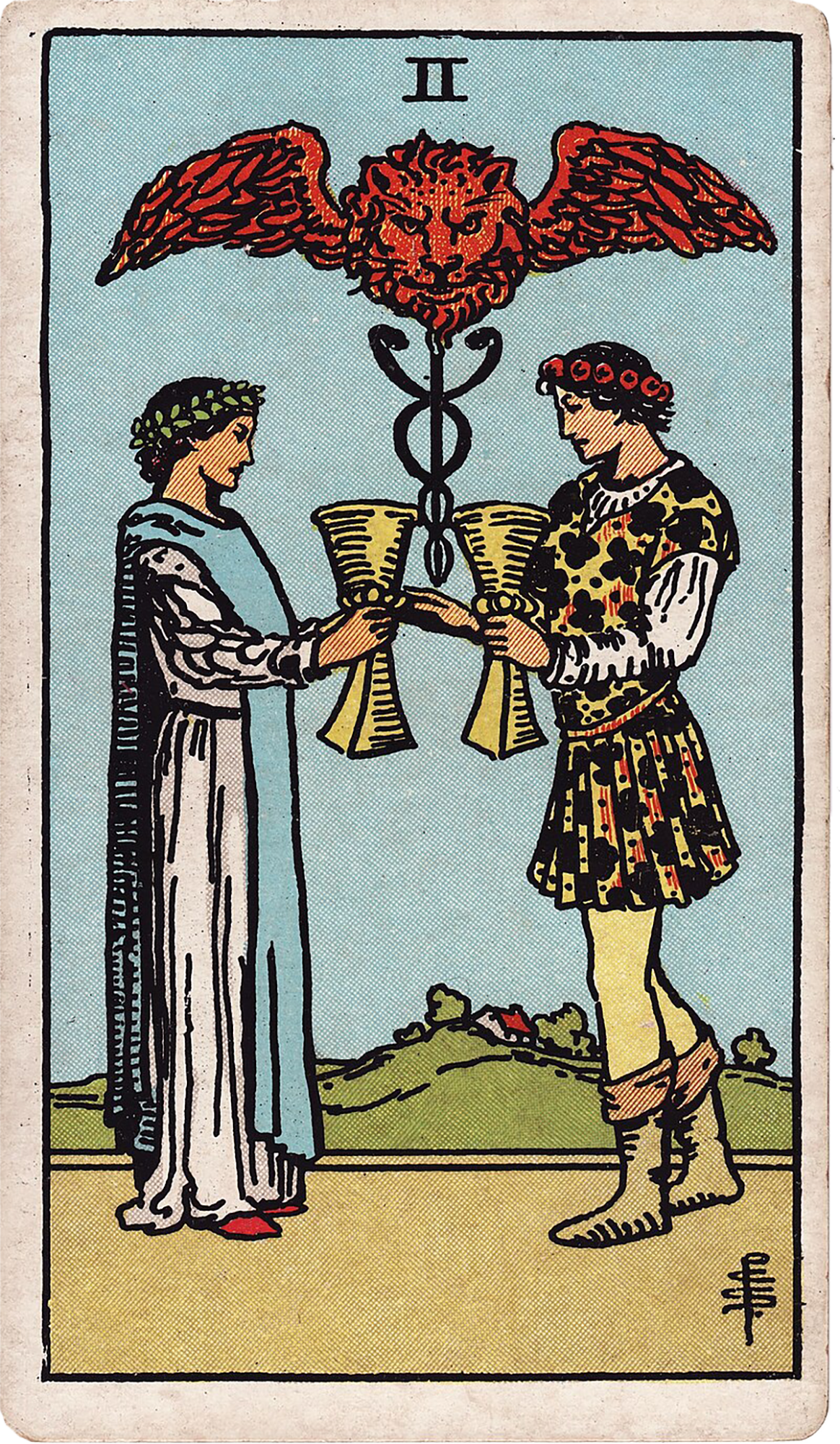 The Other Person2 of Cups
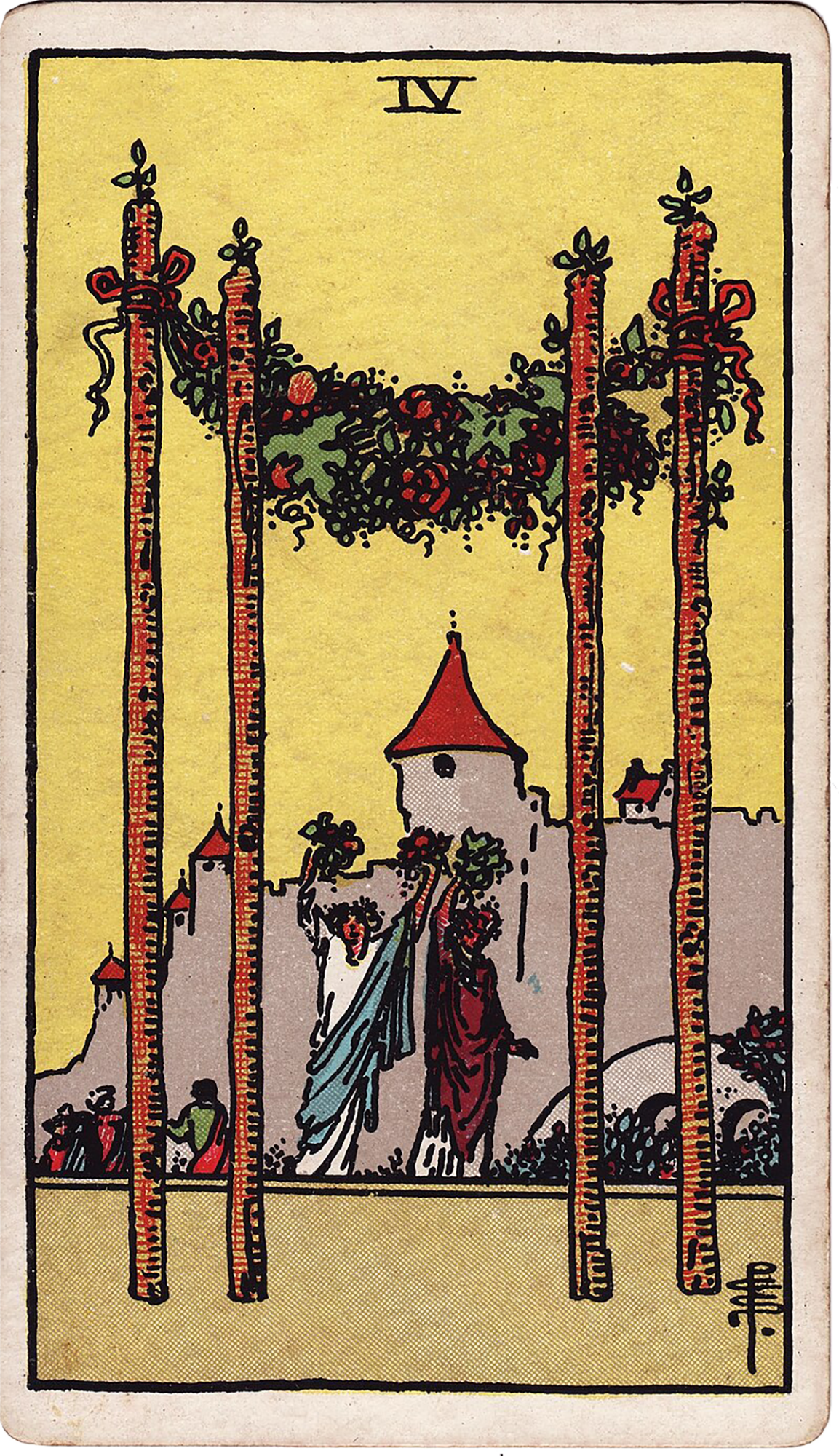 Connection4 of Wands
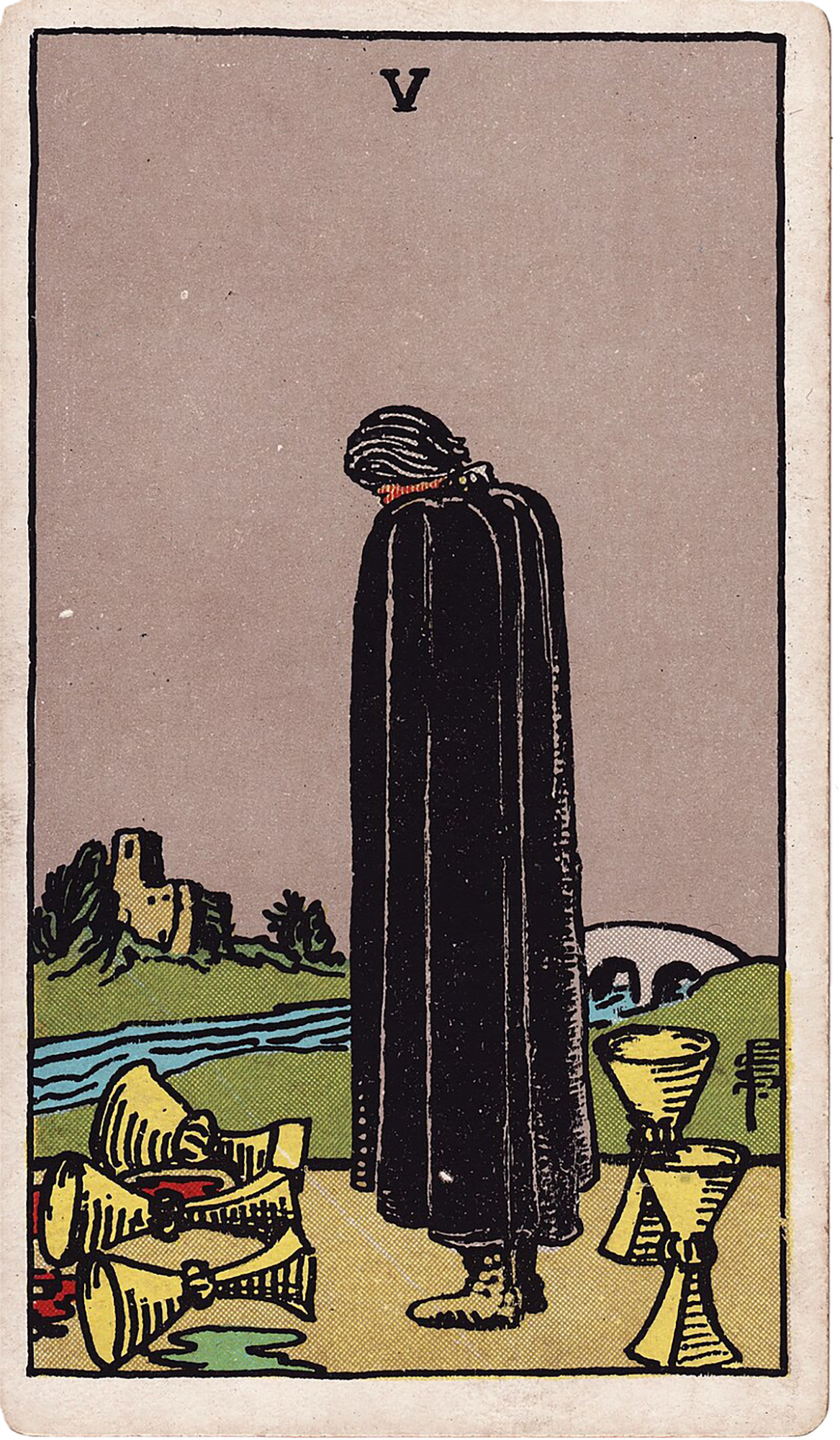 Challenge5 of Cups
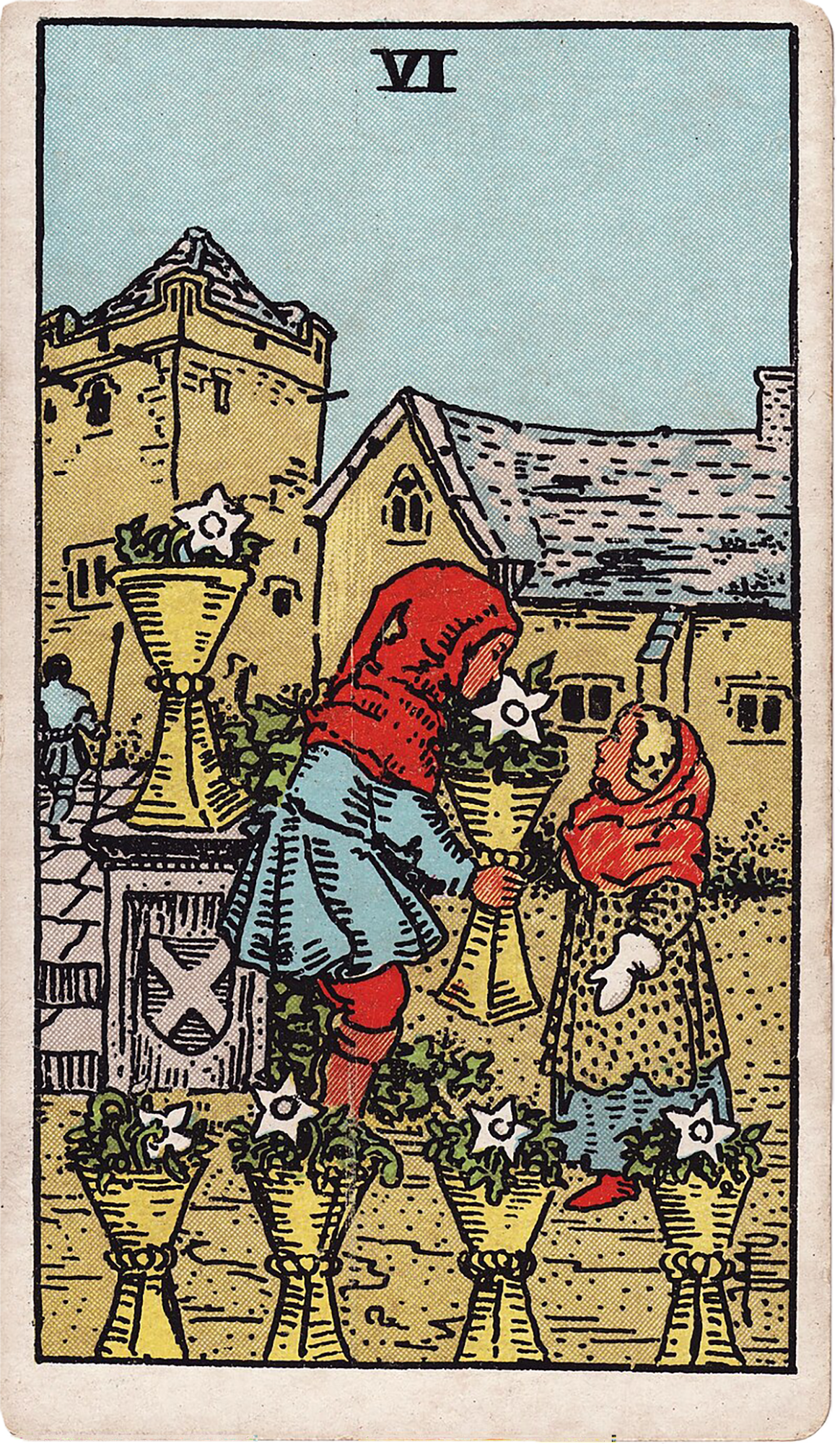 Direction6 of Cups
Introduction: Why this spread for friendships and family support
Friendship boundaries and supportive roles inside families are often less formal than romantic partnerships, but they still require clarity. The Relationship Five Card Spread is a practical layout designed to give clear, actionable guidance about who you are in a friendship, who the other person is, the quality of the connection, what’s getting in the way, and a constructive direction forward. In this worked example we use the five supplied cards in order: 4 of Wands (position: You), 2 of Cups (The Other Person), 3 of Cups (Connection), 5 of Cups (Challenge), and 6 of Cups (Direction). The article is written for learners: use these cards as a visual anchor, notice Rider‑Waite‑Smith symbolism in each image, and treat the reading as guidance rather than certain prediction.
When to use this spread
Use this spread when you want to: - Clarify boundaries and the level of mutual support in a friendship or family relationship - Prepare for a conversation about expectations or care work - Decide how much emotional energy to invest and whether to maintain or adjust closeness - Understand how past patterns affect current dynamics. The layout is deliberately practical: it balances inner state (You) against the partner’s stance and the shared dynamic, then surfaces the challenge and points to a next supportive step. Because the supplied cards are primarily Cups (emotions, relationships, memory) with a single Wands card (stability, milestone), expect a reading that emphasizes feeling and social rhythm anchored by a concrete change or achievement on your side.
The Relationship Five Card Spread: layout and positions
Use a simple left-to-right line of five cards. Label them in this exact order: 1 — You, 2 — The Other Person, 3 — Connection, 4 — Challenge, 5 — Direction. In this worked spread the cards placed left-to-right are: 1. 4 of Wands (You) 2. 2 of Cups (The Other Person) 3. 3 of Cups (Connection) 4. 5 of Cups (Challenge) 5. 6 of Cups (Direction). Keep the orientation of each card as it appears when you lay it down. For learners reproducing this method, write the position labels on a notepad before you shuffle. The positions are positional roles, not a timeline: treat them as simultaneous aspects to synthesize.
How to reproduce the method: practical steps
1) Set intention: State a clear question like “What boundary or support approach will best serve my friendship with X?” 2) Shuffle with focus on the relationship; shuffle until you feel ready, then cut and draw five cards onto the positions above. 3) Place the cards left-to-right and read each in position order, noting imagery and elemental suits. 4) Read the cards upright meanings first; note reversals if a card appears inverted and use the supplied reversal notes to troubleshoot stuck energy. 5) Record your impressions, then analyze card-to-card relationships (see the section below). 6) Conclude with a one-sentence action step derived from the Direction card and its interaction with You and The Other Person. Use the supplied card images as visual prompts: name what you see in the illustration, because Rider‑Waite symbolism helps anchor interpretation and actionable guidance.
Card-by-card reading anchored to the supplied cards
Position 1 — You: 4 of Wands (Upright pattern) The 4 of Wands in your position says you are at or near a stable milestone in relation to this friendship. Visually, the RWS card shows a decorated garlanded structure made of four wands, with figures often celebrating beneath it and a distant building behind them. That image signals: you have created a safe, established frame for connection — reliability, hospitable energy, or the sense that a relationship has reached a constructive stage. For boundaries, this card suggests you are prepared to honor and celebrate what has been built. Practically: you can frame requests or limits from a place of confidence rather than defensiveness. Position 2 — The Other Person: 2 of Cups (Upright pattern) The 2 of Cups depicts two figures exchanging cups, often with a caduceus or lion-head motif between them — the classical symbol of mutual recognition and reciprocal feeling. In the other person’s position this card reads as willingness to meet you halfway, an inclination toward honest exchange, and potential for mutual commitment or negotiated support. This isn’t necessarily romantic; within friendships and family it denotes reciprocity, willingness to hear, and shared feelings. Position 3 — Connection: 3 of Cups (Upright pattern) The 3 of Cups shows three figures raising cups in celebration, symbolizing shared joy, emotional support, and community. As the Connection card, it confirms that the core relationship holds positive communal energy: there is an existing pattern of celebrating and caring together. It’s the most social of the Cups and signals belonging and emotional scaffolding. Position 4 — Challenge: 5 of Cups (Upright pattern) The 5 of Cups shows a cloaked figure focused on three spilled cups while two upright cups remain behind them. In Challenge position it points to grief, regret, or fixation on what’s lost or unmet. Even when the friendship is strong, one or both parties may be dwelling on disappointments — what support wasn’t given, old hurts, or a sense of emotional shortfall. It warns that unresolved mourning or regret could color current exchanges. Position 5 — Direction: 6 of Cups (Upright pattern) The 6 of Cups depicts two children and a cup of flowers, evoking nostalgia, past generosity, and memories that return. As Direction it asks you to use memory constructively: remember what once worked, the small acts of kindness, the origins of trust — but avoid idealizing the past. Practically, it suggests leaning on familiar rituals of care while updating them for the present moment.
Interpreting upright images and Rider‑Waite symbolism
Anchoring to RWS imagery helps make meanings concrete. The 4 of Wands’ garland and domestic architecture signal a milestone that is visible and celebratory — so your posture can be open and grounded. The 2 of Cups’ mutual exchange and the caduceus motif (a symbol of balanced relationship and healing) show that the other person has the capacity for equitable giving and active listening. The 3 of Cups’ gathering confirms that the relationship’s social fabric supports celebration and collective care: you have a base of shared rituals. The 5 of Cups’ focused sorrow warns against tunnel vision on loss; the cloaked figure is literally turned away from the two remaining cups, so the reading recommends an effort to reorient attention. The 6 of Cups’ children and flowers indicate that small, familiar gestures or the revival of an old pattern of care can be the path forward. Use each picture to ask specific, evidence‑based questions: What is the milestone I see in the 4 of Wands image? Which small gestures in the 6 of Cups picture feel like possibilities now?
Card-to-card relationships — reading the pattern across the spread
A spread is a system: read not just cards alone but how they influence one another. Key relationships here: You (4 of Wands) <-> The Other Person (2 of Cups): These two images form a reassuring pairing. Your stability and milestone energy can be matched by the other person’s reciprocity. The Wands energy is about public, observable structure; the 2 of Cups is intimate reciprocity. Interpreted together, they say: you can propose a concrete boundary or offering (4 of Wands) and the other person is likely to accept or negotiate it (2 of Cups). You (4 of Wands) -> Connection (3 of Cups): The personal stability you bring can nourish the broader social dynamic. If you set a boundary from the confident stance of the 4 of Wands, it feeds into the celebratory communal rhythm of the 3 of Cups, meaning your action may be seen as enabling, not withdrawing. The Other Person (2 of Cups) -> Challenge (5 of Cups): Even if the other person is willing to reciprocate, the presence of 5 of Cups as the challenge suggests that past disappointments or current sadness could make them hesitant or reactive. The 2 of Cups’ mutuality could be shadowed by past hurts that have not been grieved. Connection (3 of Cups) vs Challenge (5 of Cups): The pairing of joyful group energy with grief points to an important diagnostic: publicly and socially the relationship looks nourishing, but privately there may be unresolved grief or emotional accounting. Direction (6 of Cups) moderates the 5 of Cups: where the challenge invites fixation on loss, the 6 of Cups suggests remedy through gentle, familiar acts — small nostalgic kindnesses that rebuild trust without erasing the real issues. Read these relationships as dynamics: the solution will come where the strengths (4 of Wands, 2 of Cups, 3 of Cups) are intentionally applied to the obstacle (5 of Cups) guided by the suggested action (6 of Cups).
Overall synthesis and an action sentence
Synthesis: The reading shows a strong foundation (You = 4 of Wands) and a willing partner (2 of Cups). The connection is socially supportive and celebratory (3 of Cups), but grief or lingering disappointment (5 of Cups) threatens to skew perception. The direction (6 of Cups) points to rebuilding trust through small, familiar, generous acts and by remembering the relationship’s origins without idealizing them. Action sentence (one actionable step learners can use): From your stable place, invite a short conversation about expectations framed as a small ritual — for example, a shared check‑in or a simple offer of help — and pair that with a gentle acknowledgement of past hurt so both parties can move toward mutual repair. Practical example: You might say to a friend, “I value what we’ve built. Can we have a 15‑minute check‑in this week about how we share support? I’ve felt hurt by X before and I want to say that aloud and hear you too.” The 4 of Wands lets you frame this from security, the 2 of Cups expects reciprocity, the 3 of Cups offers social scaffolding, the 5 of Cups names the wound to be acknowledged, and the 6 of Cups gives you permission to use small, familiar gestures to repair and normalize change.
Practical reading method and beginner scripts
Technique: Begin with observation: name literal imagery in each card for 30–60 seconds. Then apply suit logic: Cups = feelings/relationships/memory; Wands = energy/initiative/milestone. Next, map emotions to positions: how does the imagery reflect you vs the other? When scripting a reading for a querent, use nonjudgmental language and an action focus. Example beginner script to deliver a reading: 1) “Your card (4 of Wands) shows you’re at a place of stability where you can set a clear boundary without fear of losing the relationship.” 2) “Their card (2 of Cups) shows they are inclined to reciprocate and listen.” 3) “The Connection (3 of Cups) confirms there is mutual social support that will likely hold.” 4) “The Challenge (5 of Cups) warns that there is an unresolved grief or disappointment; be explicit about it.” 5) “Direction (6 of Cups) suggests small, familiar acts to rebuild trust — think brief rituals or recalling what worked in the past while updating it for now.” Suggested conversational phrases to propose boundaries or supports: - “I’ve appreciated how we’ve supported each other; lately I’ve felt stretched. Can we agree on X?” - “I notice I’m still carrying hurt from Y. I want you to know it so we can move forward.” - “Could we try a small, shared routine (a weekly check‑in or a brief favor trade) to keep things balanced?” Use the 6 of Cups to propose the specific small ritual: a coffee date, a message template, or a recurring short call.
Common mistakes, troubleshooting, and reading cautions
Common mistakes: - Over-focusing on a single card: Treat each card as part of a system. The 5 of Cups is important but does not negate the 3 of Cups’ positive support. - Forcing narrative: Don’t invent events to make cards “fit.” Use imagery as prompts for questions rather than fictional facts. - Ignoring orientation: If one of these cards appears reversed in your actual draw, use the supplied reversal guidance rather than automatically negating the upright meaning. - Skipping concrete action: This spread is practical; finish by deriving one small, realistic action from the Direction card. Troubleshooting: If the 5 of Cups’ grief feels overwhelming, ask whether grief has been acknowledged in the relationship and whether mourning rituals are needed. If the 2 of Cups seems absent despite the image, check for reversals or surrounding cards in a larger reading; as a single spread it might indicate potential rather than actualized reciprocity. Reading cautions: Avoid presenting the spread as predicting whether a friendship will last. Frame it as clarity for action. When the 6 of Cups appears, beware of nostalgia’s trap: the card invites revival of helpful rituals, not uncritical return to outdated expectations.
Practice exercises for learners and closing notes
Exercise 1 — Solo practice: Shuffle and place the five cards in the set order (you can reuse the example ordering mentally): 4 of Wands, 2 of Cups, 3 of Cups, 5 of Cups, 6 of Cups. For each image, list three concrete details you notice (colors, figures, objects). Then write one sentence describing how that detail translates to boundary language. Exercise 2 — Role-play: With a friend or study partner, one person reads the spread for the other and then practices delivering the one‑sentence action step as a script. Exercise 3 — Reverse-check: Draw the same spread but intentionally flip one card as if reversed. Use the supplied reversed meanings to note how stuck energy would alter your recommended action. Closing notes: This worked example shows a generally favorable configuration: a confident you, a responsive other, communal support, a grief‑based challenge, and a gentle direction back through familiar kindness. Keep the method reproducible: set intention, observe imagery, apply suit logic, map relationships between positions, and extract one small, concrete action. Frequent practice with this exact layout trains you to translate Rider‑Waite images into pragmatic conversational steps for friendship boundaries and support.
Practice questions
• What visible element in the 4 of Wands image gives you the most confidence about setting boundaries?
• How does the 2 of Cups’ mutual exchange challenge or reassure you about asking for support?
• What rituals or shared practices from the 3 of Cups could you realistically revive or create?
• Which specific loss or disappointment does the 5 of Cups ask you to name aloud before moving forward?
• How can you translate the 6 of Cups’ small acts of generosity into a concrete recurring behavior?
• If you felt resistance from the other person, which card-to-card relationship best explains why?
Comments
Sign in to comment.
Continue learning
Mastering Decision Making with the Five Card Cross Tarot Spread
The Five Card Cross Tarot Spread is a powerful tool for deepening decision-making skills by examining the present situation, past influences, future possibilities, challenges, and...
Navigating Conflict Resolution and Inner Struggles with the Five Card Cross Tarot Spread
This article delves into the Five Card Cross Tarot Spread as a practical tool for navigating conflict resolution and inner struggles, especially within family contexts. Using the s...
Using the Career Five Card Spread to Identify Growth Opportunities and Challenges
This article explores the Career Five Card Spread, a practical tarot method designed to spotlight growth opportunities, strengths, and obstacles within a career context. By analyzi...
Unlocking Life Insights with the Celtic Cross Tarot Spread
This article offers a thorough exploration of the Celtic Cross Tarot Spread, focusing on its application within family and practical life contexts. Using a worked example featuring...
Enhancing Clarity in Complex Choices with the Five Card Cross Tarot Spread
The Five Card Cross Tarot Spread is a practical tool designed to clarify complex choices by breaking down the decision into manageable parts. This article explores each position in...
Deepening Connection and Communication Using the Relationship Five Card Spread
This article introduces the Relationship Five Card Spread as a practical tool to enhance family communication and connection. Using five specific card positions—You, The Other Pers...
Using the Five Card Cross Tarot Spread to Navigate Career Changes with Confidence
The Five Card Cross Tarot Spread is a versatile and insightful tool for navigating career changes. This article guides learners through the method step-by-step using a practical ex...
Unlocking Personal Insight with the Seven Card Horseshoe Spread
The Seven Card Horseshoe Spread is a practical and insightful Tarot layout ideal for exploring personal and family dynamics. This article breaks down each position—Past, Present, H...
Using the Career Five Card Spread to Uncover Professional Strengths and Opportunities
This article presents a comprehensive guide to the Career Five Card Spread, designed to help learners explore professional strengths and opportunities using five specific Tarot car...
Using the Career Five Card Spread to Overcome Professional Challenges with Insight
The Career Five Card Spread is a powerful tool for exploring current professional situations, identifying strengths, challenges, opportunities, and practical next steps. This artic...