
Costume Texture Armor and Jewelry in Tarot Imagery
This article examines how costume, texture, armor, and jewelry function as a symbolic language in tarot images, using The Empress, The Emperor, and Knight of Swords as repeated visual anchors. It explains why material details matter, offers a step-by-step technique for reading garments and accessories, provides examples and common pitfalls, and links costume signals to the conventional upright and reversed meanings of the supplied cards. Intended for learners, the piece emphasizes visual literacy over fortune-telling and gives exercises to practice integrating costume analysis into readings.
Cards explored in this article
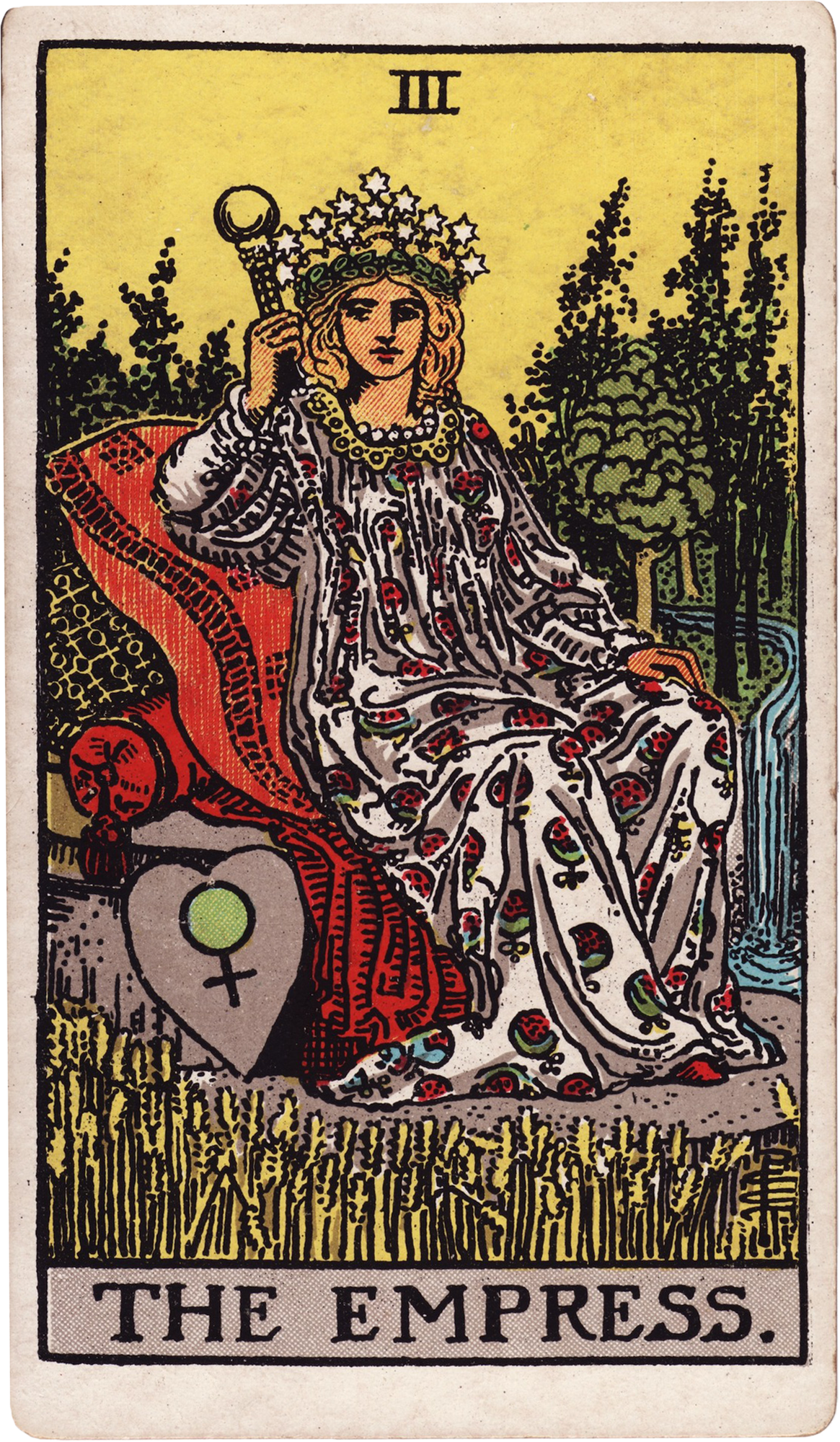 The Empress
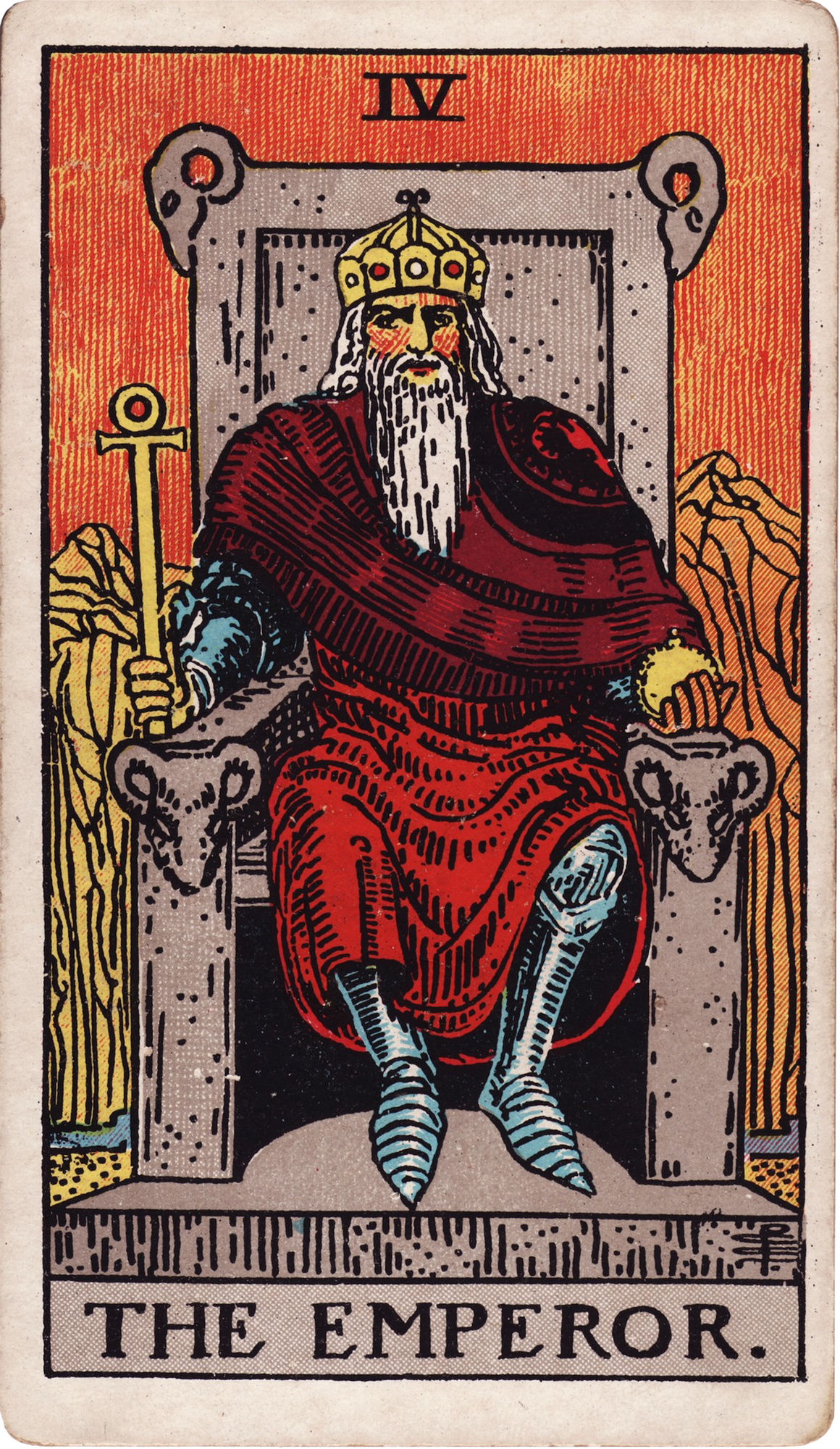 The Emperor
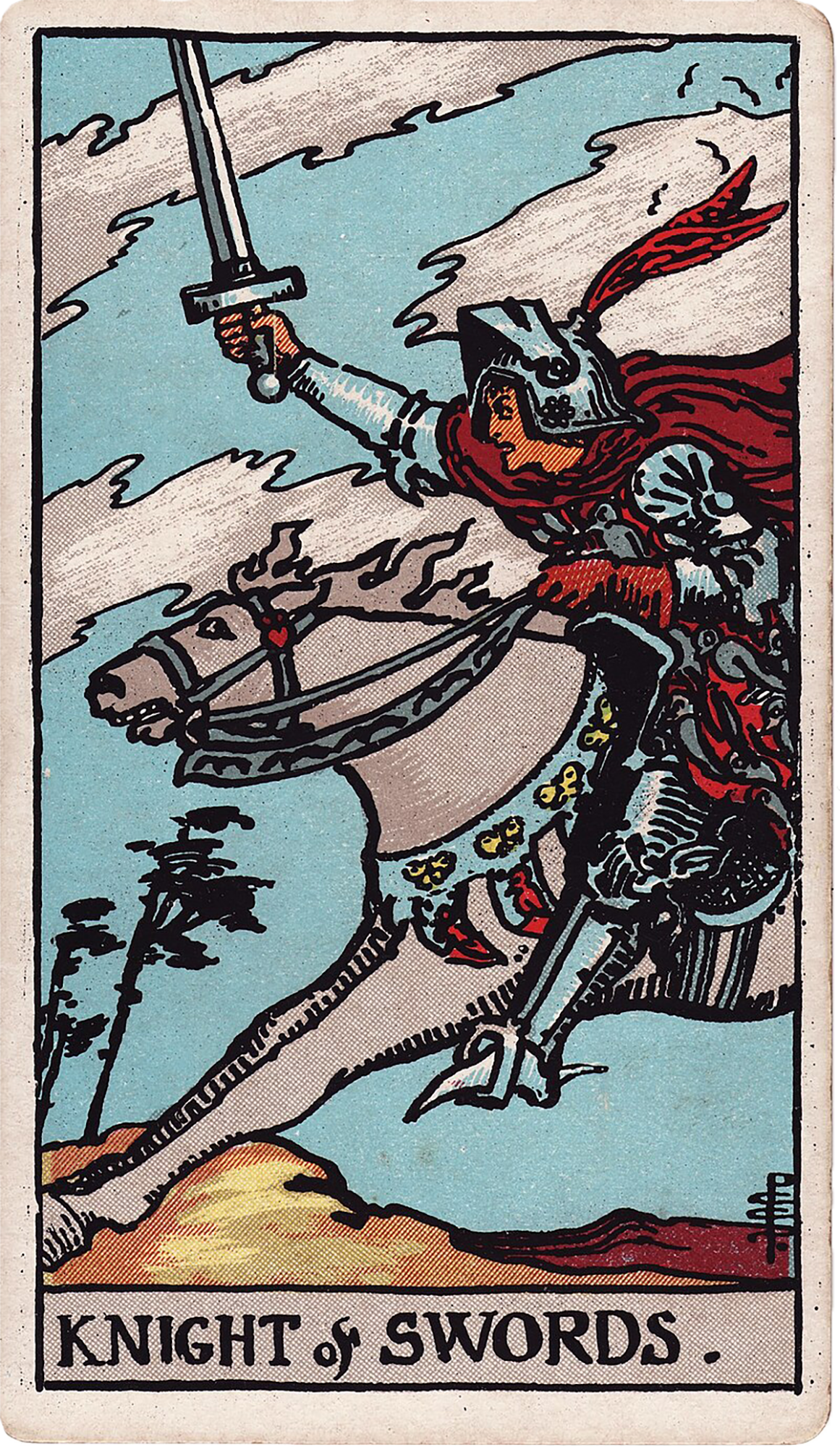 Knight of Swords
Introduction: Why clothing and adornment matter in tarot
Tarot imagery is densely coded. Beyond faces, gestures, and objects, clothing, fabric quality, armor, and jewelry carry messages about identity, role, intention, and psychological posture. Costume functions like a shorthand: it tells you what a figure wants to project, what resources they have, and how they protect or expose themselves. In this article we read costume as symbolic language rather than simple fashion. We will repeatedly use the three supplied cards — The Empress, The Emperor, and Knight of Swords — to demonstrate how texture, armor, and jewelry anchor meaning, support nuance in upright and reversed readings, and help you ask better questions of a spread.
Visual grammar: layers, material, fit, and embellishment
Treat costume reading as a layered grammar. Four visual variables matter most. 1) Layers and silhouette: Is the figure heavily layered or simply dressed? Layers imply protection, ritual, or formality; minimal layers suggest openness or vulnerability. 2) Material and texture: Silk, wool, metal, leather, or coarse cloth each suggest different resources and values. Smooth rich textures often convey luxury and cultivated needs; rough, patched, or stained cloth can indicate thrift, labor, or marginalization. 3) Fit and maintenance: Impeccable tailoring and clean surfaces indicate discipline or privilege; ill-fitting or torn garments suggest constraint, haste, or neglect. 4) Embellishment and function: Buttons, clasps, brooches, armor plates, and embroidery are not merely decoration; they indicate social role, protective strategies, and symbolic references (e.g., a shield bearing a symbol of an archetype). Always read these variables in relation to the card's posture, objects, and surroundings. Anchor to images: The Empress appears in classical Rider-Waite representations wearing a flowing robe patterned with pomegranates and a crown of stars. Those textures and ornaments speak of fertility, abundance, and connection to cycles. The Emperor wears armored garments beneath stately robes and sits on a throne carved with rams; the armor signals institutional stability and defensive authority. The Knight of Swords is clad in metal armor, with a billowing scarf, charging forward; the armor indicates readiness and a combative posture, while motion adds urgency. Observing these variables refines the general meanings supplied with the cards.
Armor as language: protection, role, and contradiction
Armor reads first as a practical metaphor for protection and second as a social statement of role. In tarot, armor can mean physical defense, emotional armor, professional role, or a commitment to a code. How the armor is depicted is crucial: - Complete polished plate signals formal authority and institutional power. It fits with the upright Emperor, who is about systems, boundaries, disciplined leadership, and responsibility. In that card, armor under robes suggests that authority is supported by readiness for real conflict: the Emperor's rulership isn't purely ceremonial. If the armor looks brand new and immaculate, the message leans toward disciplined order and maintained structures. - Scuffed, dented, or patched armor suggests that authority has been tested or that the wearer relies on experience more than ceremony. This can nuance a reading of the Emperor: an upright Emperor with dented armor might be effective but battleworn; reversed, it could indicate structures that no longer serve or outdated commands that have been stressed to breaking. - Overly ornate armor with impractical embellishment hints at performative protection: appearance matters more than utility. That can read as vanity or a fragile facade. Applied to Knight of Swords, ornate but impractical armor could signal impulsive bravado rather than strategic force. - Armor worn in combination with soft fabrics suggests a tension between vulnerability and defense. The Empress rarely appears in full armor; when a nurturing or creative figure shows elements of metal or structural reinforcement, the image asks you to notice how care and boundary intersect. For example, a protective clasp across the Empress's chest would emphasize the need to contain giving with limits. Read armor in context with motion and orientation. The Knight of Swords wears armor designed for action; his forward charge plus metal emphasizes immediate, decisive force — the upright card's theme of swift decisive action. If that armor appears stiff or if the knight's cloak is tangled, the reversal might be present: recklessness, tunnel vision, or a lack of attention to consequence.
Jewelry and ornamentation: authority, desire, and relational signals
Jewelry in tarot is rarely mere decoration. Rings, crowns, pendants, brooches, and belts often mark hierarchy, affiliation, or personal values. Consider three interpretive dimensions: 1) Rank and role: Crowns and scepters are explicit indicators of authority. The Empress's crown of twelve stars ties her to cosmic cycles, fertility, and the integration of earthly and celestial rhythms. The scepter in her hand is an emblem of creative sovereignty rather than military rule. The Emperor's regalia — his crown, the orb or standard he might hold, and any jewelry integrated into his throne — underline institutional power. 2) Intimacy and attachment: Rings, necklaces, and personal brooches can indicate vows, attachments, or matters of the heart. A visible wedding band or a pendant near the heart can be read in relational questions as signposts of commitment or emotional priorities. The Empress's adornments often point to abundance of relational and sensual life; pay attention to where jewelry is located. 3) Value and resource: Jewelry signals the distribution and visibility of wealth. Heavy gold or gemstone work speaks to accessible resources and social capital; simple metalwork suggests modest means or functional value. When interpreting the Knight of Swords, note whether any jewelry is practical (a signet ring used for identification) versus ostentatious. Practical adornment tends to align with disciplined action; ostentation with the risk of aggression for show. Combine jewelry with material and fit. A crown that sits askew or a pendant missing a stone is a narrative detail: a loss of authority, a compromise, vulnerability, or recent change. Use such signs to ask follow-up questions in a reading: what was lost, who removed it, what is being protected?
Fabric, pattern, and color as symbolic texture
Fabric quality and patterning supply subtle affective information. In Rider-Waite derived imagery, the Empress's garments are patterned with fruits and flowing lines, signaling fecundity, connection to nature, and luxury of being. Colors are also part of texture: deep reds, emeralds, and golds suggest sensuality and prosperity; muted greys, browns, and iron tones suggest austerity, rules, or earthiness. Texture reads like tone in speech. Soft, layered, richly patterned fabrics invite approach, care, and receptivity — concepts central to The Empress's upright meaning of creating conditions for growth. Rough textures, visible weaving, or utilitarian cloth suggest work, endurance, or discipline — concepts more aligned with The Emperor's practical, administrative energy. In Knight of Swords, the contrast between rigid metal and a flowing scarf creates a textual tension: intellect in motion, commitment mixed with haste. Look for symbolic motifs. Pomegranates, grain, or floral embroidery are not decorative coincidences; they reiterate thematic content. Similarly, rams carved into an emperor's throne recall Aries energy, assertiveness, and leadership. When motifs and textures contradict posture — say, lush embroidery on a figure who appears exhausted or slumped — treat the contradiction as an interpretive clue about crisis between identity and expression.
Technique: step-by-step method to read costume and adornment
Use a systematic approach so costume details feed interpretation reliably. Follow these steps each time a figure appears: 1) First sweep: identify major costume elements. Note very quickly: armor present? crown or scepter? flowing robe? visible jewelry? 2) Material focus: name the likely materials (metal, silk, wool, leather). Ask what those materials imply about resources and priorities. 3) Condition check: are items pristine, worn, patched, or broken? Condition signals history — recent change, neglect, or maintenance. 4) Fit and movement: is clothing tailored, loose, constricting, or in motion? Movement suggests active expression; constriction suggests restriction. 5) Placement and proximity: where is jewelry located? Is armor covering the chest, head, or limbs? A clasp at the throat, for instance, speaks to withheld speech. 6) Relational questions: who else in the spread might interact with or own these items? Objects can transfer meaning between cards. 7) Synthesis with upright/reversed card themes: map these observations onto the supplied card’s conceptual language. For example, if The Empress is upright and her robe looks patched, the reading shifts from easy abundance toward cultivating resources within limits or making do with available materials. 8) Formulate a question or action prompt based on the synthesis. Costumes often point to what needs tending: mending, protecting, loosening, or discarding.
Examples tied to the supplied cards
Example 1: The Empress upright with immaculate fabric and many jewels. Visual reading: abundant resources, sustained care, social visibility. Interpretive integration: The Empress's upright meaning emphasizes creating conditions for growth; immaculate costume supports the suggestion that the person has access and is practicing consistent care. Practical reading prompt: where can you consolidate resources or publicly acknowledge abundance to support growth? Example 2: The Empress reversed with an over-adorned but dirty hem. Visual reading: ornamentation used to cover neglect; giving without self-care. Interpretive integration: The supplied reversed text for The Empress highlights overgiving and neglect of self-care. Costume details confirm this: jewelry signals continued performing of generosity, while soiled fabric shows real depletion. Practical prompt: where should boundaries be set and what needs repair? Example 3: The Emperor upright with gleaming breastplate under ceremonial robes. Visual reading: strength kept ready, formalized structures supported by real power. Interpretive integration: The Emperor upright is about boundaries, responsibility, and systems. The armor underlines that his authority is not merely symbolic — it is enforceable. Practical prompt: what systems need clear roles or enforcement to stabilize the situation? Example 4: The Emperor reversed with cracked or rusted armor. Visual reading: defenses that have been compromised, structures that are decaying. Interpretive integration: Reversed Emperor language involves rigidity and structures that no longer serve. Worn armor suggests the formality remains but function is failing. Practical prompt: which structures require repair or transformation, and where is clinging causing harm? Example 5: Knight of Swords upright with polished active armor and flowing scarf. Visual reading: readiness, momentum, mental clarity. Interpretive integration: The Knight’s upright message about swift decisive action is reinforced by armor suited for movement. Practical prompt: what immediate, proportionate action will cut through delay? Example 6: Knight of Swords reversed, armor with loose strap or torn scarf. Visual reading: haste causing vulnerability, risk of losing control. Interpretive integration: The reversed meaning warns of recklessness and tunnel vision. Costume details suggest consequences not yet noticed. Practical prompt: what detail needs checking before charging ahead?
Common mistakes and how to avoid them
1) Over-literalism: Treating clothing as contemporary fashion instead of symbolic language leads to errors. Avoid assuming modern garment functions unless the deck is explicitly contemporary. Read costume relative to the deck’s iconography. 2) Ignoring context: Costume must be read alongside posture, objects, and surrounding cards. A crown alone does not guarantee benevolent rule; pair it with expression and condition. 3) Reductive color reading: Color matters, but do not equate one color with a single meaning. Consider hue, saturation, and pattern together with fabric. 4) Confirmation bias: It’s easy to find what you expect. Use the step-by-step technique to observe before interpreting. 5) Neglecting contradictions: Contradictory signs (lavish jewelry on tired cloth) are interpretively rich; don’t force them into a single simple reading. Instead, ask what tension the image wants you to explore. Applied to the supplied cards: don’t read The Empress’s crown without noting whether her robe is cared for; don’t assume the Emperor’s armor always means cold rule — its condition and placement matter. For Knight of Swords, check scarf and horse posture; motion and drapery tell you about speed and oversight.
Practical exercises to build visual literacy
Exercise 1: Single-card costume scan. Look at The Empress image for three minutes. List every costume element, its material, condition, and placement. Write one sentence connecting each observation to the Empress’s upright and reversed meanings. Exercise 2: Pairwise comparison. Place images of The Emperor and The Empress side by side. Note how their fabrics and armor relate or contrast. Create two reading prompts: one relational (how do their garment choices affect power dynamics?) and one practical (what boundary or care is needed between them?). Exercise 3: Speed reads. Flip to Knight of Swords and scan for 30 seconds. Record your immediate impressions, then go back and do the methodical eight-step technique above. Compare what you noticed quickly with what detail emerged through the systematic method. Exercise 4: Condition focus. For each of the three cards, invent a short scenario where a single change in a costume element (a buckle broken, a jewel missing, a robe muddied) shifted the card from upright to reversed meaning or vice versa. Practice writing questions a client might need to answer when these shifts appear.
Interpretation logic and integrating costume into readings
Costume analysis functions as an evidence-gathering layer within interpretation logic. Treat observed costume features as data points that increase confidence in one interpretation over another. Use the following integrative logic: 1) Observation: describe what you see without inference. 2) Association: map the visual detail to archetypal meanings (armor = protection, crown = authority, pomegranate motif = fertility). 3) Contextualization: place the association alongside the card's upright/reversed themes and the surrounding cards. 4) Hypothesis: formulate a reading hypothesis that connects the costume-driven association with the querent’s question. 5) Check and refine: ask follow-up questions or look to other cards for confirmation or contradiction. Example of integration: You draw Knight of Swords beside The Empress reversed. Observation: the knight’s helmet is gleaming, but the Empress’s robe is rumpled and soiled. Association: armor and momentum vs. exhausted giving. Contextualization: Knight of Swords upright urges swift action, while Empress reversed warns of overgiving and neglect of self-care. Hypothesis: the situation may be that decisive action is available, but it risks exacerbating the Empress-issue of overextension. Practical reading: consider what immediate action is necessary but design it to restore boundaries and avoid further depletion. Always remember: costume details rarely provide final answers on their own. They sharpen questions and nuance advice. Use them to recommend specific actions (mend, protect, disclose, pause) rather than to declare fate.
Conclusion: cultivating a nuanced eye
Costume, texture, armor, and jewelry are powerful but underused elements of tarot interpretation. By training your eye to notice layers, materials, condition, and placement you gain access to a subtler vocabulary in readings. Repeatedly return to the supplied images — The Empress, The Emperor, and Knight of Swords — and practice the methodical approach: observe, associate, contextualize, hypothesize, and check. With time, costumes will become reliable characters in their own right within your readings, offering clear, practical guidance about care, boundary, action, and consequence.
Practice questions
• What material, texture, or adornment in The Empress image stands out to you first and why?
• When you imagine the Emperor's armor as dented or pristine, how does that change your sense of his leadership?
• In a reading, what follow-up question would you ask if the Knight of Swords' scarf were torn or trailing a warning?
• Can you find an example where jewelry on a card might indicate obligation rather than privilege?
• How can observing fabric condition shift practical advice from 'act now' to 'repair first'?
Comments
Sign in to comment.
Continue learning
Harnessing the Power of The Magician and Ace of Wands: Igniting Creativity and Manifestation in Tarot Readings
The combination of The Magician and the Ace of Wands in tarot readings offers a potent blend of creative energy and manifestation power. This article delves into the ways these car...
Advanced Techniques for Combining The Moon and The Star to Enhance Intuition in Tarot Readings
This article explores advanced techniques to combine the symbolism and energy of The Moon and The Star Tarot cards to enhance intuition during Tarot readings. Drawing from traditio...
Enhancing Clarity in Complex Choices with the Five Card Cross Tarot Spread
The Five Card Cross Tarot Spread is a practical tool designed to clarify complex choices by breaking down the decision into manageable parts. This article explores each position in...
Tracing the Origins and Evolution of The Fool Card in Tarot History
The Fool card holds a foundational place in tarot tradition, symbolizing beginnings, openness, and the embrace of uncertainty. This article traces its origins from early European d...
Understanding The Hermit Card in Solitude Reflection and Guidance
This article offers an in-depth exploration of The Hermit tarot card as a single-card reading in different contexts such as love, career, money, advice, challenge, person, outcome,...
Unlocking the Creative Flow with The Magician and The Empress in Tarot Combinations
This article delves into the powerful synergy between The Magician and The Empress in Tarot combinations, focusing on how their combined symbolism unlocks creative flow across vari...
Using the Seven Card Horseshoe Spread to Uncover Career Growth and Opportunity
This article presents an in-depth guide to the Seven Card Horseshoe Tarot Spread with a focus on career growth and opportunity. Using the cards The Fool, The Magician, The Empress,...
Understanding the Many Facets of The Moon in Emotional and Intuitive Tarot Readings
The Moon card in the Tarot deck embodies themes of intuition, uncertainty, dreams, and emotional complexity. This article offers a comprehensive exploration of The Moon’s upright a...
Unlocking Advanced Intuition Techniques Using The High Priestess The Moon and The Hermit
This article examines advanced intuition development in tarot reading by focusing on The High Priestess, The Moon, and The Hermit cards. It offers practical techniques for beginner...
Mastering Intuition with The High Priestess The Hermit and The Moon in Tarot Readings
This article delves into mastering intuition through three powerful Tarot cards: The High Priestess, The Hermit, and The Moon. It guides readers from beginner to advanced reading t...