
Tracing the Origins and Evolution of The Fool Card in Tarot History
The Fool card holds a foundational place in tarot tradition, symbolizing beginnings, openness, and the embrace of uncertainty. This article traces its origins from early European decks, examines evolving depictions, and connects these to the Rider-Waite-Smith imagery. By understanding The Fool’s historical and symbolic journey, tarot learners can deepen their interpretations, avoid common pitfalls, and apply the card’s lessons with clarity in readings.
Cards explored in this article
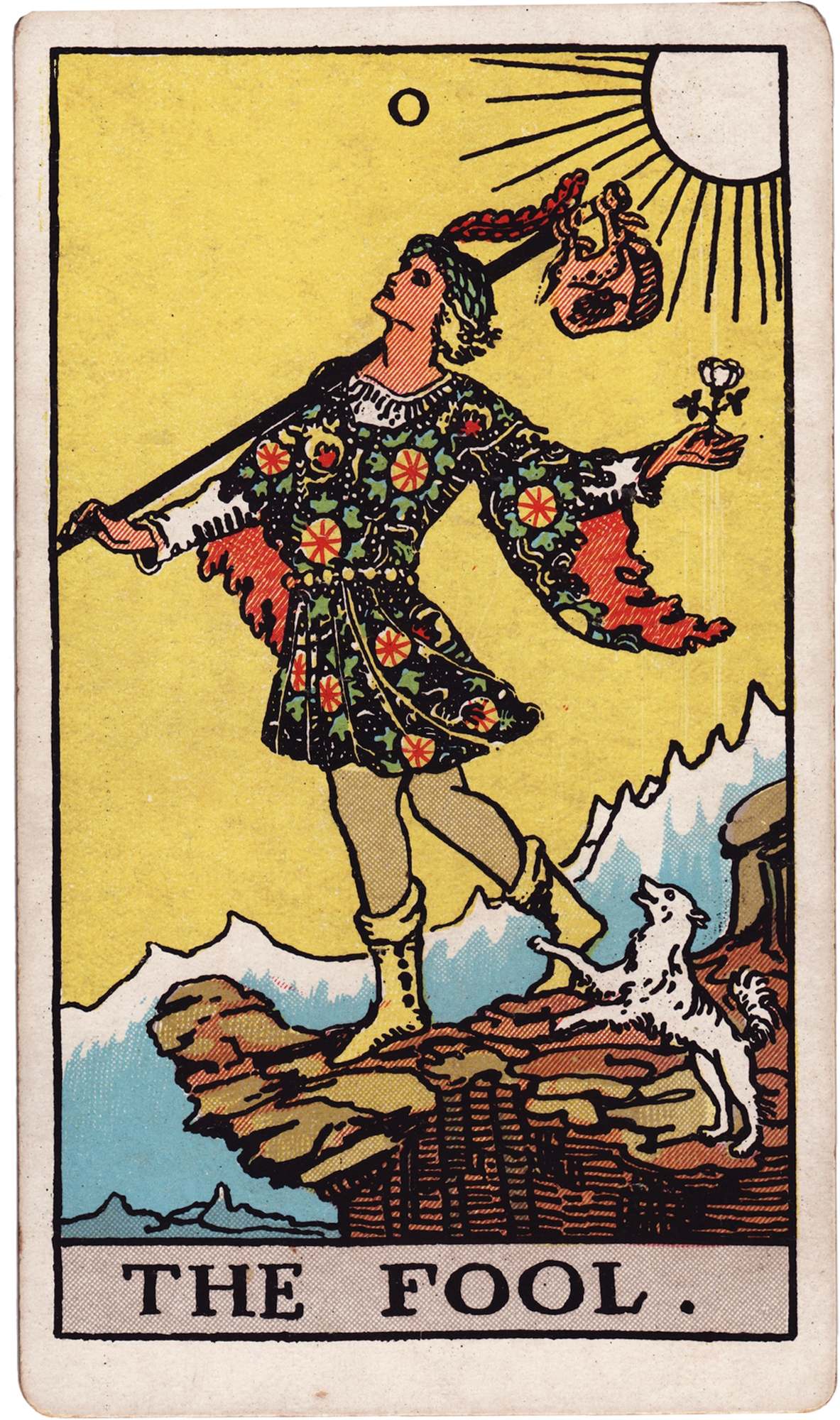 The Fool
Introduction to The Fool Card and Its Significance
The Fool is often recognized as the first or last card of the Major Arcana, a unique position that reflects its paradoxical role in tarot. Upright, The Fool encourages beginning a journey with curiosity and openness, even without full knowledge — a theme clearly visible in the supplied Rider-Waite-Smith card image, where the youthful figure steps lightly forward, carefree and attentive to the small dog urging him onward. Reversed, as the supplied card shows, The Fool can signal recklessness or hesitation born from fear of uncertainty. This dual nature makes The Fool a powerful symbol of the human experience of starting anew, risk, and potential.
Historical Origins of The Fool Card
The Fool’s roots trace back to early European playing cards and the Fool or Jester figure common in medieval culture. Unlike the numbered trump cards, The Fool was often a special card outside the sequence, sometimes called the Excuse or Fool in Italian and French decks, used to skip turns or avoid penalty. Early decks from the 15th century depicted The Fool as a vagabond or jester-like figure, embodying folly, innocence, or social outsider status. These cards laid the groundwork for its metaphoric use as a symbol of a journey’s start — an innocent, unburdened traveler stepping into the unknown.
Evolution of Symbolism in The Fool Card
Over time, The Fool’s imagery evolved from a simple jester to a more philosophically rich figure. Influences from mysticism, Renaissance humanism, and esoteric traditions shaped its depiction. The Rider-Waite-Smith Fool, the card supplied here, crystallizes this symbolism: the white rose in his hand represents purity and innocence; the small dog symbolizes loyalty and instinct; the cliff’s edge suggests the leap into new experiences. This card embodies the tension between naivety and wisdom, caution and risk, which is why readers are advised to ask where direct response or clearer boundaries might help when The Fool appears upright in a reading. The card’s evolution reflects shifting views on human potential and the value of embracing uncertainty.
Interpreting The Fool Upright in Practical Readings
The Fool’s upright position, as illustrated in the supplied card image, invites the reader to focus on beginnings and possibilities. It emphasizes action despite incomplete information, encouraging curiosity over paralysis. Practical interpretation involves identifying where the querent can take a conscious, deliberate next step without waiting for total certainty. For example, if a client faces a career transition, The Fool suggests openness to new directions and engagement with what is presently visible rather than waiting for perfect conditions. Importantly, the card does not promise ease but highlights the constructive quality of embracing the unknown. Readers should guide querents to note which aspects of The Fool’s lesson—such as openness, trust, or willingness to act—are already present in their behavior.
Understanding The Fool Reversed and Its Nuances
The reversed Fool, represented in the supplied card’s reversed image, warns against distorted expressions of the upright qualities. Recklessness, avoidance of consequences, or refusal to begin due to fear of uncertainty may be present. This position invites reflection on where the querent’s energy related to risk-taking or openness may be blocked, exaggerated, or internalized. The reversed Fool can also suggest psychological resistance or the early recognition of an unhelpful pattern that has not yet been transformed. Rather than seeing reversal as negative, readers should explore neighboring cards and context to understand whether it signals caution, recovery, temporary pause, or excess. Asking where the client’s actions or mindset are out of balance can yield practical insights.
Common Mistakes When Reading The Fool Card
A frequent error is interpreting The Fool as purely positive or purely negative. The card’s complexity requires recognizing that it symbolizes potential and pitfalls simultaneously. Another mistake is ignoring the card’s position in the spread and its relationship to surrounding cards, which can alter its meaning dramatically. For example, The Fool’s encouragement of beginnings must be balanced with awareness of context—sometimes waiting or preparation is more appropriate. Additionally, novice readers may overlook the practical questions the card invites, such as where clearer boundaries or honesty might advance the situation. Anchoring interpretations in the supplied Rider-Waite-Smith imagery helps avoid these pitfalls by linking symbolic elements (such as the dog, the cliff, and the white rose) to nuanced meanings.
Techniques for Deepening The Fool Interpretation
To enhance readings, consider the following techniques anchored in the supplied card imagery: First, use active questioning to identify what new chapter the querent faces and how they might meet it with openness and curiosity. Second, observe the environment around The Fool—the edge of the cliff, the bright sun, and the flowers—to explore the balance between risk and opportunity. Third, reflect on the inner dialogue the card suggests: Is the querent hesitating out of fear (reversed) or embracing uncertainty (upright)? Fourth, combine the card’s lesson with practical steps—such as setting clearer boundaries or honest communication—to move forward. By grounding interpretations in the card’s visual symbolism and traditional meanings, readers cultivate deeper, actionable insights.
The Fool Card in the Context of Family History and Tradition
In family or ancestral readings, The Fool can take on layers of meaning related to legacy and new beginnings within family lines. Its symbolism of starting a journey resonates with themes of breaking cycles, embracing new patterns, or initiating healing. The card encourages approaching family history with curiosity and openness rather than fear or avoidance, a message especially relevant when past unknowns or unspoken stories create hesitation. In this way, The Fool invites clients to step forward consciously into their family narrative, acknowledging uncertainty as part of transformation. This approach aligns with the card’s upright emphasis on using what is already visible to engage consciously with life’s next chapter.
Practical Examples of The Fool in Readings
Consider a querent facing indecision about moving to a new city. The Fool upright, as shown in the supplied card, suggests embracing the opportunity with openness rather than waiting for perfect certainty. The small dog’s presence reminds the querent to trust instincts and loyal support. Conversely, if The Fool appears reversed, the reader might explore fears or reckless tendencies preventing action or leading to poor decisions. Another example: in a creative project reading, The Fool upright encourages beginning without overplanning, fostering innovation. Reversed, it might advise caution against impulsivity or distraction. Using the supplied card’s rich symbolism and traditional meanings helps clarify nuances and guide practical advice.
Conclusion and Reflective Practice
Tracing The Fool’s origins and its evolving symbolism enriches tarot readers’ understanding and application of this complex card. The supplied Rider-Waite-Smith images vividly capture The Fool’s tension between innocence and experience, risk and wisdom. By grounding interpretations in these details and asking thoughtful, practical questions, readers can support querents in navigating beginnings with clarity and balance. Whether upright or reversed, The Fool challenges us to meet uncertainty with courage and conscious choice, a lesson deeply rooted in tarot’s history and tradition.
Practice questions
• Where in my life am I hesitating to begin due to fear of the unknown?
• How can I embrace curiosity and openness when facing new challenges?
• In what ways might I be acting recklessly or avoiding responsibility?
• What boundaries or clearer choices could help me move forward constructively?
• How does my family history influence my willingness to start new chapters?
Comments
Sign in to comment.
Continue learning
Interpreting the Dance of Justice and The Devil: Balancing Morality and Temptation in Tarot Readings
The combination of Justice and The Devil in tarot presents a profound exploration of morality, temptation, and personal accountability. This article unpacks how these cards influen...
Advanced Techniques for Combining The Moon and The Star to Enhance Intuition in Tarot Readings
This article explores advanced techniques to combine the symbolism and energy of The Moon and The Star Tarot cards to enhance intuition during Tarot readings. Drawing from traditio...
Unlocking Life Insights with the Celtic Cross Tarot Spread
This article offers a thorough exploration of the Celtic Cross Tarot Spread, focusing on its application within family and practical life contexts. Using a worked example featuring...
Unlocking Hidden Meanings with The Hermit and The Hanged Man for Spiritual Growth
This article offers an in-depth exploration of The Hermit and The Hanged Man Tarot cards focusing on their roles in spiritual growth. It guides readers through beginner and advance...
Unlocking Personal Insight with the Seven Card Horseshoe Spread
The Seven Card Horseshoe Spread is a practical and insightful Tarot layout ideal for exploring personal and family dynamics. This article breaks down each position—Past, Present, H...
Mastering the Court Cards of Wands for Unlocking Personal Drive and Leadership
The Court Cards of Wands represent a dynamic spectrum of personal energy, ambition, and leadership potential within the Minor Arcana. This article offers a comprehensive exploratio...
Techniques for Reading Court Cards to Unlock Personality Insights
Court cards in Tarot often represent people, personality traits, or energy patterns within a situation. This article offers a structured approach for beginners and advanced readers...
Unlocking Emotional Transformation with Death and The Moon Tarot Combination
This article explores the rich and complex interaction between the Death and The Moon tarot cards within the Rider-Waite-Smith tradition, focusing on their combined potential to un...
Applying The Star Card to Foster Hope and Renewal in Personal Growth
The Star card in Tarot symbolizes hope, authenticity, and the process of steady renewal. In a single-card reading, The Star encourages embracing what is present, cultivating openne...
Harnessing the Power of The Magician and Ace of Wands: Igniting Creativity and Manifestation in Tarot Readings
The combination of The Magician and the Ace of Wands in tarot readings offers a potent blend of creative energy and manifestation power. This article delves into the ways these car...