
Create a Clear Action Plan with the Five Card Cross Tarot Spread
A detailed, learner-focused guide to the Five Card Cross spread that turns a situational reading into a concrete action plan. Using the supplied cards — 6 of Wands (Present), 8 of Swords (Past), Ace of Pentacles (Future), 3 of Pentacles (Challenge) and Page of Pentacles (Advice) — this article explains position meanings, Rider‑Waite symbolism, card-to-card relationships, and how to reproduce the method step-by-step. Practical exercises, common mistakes, and reproducible techniques help you practice readings that focus on real-world next steps rather than vague prediction.
Five Card Cross
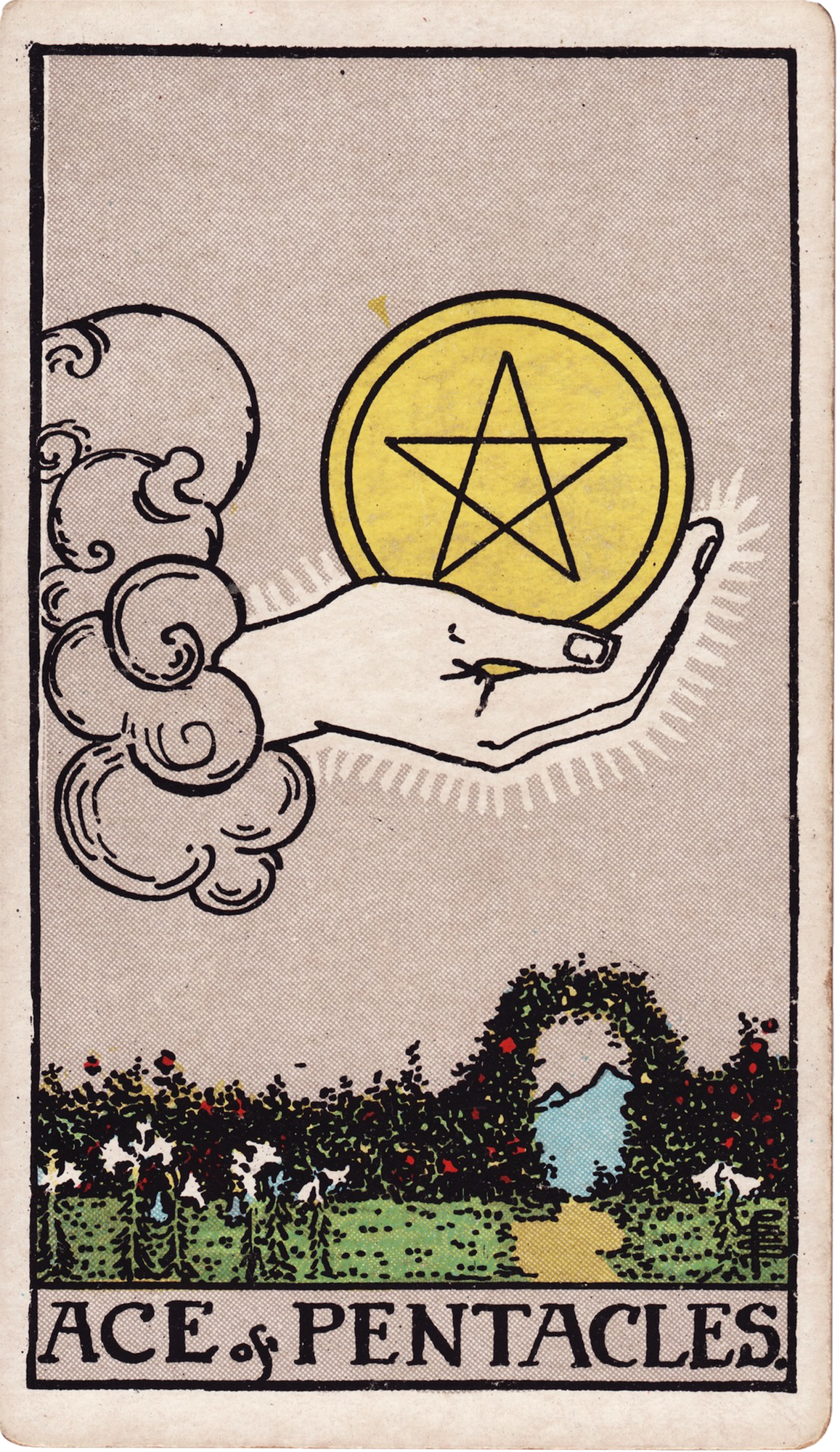 PresentAce of Pentacles
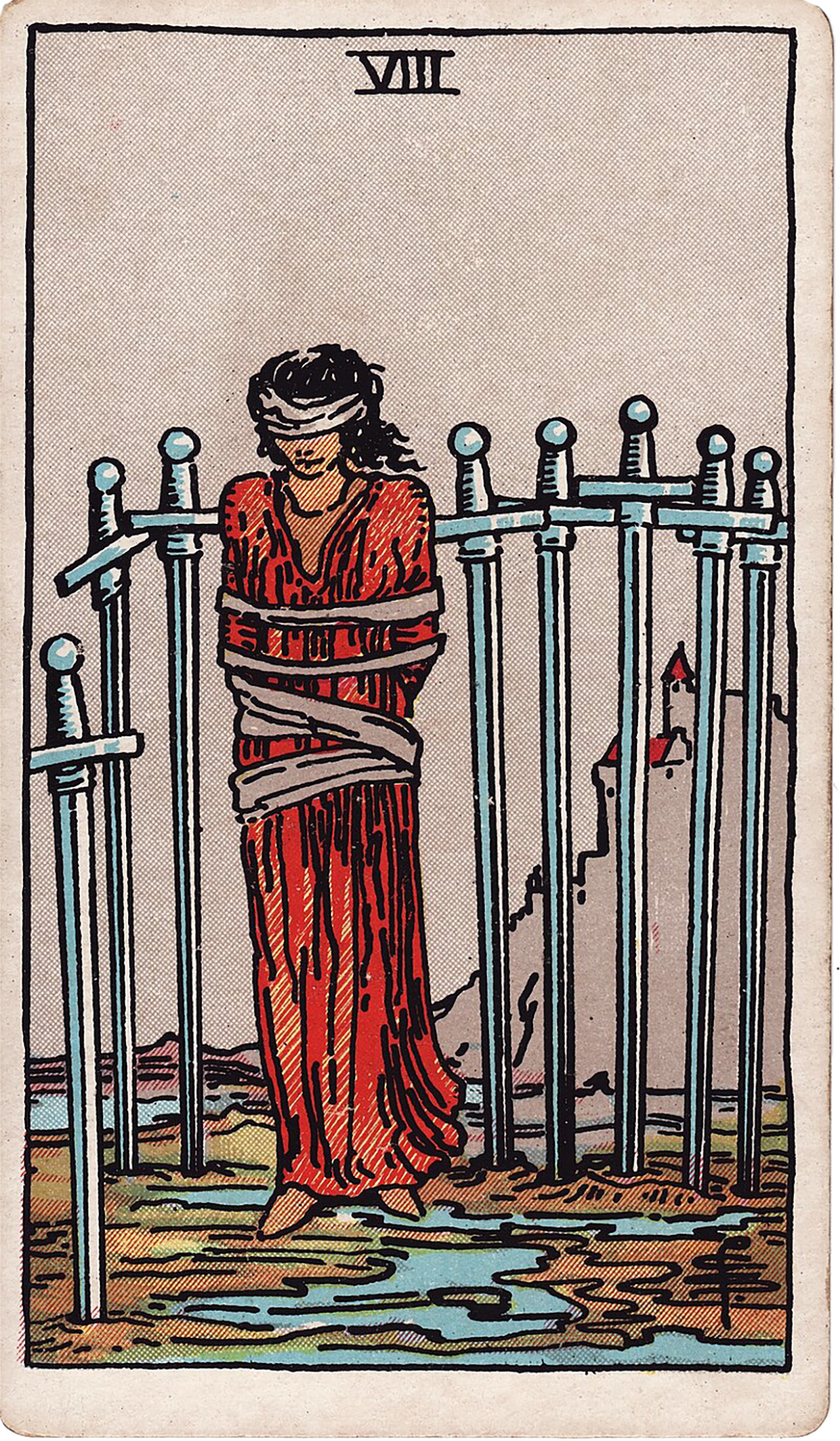 Past8 of Swords
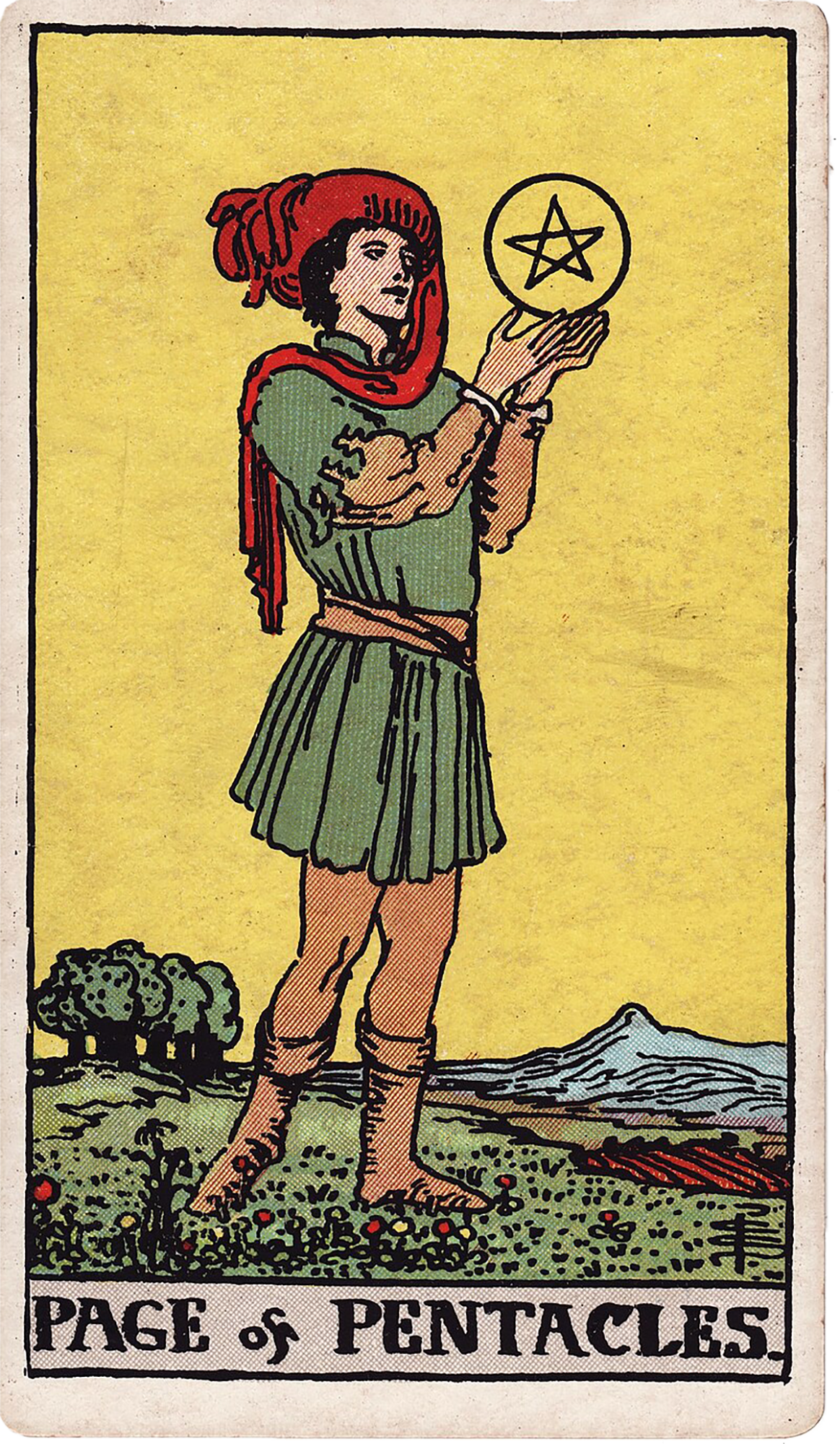 FuturePage of Pentacles
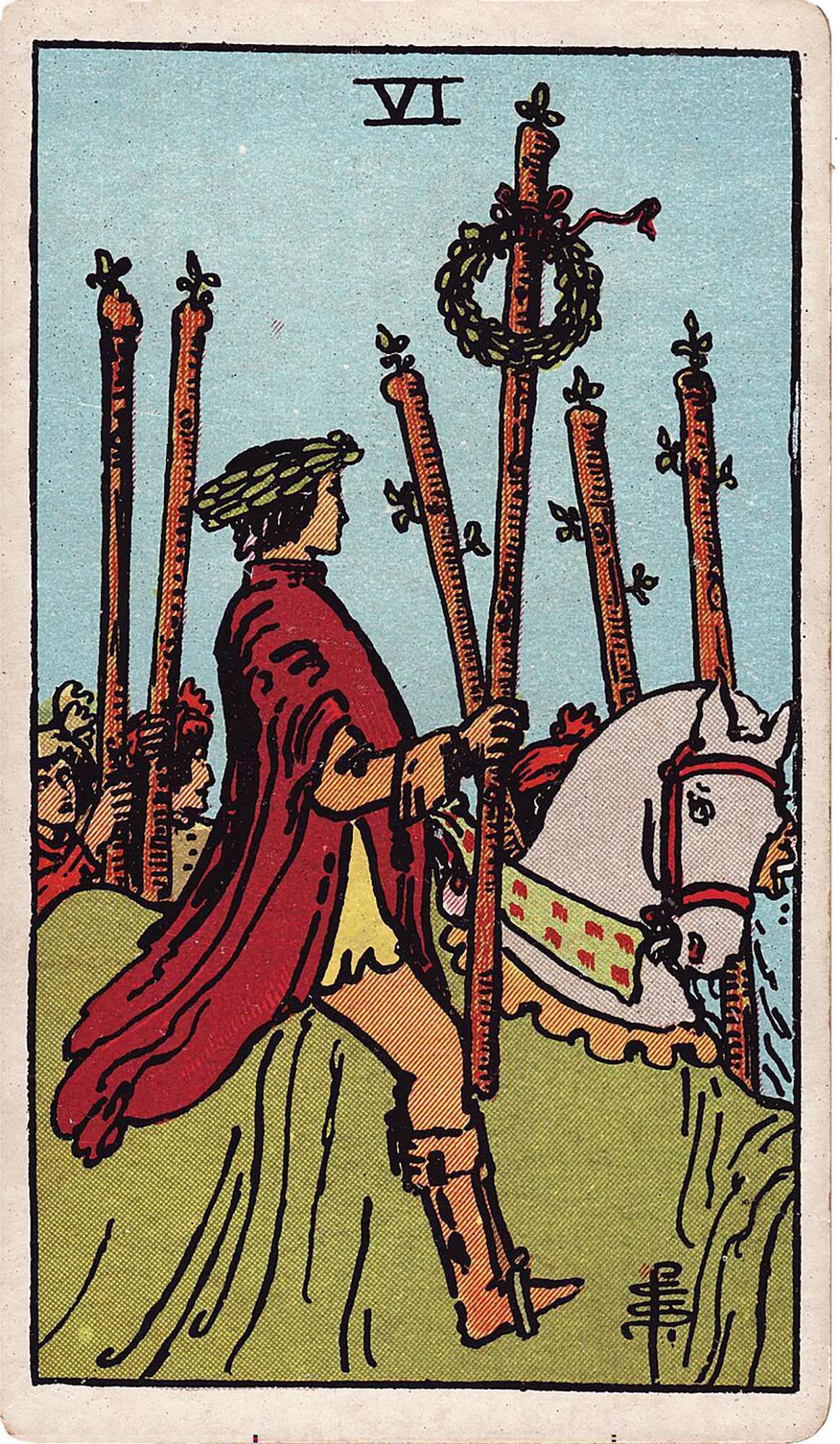 Challenge6 of Wands
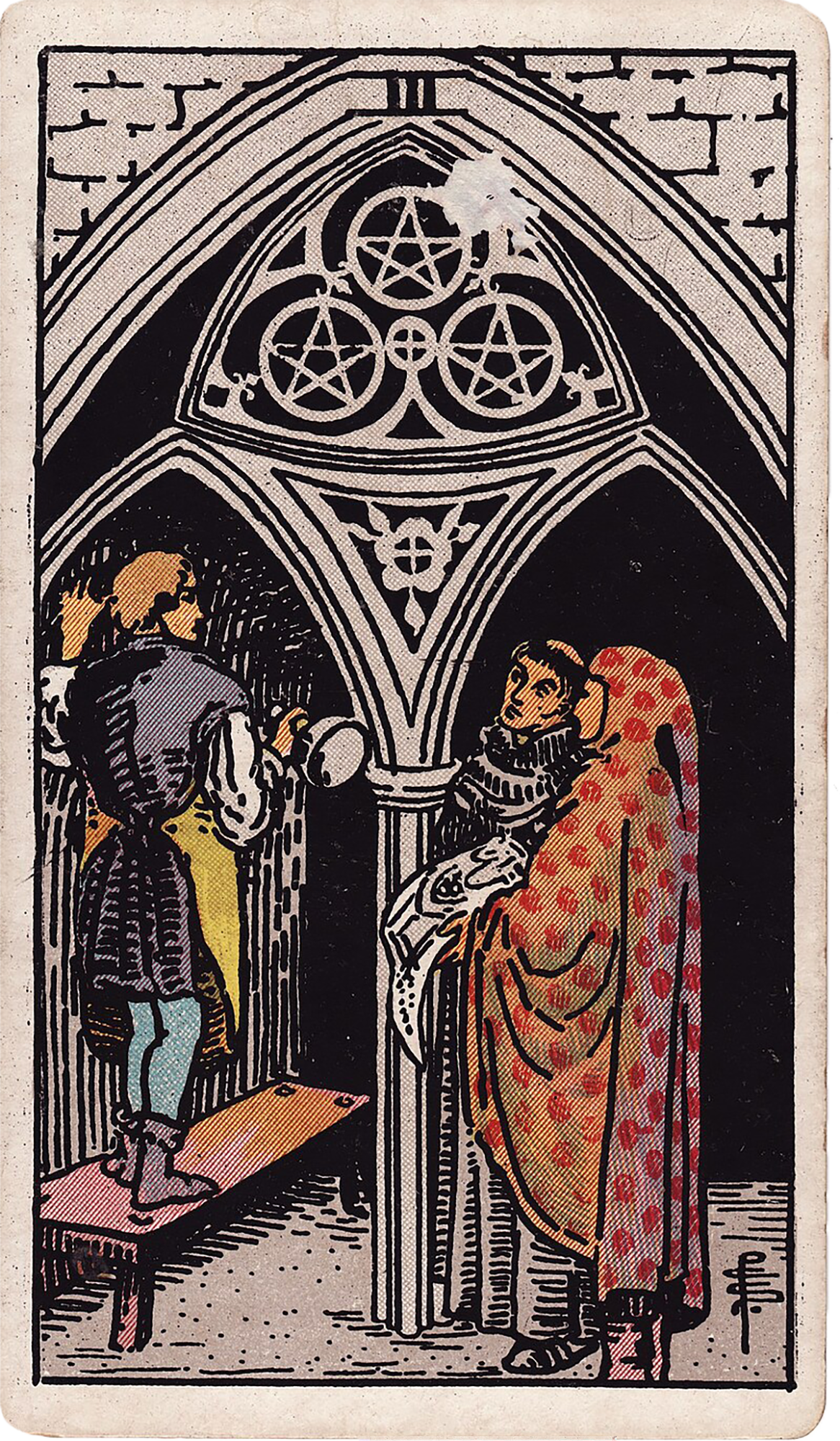 Advice3 of Pentacles
Introduction: Why a Five-Card Cross for Action
The Five Card Cross is a compact, versatile layout designed to translate a snapshot of a situation into a focused plan. It keeps a present-centred view while showing how the past shapes current conditions, what’s likely to develop next, what obstacle will influence progress, and the best practical attitude or step to adopt. This version pairs psychological and material perspectives so learners can work with both inner blocks and external opportunities. In this worked reading the spread is populated, in order, with the supplied cards: Present = 6 of Wands, Past = 8 of Swords, Future = Ace of Pentacles, Challenge = 3 of Pentacles, Advice = Page of Pentacles. The public article will display the images for those exact cards; throughout this guide we anchor interpretation to their upright imagery and conventional meanings as shown in Rider‑Waite‑Smith symbolism and the supplied card texts.
The Layout and When to Use It
Layout: Place cards in a simple cross: center = Present, left = Past, right = Future, top = Challenge, bottom = Advice. Visually, the cross emphasizes the present as the hub; the past feeds into it from the left, the future is what the present is moving toward on the right, the challenge is something that presses down from above, and the advice position offers a grounding element beneath the present. When to use: This spread works well when you need an actionable plan rather than a long narrative reading — for family decisions, project milestones, career steps, health routines, or practical personal changes. It’s excellent for 'what do I do next' questions because the Advice card is explicitly directed to strategy and the Future card points to tangible outcomes.
Card-by-Card Reading: What Each Position Shows
Present — 6 of Wands (Upright) The 6 of Wands appears in the present position. In Rider‑Waite imagery the rider carries a staff topped with a laurel wreath and is cheered by a crowd. Upright, the supplied text highlights earned recognition, visible progress, and the practical question of how to receive success without depending entirely on applause. For an action plan this card says: you already have momentum and some form of public or internal validation. The immediate task is to name what success looks like now and make choices that fit this stage rather than leap to an abstract ideal. Past — 8 of Swords (Upright) The 8 of Swords in the past position points to a recent history of feeling trapped by circumstances or beliefs. RWS shows a blindfolded, bound woman surrounded by swords and marshy ground; the supplied upright meaning emphasizes that the bindings are loose and some restrictions may be negotiable. As past context, it suggests that current momentum (6 of Wands) rose out of a prior struggle with limiting thoughts or decisions that felt impossible — and that some of those limitations were self-imposed. Future — Ace of Pentacles (Upright) The Ace of Pentacles in future signals a tangible opportunity or resource that is likely to appear if current energies continue. Rider‑Waite shows a hand emerging from clouds holding a pentacle over a cultivated garden: the image invites practical cultivation and the potential for long-term material gain. For a plan, this card suggests a real, material next phase: a new contract, a concrete resource, or a beginning you can develop with consistent action. Challenge — 3 of Pentacles (Upright) The 3 of Pentacles at the top of the cross identifies the obstacle or pressure that will shape results. RWS depicts a stonemason at work while others review plans — a clear image of collaboration, standards, and workmanship. Upright, the supplied meaning centers on collaboration, feedback, and respect for different expertise. As a challenge, this card asks whether you can integrate other people’s input, meet a quality standard, or coordinate effort — even if you presently enjoy recognition (6 of Wands). Advice — Page of Pentacles (Upright) The Page of Pentacles in the advice position is a practical, studious card. RWS shows a young figure gazing seriously at a pentacle, a posture of focused learning and realistic planning. Upright, the supplied meaning encourages beginner energy: take a skill seriously, start a realistic plan, and commit to the work required. As advice it asks you to adopt a posture of disciplined curiosity and reliable follow-through rather than showy gestures.
Interpreting Card-to-Card Relationships
Reading a spread well means noticing how cards talk to each other. Here are the central relationships and what they mean for a clear action plan: Past (8 of Swords) → Present (6 of Wands) This arrow shows transformation. The mental constraints and self-limiting narratives (8 of Swords) are the soil from which a recent effort grew. The 6 of Wands indicates that despite — or because of — those restrictions you found a way to act and obtained recognition or visible progress. Practically: your accomplishments may have been a response to proving internal doubts wrong. Recognize what you learned in that struggle and which coping moves actually worked. Present (6 of Wands) → Future (Ace of Pentacles) Momentum and visible progress make a tangible opportunity more likely. The 6 of Wands energy can attract the Ace of Pentacles: by stepping forward with confidence and showing concrete results, you increase the chance of a material opening. But the quality of that opening will depend on how honestly you handle recognition: are you willing to convert applause into systems and resources? Future (Ace of Pentacles) ← Challenge (3 of Pentacles) The Ace of Pentacles promises a concrete opening, but the 3 of Pentacles as challenge qualifies it. The future reward will require collaboration, clear standards, or coordination. The card pairing says: a new opportunity will be worthwhile only if you can accept feedback and work within a team or guild-like structure. If you resist coordination you may leave potential value on the table. Present (6 of Wands) ↔ Advice (Page of Pentacles) These two form the core behavioral instruction. The present’s public success can either be sustained by the studious humility of the Page of Pentacles or wasted through ego-driven shortcuts. The Page asks you to convert applause into a learning posture: document what worked, set small experiments, and learn technical competencies that stabilize success. This relationship is the pivot for an action plan: move from performance to practiced craft.
From Reading to a Concrete Action Plan: Step-by-Step
Below is a reproducible sequence that translates the spread into a clear plan. Each step is tied to the imagery and lessons of the supplied cards. 1) Ground the Present (6 of Wands) - Inventory visible wins. Look at the 6 of Wands image: the laurel, the staff, the crowd. Write down what is working and which results have been publicly acknowledged. This is your starting capital. - Ask: Which parts of this success are repeatable? Which required luck or momentary conditions? 2) Extract Lessons from the Past Constraint (8 of Swords) - Use the 8 of Swords to name limiting beliefs and negotiable restrictions. Make two lists: 'Real constraints' (material limits, contracts, deadlines) and 'self-limits' (perfectionism, fear of asking for help). - For each self-limit identify one small experiment to test its negotiability (e.g., ask for clarity on a deadline, allow a draft instead of a final version). 3) Define the Tangible Opportunity (Ace of Pentacles) - Translate the Ace of Pentacles into a specific resource or goal. Is it money, a client, a workspace, a contract, or a health marker? Describe it in concrete terms (amount, date, deliverable). - Decide what the minimal successful outcome looks like in three months. 4) Address the Collaboration Standard (3 of Pentacles) - Because the 3 of Pentacles is the challenge, define collaboration requirements: Who must be consulted? What quality standards exist? Which deliverables need peer review? - Create one boundary and one process: Boundary = what you will own personally; Process = how you will collect feedback (weekly check-ins, peer critique, shared document for comments). 5) Adopt a Page‑level Practice (Page of Pentacles) - The Page of Pentacles gives the action posture: learning, documentation, realistic scheduling. Commit to a 30/90-day learning cycle: daily 20–40 minute skill blocks, weekly reflection, monthly progress measurement. - Concrete items: set up a notebook or digital log, choose one practical course or mentor, define three micro-skills to practice. 6) Sequence and Schedule - Use the present inventory to prioritize tasks that feed the Ace of Pentacles. Decide which tasks require collaboration (3 of Pentacles) and schedule them early to allow iterations. - Make the first 7 days a 'setup sprint': document wins (6 of Wands), outline experiments for limiting beliefs (8 of Swords), contact one potential collaborator for standards discussion (3 of Pentacles), and launch an initial technical practice (Page of Pentacles). 7) Feedback Loops and Accountability - Plan a feedback loop that mirrors the 3 of Pentacles image: bring work to peers, accept correction, and refine. Use the Page’s learner posture to keep your ego separate from necessary improvement. 8) Evaluate and Adjust - After 30 days measure progress toward the Ace of Pentacles criteria. If the outcome is delayed, return to the 8 of Swords lists to test whether fear or misperception is reappearing. Reassess standards if collaboration remains blocked.
Technique: How to Reproduce This Method Yourself
Set intention: Frame a clear, practical question before you shuffle. Example: 'What practical plan will move my small business toward a concrete contract in the next three months?' Shuffle and cut: Shuffle until you feel the question is integrated. Cut the deck into three piles then recombine to keep the reading intentional. Lay the cross: Place the first card face up in the center (Present). Place the second to the left (Past), the third to the right (Future), the fourth above the center (Challenge), and the fifth below the center (Advice). Note orientation: Decide in advance whether you will read reversals. In this worked example we used the upright meanings supplied. If reversed appear, follow the supplied guidance: look for where the process is stuck or exaggerated rather than an opposite meaning. Describe images: Before you read meanings, look at the RWS images in each of your cards. Note bodies, gestures, objects (laur laurel wreath, horses, blindfolds, hands from clouds, tools and plans, a young figure with a Pentacle). Write observed symbols and a short phrase linking image to your situation. Synthesize: Move beyond single-card definitions. Ask directional questions: 'How did this past condition feed the present?' 'What must change for this future opportunity to materialize?' 'What behavior does the advice imply in day‑to‑day terms?' Write the plan: Use the five-step plan outline above: inventory, extract lessons, define opportunity, set collaboration standards, begin Page-style practice. Translate each into calendar tasks and measurable metrics.
Common Mistakes and How to Avoid Them
1) Confusing applause with sustainability (6 of Wands trap) - Mistake: Treating recognition as validation that no further work is required. Fix: Use the 6 of Wands as inventory rather than finish line. Ask: Which elements need systemization? 2) Misreading internal blocks as immutable facts (8 of Swords trap) - Mistake: Treating the 8 of Swords as fate. Fix: Test small experiments to check negotiability of restrictions. 3) Treating the Ace of Pentacles as a miracle rather than a seed - Mistake: Waiting for the Ace to deliver without cultivation. Fix: Define the smallest actionable step you can take to 'plant' that seed (budget, application, prototype). 4) Ignoring standards and collaboration demands of the 3 of Pentacles - Mistake: Trying to keep all control and then failing quality checks. Fix: Set clear roles and a review process early. 5) Overvaluing inspiration over discipline (ignoring Page of Pentacles) - Mistake: Assuming enthusiasm equals competence. Fix: Create a study log and micro‑tasks that evidence steady skill growth. 6) Not anchoring to imagery - Mistake: Relying solely on abstract words and ignoring the visual cues of the cards. Fix: Describe the pictures and translate those concrete symbols into literal actions.
Practice Exercises to Build Skill
1) Practice a mini spread: Use the five cards but treat them as a coaching session. Spend five minutes writing the inventory for the 6 of Wands image, five minutes on negotiable limits from 8 of Swords, and so on. Timebox to build concise translation skills. 2) Swap challenge/advice: Occasionally switch the top and bottom cards after you lay them to see how your interpretation changes. This helps you notice whether you are mentally prioritizing obstacle over help. 3) Reverse testing: If a reversal appears (for example, reversed Page of Pentacles), create a corrective action that specifically addresses the reversal guidance (e.g., set up accountability for procrastination). 4) Teach the spread: Explain the reading to a friend using the images as cues. Teaching will force you to justify each step from picture to action. 5) Thirty‑day plan: Take a real small goal and apply the five-card cross. Follow the plan for 30 days, log weekly, and then re-read the spread to see what changed.
Final Interpretation, Ethics, and Cautions
This worked example reads as an optimistic but disciplined pathway: recent victory (6 of Wands) can lead to a concrete resource (Ace of Pentacles) provided you confront collaborative standards (3 of Pentacles) and convert momentum into skillful practice (Page of Pentacles), all while remembering that prior mental limits (8 of Swords) can be negotiated. Ethical note: Tarot should not replace legal, medical, or financial advice. Use the spread to clarify choices and create accountable steps, not as a guarantee of outcomes. Read for agency; the spread’s power is in prompting measurable, repeatable actions. Learner note: Keep records. The next time you run this spread for the same situation, compare outcomes to strengthen your interpretation skills and calibrate how imagery maps to concrete action.
Practice questions
• What recent accomplishment does the 6 of Wands image represent in your life, and which of those elements can you repeat reliably?
• Which items on your '8 of Swords' list are actual external limits and which are negotiable beliefs you can test?
• How would you describe the Ace of Pentacles opportunity in one sentence with measurable criteria?
• Who are the people or standards represented by the 3 of Pentacles that you must engage, and how will you invite feedback?
• What three daily or weekly habits would translate the Page of Pentacles’ studious energy into measurable progress?
• How will you protect your progress from becoming dependent on applause rather than on systems?
Comments
Sign in to comment.
Continue learning
Mastering Decision Making with the Five Card Cross Tarot Spread
The Five Card Cross Tarot Spread is a powerful tool for deepening decision-making skills by examining the present situation, past influences, future possibilities, challenges, and...
Navigating Conflict Resolution and Inner Struggles with the Five Card Cross Tarot Spread
This article delves into the Five Card Cross Tarot Spread as a practical tool for navigating conflict resolution and inner struggles, especially within family contexts. Using the s...
Using the Career Five Card Spread to Identify Growth Opportunities and Challenges
This article explores the Career Five Card Spread, a practical tarot method designed to spotlight growth opportunities, strengths, and obstacles within a career context. By analyzi...
Unlocking Life Insights with the Celtic Cross Tarot Spread
This article offers a thorough exploration of the Celtic Cross Tarot Spread, focusing on its application within family and practical life contexts. Using a worked example featuring...
Enhancing Clarity in Complex Choices with the Five Card Cross Tarot Spread
The Five Card Cross Tarot Spread is a practical tool designed to clarify complex choices by breaking down the decision into manageable parts. This article explores each position in...
Deepening Connection and Communication Using the Relationship Five Card Spread
This article introduces the Relationship Five Card Spread as a practical tool to enhance family communication and connection. Using five specific card positions—You, The Other Pers...
Using the Five Card Cross Tarot Spread to Navigate Career Changes with Confidence
The Five Card Cross Tarot Spread is a versatile and insightful tool for navigating career changes. This article guides learners through the method step-by-step using a practical ex...
Unlocking Personal Insight with the Seven Card Horseshoe Spread
The Seven Card Horseshoe Spread is a practical and insightful Tarot layout ideal for exploring personal and family dynamics. This article breaks down each position—Past, Present, H...
Using the Career Five Card Spread to Uncover Professional Strengths and Opportunities
This article presents a comprehensive guide to the Career Five Card Spread, designed to help learners explore professional strengths and opportunities using five specific Tarot car...
Using the Career Five Card Spread to Overcome Professional Challenges with Insight
The Career Five Card Spread is a powerful tool for exploring current professional situations, identifying strengths, challenges, opportunities, and practical next steps. This artic...