
Decoding the Personalities and Roles of the Court Cards of Cups for Emotional Intelligence
This article delves into the court cards of the Cups suit within the Minor Arcana, focusing on their personalities and roles as guides for emotional intelligence development. Using the Rider-Waite-Smith symbolism and practical Tarot reading methods, it decodes the Page, Knight, Queen, and King of Cups to support learners in recognizing emotional stages, managing relationships, and cultivating intuitive sensitivity. Throughout, the article anchors teachings in the supplied card images and meanings, offering insights into upright and reversed positions, common reading pitfalls, and reflection questions to deepen understanding. This family suit and court card exploration highlights how these figures represent evolving mastery over feelings and interpersonal dynamics, equipping readers with tools for nuanced emotional awareness and balanced responses in Tarot practice and beyond.
Cards explored in this article
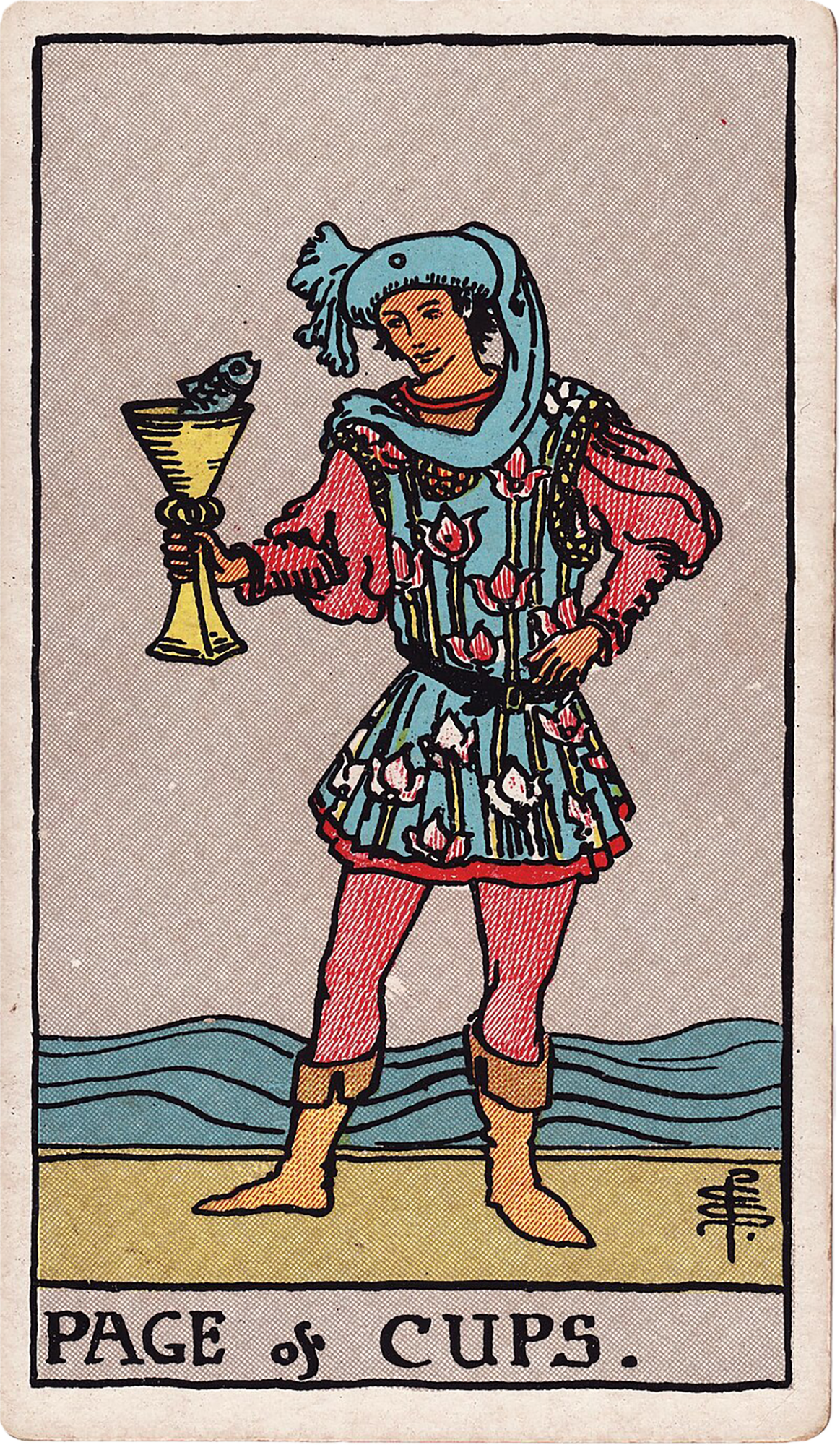 Page of Cups
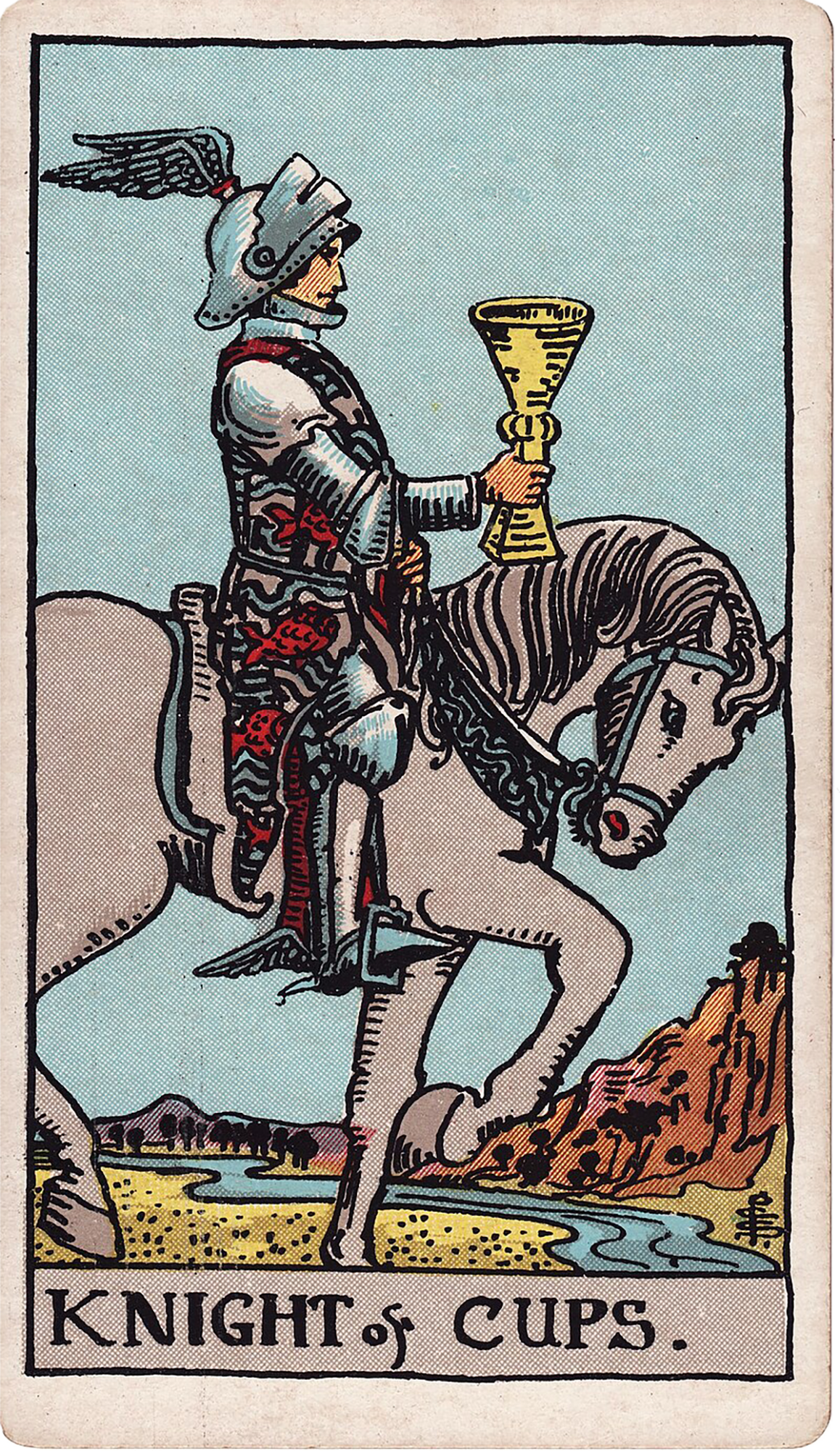 Knight of Cups
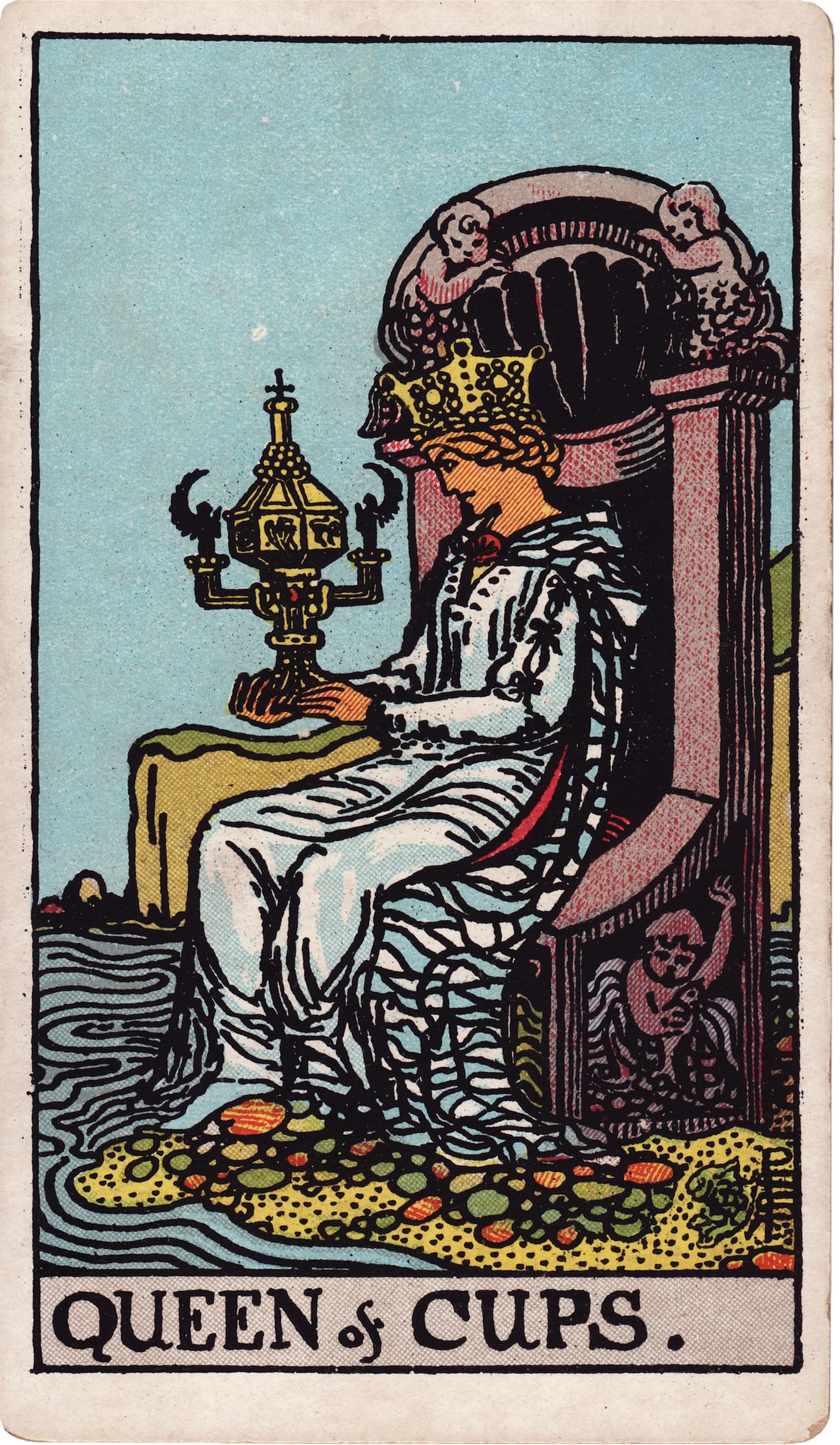 Queen of Cups
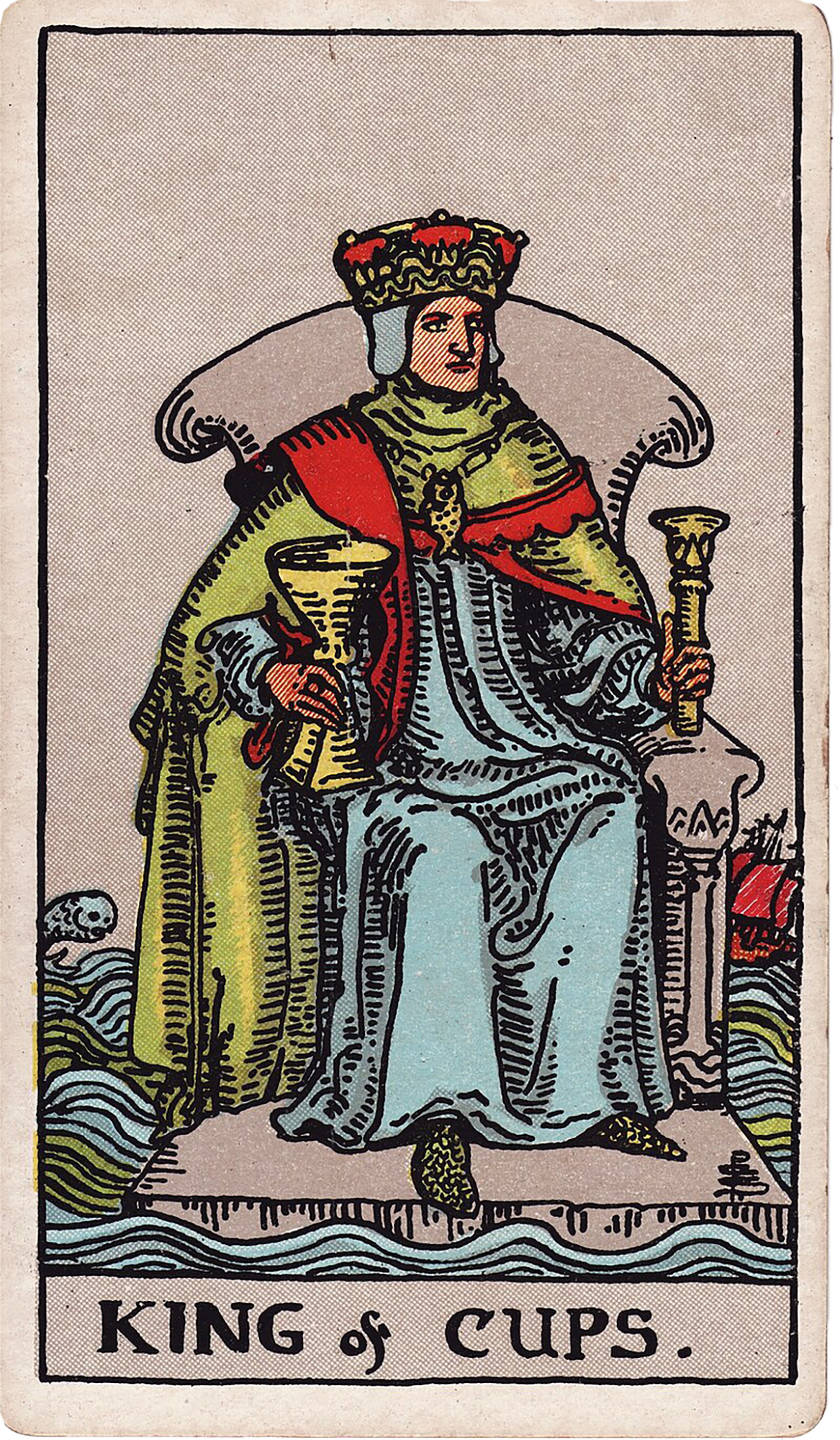 King of Cups
Introduction to the Court Cards of Cups and Emotional Intelligence
The Cups suit in Tarot traditionally governs the realm of emotions, relationships, intuition, and the inner life of feelings. Within this suit, the court cards—the Page, Knight, Queen, and King—embody distinct personalities and archetypes that illustrate stages of emotional awareness and maturity. Understanding these figures is essential for developing emotional intelligence in Tarot readings, as they provide nuanced portraits of how individuals engage with their feelings and social environments. Rather than fixed predictions, these cards serve as mirrors and guides, encouraging readers to reflect on emotional dynamics, challenges, and growth opportunities. This article focuses specifically on the supplied cards: Page of Cups, Knight of Cups, Queen of Cups, and King of Cups, decoding their upright and reversed meanings with practical advice for readers to interpret emotional narratives accurately and compassionately.
Symbolism and Traditional Rider-Waite-Smith Imagery Anchoring
The Rider-Waite-Smith deck visually encodes much of the Cups court cards’ meaning through rich symbolism. The Page of Cups typically appears as a youthful figure holding a cup from which a fish emerges, symbolizing surprise, intuition, and the beginning of emotional or creative awareness. This imagery captures the card’s call to embrace curiosity rather than premature judgment. The Knight of Cups rides forward gracefully, representing the pursuit of heartfelt desires with imagination and emotional intention; his armor and flowing garments emphasize movement and romantic idealism. The Queen of Cups is seated with a closed cup, signifying mature emotional receptivity, empathy, and the containment of deep feelings without being overwhelmed. Her gaze often is reflective, embodying intuition balanced with compassion. Finally, the King of Cups presents steadiness and emotional leadership, often depicted holding a cup solidly while maintaining calm composure amid turbulent waters, illustrating mastery over emotions without repression. By anchoring interpretations in these traditional images, readers can connect the card’s personality to the emotional lessons they embody, enriching both intuition and technical analysis.
Decoding the Page of Cups for Emotional Awakening and Intuition
The Page of Cups signals an unexpected emotional message, intuitive insight, or creative impulse. This card’s upright meaning invites a response appropriate to the current emotional stage rather than idealized outcomes. When the Page appears, consider where a fresh pattern of emotional learning or relational curiosity is emerging in the querent’s life. The fish in the cup suggests paying attention to unusual or surprising feelings that may initially seem impractical or confusing. In readings, the Page often points toward developing receptivity, memory of emotional experiences, and the early processing of internal sensations. However, the reversed Page draws attention to emotional immaturity, hypersensitivity, or a dismissal of intuition that may present in unfamiliar forms. Rather than assuming reversal means simply the opposite, look for where emotional growth is stuck or resisted. A reversed Page might indicate the need to simplify feelings, acknowledge hidden emotions, or practice communicating vulnerabilities to move toward healthier emotional expression.
Interpreting the Knight of Cups as the Pursuer of Heartfelt Desires
The Knight of Cups highlights the active pursuit of what the heart values, combining grace, imagination, and emotional intention. Upright, this card directs the reader to consider where emotional goals or relationships are being approached with genuine feeling and creativity. The knight’s position as a messenger and seeker reminds us that emotional intelligence involves not only awareness but also the courage to engage and relate authentically. In practical readings, the Knight can indicate a phase where emotional energies are developing or moving toward resolution, though effort or discomfort may be present. Reversed, the Knight warns of idealization without substance, moodiness, or chasing fantasies that may lead to disappointment. This reversal can signal a disconnection from reality in emotional engagement, inviting reflection on whether emotional expression is consistent and grounded. As with the Page, the reversal encourages examining what internal processes require simplification or acknowledgment to restore balanced emotional relating.
Exploring the Queen of Cups for Mature Emotional Receptivity and Empathy
The Queen of Cups personifies mature emotional receptivity, empathy, and intuitive understanding while maintaining an inner container for feelings. Upright, she models the skill of embracing emotions deeply without being overwhelmed, offering compassion both to oneself and others. In readings, the Queen suggests that the querent or situation requires emotional balance, sensitivity, and the capacity to listen to subtle inner and outer signals. Her closed cup symbolizes control over emotions without suppression, signifying a harmonious integration of feeling and thought. When reversed, the Queen can indicate emotional overwhelm, codependency, or difficulty distinguishing intuition from anxiety. This state often manifests as absorbing others’ moods excessively or retreating into fantasy. Rather than viewing reversal as failure, consider it a sign to practice clearer boundaries, emotional self-care, and the release of burdensome emotional absorption before a healthier expression of Cups emerges.
Understanding the King of Cups as the Emblem of Emotional Leadership
The King of Cups represents steady emotional leadership, characterized by feeling deeply without being ruled by every emotional surge. His image in the Rider-Waite-Smith deck of calm composure amid turbulent waters illustrates the balance of vulnerability and control necessary to create safety in relationships and social contexts. Upright, this card marks a stage where emotional intelligence translates into guiding others with empathy and wisdom, offering support while maintaining inner stability. The King challenges readers to consider where emotional mastery is needed or already present and how to strengthen that leadership. When reversed, the King warns of emotional manipulation, repression, or controlling moods through withdrawal. This form of emotional distancing masks genuine vulnerability, which can hinder connection and growth. Reversal invites honest self-examination about where emotional expression is blocked or distorted and encourages the release of controlling behaviors to restore authentic engagement.
Practical Techniques for Reading Cups Court Cards with Emotional Intelligence
To interpret the Cups court cards effectively, readers should integrate several key techniques. First, always consider the card’s position in the spread and its relationship with surrounding cards to understand the developmental stage of emotional processes. Second, avoid rigidly equating upright with positive and reversed with negative; instead, explore where emotional expression is flowing, stuck, or needing recalibration. Third, anchor your interpretation in the card’s imagery, recalling the symbolism of fish, cups, water, posture, and facial expression to deepen intuitive insights while maintaining practical focus. Fourth, prompt querents to reflect on their own emotional experiences by asking questions that clarify feelings, boundaries, and growth areas. Common mistakes include over-intellectualizing emotional cards without addressing lived feeling, ignoring reversal nuances, or failing to contextualize emotional cues within the broader reading narrative. By applying these practical strategies, readers can offer compassionate, insightful guidance that illuminates personal emotional landscapes.
Examples of Emotional Intelligence Lessons from Each Court Card
The Page of Cups teaches learners to honor emotional curiosity and intuition, encouraging openness to unexpected feelings and creative inspiration. The Knight of Cups models the pursuit of heartfelt desires with graceful intention, warning against chasing illusions or unmet ideals. The Queen of Cups offers lessons in empathy and emotional boundary-setting, balancing deep receptivity with healthy self-containment. The King of Cups exemplifies mature emotional leadership, blending vulnerability with steady composure to guide oneself and others through emotional turbulence. In combination, these cards chart a progression from emotional awakening through active engagement, empathetic understanding, and finally, wise leadership. Recognizing these stages enables readers and querents to identify where they are in their emotional journey and what practices or perspectives may support growth.
Reflection Questions to Deepen Emotional Awareness in Readings
When working with the Cups court cards, consider these reflection questions to enhance emotional intelligence: Where in my life am I acting like the Page—curious but uncertain about my feelings? How do I pursue my emotional desires as the Knight does, and where might I be chasing fantasies instead of reality? In what ways do I embody the Queen’s empathy, and when might I struggle with emotional boundaries or overwhelm? How can I develop the King’s steady leadership, owning my vulnerabilities without losing composure? How do the surrounding cards inform the emotional context and stage of these court cards? What internal emotional patterns might be stuck or needing release as suggested by reversed cards? Engaging with these questions during readings helps both the reader and querent cultivate deeper self-awareness and more nuanced emotional literacy.
Practice questions
• How does the Page of Cups inspire you to embrace unexpected emotions or creativity in your life?
• In what ways might you identify with the Knight of Cups’ pursuit of heartfelt goals, and where could idealism be a challenge?
• How do you maintain emotional boundaries and empathy like the Queen of Cups without becoming overwhelmed?
• What practices help you embody the King of Cups’ balance of vulnerability and emotional leadership?
• How can recognizing reversed court cards of Cups guide you to areas needing emotional healing or realignment?
Comments
Sign in to comment.
Continue learning
Understanding the Synergy Between The Empress and The Emperor in Tarot Card Combinations
This article delves into the intricate synergy between The Empress and The Emperor cards in Tarot, focusing on how their combined energies modify and enrich readings across various...
Exploring The High Priestess in Career Relationships and Personal Growth
The High Priestess card in the tarot deck invites readers to explore intuition, hidden knowledge, and inner wisdom across various life contexts. This article examines how The High...
Using the Five Card Cross Tarot Spread to Navigate Career Changes with Confidence
The Five Card Cross Tarot Spread is a versatile and insightful tool for navigating career changes. This article guides learners through the method step-by-step using a practical ex...
Exploring The Hierophant in Modern Spiritual Practices and Personal Development
The Hierophant tarot card symbolizes structured wisdom, tradition, and the pursuit of knowledge through established systems. This article explores how The Hierophant’s upright and...
Unlocking Personal Ambition and Emotional Balance with The Chariot and Queen of Cups
The Chariot and Queen of Cups together represent a compelling combination of disciplined ambition and emotional maturity. This article guides learners through understanding how the...
Understanding The Tower in Tarot for Navigating Sudden Change and Crisis
The Tower card in Tarot symbolizes sudden, often disruptive change that destroys false foundations and compels honest reassessment. This article provides a comprehensive exploratio...
Understanding The Hanged Man in Personal Sacrifice and Spiritual Growth
The Hanged Man tarot card embodies the themes of intentional pause, surrender, and gaining new perspectives that foster personal sacrifice and spiritual growth. In this article, we...
Discovering The Hermit in Meditation and Self Reflection Practices
The Hermit tarot card, a symbol of introspection and deliberate solitude, offers profound lessons for meditation and self-reflection practices. This article unpacks its upright and...
Unlocking Emotional Balance with The Lovers and Temperance in Tarot Combinations
This article explores the dynamic interplay between The Lovers and Temperance cards in Tarot readings, focusing on how their combination unlocks emotional balance and integration....
Understanding the Court Cards of Pentacles for Practical Wisdom and Grounded Ambition
The Court Cards of Pentacles—Page, Knight, Queen, and King—offer a rich framework for understanding practical wisdom, grounded ambition, and stewardship of material resources. Anch...