
Exploring The Chariot Card in Personal Willpower Career and Relationship Growth
The Chariot card from the Tarot deck symbolizes disciplined determination, the harmonizing of opposing forces, and the critical choice of direction. This article examines The Chariot’s significance in diverse contexts including personal willpower, career progression, and relationship growth. Using the imagery and symbolism of the supplied upright and reversed Chariot cards, we explore how its meanings shift depending on the question and situation. Readers will gain practical reading techniques, insights into common interpretative pitfalls, and methods to integrate The Chariot’s lessons into their own lives for empowered decision-making and progress.
Cards explored in this article
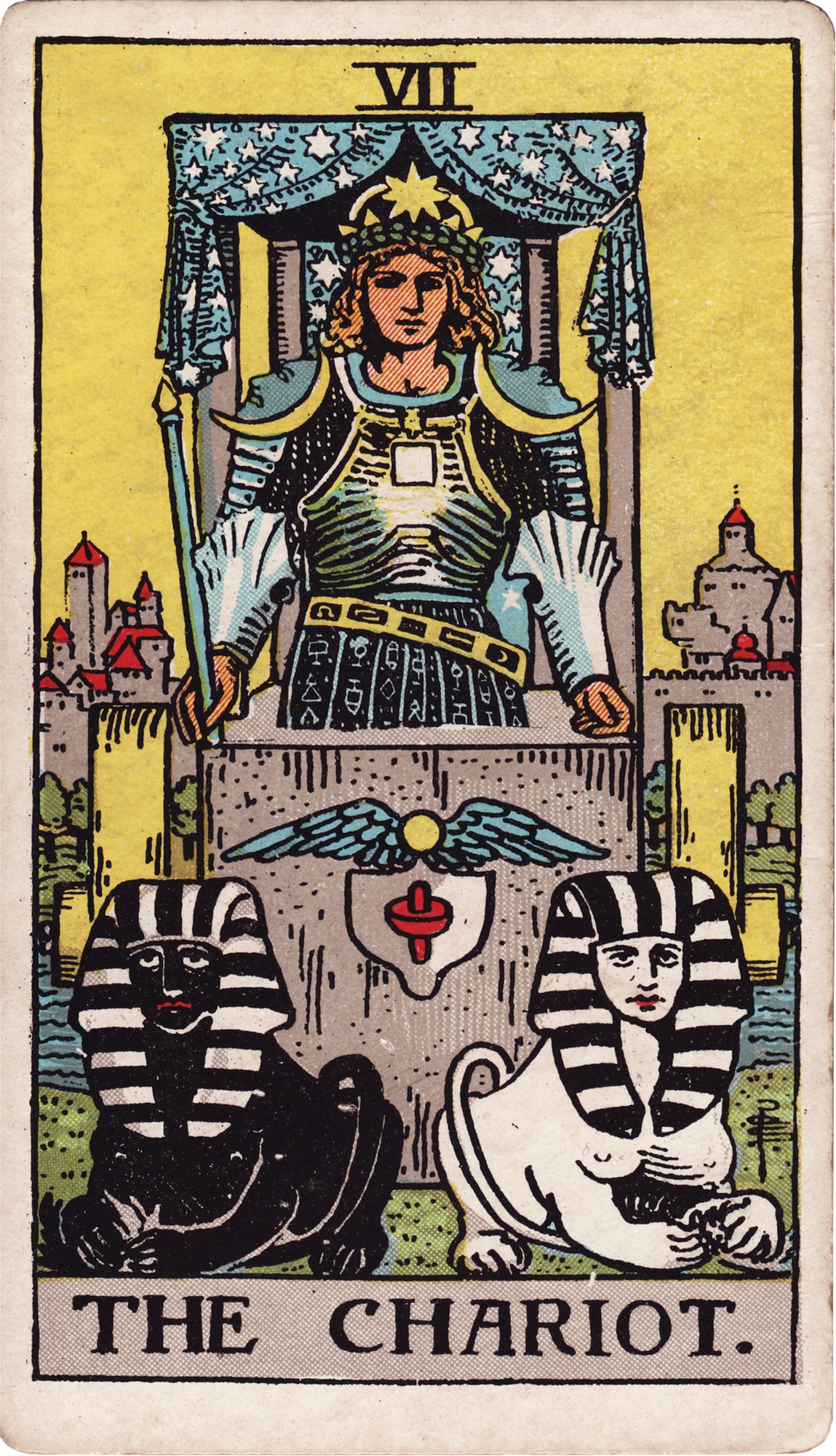 The Chariot
Introduction to The Chariot Card and Its Symbolism
The Chariot card, prominently featured in the Major Arcana, is rich with symbolic meaning rooted in the Rider-Waite-Smith tradition. The card depicts a strong figure clad in armor, confidently steering a chariot pulled by two sphinxes or horses of differing colors, representing opposing forces or dualities. The figure embodies willpower, control, and determination, while the chariot itself signifies movement forward through challenge. The upright card stresses focused direction, mastery over inner conflicts, and deliberate action. Conversely, the reversed chariot highlights struggles such as loss of control, scattered efforts, or unresolved internal tensions. This duality makes The Chariot a powerful lens through which to examine themes of personal will, career dynamics, and relationship growth.
The Chariot in Personal Willpower and Inner Growth
When The Chariot appears upright in a personal willpower context, it urges the querent to harness their inner strength and align conflicting impulses toward a single goal. The image of the charioteer controlling the sphinxes is a metaphor for balancing emotions and rational thoughts. This card encourages clarity about which direction to take next, especially when faced with uncertainty. Practically, it signals that the central issue is now visible enough to engage consciously rather than avoid. The charioteer’s armor suggests protection and readiness for battle—meaning the individual is prepared to face obstacles with discipline and confidence. In contrast, a reversed Chariot can indicate that the person’s willpower is being compromised by inner doubts or external pressures. There might be impatience, frustration, or attempts to force outcomes prematurely. The reversed card often points to the need to resolve internal conflicts before effective progress can be made. It is not an indication of permanent failure but a call to reevaluate and regain composure.
The Chariot’s Role in Career Advancement and Professional Decisions
In career readings, The Chariot upright symbolizes purposeful advancement and the successful navigation of competing demands. The figure’s firm grip on the reins suggests the need for disciplined effort and strategic planning. The contrasting sphinxes imply balancing creativity with pragmatism, or managing teamwork versus individual ambition. The card encourages readers to push forward confidently, making clear choices to overcome obstacles or office politics. The upright Chariot signals that the querent is ready to take control of their professional path by focusing on actionable steps instead of waiting for ideal conditions. It highlights the value of perseverance and boundary setting when managing career challenges. When reversed, The Chariot warns against scattered efforts, impulsive decisions, or aggressive moves that may undermine career stability. It can suggest burnout or misalignment between one’s goals and actions. This reversal invites reflection on whether the current path is sustainable and if inner conflicts might be sabotaging progress. It often suggests pausing to resolve these issues before continuing.
Interpreting The Chariot in Relationship Growth and Love Dynamics
In the context of relationships, The Chariot upright conveys the importance of mutual direction and aligned intentions. The charioteer’s successful control over the sphinxes symbolizes partners balancing differing needs or personalities while moving forward together. This card encourages clear communication, setting boundaries, and making deliberate relationship choices that foster growth. The image invites readers to consider where decisive action or honesty could clarify misunderstandings or strengthen commitment. It is a message of hope and empowerment, suggesting that challenges can be overcome through discipline and cooperation. Conversely, a reversed Chariot in a love reading may reflect conflicts, power struggles, or a lack of shared goals. It warns of forcing the relationship ahead without resolving underlying tensions. The reversal may indicate that one or both individuals need to address internal emotional blocks before the relationship can progress meaningfully. It is a prompt to slow down, reassess, and heal.
The Chariot as Advice and Challenge in Readings
As advice, The Chariot upright emphasizes choosing a clear path and pursuing it with focused energy and discipline. It encourages readers to identify which competing impulses or distractions they must manage to move forward effectively. The card asks, ‘Where could direct action, firmer boundaries, or deeper honesty move this situation ahead?’ This practical question grounds the card’s lofty ideals in concrete self-awareness and incremental steps. When The Chariot appears reversed as a challenge, it highlights where energy is being misdirected or blocked. The reader is invited to notice patterns of impatience, aggression, or scattered focus. This card as a challenge encourages embracing patience and seeking internal harmony before driving forward. It also suggests being cautious about forcing outcomes prematurely without resolving inner conflicts. Common mistakes in reading The Chariot include overinterpreting it as a guaranteed success card or ignoring the nuanced distinction between upright and reversed meanings. The card’s emphasis is less on results and more on the quality of willpower and choice.
Practical Technique for Reading The Chariot Card Effectively
To read The Chariot effectively, start by carefully observing the card’s imagery: the armored figure, the two sphinxes or horses, and the chariot itself. Note the symbolism of opposing forces and the figure’s posture of control. Relate these visual cues to the question’s context—whether personal, career, or relational. Next, consider the card’s orientation. Upright The Chariot invites questions about direction, control, and disciplined action. Reversed, it suggests inner confusion, scattered effort, or forced progress. Incorporate timing and proximity to other cards if in a multi-card spread, but anchor interpretation firmly in the card’s symbolism rather than assumptions or wishful thinking. Use reflective questions such as: What impulses am I balancing? Where do I need clearer boundaries? Am I forcing progress prematurely? These help translate the card’s energy into actionable insight. Finally, avoid the trap of assuming The Chariot means immediate victory. Instead, focus on the ongoing process of self-mastery and deliberate choice symbolized by the card.
Examples of The Chariot in Different Contexts
Example 1: Personal Willpower — A querent struggling with making a major life decision draws The Chariot upright. The reading suggests they have the inner resources and clarity emerging to move forward but must consciously choose their next step rather than wait for perfect certainty. Example 2: Career — Someone feeling stuck in their job receives The Chariot reversed. The card highlights scattered focus and frustration caused by trying to force a promotion without aligning skills or resolving underlying doubts. The advice is to pause, realign inner goals, and approach advancement with renewed balance. Example 3: Relationship — In a love question, The Chariot upright indicates a relationship where both partners are ready to commit and actively work through differences. The card encourages honest communication and setting clear mutual goals. Example 4: Outcome — When drawn as an outcome card, The Chariot upright predicts progress through disciplined effort despite challenges, whereas the reversed position suggests delays or complications due to unresolved internal conflicts or external obstacles.
Reflection Questions to Deepen Understanding
1. Where in my life am I currently balancing competing impulses or priorities? 2. How might clearer boundaries or more deliberate choices improve my situation? 3. In what areas am I forcing progress prematurely, and where do I need more patience? 4. What aspects of The Chariot’s symbolism resonate most with my current challenges? 5. How can I cultivate disciplined determination without becoming rigid or aggressive?
Practice questions
• Where in my life am I currently balancing competing impulses or priorities?
• How might clearer boundaries or more deliberate choices improve my situation?
• In what areas am I forcing progress prematurely, and where do I need more patience?
• What aspects of The Chariot’s symbolism resonate most with my current challenges?
• How can I cultivate disciplined determination without becoming rigid or aggressive?
Comments
Sign in to comment.
Continue learning
Understanding the Synergy Between The Empress and The Emperor in Tarot Card Combinations
This article delves into the intricate synergy between The Empress and The Emperor cards in Tarot, focusing on how their combined energies modify and enrich readings across various...
Exploring The High Priestess in Career Relationships and Personal Growth
The High Priestess card in the tarot deck invites readers to explore intuition, hidden knowledge, and inner wisdom across various life contexts. This article examines how The High...
Using the Five Card Cross Tarot Spread to Navigate Career Changes with Confidence
The Five Card Cross Tarot Spread is a versatile and insightful tool for navigating career changes. This article guides learners through the method step-by-step using a practical ex...
Exploring The Hierophant in Modern Spiritual Practices and Personal Development
The Hierophant tarot card symbolizes structured wisdom, tradition, and the pursuit of knowledge through established systems. This article explores how The Hierophant’s upright and...
Unlocking Personal Ambition and Emotional Balance with The Chariot and Queen of Cups
The Chariot and Queen of Cups together represent a compelling combination of disciplined ambition and emotional maturity. This article guides learners through understanding how the...
Understanding The Tower in Tarot for Navigating Sudden Change and Crisis
The Tower card in Tarot symbolizes sudden, often disruptive change that destroys false foundations and compels honest reassessment. This article provides a comprehensive exploratio...
Understanding The Hanged Man in Personal Sacrifice and Spiritual Growth
The Hanged Man tarot card embodies the themes of intentional pause, surrender, and gaining new perspectives that foster personal sacrifice and spiritual growth. In this article, we...
Discovering The Hermit in Meditation and Self Reflection Practices
The Hermit tarot card, a symbol of introspection and deliberate solitude, offers profound lessons for meditation and self-reflection practices. This article unpacks its upright and...
Unlocking Emotional Balance with The Lovers and Temperance in Tarot Combinations
This article explores the dynamic interplay between The Lovers and Temperance cards in Tarot readings, focusing on how their combination unlocks emotional balance and integration....
Understanding the Court Cards of Pentacles for Practical Wisdom and Grounded Ambition
The Court Cards of Pentacles—Page, Knight, Queen, and King—offer a rich framework for understanding practical wisdom, grounded ambition, and stewardship of material resources. Anch...