
Exploring The Hermit in Meditation Spiritual Reflection and Inner Guidance
The Hermit card from the Rider-Waite-Smith deck symbolizes introspection, solitude, and searching for deeper wisdom. This article explores how The Hermit's upright and reversed meanings apply across different tarot contexts such as love, career, money, advice, challenges, person, outcome, and especially spiritual reflection. Using the supplied tarot card images as anchors, learners will understand how to interpret The Hermit's symbolism to enhance meditation and inner guidance practices. The article covers reading techniques, common pitfalls, and examples to deepen your tarot proficiency.
Cards explored in this article
 The Hermit
Introduction to The Hermit Card and Its Symbolism
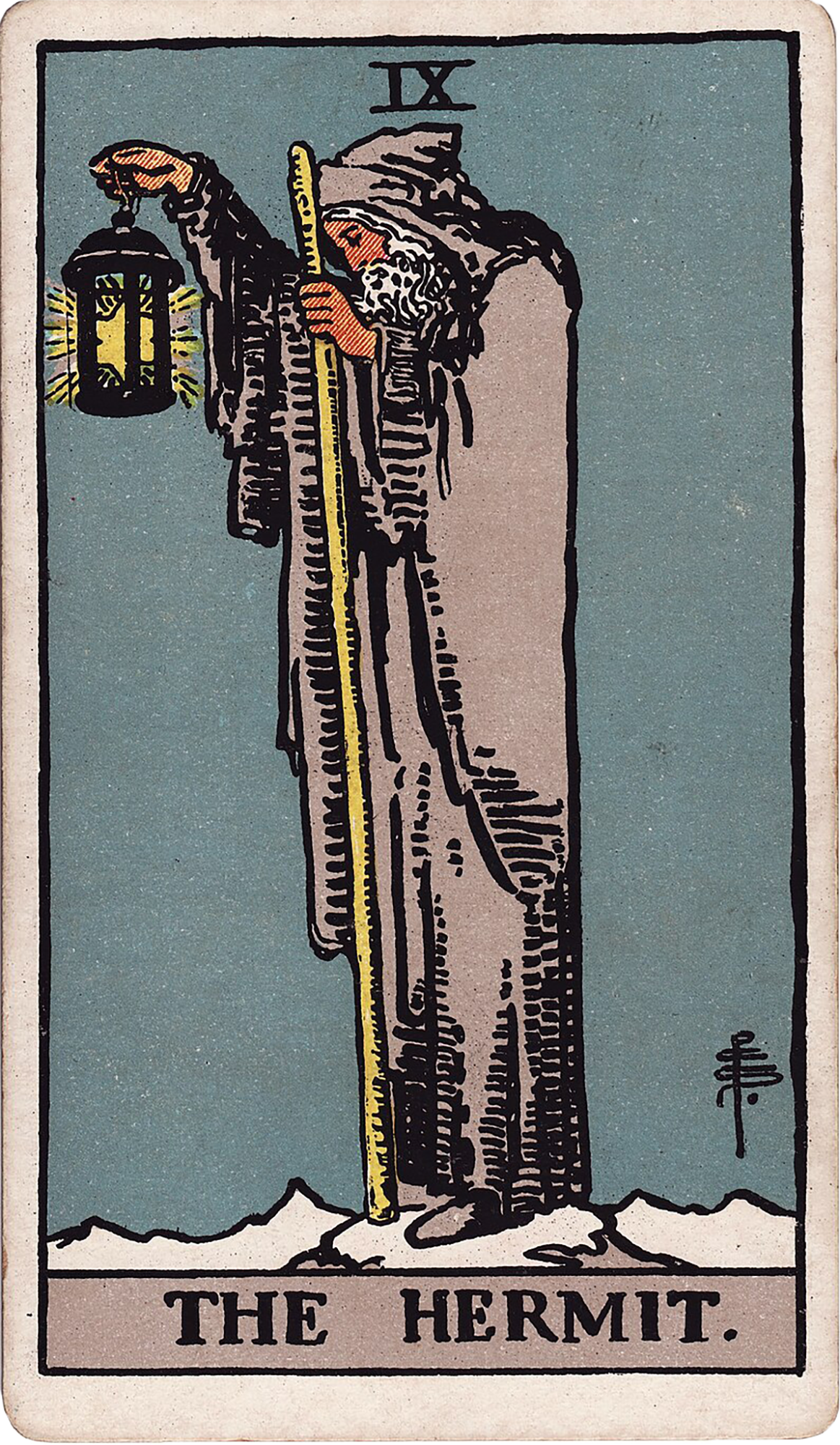
The Hermit is one of the most evocative cards in the Rider-Waite-Smith tarot deck, representing the archetype of introspection, wisdom, and solitary guidance. Visually, the card depicts an elderly figure cloaked and holding a lantern that shines a small but powerful light against the surrounding darkness. This lantern symbolizes inner illumination, the search for truth, and careful discernment. The Hermit's staff provides support and stability during this inward journey, while the mountain in the background signals the spiritual heights or challenges involved in seeking clarity. When The Hermit appears upright, it invites stepping back from external distractions to cultivate deep reflection. In contrast, reversed, it can indicate issues with isolation, avoidance, or difficulty accessing inner wisdom. Understanding these visual cues and symbolic elements is essential for interpreting the card accurately in various contexts.
The Hermit Upright in Meditation and Spiritual Reflection
In meditation and spiritual reflection, The Hermit upright encourages deliberate withdrawal from external noise to focus on inner truths. The lantern’s light represents the clarity that emerges from this solitude, not a passive or lazy retreat but an active, purposeful quest for insight. Practitioners are urged to engage with what is present rather than wait for external certainty, aligning with The Hermit's message to 'work with what is available now.' This card supports meditation techniques that emphasize mindfulness, self-inquiry, or contemplative silence. It also suggests that the seeker’s spiritual path benefits from patience and stepping back to evaluate rather than rushing toward answers. The Hermit’s staff reminds meditators to maintain steady balance and integrity during this process, preventing wandering thoughts or emotional overwhelm.
Applying The Hermit in Love Readings
When The Hermit appears upright in a love context, it points to the value of honest self-reflection before making emotional commitments or decisions. The card advises pausing to understand one’s needs, boundaries, and deeper motivations rather than reacting impulsively. This might mean taking a break for solitude and personal growth or seeking clarity about what kind of relationship truly resonates. The lantern symbolizes shining light on hidden feelings or relationship dynamics. Reversed, The Hermit can signify loneliness, emotional withdrawal, or avoidance of intimacy. It may also reveal excessive overthinking that prevents connection. The key reading strategy is to explore whether solitude is healing or isolating, and what lessons the querent needs to learn about vulnerability and trust.
The Hermit’s Role in Career and Work Situations
In career contexts, The Hermit upright asks the querent to step back from busyness and external pressures to evaluate their professional path with depth and honesty. The card suggests focusing on long-term wisdom rather than short-term gains, possibly indicating a period of learning, research, or mentorship. The Hermit’s lantern serves as a metaphor for shedding light on career choices that align with personal values. Practically, this might mean seeking solitude for strategic planning or reassessing goals. If reversed, The Hermit can warn against excessive isolation in the workplace, reluctance to collaborate, or avoiding necessary challenges. It may also reflect burnout or feeling stuck in a solitary grind without progress. Careful attention to balancing reflection with action is important.
Interpreting The Hermit in Financial and Material Matters
Financially, The Hermit upright advises a cautious, measured approach. Instead of chasing quick profits or external validation, it encourages thoughtful budgeting, researching, and making deliberate choices about money. The card’s symbolism promotes working with what is currently at hand and understanding deeper values around resources. This can mean a pause before major investments or a focus on long-term security rather than impulsive spending. In reversed position, The Hermit may indicate financial isolation — either self-imposed or circumstantial — such as avoiding bills, ignoring financial realities, or overanalyzing without taking steps. The reading should explore whether the querent is using solitude constructively or if withdrawal is blocking progress.
The Hermit as Advice and Challenge
When drawn as advice, The Hermit encourages cultivating patience, inner listening, and mindful contemplation before acting. It suggests that the next right step comes from clarity gained through solitude, not from external noise or pressure. The card advises the reader to identify where direct responses, clearer boundaries, or more deliberate choices are needed. However, as a challenge, The Hermit can highlight difficulties with isolation, feeling lost in one’s mind, or struggles to access inner guidance. The reversed Hermit especially points to energy blocks — avoidance, loneliness, or excessive analysis that prevents decision-making. In both roles, the card urges finding a healthy balance between reflection and engagement.
Personality or Inner Character Depicted by The Hermit
As a person card, The Hermit often describes someone wise, introspective, and possibly older or mature in spirit. This individual values knowledge, solitude, and contemplative practices. They are guides or mentors who light the way for others but often prefer working behind the scenes. Such a person may appear reserved or private, focused on spiritual or intellectual pursuits rather than socializing. When reversed, The Hermit personality might be someone too withdrawn, secretive, or detached from reality, struggling to communicate or engage fully. The imagery of the hooded figure with the bright lantern helps readers visualize this character’s essence — a beacon of inner light amid the shadows.
Outcome Interpretations Involving The Hermit
As an outcome card, The Hermit generally suggests a resolution that involves gaining insight, clarity, or wisdom through solitude and reflection. It may not promise immediate ease or external change but highlights a deeper understanding that leads to better choices. The mountain and lantern imagery imply that the querent will have to undertake a personal journey or overcome internal obstacles before achieving progress. Upright, the outcome is constructive self-awareness; reversed, it warns of prolonged isolation, delay, or internal resistance to growth. The reader should encourage patience and openness to learning as essential parts of the process.
Practical Tarot Reading Techniques Using The Hermit
To work effectively with The Hermit in readings, begin by carefully observing the card’s imagery: the solitary figure, the lantern’s light, the staff, and the mountain. Ask yourself what area of life requires deeper clarity or honest self-assessment. Use questions such as 'Where is this querent avoiding necessary reflection?' or 'What inner wisdom is waiting to be revealed?' When The Hermit appears reversed, consider whether the blocking energy is temporary or entrenched, and look for surrounding cards that might clarify this dynamic. Encourage querents to see The Hermit not as a sign of despair but as an opportunity for conscious, deliberate introspection. Finally, balance interpreting The Hermit’s solitude as constructive rest or potentially problematic isolation depending on context.
Common Mistakes and Misinterpretations with The Hermit
A frequent error is to assume The Hermit always indicates loneliness or sadness, ignoring its positive symbolism of wisdom and purposeful solitude. Conversely, readers sometimes overlook the reversed meaning’s nuance, treating it as outright negative without exploring how blocked introspection may present differently. Another mistake is reading The Hermit as a call for complete withdrawal from life, rather than a balanced pause to engage more meaningfully afterward. Always anchor interpretation in the card’s traditional symbolism and the querent’s unique situation. Avoid rushing to conclusions about isolation; instead, investigate how reflection or avoidance is expressed in the reading. Using The Hermit’s imagery as a guide helps mitigate these errors.
Practice questions
• In what areas of my life do I need to step back and seek clarity before acting?
• How do I currently use solitude to support my personal growth or spiritual practice?
• Am I avoiding any necessary challenges by withdrawing or overthinking?
• What insights has intentional reflection revealed to me in the past?
• How can I balance solitude and social engagement for healthy inner guidance?
Comments
Sign in to comment.
Continue learning
Exploring The High Priestess in Career Relationships and Personal Growth
The High Priestess card in the tarot deck invites readers to explore intuition, hidden knowledge, and inner wisdom across various life contexts. This article examines how The High...
The Fool in Life Transitions and New Beginnings
The Fool card embodies the spirit of beginnings, curiosity, and the leap of faith required during life transitions. This article explores The Fool’s meanings across various reading...
Understanding The Chariot Card in Personal Ambition and Overcoming Obstacles
The Chariot card represents the power of focused will, disciplined action, and choosing a clear direction amid competing impulses. Upright, it encourages decisive steps forward usi...
Understanding The Hermit in Self Discovery and Spiritual Enlightenment
The Hermit card in the Rider-Waite-Smith deck embodies themes of introspection, solitude, and spiritual wisdom. This article examines how The Hermit's upright and reversed position...
Exploring The Hierophant in Modern Spiritual Practices and Personal Development
The Hierophant tarot card symbolizes structured wisdom, tradition, and the pursuit of knowledge through established systems. This article explores how The Hierophant’s upright and...
Applying The Star Card to Foster Hope and Renewal in Personal Growth
The Star card in Tarot symbolizes hope, authenticity, and the process of steady renewal. In a single-card reading, The Star encourages embracing what is present, cultivating openne...
Understanding The Wheel of Fortune in Tarot Readings for Life Cycles and Change
The Wheel of Fortune card in Tarot is a powerful symbol of cycles, change, and the dynamics of fate and free will. This article explores the card’s upright and reversed meanings, a...
Understanding The Hermit Card in Solitude Reflection and Guidance
This article offers an in-depth exploration of The Hermit tarot card as a single-card reading in different contexts such as love, career, money, advice, challenge, person, outcome,...
Understanding The Tower in Tarot for Navigating Sudden Change and Crisis
The Tower card in Tarot symbolizes sudden, often disruptive change that destroys false foundations and compels honest reassessment. This article provides a comprehensive exploratio...
Understanding The Hanged Man in Personal Sacrifice and Spiritual Growth
The Hanged Man tarot card embodies the themes of intentional pause, surrender, and gaining new perspectives that foster personal sacrifice and spiritual growth. In this article, we...