
Exploring the Many Dimensions of The Hermit in Solitude Reflection and Spiritual Growth
The Hermit tarot card represents a profound archetype of solitude, introspection, and spiritual searching. This article explores how The Hermit's imagery and symbolism manifest differently across diverse reading contexts such as love, career, money, advice, challenge, person, outcome, and spiritual reflection. By anchoring interpretations in the Rider-Waite-Smith tradition and contrasting upright and reversed positions, learners gain a nuanced understanding of how to employ The Hermit in practical tarot work. The discussion includes techniques for balancing the card's lessons, common pitfalls in interpretation, and guidance on integrating The Hermit’s wisdom into everyday life and spiritual growth.
Cards explored in this article
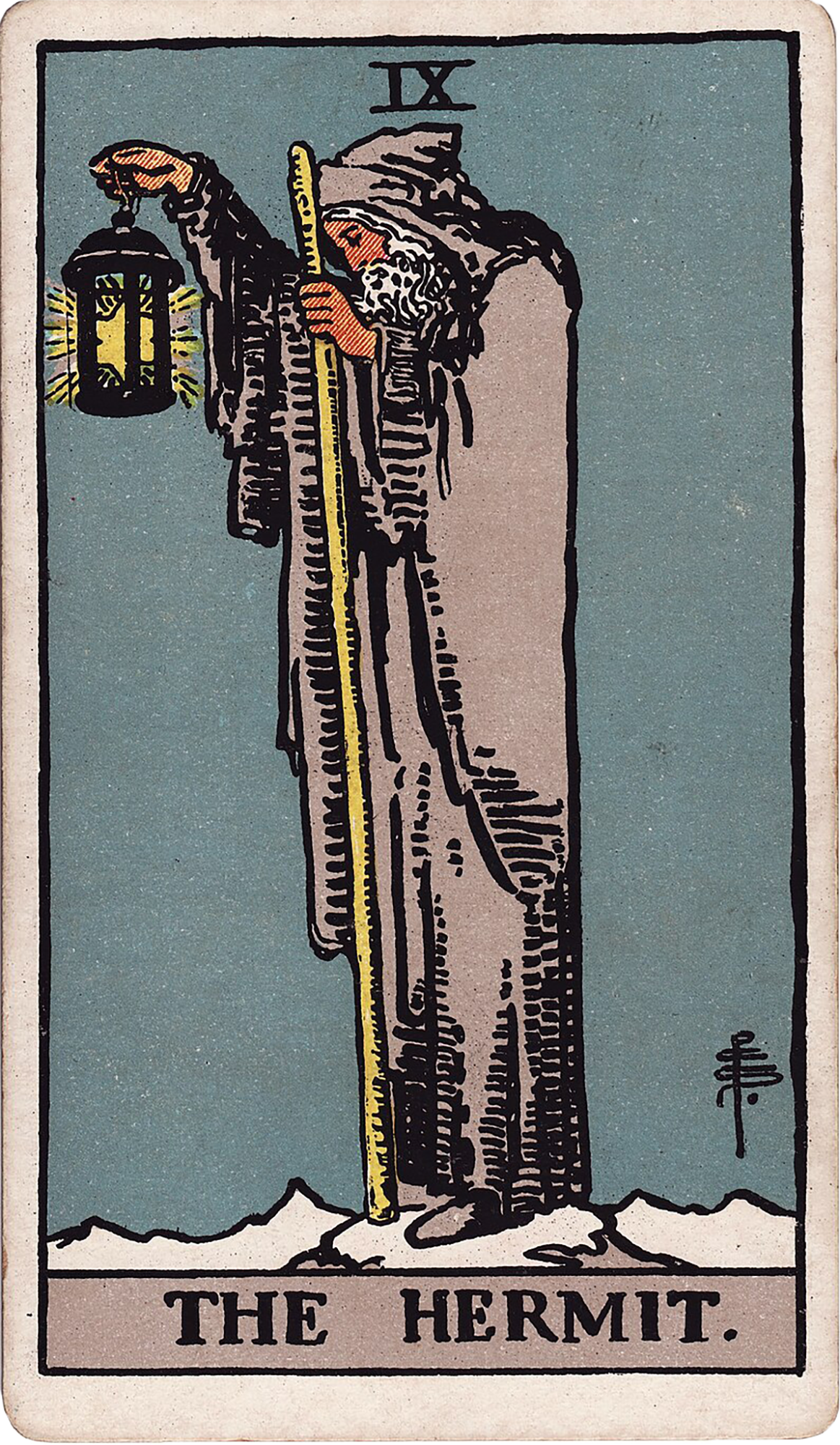 The Hermit
Introduction to The Hermit and Its Core Symbolism
The Hermit card, traditionally the ninth Major Arcana in the Rider-Waite-Smith deck, depicts an elderly figure standing alone on a mountaintop, holding a lantern in one hand and a staff in the other. This lantern is often interpreted as a symbol of inner wisdom, guidance, and the light of truth illuminating the path inward. The staff represents support and stability during this solitary journey. The card’s central themes are withdrawal, contemplation, and seeking deeper understanding beyond the noise of everyday life. The Hermit encourages the tarot querent to step back from external distractions to access clarity, wisdom, and spiritual insight. Upright, The Hermit highlights constructive solitude—actively choosing reflection to gain perspective and illuminate the next step. The card suggests that clarity arises through deliberate pause and honest self-examination rather than impulsive action. Reversed, The Hermit often warns of excessive isolation, avoidance, or disconnection from necessary engagement. The shadow side includes loneliness, overthinking, or internalizing problems without resolution. Recognizing these dual expressions is crucial for nuanced reading.
The Hermit in Love and Relationships
In a love reading, The Hermit invites the querent to step back and reflect on the nature and quality of their relationships. Upright, it suggests a need for honest introspection about emotional needs, boundaries, and personal growth before moving forward. This might mean taking time apart to understand one’s feelings or clarifying what kind of partnership truly fulfills one’s inner self. The lantern in the Hermit’s hand symbolizes illuminating hidden truths—perhaps uncovering aspects of the relationship that require attention or deeper communication. Reversed, The Hermit can indicate emotional withdrawal or avoidance. This might manifest as detachment or retreat motivated by fear or unresolved issues. It warns against using solitude to escape difficulties rather than addressing them. The reversed card prompts reflection on whether isolation is healing or a sign of loneliness and resistance to connection. Practically, readers should ask how the querent can balance solitude with openness, using The Hermit to foster honest dialogue rather than silence.
The Hermit in Career and Work Contexts
When The Hermit appears in career readings, it signals a time for contemplation and strategic planning rather than immediate action. Upright, it encourages the querent to pause and evaluate their professional path, identifying what aligns with their deeper purpose. The card’s solitary figure suggests looking inward for wisdom rather than external validation or distraction. It may indicate research, study, or mentorship as valuable steps toward growth. In the reversed position, The Hermit might reveal feelings of professional isolation, burnout, or avoidance of collaboration. It can point to being stuck in indecision or excessive analysis that delays progress. Readers should explore whether the querent’s withdrawal is protective or counterproductive. The Hermit teaches that thoughtful solitude can empower progress, but over-isolation risks stagnation.
The Hermit and Financial Insights
Financially, The Hermit asks the querent to adopt a prudent, reflective approach. Upright, it suggests assessing resources carefully, avoiding impulsive spending, and seeking clarity on financial goals. The card’s symbolism implies turning inward for disciplined budgeting or considering long-term security rather than quick gains. Patience and deliberate action are key. Reversed, The Hermit may highlight financial isolation, such as refusing help or advice when needed, or obsessively worrying about money without taking practical steps. The card could indicate a need to break out of restrictive patterns or to seek trusted counsel. Readers can guide querents to distinguish between protective frugality and self-imposed scarcity that limits growth.
The Hermit as Advice and Guidance
When The Hermit serves as advice, it invites the querent to slow down and cultivate inner stillness. Upright, the card recommends prioritizing solitude for reflection, meditation, or study to gain deeper understanding before acting. It encourages deliberate choice-making rather than reactive decisions. The Hermit’s lantern symbolizes the light of wisdom that emerges from quiet contemplation. Reversed, the advice shifts toward cautioning against excessive withdrawal or avoidance. It suggests the need to re-engage with the world, seek support, or confront hidden fears. In practice, readers can emphasize finding a balance—honoring the need for solitude while maintaining connection and participation in life’s necessary processes.
The Hermit as a Challenge or Obstacle
As a challenge, The Hermit highlights difficulties related to isolation, indecision, or unclear direction. Upright, the challenge may be resisting impatience or the urge to hasten outcomes without full understanding. It can represent a struggle to find one’s own truth amid external pressures. Reversed, the challenge often involves feeling stuck in loneliness, avoidance, or excessive rumination. The querent might be overwhelmed by self-doubt or disconnected from community support. The Hermit asks readers to identify how the querent’s inner journey might be distorted—whether by fear, denial, or imbalance—and how to restore healthy integration of solitude and engagement.
The Hermit as a Person or Personality Archetype
As a representation of a person, The Hermit often describes someone introspective, thoughtful, and perhaps introverted. Upright, this individual values wisdom, reflection, and solitude as sources of strength. They may be a mentor, guide, or seeker who aids others by sharing insights gained through quiet contemplation. Reversed, the archetype can indicate someone who is socially withdrawn, reclusive, or emotionally distant. This person might struggle to connect or may use solitude as a defensive shield. In readings, distinguishing between a healthy Hermit personality and a more troubled reversed expression helps clarify interpersonal dynamics.
The Hermit as an Outcome
When The Hermit appears as an outcome, it suggests that the situation will culminate in greater self-awareness, clarity, or spiritual insight achieved through introspection. Upright, this signals a successful integration of lessons learned by stepping back and engaging with inner wisdom. The outcome may involve a period of solitude or personal growth that prepares the querent for future actions with greater confidence. Reversed, the outcome can warn of ongoing isolation, unresolved issues, or delayed progress due to avoidance. It may signal a need for the querent to confront internal blocks or seek external help to break free from stagnation. Readers should interpret this outcome in light of the querent’s openness to change and willingness to embrace the Hermit’s lessons.
The Hermit in Spiritual Reflection and Growth
Spiritually, The Hermit epitomizes the archetype of the seeker on the path toward enlightenment. Upright, it encourages deep contemplation, meditation, and withdrawal from distractions to connect with higher wisdom. The imagery of the lantern lighting the way conveys the inner illumination that guides the soul’s journey. Reversed, the card can express spiritual dryness, avoidance of inner work, or feelings of disconnection from one’s spiritual center. It may highlight challenges in integrating spiritual insights into daily life or resistance to change. The Hermit teaches that true spiritual growth requires both solitude and eventual re-engagement with the world, balancing inner discovery with outward expression.
Common Mistakes and Practical Techniques for Reading The Hermit
A frequent error when interpreting The Hermit is viewing solitude solely as loneliness or avoidance without recognizing its constructive potential. Readers should carefully distinguish when the card encourages healthy reflection versus when it signals problematic withdrawal. Avoid overgeneralizing by anchoring interpretations in the card’s rich Rider-Waite symbolism—especially the lantern’s role in illuminating truth and the staff’s support for the journey. Technique-wise, when The Hermit appears, ask clarifying questions: What needs to be illuminated here? Where is the querent being called to pause? What wisdom can be gained through solitude? Consider the card’s position (upright or reversed) and surrounding cards for balance. Encourage querents to identify specific next steps rather than indefinite waiting. Visualizing the Hermit’s mountaintop can help clients imagine gaining perspective, while the lantern reminds them that light is available even in darkness.
Practice questions
• In what areas of my life am I currently being called to practice healthy solitude and reflection?
• How do I differentiate between constructive introspection and avoidance in my decision-making?
• What hidden truths might The Hermit’s lantern be inviting me to illuminate in my relationships or career?
• Am I resisting necessary engagement by withdrawing too much, or am I neglecting the power of quiet contemplation?
• How can I integrate the lessons of The Hermit to balance spiritual growth with practical action?
Comments
Sign in to comment.
Continue learning
Exploring The High Priestess in Career Relationships and Personal Growth
The High Priestess card in the tarot deck invites readers to explore intuition, hidden knowledge, and inner wisdom across various life contexts. This article examines how The High...
The Fool in Life Transitions and New Beginnings
The Fool card embodies the spirit of beginnings, curiosity, and the leap of faith required during life transitions. This article explores The Fool’s meanings across various reading...
Understanding The Chariot Card in Personal Ambition and Overcoming Obstacles
The Chariot card represents the power of focused will, disciplined action, and choosing a clear direction amid competing impulses. Upright, it encourages decisive steps forward usi...
Understanding The Hermit in Self Discovery and Spiritual Enlightenment
The Hermit card in the Rider-Waite-Smith deck embodies themes of introspection, solitude, and spiritual wisdom. This article examines how The Hermit's upright and reversed position...
Exploring The Hierophant in Modern Spiritual Practices and Personal Development
The Hierophant tarot card symbolizes structured wisdom, tradition, and the pursuit of knowledge through established systems. This article explores how The Hierophant’s upright and...
Applying The Star Card to Foster Hope and Renewal in Personal Growth
The Star card in Tarot symbolizes hope, authenticity, and the process of steady renewal. In a single-card reading, The Star encourages embracing what is present, cultivating openne...
Understanding The Wheel of Fortune in Tarot Readings for Life Cycles and Change
The Wheel of Fortune card in Tarot is a powerful symbol of cycles, change, and the dynamics of fate and free will. This article explores the card’s upright and reversed meanings, a...
Understanding The Hermit Card in Solitude Reflection and Guidance
This article offers an in-depth exploration of The Hermit tarot card as a single-card reading in different contexts such as love, career, money, advice, challenge, person, outcome,...
Understanding The Tower in Tarot for Navigating Sudden Change and Crisis
The Tower card in Tarot symbolizes sudden, often disruptive change that destroys false foundations and compels honest reassessment. This article provides a comprehensive exploratio...
Understanding The Hanged Man in Personal Sacrifice and Spiritual Growth
The Hanged Man tarot card embodies the themes of intentional pause, surrender, and gaining new perspectives that foster personal sacrifice and spiritual growth. In this article, we...