
Exploring the Symbolic Elements and Hidden Patterns of the Suit of Cups for Emotional Insight
This article delves deeply into the symbolic language and underlying patterns of the Suit of Cups within Tarot, centering on the emotional and relational themes expressed by the Ace, 2, 3, and Queen of Cups. By engaging with their Rider-Waite-Smith imagery and upright/reversed interpretations, learners develop methods for nuanced readings that prioritize emotional insight over prediction. The discourse covers practical techniques, reading context, common pitfalls, and interpretative strategies to unlock meaningful emotional understanding through Cups cards.
Cards explored in this article
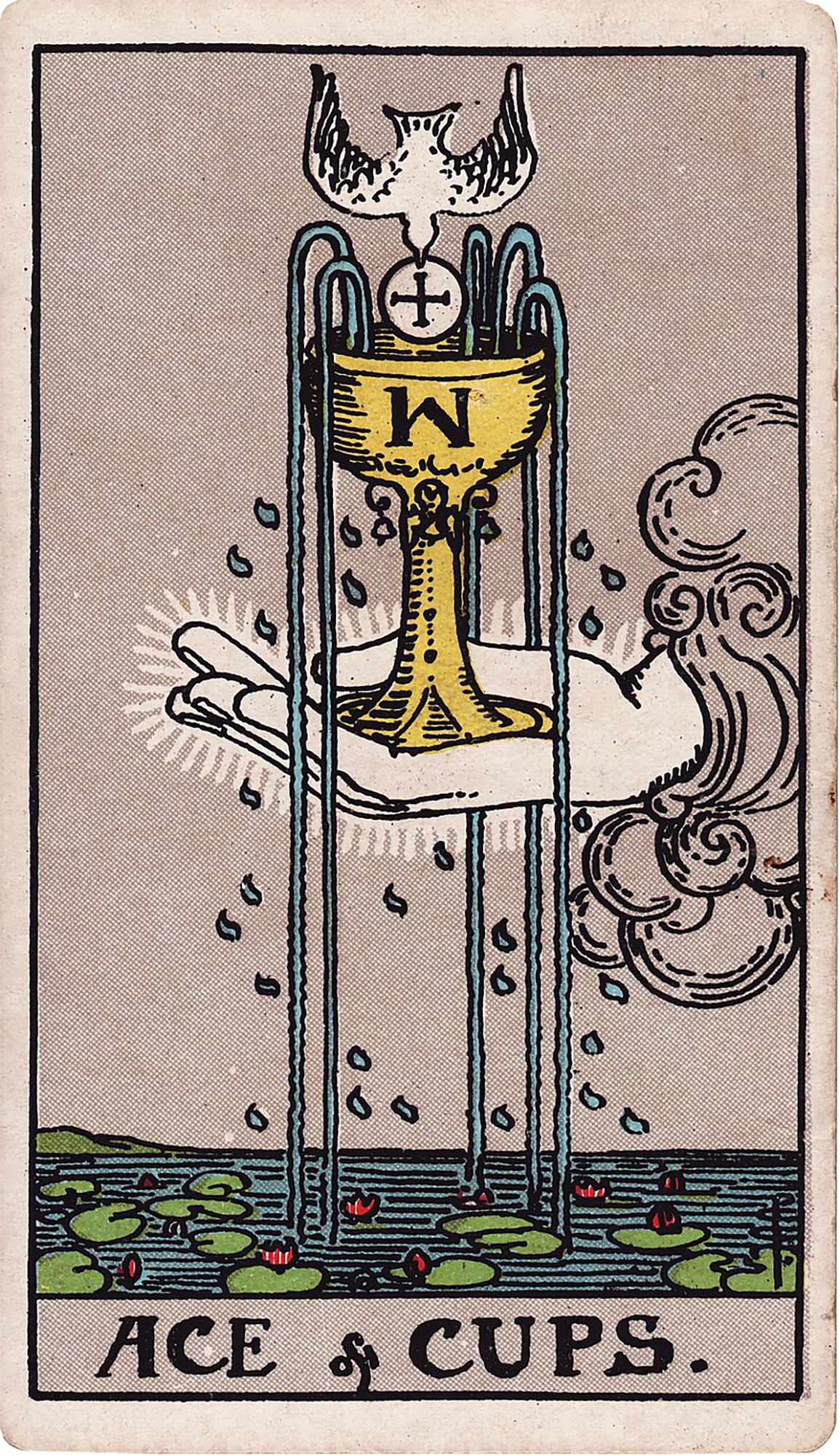 Ace of Cups
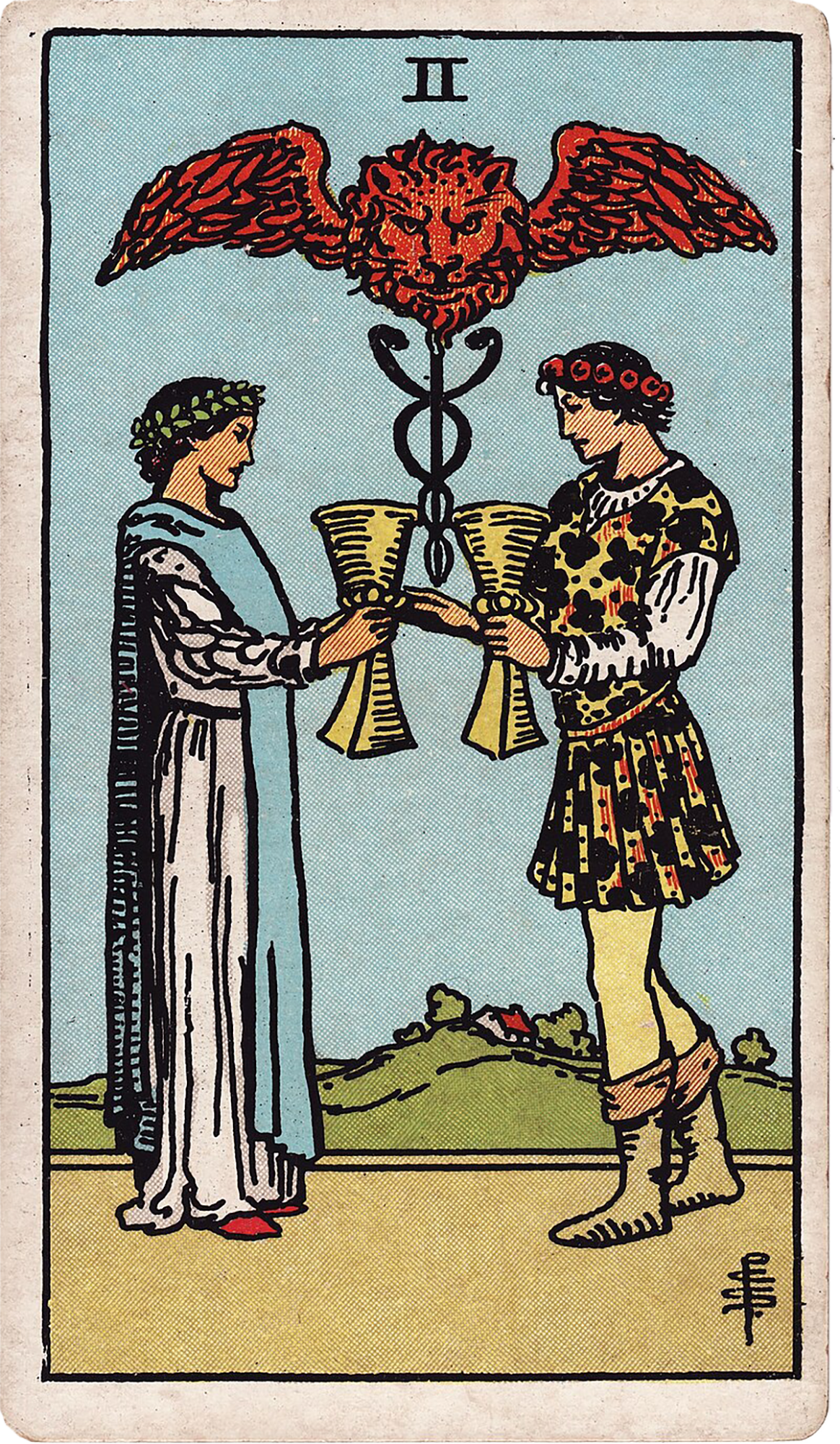 2 of Cups
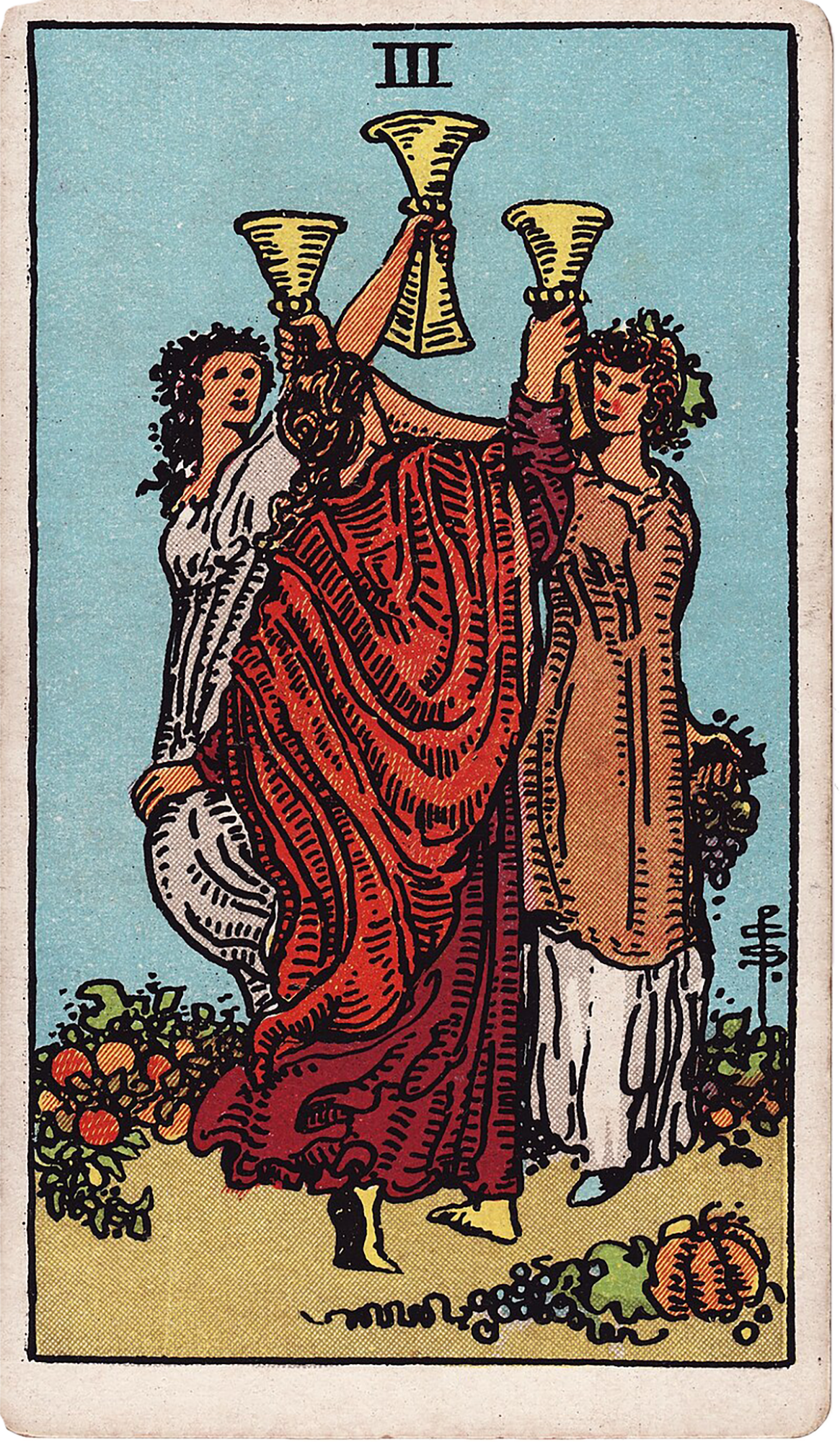 3 of Cups
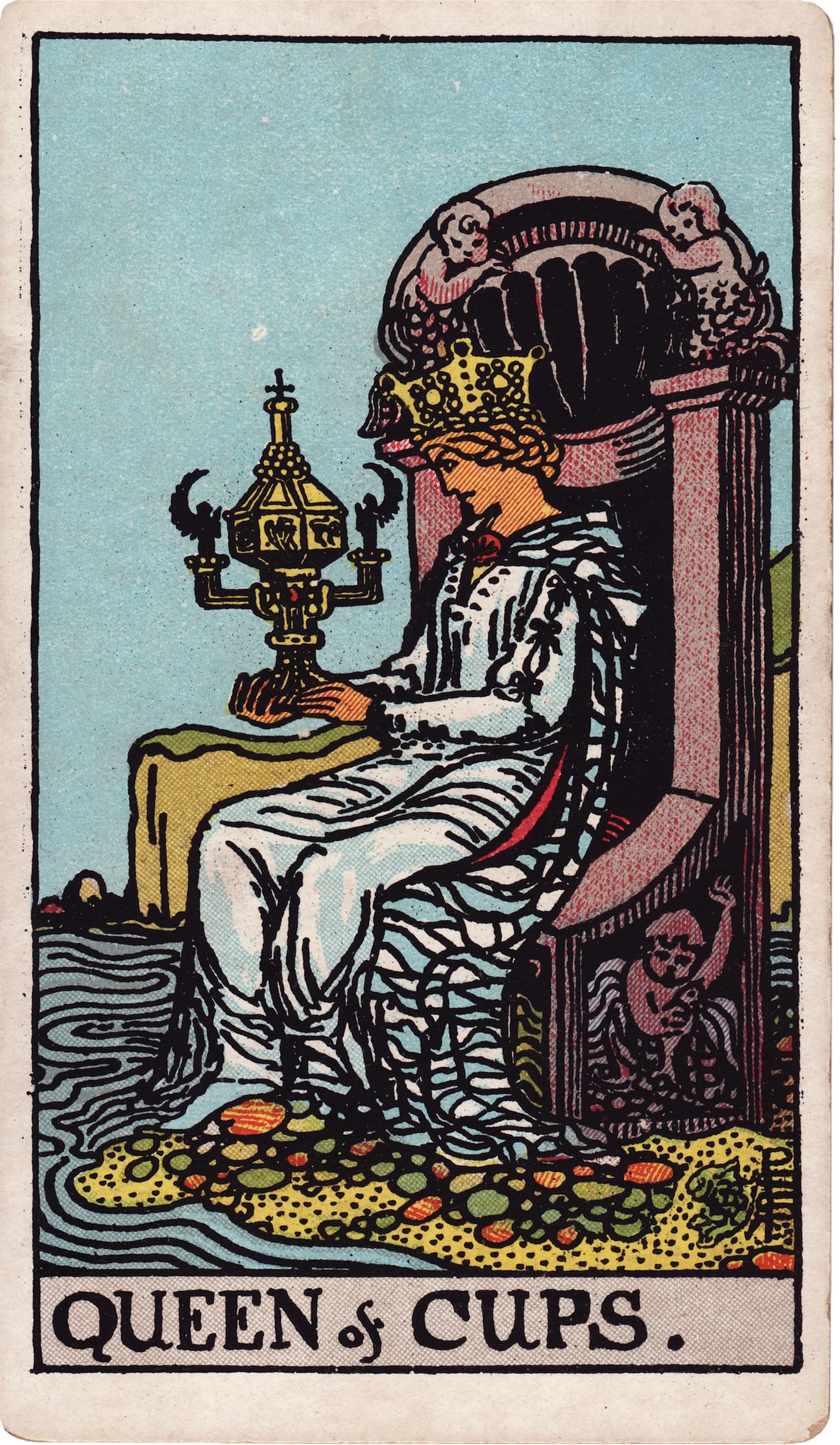 Queen of Cups
Introduction to the Suit of Cups and Emotional Symbolism
The Suit of Cups in Tarot traditionally represents the realm of emotions, relationships, intuition, and the internal processing of feelings. Rooted in the element of Water, Cups evoke fluidity, receptivity, and the subtle currents that move beneath conscious awareness. In the Rider-Waite-Smith deck, the symbolism of Cups is rich with references to connection, empathy, and emotional exchange. Unlike the Suit of Swords that deals with mental activity or Pentacles concerned with materiality, Cups invite exploration of how feelings shape human experience — both individually and collectively. This article explores key cards from the supplied set — the Ace, 2, 3, and Queen of Cups — to reveal the layers of emotional insight and symbolic patterns accessible to learners.
Analyzing the Ace of Cups: The Opening of Emotional Flow
The Ace of Cups is a potent symbol of new beginnings in the emotional domain. Visually, the card often features a chalice overflowing with water, representing an abundant flow of feelings and intuitive receptivity. Upright, it signals an opening of the emotional field to affection, compassion, or creative feeling that seeks expression. This card prompts practical reflection: where in your current life situation is emotional openness emerging? What action would best nurture this budding flow? The Ace also highlights skills crucial for Cups readings — awareness of emotion, relationship dynamics, and intuitive receptivity. Reversed, the Ace of Cups points to blockages—whether internal or external—that hinder emotional expression. It invites readers to consider what feelings remain unacknowledged or what fears of vulnerability are present. Importantly, the reversal is not simply the opposite of the upright meaning but marks where the emotional process has stalled, encouraging simplification, acknowledgement, or communication to restore balance.
The 2 of Cups and the Dynamics of Reciprocity
The 2 of Cups shifts focus from individual emotional emergence to the relational exchange between two parties. The Rider-Waite-Smith depiction of two figures exchanging cups symbolizes mutual recognition and emotional reciprocity. Upright, this card highlights balanced partnership, emphasizing harmony through exchange rather than unilateral pursuit. From a reading perspective, it is practical: it asks, where is mutual emotional engagement present, and how can it be strengthened? The 2 of Cups reinforces the Cups suit’s core themes of relationships and emotional processing but through the lens of partnership dynamics. When reversed, the card draws attention to misalignment, broken agreements, or uneven emotional effort. Like the Ace, the reversal demands exploration of where the relational process is stuck and what needs simplification or honest communication to move forward. This nuanced approach guards against interpreting reversals as purely negative, instead encouraging deeper inquiry.
Celebration and Community in the 3 of Cups
The 3 of Cups expands the Cups narrative to include shared joy, emotional support, and belonging within a community or group. The traditional imagery of three figures raising cups in celebration illustrates friendship and emotional reinforcement through social connection. Upright, this card signals a time or need to recognize emotional bonds strengthened by collective experience. It asks readers to identify where shared joy or support can be cultivated or appreciated. The card remains practical by focusing on current emotional patterns rather than abstract ideals. Reversed, the 3 of Cups cautions against emotional exhaustion from overindulgence, gossip, or superficial socializing. It points to group dynamics that may become draining or exclusive. As with other Cups cards, the reversal invites reflection on what needs to be released or addressed to restore a healthy emotional environment.
Emotional Maturity and Intuitive Wisdom in the Queen of Cups
The Queen of Cups personifies the mature emotional receptivity, empathy, and intuitive understanding that form an inner container for feelings. The Rider-Waite-Smith card commonly shows a serene figure holding a cup, embodying calm emotional presence and depth. Upright, this card encourages readers to embody emotional maturity—balancing empathy with boundaries and intuition with grounded awareness. It is practical in urging reflection on where this pattern is evident and how to cultivate it further in the current moment. Reversed, the Queen of Cups warns of emotional overwhelm, codependency, or confusion between intuition and anxiety. It indicates a breakdown in emotional containment and encourages examination of where emotional boundaries may need reinforcement or where withdrawal into fantasy might be occurring. The reversal again stresses the process of re-balancing rather than a simple negation.
Symbolic Patterns and Emotional Processes Across the Cups Cards
Across the Ace, 2, 3, and Queen of Cups, several symbolic threads emerge that are invaluable for emotional insight. First, the progression from singular emotional opening (Ace) through relational reciprocity (2) to communal celebration (3) and finally to mature emotional stewardship (Queen) maps a developmental pattern. Each card highlights a stage in emotional processing — from initial emergence to complex integration. The visual symbolism (overflowing chalices, figures exchanging cups, communal toasting, and serene contemplation) reinforces these stages and guides interpretation. Another key pattern is the relationship between upright and reversed meanings, which are not simply opposites but represent different phases or blockages within an emotional process. This understanding helps prevent common mistakes such as oversimplification or negative bias toward reversals. Instead, readers are encouraged to ask pragmatic questions about where emotional energy is beginning, developing, stuck, or resolving.
Practical Techniques for Reading the Suit of Cups
When working with Cups cards, a systematic approach can enhance emotional insight and interpretation quality. Begin by observing the card’s imagery closely—note the posture of figures, the state of the cups, water symbolism, and any surrounding elements. For example, the overflowing cup in the Ace signals abundance, while the linked cups in the 2 indicate connection. Next, consider the card’s position in the spread and its relationship to surrounding cards to contextualize emotional energy as emerging, developing, under pressure, or resolving. Always differentiate between upright and reversed positions by exploring where emotional flow is healthy or blocked. Use the practical prompt inherent in each card: identify an existing pattern in the querent’s life and consider what action or awareness would strengthen or restore emotional harmony. Avoid treating Cups purely as indicators of positive or negative emotion; instead, view them as dynamic processes that require nuanced engagement. Lastly, employ reflection questions that ask about simplification, acknowledgement, practice, release, or communication to deepen the reading.
Common Misinterpretations and How to Avoid Them
A frequent pitfall in reading Cups cards is to equate them simplistically with love or happiness, missing the complexity of emotional dynamics. For instance, the 2 of Cups reversed does not always mean relationship failure but may indicate unbalanced emotional effort that can be addressed. Similarly, the Queen of Cups reversed should not be hastily labeled as ‘emotional weakness’ but seen as a call to examine boundaries and emotional clarity. Another mistake is to treat reversed meanings as mere opposites, which flattens interpretative depth. Instead, recognize reversals as signs of blockage, excess, or incomplete integration. Overlooking the practical prompt each card offers leads to abstract or idealized readings rather than grounded insight. Maintaining awareness of the Rider-Waite-Smith symbolic details helps prevent generic interpretations and anchors insight in traditional visual cues.
Conclusion and Integrative Reflection
The Suit of Cups is a profound repository of emotional wisdom and symbolic richness within Tarot. By engaging attentively with cards like the Ace, 2, 3, and Queen of Cups, learners gain access to a nuanced emotional map that respects both the fluidity and structure of feelings and relationships. The imagery invites readers into a dialogue with their own emotional processes, while the upright and reversed meanings encourage practical and compassionate inquiry into where emotional energy flows, stalls, or matures. Integrating these insights with reflective questioning and context-sensitive techniques fosters readings that are insightful, balanced, and empowering rather than deterministic. Through this focused study, the Suit of Cups becomes not just a set of cards but a meaningful tool for emotional insight and growth.
Practice questions
• Where in my current life is the emotional energy represented by the Ace of Cups beginning to emerge?
• How do I experience reciprocity and mutual recognition in my close relationships as symbolized by the 2 of Cups?
• In what ways do communal joy and shared emotional support, like those in the 3 of Cups, play a role in my emotional well-being?
• How can I cultivate the mature empathy and emotional boundaries represented by the Queen of Cups in my interactions?
• What emotional blockages or imbalances might reversals of Cups cards reveal in my personal or relational life?
• How can I use the practical prompts of Cups cards to move emotional processes from blockage to flow?
• In what ways do I tend to oversimplify or misinterpret emotional symbols, and how can I deepen my understanding?
Comments
Sign in to comment.
Continue learning
Harnessing the Power of The Magician and Ace of Wands: Igniting Creativity and Manifestation in Tarot Readings
The combination of The Magician and the Ace of Wands in tarot readings offers a potent blend of creative energy and manifestation power. This article delves into the ways these car...
Advanced Techniques for Combining The Moon and The Star to Enhance Intuition in Tarot Readings
This article explores advanced techniques to combine the symbolism and energy of The Moon and The Star Tarot cards to enhance intuition during Tarot readings. Drawing from traditio...
Enhancing Clarity in Complex Choices with the Five Card Cross Tarot Spread
The Five Card Cross Tarot Spread is a practical tool designed to clarify complex choices by breaking down the decision into manageable parts. This article explores each position in...
Tracing the Origins and Evolution of The Fool Card in Tarot History
The Fool card holds a foundational place in tarot tradition, symbolizing beginnings, openness, and the embrace of uncertainty. This article traces its origins from early European d...
Understanding The Hermit Card in Solitude Reflection and Guidance
This article offers an in-depth exploration of The Hermit tarot card as a single-card reading in different contexts such as love, career, money, advice, challenge, person, outcome,...
Unlocking the Creative Flow with The Magician and The Empress in Tarot Combinations
This article delves into the powerful synergy between The Magician and The Empress in Tarot combinations, focusing on how their combined symbolism unlocks creative flow across vari...
Using the Seven Card Horseshoe Spread to Uncover Career Growth and Opportunity
This article presents an in-depth guide to the Seven Card Horseshoe Tarot Spread with a focus on career growth and opportunity. Using the cards The Fool, The Magician, The Empress,...
Understanding the Many Facets of The Moon in Emotional and Intuitive Tarot Readings
The Moon card in the Tarot deck embodies themes of intuition, uncertainty, dreams, and emotional complexity. This article offers a comprehensive exploration of The Moon’s upright a...
Unlocking Advanced Intuition Techniques Using The High Priestess The Moon and The Hermit
This article examines advanced intuition development in tarot reading by focusing on The High Priestess, The Moon, and The Hermit cards. It offers practical techniques for beginner...
Mastering Intuition with The High Priestess The Hermit and The Moon in Tarot Readings
This article delves into mastering intuition through three powerful Tarot cards: The High Priestess, The Hermit, and The Moon. It guides readers from beginner to advanced reading t...