
Exploring the Symbolic Language of the Four Tarot Suits for Deeper Understanding
This article explores the rich symbolic language embedded in the four tarot suits by focusing on the Ace cards of Wands, Cups, Swords, and Pentacles. It provides learners with practical reading methods, interpretive frameworks, and visual anchoring using traditional Rider-Waite-Smith symbolism. The article emphasizes understanding the suits as interconnected expressions of human experience—spirit and energy, emotions and relationships, intellect and communication, and material reality and stability. Through detailed examination of upright and reversed meanings, common misinterpretations, and contextual application, readers will deepen their ability to accurately and intuitively work with tarot cards in meaningful ways.
Cards explored in this article
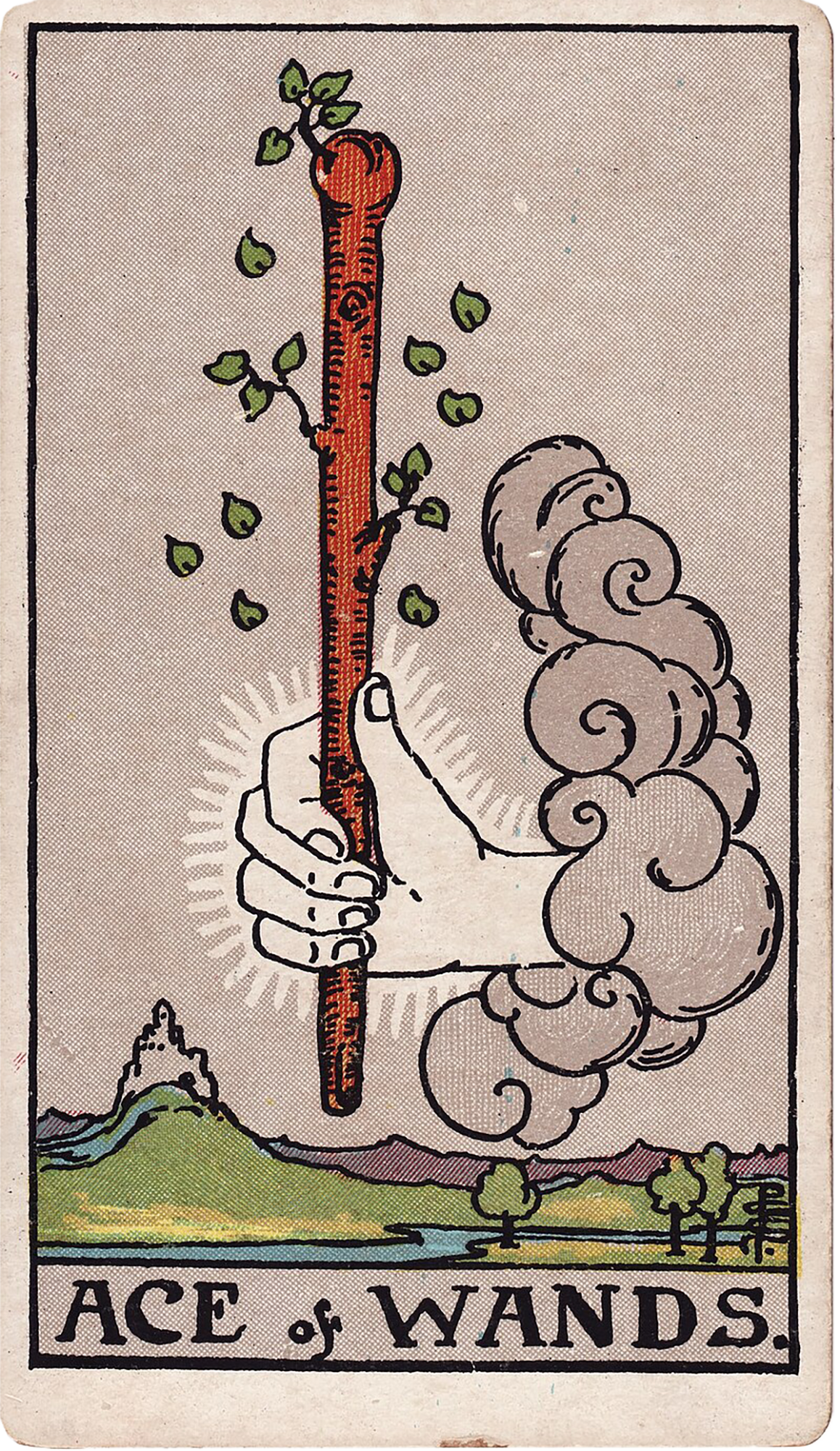 Ace of Wands
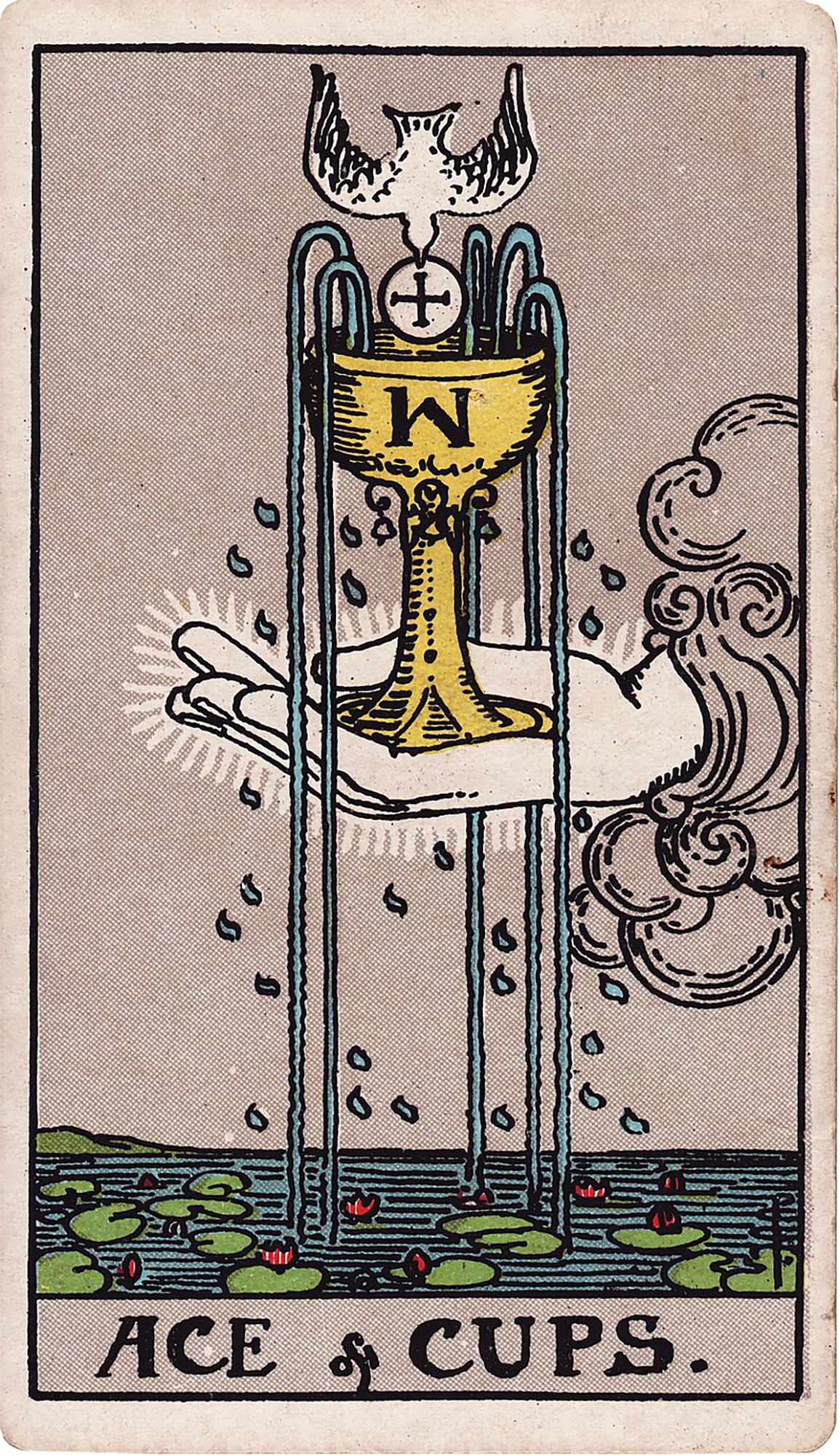 Ace of Cups
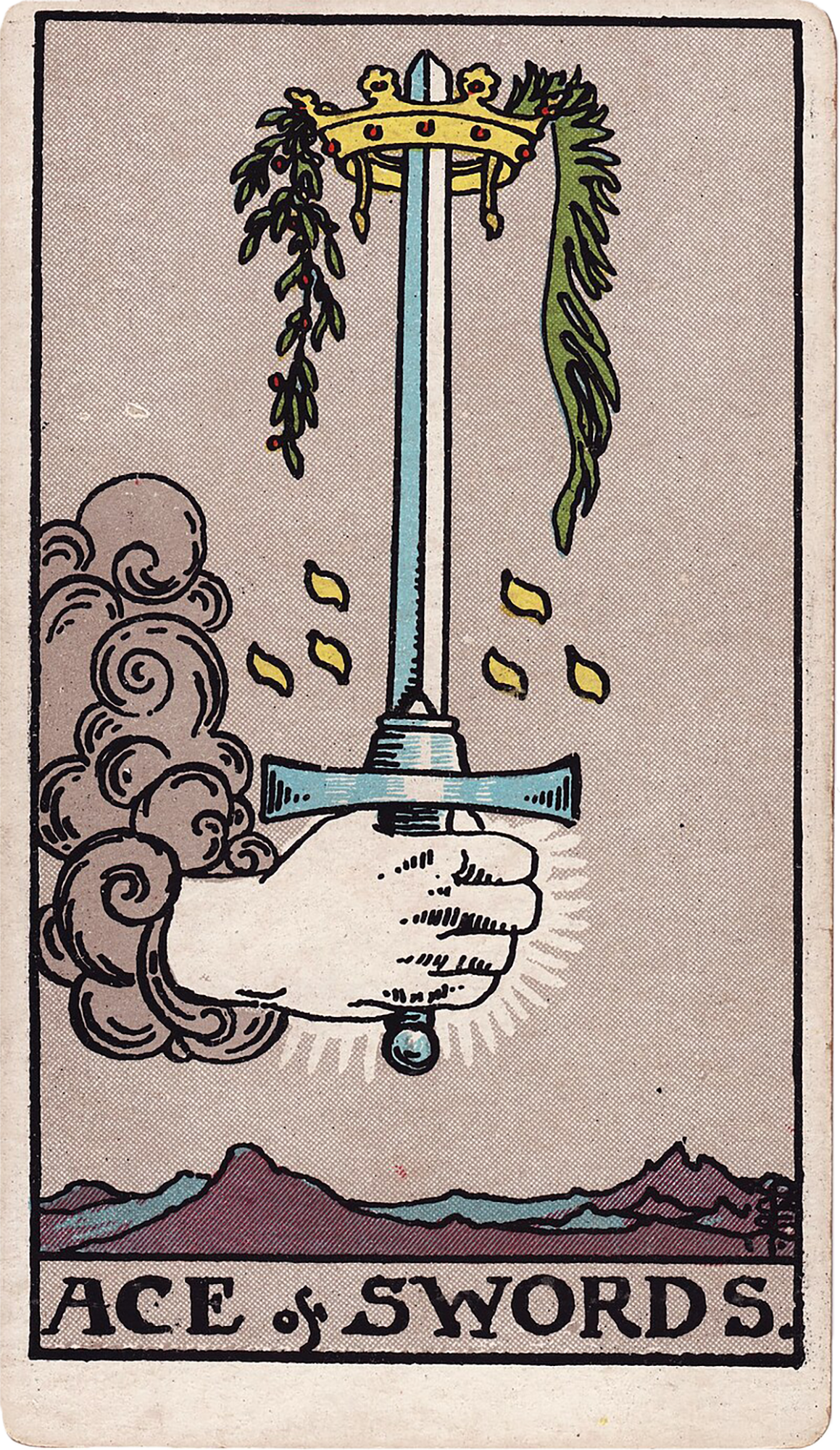 Ace of Swords
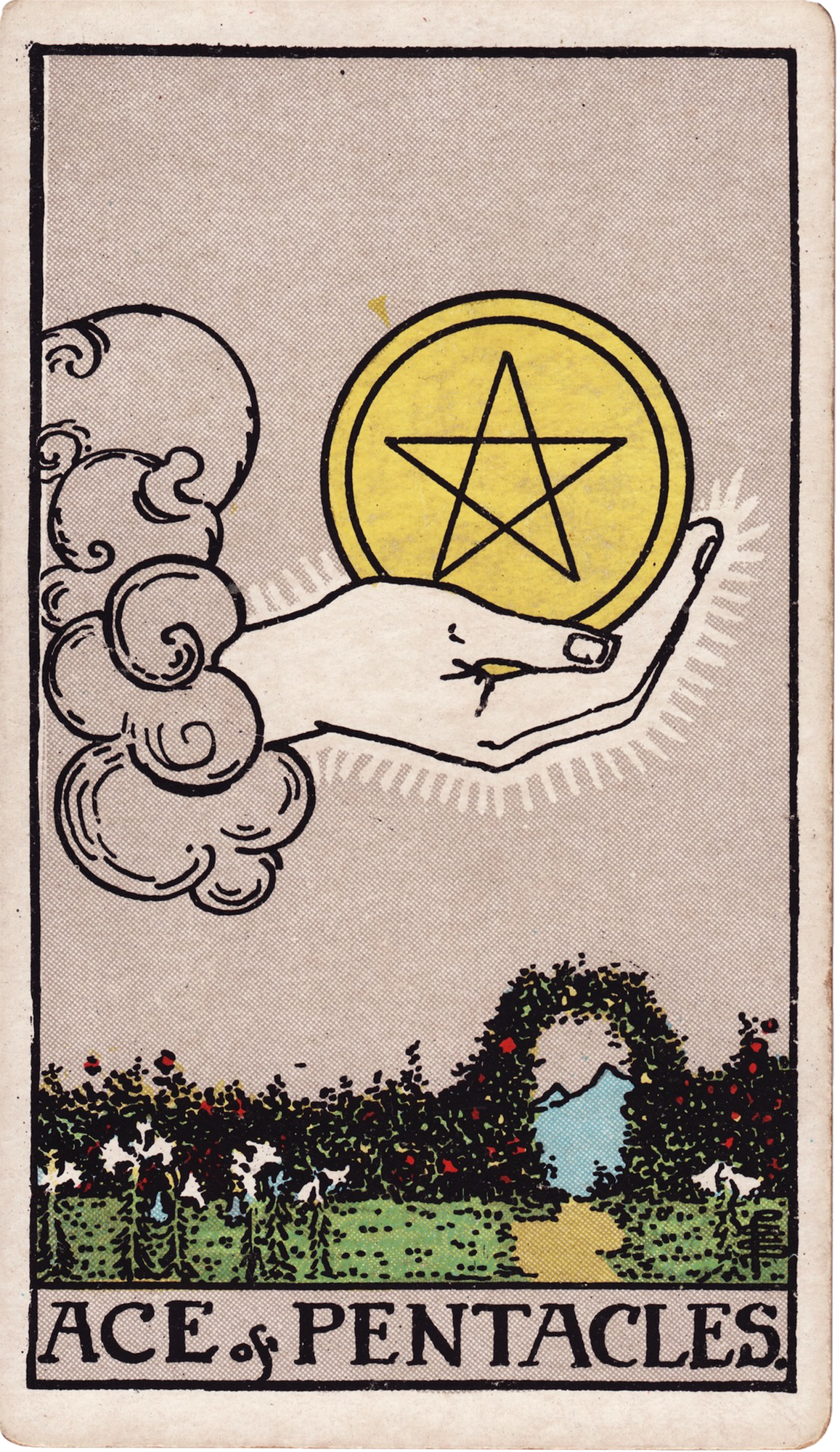 Ace of Pentacles
Introduction to the Four Tarot Suits and Their Symbolic Language
The tarot deck is divided into four suits—Wands, Cups, Swords, and Pentacles—each representing a distinct domain of human experience. This symbolic language is crucial for intuitive interpretation and practical application. The suit of Wands is traditionally associated with motivation, creativity, and the direction of energy; Cups represent emotion, relationships, and intuition; Swords symbolize thought, communication, and conflict; Pentacles connect with material matters such as work, health, and resources. By studying the Aces of each suit, which symbolize beginnings and pure essence, readers can access the core qualities and challenges within each symbolic domain. This foundation enables a deeper understanding of how the suits interact within spreads to convey nuanced narratives.
The Ace of Wands as the Spark of Initiative and Energy
The Ace of Wands visually depicts a single sprouting wand held firmly, symbolizing raw creative energy and initial motivation. Upright, it signals a new impulse or project ready for expression, emphasizing practical, timely action rather than idealized notions. This card invites readers to consider where ambition or creativity is emerging and what first steps can be taken to nurture this potential. Reversed, the Ace of Wands points to blocked inspiration, scattered energy, or hesitation—often an internal struggle that may not be externally obvious. Rather than viewing reversal as purely negative, examine where the flow is stuck and what simplification or communication might unblock it. In readings, combining the Ace of Wands with other cards helps identify whether the initiative is just beginning, under development, or approaching critical pressure.
Emotional Openness and Intuition in the Ace of Cups
The Ace of Cups portrays a chalice overflowing with water, a powerful symbol of emotional abundance, compassion, and intuitive receptivity. Upright, it highlights the opening of the emotional field and invites practical engagement with feelings, relationships, or creative expression. This card encourages readers to recognize where emotional availability exists and how to strengthen nurturing connections. Reversed, it draws attention to emotional blockages, fear of vulnerability, or depleted empathy. Importantly, the reversal can indicate an internal emotional process that requires acknowledgment rather than outright suppression. When interpreting, it is essential to integrate the Ace of Cups’ themes of memory, receptivity, and emotional processing with the surrounding context to gauge whether feelings are emerging, intensifying, or being resolved.
Clarity and Mental Breakthroughs in the Ace of Swords
The Ace of Swords presents a hand gripping a sword upright, piercing through clouds, symbolizing clear insight, decisiveness, and intellectual breakthroughs. Upright, this card encourages a practical application of thought, communication, and strategy to cut through confusion or mental fog. It invites readers to identify where clarity is emerging and how truth can be employed constructively. In reversed position, the card warns against harshness, misused logic, or premature judgments—situations where intellect becomes weaponized rather than a tool for understanding. This reversal may also reveal internal confusion or unacknowledged mental blocks. By focusing on the card’s traditional symbolism and its position within a spread, readers can discern whether a situation is ripe for mental clarity or requires the release of rigid thought patterns.
Material Beginnings and Practical Foundations in the Ace of Pentacles
The Ace of Pentacles features a hand presenting a large coin or pentacle, often surrounded by a lush garden, symbolizing tangible opportunity, resource availability, and the seeds of material success. Upright, this card emphasizes practical care, consistent effort, and the establishment of a stable foundation in areas such as work, health, or finances. It asks readers to consider where grounded action can transform potential into lasting value. Reversed, the card signals missed opportunities, poor planning, or scarcity thinking, usually indicating that the physical or financial foundation is not yet secure. The reversal also suggests internal issues such as unrealistic expectations or impatience. Anchoring interpretation in the card’s imagery and its practical context helps readers advise realistic and sustainable steps toward stability.
Technique for Reading and Interpreting the Four Suits in Context
Effective reading of the four suits requires attentiveness to both upright and reversed meanings and an understanding of the situational context indicated by surrounding cards. Each suit’s domain—energy (Wands), emotion (Cups), intellect (Swords), and material reality (Pentacles)—provides a lens through which the querent’s situation can be examined holistically. When encountering an Ace card, consider it a signpost of initiation or essential energy in that domain. Evaluate whether the card’s energy is emerging, developing, under strain, or nearing resolution by observing timing clues and narrative flow within the spread. Avoid common mistakes such as rigidly equating reversed cards with failure or negativity; instead, focus on where the process is stuck or requires adjustment. Use the card’s imagery as a visual anchor to deepen intuitive engagement, recognizing the natural interaction between suits as they describe different facets of experience.
Common Mistakes and How to Avoid Them in Suit Symbolism Interpretation
A frequent pitfall is treating the four suits as isolated categories rather than interconnected aspects of a person’s experience. For example, interpreting the Ace of Cups solely as romantic love neglects its broader emotional and intuitive significance. Another common error is simplifying reversed meanings as merely negative or bad luck, which can lead to misreading the card’s message about internal blockage or developmental challenges. Overemphasis on abstract ideals—ignoring the practical responses the Ace cards call for—also limits the reading’s usefulness. To avoid these mistakes, always relate the suit’s symbolism to the querent’s real-life context, consider the card’s position and neighboring cards, and remember that the symbolism is a guide for reflection and action rather than a fixed prediction.
Integrating Visual Symbolism with Intuitive Insight
The Rider-Waite-Smith imagery is rich with symbols that serve as intuitive gateways. For instance, the budding wand in the Ace of Wands visually conveys new growth and the need for action; the overflowing cup in the Ace of Cups reminds us of emotional abundance and receptivity; the upright sword cutting through clouds in the Ace of Swords highlights clarity piercing confusion; and the fertile garden around the Ace of Pentacles suggests grounded potential and material nurture. By consciously engaging with these images during a reading, readers can activate their intuitive faculties and connect abstract symbolic messages to lived experience. Visual engagement paired with reflective questioning enhances understanding and allows the cards to speak beyond rote memorization.
Examples of Practical Reading and Interpretation Method
Consider a spread where the Ace of Wands appears upright early in the sequence. This signals the querent is at the start of a creative or motivational phase. The reader might ask: Where in your life is a new idea or ambition ready to be expressed? What is a practical first step you can take now? If the Ace of Cups appears reversed nearby, it might suggest emotional hesitation or vulnerability that needs acknowledgment before enthusiasm fully develops. The Ace of Swords upright later in the spread could indicate that clarity or decisive communication will be crucial in moving forward, while a reversed Ace of Pentacles at the end warns against rushing into financial decisions without a solid plan. This layered interpretation respects each suit’s symbolic domain while integrating them into a cohesive narrative, grounded in both image and practical application.
Practice questions
• How do the four suits of the tarot reflect different but interconnected aspects of human experience?
• In what ways can paying attention to the imagery on the Ace cards deepen your understanding of their meanings?
• How can reversals in tarot cards indicate not just obstacles but opportunities for growth and awareness?
• What practical actions can you identify when an Ace card appears upright in a reading?
• How might ignoring the suit symbolism limit the depth and accuracy of a tarot reading?
Comments
Sign in to comment.
Continue learning
Harnessing the Power of The Magician and Ace of Wands: Igniting Creativity and Manifestation in Tarot Readings
The combination of The Magician and the Ace of Wands in tarot readings offers a potent blend of creative energy and manifestation power. This article delves into the ways these car...
Advanced Techniques for Combining The Moon and The Star to Enhance Intuition in Tarot Readings
This article explores advanced techniques to combine the symbolism and energy of The Moon and The Star Tarot cards to enhance intuition during Tarot readings. Drawing from traditio...
Enhancing Clarity in Complex Choices with the Five Card Cross Tarot Spread
The Five Card Cross Tarot Spread is a practical tool designed to clarify complex choices by breaking down the decision into manageable parts. This article explores each position in...
Tracing the Origins and Evolution of The Fool Card in Tarot History
The Fool card holds a foundational place in tarot tradition, symbolizing beginnings, openness, and the embrace of uncertainty. This article traces its origins from early European d...
Understanding The Hermit Card in Solitude Reflection and Guidance
This article offers an in-depth exploration of The Hermit tarot card as a single-card reading in different contexts such as love, career, money, advice, challenge, person, outcome,...
Unlocking the Creative Flow with The Magician and The Empress in Tarot Combinations
This article delves into the powerful synergy between The Magician and The Empress in Tarot combinations, focusing on how their combined symbolism unlocks creative flow across vari...
Using the Seven Card Horseshoe Spread to Uncover Career Growth and Opportunity
This article presents an in-depth guide to the Seven Card Horseshoe Tarot Spread with a focus on career growth and opportunity. Using the cards The Fool, The Magician, The Empress,...
Understanding the Many Facets of The Moon in Emotional and Intuitive Tarot Readings
The Moon card in the Tarot deck embodies themes of intuition, uncertainty, dreams, and emotional complexity. This article offers a comprehensive exploration of The Moon’s upright a...
Unlocking Advanced Intuition Techniques Using The High Priestess The Moon and The Hermit
This article examines advanced intuition development in tarot reading by focusing on The High Priestess, The Moon, and The Hermit cards. It offers practical techniques for beginner...
Mastering Intuition with The High Priestess The Hermit and The Moon in Tarot Readings
This article delves into mastering intuition through three powerful Tarot cards: The High Priestess, The Hermit, and The Moon. It guides readers from beginner to advanced reading t...