
Exploring the Symbolic Language of the Suit of Swords for Insight and Clarity
The Suit of Swords in Tarot embodies the realm of thought, communication, conflict, and mental discipline. This article deeply explores its symbolic language through four key court and ace cards, connecting traditional Rider-Waite-Smith imagery with practical interpretive strategies. Emphasis is placed on understanding upright and reversed meanings, the psychological and situational nuances they reveal, and how to apply this knowledge effectively in readings. Readers will develop techniques to navigate the complex mental and communicative energies of the Swords, avoiding common pitfalls and gaining clarity and insight.
Cards explored in this article
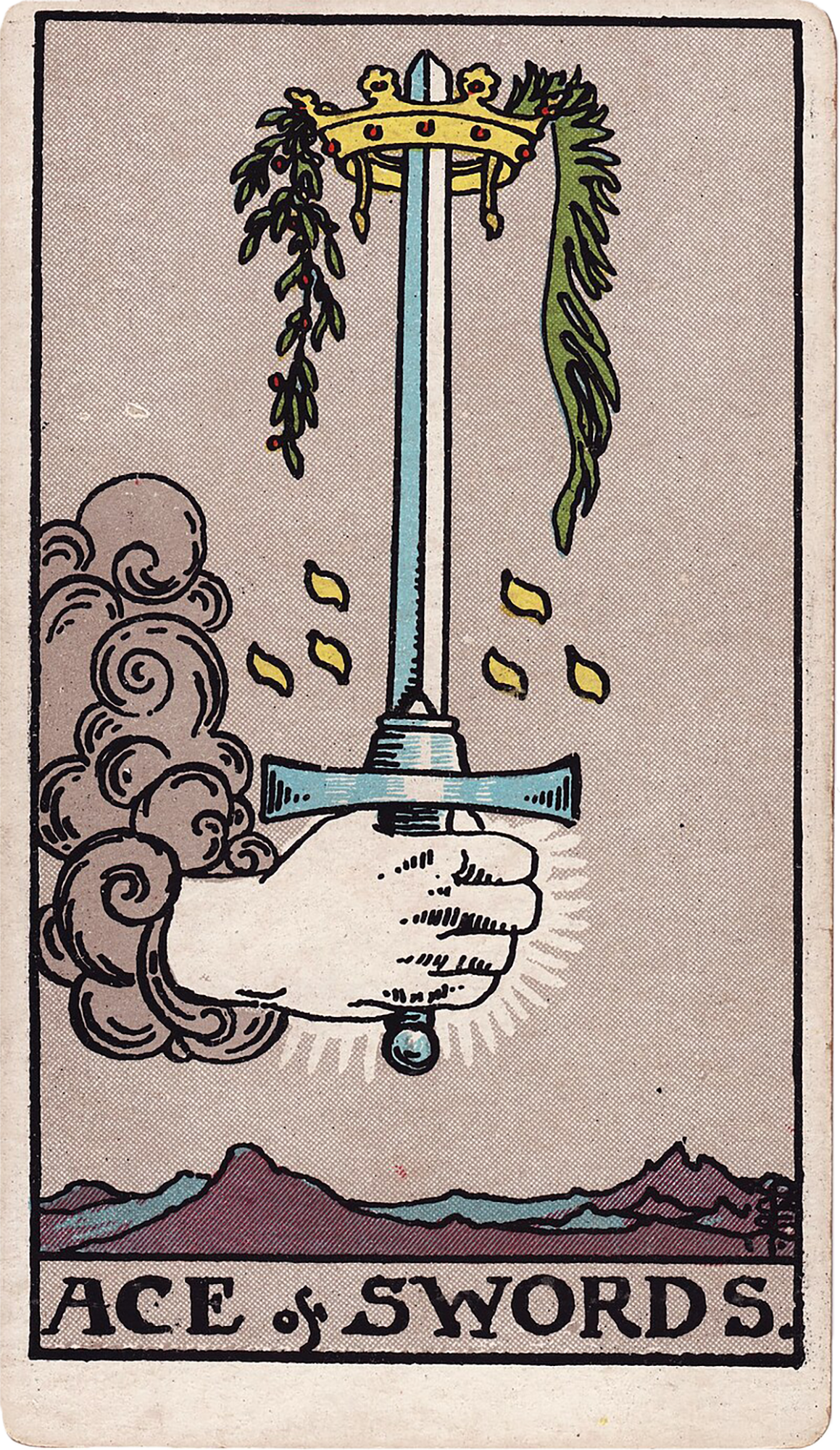 Ace of Swords
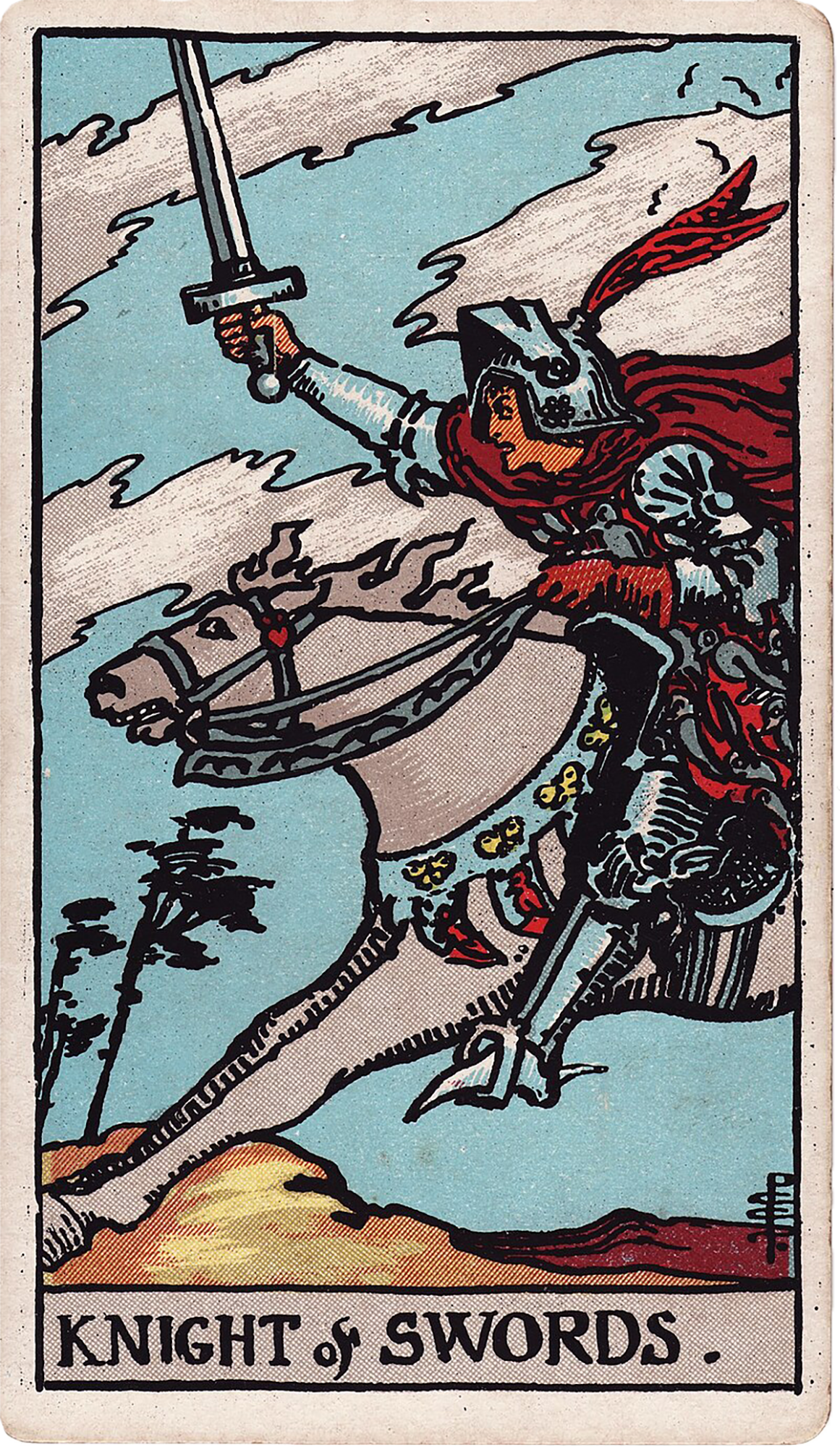 Knight of Swords
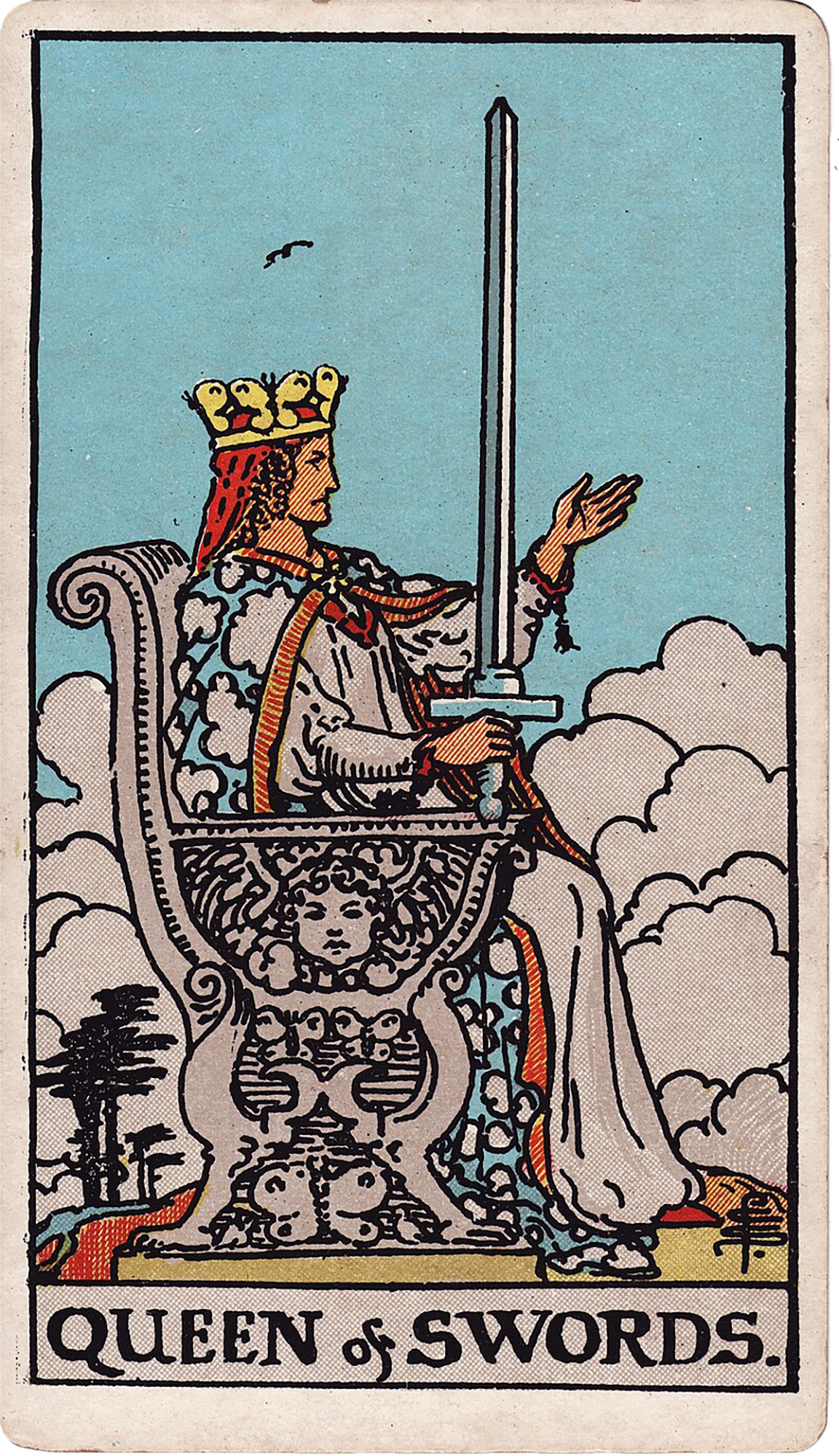 Queen of Swords
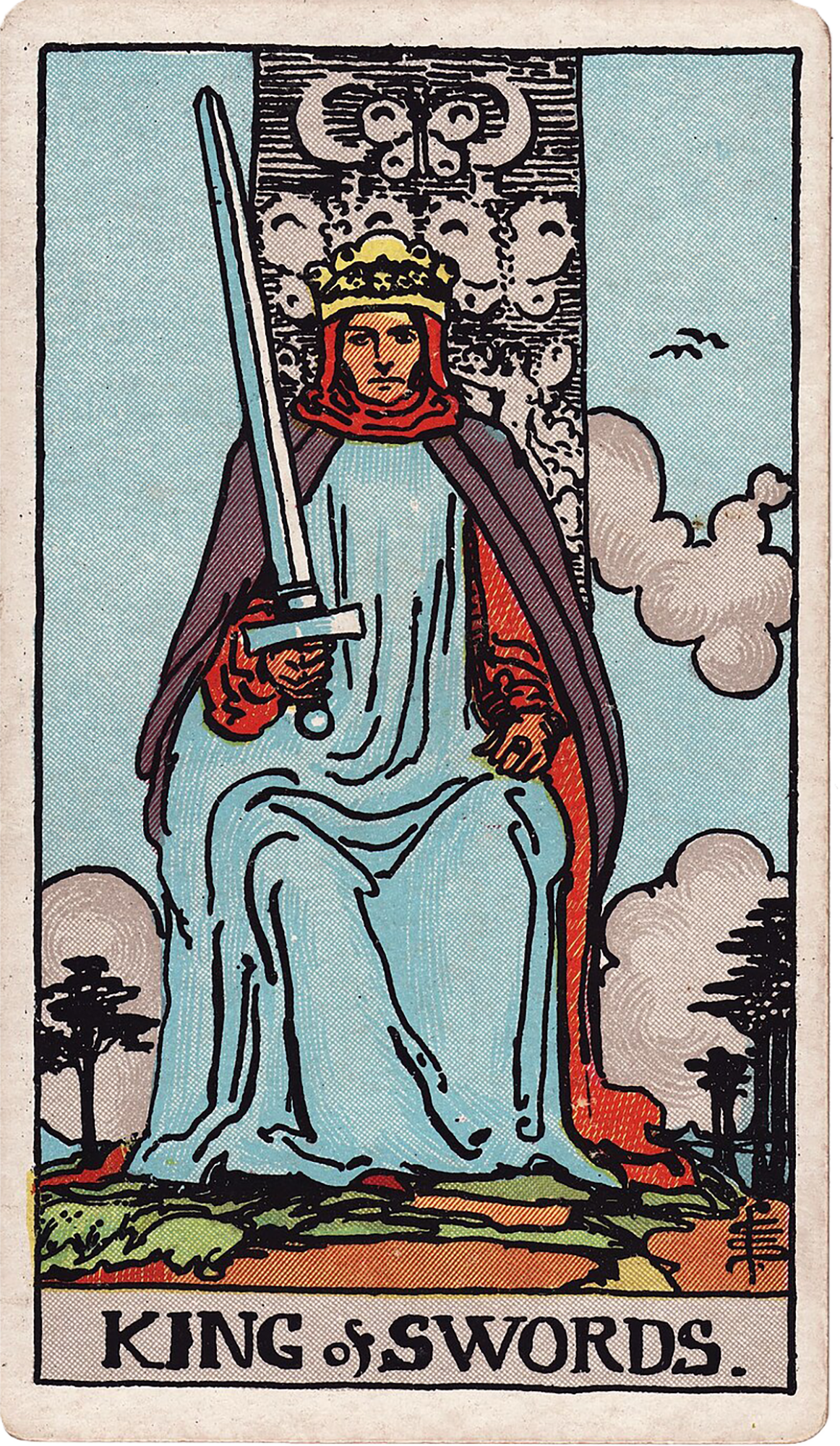 King of Swords
Understanding the Suit of Swords as a Symbolic System
The Suit of Swords is traditionally associated with the element of Air, symbolizing intellect, communication, conflict, and decision-making. In the Rider-Waite-Smith Tarot deck, swords are depicted as sharp, cutting tools that represent the power of the mind to discern, analyze, and, when necessary, sever ties or illusions. This suit invites engagement with the complexities of mental processes, truth-seeking, and ethical judgments. Each card within the suit operates as a symbolic language, encoding stages and qualities of thought and communication. Recognizing the Suit of Swords’ connection to internal and external struggles allows readers to interpret its cards with nuance, appreciating that challenges presented often involve mental or verbal dynamics rather than physical situations alone.
The Ace of Swords and the Birth of Clarity
The Ace of Swords marks the inception of clear insight and decisive intellectual breakthroughs. In the supplied imagery, the upright Ace of Swords invites the querent to recognize moments where truth cuts through confusion, enabling practical and timely decisions. It embodies mental clarity and the power to communicate with precision. Reversed, however, the Ace warns of distorted logic, misuse of truth as a weapon, or premature conclusions. This dichotomy is not simply opposition but a spectrum where the mental process may be blocked or misapplied. In practice, readers should carefully assess whether the querent’s thought patterns are constructive or entangled in harshness or confusion. The Ace’s classic symbolism—a single sword piercing the sky and crowned with a wreath—reinforces the theme of victorious insight grounded in reality rather than abstraction.
Knight of Swords as Swift Mental Action and Its Challenges
The Knight of Swords captures the energy of rapid intellectual engagement and courageous pursuit of truth. Illustrated as a charging knight brandishing a sword, this card reflects boldness in debate, decisiveness, and the readiness to cut through obstacles with mental force. Upright, it encourages swift action aligned with thought and communication skills. However, the reversed Knight highlights recklessness, tunnel vision, and the dangers of impulsive verbal aggression. Readers should be alert to signs that the querent may be moving too fast to appreciate nuances or consequences. The card’s imagery of forward momentum warns that speed must be balanced with awareness. Interpreting this card effectively requires situating it within the spread’s context to gauge whether the querent’s mental energy is constructive or overly forceful.
Queen of Swords as Clear-Minded Independence and Honest Boundaries
The Queen of Swords symbolizes mature intellectual independence and communication rooted in honesty and fairness. Depicted traditionally as a poised figure holding a sword upright with a clear gaze, she represents the ability to set boundaries without cruelty and to value truth while respecting complexity. Upright, she advises the reader to cultivate clarity and fairness in thought and discourse. The reversed Queen indicates tendencies toward bitterness, excessive criticism, or emotional avoidance through intellectualization. This card challenges readers to discern when intellect is used defensively rather than constructively. The Queen’s symbolism urges a balance of mental clarity with emotional awareness, emphasizing that true insight involves both sharp perception and compassionate communication.
King of Swords and the Authority of Strategic Judgment
The King of Swords embodies mature intellectual authority, strategic judgment, and principled decision-making. His traditional imagery—an authoritative figure seated with a sword held decisively—evokes a leader who governs through reason, evidence, and ethical standards. Upright, the King represents the culmination of mental mastery, where thought and communication are wielded responsibly to resolve conflicts and direct outcomes. Conversely, reversed, he warns of coldness, intellectual arrogance, manipulation, or abuse of authority. Readers should be cautious to identify when mental power is used to dominate rather than to serve truth and justice. The King’s symbolism highlights the necessity of integrating wisdom with empathy to maintain healthy mental leadership.
Practical Techniques for Reading the Suit of Swords
When interpreting the Suit of Swords, it is vital to approach each card as a dynamic indicator of mental and communicative processes rather than fixed fate. Begin by observing the card’s position and orientation (upright or reversed) and then contextualize its meaning within the querent’s question and surrounding cards. Focus on identifying the stage of the mental process represented: is the card signaling the emergence of insight (as with the Ace), rapid action (Knight), refined judgment (Queen), or ultimate authority (King)? Ask what mental habits or communication patterns are at play and whether they are constructive or require adjustment. Avoid oversimplifying reversals as merely negative; instead, use them as clues to internal blockages or imbalances. Visualization of the card imagery can help readers connect with the nuanced energy—such as the crown and wreath on the Ace for victory, the knight’s charge for swift action, or the Queen’s clear gaze for honest boundaries.
Common Misinterpretations and How to Avoid Them
A frequent mistake in reading the Suit of Swords is overemphasizing conflict or negativity, given the suit’s association with struggle and sharpness. While conflict is a theme, the swords also represent clarity, truth, and decisive thought. Another common error is treating reversed cards as merely the opposite of upright meanings, which can oversimplify complex internal dynamics. Instead, consider reversals as signals that the energy is stuck, excessive, or underdeveloped. For example, a reversed Queen of Swords may not just mean cruelty but rather emotional avoidance behind intellectual defenses. Additionally, failing to integrate visual symbols—such as the posture of figures, the presence of crowns, or the direction of swords—can lead to shallow readings. To avoid these pitfalls, cultivate a mindset of curiosity and complexity, viewing the Suit of Swords as a language to decode rather than a checklist to apply.
Anchoring Interpretation to Imagery for Deeper Insight
Connecting the symbolic language of the Suit of Swords to its Rider-Waite-Smith imagery enriches interpretations. For instance, the Ace of Swords’ crown and wreath convey victory and clarity emerging from mental struggle—inviting readers to see insight as an achievement rather than a given. The Knight’s forward charge suggests uncontrolled momentum, prompting questions about pacing and awareness. The Queen’s upright sword and piercing eyes symbolize the balance of intellect and emotional honesty, while the King’s throne and posture evoke authority tempered by principle. By repeatedly anchoring reading practice to these visual elements, learners deepen their intuitive connection to the cards and avoid relying solely on memorized meanings. This technique also enhances flexibility, allowing readers to adapt interpretations to unique querent contexts.
Reflection and Application for Learners
Engaging with the Suit of Swords is an invitation to reflect on one’s own mental clarity, communication style, and internal conflicts. Learners are encouraged to journal about moments when clarity emerged suddenly (Ace of Swords), when swift decisions had positive or negative outcomes (Knight of Swords), how honesty shaped interpersonal boundaries (Queen of Swords), and the role of intellectual authority in personal or professional life (King of Swords). Practicing readings across various spreads helps learners detect the evolving stages and pressures within mental processes. Importantly, cultivating patience with reversals as opportunities for growth and self-awareness fosters a compassionate and insightful Tarot practice. Over time, the Suit of Swords can become a mirror reflecting not just external conflicts but the inner journey toward mental and communicative mastery.
Practice questions
• How does the imagery of the Ace of Swords inspire your understanding of mental clarity in your own life?
• In what ways might the swift energy of the Knight of Swords be both beneficial and risky in decision-making?
• How do you balance intellectual honesty with empathy as suggested by the Queen of Swords?
• What qualities of the King of Swords’ authority resonate with your approach to leadership and judgment?
• When you encounter reversed Swords cards, how can you explore what mental or communicative patterns need adjustment?
Comments
Sign in to comment.
Continue learning
Harnessing the Power of The Magician and Ace of Wands: Igniting Creativity and Manifestation in Tarot Readings
The combination of The Magician and the Ace of Wands in tarot readings offers a potent blend of creative energy and manifestation power. This article delves into the ways these car...
Advanced Techniques for Combining The Moon and The Star to Enhance Intuition in Tarot Readings
This article explores advanced techniques to combine the symbolism and energy of The Moon and The Star Tarot cards to enhance intuition during Tarot readings. Drawing from traditio...
Enhancing Clarity in Complex Choices with the Five Card Cross Tarot Spread
The Five Card Cross Tarot Spread is a practical tool designed to clarify complex choices by breaking down the decision into manageable parts. This article explores each position in...
Tracing the Origins and Evolution of The Fool Card in Tarot History
The Fool card holds a foundational place in tarot tradition, symbolizing beginnings, openness, and the embrace of uncertainty. This article traces its origins from early European d...
Understanding The Hermit Card in Solitude Reflection and Guidance
This article offers an in-depth exploration of The Hermit tarot card as a single-card reading in different contexts such as love, career, money, advice, challenge, person, outcome,...
Unlocking the Creative Flow with The Magician and The Empress in Tarot Combinations
This article delves into the powerful synergy between The Magician and The Empress in Tarot combinations, focusing on how their combined symbolism unlocks creative flow across vari...
Using the Seven Card Horseshoe Spread to Uncover Career Growth and Opportunity
This article presents an in-depth guide to the Seven Card Horseshoe Tarot Spread with a focus on career growth and opportunity. Using the cards The Fool, The Magician, The Empress,...
Understanding the Many Facets of The Moon in Emotional and Intuitive Tarot Readings
The Moon card in the Tarot deck embodies themes of intuition, uncertainty, dreams, and emotional complexity. This article offers a comprehensive exploration of The Moon’s upright a...
Unlocking Advanced Intuition Techniques Using The High Priestess The Moon and The Hermit
This article examines advanced intuition development in tarot reading by focusing on The High Priestess, The Moon, and The Hermit cards. It offers practical techniques for beginner...
Mastering Intuition with The High Priestess The Hermit and The Moon in Tarot Readings
This article delves into mastering intuition through three powerful Tarot cards: The High Priestess, The Hermit, and The Moon. It guides readers from beginner to advanced reading t...