
Exploring the Symbolic Layers and Elemental Meanings of the Ace Tarot Cards for New Beginnings
This article delves deeply into the symbolic layers and elemental meanings of the four Ace cards—Wands, Cups, Swords, and Pentacles—in Tarot, emphasizing their role as heralds of new beginnings. By exploring the upright and reversed meanings, traditional Rider-Waite-Smith symbolism, and practical interpretative techniques, learners gain a robust understanding of how to work with these powerful cards in readings. Each card is examined in context with its elemental association, the qualities it represents, and how to navigate common challenges such as blocked energy or premature action. The article offers concrete advice on reading strategies and reflection to support nuanced, insightful Tarot practice focused on transformation and fresh starts.
Cards explored in this article
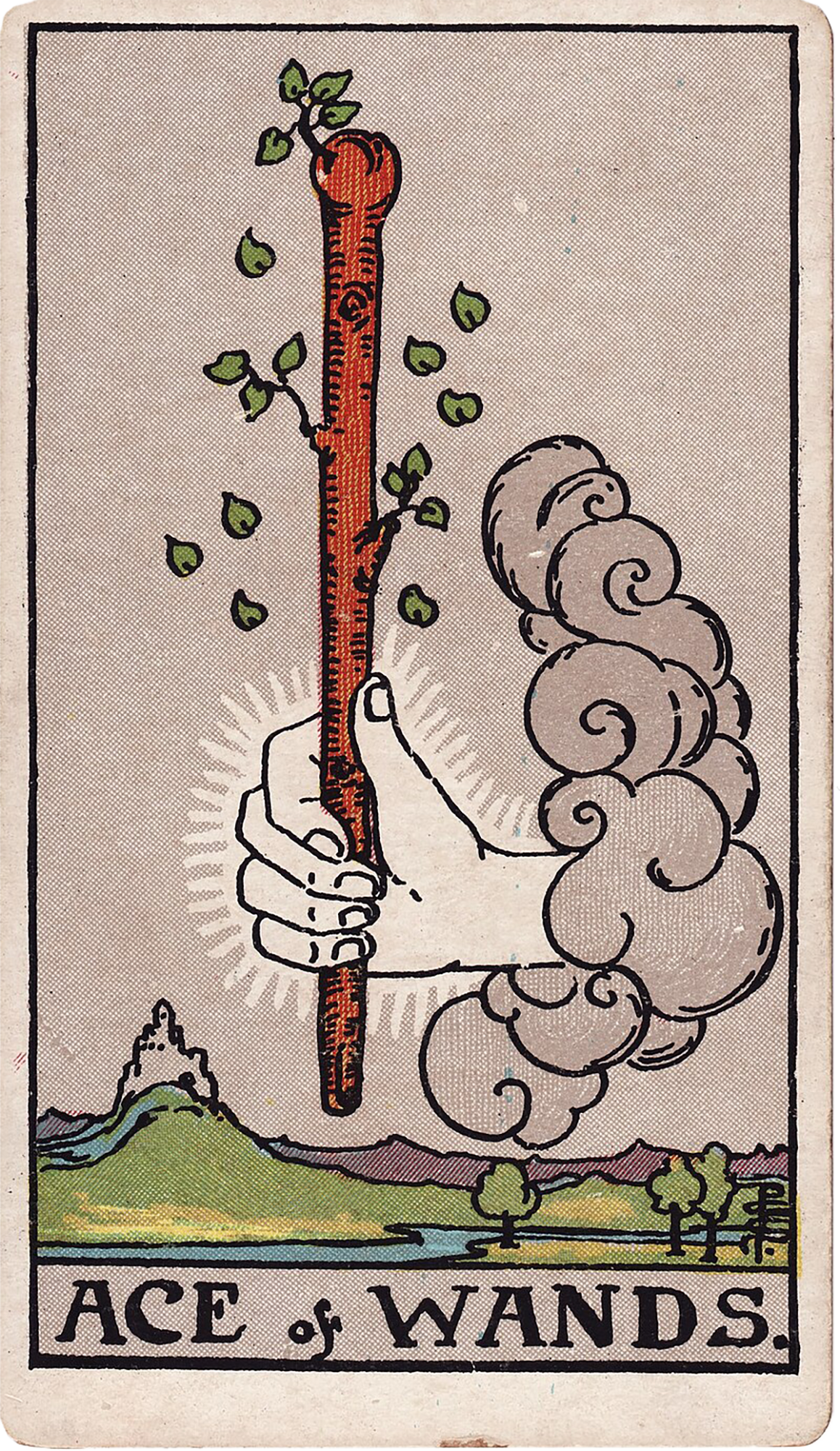 Ace of Wands
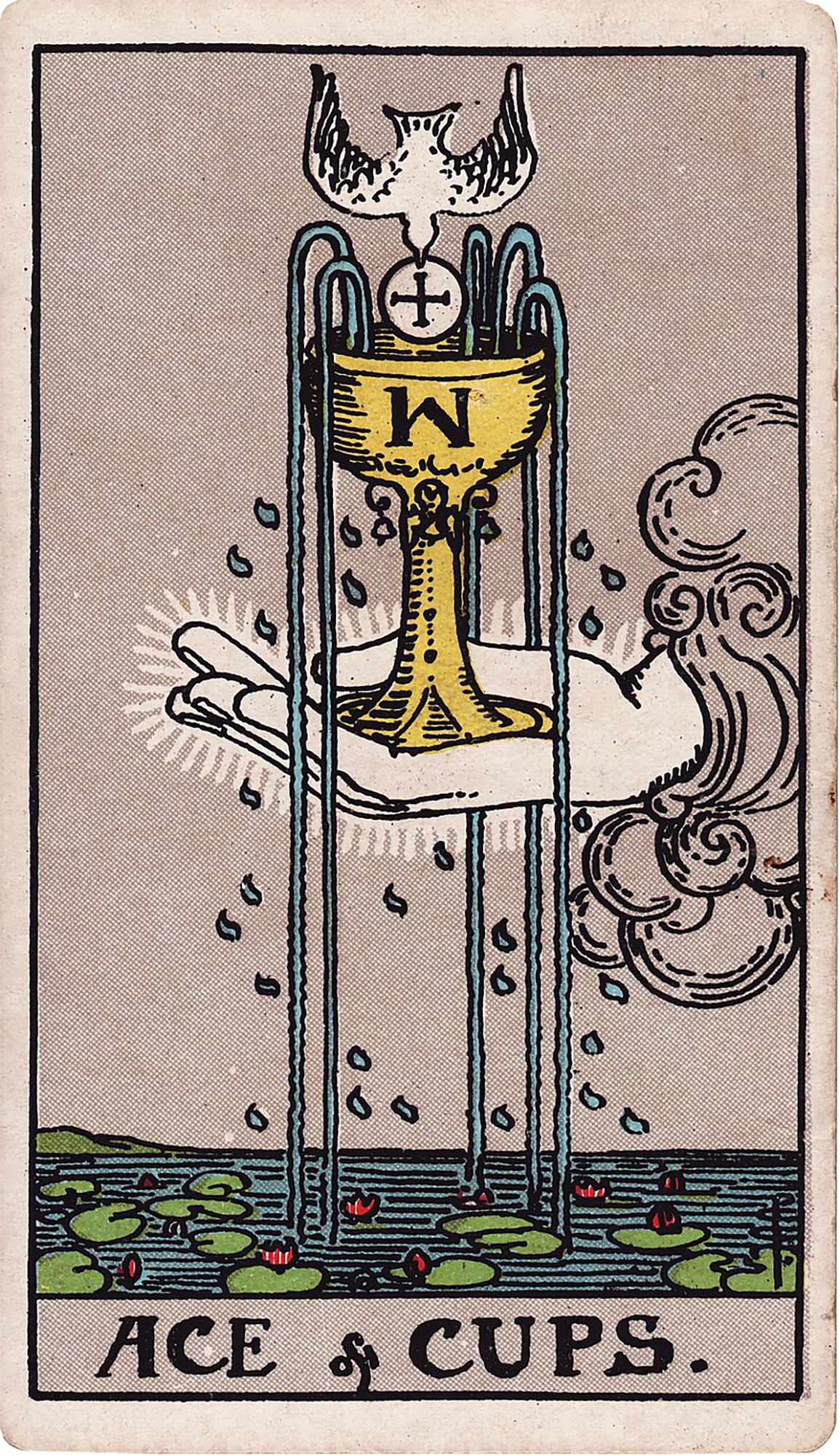 Ace of Cups
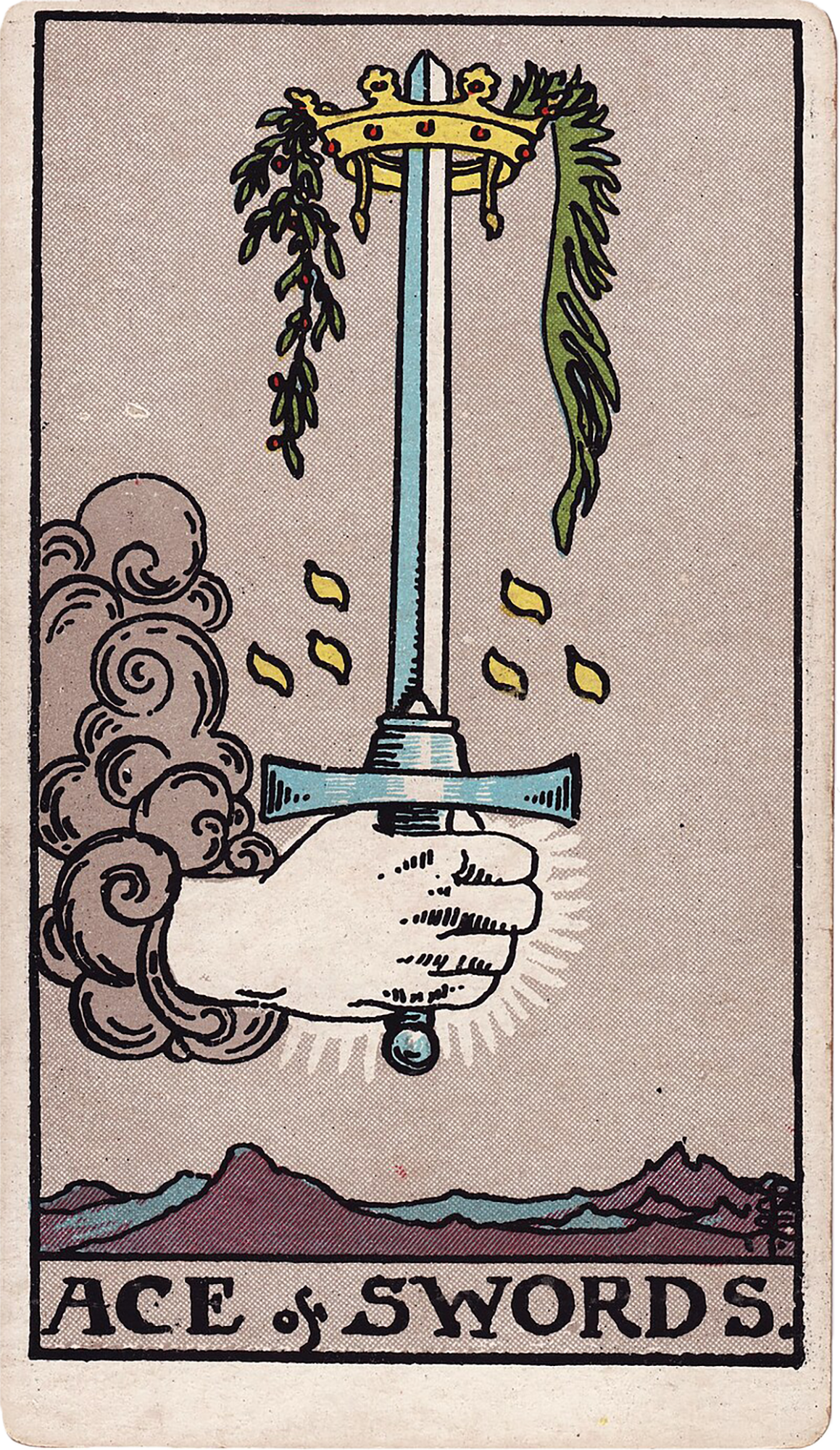 Ace of Swords
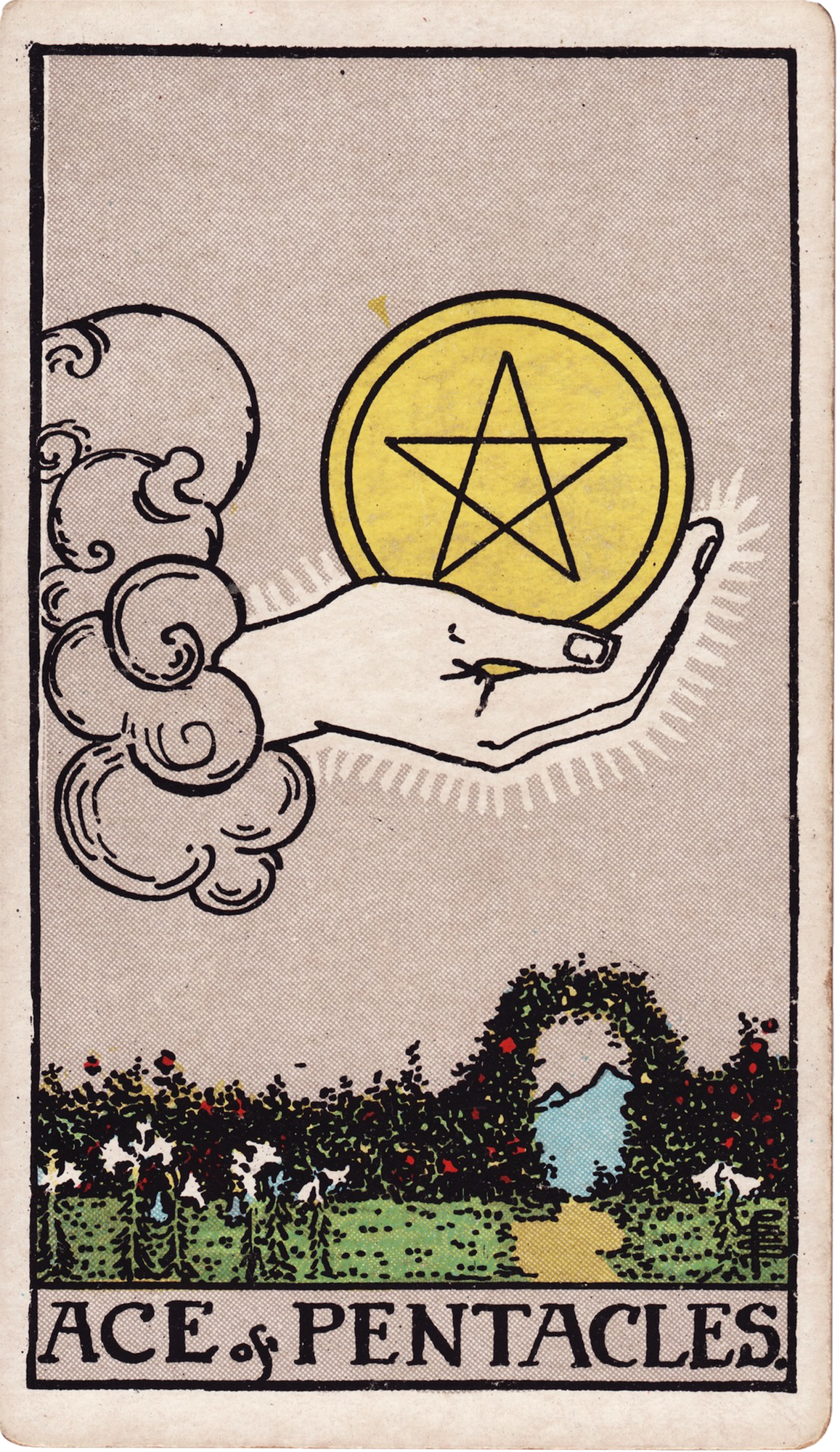 Ace of Pentacles
Introduction to the Aces as Symbols of New Beginnings
In Tarot, the Ace cards are unique bearers of potential and inception. They represent the seed from which the entire suit’s energy grows, embodying fresh starts in motivation, emotion, intellect, and material reality. The four supplied Aces—the Ace of Wands, Ace of Cups, Ace of Swords, and Ace of Pentacles—each correspond to one of the four classical elements: Fire, Water, Air, and Earth respectively. This elemental framework provides a foundation for understanding the cards’ symbolism and practical meanings in readings. As learners of Tarot, recognizing that Aces ask for a tangible, present-moment response rather than abstract idealism helps ground their interpretation. These cards highlight opportunities for first actions aligned with current energies, making them invaluable indicators of new cycles.
Ace of Wands and the Element of Fire: Initiating Creative Force
The Ace of Wands symbolizes the spark of creative energy, ambition, and motivation. Its traditional Rider-Waite-Smith imagery typically shows a hand emerging from a cloud, holding a wooden wand sprouting leaves, symbolizing growth, vitality, and potential. Upright, it signals a new impulse demanding expression and practical action before enthusiasm wanes. This card asks the querent to identify where creative or motivational energy is already manifesting and how to nurture it constructively. Reversed, the Ace of Wands points to blocked inspiration, scattered efforts, or premature moves lacking clarity. Importantly, the reversal should not be seen simply as the opposite of upright but as a sign to identify where the energy process is stuck. It might indicate internal struggles not visible externally, emphasizing the need to simplify or communicate effectively to restore healthy flow. In practical readings, consider surrounding cards to determine if the energy is emerging, building pressure, or resolving. For example, if the spread shows cards related to career or identity, the Ace of Wands might highlight a new project or initiative requiring timely action. Recognizing discomfort as part of the process rather than a red flag can prevent common errors such as hesitation or impulsivity.
Ace of Cups and the Element of Water: Opening to Emotional and Intuitive Flow
The Ace of Cups represents the opening of the emotional and intuitive field. In classic symbolism, the card often depicts a hand holding a chalice overflowing with water, sometimes with a dove or a five-petaled flower, indicating spiritual and emotional abundance. Upright, this card encourages receptivity to feelings such as love, compassion, and creative intuition, and invites a practical response to where these patterns are emerging in life. When reversed, the Ace of Cups signals emotional blockages, fear of vulnerability, or depletion of feeling energy. Like the Ace of Wands, the reversal is not a negation but a prompt to examine the internal emotional process and identify what needs simplification or release for healthy expression to resume. In readings, this card often relates to relationships, emotional healing, or artistic creativity. Its presence suggests that the querent is at a threshold of opening or deepening emotional capacity. Misinterpretations can arise when readers impose overly idealistic notions of love rather than recognizing the practical, present-stage emotional work implied by the card.
Ace of Swords and the Element of Air: Clarity and Intellectual Breakthrough
The Ace of Swords is the emblem of mental clarity, decisive insight, and truth. Rider-Waite-Smith imagery typically features a hand grasping a upright sword crowned with a wreath and sometimes a floating crown, symbolizing victory through intellect. Upright, the card represents breakthroughs that cut through confusion, emphasizing a clear, practical response to current challenges. Reversed, the Ace of Swords points to confusion, harshness, misused logic, or premature judgment. As with other Aces, the reversal invites examination of where intellectual processes have become stuck or distorted internally rather than simply marking failure. In readings, the Ace of Swords is often connected with communication, strategy, and decision-making. It indicates a moment where truth must be spoken or a strategic move made. Common mistakes include reading this card as purely positive or negative without considering nuance and the surrounding context, which can indicate whether the intellectual energy is developing or under pressure.
Ace of Pentacles and the Element of Earth: Foundations for Material and Practical Prosperity
The Ace of Pentacles heralds tangible beginnings related to work, health, resources, and long-term stability. In Rider-Waite-Smith symbolism, it typically shows a hand holding a large pentacle surrounded by a lush garden or gateway, emphasizing opportunity grounded in the physical world. Upright, it invites practical care and consistent action to nurture potential into lasting value. Its reversal draws attention to missed opportunities, scarcity mindset, or attempts to gain results without foundation. This card’s energy, when stuck, can manifest as internal doubts or external missed chances, underscoring the need to simplify plans and build solid groundwork. In practice, the Ace of Pentacles often relates to new jobs, financial ventures, or health initiatives. It encourages readers to assess whether the querent is ready to commit to steady effort rather than seeking instant rewards. A common interpretive pitfall is expecting immediate material success without recognizing the slow, disciplined work the card implies.
Integrating Elemental and Symbolic Layers for Practical Reading
Understanding the elemental correspondences—Fire (Wands), Water (Cups), Air (Swords), Earth (Pentacles)—is foundational to interpreting the Aces as new beginnings. Each element expresses distinct qualities: energy and initiative (Fire), emotional receptivity (Water), intellectual clarity (Air), and physical manifestation (Earth). Recognizing these distinctions helps readers tailor interpretations to the querent’s context, whether related to career, relationships, thought processes, or material concerns. When working with the supplied cards in a spread, observe their positioning and interactions. The energetic state—whether the Ace energy is just emerging, under pressure, or resolving—can be inferred by related cards and spread placement. Paying attention to the practical request of the cards—to respond fittingly to the present—not only grounds the reading but also helps avoid abstract or overly idealistic projections. Common mistakes include treating reversals as direct opposites rather than indicators of internal blockage or process stagnation. Instead, approach reversals as signals to explore what needs release or practice to restore balance. Employ reflective questions such as: Where is this energy stuck? What practical first step can be taken now? How do surrounding cards clarify the stage of development?
Techniques for Anchoring Interpretation in Imagery and Context
Anchoring readings in the visual symbolism of the cards enhances understanding and communication with the querent. For example, note the living leaves on the Ace of Wands’ wand as a sign of growth potential, or the overflowing water in the Ace of Cups as symbolic of emotional abundance seeking expression. The sword’s crown in the Ace of Swords highlights victory through truth, while the lush garden framing the Ace of Pentacles signals fertile opportunity. Comparing upright and reversed depictions can reveal subtle shifts in imagery that mirror the energetic state. In practice, encourage querents to describe what the images evoke for them, fostering intuitive connections aligned with traditional meanings. Linking elemental qualities with the card’s practical call to action further deepens insight. Using journaling or meditation on each image before reading can prepare readers to hear the card’s message clearly. Additionally, practicing readings that focus solely on Aces in various contexts sharpens sensitivity to their nuanced roles as catalysts of new cycles.
Common Challenges and How to Overcome Them in Ace Readings
One common challenge is misinterpreting new beginnings as guaranteed success or immediate results. The Aces represent potential and opportunity, not certainties. Emphasizing the cards’ call for practical action appropriate to the current stage helps manage expectations. Another difficulty arises with reversed cards, where readers might default to negative interpretations. Instead, exploring the internal dynamics and what needs adjustment or release provides a more constructive approach. Balancing abstract symbolism with practical context is essential. Avoid overly intellectualizing or romanticizing these cards by consistently asking: What is the present, actionable insight here? Finally, recognizing that effort or discomfort can accompany new starts helps readers encourage querents to embrace challenges as part of growth, not as failure signs.
Conclusion Reflecting on the Role of the Aces in Symbolic and Practical Tarot Work
The Ace cards of Wands, Cups, Swords, and Pentacles are foundational tools for Tarot practitioners seeking to understand new beginnings in life’s diverse domains. Grounded in elemental symbolism and enriched by traditional Rider-Waite-Smith imagery, these cards combine potential with an imperative for present-moment response. Through careful attention to upright and reversed meanings, contextual cues, and the practical demands of interpretation, learners can develop nuanced, empowering readings. By embracing the Aces not as fixed predictions but as invitations to practical engagement with emerging energies, Tarot readers facilitate transformation and growth for themselves and their querents. These cards remind us that every new cycle begins with a seed—be it a spark of creativity, an opening of the heart, a flash of insight, or the solid foundation of opportunity—that requires cultivation through awareness, effort, and timely action.
Practice questions
• How do the elemental associations of each Ace influence its meaning in a reading?
• In what ways can reversed Ace cards indicate internal process blocks rather than outright failure?
• How can readers balance traditional symbolism with the practical context of a querent’s situation?
• What techniques help anchor interpretations in the card’s imagery to enhance intuitive understanding?
• How can recognizing the need for a present-stage response improve the accuracy and usefulness of Ace readings?
Comments
Sign in to comment.
Continue learning
Harnessing the Power of The Magician and Ace of Wands: Igniting Creativity and Manifestation in Tarot Readings
The combination of The Magician and the Ace of Wands in tarot readings offers a potent blend of creative energy and manifestation power. This article delves into the ways these car...
Advanced Techniques for Combining The Moon and The Star to Enhance Intuition in Tarot Readings
This article explores advanced techniques to combine the symbolism and energy of The Moon and The Star Tarot cards to enhance intuition during Tarot readings. Drawing from traditio...
Enhancing Clarity in Complex Choices with the Five Card Cross Tarot Spread
The Five Card Cross Tarot Spread is a practical tool designed to clarify complex choices by breaking down the decision into manageable parts. This article explores each position in...
Tracing the Origins and Evolution of The Fool Card in Tarot History
The Fool card holds a foundational place in tarot tradition, symbolizing beginnings, openness, and the embrace of uncertainty. This article traces its origins from early European d...
Understanding The Hermit Card in Solitude Reflection and Guidance
This article offers an in-depth exploration of The Hermit tarot card as a single-card reading in different contexts such as love, career, money, advice, challenge, person, outcome,...
Unlocking the Creative Flow with The Magician and The Empress in Tarot Combinations
This article delves into the powerful synergy between The Magician and The Empress in Tarot combinations, focusing on how their combined symbolism unlocks creative flow across vari...
Using the Seven Card Horseshoe Spread to Uncover Career Growth and Opportunity
This article presents an in-depth guide to the Seven Card Horseshoe Tarot Spread with a focus on career growth and opportunity. Using the cards The Fool, The Magician, The Empress,...
Understanding the Many Facets of The Moon in Emotional and Intuitive Tarot Readings
The Moon card in the Tarot deck embodies themes of intuition, uncertainty, dreams, and emotional complexity. This article offers a comprehensive exploration of The Moon’s upright a...
Unlocking Advanced Intuition Techniques Using The High Priestess The Moon and The Hermit
This article examines advanced intuition development in tarot reading by focusing on The High Priestess, The Moon, and The Hermit cards. It offers practical techniques for beginner...
Mastering Intuition with The High Priestess The Hermit and The Moon in Tarot Readings
This article delves into mastering intuition through three powerful Tarot cards: The High Priestess, The Hermit, and The Moon. It guides readers from beginner to advanced reading t...