
Exploring the Symbolic Meaning and Elemental Associations of the Page Knight Queen and King of Wands
This article delves into the symbolic meanings and elemental associations of the Page, Knight, Queen, and King of Wands, as depicted in the Rider-Waite-Smith tradition and illuminated through the supplied card imagery. By examining their upright and reversed interpretations, elemental symbolism, and position within the Wands suit hierarchy, the article guides learners through practical reading approaches and common interpretative challenges. Anchoring the study to the detailed descriptions and images of these four court cards, the article provides clarity on how to integrate their energies into readings focused on motivation, creativity, leadership, and personal development. Readers will gain confidence in identifying the stage of a fire-related process symbolized by these cards and learn to approach reversals as indicators of where energy may be stuck or misdirected rather than simply as negative outcomes.
Cards explored in this article
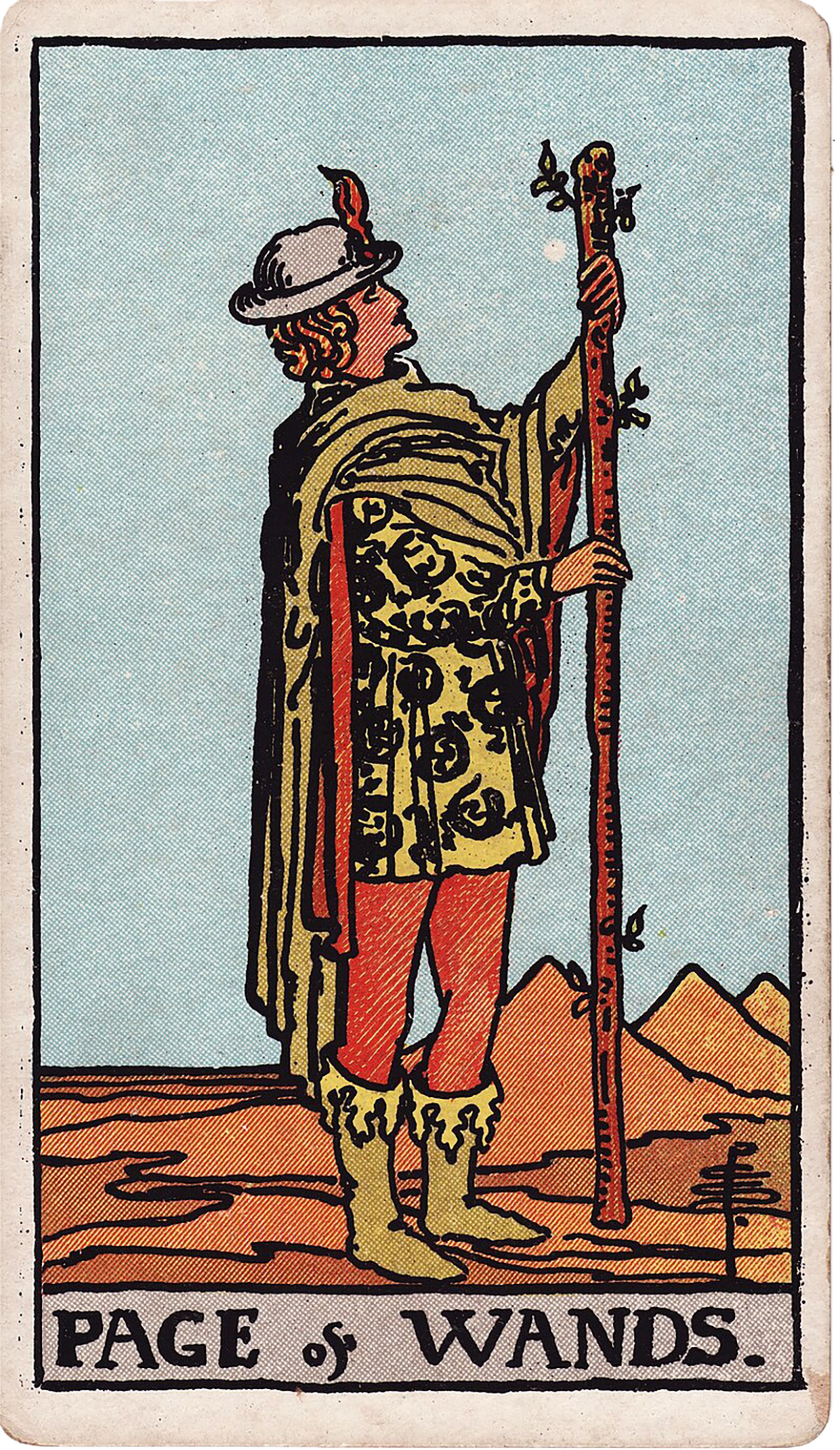 Page of Wands
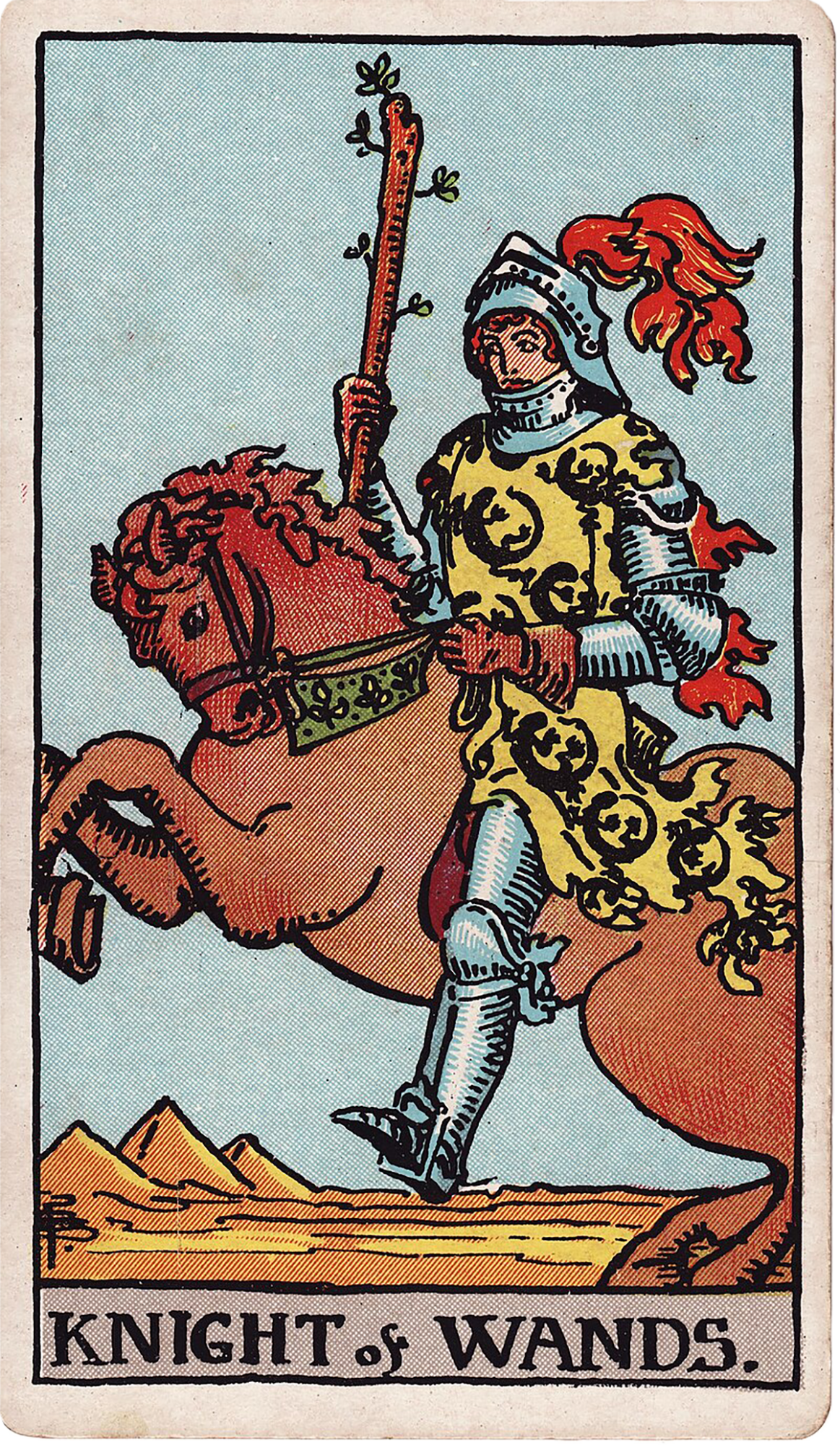 Knight of Wands
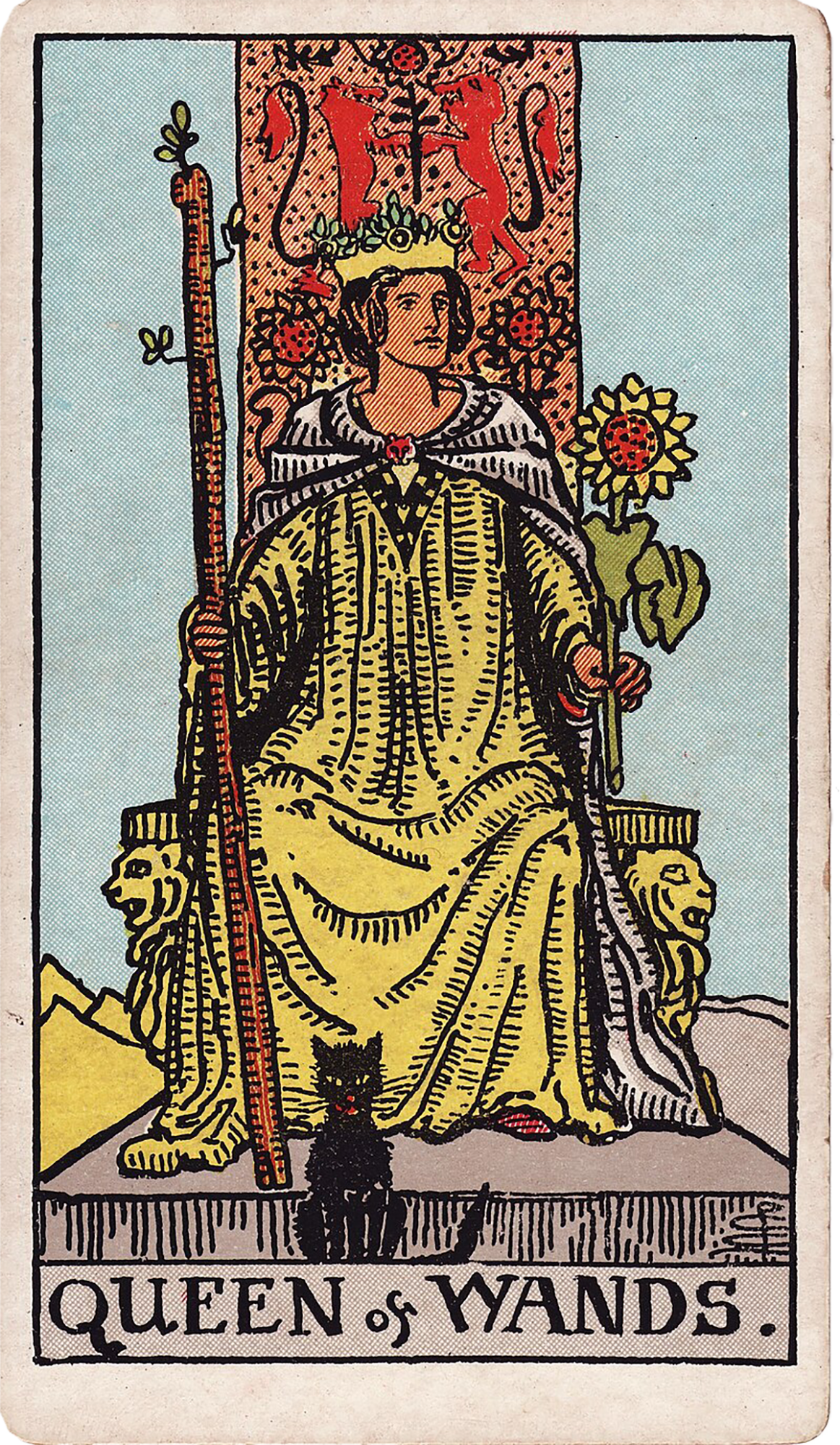 Queen of Wands
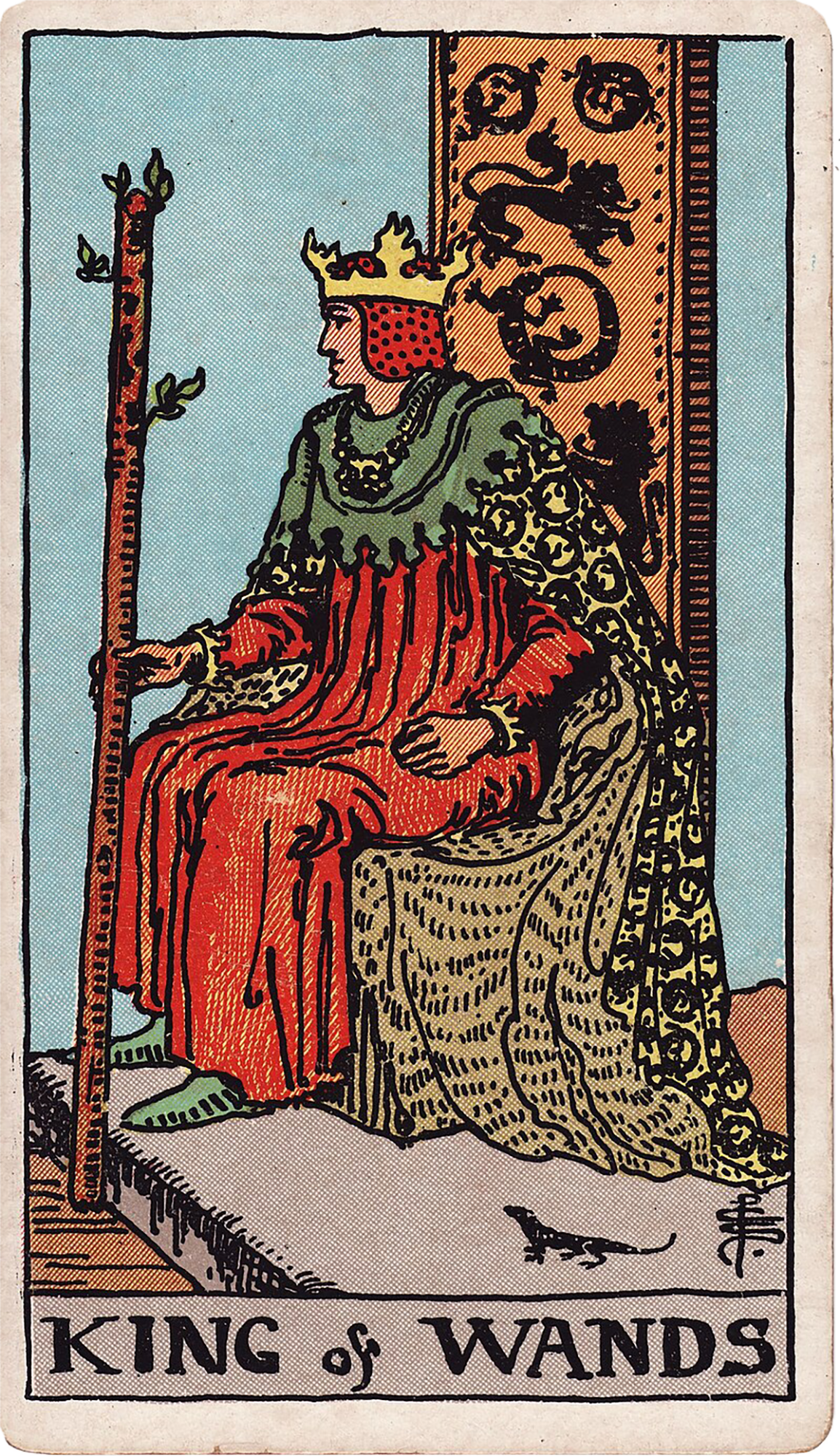 King of Wands
Introduction to the Suit of Wands and Court Cards
The suit of Wands is traditionally associated with the element of fire—representing motivation, creativity, ambition, identity, and the dynamic way energy is channeled in a person's life. The four court cards—the Page, Knight, Queen, and King—serve as archetypes of stages and modes in the expression of this fiery energy. Each court card embodies a unique dynamic of how fire manifests, from eager inception to mature mastery. Understanding these roles allows the reader to identify where a querent’s situation lies in terms of personal growth, creative initiative, or leadership challenges. Throughout this article, we focus exclusively on the supplied Rider-Waite-Smith inspired depictions and meanings of the Page, Knight, Queen, and King of Wands, grounding interpretations in their traditional symbolism and provided upright and reversed descriptions.
Page of Wands Symbolism and Interpretation
The Page of Wands symbolizes the beginner phase of the fire element—marked by curiosity, experimentation, and the reception of new ideas or messages that invite exploration. Visually, the card shows a youthful figure holding a budding wand, signifying potential and fresh energy ready to be directed. Upright, the Page encourages the querent to engage with emerging creative impulses and begin practical steps toward manifesting these inspirations. It asks for a response appropriate to the current stage rather than abstract ideals, highlighting a time for learning and testing one's motivation and initiative. Reversed, the Page warns of immaturity, inconsistency, or fear of appearing inexperienced. Instead of a simple negative reading, the reversal invites the reader to look for where the process is stuck—be it unacknowledged fears or a lack of follow-through—and to consider what might be simplified or practiced more fully to restore healthy expression of fire energy.
Knight of Wands Symbolism and Interpretation
The Knight of Wands embodies decisive movement, high energy, and courageous action. In the imagery, the Knight is often depicted riding a horse in motion, holding a flowering wand with intent and confidence, illustrating ambition and forward momentum. Upright, this card signals that the querent is urged to harness courage and motivation effectively, balancing speed with purposeful direction. In tarot spreads, the Knight’s appearance suggests handling a situation with the full force of Wands qualities—creative drive, identity assertion, and initiative. However, it also cautions that energy must be channeled constructively to avoid recklessness. Reversed, the Knight highlights restlessness, impulsiveness, and unfinished ventures. Again, rather than a strict negative, it points to internal blockages or behavioral patterns where excitement is chased without grounding. The reversal asks the reader to assess where patience or clearer communication is needed to regain constructive progress.
Queen of Wands Symbolism and Interpretation
The Queen of Wands represents visible confidence, creative leadership, independence, and warmth in social interactions. Her imagery often includes a seated figure holding a flowering wand and a sunflower or a black cat nearby—symbols of fertility, intuition, and charisma. Upright, the Queen demonstrates mastery over the fire element expressed in a balanced, self-assured manner that uplifts rather than diminishes others. The card invites the querent to embody leadership that is both creative and inclusive, managing ambition with empathy. It signals a maturity of motivation and the ability to direct one's identity and energy in socially constructive ways. Reversed, the Queen may indicate jealousy, insecurity masked by performance, or burnout from bearing constant strength. It also warns against manipulating outcomes through charm rather than honest effort. The reversal encourages reflection on where self-care and authenticity might be prioritized to restore the card’s healthy energy.
King of Wands Symbolism and Interpretation
The King of Wands epitomizes the mature and responsible direction of creative force. He is the visionary entrepreneur who understands the consequences of the energy he sets in motion. Traditionally depicted as a regal figure with a wand in hand, often with flames or lions symbolizing strength and courage, he balances ambition with responsibility. Upright, the King calls for leadership that integrates motivation, initiative, and identity with strategic oversight and clear communication. The card suggests the querent or situation demands a high level of creative management and purposeful vision. Reversed, the King warns against domination, impatience, grandiosity, or temper. It highlights situations where a vision may be poorly communicated or where others are expected to implement ideas without clear guidance. The reversal asks for an examination of leadership style and emotional regulation to return to a balanced expression of power.
Elemental Associations and Their Reflective Role in Interpretation
Each Wands court card is deeply connected to the fire element, yet they illustrate distinct phases and qualities within that elemental spectrum. The Page represents the spark—raw potential and curiosity. The Knight is the flame in motion—decisive, courageous, and driven. The Queen embodies the controlled fire—confident, warm, and inspiring. The King symbolizes the hearth fire—mature, visionary, and responsible. Understanding these elemental stages helps readers recognize where a querent’s experience fits within the broader energetic cycle. For example, encountering the Page might suggest initiating a new creative endeavor, while the King may indicate the need for sustained leadership to bring a project to fruition. The reversals commonly point to disruptions in these natural flows, such as fear inhibiting the Page’s spark or impatience distorting the King’s vision.
Practical Reading Techniques and Common Mistakes
When interpreting these Wands court cards, it is important to consider the surrounding cards in the spread to clarify the stage of energy development—whether it is beginning, building, under pressure, or nearing resolution. One common mistake is to treat reversed cards as mere negatives; instead, view them as signals of where the fiery process is blocked or misaligned. Another frequent error is ignoring the practical, stage-appropriate response emphasized by these cards. For example, the Page does not call for grand achievements but simple experimentation and learning. The Knight asks not just for speed but for direction. The Queen demands leadership that is both confident and inclusive, not controlling. The King requires balancing vision with responsibility. Anchoring your interpretation in the imagery helps: note the youthful eagerness of the Page’s pose, the Knight’s dynamic movement, the Queen’s composed yet radiant demeanor, and the King’s authoritative presence. These visual cues support an interpretation grounded in traditional Rider-Waite-Smith symbolism that resonates with lived experiences.
Examples of Interpretation in Readings
Imagine a reading concerning a new creative project. Drawing the Page of Wands upright suggests the querent is at the idea inception stage, invited to explore options and cultivate motivation without pressure for immediate results. If reversed, it might indicate hesitation or fear of failure blocking progress. For a question about career momentum, the Knight of Wands upright shows a surge of enthusiasm and swift action, but reversed, it warns against rushing into decisions without sufficient planning, risking burnout. Regarding leadership or personal growth, the Queen of Wands upright encourages confident, creative leadership that inspires others, while reversed, it calls attention to burnout or insecurity undermining effectiveness. Finally, in strategic or entrepreneurial contexts, the King of Wands upright represents vision coupled with responsibility, a call to step into mature leadership. Reversed, it cautions against arrogance or impatience undermining long-term success. Through these examples, the court cards of Wands provide nuanced insights that require attention to subtle shifts in energy and practical advice tailored to the querent’s stage of development.
Conclusion and Integration into Symbolism Studies
The Page, Knight, Queen, and King of Wands collectively embody a symbolic narrative of fire’s lifecycle—from the first spark to controlled flame to visionary hearth. Their elemental associations deepen our understanding of motivation, creativity, leadership, and identity within the Tarot’s symbolic framework. By studying these cards attentively, learners enrich their symbolic literacy and gain tools to interpret dynamic processes in readings. The focus on practical, stage-appropriate responses and the nuanced approach to reversals enhances interpretative balance and prevents simplistic readings. For symbolism scholars, these court cards also offer fertile ground to explore archetypal patterns in human development and expression, showing how elemental qualities manifest in personal and social contexts. Integrating this knowledge within broader symbolism studies underscores the Tarot’s enduring relevance as a tool for personal insight and cultural reflection.
Practice questions
• How does understanding the elemental stages of fire enhance your interpretation of the Wands court cards?
• In what ways can reversed court cards provide insight into internal blockages rather than simply indicating negative outcomes?
• How can the imagery of the Page, Knight, Queen, and King of Wands guide your intuitive connection to their meanings during a reading?
• What practical steps can you take when encountering the Page of Wands to nurture new creative impulses in yourself or a querent?
• How might the balance of speed and direction in the Knight of Wands inform decisions about pursuing ambitious goals?
• What are the signs that the Queen of Wands’ leadership energy is becoming unhealthy or imbalanced?
• How do the King of Wands’ qualities of vision and responsibility apply to real-life leadership challenges?
Comments
Sign in to comment.
Continue learning
Harnessing the Power of The Magician and Ace of Wands: Igniting Creativity and Manifestation in Tarot Readings
The combination of The Magician and the Ace of Wands in tarot readings offers a potent blend of creative energy and manifestation power. This article delves into the ways these car...
Advanced Techniques for Combining The Moon and The Star to Enhance Intuition in Tarot Readings
This article explores advanced techniques to combine the symbolism and energy of The Moon and The Star Tarot cards to enhance intuition during Tarot readings. Drawing from traditio...
Enhancing Clarity in Complex Choices with the Five Card Cross Tarot Spread
The Five Card Cross Tarot Spread is a practical tool designed to clarify complex choices by breaking down the decision into manageable parts. This article explores each position in...
Tracing the Origins and Evolution of The Fool Card in Tarot History
The Fool card holds a foundational place in tarot tradition, symbolizing beginnings, openness, and the embrace of uncertainty. This article traces its origins from early European d...
Understanding The Hermit Card in Solitude Reflection and Guidance
This article offers an in-depth exploration of The Hermit tarot card as a single-card reading in different contexts such as love, career, money, advice, challenge, person, outcome,...
Unlocking the Creative Flow with The Magician and The Empress in Tarot Combinations
This article delves into the powerful synergy between The Magician and The Empress in Tarot combinations, focusing on how their combined symbolism unlocks creative flow across vari...
Using the Seven Card Horseshoe Spread to Uncover Career Growth and Opportunity
This article presents an in-depth guide to the Seven Card Horseshoe Tarot Spread with a focus on career growth and opportunity. Using the cards The Fool, The Magician, The Empress,...
Understanding the Many Facets of The Moon in Emotional and Intuitive Tarot Readings
The Moon card in the Tarot deck embodies themes of intuition, uncertainty, dreams, and emotional complexity. This article offers a comprehensive exploration of The Moon’s upright a...
Unlocking Advanced Intuition Techniques Using The High Priestess The Moon and The Hermit
This article examines advanced intuition development in tarot reading by focusing on The High Priestess, The Moon, and The Hermit cards. It offers practical techniques for beginner...
Mastering Intuition with The High Priestess The Hermit and The Moon in Tarot Readings
This article delves into mastering intuition through three powerful Tarot cards: The High Priestess, The Hermit, and The Moon. It guides readers from beginner to advanced reading t...