
Exploring the Symbolic Meanings and Elemental Associations of the Suit of Swords for Insight and Clarity
The Suit of Swords in Tarot represents the realm of thought, communication, conflict, and intellectual power. Rooted in the element of Air, this suit challenges readers to engage with clarity, truth, and strategic decision-making. By examining the Ace of Swords, Knight of Swords, Queen of Swords, and King of Swords, this article explores their rich symbolism, upright and reversed meanings, and offers practical guidance for readers seeking to apply these lessons toward insight and clarity in their Tarot practice.
Cards explored in this article
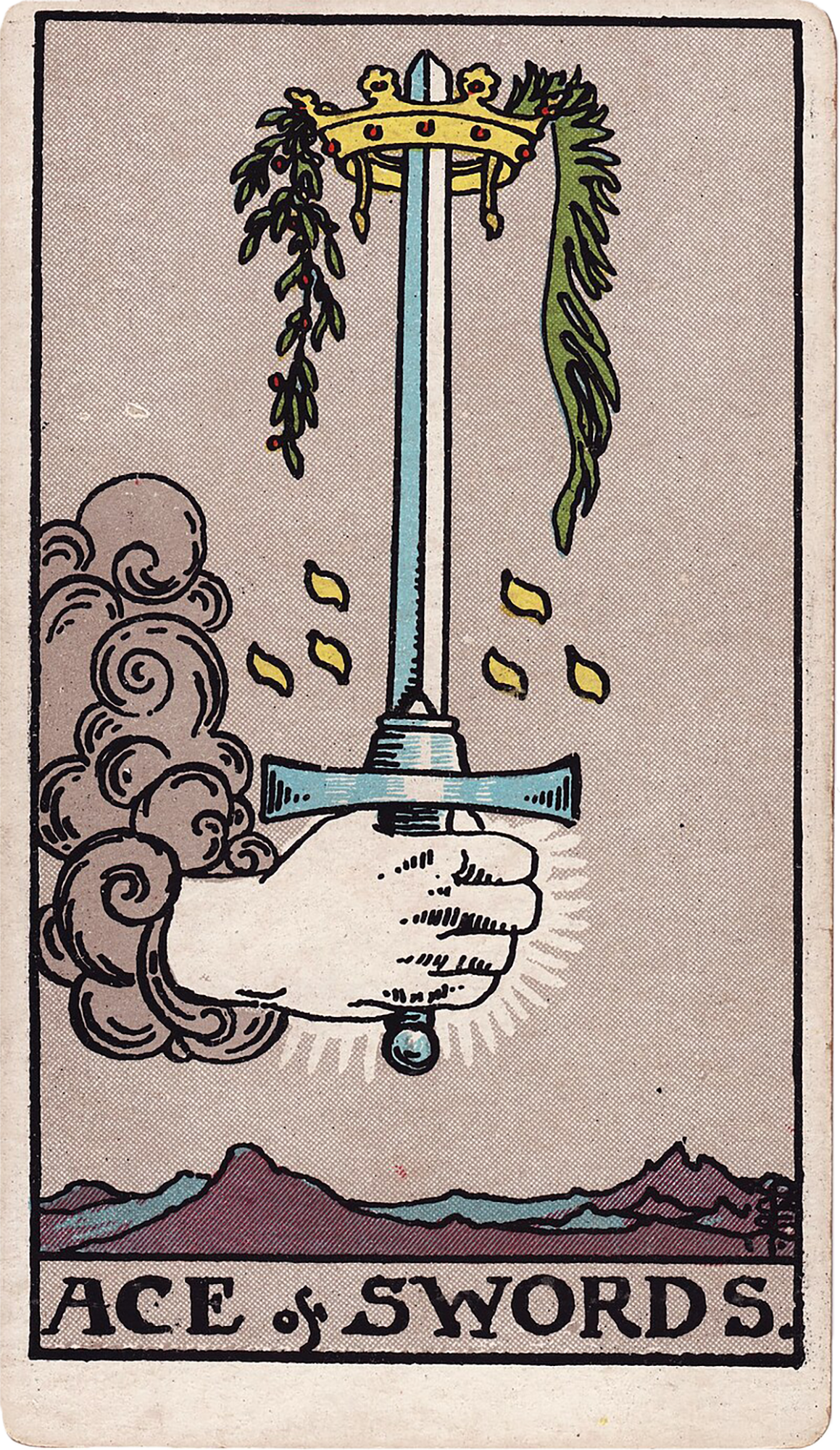 Ace of Swords
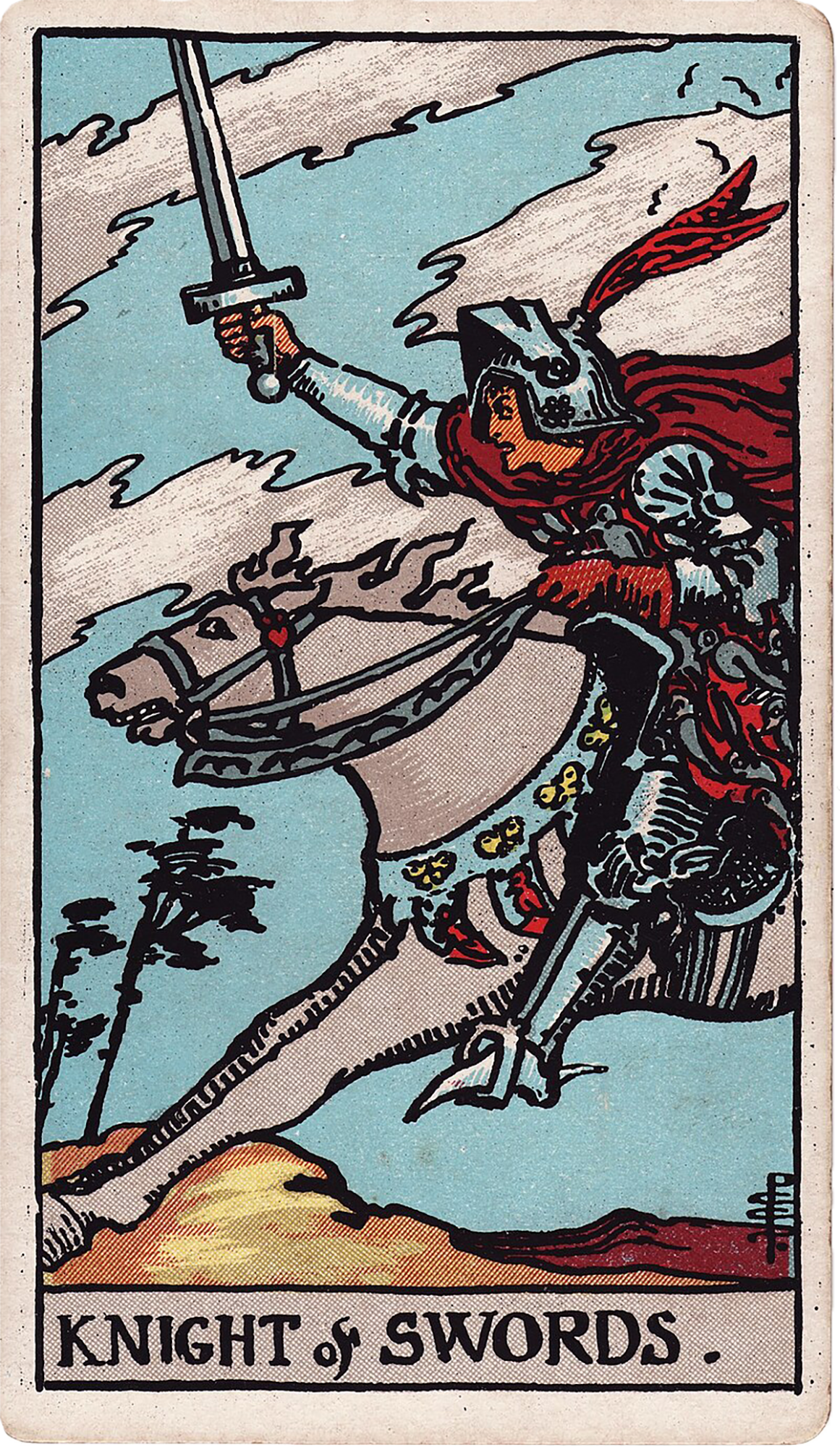 Knight of Swords
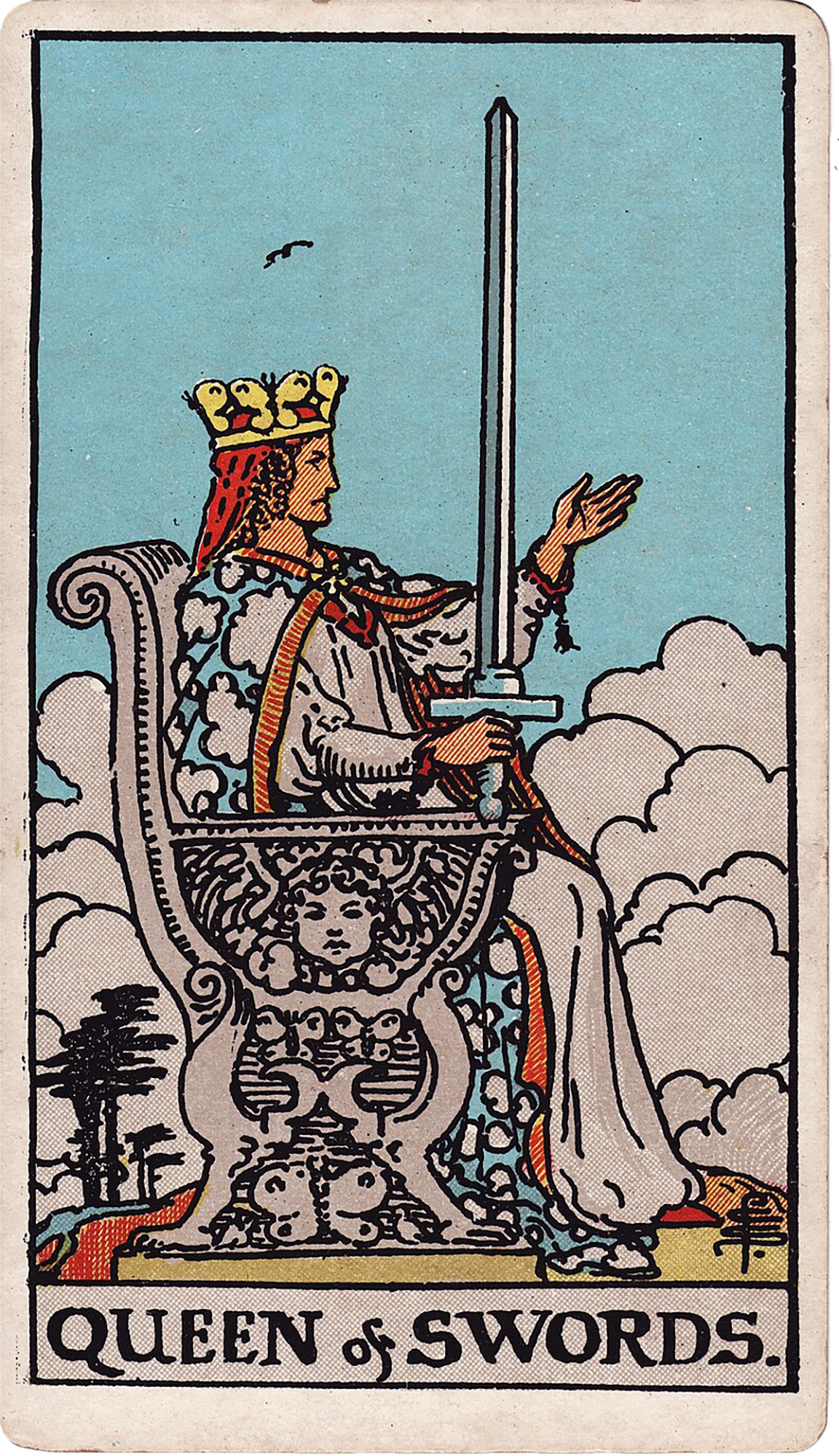 Queen of Swords
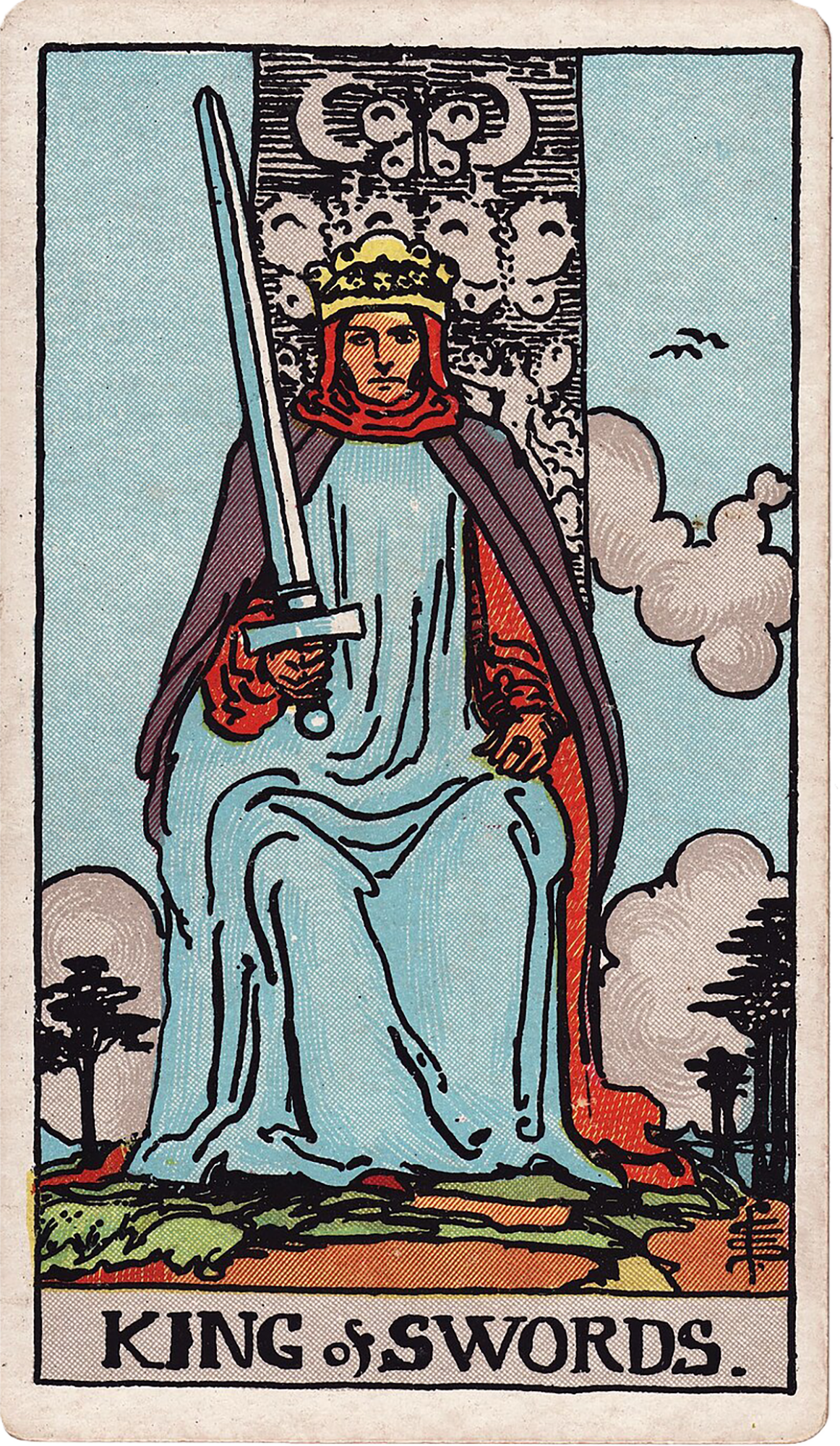 King of Swords
Introduction to the Suit of Swords and Its Elemental Foundations
The Suit of Swords is traditionally associated with the Air element, symbolizing intellect, communication, ideas, and the mental processes that shape our understanding of the world. This elemental association is central to comprehending the suit’s thematic focus on thought, truth, conflict, and clarity. In Tarot, swords represent the power to cut through illusions and confusion, much like the sharp edge of a blade. However, this power is double-edged — capable of both illumination and harm. Understanding this balance is essential for interpreting the cards practically and ethically in readings.
Symbolic Overview of the Ace of Swords
The Ace of Swords embodies the genesis of clear insight and intellectual breakthroughs. Traditional Rider-Waite-Smith imagery shows a single upright sword piercing through a crown of laurel and palm, symbols of victory and triumph. The card’s upright meaning highlights decisive communication, truth cutting through confusion, and the emergence of new ideas that demand practical action. When reading the Ace of Swords upright, consider how clarity might be emerging in the querent’s situation and what mental or verbal actions can reinforce this constructive energy. Conversely, the reversed Ace of Swords warns of confusion, misuse of logic, or harsh communication turning truth into a weapon. This reversal invites reflection on internal mental blockages or external misunderstandings. It encourages readers to look for where thought patterns might be distorted or where the querent’s intellectual clarity is compromised, signaling a need to simplify or recalibrate the approach to truth.
Dynamics of Action and Intellect in the Knight of Swords
The Knight of Swords vividly portrays swift, courageous action driven by intellect and clear purpose. The Rider-Waite-Smith image often depicts a knight charging forward with sword raised, symbolizing decisiveness and the urge to cut through delays or obstacles. Upright, this card encourages bold communication and strategic action in the mental realm. It highlights a dynamic phase where thought and speech must be aligned with rapid decision-making. In reversal, the Knight of Swords cautions against recklessness, tunnel vision, or aggressive verbal force that overlooks nuance. This card’s reversed meaning emphasizes the importance of tempering intellectual energy with awareness and patience, as moving too fast without reflection may cause harm or misjudgment. Both positions invite the reader to assess how mental energy is being directed and whether it serves clarity or chaos.
The Queen of Swords as a Figure of Clear-Minded Independence
The Queen of Swords represents mature intellect balanced with emotional honesty and clear boundaries. Traditional symbolism in the Rider-Waite-Smith deck shows a queen seated on her throne, sword upright, eyes clear and focused, embodying independent thought and truthful communication without cruelty. Upright, she encourages the querent to speak honestly and maintain personal integrity while navigating complex emotional or intellectual challenges. Reversed, the Queen of Swords highlights the pitfalls of bitterness, excessive criticism, or emotional withdrawal behind a mask of intellect. This state points to struggles with integrating feelings and thoughts, suggesting that the querent may use sharp words defensively or avoid emotional complexity. The card teaches the importance of balancing intellect with compassion for sustainable clarity.
King of Swords and the Archetype of Strategic Intellectual Authority
The King of Swords symbolizes authoritative mental clarity, strategic judgment, and principled decision-making. In Rider-Waite-Smith imagery, the king holds his sword upright, a symbol of justice and intellectual power, while his gaze exudes calm control and rationality. Upright, the King advises approaching situations with evidence-based reasoning, fairness, and the discipline to hold intellectual authority responsibly. When reversed, the King of Swords warns against intellectual arrogance, cold detachment, manipulation, or abuse of power through mental means. This reversal asks readers to identify where authority may be misapplied, where communication is weaponized, or where empathy is sacrificed for control. It encourages returning to balanced, ethically grounded use of intellect.
Practical Reading Techniques for the Suit of Swords
When working with the Suit of Swords, it is crucial to remember that these cards primarily speak to the mental and communicative dimensions of life. To read them effectively, start by observing the card’s position in the spread and its relationship to other cards, noting whether the swords’ energy is initiating, building tension, or moving toward resolution. Identify whether the card is upright or reversed, but avoid treating reversals as simple opposites. Instead, consider where thought processes, communication, or conflicts may have become stuck or unhealthy. Ask questions like: What mental habits need reexamination? How can clarity be restored? What truths need honest expression? Use the supplied cards — Ace, Knight, Queen, and King of Swords — as anchor points. For example, if the Knight of Swords appears alongside the Queen of Swords reversed, the reading might highlight a clash between rushed decisions and harsh, defensive communication, suggesting a need for greater balance and reflection before acting.
Common Mistakes and How to Avoid Them in Interpretation
A frequent error when interpreting the Suit of Swords is to focus solely on conflict or negativity since swords often signify struggle or pain. While these aspects exist, the suit also embodies valuable mental strengths: clarity, decisive action, and truth. Another mistake is to treat reversals as direct opposites instead of nuanced indicators of where energy is blocked or imbalanced. For example, the reversed Ace of Swords is not simply confusion but may point to misunderstood logic or internal conflict that needs acknowledgment. It is also important to consider context and surrounding cards. Assuming a Sword card always indicates external conflict ignores its role in internal mental processes or communication challenges. Avoid reading the suit as predicting fixed outcomes; instead, use it to highlight mental patterns, decisions, and communication styles that can be consciously addressed for greater insight and clarity.
Integrating Symbolism and Elemental Associations for Deeper Insight
The Air element’s qualities of intellect, detachment, and movement are key to understanding the Suit of Swords’ symbolism. Air moves invisibly but powerfully, just like thoughts and words. Each supplied card illustrates this: - The Ace of Swords represents the birth of an idea or truth, the sharpness of Air’s cutting clarity. - The Knight of Swords shows Air in motion—swift, courageous, sometimes impulsive. - The Queen of Swords embodies Air’s clarity tempered with emotional awareness and boundaries. - The King of Swords personifies Air’s authority and strategic judgment. Visual cues like the single upright sword in the Ace, the charging knight’s raised blade, and the poised swords of the Queen and King are all expressions of the Air element’s penetrating power. Recognizing this elemental underpinning helps readers move beyond surface meanings to explore how mental clarity and communication shape the querent’s experience.
Reflection and Application for Learners and Practitioners
To deepen your understanding and practical use of the Suit of Swords, reflect on how the themes of thought, communication, conflict, and clarity manifest in your own life or those you read for. Practice interpreting the supplied cards by placing them in sample spreads and observing how their upright and reversed meanings interact with other cards. Ask yourself: - How do I cut through confusion or mental fog? - Where might I be using truth as a weapon rather than a tool? - When does intellectual energy help, and when does it hinder? By continuously connecting the symbolic imagery and elemental associations to lived experience and reading practice, you develop a nuanced, balanced approach to the Suit of Swords that supports genuine insight and clarity.
Practice questions
• In what ways do the Air element qualities of intellect and communication influence the meaning of the Suit of Swords in your readings?
• How can the upright and reversed meanings of the Ace of Swords guide a querent toward practical clarity rather than abstract ideals?
• What lessons about swift mental action and its potential pitfalls does the Knight of Swords provide in both positions?
• How does the Queen of Swords model balanced communication that honors truth without unnecessary cruelty?
• What ethical considerations arise from the King of Swords’ role as intellectual authority, especially when reversed?
• How can you avoid common misinterpretations of the Suit of Swords related to conflict and negativity?
• In what ways can observing the elemental symbolism deepen your interpretative insight when reading Sword cards?
Comments
Sign in to comment.
Continue learning
Harnessing the Power of The Magician and Ace of Wands: Igniting Creativity and Manifestation in Tarot Readings
The combination of The Magician and the Ace of Wands in tarot readings offers a potent blend of creative energy and manifestation power. This article delves into the ways these car...
Advanced Techniques for Combining The Moon and The Star to Enhance Intuition in Tarot Readings
This article explores advanced techniques to combine the symbolism and energy of The Moon and The Star Tarot cards to enhance intuition during Tarot readings. Drawing from traditio...
Enhancing Clarity in Complex Choices with the Five Card Cross Tarot Spread
The Five Card Cross Tarot Spread is a practical tool designed to clarify complex choices by breaking down the decision into manageable parts. This article explores each position in...
Tracing the Origins and Evolution of The Fool Card in Tarot History
The Fool card holds a foundational place in tarot tradition, symbolizing beginnings, openness, and the embrace of uncertainty. This article traces its origins from early European d...
Understanding The Hermit Card in Solitude Reflection and Guidance
This article offers an in-depth exploration of The Hermit tarot card as a single-card reading in different contexts such as love, career, money, advice, challenge, person, outcome,...
Unlocking the Creative Flow with The Magician and The Empress in Tarot Combinations
This article delves into the powerful synergy between The Magician and The Empress in Tarot combinations, focusing on how their combined symbolism unlocks creative flow across vari...
Using the Seven Card Horseshoe Spread to Uncover Career Growth and Opportunity
This article presents an in-depth guide to the Seven Card Horseshoe Tarot Spread with a focus on career growth and opportunity. Using the cards The Fool, The Magician, The Empress,...
Understanding the Many Facets of The Moon in Emotional and Intuitive Tarot Readings
The Moon card in the Tarot deck embodies themes of intuition, uncertainty, dreams, and emotional complexity. This article offers a comprehensive exploration of The Moon’s upright a...
Unlocking Advanced Intuition Techniques Using The High Priestess The Moon and The Hermit
This article examines advanced intuition development in tarot reading by focusing on The High Priestess, The Moon, and The Hermit cards. It offers practical techniques for beginner...
Mastering Intuition with The High Priestess The Hermit and The Moon in Tarot Readings
This article delves into mastering intuition through three powerful Tarot cards: The High Priestess, The Hermit, and The Moon. It guides readers from beginner to advanced reading t...