
Exploring the Symbolism and Elemental Correspondences of the Suit of Cups for Emotional Insight
The Suit of Cups in Tarot is a rich source of emotional insight, deeply connected with water as its elemental correspondence. This article explores the symbolism embedded in Cups cards, focusing on the Ace, Knight, Queen, and King of Cups, using traditional Rider-Waite-Smith imagery and the practical reading guidance provided by the VoxFati Tarot Library. Readers will learn how to interpret upright and reversed meanings, understand common pitfalls in emotional readings, and apply structured techniques to access intuitive understanding and relational dynamics through the cards. The article emphasizes the importance of situational context and card interplay for a nuanced emotional interpretation.
Cards explored in this article
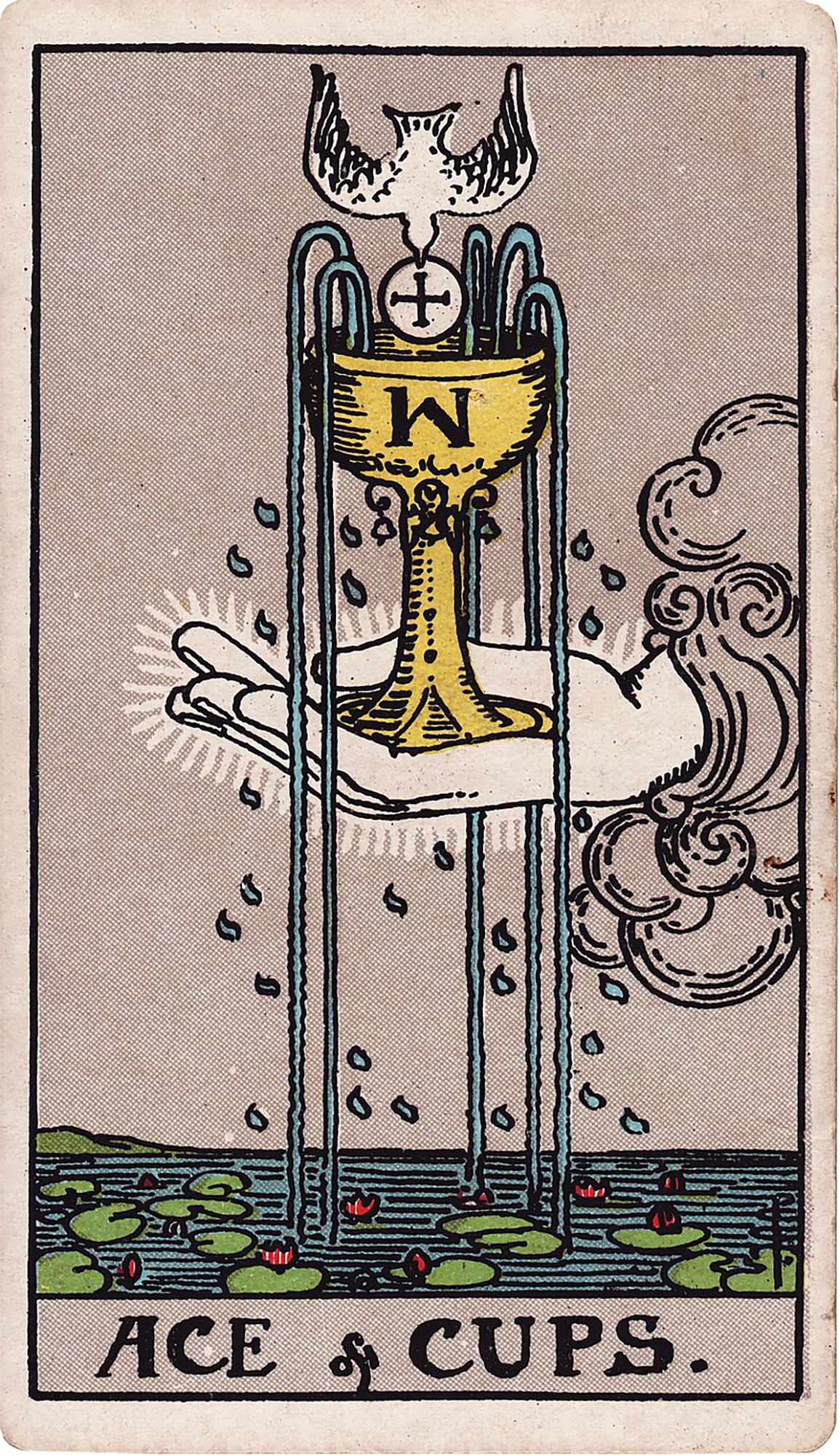 Ace of Cups
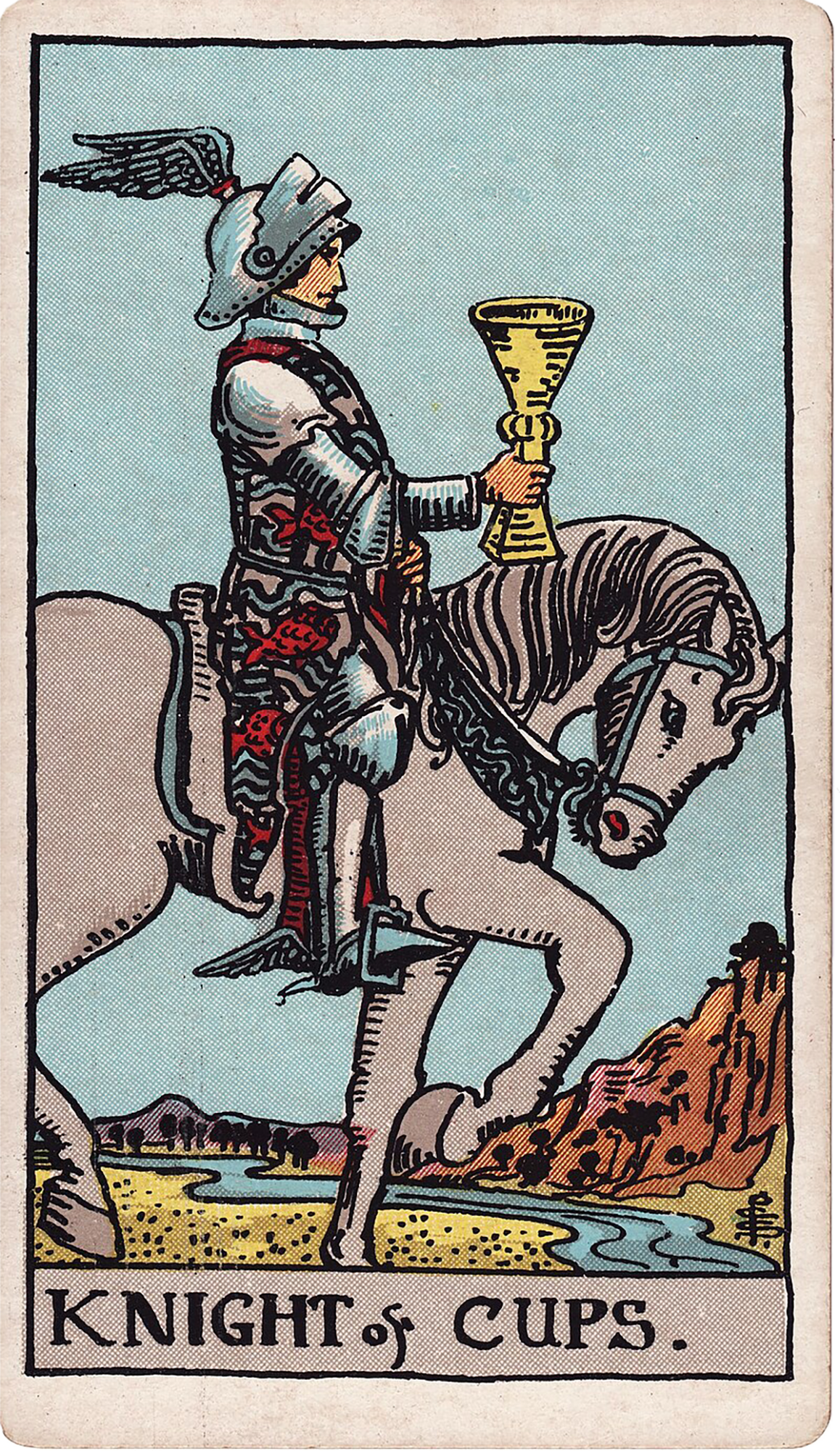 Knight of Cups
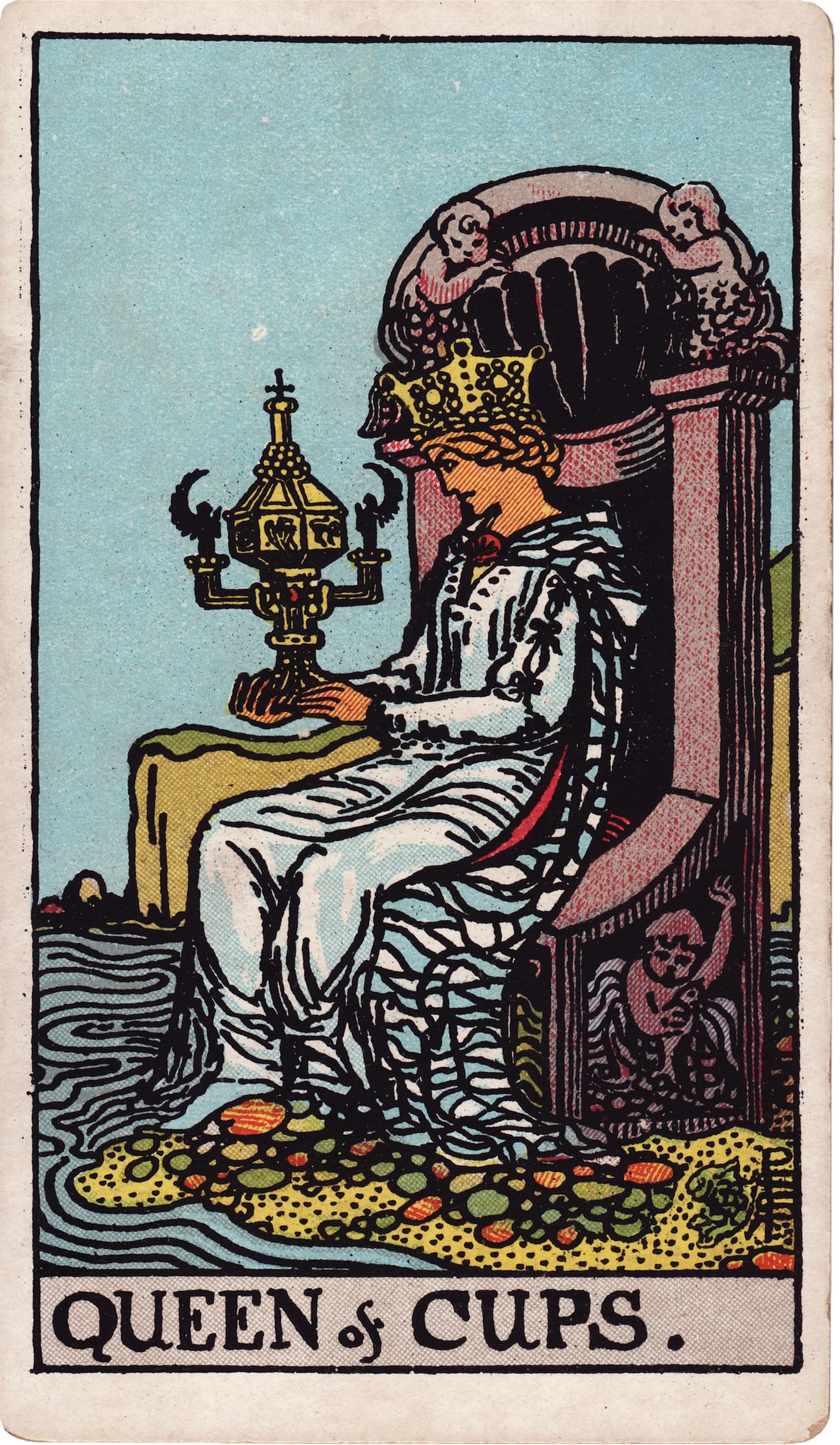 Queen of Cups
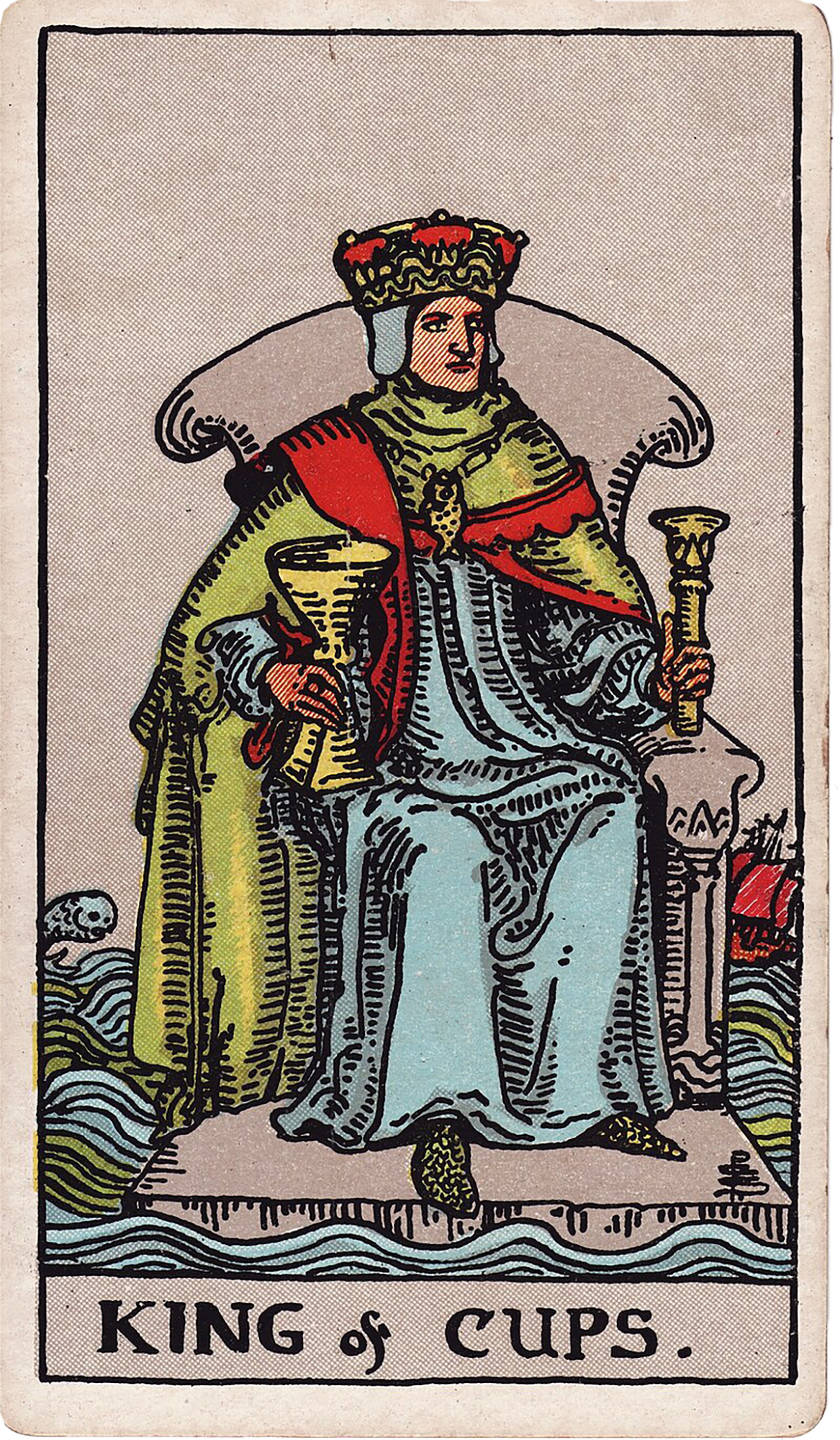 King of Cups
Introduction to the Suit of Cups and Its Elemental Symbolism
The Suit of Cups in the Tarot deck is traditionally linked with the element of water, representing the emotional and intuitive realms of human experience. Water is fluid, adaptable, and deeply connected to subconscious currents, making Cups the ideal suit for exploring feelings, relationships, empathy, and creative receptivity. In the Rider-Waite-Smith tradition, Cups are often depicted as chalices or goblets, containers symbolizing how emotions are held, expressed, or withheld. Understanding this elemental symbolism is vital for interpreting the cards in a way that resonates with emotional insight rather than fixed predictions.
Core Symbolism of the Ace of Cups
The Ace of Cups is a powerful symbol of emotional beginnings and openings. Its imagery typically shows a hand emerging from a cloud, holding a cup overflowing with water, often with a dove descending toward it, symbolizing divine love and spiritual intuition. Upright, the Ace of Cups invites acknowledgment of affection, compassion, or creative feeling that seeks expression and response. It is practical in nature—it asks the reader to notice where emotional receptivity is currently possible and what actions will nurture this growth. When reversed, the Ace of Cups indicates emotional blockage or depletion, signaling that the natural flow of feeling is interrupted. This may reflect fear of vulnerability or internal struggles. Rather than assuming a simple 'negative' meaning, it encourages the reader to identify where the emotional process is stuck and what needs to be addressed to restore balance.
Emotional Movement Reflected in the Knight of Cups
The Knight of Cups is traditionally associated with the pursuit of what the heart values, often depicted as a figure riding a horse with a cup held aloft, embodying grace, imagination, and emotional intention. This card’s upright meaning emphasizes active engagement with feelings and relationships, encouraging the querent to follow their emotional truth with integrity and creativity. It represents a stage of developing emotional expression that requires attention to present circumstances rather than idealized visions. When reversed, the Knight warns of emotional idealization or fantasy that divorces feeling from reality, such as empty promises or moodiness. The reversal invites critical reflection on where emotional desires may be unrealistic or where communication may be lacking, and suggests re-centering in authentic emotional experience.
Maturity and Empathy in the Queen of Cups
The Queen of Cups embodies mature emotional receptivity, empathy, and intuitive understanding. Often shown seated calmly with a closed or lidded cup, she represents the container of feelings—holding empathy without being overwhelmed. Her image in the Rider-Waite-Smith deck illustrates a stable, reflective presence tuned deeply into both inner emotions and the moods of others. Upright, the Queen signals a time to cultivate emotional balance, deep listening, and compassionate response. Reversed, she points toward emotional overwhelm, codependency, or difficulty distinguishing between intuition and anxiety. This calls for cultivating boundaries and clarifying emotional perceptions to prevent confusion and emotional depletion.
Steady Emotional Leadership Symbolized by the King of Cups
The King of Cups represents steady emotional leadership—feeling deeply, yet maintaining control and composure. His imagery often features a regal figure seated on a throne surrounded by water, symbolizing mastery over emotional tides without repression or loss of feeling. Upright, the King encourages balanced emotional intelligence, guiding others with empathy and calm reassurance. Reversed, the card suggests emotional manipulation, repression, or withdrawal, where the appearance of calm belies unresolved inner turmoil. Interpreting this card practically involves identifying where emotional honesty is withheld or where mood control becomes a defense, and considering steps toward authentic vulnerability.
Practical Techniques for Reading the Suit of Cups
When working with the Suit of Cups, it is essential to approach emotional readings with sensitivity and openness. Begin by observing the card’s imagery carefully—notice water symbolism, gestures, colors, and surrounding details, which all contribute to the card’s emotional nuance. Use the upright and reversed meanings as guides rather than fixed definitions. Note where the energy is in the emotional process: is it a beginning, development, pressure point, or resolution? Place the Cups card in the context of the spread and the querent’s question, identifying how the card’s energy interacts with others. Avoid common mistakes such as over-intellectualizing feelings or projecting personal emotions onto the querent. Instead, focus on clarity, empathy, and practical steps implied by the card’s message.
Interpreting Upright and Reversed Cups Cards with Emotional Insight
The VoxFati Tarot Library emphasizes the importance of viewing reversed cards not strictly as opposites but as signals of where emotional processes have become stuck or require attention. For example, the upright Ace of Cups shows emotional opening, while the reversed suggests blockage or depletion. The Knight of Cups upright encourages pursuing heartfelt desires, whereas reversed cautions against idealization. The Queen upright promotes emotional maturity; reversed warns of overwhelm or confusion. The King upright exemplifies emotional leadership; reversed indicates manipulation or repression. This approach invites the reader to frame reversals as part of a dynamic emotional journey, asking: What needs simplifying, acknowledging, or releasing? What communication or practice will restore healthier emotional flow?
Applying Symbolism Studies in Family Dynamics and Emotional Contexts
In the field of Symbolism studies, the Suit of Cups can be particularly illuminating when examining family relationships and emotional patterns. Each court card—Knight, Queen, King—can represent family members or emotional roles within a familial system. For instance, the Queen of Cups might symbolize a nurturing, empathetic figure, whereas the King of Cups could represent a stabilizing emotional leader. The Ace of Cups can reveal new emotional phases or openings involving family bonds, while the Knight may point to the pursuit of emotional connection or reconciliation. When reading these cards in family-related spreads, it is valuable to consider both the imagery and elemental correspondences to access deeper understanding of emotional roles and interpersonal dynamics.
Common Challenges and How to Avoid Them
Interpreting Cups cards can be challenging due to their inherently fluid and subjective nature. A common pitfall is confusing emotional intuition with projection—readers may impose their own feelings or desires onto the cards rather than honoring the querent’s experience. Another frequent mistake is treating reversals as purely negative, missing the nuanced message of process and healing. Additionally, focusing too much on abstract ideals instead of practical, situational responses can dilute the card’s guidance. To overcome these challenges, maintain groundedness in the querent’s question, use the symbolism as a guide to emotional processes, and integrate the elemental correspondences to balance intuition with structured interpretation.
Conclusion and Reflection on Emotional Insight Through the Suit of Cups
The Suit of Cups offers a profound toolkit for accessing emotional insight and relational understanding in Tarot practice. By engaging deeply with the elemental symbolism of water and the vivid imagery of cards like the Ace, Knight, Queen, and King of Cups, readers can develop nuanced, compassionate interpretations that honor the complexity of human feeling. Using upright and reversed meanings as dynamic indicators of emotional flow rather than fixed predictions enriches the reading experience. Ultimately, the Suit of Cups invites a journey into empathy, intuition, and balanced emotional expression, making it invaluable for readers seeking to explore the heart’s language through Tarot.
Practice questions
• How does the elemental symbolism of water enhance your understanding of the Suit of Cups?
• In what ways can the upright and reversed meanings of the Ace of Cups guide practical emotional responses?
• How might the Knight of Cups’ pursuit of emotional ideals become a challenge in real-life situations?
• What strategies can you use to differentiate empathy from emotional overwhelm when interpreting the Queen of Cups?
• How can the King of Cups’ portrayal of emotional leadership inform your approach to balancing feeling and composure?
• What steps can you take to avoid projecting your own emotions when reading Cups cards for others?
• How does considering the Suit of Cups in family dynamics deepen your symbolic understanding of emotional roles?
Comments
Sign in to comment.
Continue learning
Harnessing the Power of The Magician and Ace of Wands: Igniting Creativity and Manifestation in Tarot Readings
The combination of The Magician and the Ace of Wands in tarot readings offers a potent blend of creative energy and manifestation power. This article delves into the ways these car...
Advanced Techniques for Combining The Moon and The Star to Enhance Intuition in Tarot Readings
This article explores advanced techniques to combine the symbolism and energy of The Moon and The Star Tarot cards to enhance intuition during Tarot readings. Drawing from traditio...
Enhancing Clarity in Complex Choices with the Five Card Cross Tarot Spread
The Five Card Cross Tarot Spread is a practical tool designed to clarify complex choices by breaking down the decision into manageable parts. This article explores each position in...
Tracing the Origins and Evolution of The Fool Card in Tarot History
The Fool card holds a foundational place in tarot tradition, symbolizing beginnings, openness, and the embrace of uncertainty. This article traces its origins from early European d...
Understanding The Hermit Card in Solitude Reflection and Guidance
This article offers an in-depth exploration of The Hermit tarot card as a single-card reading in different contexts such as love, career, money, advice, challenge, person, outcome,...
Unlocking the Creative Flow with The Magician and The Empress in Tarot Combinations
This article delves into the powerful synergy between The Magician and The Empress in Tarot combinations, focusing on how their combined symbolism unlocks creative flow across vari...
Using the Seven Card Horseshoe Spread to Uncover Career Growth and Opportunity
This article presents an in-depth guide to the Seven Card Horseshoe Tarot Spread with a focus on career growth and opportunity. Using the cards The Fool, The Magician, The Empress,...
Understanding the Many Facets of The Moon in Emotional and Intuitive Tarot Readings
The Moon card in the Tarot deck embodies themes of intuition, uncertainty, dreams, and emotional complexity. This article offers a comprehensive exploration of The Moon’s upright a...
Unlocking Advanced Intuition Techniques Using The High Priestess The Moon and The Hermit
This article examines advanced intuition development in tarot reading by focusing on The High Priestess, The Moon, and The Hermit cards. It offers practical techniques for beginner...
Mastering Intuition with The High Priestess The Hermit and The Moon in Tarot Readings
This article delves into mastering intuition through three powerful Tarot cards: The High Priestess, The Hermit, and The Moon. It guides readers from beginner to advanced reading t...