
Exploring the Symbolism and Elemental Significance of the Four Tarot Suits for Deeper Insight
This article explores the rich symbolism and elemental correspondences of the four tarot suits — Wands, Cups, Swords, and Pentacles — focusing specifically on the Ace cards from each suit as illustrated in the VoxFati Tarot Library. By analyzing the upright and reversed meanings of the Ace of Wands, Ace of Cups, Ace of Swords, and Ace of Pentacles, readers learn how to connect traditional Rider-Waite-Smith imagery with practical reading techniques. The article guides learners through interpreting elemental energies, recognizing developmental stages in a spread, and avoiding common pitfalls in suit symbolism. Reflection questions encourage personal engagement, and the article situates the suits within broader symbolism studies and family symbolism frameworks for a comprehensive understanding.
Cards explored in this article
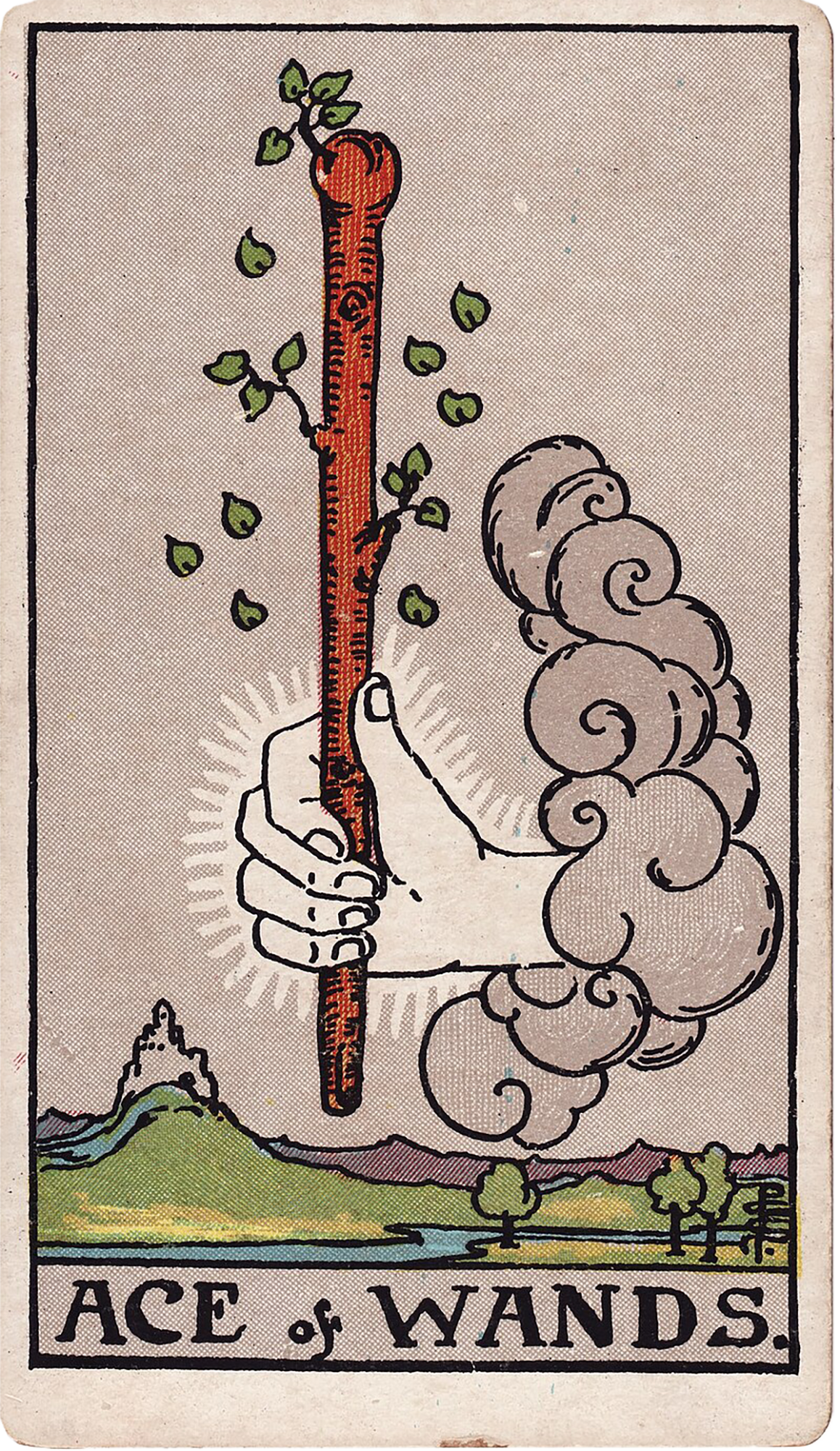 Ace of Wands
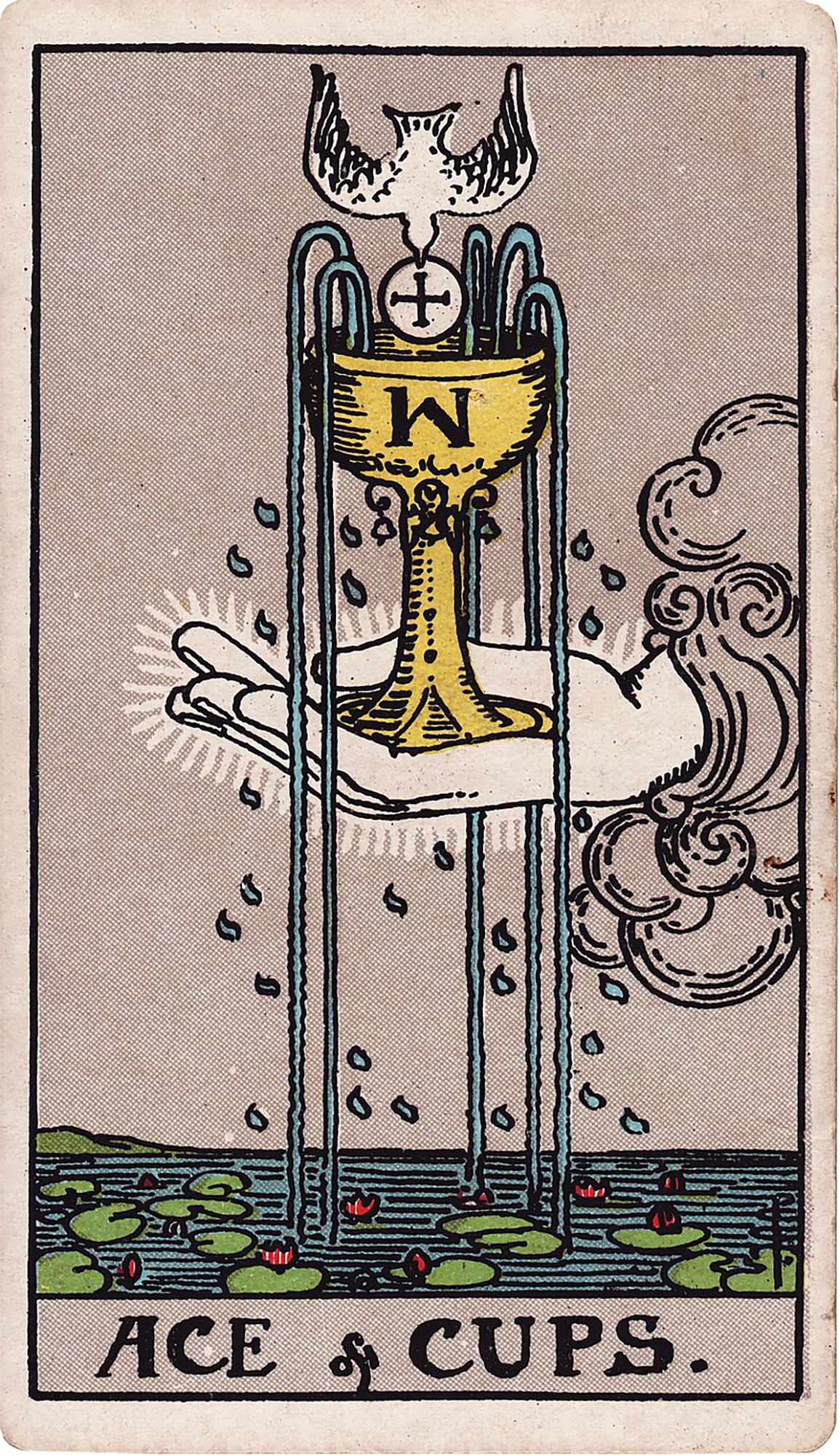 Ace of Cups
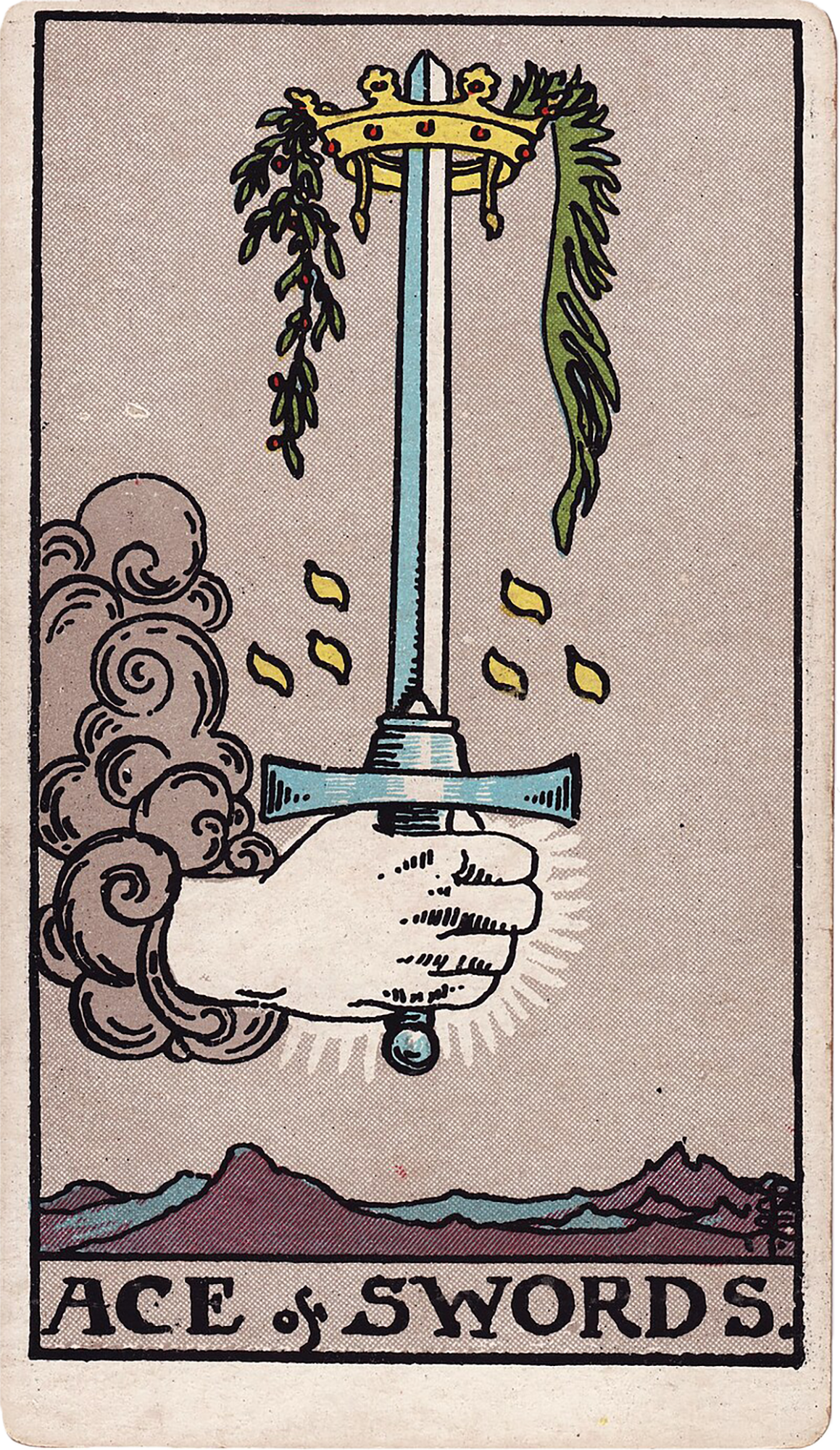 Ace of Swords
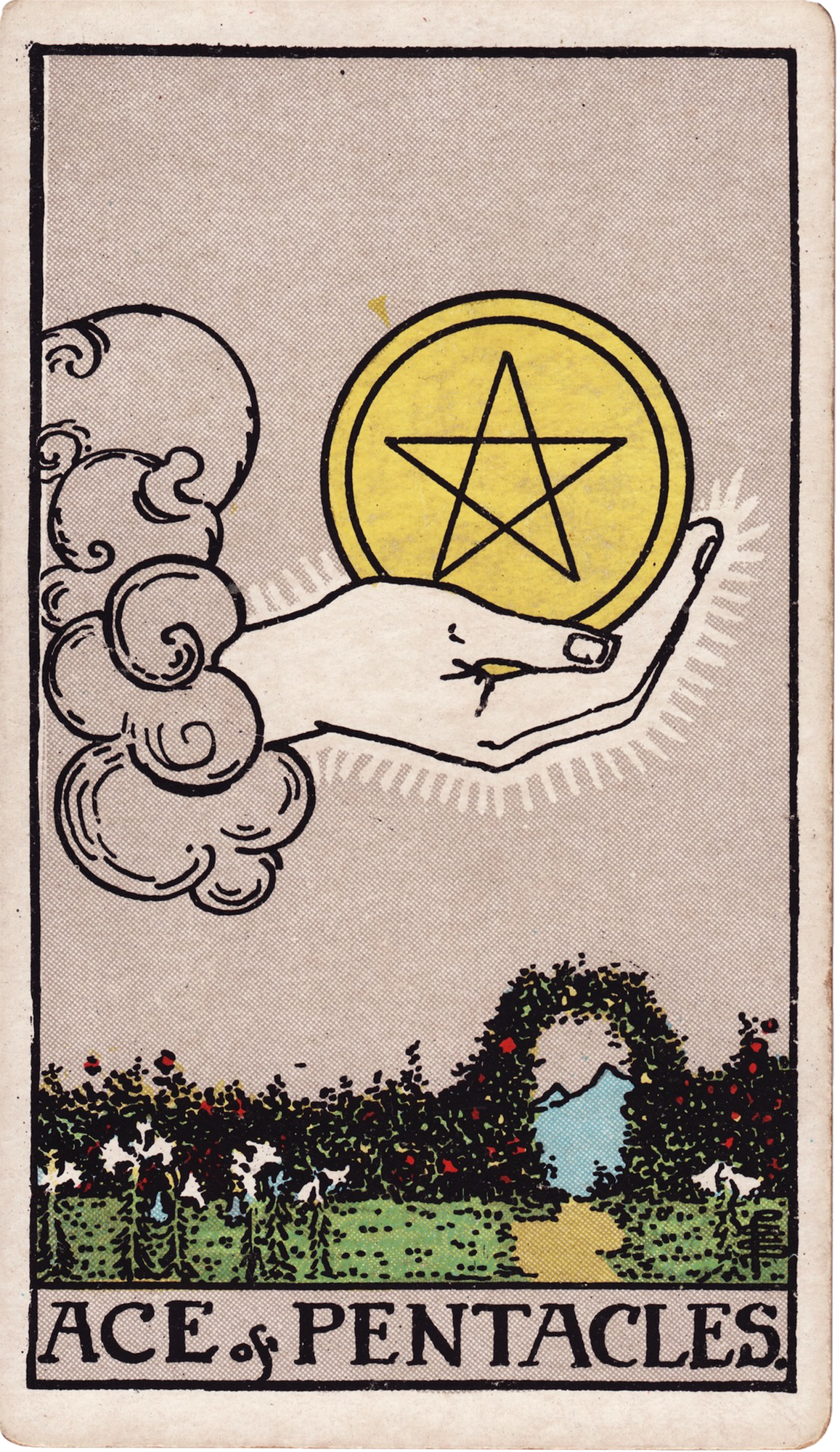 Ace of Pentacles
Introduction to Tarot Suit Symbolism and Elemental Foundations
The four suits in tarot—Wands, Cups, Swords, and Pentacles—represent fundamental aspects of life and human experience. Each suit corresponds to a classical element: Wands to fire, Cups to water, Swords to air, and Pentacles to earth. These elemental associations provide a framework for interpreting the cards’ meanings, reflecting how energy moves and manifests in different domains. Understanding this elemental symbolism is crucial for deepening insight into tarot readings, as it helps clarify the nature of challenges and opportunities presented by the cards. The VoxFati Tarot Library’s inclusion of the Ace cards from each suit allows learners to explore the birth or inception stage of each elemental energy. The Ace cards symbolize the pure essence of their suit’s qualities, making them ideal starting points for studying elemental symbolism and its practical interpretation.
The Ace of Wands and the Fire Element: Motivation and Creative Impulse
The Ace of Wands, aligned with the fire element, is a card of dynamic energy and new beginnings in the realm of motivation, creativity, and ambition. In the upright position, it highlights a fresh impulse ready for manifestation—an opportunity to take the first practical action before enthusiasm fades. The imagery often features a hand holding a budding wand, symbolizing potential energy waiting to be harnessed. Practically, when the Ace of Wands appears, it invites the querent to identify where in their life a creative spark or ambitious idea is emerging. The card asks for tangible steps rather than abstract dreaming, emphasizing initiative and identity. Reversed, this card signals blocked inspiration or premature action, scattered energy, or inner conflict about whether to proceed. It encourages the reader to examine where motivation has stalled and what habits or fears need addressing to restore healthy fire energy. In readings, positioning the Ace of Wands alongside other cards can indicate whether the creative energy is nascent, building, under pressure, or resolving. For example, if surrounded by cards denoting challenges or delays, the card’s message might be to carefully time the initiative rather than rush.
The Ace of Cups and the Water Element: Emotional Opening and Intuitive Flow
The Ace of Cups embodies the water element, symbolizing the opening of emotional fields, affection, compassion, and intuitive receptivity. Upright, it signals a new opportunity to connect with feeling—whether through relationships, creativity, or spiritual insight. The traditional Rider-Waite-Smith imagery often depicts a cup overflowing with water, emblematic of abundant emotional energy ready to be shared or received. This card reminds readers to respond to emotional cues in a way that suits their current stage, fostering openness and vulnerability. It invites exploration of where emotional patterns are emerging and what actions can nurture healthy relationships or self-understanding. In reversal, the Ace of Cups points to emotional blocks, depletion, or fear of vulnerability. It warns against emotional suppression or unhealthy channeling of feelings. The reversed card invites a reflective, internal examination to identify what emotions need acknowledgment or release. During practical readings, the Ace of Cups’ position can highlight whether emotional energy is beginning to flow, overwhelmed, or in need of recalibration. It encourages readers not to rush emotional healing but to honor the process.
The Ace of Swords and the Air Element: Clarity, Insight, and Intellectual Breakthrough
Aligned with the air element, the Ace of Swords represents mental clarity, decisive communication, and breakthroughs that cut through confusion. Its traditional depiction of a single upright sword crowned by a wreath underscores the theme of triumph through clear thought and truth. Upright, this Ace signals new insights or conversations that offer solutions or strategic advantage. It encourages practical engagement with intellectual skills such as logic, decision-making, and conflict resolution. This card asks the reader to identify where mental clarity can be applied to a current situation and what actions will harness this energy effectively. Reversed, the Ace of Swords warns of harshness, misused logic, confusion, or premature judgments. It suggests that intellectual energy is either too rigid or too scattered, or that truth is wielded destructively rather than constructively. This reversal invites introspection into communication patterns and thought processes that may be harming rather than helping. In readings, noting the Ace of Swords’ interactions with other cards helps gauge if clarity is emerging or if misunderstandings need addressing. It is a potent card for strategic thinking but also demands ethical use of mental power.
The Ace of Pentacles and the Earth Element: Practical Opportunity and Material Foundations
The Ace of Pentacles symbolizes the earth element, emphasizing tangible beginnings, resources, and practical opportunities. The Rider-Waite-Smith imagery typically shows a hand presenting a gold coin or pentacle, grounded in nature and symbolizing potential for material growth, work, health, and stability. When upright, this card invites the querent to recognize where new, practical beginnings are possible and to respond with consistent care and effort. It encourages laying down a solid foundation for long-term success rather than chasing quick results. Reversed, the Ace of Pentacles draws attention to missed opportunities, poor planning, or scarcity mentality. It warns against expecting rewards without effort and highlights areas where establishing a workable foundation has failed. This reversal signals the need to reassess priorities and ground intentions realistically. In spreads, the Ace of Pentacles can indicate stages of material development, from initial opportunity to growth or stagnation. Readers should look for complementary cards that suggest whether the effort will yield lasting benefits or if caution is warranted.
Technique for Interpreting Elemental Suits Using the Ace Cards
To effectively interpret the elemental suits via the Ace cards, readers should start by identifying the core energy each suit represents: fire (Wands), water (Cups), air (Swords), and earth (Pentacles). The Aces distill these energies into their purest actionable form, making them ideal for spotting where new energy or opportunity is emerging. Begin by noting whether each Ace appears upright or reversed. Instead of treating the reversed meaning as simply the opposite, consider where the process linked to that element has become stuck or distorted. Ask: What needs to be simplified, acknowledged, practiced, released, or communicated for a healthier expression? Next, contextualize the Ace’s elemental energy within the querent’s situation by observing surrounding cards. Are the elements supported or challenged? Is the energy building, under pressure, or resolving? This helps clarify the stage of development and practical steps. Another key technique is to align the Ace’s elemental qualities with the querent’s expressed challenges or goals. For example, if the question involves career, the Ace of Pentacles might be particularly relevant. For emotional issues, the Ace of Cups provides guidance on opening and receptivity. Using the VoxFati Tarot Library’s detailed meanings for each Ace, readers can anchor interpretations in both traditional symbolism and modern practical advice, ensuring readings remain grounded and actionable.
Common Mistakes and How to Avoid Them
A frequent error when working with the suits is oversimplifying reversed cards as merely negative or failed energies. The VoxFati approach encourages nuanced examination of where the energy is stuck rather than dismissing reversals outright. Another mistake is ignoring the elemental significance and reading cards purely as abstract concepts. Integrating elemental meaning helps readers understand how energy flows and where blockages might occur. Beginners often struggle with balancing abstract ideals and practical actions. The Ace cards in VoxFati specifically emphasize fitting responses to the present stage rather than idealized outcomes, which helps keep interpretations realistic. Additionally, not considering the surrounding cards can lead to misreading the stage of energy development. Always interpret the Aces in context to clarify whether the energy is just emerging, building momentum, or facing obstacles. Lastly, readers sometimes fail to connect the suit’s symbolism to the querent’s specific situation. Tailoring interpretations by linking elemental themes to real-life domains (creativity, emotion, intellect, material) enriches insights and practical guidance.
Practical Reading Method for Deeper Symbolic Insight
When the Ace of any suit appears in a spread, approach it as a signal of new energy or opportunity linked to that element’s domain. Start by identifying the suit and element, then note upright or reversed meaning as outlined by the VoxFati Tarot Library. Ask the querent about current experiences related to that element: Where do you feel new inspiration or blockage? What practical actions can you take to nurture this energy right now? Use the card’s imagery to enhance interpretation—observe symbols like the flame in Wands, water in Cups, sword in Swords, and coin in Pentacles. These visual cues help ground abstract concepts in tangible forms. Examine nearby cards for support or challenges, noting if the elemental energy is evolving or being pressured. This helps determine whether to encourage initiation, patience, healing, or reassessment. Finally, invite the querent to reflect on how the card’s message applies to their life stage, reminding them that Aces represent beginnings and require active engagement to develop fully.
Practice questions
• How does understanding the elemental correspondences of each tarot suit enhance your intuitive reading abilities?
• In what ways can the Ace cards help you identify the current stage of energy development in a querent’s life?
• How might reversed Ace cards provide insight into internal blockages rather than external failures?
• What practical steps can you recommend when the Ace of Pentacles appears reversed to help establish a more stable foundation?
• How can you use the imagery of the Ace of Cups to deepen your understanding of emotional openness in a reading?
Comments
Sign in to comment.
Continue learning
Harnessing the Power of The Magician and Ace of Wands: Igniting Creativity and Manifestation in Tarot Readings
The combination of The Magician and the Ace of Wands in tarot readings offers a potent blend of creative energy and manifestation power. This article delves into the ways these car...
Advanced Techniques for Combining The Moon and The Star to Enhance Intuition in Tarot Readings
This article explores advanced techniques to combine the symbolism and energy of The Moon and The Star Tarot cards to enhance intuition during Tarot readings. Drawing from traditio...
Enhancing Clarity in Complex Choices with the Five Card Cross Tarot Spread
The Five Card Cross Tarot Spread is a practical tool designed to clarify complex choices by breaking down the decision into manageable parts. This article explores each position in...
Tracing the Origins and Evolution of The Fool Card in Tarot History
The Fool card holds a foundational place in tarot tradition, symbolizing beginnings, openness, and the embrace of uncertainty. This article traces its origins from early European d...
Understanding The Hermit Card in Solitude Reflection and Guidance
This article offers an in-depth exploration of The Hermit tarot card as a single-card reading in different contexts such as love, career, money, advice, challenge, person, outcome,...
Unlocking the Creative Flow with The Magician and The Empress in Tarot Combinations
This article delves into the powerful synergy between The Magician and The Empress in Tarot combinations, focusing on how their combined symbolism unlocks creative flow across vari...
Using the Seven Card Horseshoe Spread to Uncover Career Growth and Opportunity
This article presents an in-depth guide to the Seven Card Horseshoe Tarot Spread with a focus on career growth and opportunity. Using the cards The Fool, The Magician, The Empress,...
Understanding the Many Facets of The Moon in Emotional and Intuitive Tarot Readings
The Moon card in the Tarot deck embodies themes of intuition, uncertainty, dreams, and emotional complexity. This article offers a comprehensive exploration of The Moon’s upright a...
Unlocking Advanced Intuition Techniques Using The High Priestess The Moon and The Hermit
This article examines advanced intuition development in tarot reading by focusing on The High Priestess, The Moon, and The Hermit cards. It offers practical techniques for beginner...
Mastering Intuition with The High Priestess The Hermit and The Moon in Tarot Readings
This article delves into mastering intuition through three powerful Tarot cards: The High Priestess, The Hermit, and The Moon. It guides readers from beginner to advanced reading t...