
Exploring the Symbolism and Elemental Significance of the Suit of Cups in Tarot
This article offers an in-depth exploration of the Suit of Cups within the Tarot, emphasizing its elemental association with water and its thematic focus on emotion, relationships, and intuition. Using the provided cards—the Ace of Cups, 2 of Cups, Queen of Cups, and King of Cups—as focal points, it explains their traditional symbolism, upright and reversed interpretations, and practical applications in readings. The discussion includes techniques for interpreting Cups cards with an emphasis on emotional dynamics, common interpretive pitfalls, and methods to ground abstract symbolism in everyday contexts. Readers will gain a nuanced understanding of how the Suit of Cups reflects internal emotional processes and external relational patterns, enhancing their Tarot study and practice.
Cards explored in this article
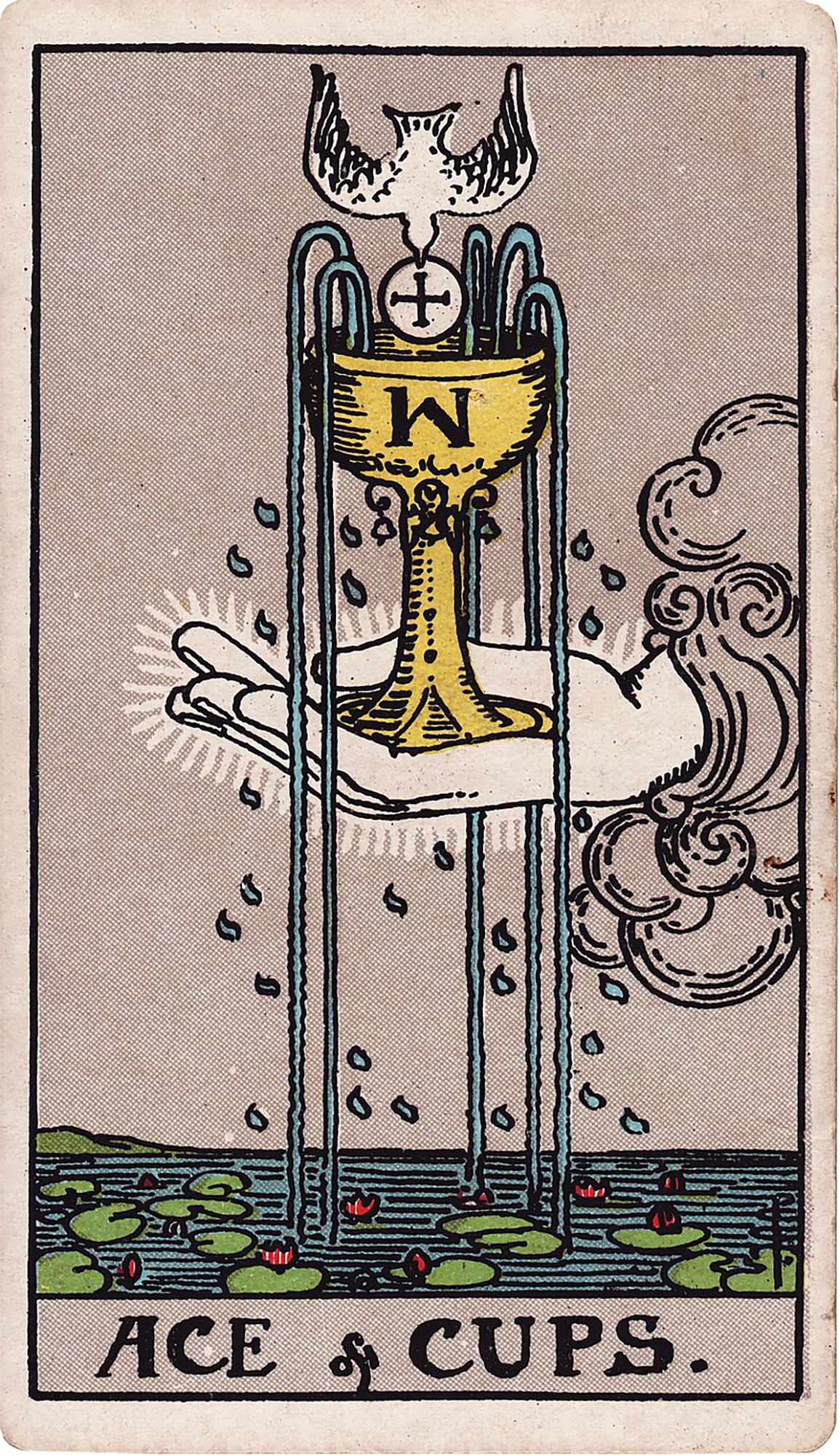 Ace of Cups
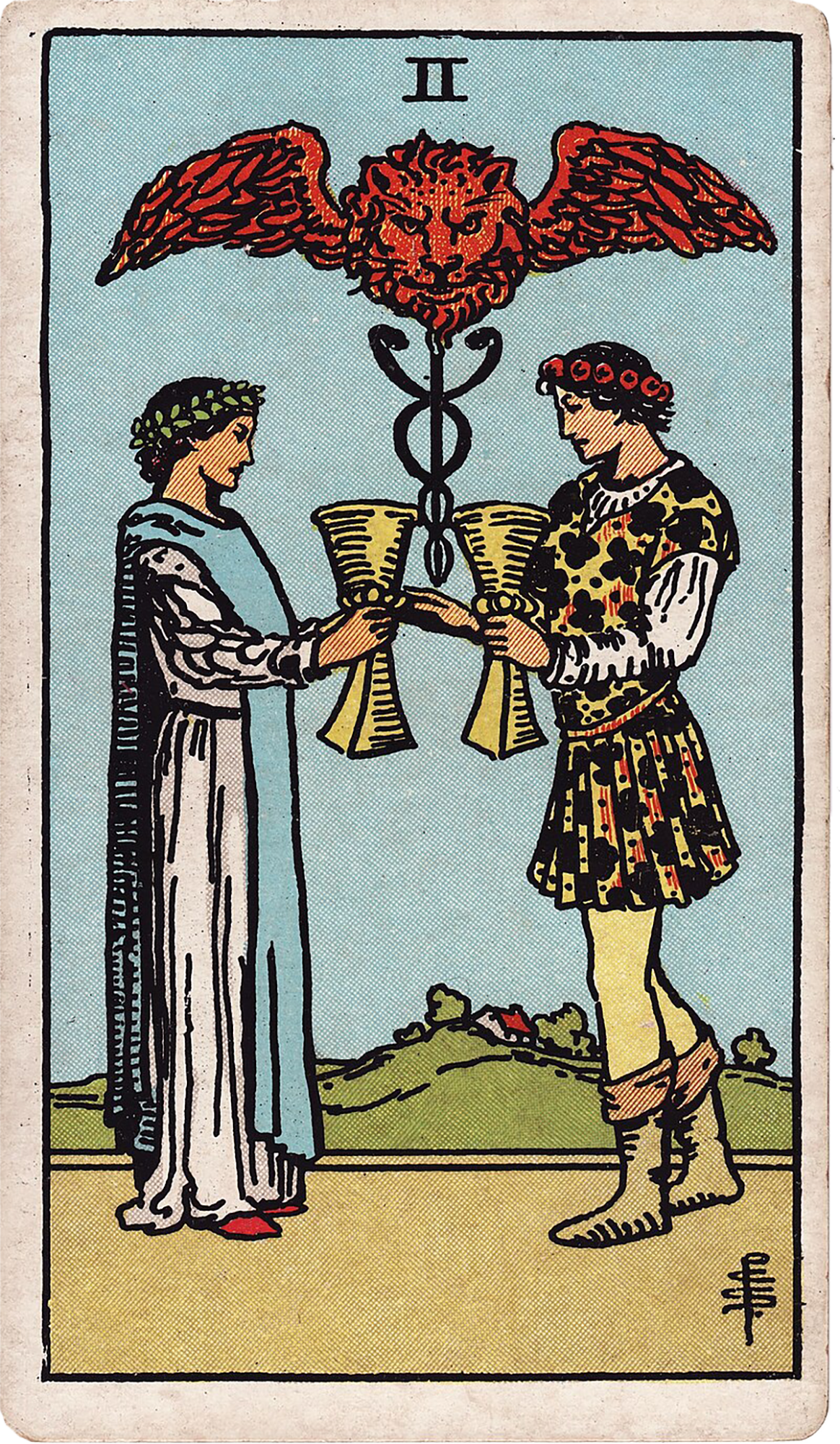 2 of Cups
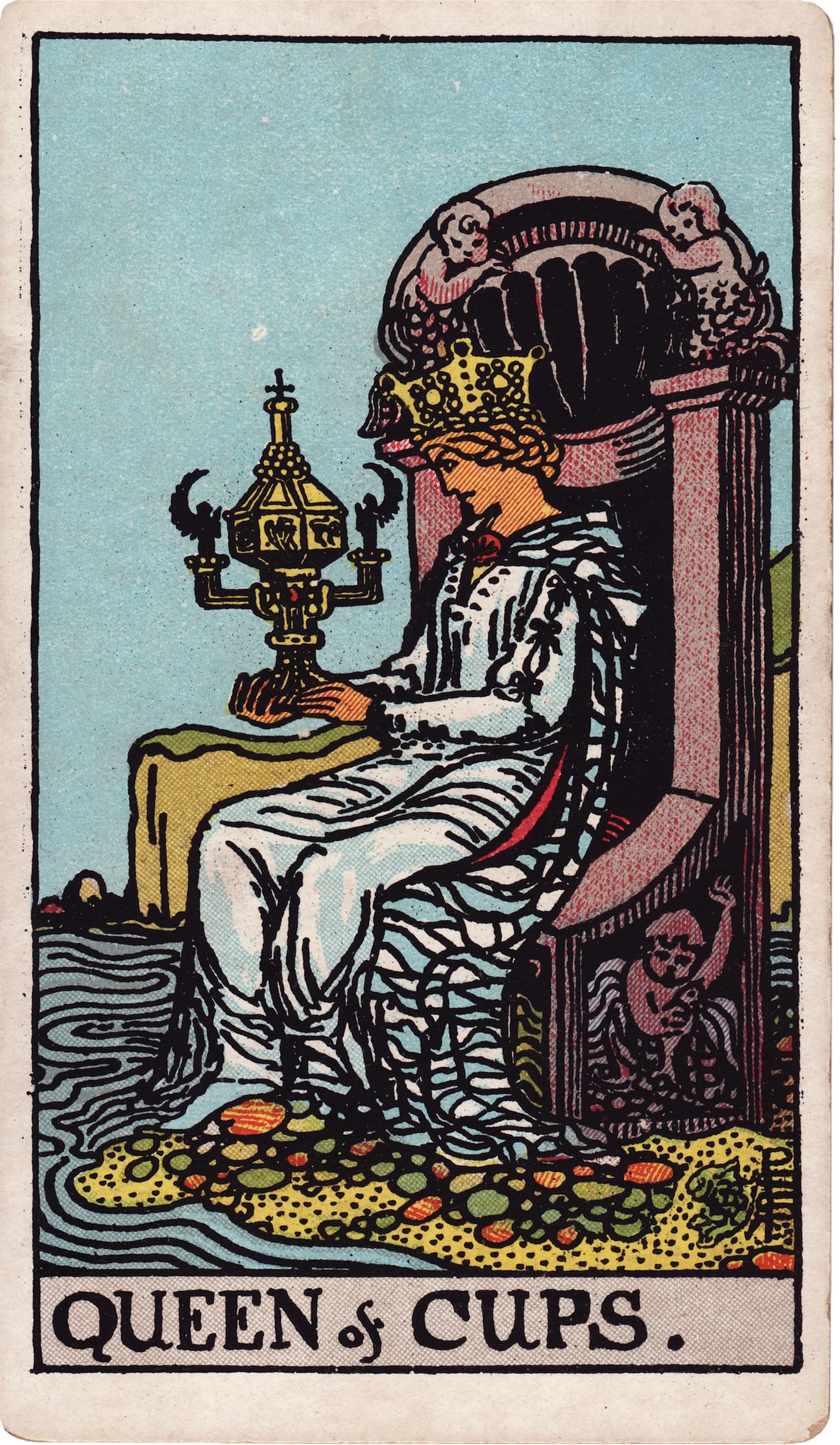 Queen of Cups
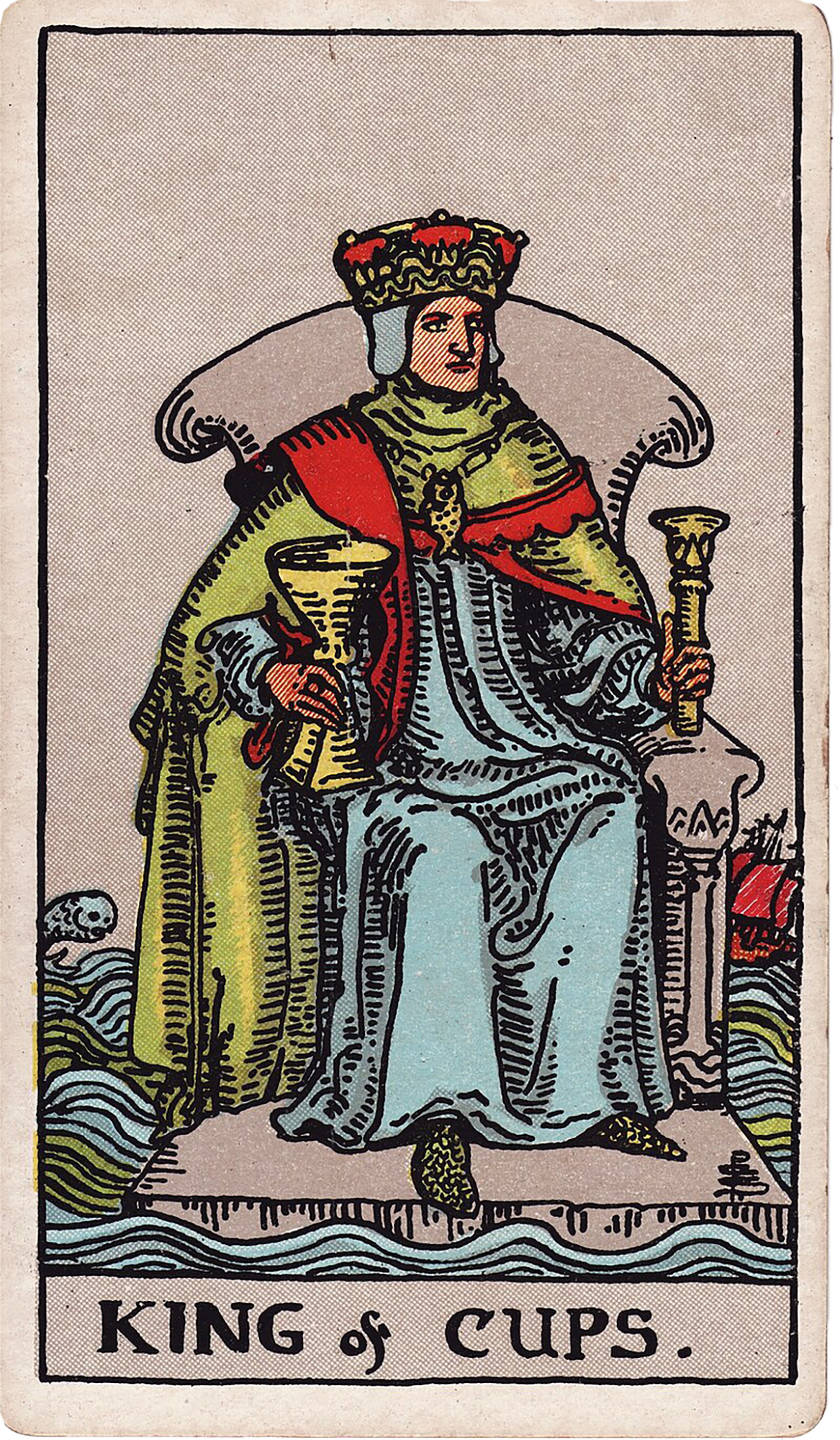 King of Cups
Introduction to the Suit of Cups and Its Elemental Foundation
The Suit of Cups in Tarot is deeply rooted in the element of water, symbolizing fluidity, emotion, intuition, and the subconscious. Traditionally represented by chalices or cups, these cards convey the subtleties of human feeling and relational exchange. The elemental connection to water informs much of the Cups’ symbolism: like water, emotions are mutable, often hidden beneath the surface, and essential for life. Understanding the Suit of Cups requires recognizing this elemental backdrop and its influence on the cards’ imagery and meanings. The Rider-Waite-Smith deck, the basis of much traditional Tarot study, uses water motifs—streams, pools, flowing rivers—to visually anchor the emotional content in these cards. This elemental foundation is essential for interpreting Cups cards practically and sensitively.
Symbolism and Interpretation of the Ace of Cups
The Ace of Cups marks the opening of the emotional field, representing new beginnings in feelings, compassion, and intuitive receptivity. On the card, a cup overflows with water, often symbolizing the abundance and potential of emotional experience. Upright, the card invites the reader to recognize a fresh opportunity for emotional expression or connection, whether in relationships or creative intuition. However, the card is practical rather than purely idealistic; it calls for identifying where this emotional energy already exists and what constructive action can nurture it. Reversed, the Ace of Cups points to emotional blockage or depletion, signaling that feelings may be present but not healthily expressed. Instead of simply seeing reversal as negative, one should explore what internal barriers or communication gaps might be hindering emotional flow. Using the Ace of Cups in readings helps bring attention to the emotional context at the start of a process and encourages mindful cultivation of feelings.
Reciprocity and Relationship Dynamics in the 2 of Cups
The 2 of Cups highlights mutual recognition and emotional exchange between two parties. The card’s imagery typically shows two figures exchanging cups, symbolizing balance, partnership, and emotional harmony. Upright, it stresses reciprocity rather than unilateral pursuit, reflecting healthy relational dynamics based on mutual effort and respect. When interpreting this card, it is important to assess where such exchange is visible and how it can be strengthened practically. The reversed 2 of Cups draws attention to misalignment or tension—unequal effort, broken agreements, or difficulties in honest communication. Common reading mistakes include oversimplifying the reversal as mere separation; instead, it is valuable to investigate where the give-and-take process has stalled and what actions might restore balance. As part of the Suit of Cups, this card’s emotional and relational emphasis is a vital tool for exploring the quality of interpersonal connections in readings.
Mature Emotional Receptivity Seen in the Queen of Cups
The Queen of Cups represents a mature, empathetic figure who embodies emotional receptivity and intuitive understanding. Traditionally depicted holding a cup and gazing into it or the water’s reflection, she symbolizes inner emotional containment and compassionate insight. In readings, the upright Queen encourages responding with empathy and intuition, maintaining an internal steadiness while being open to others’ feelings. The card’s practical angle asks the reader to find where this pattern exists and how it can be supported or expanded in the present situation. Reversed, the Queen of Cups points toward challenges such as emotional overwhelm, codependency, or confusion between intuition and anxiety. Rather than interpreting reversal as simply negative, one should consider what emotional boundaries or self-care practices need attention. The Queen of Cups thus serves as a model for balancing feeling and discernment, an essential lesson when working with the fluid energies of the Suit of Cups.
Steady Emotional Leadership Embodied by the King of Cups
The King of Cups describes emotional mastery through steady leadership, composure, and compassionate authority. The card traditionally shows a regal figure seated calmly with a cup in hand, sometimes surrounded by water or sea creatures emphasizing the emotional realm he governs. Upright, he represents the capacity to feel deeply without being overwhelmed, creating safety through emotional stability. This card encourages responding to situations with measured empathy and wise guidance. In reversed position, the King of Cups warns of emotional manipulation, repression, or refusal of vulnerability, highlighting the risks of imbalance in emotional leadership. Practically, readers should explore where emotional control may have become rigid or evasive and what is needed to restore authenticity. The King of Cups completes the court cards’ emotional spectrum by illustrating how mature feelings can serve both self and others through conscious regulation and empathy.
Techniques for Reading the Suit of Cups Effectively
To read the Suit of Cups effectively, it is essential to anchor interpretations in both traditional symbolism and the specific context of the question and spread. Begin by recognizing the elemental influence of water, which implies fluidity, subtlety, and depth in emotional matters. Observe the card's imagery closely—water bodies, the posture of figures, and the condition of the cups—to discern nuances of feeling and relational dynamics. For instance, the overflowing cup in the Ace suggests abundance, while closed or guarded figures may signal restraint. When reversals appear, resist the urge to interpret them as simple negatives; instead, investigate where emotional processes have become stuck or unbalanced. Use the cards’ upright meanings as a baseline and ask what is missing or excessive in the reversed state. Incorporate surrounding cards to see if the emotional energy is emerging, developing, or resolving. Finally, always relate the symbolism back to practical, present-moment actions the querent can take, such as opening communication channels, setting boundaries, or practicing empathy.
Common Mistakes and How to Avoid Them When Interpreting Cups
One common mistake in reading the Suit of Cups is treating the cards as purely romantic or sentimental. While Cups often involve relationships, their scope includes all emotional and intuitive aspects of life, including creativity and internal processes. Another error is oversimplifying reversed cards as purely negative omens; reversals indicate blockage or imbalance that invites inquiry and healing rather than doom. Beginners may also neglect the practical nature of the cards, focusing too much on abstract ideals instead of current realities. For example, the Ace of Cups does not merely symbolize love but asks where new emotional openings are happening right now and how to nurture them. Similarly, readers sometimes overlook the role of memory and emotional processing—skills embedded in Cups—leading to fragmented or superficial readings. Anchoring interpretations in the visual details and comparing upright with reversed meanings helps avoid these pitfalls and supports richer, more grounded readings.
Practical Application and Case Examples
Consider a reading where the Ace of Cups appears upright alongside cards representing new projects or relationships. The reader might highlight this as a sign of emerging emotional energy or creative inspiration demanding acknowledgement and expression. If the Ace is reversed, the reader could explore emotional blocks or fears preventing full engagement. In another example, the 2 of Cups upright might signify reconciliation or balanced partnership, while reversed it would caution about miscommunication or emotional imbalance requiring honest dialogue. The Queen of Cups upright can indicate a person providing empathetic support, or advise cultivating emotional maturity. Reversed, it might warn against over-identification with others’ feelings or escapism. The King of Cups upright encourages steady leadership in emotional matters, while reversed it calls for awareness of manipulation or repression. By situating each card’s symbolism within the querent’s real-life context and surrounding cards, readers can offer nuanced guidance rooted in the elemental and symbolic depth of the Suit of Cups.
Practice questions
• How does the elemental symbolism of water enhance your understanding of the emotional messages in the Suit of Cups?
• In what ways can the Ace of Cups' call for practical emotional response be applied in your own life or readings?
• What does mutual recognition in the 2 of Cups reveal about the dynamics of your important relationships?
• How can the qualities of the Queen of Cups guide you toward healthier emotional boundaries and empathy?
• What lessons about emotional leadership and balance can you draw from the King of Cups in challenging situations?
• How do you approach reversed Cups cards in your practice to uncover blocked or imbalanced emotional energies?
• What techniques help you ground the fluid symbolism of the Suit of Cups into concrete reading advice?
Comments
Sign in to comment.
Continue learning
Harnessing the Power of The Magician and Ace of Wands: Igniting Creativity and Manifestation in Tarot Readings
The combination of The Magician and the Ace of Wands in tarot readings offers a potent blend of creative energy and manifestation power. This article delves into the ways these car...
Advanced Techniques for Combining The Moon and The Star to Enhance Intuition in Tarot Readings
This article explores advanced techniques to combine the symbolism and energy of The Moon and The Star Tarot cards to enhance intuition during Tarot readings. Drawing from traditio...
Enhancing Clarity in Complex Choices with the Five Card Cross Tarot Spread
The Five Card Cross Tarot Spread is a practical tool designed to clarify complex choices by breaking down the decision into manageable parts. This article explores each position in...
Tracing the Origins and Evolution of The Fool Card in Tarot History
The Fool card holds a foundational place in tarot tradition, symbolizing beginnings, openness, and the embrace of uncertainty. This article traces its origins from early European d...
Understanding The Hermit Card in Solitude Reflection and Guidance
This article offers an in-depth exploration of The Hermit tarot card as a single-card reading in different contexts such as love, career, money, advice, challenge, person, outcome,...
Unlocking the Creative Flow with The Magician and The Empress in Tarot Combinations
This article delves into the powerful synergy between The Magician and The Empress in Tarot combinations, focusing on how their combined symbolism unlocks creative flow across vari...
Using the Seven Card Horseshoe Spread to Uncover Career Growth and Opportunity
This article presents an in-depth guide to the Seven Card Horseshoe Tarot Spread with a focus on career growth and opportunity. Using the cards The Fool, The Magician, The Empress,...
Understanding the Many Facets of The Moon in Emotional and Intuitive Tarot Readings
The Moon card in the Tarot deck embodies themes of intuition, uncertainty, dreams, and emotional complexity. This article offers a comprehensive exploration of The Moon’s upright a...
Unlocking Advanced Intuition Techniques Using The High Priestess The Moon and The Hermit
This article examines advanced intuition development in tarot reading by focusing on The High Priestess, The Moon, and The Hermit cards. It offers practical techniques for beginner...
Mastering Intuition with The High Priestess The Hermit and The Moon in Tarot Readings
This article delves into mastering intuition through three powerful Tarot cards: The High Priestess, The Hermit, and The Moon. It guides readers from beginner to advanced reading t...