
Exploring the Symbolism of the Four Suits in Tarot for Deeper Reading Insights
This article explores the symbolism embedded in the Four Suits of the Tarot deck—Wands, Cups, Swords, and Pentacles—by closely examining the Ace cards from each suit. By analyzing the traditional Rider-Waite-Smith imagery and the practical guidance offered by the Ace of Wands, Ace of Cups, Ace of Swords, and Ace of Pentacles, readers will learn how to identify the core energies and challenges of each suit. The article addresses common mistakes, offers practical reading methods, and provides interpretation logic to facilitate nuanced and grounded Tarot readings. Emphasizing the dynamic between upright and reversed cards, the piece encourages learners to view reversals as opportunities to understand blockages and internal processes rather than mere opposites. Anchoring all lessons to the supplied card images, this educational guide serves as a foundational resource for Tarot readers aiming to deepen their symbolic literacy and enrich their divination practice.
Cards explored in this article
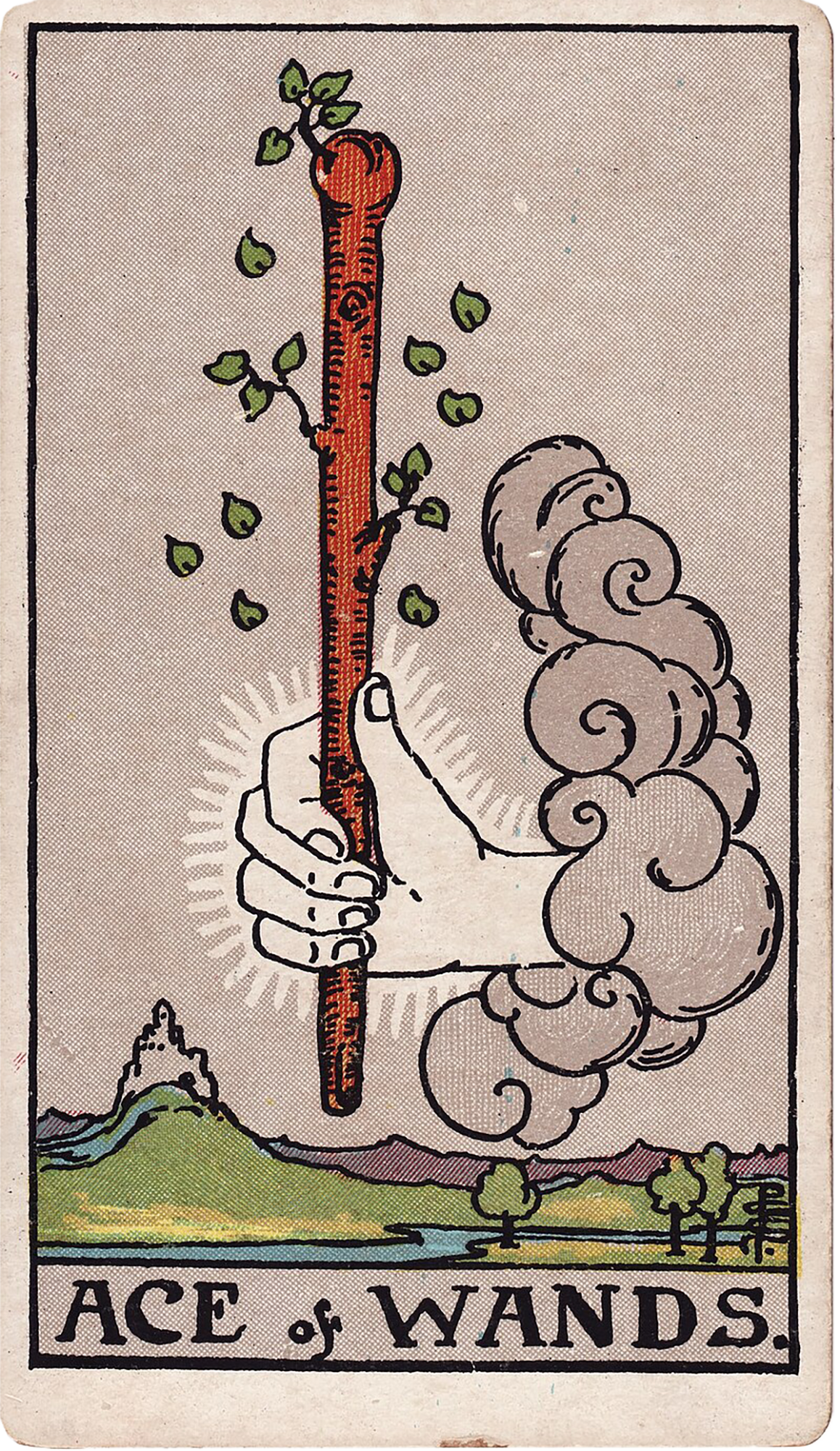 Ace of Wands
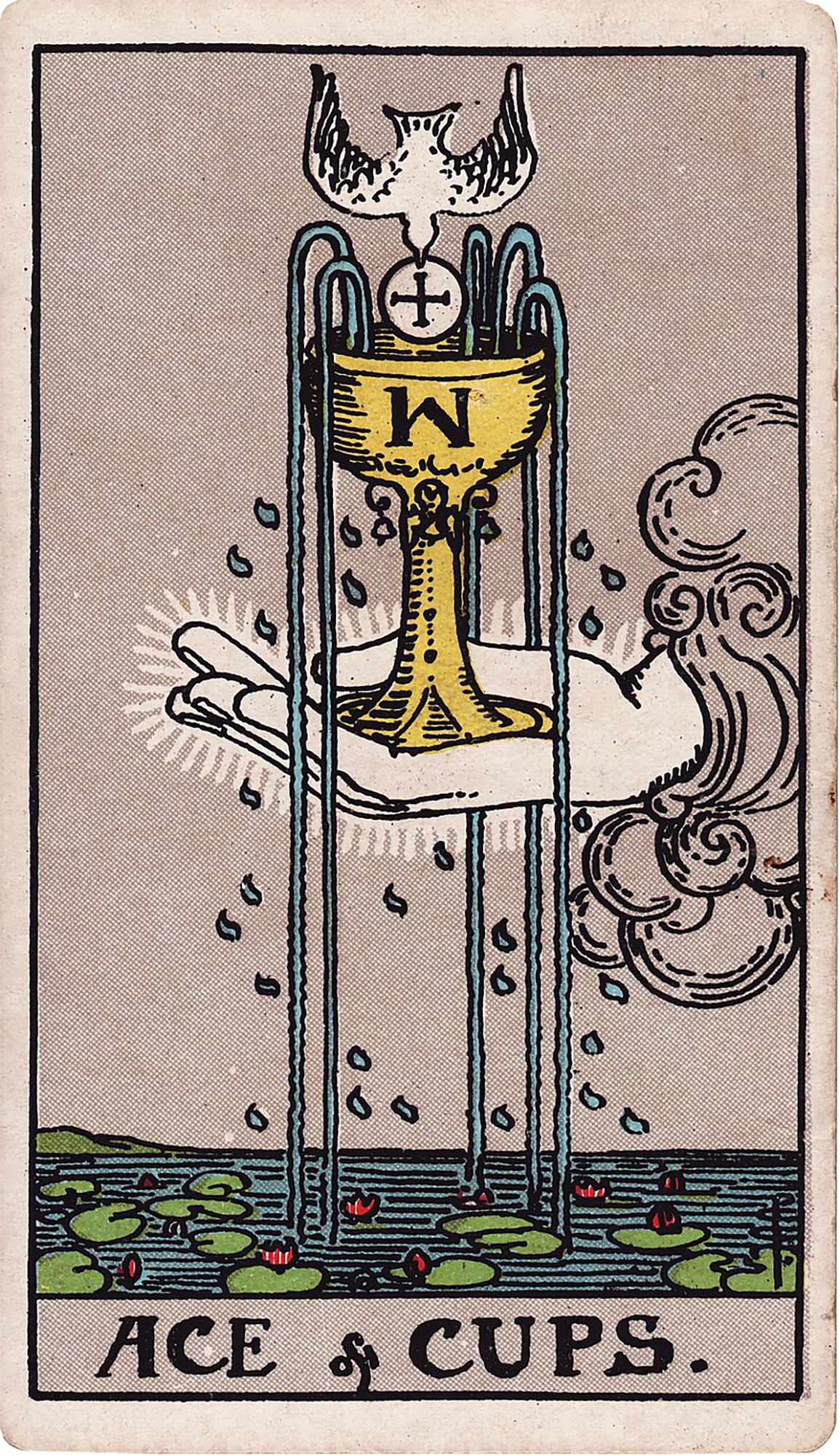 Ace of Cups
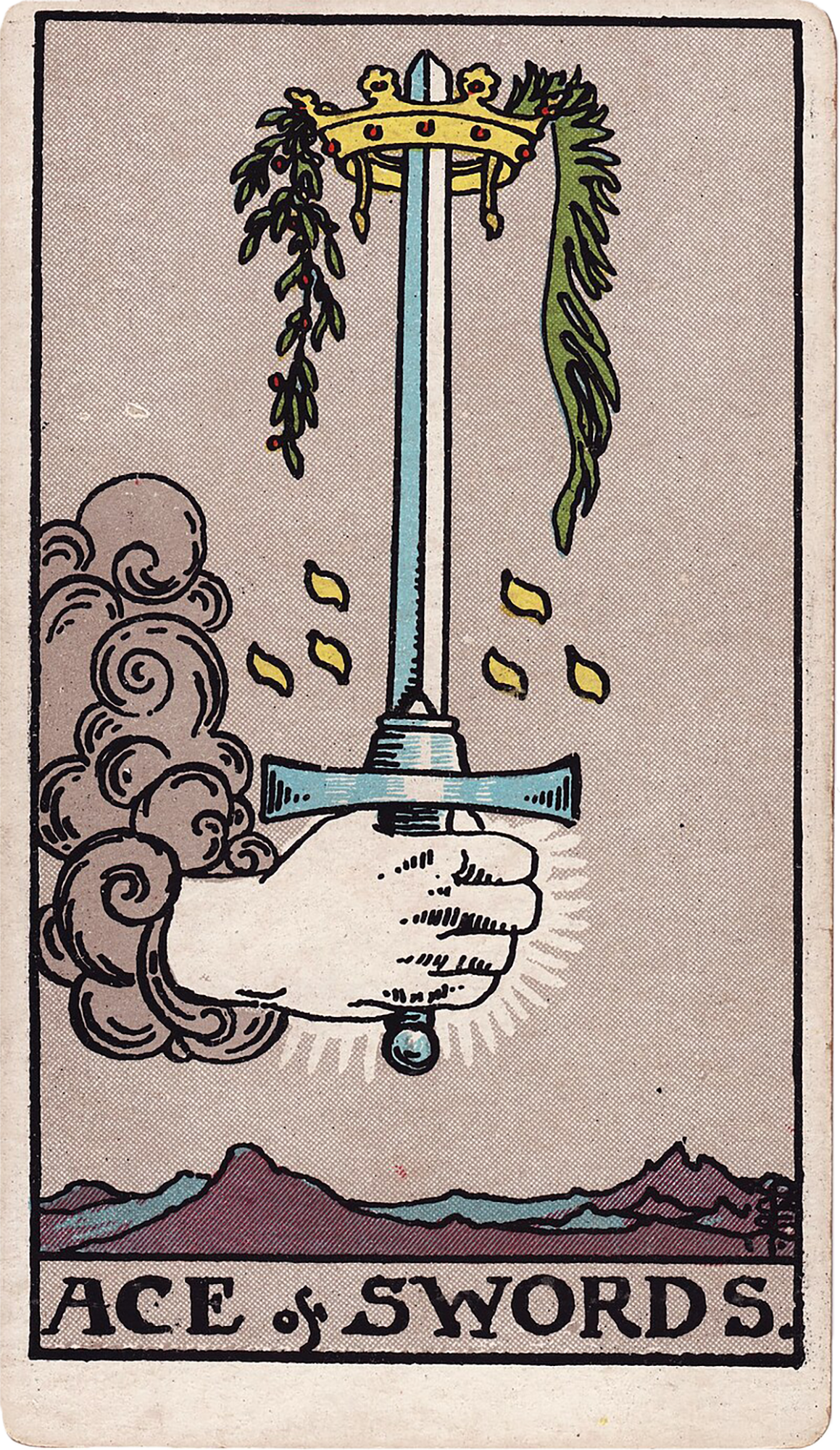 Ace of Swords
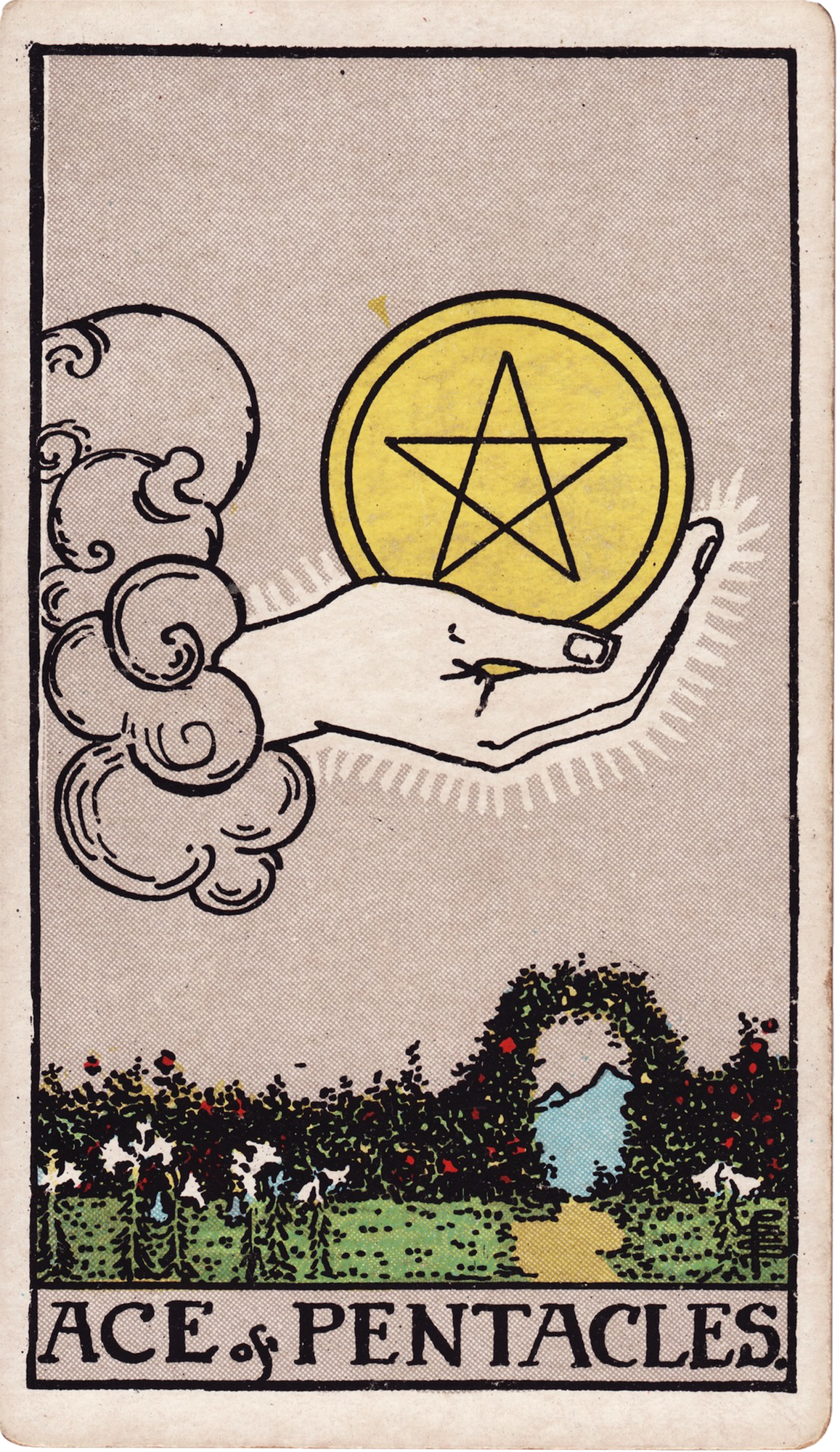 Ace of Pentacles
Introduction to the Four Suits and Their Symbolic Foundations
The Four Suits of the Tarot deck—Wands, Cups, Swords, and Pentacles—are rooted in elemental symbolism that corresponds to key aspects of human experience and consciousness. Each suit represents a specific facet of life and offers insight into the energies at play within different situations. Wands symbolize fire, embodying motivation, creativity, ambition, and the direction of energy. Cups correspond to water, focusing on emotion, relationships, intuition, and the processing of feelings. Swords align with air, representing thought, communication, conflict, and intellectual clarity. Pentacles connect with earth, dealing with material reality, work, resources, health, and long-term stability. Understanding these foundational correspondences is crucial for unlocking deeper reading insights and accurately interpreting the cards in context.
The Ace of Wands as a Symbol of Initiation and Dynamic Energy
The Ace of Wands is the primary spark of the Fire element within the Tarot deck. In the Rider-Waite-Smith imagery, the hand emerges from a cloud, holding a sprouting wand, symbolizing new impulses and creative potential ready for expression. Upright, the card asks for a concrete, practical response to emerging energy—motivated action that fits the current stage rather than idealistic or premature enthusiasm. This card emphasizes initiative, identity, and the management of personal ambition. In reading practice, it is important to assess whether the energy represented by the Ace of Wands is beginning, developing, under pressure, or moving toward resolution by examining surrounding cards. Reversed, it draws attention to blocked inspiration, scattered excitement, or premature action. Rather than seeing the reversal as a direct negation, the reader should explore where the creative process has stalled and what needs simplifying, practicing, or communicating to restore healthy flow. This nuanced approach allows readers to deepen their understanding of motivation and the challenges that accompany new beginnings.
Exploring Emotional Depth with the Ace of Cups
The Ace of Cups introduces the element of Water and symbolizes an opening of the emotional field. The Rider-Waite-Smith depiction shows a hand holding a cup overflowing with water, often interpreted as compassion, intuitive receptivity, and creative feeling. Upright, this card highlights the emergence of affection, empathy, and emotional connection that demands acknowledgment and expression. Like the Ace of Wands, it calls for practical engagement suited to present circumstances rather than abstract ideals. The reader should consider whether the emotional energy is nascent, growing, strained, or resolving by analyzing its spread context. When reversed, the Ace of Cups signals emotional blockage, depletion, or fear of vulnerability but does not simply mean absence of feeling. Instead, it invites inquiry into internal emotional processes that might be suppressed or unhealthy, helping the querent uncover what emotional habits or fears require attention. By exploring both upright and reversed positions, readers develop a flexible interpretive skillset that respects the complexity of emotional dynamics.
Intellectual Clarity and Communication Through the Ace of Swords
The Ace of Swords represents the Air element and embodies thought, communication, and mental breakthroughs. Its Rider-Waite-Smith image portrays a hand gripping a sword upright, often crowned or surrounded by a laurel wreath, symbolizing clarity, truth, and decisive insight. Upright, this card points to moments of intellectual clarity or the need for a clear conversation that cuts through confusion. It highlights strategy, decisions, and the consequences of mental habits. In practice, readers should assess whether the energy of the Ace of Swords is initiating understanding, developing through dialogue, encountering conflict, or moving toward resolution. Reversed, it warns of misused logic, harshness, or premature judgment and cautions against wielding truth as a weapon rather than a tool for understanding. This invites the reader to inspect internal mental blocks or distortions, emphasizing the importance of balanced and mindful communication. Anchoring interpretation in the card's imagery and elemental associations enables nuanced readings centered on intellectual and communicative challenges.
Grounding Opportunities with the Ace of Pentacles
The Ace of Pentacles introduces the Earth element and is deeply connected to tangible beginnings, resources, and practical stability. The Rider-Waite-Smith card shows a hand emerging from a cloud presenting a pentacle, which symbolizes material opportunity, work, health, and long-term growth. Upright, this card calls for consistent action and practical care to nurture the seed of potential into valuable outcomes. Like other Aces, it is not a call to abstract dreaming but to realistic and measured effort in the material realm. Readers should examine the surrounding cards to determine whether the Ace of Pentacles' energy is just appearing, evolving, under strain, or resolving. When reversed, the card points to missed opportunities, poor planning, or scarcity thinking. It encourages inquiry into what foundational elements are lacking or require adjustment rather than simply interpreting reversal as failure. This approach enriches readings by focusing on how material challenges and opportunities unfold in real-life contexts.
Techniques for Integrating the Four Suits into Holistic Readings
A practical method for working with the Four Suits is to recognize that each suit represents a domain of experience that often interacts dynamically in any situation. For example, a reading involving the Ace of Wands might highlight creative potential, but pairing it with the Ace of Cups can reveal emotional motivation driving that creativity, whereas the Ace of Swords might indicate the intellectual clarity needed to execute plans, and the Ace of Pentacles can show the material resources required for success. Beginners often make the mistake of isolating suits or interpreting cards in rigid, one-dimensional ways. Instead, learners should observe how suits complement each other, reflect stages of process (initiation, development, pressure, resolution), and address both internal and external factors. Additionally, when reversed cards appear, interpret them as signals of where energy is stuck rather than simple negatives. Incorporate questions that explore what mental, emotional, motivational, or material blocks exist and what practical steps are needed to move forward. This method enhances the depth and relevance of Tarot readings.
Common Misinterpretations and How to Avoid Them
One frequent error among Tarot learners is treating reversed cards as direct opposites of upright meanings, leading to oversimplification. For instance, interpreting the reversed Ace of Cups solely as 'no feelings' misses deeper emotional dynamics like blockage or fear of vulnerability. Another mistake is ignoring the practical, present-oriented nature of the Aces and focusing on abstract ideals or distant possibilities instead. The Aces emphasize action and awareness fitting the current stage of development. Additionally, neglecting the elemental and symbolic imagery limits interpretive richness. For example, the fiery wand in the Ace of Wands is not just ambition but the manner in which energy is focused and directed. Lastly, some readers overlook the importance of context, not considering surrounding cards to determine whether the energy is just beginning, facing challenges, or resolving. Avoiding these pitfalls requires disciplined study of symbolism, reflective practice, and maintaining openness to layered meanings.
Practical Examples Applying the Four Aces in Readings
To illustrate how the Four Aces can guide readings, consider a querent facing a career decision. Drawing the Ace of Wands upright may indicate a new creative initiative or professional ambition emerging that requires decisive action. If the Ace of Cups appears nearby, it suggests that emotional fulfillment or relationships are integral to this choice. The Ace of Swords might point to the need for clear communication or intellectual assessment of options, while the Ace of Pentacles could highlight practical considerations such as financial stability or resources. If one or more Aces are reversed, it signals where internal blockages or external delays may exist—for example, a reversed Ace of Pentacles might indicate poor planning or scarcity mindset preventing progress. By anchoring interpretation in the images and meanings of these cards, the reader can offer nuanced guidance that balances motivation, feelings, intellect, and material realities.
Conclusion Reflecting on the Symbolic Power of the Four Suits
The Four Suits of Tarot, when studied through the detailed lens of their Aces, reveal fundamental patterns in human experience that readers can harness for profound insight. Each suit's symbolism—fire for creativity and drive, water for emotion and intuition, air for thought and clarity, and earth for material and stability—provides a framework to understand complex life situations holistically. The Aces, as cards of beginnings and potential, invite practical responses appropriate to the present moment, challenging readers to move beyond abstract ideals and toward grounded action. Embracing the nuanced meanings of upright and reversed positions, integrating elemental correspondences, and considering card context empower readers to refine their interpretive skills. Ultimately, deep engagement with the symbolism of the Four Suits enriches Tarot practice, fostering readings that resonate with both the querent's inner world and external circumstances.
Practice questions
• How can the elemental correspondences of the Four Suits deepen my understanding of the cards in a given spread?
• In what ways does viewing reversed cards as signs of blockage rather than simple opposites affect my reading approach?
• How might the energy of a particular Ace card manifest differently depending on surrounding cards in a reading?
• What practical steps can I take to ensure my interpretations remain grounded in the present stage of the querent's situation?
• How can integrating insights from multiple suits in one reading provide a more holistic understanding of complex issues?
Comments
Sign in to comment.
Continue learning
Harnessing the Power of The Magician and Ace of Wands: Igniting Creativity and Manifestation in Tarot Readings
The combination of The Magician and the Ace of Wands in tarot readings offers a potent blend of creative energy and manifestation power. This article delves into the ways these car...
Advanced Techniques for Combining The Moon and The Star to Enhance Intuition in Tarot Readings
This article explores advanced techniques to combine the symbolism and energy of The Moon and The Star Tarot cards to enhance intuition during Tarot readings. Drawing from traditio...
Enhancing Clarity in Complex Choices with the Five Card Cross Tarot Spread
The Five Card Cross Tarot Spread is a practical tool designed to clarify complex choices by breaking down the decision into manageable parts. This article explores each position in...
Tracing the Origins and Evolution of The Fool Card in Tarot History
The Fool card holds a foundational place in tarot tradition, symbolizing beginnings, openness, and the embrace of uncertainty. This article traces its origins from early European d...
Understanding The Hermit Card in Solitude Reflection and Guidance
This article offers an in-depth exploration of The Hermit tarot card as a single-card reading in different contexts such as love, career, money, advice, challenge, person, outcome,...
Unlocking the Creative Flow with The Magician and The Empress in Tarot Combinations
This article delves into the powerful synergy between The Magician and The Empress in Tarot combinations, focusing on how their combined symbolism unlocks creative flow across vari...
Using the Seven Card Horseshoe Spread to Uncover Career Growth and Opportunity
This article presents an in-depth guide to the Seven Card Horseshoe Tarot Spread with a focus on career growth and opportunity. Using the cards The Fool, The Magician, The Empress,...
Understanding the Many Facets of The Moon in Emotional and Intuitive Tarot Readings
The Moon card in the Tarot deck embodies themes of intuition, uncertainty, dreams, and emotional complexity. This article offers a comprehensive exploration of The Moon’s upright a...
Unlocking Advanced Intuition Techniques Using The High Priestess The Moon and The Hermit
This article examines advanced intuition development in tarot reading by focusing on The High Priestess, The Moon, and The Hermit cards. It offers practical techniques for beginner...
Mastering Intuition with The High Priestess The Hermit and The Moon in Tarot Readings
This article delves into mastering intuition through three powerful Tarot cards: The High Priestess, The Hermit, and The Moon. It guides readers from beginner to advanced reading t...