
Five Card Decision Spread for Sequencing Complex Choices into Actionable Steps
This article teaches the Decision Five spread — a five-card layout designed to convert complex choices into concrete, prioritized steps. Using the exact cards supplied (The Chariot, The Hermit, The World, Ace of Wands, Page of Pentacles), it explains each position, card-to-card relationships, practical sequencing into action, reproducible technique, common mistakes, and practice exercises. The emphasis is on learning how to translate Tarot imagery and conventional Rider-Waite-Smith symbolism into pragmatic next steps rather than definitive predictions.
Decision Five
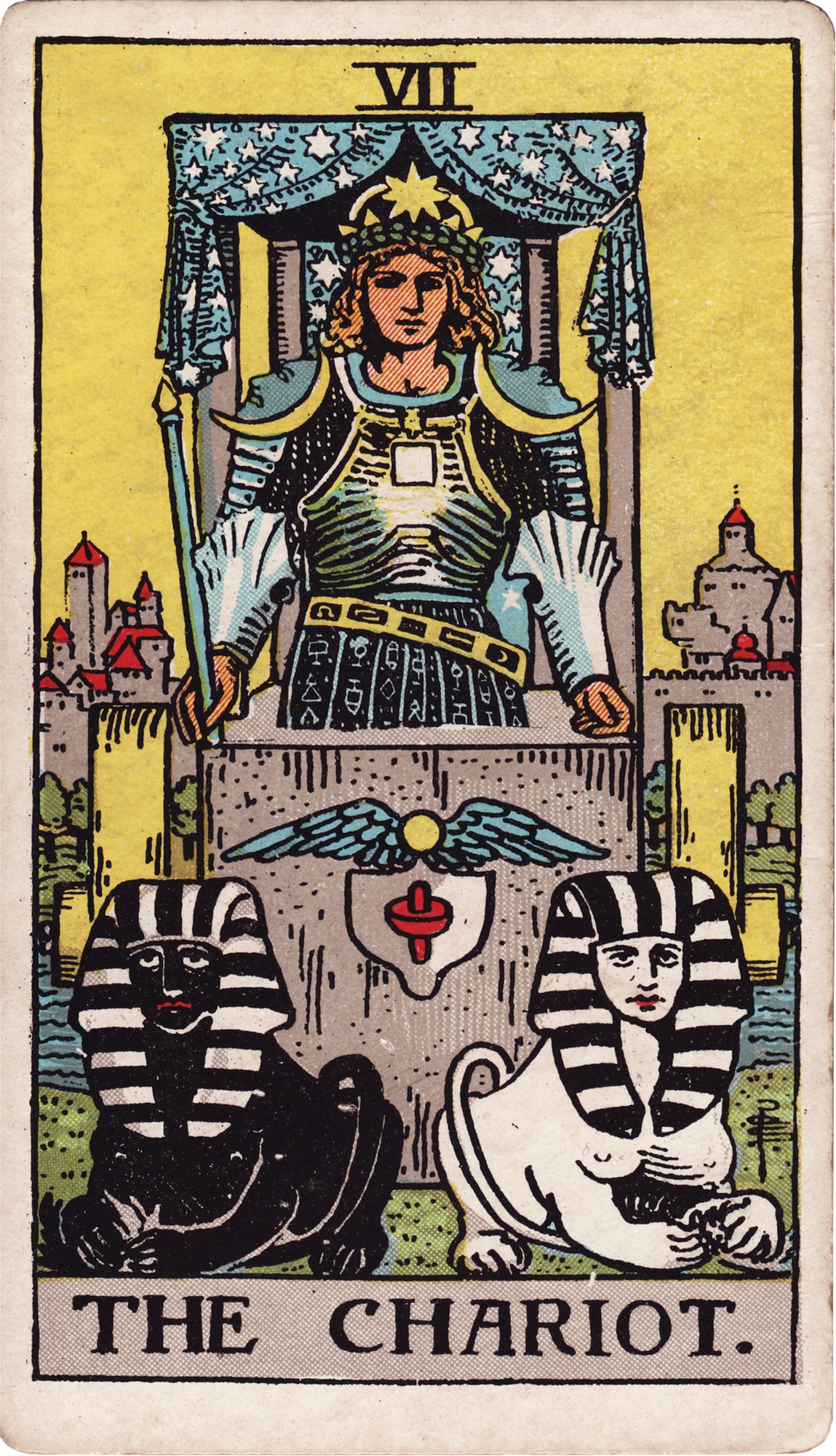 SituationThe Chariot
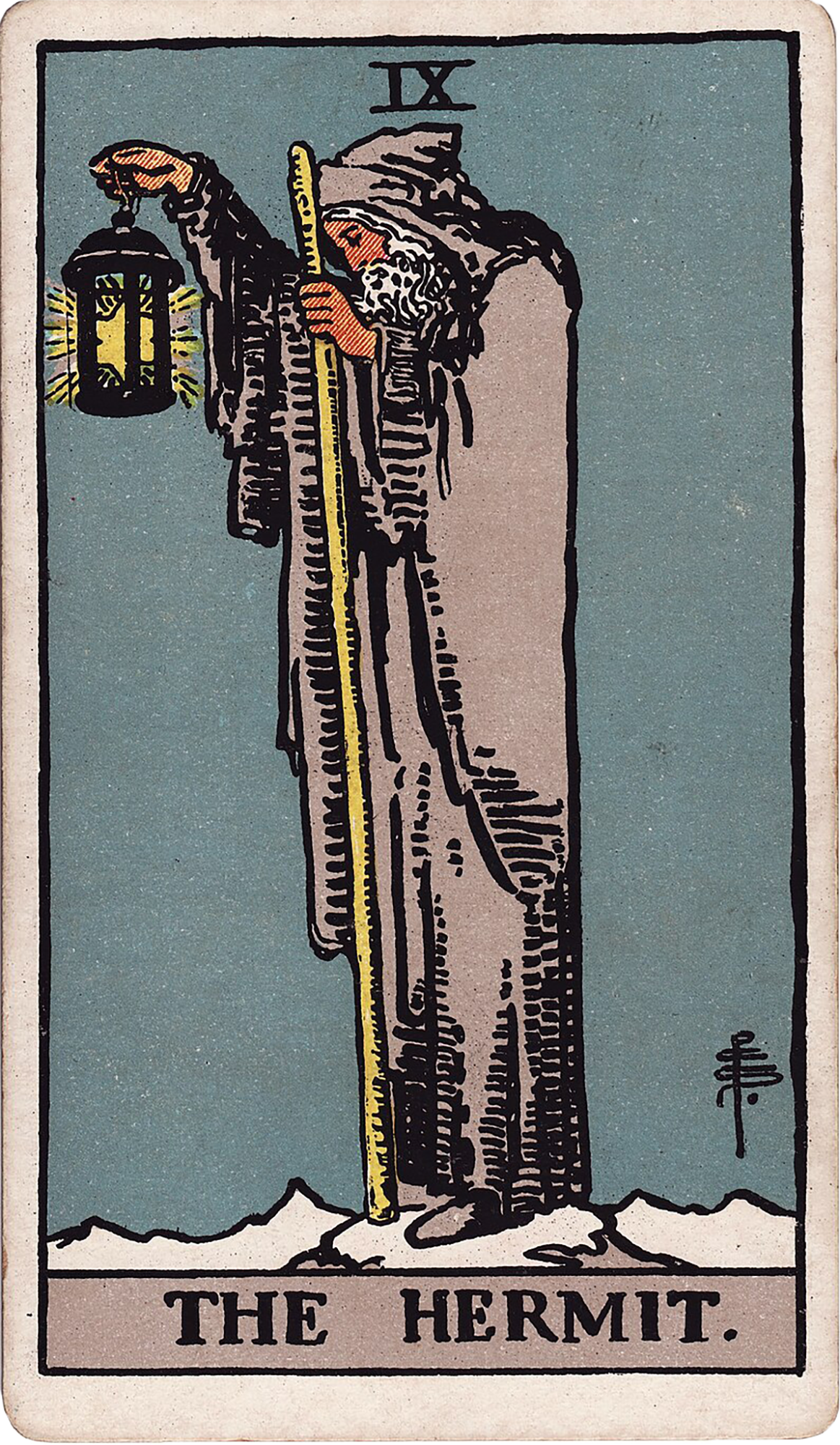 Option AThe Hermit
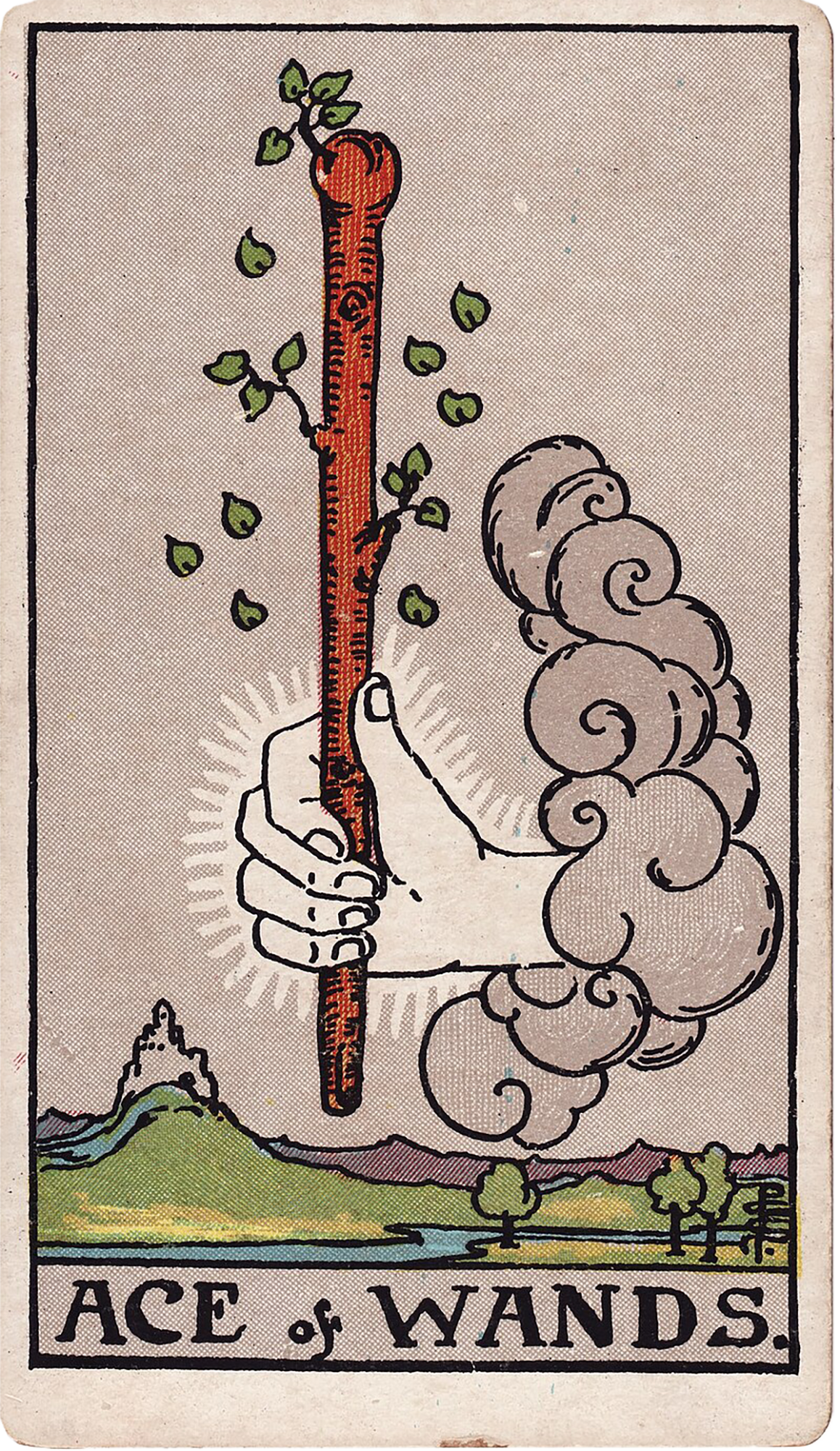 Option BAce of Wands
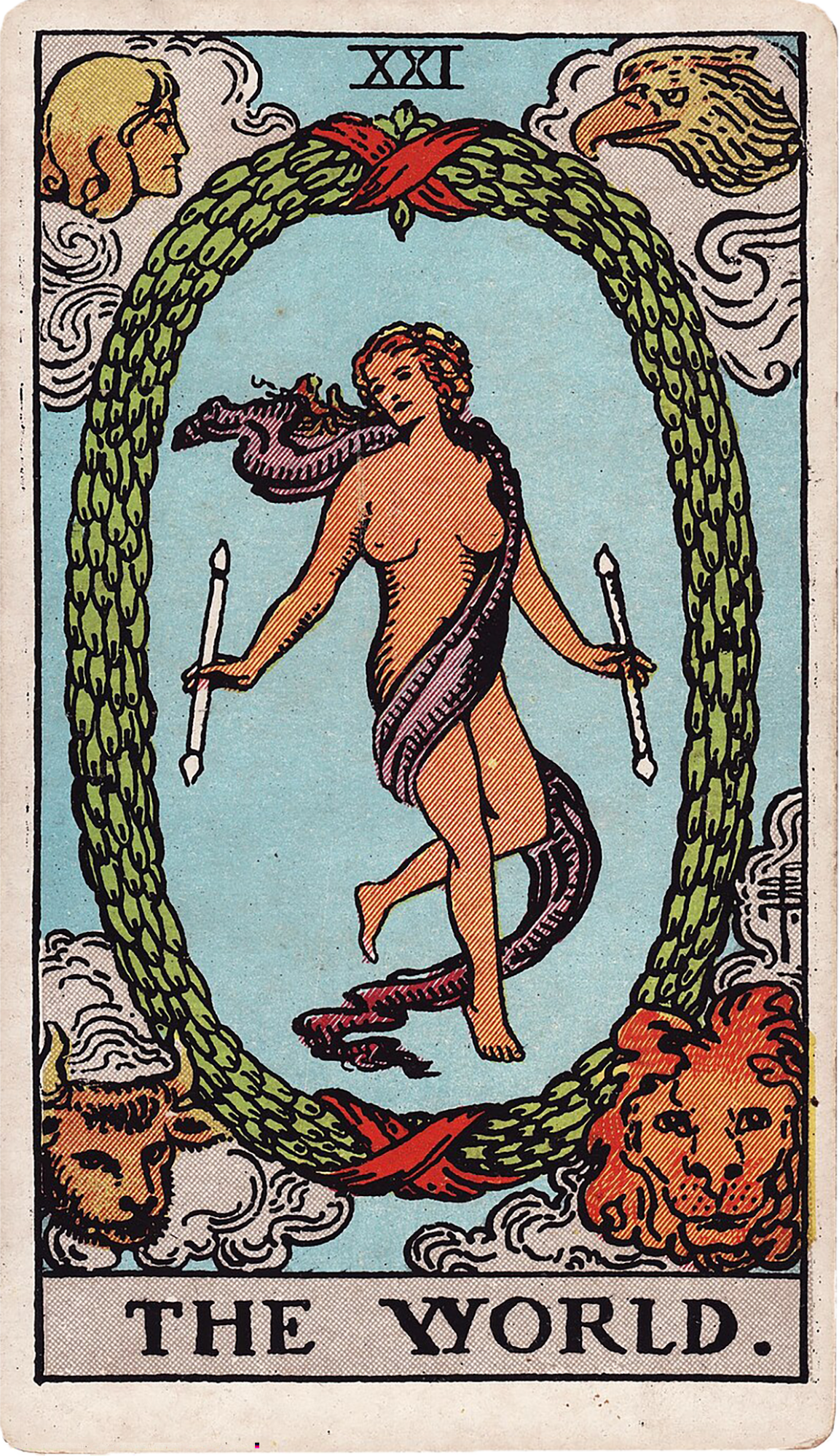 Hidden FactorThe World
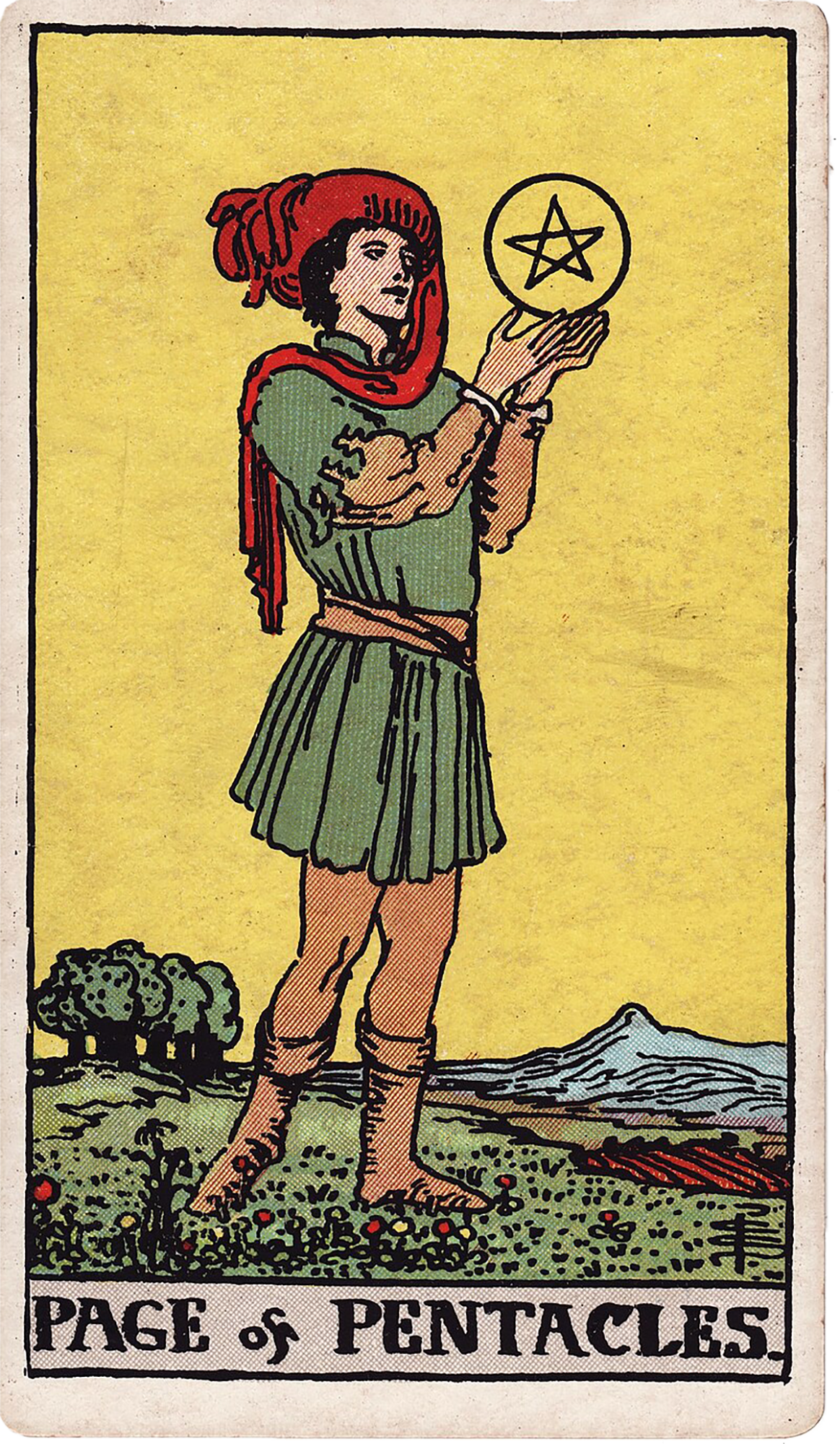 AdvicePage of Pentacles
Introduction and purpose
The Decision Five spread (layout decision-five) is a compact, intentionally sequenced spread for making complex choices actionable. Instead of asking Tarot to predict a winner, this spread clarifies the situation, compares two main options, surfaces what you may not see, and produces a grounded piece of advice you can act on. This article uses the exact cards provided in the deck images — The Chariot, The Hermit, The World, Ace of Wands, and Page of Pentacles — and shows how their Rider-Waite-Smith symbolism can be read together to move from indecision to an ordered plan of action. The goal for learners is to practice consistent, pragmatic readings that respect the cards' imagery while producing reproducible next steps.
When to use this spread
Use the Decision Five when you face a choice with at least two plausible paths and need a structured way to sequence next steps. Typical contexts: career crossroads, project prioritization, complex relationships decisions, or startup strategy debates. The spread is best when you already have enough information to identify two distinct options and want to turn the intuitive guidance of Tarot into concrete short-term actions. It is not designed for trivial yes/no queries nor for sprawling multi-option comparisons — keep it to two clear options to preserve focus.
Layout, preparation, and question framing
Layout and labels: Place five cards left to right in a single row. Position labels (strict order): 1 Situation, 2 Option A, 3 Option B, 4 Hidden Factor, 5 Advice. Preparation: 1) Clear your space and take three steady breaths. 2) Formulate a focused, neutral question that frames the choice and the desired outcome, for example: "I must decide between staying in my current job (Option A) and taking a startup opportunity (Option B). What sequence of actionable steps will help me choose and move forward?" 3) Shuffle while holding the question in mind. Draw five cards and place them in order from left to right. Orientation: Read cards in whatever orientation they appear; the supplied cards here will be treated upright to demonstrate the method, but the same logic applies if a card reverses. Record the spread quickly — the visible images (The Chariot, The Hermit, The World, Ace of Wands, Page of Pentacles) are the reading's anchors.
Position 1 Situation The Chariot
Meaning in this position: The first card sets the scene. Here The Chariot anchors the situation. Upright, The Chariot emphasizes choosing a direction, aligning competing impulses, and moving with disciplined determination. Rider-Waite-Smith imagery — the armored charioteer, two sphinxes (usually black and white), and the city behind him — evokes control through will, boundary-setting, and a forward trajectory. Practical reading: With The Chariot as the Situation, the querent's core issue is a visible need for direction and decisive movement. The challenge isn't lack of options; it's aligning internal forces (desires, duties, fears) so that deliberate forward motion is possible. For learners: note how The Chariot calls attention to boundary questions (what to steer toward, away from) and the willingness to commit to a direction even if the path is not guaranteed. If The Chariot were reversed, watch for scattered energy or premature forcing of outcomes; upright, it asks for disciplined next steps.
Position 2 Option A The Hermit
Meaning in this position: Option A is represented by The Hermit. Upright, The Hermit emphasizes stepping back to think clearly, seeking depth over noise, and allowing solitude to produce useful insight. RWS symbolism — an older figure with a lantern illuminating only the ground immediately ahead — suggests cautious, inward-focused decision-making. Practical reading: Option A is the choice to slow down: a deliberate withdrawal to gather information, consult mentors in solitude, or study before acting. If you imagine the layout visually, The Hermit sits to the right of The Chariot's demand for direction; this creates a tension: the situation asks you to move, while Option A recommends pause. As a result, a key question becomes whether taking time will better align your internal forces or simply delay necessary action. For learners: read The Hermit as a legitimate strategy — not avoidance per se, but an intentional recalibration. Check the rest of the spread to see whether this pause is supported or undermined.
Position 3 Option B The World
Meaning in this position: Option B is represented by The World. Upright, The World emphasizes recognizing completion, integrating what has been learned, and using achievement as a foundation for the next cycle. RWS imagery — a figure inside a laurel wreath, with the four living creatures in the corners — evokes a sense of completion and readiness to move beyond. Practical reading: Option B is the choice to consolidate and finish what is already underway: to leverage past accomplishments, wrap up obligations cleanly, and launch the next phase. Located next to The Hermit, The World provides a contrast: Option B is outwardly moving toward closure and integration, whereas Option A encourages more internal processing. For learners: treat The World as the option that offers momentum through completion — a path that promises structural closure and external validation if followed properly.
Position 4 Hidden Factor Ace of Wands
Meaning in this position: The Hidden Factor sits centrally and points to an influence the querent may not be fully conscious of. The Ace of Wands upright highlights a new impulse that wants expression and asks for a timely first action. RWS imagery — a single sprouting wand thrusting from a cloud — symbolizes nascent creative energy and the need to act before enthusiasm fades. Practical reading: As a hidden factor, Ace of Wands indicates that there is a fresh, motivating spark beneath the surface pushing toward initiative. This may be a budding idea, an unexplored opportunity, or an inner drive urging movement. Critically, the Ace does not suggest elaborate planning; it asks for a simple, proportionate response. For learners: notice how Ace of Wands mediates between The Chariot’s push for direction and the two options. It often tips the balance toward whichever option allows a small, clear first move that harnesses that spark.
Position 5 Advice Page of Pentacles
Meaning in this position: The Advice card grounds the reading in a practical first step. Page of Pentacles upright highlights beginner energy focused on learning a practical skill and starting a realistic plan. RWS imagery — a young figure studying a pentacle above a field — depicts focus on tangible results, habit, and material competence. Practical reading: The Page of Pentacles advises you to respond with an actionable, measurable step that builds competence: schedule a short course, draft a budget, create a simple prototype, or set up a trial period. It recommends concrete testing rather than abstract commitment. For learners: treat the Page as a 'small experiment' card — a repeatable suggestion to begin modestly and track progress. Because it follows the Ace of Wands in the spread, the Page transforms the hidden creative spark into a grounded practice.
Card-to-card relationships and reading logic
This section explains how to read the cards together rather than in isolation. The Chariot (Situation) sets a directional problem — you must choose a path and move. Option A The Hermit recommends intentional withdrawal; Option B The World recommends completion and integration. The Hidden Factor Ace of Wands injects a nascent impulse that wants expression now. The Advice Page of Pentacles prescribes a small, practical experiment. Look for directional flow and balancing energies: - The Chariot versus The Hermit: This is an active/passive polarity. The Chariot asks for motion and boundary; The Hermit asks for pause and careful reflection. Decide whether the required motion should be immediate (Chariot) or delayed for clarity (Hermit). - The Chariot versus The World: These are both movement cards, but with different flavors. The Chariot stresses intentional will; The World signals completion and reward. If your situation (The Chariot) is about steering toward a clearer identity, The World suggests that finishing current cycles is a legitimate way to achieve that identity. - Ace of Wands as the hidden mover: The Ace favors whichever option can accept a small, energetic beginning. If Option A (Hermit) can include a practical micro-action (e.g., a short research task), the Ace supports that. If Option B (World) already offers a closure that frees new energy, the Ace supports using that freed energy to start something new. - Page of Pentacles as the transformer: The Page converts impulse into a plan. It tells you that the correct next move is not a grand gesture but a learnable, testable step. In synthesis, the reading often resolves as: identify the small experiment (Page) that channels the hidden impulse (Ace) in a way consistent with either deliberate pause (Hermit) or completion-driven momentum (World), guided by the situation's demand for direction (Chariot).
Synthesis into sequenced actionable steps
How to turn this reading into a practical sequence: 1) Clarify objective using The Chariot: write one sentence that captures the direction your situation requires. Example: "I must move toward a stable professional identity that integrates my past work and new interests." 2) Inventory what each option practically entails: For The Hermit (Option A) list steps that are introspective but bounded (e.g., two-week research window, consult three people, journal specific questions). For The World (Option B) list closure tasks (e.g., finish deliverables, request formal end-date, document learnings). 3) Identify the hidden spark (Ace of Wands): write down the nascent idea or impulse — the 'what' that wants to start. 4) Convert to a Page-of-Pentacles-style experiment: a practical, measurable next step of low cost and high learning potential. Examples: - If Ace of Wands is a new project idea, the Page step might be a one-week prototype or a 2-page project brief. - If Ace of Wands is an urge to teach, the Page step might be scheduling one hour to create a lesson outline and invite one friend. 5) Sequence and timebox: Place the Page experiment first (3–14 days), use The Hermit-style check-ins during the experiment if you need pause, and plan The World-style closure tasks as milestones to free resources for the new project. 6) Define success metrics and a review: two concrete metrics for the Page experiment (completion, feedback received) and a calendar check-in (e.g., 14 days) to reassess. This sequence respects The Chariot's demand for direction, lets The Hermit provide necessary clarity without indefinite delay, uses The World to plan closure where needed, answers the Ace's creative urgency, and follows the Page's pragmatic learning approach.
Worked example
Imagine a querent deciding between staying at a current job (Option B) and taking a sabbatical to study (Option A). The Chariot as Situation says: the querent must choose a direction and set boundaries. The Hermit as Option A recommends a sabbatical for deep study and inner clarity. The World as Option B says finishing current commitments and leveraging achievements could open the next cycle. The Ace of Wands hidden factor is a fresh course idea simmering in the querent's mind. Page of Pentacles advises an experiment: enroll in a single evening class or audit one module as a realistic first step. Sequenced plan from the reading: 1) The Chariot sentence: "I need a clear direction that aligns my work identity with deeper interests." 2) Option A steps: arrange a two-week study trial, identify learning goals, negotiate short-term leave if needed. 3) Option B steps: list deliverables to finish and set dates to minimize loose ends. 4) Hidden impulse: commit to one class (Ace). 5) Advice/experiment (Page): sign up for one evening class, budget time, and reassess in 14 days. This approach yields a decisive, low-risk way to test the creative impulse while honoring current responsibilities.
Common mistakes and troubleshooting
1) Mistake: Treating the spread as a vote-count. Fix: The spread is directional, not majority-based. One card's clarity can be decisive if it offers a practical experiment. 2) Mistake: Ignoring the Hidden Factor. Fix: Always ask how the Ace of Wands changes the dynamics between Option A and Option B; it often reveals what will make either option viable. 3) Mistake: Overplanning instead of experimenting. Fix: Follow the Page of Pentacles — start with a doable test, not a full-blown commitment. 4) Mistake: Reading images without grounding in action. Fix: Translate imagery into one specific, measurable step. For example, the Hermit's lantern becomes a two-hour research block; The World's laurel becomes a completed deliverable checklist. 5) Mistake: Failing to timebox. Fix: Give experiments clear time limits and review dates. 6) Mistake: Confusing introspection with avoidance. Fix: Use the Hermit intentionally; pair withdrawal with a clear output (notes, questions answered, a decision deadline). 7) Mistake: Ignoring reversals and context. Fix: If any of these cards appear reversed in your reading, ask whether the upright quality is blocked or exaggerated and adjust the sequence (e.g., a reversed Ace might mean hidden energy needs simplification rather than an ambitious test).
Practice exercises for learners
Exercise 1 — Solo practice: Once a week for a month, use the Decision Five on a small but genuine choice (which course to take, whether to accept an invitation, which marketing idea to test). Record the cards, the one-sentence Chariot objective, the Page-of-Pentacles experiment, and the outcome after the timebox. Exercise 2 — Comparative readings: Run the same question twice, switching the order of the two options to see how card positions interact differently with different labels. Exercise 3 — Imagery mapping: For each card in multiple readings, write down three specific images (from the provided card pictures) and propose one concrete action inspired by each image. Example: The Chariot's sphinxes inspire a boundary task; The Hermit's lantern suggests 'compile three clarifying questions.' Exercise 4 — Reversal practice: Intentionally note reversals when they appear. For a reversed Ace of Wands, create a simplified experiment; for a reversed Page of Pentacles, plan for habit supports to improve follow-through. These exercises strengthen the habit of converting symbolic meaning to practical action.
Closing guidance on interpretation ethics and sensitivity
This spread produces pragmatic experiments and short sequences, but it should not replace professional advice for legal, medical, or high-stakes financial decisions. Always present readings as frameworks for action rather than guaranteed outcomes. When reading for others, emphasize agency: the cards describe tendencies and practical next steps, not immutable fate. Use compassionate language when one option involves personal risk and be transparent about uncertainties. Encourage clients to treat the Page-of-Pentacles experiment as reversible and to respect The Hermit's need for reflection when it appears.
Practice questions
• What one-sentence objective does The Chariot ask you to clarify for your current decision?
• How would a two-week Hermit-style pause look if you turned it into a bounded experiment rather than indefinite avoidance?
• What is the Ace of Wands impulse you may be underestimating or ignoring?
• What small, measurable Page-of-Pentacles experiment can you commit to in the next 14 days?
• If you pursued The World option, what closure tasks would you need to complete to free space for the Ace of Wands impulse?
• After running a Page experiment, what evidence will you accept as meaningful enough to change course?
Comments
Sign in to comment.
Continue learning
Harnessing the Power of The Magician and Ace of Wands: Igniting Creativity and Manifestation in Tarot Readings
The combination of The Magician and the Ace of Wands in tarot readings offers a potent blend of creative energy and manifestation power. This article delves into the ways these car...
Unlocking the Creative Synergy of The Magician The Empress and Ace of Wands in Tarot Combinations
This article delves into the dynamic interplay of The Magician, The Empress, and Ace of Wands when they appear together in tarot readings. It explores how these cards collectively...
Unveiling Personal Power Through The Magician Strength and Ace of Wands
This article delves into the dynamic interplay of The Magician, Strength, and Ace of Wands tarot cards, exploring how their combined symbolism illuminates personal power across var...
Exploring the Symbolism and Elemental Correspondences of the Four Tarot Suits for Deeper Understanding
This article offers an in-depth exploration of the symbolism and elemental correspondences of the four tarot suits—Wands, Cups, Swords, and Pentacles—anchored by the imagery and me...
Using the Five Card Cross Spread to Overcome Career Burnout and Reignite Passion
This article guides learners through the Five Card Cross spread applied to overcoming career burnout and reigniting passion. Featuring a worked example using The Emperor, The Chari...
Mastering the Art of Combining The Magician The Empress and Ace of Wands for Creative Manifestation
This article explores the combined reading of The Magician, The Empress, and Ace of Wands Tarot cards, focusing on their synergy for creative manifestation. Through detailed analys...
Exploring the Symbolic Language and Elemental Meanings of the Suit of Wands in Tarot
The Suit of Wands in Tarot represents dynamic energy, creative force, and the drive for identity and ambition. Rooted in the elemental symbolism of fire, Wands cards articulate mot...
Unlocking Creative Synergy with The Magician The High Priestess and Ace of Wands
This article examines the powerful combination of The Magician, The High Priestess, and Ace of Wands within Tarot readings. By exploring their symbolic interplay, readers learn how...
Exploring the Symbolic Meanings and Elemental Correspondences of the Suit of Wands in Tarot
The Suit of Wands in Tarot embodies dynamic energy, creativity, and ambition, rooted in the elemental force of fire. This article delves deeply into the symbolism and elemental cor...
Mastering the Art of Combining The Magician The High Priestess and Ace of Wands for Advanced Tarot Readings
This article delves into the advanced skill of synthesizing The Magician, The High Priestess, and Ace of Wands within Tarot spreads. By grounding the discussion in the Rider-Waite-...