
How Tarot Became a Tool for Therapy Coaching and Personal Growth
This article traces the cultural and clinical currents that made tarot useful in therapy and coaching, grounding method and meaning in Rider‑Waite imagery. Using Strength, The Hermit, and The Star as visual anchors, it explains technique, common questions, case examples, common mistakes, and ethical boundaries for practitioners and learners.
Cards explored in this article
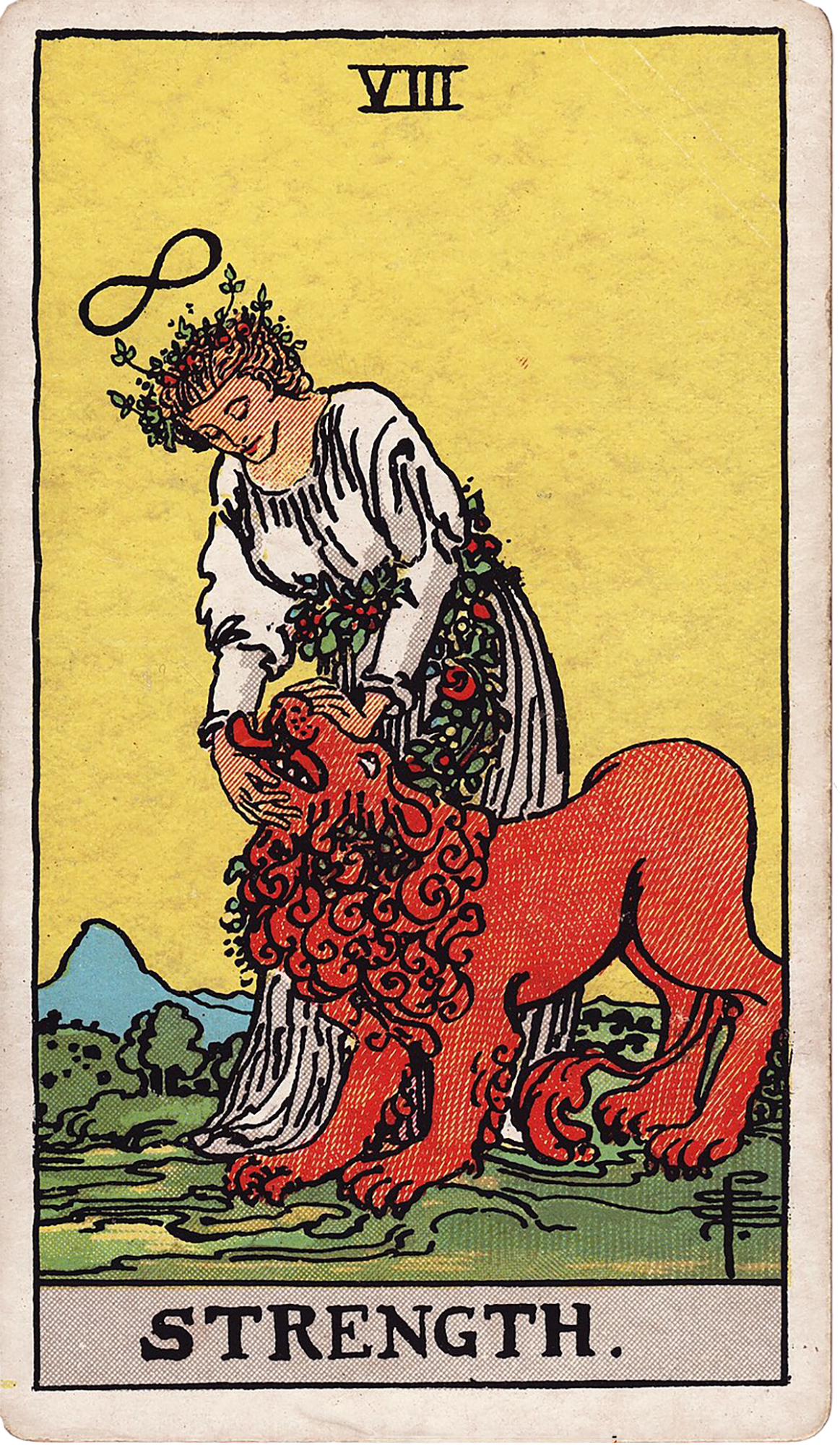 Strength
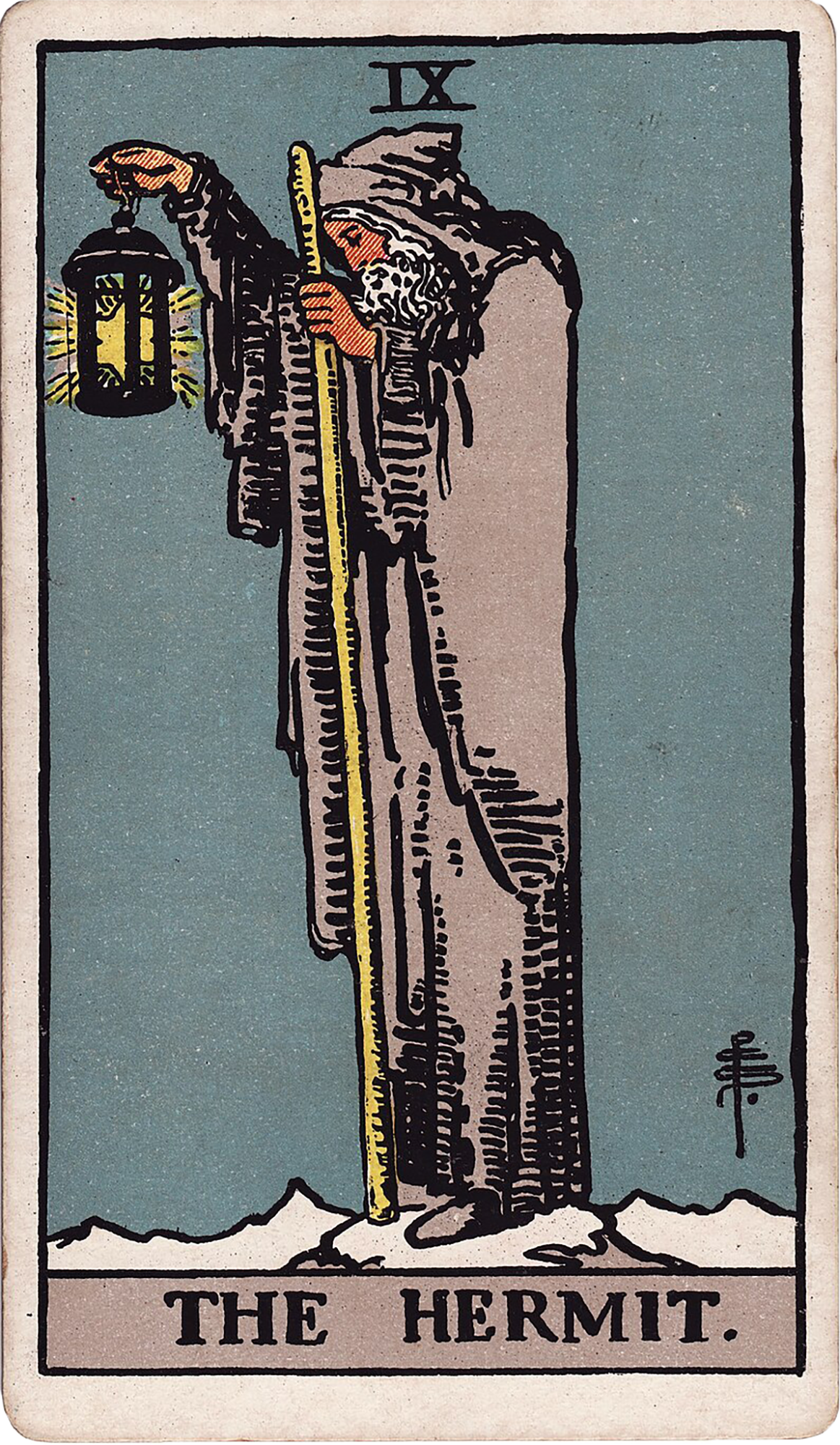 The Hermit
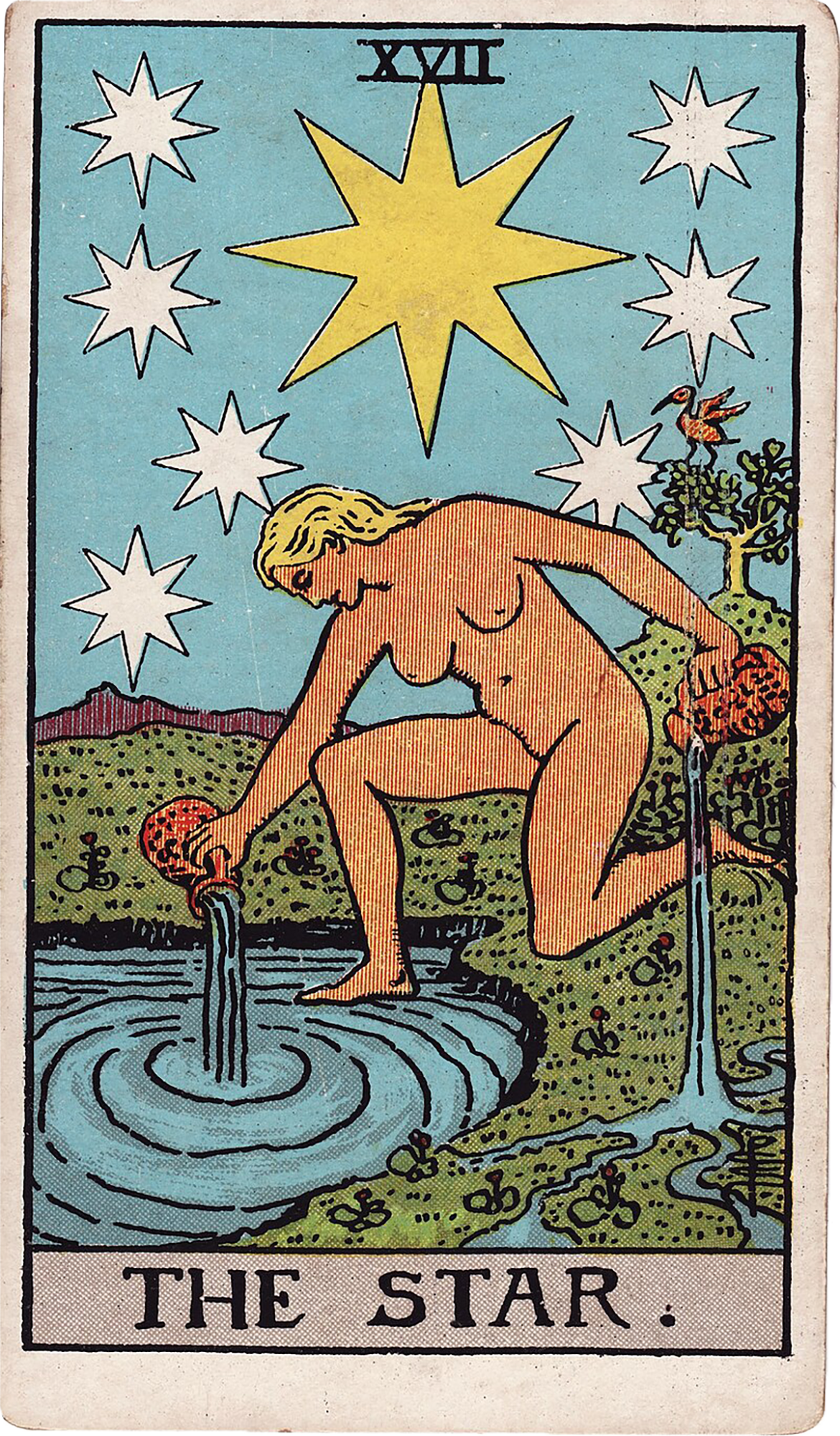 The Star
Introduction: Why study tarot in therapeutic contexts
Tarot has moved from esoteric and divinatory practice into many contemporary helping professions: psychotherapy, coaching, pastoral counseling, expressive arts, and self‑guided personal growth work. This shift did not happen overnight; it came through cultural changes in how people value narrative, symbol, and ritual for meaning‑making. For learners, the important distinction is how tarot is used. In a predictive, fortune‑telling mode tarot claims certainty about the future. In therapeutic and coaching contexts tarot becomes a reflective tool: a medium for externalizing problems, articulating inner states, exploring options, and catalyzing intentional change. Throughout this article we anchor practice to three Rider‑Waite‑Smith (RWS) cards supplied here—Strength, The Hermit, and The Star—using their imagery and conventional meanings to show how a reader can guide a client through useful psychological and practical work.
A brief history of tarot's move toward therapy and coaching
Historically tarot began as a card game in Renaissance Italy and later became associated with esotericism and occultism in the 18th and 19th centuries. The Rider‑Waite imagery—created in the early 20th century—made archetypal symbolism accessible and visually rich, which in turn made tarot more attractive to psychologists and artists who saw the cards as condensed symbolic scenes. From the mid‑20th century onward, two trends accelerated tarot's therapeutic use. First, the rise of humanistic and Jungian psychology emphasized myth, archetype, and symbol as pathways to self‑understanding. Jungian practitioners and Jung‑influenced counselors found tarot a compact iconography for archetypal themes. Second, the growth of coaching and non‑medical mental health movements created demand for tools that help clients externalize problems and rehearse alternative narratives. As grief counselors, life coaches, and expressive arts therapists explored symbolic media, tarot naturally fit because its imagery invites projection and metaphoric interpretation. Contemporary programs and workshops adapted tarot into structured exercises—reflective spreads, journaling prompts, and somatic anchoring—that prioritize client agency and therapeutic safety rather than divination.
Why Rider‑Waite symbolism is useful in therapy and coaching
The Rider‑Waite deck is especially useful for therapy and coaching because each card presents a scene with human figures, gestures, and objects arranged to suggest dynamic psychological states. Consider the supplied cards: Strength shows a woman and a lion, often with an infinity sign above her head and a calm, controlled posture. This scene invites discussion of courage, compassionate mastery, and inner resources versus brute force. The Hermit depicts a cloaked elder holding a lantern, often standing on a mountain, evoking solitude, reflection, and the search for an internal light. The Star shows a naked figure pouring water, one foot on land and one in water, with stars above—an image of renewal, hope, authenticity, and the interplay between inner receptivity and outward flow. These concrete images let clients project narratives: 'Which parts of this picture look like my life?' 'Who is the lion in my situation?' Projection is not a weakness; it is how metaphor becomes clinically usable. The images provide a shared vocabulary between practitioner and client to name feelings, resources, fears, and desired directions.
Core therapeutic functions that tarot can serve
In coaching and therapy tarot often serves several overlapping functions: (1) Externalization: a problem, aspect, or voice becomes an image on the card rather than only an internal, unspoken state. This distance allows kinder examination. (2) Metaphor and narrative building: cards prompt stories, memories, and metaphors clients can use to reframe experience. (3) Accessing emotion and sensation: evocative imagery can bypass purely cognitive defenses and bring somatic or affective material into awareness. (4) Structuring sessions: spreads provide a scaffold for progression—past-present-future, obstacle-resources-action—or for specific goals like values clarification. (5) Decision rehearsal: imagining different card responses helps clients practice choices and notice body responses. Importantly, these functions are shaped by the practitioner's framing. Using Strength as an example: you might use the card to externalize a client's experience of anger by asking them to describe the lion's expression, the woman's posture, and what 'calm courage' might look like in a real situation. The Hermit can be used to structure a reflective pause: what does the lantern illuminate in your life? The Star can be a recovery or resilience prompt: where do you see sources of hope and steady renewal?
Technique: practical reading method for therapy and coaching
A safe, repeatable method is essential. Below is a practical reading workflow tailored for therapeutic coaching that you can use with the supplied imagery. Begin with boundaries and consent: clarify that the reading is a reflective, present‑focused exercise and not a prediction. Ask the client to name their intention for the session (issue, question, feeling, or goal). Shuffle or allow the client to choose cards; encourage whichever method promotes engagement. Use a compact spread that tracks exploration, resources, and action. Example three‑card therapeutic spread using the supplied cards: Card 1 — Current core quality or obstacle (where are you now?) Card 2 — Inner resource or needed internal shift (what can you use?) Card 3 — Next concrete step or hopeful aim (where are you going?) In one session the three cards might come up as Strength (Card 1), The Hermit (Card 2), The Star (Card 3). Read sequentially and dialogically: invite the client to describe what they see in each image, then propose interpretive prompts focused on behavior and feeling. Questions to use: 'What in this image resonates with your current experience?' 'Where do you see resistance or help?' 'What is a small, practical step that would express the woman’s calm courage from Strength?' Always ask for concrete, proportional actions: the goal is not a heroic change overnight but an identifiable next move. Record notes and set accountability if it fits your practice. Use follow‑up to revisit the spread and note shifts.
Interpretation logic anchored to the supplied cards
Interpretation should move from description to association to application. Start with an objective description of the card’s RWS scene: Strength's woman, lion, and infinity symbol; The Hermit's lantern and hooded figure; The Star's water, stars, and openness. Ask the client what each element symbolizes to them. This avoids imposing meaning. Next, explore psychological associations. For example, Strength upright (as provided in the card context) emphasizes meeting intensity with calm courage, patience as power, and responding from self‑respect rather than fear. Use this to frame questions about boundaries, assertive softness, and staged responses. If Strength reverses (as the provided reversed text indicates), discuss self‑doubt, suppressed anger, and overcompensation—ask where courage is blocked or misapplied. For The Hermit upright, use the lantern metaphor: what needs to be lit? If reversed, address avoidance, excessive analysis, or loneliness and ask whether withdrawal hides needed engagement. For The Star upright, focus on renewal and authenticity—what small acts rebuild confidence? If reversed, explore discouragement, unrealistic idealization, or passivity. Finally, translate insight into behavioral steps: what would it look like to act from the card next week? The logic is rooted in observable behavior and felt experience rather than definitive prophecy.
Examples: three short case vignettes using Strength, The Hermit, and The Star
Case vignette 1 — Using Strength upright for boundary work: A coaching client describes being overwhelmed by continuous requests at work. The reader lays Strength as the 'resource' card. The client notices the woman’s calm expression and the lion’s relaxed jaw. Guided prompts move the client from abstraction to action: 'How would you speak if you used the woman’s calm courage? What is a short phrase that expresses both respect and boundary?' The client scripts a 30‑second boundary statement and commits to trying it once in a low‑risk conversation that week. Case vignette 2 — The Hermit reversed and loneliness vs. healthy solitude: A therapy client presents increased withdrawal and rumination. The Hermit appears reversed in the 'block' position. The practitioner asks, 'Is the lantern helping you see or is it hiding the path?' Exploration reveals the client uses solitude to avoid relationship conflict. Together they design graduated engagement steps—short phone calls, a planned coffee with a friend—and a journaling prompt to note inner signals when withdrawal feels like avoidance. Case vignette 3 — The Star upright for grief recovery: A bereaved client finds it hard to imagine hope. The Star appears in the 'future' position. The reader invites sensory imagining: describe the light, the coolness of water, the stars. The client identifies small renewal practices—nightly breathing with an eight‑minute 'star' visualization, tending a plant—that rebuild trust in small pleasures. These vignettes show how image‑based prompts move clients toward measurable practices while honoring emotional complexity.
Common mistakes and how to avoid them
Several mistakes recur when tarot is used without clinical framing. Mistake 1: Over‑predicting. Presenting tarot as deterministic conflicts with therapeutic ethics and client autonomy. Avoid this by framing card meanings as metaphoric, probabilistic, and changeable. Mistake 2: Imposing fixed meanings. Even with RWS conventions, the card must be co‑authored with the client. Ask open questions rather than delivering interpretations. Mistake 3: Replacing basic therapeutic skills with cards. Tarot cannot substitute for assessment, crisis management, or evidence‑based interventions. If a client shows suicidal ideation or acute psychopathology, follow clinical protocols and refer to appropriate professionals. Mistake 4: Neglecting cultural context. Cards and symbols mean different things across cultures; do not assume universal associations. Mistake 5: Ignoring power and transference. Use the images to explore transference safely; be explicit about boundaries. Correct these mistakes through training, supervision, and clear informed consent that explains the role of tarot in your practice.
Ethics, consent, and professional boundaries
Ethical use requires informed consent that explains purpose (reflection, exploration), limits (not a substitute for medical or psychiatric care), and confidentiality. If you are a counselor or coach, check your licensing board for guidance on using symbolic tools. Clearly state whether readings will be recorded, shared, or used in supervision. Maintain boundaries: do not mix fortune‑telling promises with therapeutic contracting. When difficult material arises (self‑harm, abuse), follow your mandated reporting and crisis protocols rather than continuing a card exercise. Finally, disclose your competence: if you are not clinically trained, avoid treating clinical disorders and instead offer card work as a reflective, supportive exercise while referring to appropriate clinicians as needed.
Training, competence, and supervision
Because tarot can evoke strong material, practitioners should pursue training in both card literacy and relational skills. Training components include: (1) Deck literacy: understanding images, upright/reversed dynamics, and common RWS motifs—such as the infinite loop over Strength’s head, The Hermit’s lantern, and The Star’s dual water gesture. (2) Therapeutic skills: reflective listening, pacing, containment, and trauma‑informed practice. (3) Ethical training: informed consent, record keeping, referral protocols. Supervision is crucial. Review cases with a supervisor to spot countertransference, ethical risks, or boundary blurring. Continuing education can include workshops that synthesize symbolic work with modalities like narrative therapy, somatic experiencing, or strengths‑based coaching.
Integrations with therapeutic and coaching modalities
Tarot integrates well with several methods: narrative therapy (use cards as externalizing conversations), cognitive‑behavioral coaching (use card images to test narratives and create behavioral experiments), mind‑body work (use card images for guided imagery and somatic tracking), and existential therapy (use archetypal scenes to explore meaning and mortality). Example: combine The Hermit with mindfulness practice by using the lantern as an internal focus point for a 7‑minute guided meditation, then journal sensations and thoughts. Combine Strength with role‑play: have the client rehearse an assertive speech embodying the woman’s posture. Use The Star as a values exploration: list activities that embody steady renewal and pick one to schedule.
Frequently asked questions from learners and families
Q: Is tarot compatible with religious beliefs? A: Compatibility depends on individual beliefs and the symbolic framing you use. Present tarot as psychological imagery rather than occult instruction when working with clients who prefer secular language. Q: Can family members participate in card work? A: Yes, in mediated formats. Use cards to externalize relational dynamics and set ground rules: each person speaks for themselves, no predicting or shaming. Q: What if a client is skeptical? A: Skepticism is normal; invite curious experimentation. Offer a brief, low‑stakes exercise (single card for a moment of reflection) to demonstrate how imagery can uncover feelings. Q: How soon will clients see change? A: There is no guaranteed timeline. Use the cards to set small, proximal behavioral goals, track progress, and celebrate incremental gains. Q: Is reversals reading necessary? A: Reversals are useful as prompts to consider blocks or interiorized energies. You can also use a reversal‑free method by asking whether each card feels more 'available' or 'blocked' to the client.
Conclusion: Responsible practice and the future of tarot in helping professions
Tarot's strength as a therapeutic tool lies in its capacity to make inner life visible in portable, evocative images. The Rider‑Waite scenes of Strength, The Hermit, and The Star offer immediate, shared metaphors for courage, reflection, and renewal. When used responsibly—with informed consent, clear boundaries, appropriate referral, and integration with relational skills—tarot can help clients externalize problems, rehearse new behaviors, and reconnect to hope. The future will likely bring more formal research, clearer training standards, and continued hybrid practices that combine card imagery with evidence‑based interventions. For learners, the invitation is twofold: study the images and their RWS symbolism deeply, and develop the relational skills that turn images into ethically grounded change work.
Practice questions
• When you look at Strength, which details (the woman, the lion, the infinity sign) feel most like your current inner state and why?
• If The Hermit’s lantern were to illuminate one small corner of your life this week, what would you hope to see?
• Which daily action could you commit to that feels like an expression of The Star’s steady renewal?
• How would you explain to a skeptical friend the difference between predictive tarot and therapeutic tarot?
• What boundaries and consent language will you use before inviting someone into card‑based reflection?
• Where might you need supervision or a referral when client material exceeds your competence?
Comments
Sign in to comment.
Continue learning
Advanced Techniques for Combining The Moon and The Star to Enhance Intuition in Tarot Readings
This article explores advanced techniques to combine the symbolism and energy of The Moon and The Star Tarot cards to enhance intuition during Tarot readings. Drawing from traditio...
Decoding Transformation and Renewal with Death and The Star in Tarot Combinations
This article delves into the card combination of Death and The Star, two powerful Major Arcana cards from the Rider-Waite-Smith deck. It explores how their imagery and meanings int...
Finding Emotional Healing and Renewal with The Star and The Moon Tarot Combination
This article examines the rich interplay between The Star and The Moon tarot cards when they appear together in a reading. Using the traditional Rider-Waite-Smith symbolism and the...
Unlocking Emotional Resilience with Strength and The Star in Tarot Combinations
This article delves into the Tarot card combination of Strength and The Star, revealing how their interplay highlights pathways to emotional resilience. Anchored in the Rider-Waite...
Applying The Star Card to Foster Hope and Renewal in Personal Growth
The Star card in Tarot symbolizes hope, authenticity, and the process of steady renewal. In a single-card reading, The Star encourages embracing what is present, cultivating openne...
Unlocking Emotional Healing with Temperance and The Star in Tarot Combinations
This article delves into the powerful Tarot combination of Temperance and The Star, focusing on how these cards interact to promote emotional healing. By examining their upright an...
Exploring The Star Card for Spiritual Hope and Emotional Renewal
This article explores The Star card from the Tarot deck as a symbol of spiritual hope and emotional renewal. Using the supplied upright and reversed card interpretations and Rider-...
Using the Three Card Spread to Navigate Emotional Challenges with The Moon The Star and The Lovers
This article offers an in-depth exploration of the Three Card Spread applied to emotional challenges, using The Moon in the Past position, The Star in the Present, and The Lovers i...
Unlocking Personal Growth with The Hermit and The Star Tarot Combination
This article delves into the combined symbolism of The Hermit and The Star Tarot cards, focusing on how they interact to foster personal growth. By studying their upright and rever...
Unlocking Personal Transformation with Death Temperance and The Star Tarot Combination
This article explores the powerful card combination of Death, Temperance, and The Star in Tarot readings, focusing on how these cards together illuminate processes of personal tran...