
Mapping Intimacy Patterns and Sexual Compatibility Using the Relationship Five Card Spread
This article teaches the Relationship Five Card Spread for exploring intimacy patterns and sexual compatibility, using a worked reading with the exact cards that will display: The Lovers, The Moon, Ace of Wands, 2 of Cups, and Queen of Cups. For learners: position definitions, Rider–Waite–Smith imagery notes, card-to-card interactions, synthesis techniques, reproducible method, ethical guidance, common mistakes, and practice exercises.
Relationship Five
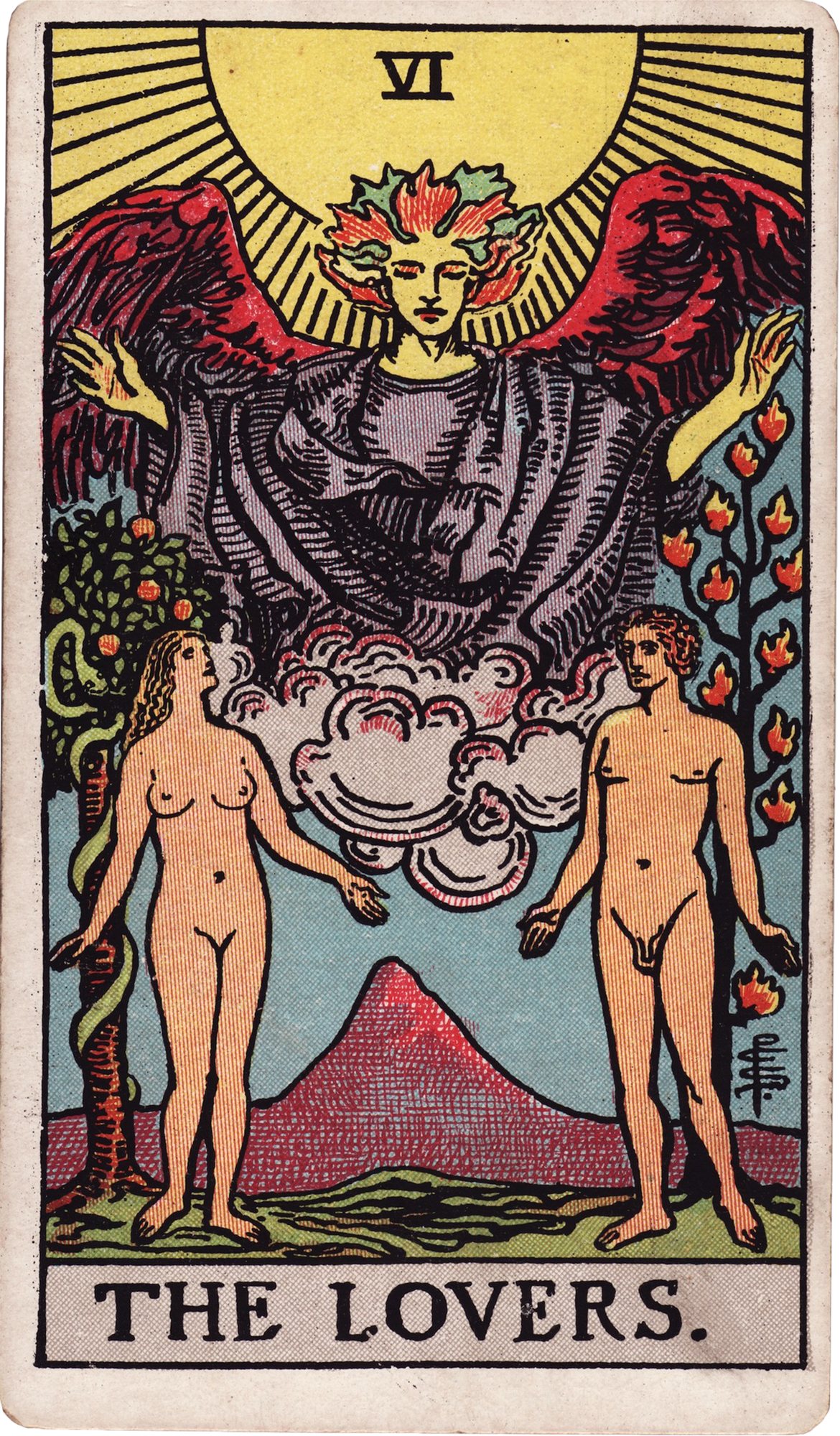 YouThe Lovers
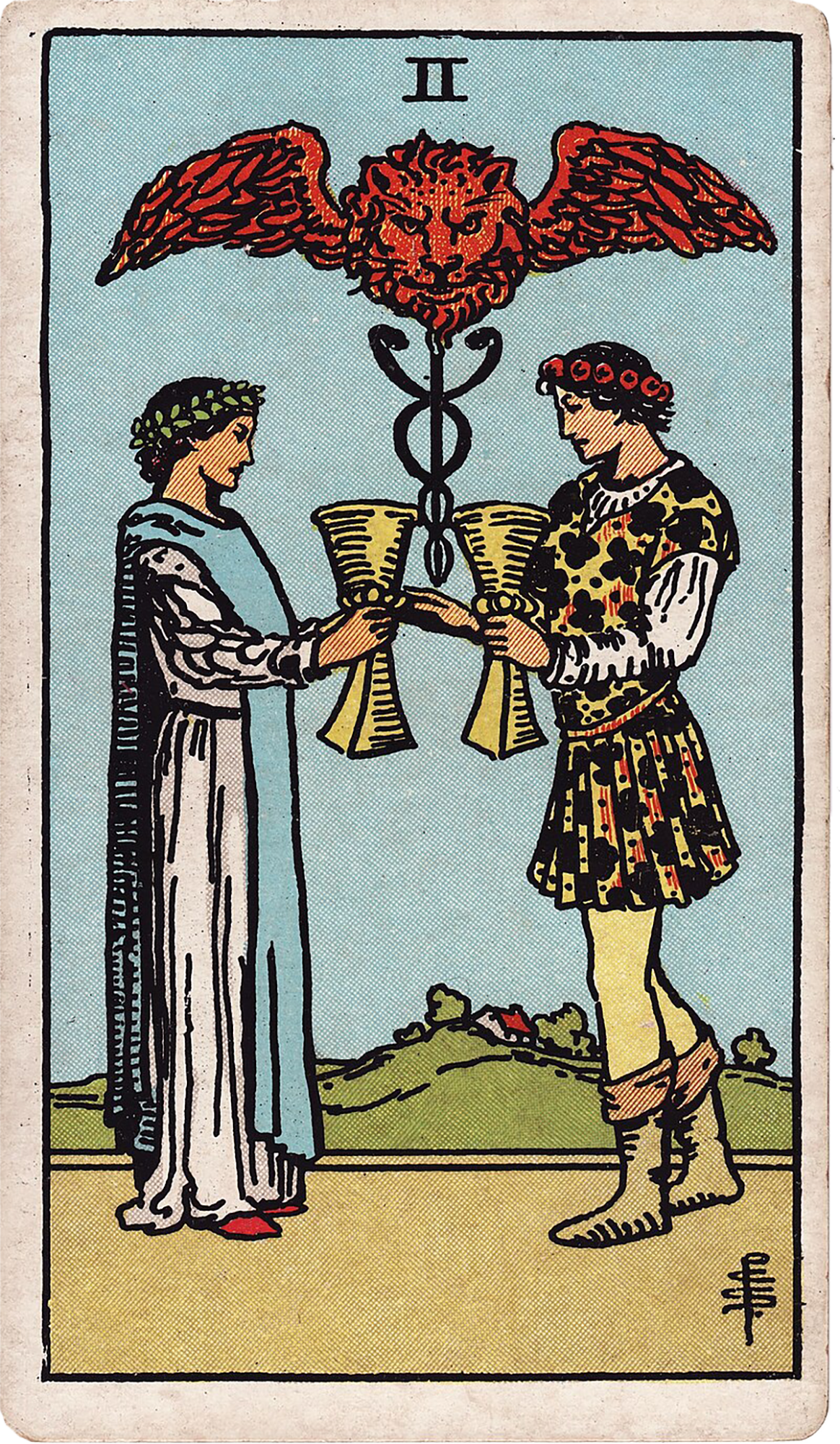 The Other Person2 of Cups
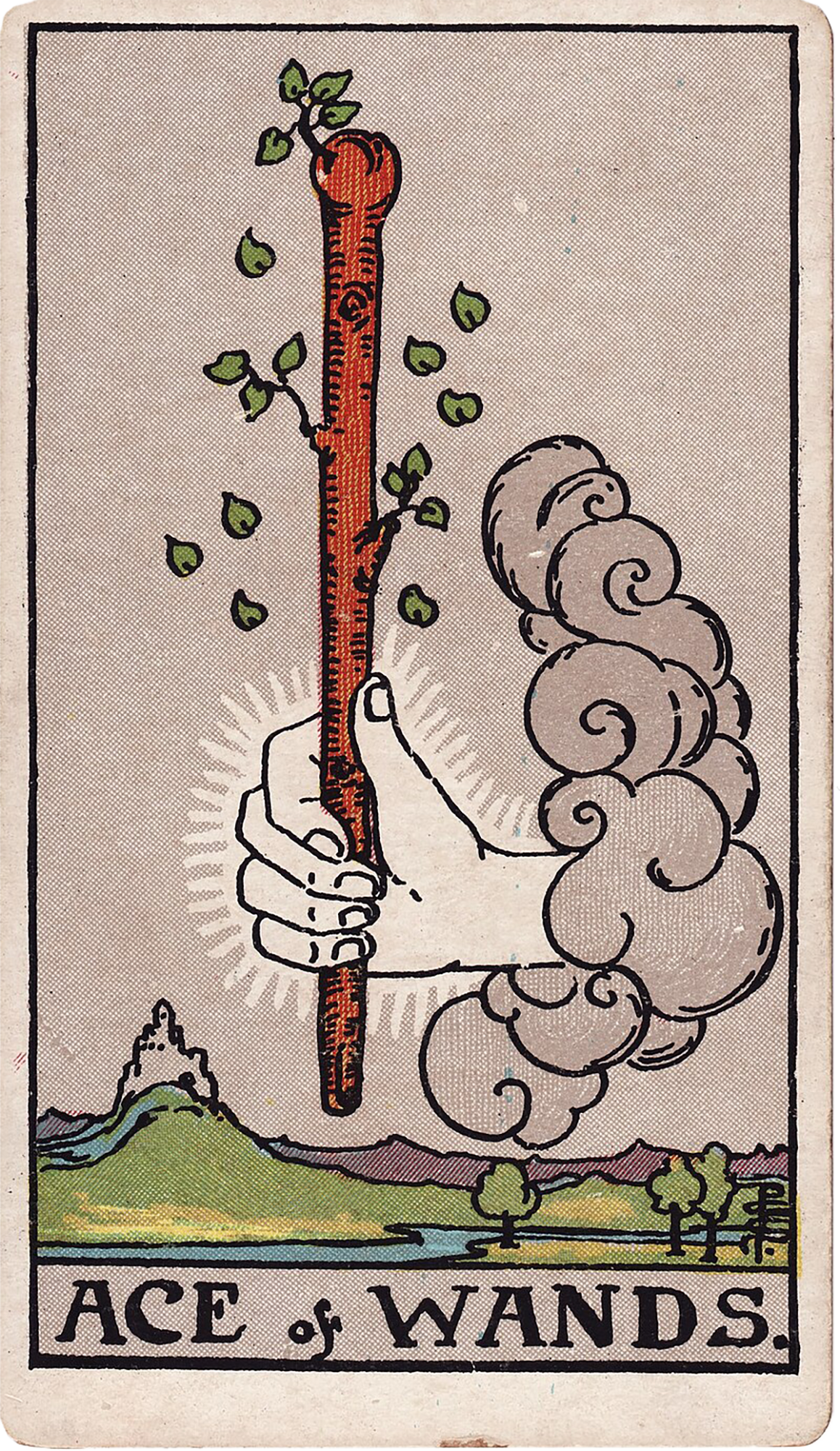 ConnectionAce of Wands
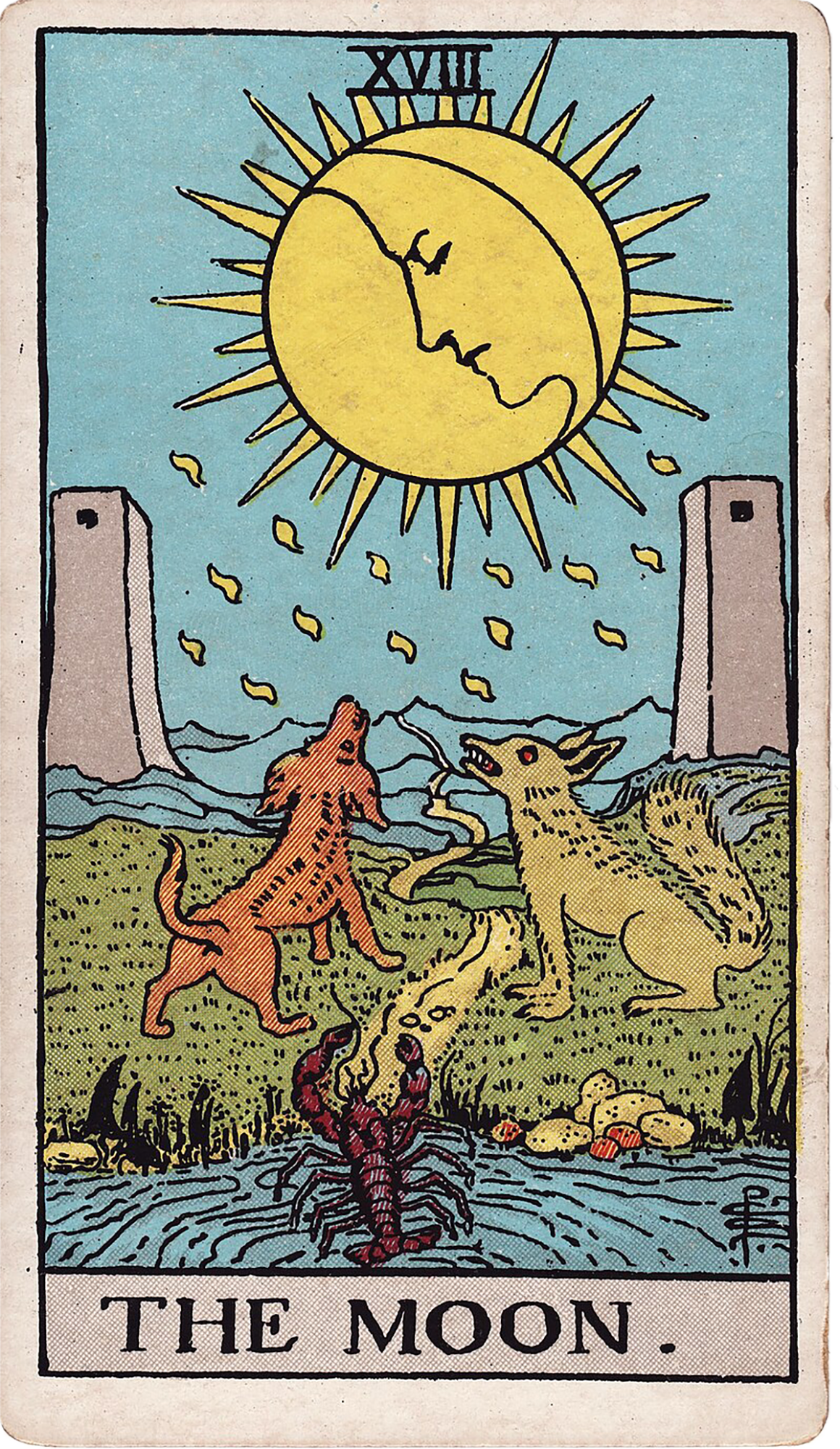 ChallengeThe Moon
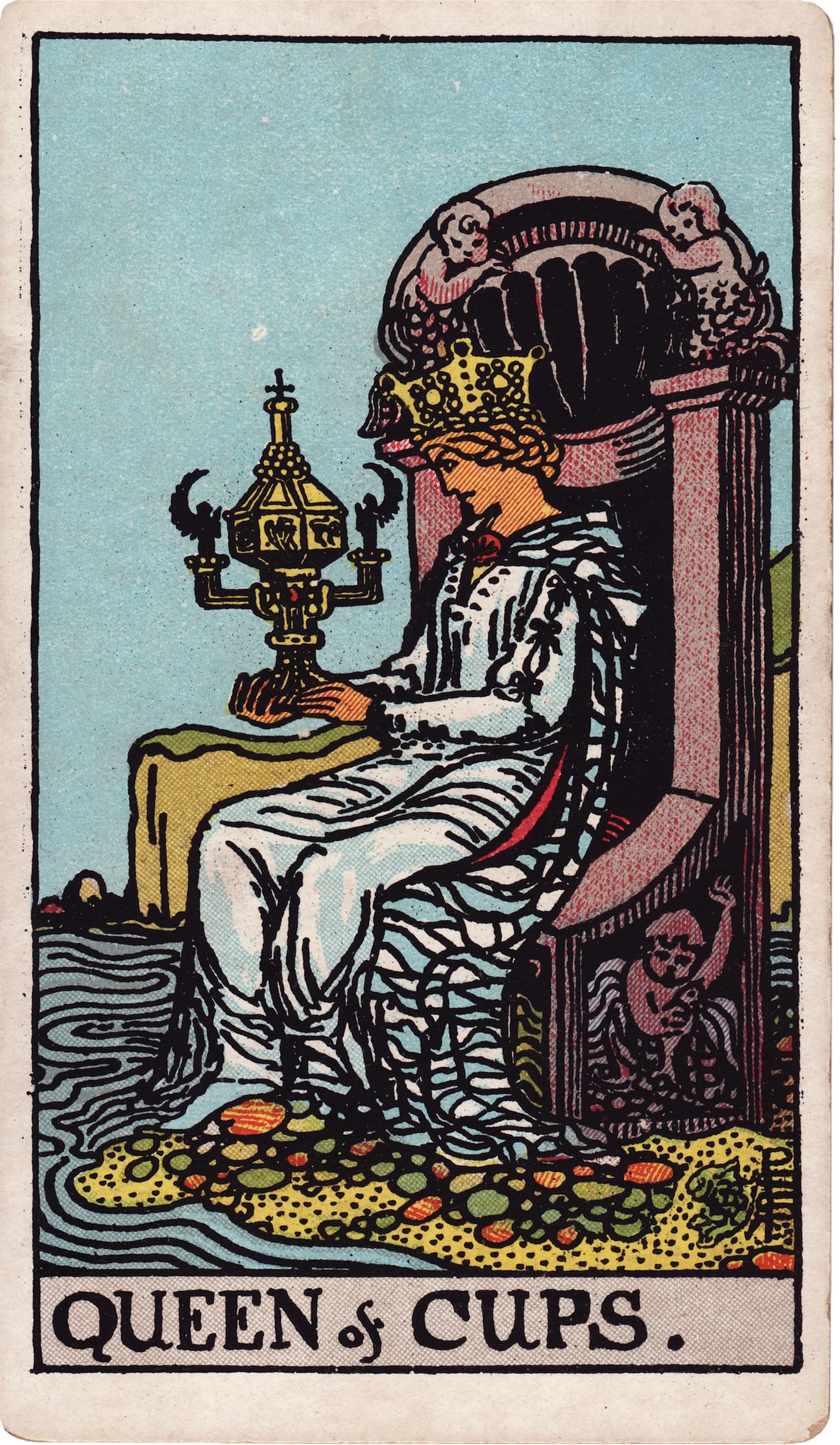 DirectionQueen of Cups
Introduction and purpose
This article explains how to use the Relationship Five Card Spread (also called Relationship Five) to map intimacy patterns and sexual compatibility. The article is a teaching document for learners: it is not a predictive guarantee. You will see a worked layout using the exact cards that will be displayed with this article. We will refer only to those cards: The Lovers, The Moon, Ace of Wands, 2 of Cups, and Queen of Cups. Because this article is intended to be visually anchored, pay attention to the images you see — their figures, gestures, background symbols and expressions are the primary material for interpretation. The goal is practical: help you find actionable questions, boundaries, and next steps for sexual and emotional compatibility while balancing desire, values, and consent.
When to use this spread and its scope
Use the Relationship Five Card Spread when you want a focused, short reading that balances desire and emotional dynamics. This spread is suited for: couples or partners exploring compatibility, single readers wanting to understand patterns they bring to sexual relationships, or therapists/counselors using tarot to expand relationship awareness (with informed consent). The spread is compact enough for a single session yet rich enough to map patterns. It is not a forensic tool — it reads dynamics, not incontrovertible facts. Always get consent before reading about another person's sexual behavior or preferences.
Layout and position labels
Positions in order: You, The Other Person, Connection, Challenge, Direction. The supplied cards are placed in that exact order: 1) You = The Lovers, 2) The Other Person = The Moon, 3) Connection = Ace of Wands, 4) Challenge = 2 of Cups, 5) Direction = Queen of Cups. Lay the cards left to right or in a fan; keep the sequence clear. The reading reads both linearly (You → Other → Connection → Challenge → Direction) and relationally (pairwise links between positions). Keep a notepad to record first impressions, symbols you notice (colors, gestures, animals, background elements), and any physical reaction you have as you look at each card image.
Position-by-position explanation using the displayed cards
Position 1 — You: The Lovers. Placed in 'You', The Lovers asks: where are you being asked to choose? In Rider–Waite–Smith imagery the angel presides over a naked pair with a mountain and a tree; light from above suggests moral or soul-level alignment. Here, The Lovers in your position suggests that your relationship approach centers on choosing alignment between desire and values. For intimacy: you may be at a point where clarity about your sexual ethics or boundaries is emerging. Upright, The Lovers encourages deliberate choice and honesty. Reversed, it would flag misalignment or temptation; in this reading we treat the card using the upright/reversed text provided, but observe the image for clues about whether the choice feels heavy, easy, or avoided. Use questions such as: Which of my sexual choices would align with my longer-term values? Where do I need to be more honest with myself or my partner? Position 2 — The Other Person: The Moon. The Moon in the other's position highlights uncertainty, projection, hidden fears, or strong unconscious material that shapes how the other person shows up. Rider–Waite symbolism — the moon face, two towers, a dog and wolf, and a crayfish emerging from water onto a path — points to the unstable corridor between animal instinct and social restraint, guided by night-vision intuition. In a sexual context, The Moon suggests the other person may bring fantasies, unclear signals, or emotional shadow material. They may be more reactive, dreamy, or guarded than they initially present. Consider whether their behavior is led by projection (seeing in you what they fear or desire) and whether boundaries around disclosure and pacing are needed. Position 3 — Connection: Ace of Wands. The Ace of Wands is the raw sexual spark and emergent creative energy. In Rider–Waite imagery a hand appears from clouds offering a sprouting wand, symbolizing an initiating impulse. As the connection card, this shows the flavor of sexual chemistry: novelty, ambition, desire to begin, and the call to act before enthusiasm fades. In a compatibility reading, Ace of Wands indicates strong physical attraction and a practical invitation to test the connection with an appropriate first action — a conversation about needs, a date that focuses on chemistry, or a clear flirtation that asks for consent. Upright it supports taking initiative; reversed it warns of blocked or premature action. Position 4 — Challenge: 2 of Cups. The 2 of Cups traditionally symbolizes mutual exchange, a mirror-like partnership and the caduceus-lion motif in RWS imagery — a union that needs reciprocity. As a challenge, the 2 of Cups points to issues in reciprocity: unequal emotional labor, unspoken expectations about intimacy, or misaligned languages of desire. Even though 2 of Cups is often positive upright, its placement as a challenge flags that healthy mutual recognition is the task. Ask: Are both parties able to meet each other's needs honestly? Is one party idealizing the connection? Upright the card emphasizes the need for practical mutual exchange; reversed it may show misalignment or one-sided giving. Position 5 — Direction: Queen of Cups. The Queen of Cups, sitting at the sea with a closed cup, represents mature emotional receptivity, intuition, and compassionate containment. As a forward-looking card, she suggests that the healthiest direction for this relationship or sexual pattern is toward emotional attunement, empathetic listening, and holding feelings without swallowing them. In RWS symbolism the Queen is a water figure, grounded in compassion yet private. Directionally, she recommends cultivating a tender, empathic atmosphere where emotional needs are seen and emotionally regulated rather than overwhelmed. If reversed, she would warn against emotional enmeshment or avoidant fantasy; upright she asks for emotionally mature caregiving aligned with consent and reciprocity.
Card-to-card relationships and how to read their dialogue
A vital part of relational spreads is reading the dialogue between cards — how images answer, mirror, or contradict one another. Use three lenses: visual dialogue (what the images suggest together), elemental translation (suits and major arcana roles), and narrative motion (how energy travels across the line from You to Direction). You (The Lovers) ↔ Other (The Moon): The Lovers asks for conscious choice; The Moon brings unconscious material. Together they show a tension between deliberate selection and hidden projection. Rider–Waite visuals amplify this: the clear daylight of The Lovers versus the nocturnal, shadowy scene of The Moon. Interpretively, ask whether your chosen standards are being clouded by the other person's fog (projection, secrecy) or whether you are avoiding choosing because of fear. Practical implication: name core values aloud and check whether the other can respond clearly. You (The Lovers) ↔ Connection (Ace of Wands): This pair asks how your values link to your impulse. The Lovers (values-driven) next to an Ace of Wands (impulse-driven) asks, 'Can your ethical choices be enacted without killing desire?' The Ace demands a first step. Use the image contrast — an angelic moralizing figure vs a hand offering a sprout — to balance intention with initiative. A constructive reading: pick a proportional first action that honors both desire and ethics: a consent conversation, negotiation around timing, or a low-stakes date. Other (The Moon) ↔ Connection (Ace of Wands): The Moon's fog affects the spark. Is the sexual spark fueled by projection or real mutual appetite? The Moon can color the Ace's ignition with fantasy, so the warning is to check whether the spark is a story rather than mutual reality. Practically: test the chemistry in a grounded way; ask clarifying questions about boundaries and fantasies. Connection (Ace of Wands) ↔ Challenge (2 of Cups): The spark needs reciprocity. The Ace initiates, but the 2 of Cups as a challenge signals that initiation will succeed only if both partners can meet each other. Rider–Waite details (caduceus between cups) hint that mutual healing or shared language may be required. In practice, make small reciprocal efforts: share likes/dislikes, request feedback, and confirm after intimate encounters whether needs were met. Challenge (2 of Cups) ↔ Direction (Queen of Cups): The challenge of reciprocity resolves by adopting the Queen's compassionate receptivity. If the 2 of Cups problem is unequal exchange, the Queen asks for an emotionally safe container where needs can be expressed without shame. Visual logic: two figures exchanging cups vs a solitary queen holding a cup — move from dyadic negotiation to emotional containment skills that protect both parties. Actionable technique: set up check-ins and boundaries that honor emotional disclosure without pressuring immediate sexual responses. You (The Lovers) ↔ Direction (Queen of Cups): The Lovers' call to choose meets the Queen's instruction to choose with compassion. The combined message: make choices that align with your values and are held in empathetic, emotionally responsible ways. This pairing is the ethical endpoint of the spread: desire must be married to emotional care.
Overall narrative and synthesis for this worked reading
Synthesize the line: You are being asked to make deliberate choices that match your values (The Lovers). The person across from you brings unclear, possibly fantasy-tinged material (The Moon). The chemistry is potent and emergent (Ace of Wands), but the main test will be whether the spark becomes a mutually sustaining exchange (2 of Cups as Challenge). The healthiest direction is to cultivate emotionally mature receptivity, compassion and containment (Queen of Cups). Practically this spells: name your values about sexual ethics, check the other's signals and possible shadow stories, allow the chemistry to be tested with small, consented actions, actively work on reciprocity, and move toward tender emotional holding. Language for clients: 'You appear to be at a crossroads where your desire must be chosen according to your values. There is a strong initial spark, but some fog from the other person. The sustainable path is emotional care and mutual meeting.' Always offer multiple options (moving forward, pausing, renegotiation), not a single 'must do'.
Step-by-step practical method to reproduce this reading
1) Preparation: Create a quiet, consensual space. If reading for another person, explain scope and get permission to address sexual and emotional topics. Have a cloth or mat and the five-card layout ready. 2) Shuffle and focus: As you shuffle, hold the question area: 'Map the intimacy patterns and sexual compatibility between these people.' Encourage clear intent instead of outcome demands. 3) Cut and draw: Draw five cards, laying them left to right as You, The Other Person, Connection, Challenge, Direction. Note orientation (upright/reversed) and place the card images so the querent can see them. 4) First pass observational notes: Spend 30–60 seconds looking at each card image and note immediate sensory impressions and any gut reactions. 5) Positional interpretation: Read each card in its position using the anchors above: The Lovers = choice/values; The Moon = projection/hidden material; Ace of Wands = spark/action; 2 of Cups = reciprocity; Queen of Cups = emotionally mature direction. 6) Pairwise dialogues: Read pairwise relationships (You↔Other, You↔Connection, Other↔Connection, Connection↔Challenge, Challenge↔Direction) and allow images to speak. 7) Synthesis: Form a short narrative and practical next steps (1–3 actions). 8) Check for consent-based boundaries and safety: If sexual risk is present (non-consensual, coercive behavior, or unsafe patterns), recommend professional support. 9) Close: Offer reflection questions and invite the querent to journal. Avoid giving prescriptive commands about another person's body or consent; instead present options and encourage conversation.
Technique notes, symbolism, and interpretation logic
Elemental logic: Wands = fire/sexual energy/initiative (Ace of Wands explains spark); Cups = water/emotions/attunement (2 of Cups and Queen of Cups point to mutual feeling and emotional care); Major Arcana = archetypal forces (The Lovers and The Moon describe deep internal processes and choices). Numerology: Ace = new beginning; 2 = partnership and choice point. Rider–Waite symbolism to look for: The Lovers' angel, mountain and garden as 'values-notice'; The Moon's path, towers, dog/wolf/crayfish as 'shadow vs instinct'; Ace of Wands' hand-from-clouds and budding shoot as 'opportunity that needs a first gesture'; 2 of Cups' entwined figures and caduceus as 'healing reciprocity'; Queen of Cups' closed cup on a throne by sea as 'private, mature emotional container.' Reversals: Use the supplied upright and reversed guidance for each card. Reversals are not uniformly 'bad' — they indicate blockage, internalization, excess, or correction. Always read reversals as specific local information (e.g., Ace of Wands reversed may mean blocked initiation; The Moon reversed may mean confusion clearing or denial of intuition) and weigh them with surrounding cards. Tone and ethics: Because this spread deals with intimacy and sexuality, prioritize questions of consent and autonomy. Never pressure clients for sexual details they are not willing to provide. If the reading raises red flags (coercion, abuse), offer resources rather than attempting to 'fix' clinical situations alone.
Common mistakes and how to avoid them
1) Forcing sexual interpretation: Not every Cup or Wands card is explicit sexual content. Ask which element maps to desire and which to emotion before assuming. 2) Ignoring consent and privacy: Always confirm what the querent wants to discuss and never read for a third person without permission. 3) Over-reading a single card: The Lovers in the You position is important but does not determine the whole outcome. Read it in context with other cards. 4) Treating reversals as simply 'bad': Use the supplied reversal guidance to look for correction or internalization. 5) Missing imagery details: The RWS images contain clues (e.g., the crayfish on The Moon’s shoreline or the caduceus on the 2 of Cups) that refine meaning. Slow down and let the image speak. 6) Assuming a one-size-fits-all direction: Queen of Cups suggests emotional care, but what that care looks like will depend on the querent's capacity, history and consent dynamics. Offer options, not prescriptions.
Practice exercises for learners
1) Solo practice: Shuffle and place the five cards for a recent short-term flirtation or encounter with yourself as 'You'. Write a one-paragraph narrative synthesizing the five cards. 2) Paired practice (with consent): One person shuffles and draws for a recent date; the other practices reading only what they observe visually, avoiding interpretations until asked. Then compare notes. 3) Imagery drill: Focus on one card (e.g., The Moon). Write 10 images you see on the card and a short line about how each could relate to intimacy (e.g., crayfish = emerging unconscious desire). 4) Reverse-check: Practice reading the same layout assuming a reversal on one card at a time. Note how the narrative changes. 5) Ethics scenario role-play: Simulate a reading where a red flag appears (non-consensual pressure). Practice how to pause the reading, name limits, and offer support referrals. These exercises build fluency and ethical awareness.
Final tips and next steps
- Keep the language exploratory: 'This suggests', 'Consider', 'You might try' rather than 'You must'. - Anchor interpretations to visual clues as often as you can. Connect the RWS motifs to practical questions: who speaks first, who holds secrecy, how emotions are contained. - Use the spread regularly to track patterns: do you frequently draw The Moon in the Other position? That pattern suggests a longer-term theme. - Combine this spread with journaling and direct communication between partners. Tarot is a tool for insight and conversation, not substitution for direct negotiation. - If serious relational harm is suspected, prioritize safety and professional help. Reading intimacy with tarot requires sensitivity. The supplied cards here tell a coherent story: deliberate choice (The Lovers), a partner with inner fog (The Moon), a lively initiating spark (Ace of Wands), reciprocity as the test (2 of Cups), and an emotionally mature destination (Queen of Cups). Use that arc as a template for clear, consent-focused, practical readings.
Practice questions
• Which values are most important to me when choosing to pursue sexual or romantic connection?
• Where might I be projecting fantasies or fears onto the other person?
• What small, proportional first action could test the chemistry while honoring boundaries?
• How is reciprocity currently working or failing between us?
• What emotional container would feel safe for both parties to express needs?
Comments
Sign in to comment.
Continue learning
Harnessing the Power of The Magician and Ace of Wands: Igniting Creativity and Manifestation in Tarot Readings
The combination of The Magician and the Ace of Wands in tarot readings offers a potent blend of creative energy and manifestation power. This article delves into the ways these car...
Unlocking the Creative Synergy of The Magician The Empress and Ace of Wands in Tarot Combinations
This article delves into the dynamic interplay of The Magician, The Empress, and Ace of Wands when they appear together in tarot readings. It explores how these cards collectively...
Unveiling Personal Power Through The Magician Strength and Ace of Wands
This article delves into the dynamic interplay of The Magician, Strength, and Ace of Wands tarot cards, exploring how their combined symbolism illuminates personal power across var...
Exploring the Symbolism and Elemental Correspondences of the Four Tarot Suits for Deeper Understanding
This article offers an in-depth exploration of the symbolism and elemental correspondences of the four tarot suits—Wands, Cups, Swords, and Pentacles—anchored by the imagery and me...
Using the Five Card Cross Spread to Overcome Career Burnout and Reignite Passion
This article guides learners through the Five Card Cross spread applied to overcoming career burnout and reigniting passion. Featuring a worked example using The Emperor, The Chari...
Mastering the Art of Combining The Magician The Empress and Ace of Wands for Creative Manifestation
This article explores the combined reading of The Magician, The Empress, and Ace of Wands Tarot cards, focusing on their synergy for creative manifestation. Through detailed analys...
Exploring the Symbolic Language and Elemental Meanings of the Suit of Wands in Tarot
The Suit of Wands in Tarot represents dynamic energy, creative force, and the drive for identity and ambition. Rooted in the elemental symbolism of fire, Wands cards articulate mot...
Unlocking Creative Synergy with The Magician The High Priestess and Ace of Wands
This article examines the powerful combination of The Magician, The High Priestess, and Ace of Wands within Tarot readings. By exploring their symbolic interplay, readers learn how...
Exploring the Symbolic Meanings and Elemental Correspondences of the Suit of Wands in Tarot
The Suit of Wands in Tarot embodies dynamic energy, creativity, and ambition, rooted in the elemental force of fire. This article delves deeply into the symbolism and elemental cor...
Mastering the Art of Combining The Magician The High Priestess and Ace of Wands for Advanced Tarot Readings
This article delves into the advanced skill of synthesizing The Magician, The High Priestess, and Ace of Wands within Tarot spreads. By grounding the discussion in the Rider-Waite-...