
Mastering Intuitive and Analytical Tarot Reading for Enhanced Accuracy and Depth
This article delves into the integration of intuitive and analytical Tarot reading skills, targeting both beginners and advanced learners. Using The Magician, The High Priestess, and Queen of Swords as foundational examples, it explores how readers can balance subconscious impressions with conscious logical frameworks. The piece covers practical steps, common pitfalls, interpretive logic, and visual symbolism analysis to enhance accuracy and depth in Tarot practice.
Cards explored in this article
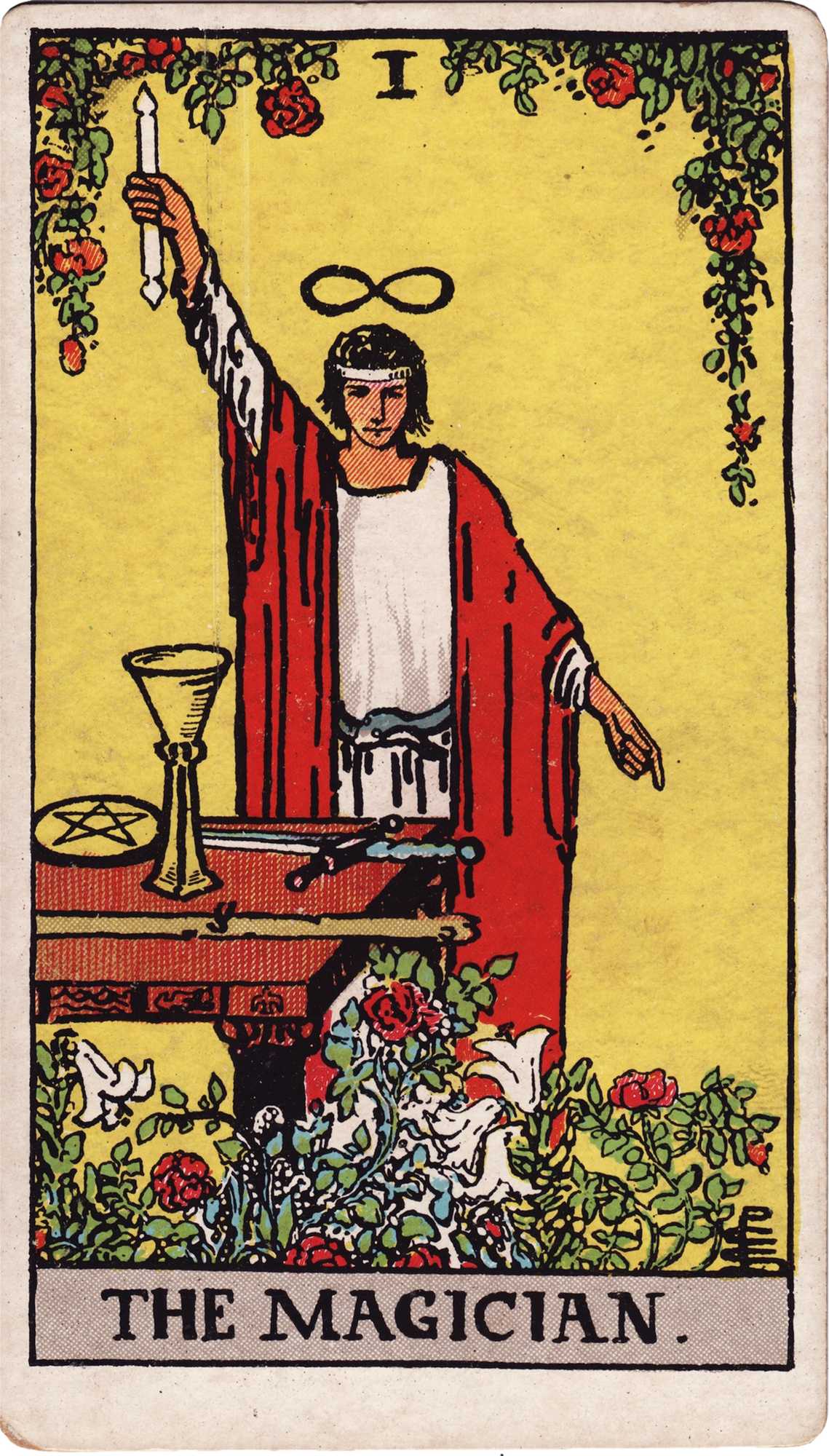 The Magician
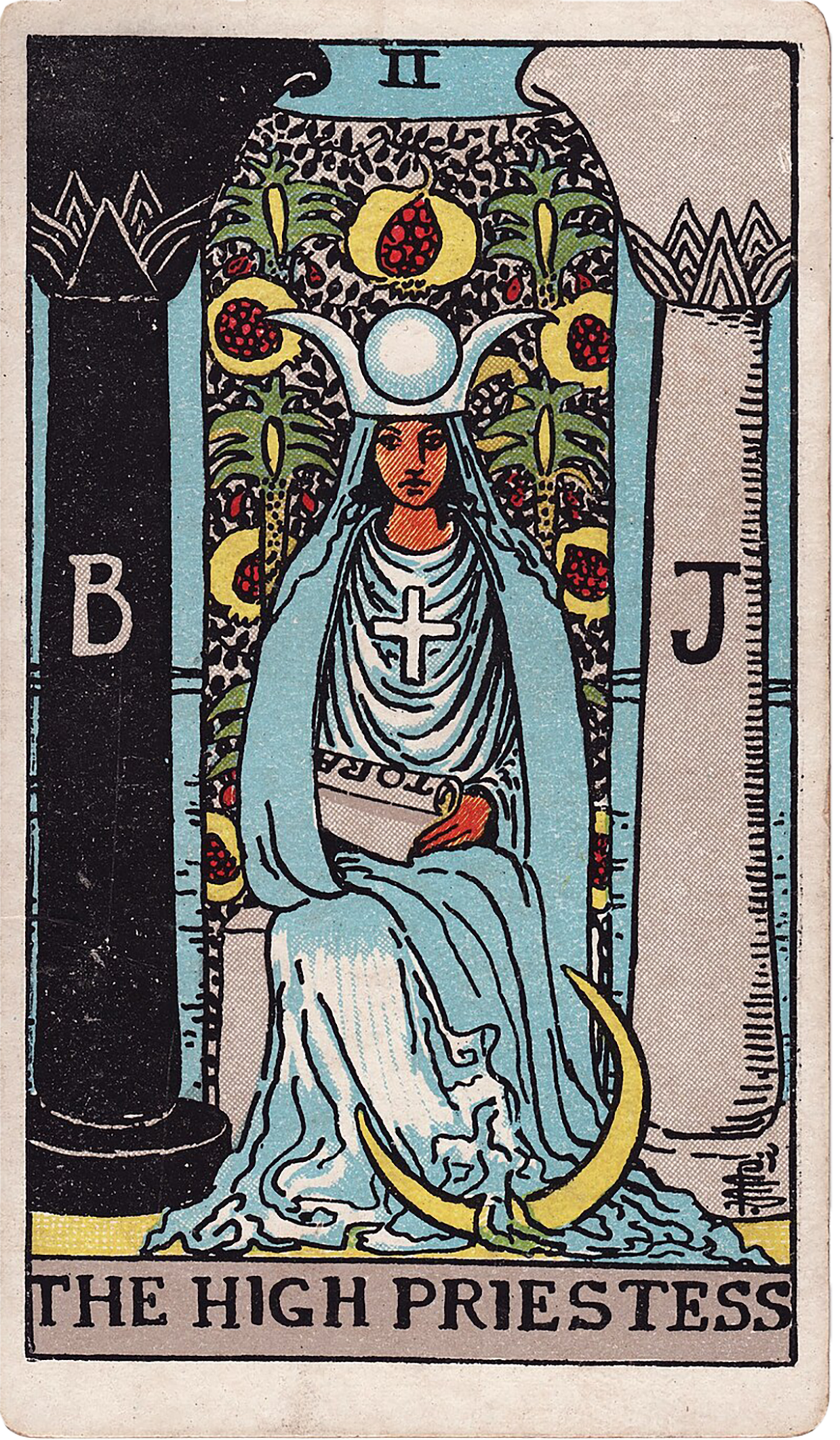 The High Priestess
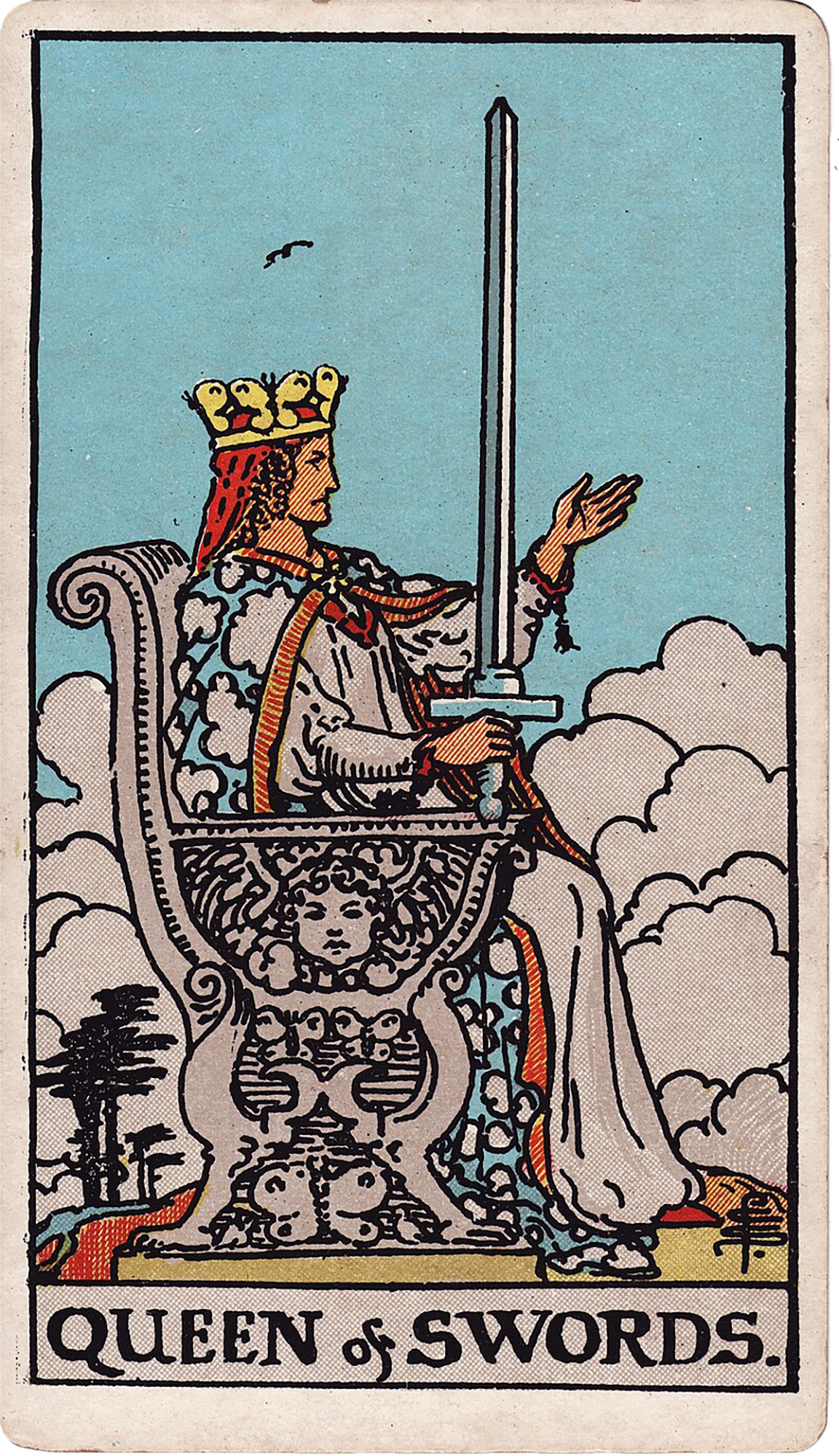 Queen of Swords
Understanding the Dual Nature of Tarot Reading
Tarot reading uniquely combines intuitive perception and analytical reasoning, both essential for a nuanced interpretation. Intuition allows readers to tap into subconscious insights and emotional undercurrents, while analysis provides structure, clarity, and logical consistency to the reading. Beginners often lean heavily on one approach, typically intuition, and may neglect the grounding benefits of analytical methods. Conversely, advanced readers can deepen their practice by consciously balancing these two modes, enhancing both accuracy and depth. The supplied cards illustrate this duality well. The Magician emphasizes deliberate choice and conscious skill application—an analytical quality. The High Priestess represents inner knowing and quiet discernment, embodying the intuitive realm. The Queen of Swords bridges these by demonstrating clear-minded independence, honest boundaries, and communication that involves both sharp intellect and emotional awareness.
The Magician as a Model for Analytical Clarity
The Magician card traditionally symbolizes skill, resourcefulness, and turning potential into action. Upright, it urges the reader to focus on what is immediately available and to make deliberate conscious choices. This card reminds us that Tarot interpretation benefits from clear, structured thinking. Begin by identifying core symbols on The Magician: the infinity symbol above his head (limitless potential), the tools on the table (wands, cups, swords, pentacles representing the four suits and elemental forces), and his focused gesture pointing from heaven to earth (channeling and manifesting ideas). In practice, use The Magician’s energy to frame your analytical questions: What skills or resources are already present in the querent's situation? Where can deliberate action be taken? How does the card’s symbolism relate to the question asked? Developing this habit encourages readers to avoid vague or overly mystical interpretations and instead ground their insights in the querent’s current reality. Common mistakes include over-intellectualizing the reading, ignoring emotional subtleties, or rushing to judgment without sensing the card’s subtler nuances. Balancing The Magician’s analytical energy with intuitive checks helps avoid these pitfalls.
Tuning Into Intuition Through The High Priestess
The High Priestess invites readers to listen beneath surface appearances and trust emerging information. Upright, she encourages quiet discernment and receptivity—core attributes of intuitive reading. Notice the card’s imagery: the veil decorated with pomegranates symbolizing hidden knowledge, the crescent moon at her feet representing cycles and subconscious, and the pillars indicating duality and mystery. These symbols guide the reader to slow down, observe impressions without forcing conclusions, and allow insights to arise naturally. For beginners, cultivating intuition can feel elusive. A practical method is to pause after identifying the card and ask: What immediate feeling or image arises? What patterns or emotions resonate with the querent’s situation? Record these impressions alongside analytical notes. A common error is mistaking anxiety or projection for true inner knowing. The High Priestess reversed warns against disconnection from intuition or passive avoidance. Use neighboring cards for context and verify whether the intuitive insight aligns with other elements in the spread. Advanced readers often develop a dialogue between intuition and analysis here, cycling between quiet reflection and structured questioning to deepen clarity.
Harnessing the Queen of Swords for Integrative Interpretation
The Queen of Swords embodies clarity, honest boundaries, and communication that respects truth without cruelty. This card models the integration of intuitive sensitivity with intellectual rigor. Visual elements include her upright posture and direct gaze, symbolizing independence and mental clarity. Her sword points upwards, representing truth and decisiveness. The clouds in the background suggest complex thought or emotional undercurrents that she navigates with poise. In reading practice, the Queen of Swords invites you to articulate insights clearly and compassionately, particularly when delivering challenging messages. She also encourages considering the mental habits influencing the situation and recognizing when thought patterns may be obstructive or liberating. Reversed, she highlights potential distortions such as bitterness, excessive criticism, or intellectual avoidance of emotional complexity. Recognizing these signs enables the reader to adjust tone and approach, ensuring the reading remains constructive. Use the Queen’s example to refine the communication aspect of your readings, ensuring interpretations are both truthful and empathetic—thus deepening reader-querent connection and practical usefulness.
Techniques to Develop Intuitive and Analytical Skills Together
To master both intuitive and analytical Tarot reading, learners can adopt the following methods: 1. Dual Journaling: Record your first intuitive impressions immediately after seeing each card, then follow with analytical notes on symbolism and traditional meanings. Compare to spot overlaps and discrepancies. 2. Symbol Deconstruction: Take complex cards like The Magician and Queen of Swords and list each symbol, then research its Rider-Waite-Smith significance. Reflect on how each detail might apply to the reading’s context. 3. Question Anchoring: Use targeted questions inspired by The Magician and The High Priestess—such as "Where can deliberate choice be made?" or "What is emerging beneath the surface?"—to guide both intuitive and analytical inquiry. 4. Contextual Integration: Always consider card reversals and neighboring cards, as seen with the reversed forms of the supplied cards. They often indicate blocked energies or psychological nuances that require both intuition and analysis to decode. 5. Role Switching: Practice the reading from two perspectives—first as the intuitive channel, then as the critical analyst. Harmonize insights afterward for a balanced narrative. These exercises promote flexibility and depth, helping readers move beyond rote memorization to dynamic, engaged Tarot interpretation.
Common Mistakes and How to Avoid Them
Several pitfalls can hinder developing balanced Tarot reading skills: - Overreliance on either intuition or analysis: Beginners often trust gut feeling exclusively, leading to vague or contradictory readings. Conversely, too much analysis can freeze interpretation and ignore emotional nuance. - Ignoring card imagery and symbolism: Failing to engage visually with cards like The High Priestess and Queen of Swords limits access to their layered meanings. - Treating reversals as inherently negative: As with The Magician reversed, reversals signal energy shifts or blocks, not automatic doom. Contextual interpretation is key. - Skipping reflection on reader biases: Self-doubt or projection, especially noted in reversed High Priestess, can cloud clarity. - Failing to adapt language to the querent’s needs: The Queen of Swords shows the importance of honest yet compassionate communication. Avoid these mistakes by cultivating awareness of your process, grounding interpretations in the card’s imagery, and integrating both intuitive and analytical perspectives.
Applying Mastery in Practical Reading Scenarios
Imagine a querent asks about taking a new job opportunity. Drawing The Magician upright suggests they have the skills and resources necessary for a proactive step. Intuitively, you might sense excitement mixed with hesitation, reflecting The High Priestess’s call to listen closely to underlying feelings or doubts. Analytically, note the symbolic tools on The Magician’s table—do they correspond to the querent’s skill set? The High Priestess encourages exploring what is not immediately visible: Are there fears or information the querent has not yet acknowledged? The Queen of Swords in the spread might indicate the need for clear communication—perhaps discussing terms or setting boundaries with the potential employer. By cycling between intuitive impressions and analytical observations, you provide a nuanced, actionable interpretation. This method ensures the reading is neither overly mystical nor rigidly intellectual but balanced and practical.
Practice questions
• How do I currently balance intuition and analysis in my Tarot readings?
• What symbolic elements in The Magician, The High Priestess, and Queen of Swords resonate most with me and why?
• When have I mistaken anxiety or projection for intuition, and how can I improve my discernment?
• How can I communicate sensitive truths more clearly and compassionately in my readings?
• In what ways can I use card reversals as indicators of internal or blocked energies rather than bad omens?
Comments
Sign in to comment.
Continue learning
Exploring The High Priestess in Career Relationships and Personal Growth
The High Priestess card in the tarot deck invites readers to explore intuition, hidden knowledge, and inner wisdom across various life contexts. This article examines how The High...
Unlocking Emotional Wisdom with The High Priestess and The Queen of Cups in Tarot Combinations
This article delves into the card combination of The High Priestess and The Queen of Cups, emphasizing their shared themes of intuition, emotional depth, and receptivity. By examin...
Balancing Ambition and Intuition with The Emperor and The High Priestess in Tarot Combinations
This article delves into the card combination of The Emperor and The High Priestess, highlighting their complementary energies of structure and intuition. It explores how these car...
Developing Intuitive Tarot Reading Skills with The High Priestess and The Moon
This article guides tarot learners through developing intuitive reading skills focusing on two powerful cards: The High Priestess and The Moon. Using traditional Rider-Waite-Smith...
Unlocking Advanced Intuition Techniques Using The High Priestess The Moon and The Hermit
This article examines advanced intuition development in tarot reading by focusing on The High Priestess, The Moon, and The Hermit cards. It offers practical techniques for beginner...
Unlocking Personal Growth and Intuition with The High Priestess Tarot Card
The High Priestess tarot card, with its rich symbolism and deep intuitive message, serves as a powerful tool for personal growth and inner wisdom. This article explores how to inte...
Unlocking the Dynamic Partnership of The Magician and The High Priestess in Tarot Combinations
The Magician and The High Priestess represent two complementary archetypes in the tarot deck that, when combined, offer a rich interplay of conscious action and intuitive insight....
Mastering Intuition with The High Priestess The Hermit and The Moon in Tarot Readings
This article delves into mastering intuition through three powerful Tarot cards: The High Priestess, The Hermit, and The Moon. It guides readers from beginner to advanced reading t...
Building Intuition and Analytical Skills with The High Priestess and The Hermit in Tarot Readings
This article explores how The High Priestess and The Hermit, two powerful Major Arcana cards, serve as complementary guides for developing intuition and analytical skills in tarot...
Using the Five Card Cross Spread to Navigate Ethical Dilemmas with Confidence
The Five Card Cross spread is a practical and versatile tool for exploring complex ethical dilemmas and making confident decisions. This article guides learners through each positi...