
Building Intuition and Analytical Skills with The High Priestess and The Hermit in Tarot Readings
This article explores how The High Priestess and The Hermit, two powerful Major Arcana cards, serve as complementary guides for developing intuition and analytical skills in tarot reading. By focusing on their rich Rider-Waite-Smith symbolism and upright and reversed meanings, readers from beginner to advanced levels will learn practical methods to balance quiet discernment with clear thinking. The article covers interpretive technique, common pitfalls, contextual examples, and a structured approach to integrating these cards into readings to enrich understanding and decision-making.
Cards explored in this article
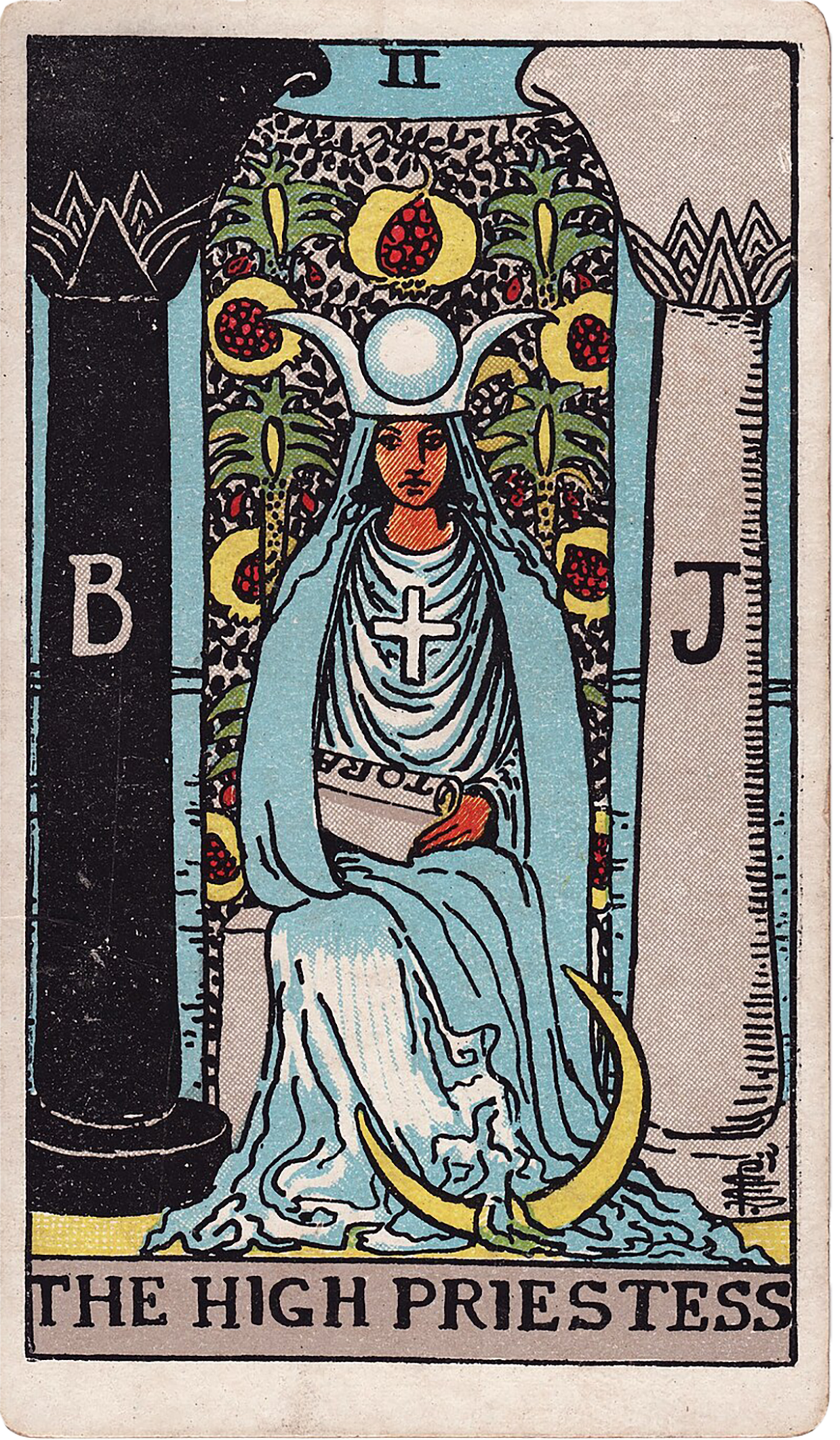 The High Priestess
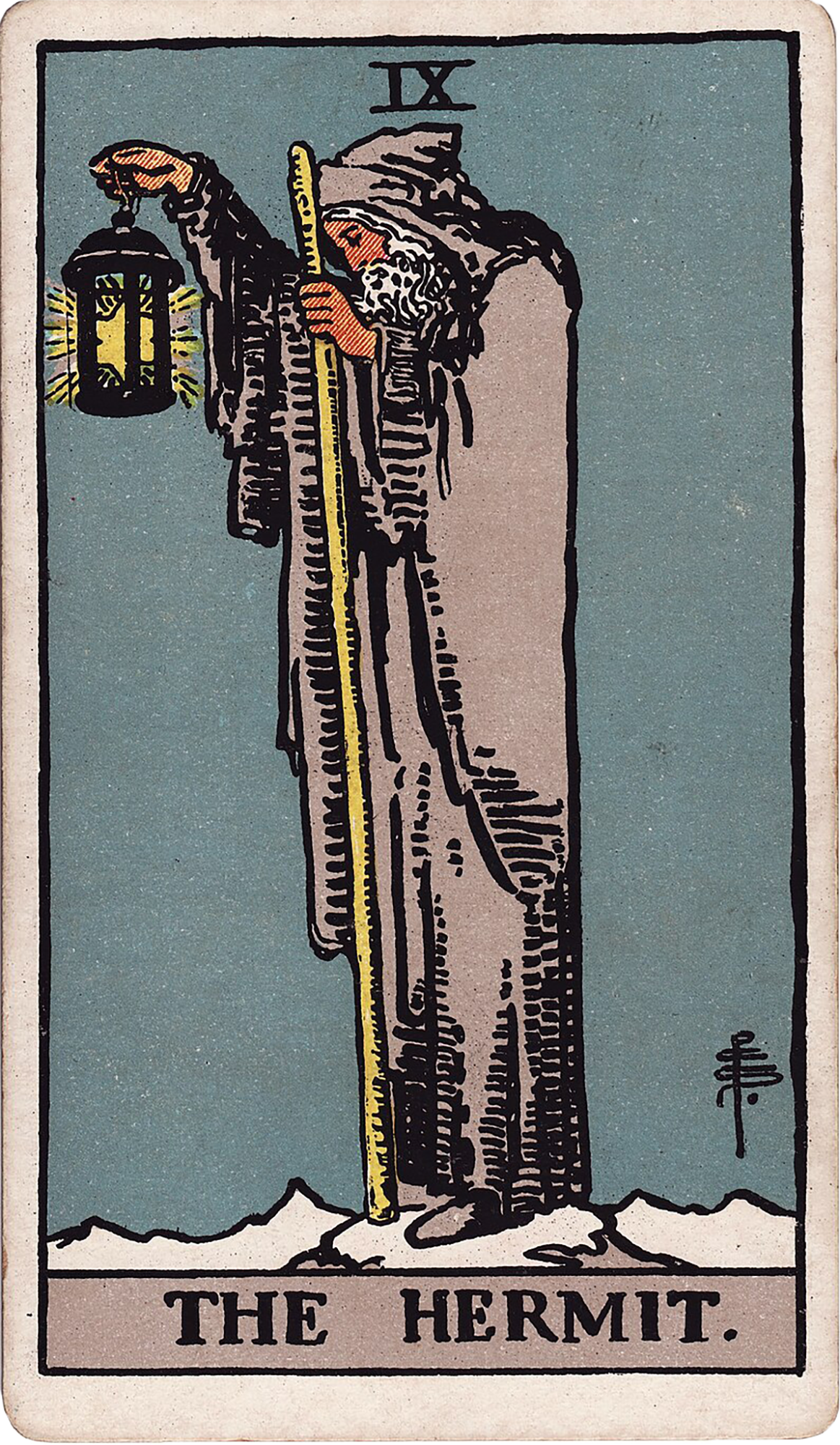 The Hermit
Introduction to The High Priestess and The Hermit as Dual Guides
The High Priestess and The Hermit are iconic Major Arcana cards that share a focus on inward reflection, but they emphasize different modes of inner work. The High Priestess encourages tuning into subtle intuition, trusting what lies beneath the surface of consciousness. The Hermit advocates stepping back from noise and distraction to gain clarity through solitude and deliberate thought. Together, these cards symbolize a powerful dynamic between intuitive insight and analytical reasoning. For tarot readers, cultivating the qualities inherent in these cards enhances both intuitive perception and thoughtful evaluation, leading to balanced and nuanced readings.
Understanding The High Priestess Upright and Reversed
The High Priestess upright invites readers to listen beneath surface appearances and trust quiet discernment. The imagery shows a seated figure between two pillars, symbolizing balance, mystery, and the gateway to hidden knowledge. The scroll in her lap and the crescent moon emphasize cycles and intuitive wisdom. When this card is upright, it encourages working with the information available now rather than waiting for perfect clarity. It highlights the importance of conscious engagement with subtle cues and inner knowing. Reversed, The High Priestess points to blocked or distorted intuition, secrecy, or mistaking anxiety for insight. It may signal avoidance or an internal struggle to access deeper understanding. Importantly, the reversed card is not inherently negative; it often marks a phase of correction or resistance, especially in psychological or private matters. Context from neighboring cards is essential to determine whether the reversal indicates a temporary pause or an energetic imbalance.
Understanding The Hermit Upright and Reversed
The Hermit upright symbolizes stepping back to think clearly, seeking depth over noise, and using solitude for insight. His image, a cloaked figure holding a lantern, represents illumination through introspection and deliberate examination. The rocky mountain setting evokes the effort to reach higher knowledge by distancing oneself from distractions. Upright, The Hermit encourages readers to consciously engage with the central issue using available information and identifies the next proportional step in the process. Reversed, The Hermit can indicate isolation, excessive withdrawal, avoidance, or paralysis through overanalysis. Like The High Priestess reversed, this state is not definitively negative but suggests a blockage or exaggeration of the card’s core theme. The reversed card often reflects psychological shifts or emerging awareness of old behavioral patterns that need adjustment. Nearby cards help clarify whether the reversal signals recovery or resistance.
Balancing Intuition and Analysis in Tarot Readings
Developing both intuition and analytical skills is essential for effective tarot reading. The High Priestess teaches the value of listening carefully to subtle, nonverbal information—recognizing symbols, moods, and emotional undercurrents. The Hermit models the application of critical thought and reflection to organize and interpret these insights thoughtfully. Beginner readers can practice by noting their initial intuitive impressions when The High Priestess appears in a reading and then using The Hermit’s energy to question and refine those impressions logically. For example, when these cards appear together, ask: Where is the querent invited to pause and listen internally (The High Priestess), and where do they need to step back and gain perspective (The Hermit)? This balance prevents both impulsiveness and over-intellectualization.
Practical Techniques for Working with The High Priestess and The Hermit
1. Focused Meditation: When drawing The High Priestess or The Hermit, spend time meditating on their imagery. Visualize the pillars and lunar symbols of The High Priestess or the lantern and mountain of The Hermit. Notice what feelings or thoughts arise before interpreting their literal meanings. 2. Journaling Dual Impressions: Record your intuitive reactions (The High Priestess) and then follow with analytical notes (The Hermit). Compare how these perspectives complement or challenge one another. 3. Ask Targeted Questions: Use the prompts suggested by the cards’ upright meanings—Where is deeper honesty needed? What boundary clarifies the issue? What deliberate choice can move the situation forward? This technique fosters active engagement with the cards. 4. Observe Reversed Dynamics: Pay attention to what areas of intuition or reflection might be blocked or exaggerated. Look for signs of secrecy, avoidance, or isolation and consider how this impacts the querent’s challenges. 5. Combine with Neighboring Cards: The High Priestess and The Hermit often reveal more when considered alongside adjacent cards. Their presence can indicate phases of preparation or internal work before action or highlight internal obstacles.
Common Mistakes and How to Avoid Them
One frequent error is equating The High Priestess solely with mystical or psychic abilities, neglecting her grounded role in conscious awareness and practical discernment. This can lead to over-reliance on vague intuition without sufficient analysis. Similarly, readers sometimes reduce The Hermit to mere solitude or withdrawal, missing his emphasis on deliberate clarity and purposeful insight. Over-identifying with isolation can cause paralysis or detachment rather than constructive reflection. Another mistake is interpreting reversals as inherently negative omens. Instead, consider reversals as signals to examine where the card’s qualities are distorted or require integration. Avoid rushing to conclusions about disaster or failure; instead, use the reversed card to uncover internal dynamics or transitional phases. By consistently relating interpretations back to the cards’ detailed Rider-Waite-Smith symbolism and balanced upright and reversed meanings, readers can develop nuanced and context-sensitive readings.
Example Reading Application Combining Both Cards
Imagine a querent facing a decision about a major life change. The High Priestess appears upright, suggesting they possess enough subconscious awareness to begin conscious engagement. The Hermit follows, upright as well, indicating the need for deliberate reflection and a step back from external pressures. In this context, a reader might advise the querent to trust their inner voice but also to set aside time for quiet contemplation, free from distractions. They might explore which secrets or suppressed feelings surface (High Priestess) and what insights emerge through introspection (Hermit). If either card appears reversed, the reader would investigate blocks such as denial of intuition or isolation that hinders clarity. This combined approach demonstrates how the qualities represented by The High Priestess and The Hermit can guide readers and querents toward balanced decision-making rooted in self-awareness.
Advanced Techniques for Developing Intuition and Analysis
For advanced readers, integrating The High Priestess and The Hermit involves recognizing subtle shifts within these archetypes during a reading. This includes noting degree and context of reversals, timing between intuitive insights and reflective steps, and interplay with the querent’s psychological state. Techniques such as active imagination—dialoguing mentally with the figures of The High Priestess and The Hermit—can deepen understanding of their lessons. Another advanced method is layering interpretations based on elemental correspondences (Water for The High Priestess, Earth for The Hermit) to enrich the analysis. Practicing these cards’ energies in meditation and journaling over time cultivates a habitual balance of intuition and reason, refining the reader’s skill in navigating complex readings with depth and precision.
Conclusion and Integrative Reflection
The High Priestess and The Hermit together illuminate the synergy between intuition and analysis essential for proficient tarot reading. By engaging with their Rider-Waite-Smith symbolism and balanced upright/reversed meanings, readers develop a methodical yet sensitive approach to interpretation. Practicing focused meditation, journaling, and attentive questioning using these cards nurtures both inner listening and clear thinking. Avoiding common pitfalls related to oversimplification or misinterpretation, readers can harness these archetypes to provide insightful and empowering readings. Whether beginner or advanced, working consciously with The High Priestess and The Hermit strengthens the foundation of tarot reading as a reflective and transformative practice.
Practice questions
• How do I experience the balance between intuition and analysis in my own tarot readings?
• In what ways can I better recognize when The High Priestess’s intuitive energy is blocked or distorted?
• How might I use The Hermit’s symbolism to step back from distractions and gain clearer insight?
• What practical steps can I take to integrate meditative and analytical techniques when these cards appear?
• How does considering both upright and reversed meanings alter my interpretation of internal challenges?
Comments
Sign in to comment.
Continue learning
Interpreting the Dance of Justice and The Devil: Balancing Morality and Temptation in Tarot Readings
The combination of Justice and The Devil in tarot presents a profound exploration of morality, temptation, and personal accountability. This article unpacks how these cards influen...
Advanced Techniques for Combining The Moon and The Star to Enhance Intuition in Tarot Readings
This article explores advanced techniques to combine the symbolism and energy of The Moon and The Star Tarot cards to enhance intuition during Tarot readings. Drawing from traditio...
Unlocking Life Insights with the Celtic Cross Tarot Spread
This article offers a thorough exploration of the Celtic Cross Tarot Spread, focusing on its application within family and practical life contexts. Using a worked example featuring...
Unlocking Hidden Meanings with The Hermit and The Hanged Man for Spiritual Growth
This article offers an in-depth exploration of The Hermit and The Hanged Man Tarot cards focusing on their roles in spiritual growth. It guides readers through beginner and advance...
Unlocking Personal Insight with the Seven Card Horseshoe Spread
The Seven Card Horseshoe Spread is a practical and insightful Tarot layout ideal for exploring personal and family dynamics. This article breaks down each position—Past, Present, H...
Mastering the Court Cards of Wands for Unlocking Personal Drive and Leadership
The Court Cards of Wands represent a dynamic spectrum of personal energy, ambition, and leadership potential within the Minor Arcana. This article offers a comprehensive exploratio...
Tracing the Origins and Evolution of The Fool Card in Tarot History
The Fool card holds a foundational place in tarot tradition, symbolizing beginnings, openness, and the embrace of uncertainty. This article traces its origins from early European d...
Techniques for Reading Court Cards to Unlock Personality Insights
Court cards in Tarot often represent people, personality traits, or energy patterns within a situation. This article offers a structured approach for beginners and advanced readers...
Unlocking Emotional Transformation with Death and The Moon Tarot Combination
This article explores the rich and complex interaction between the Death and The Moon tarot cards within the Rider-Waite-Smith tradition, focusing on their combined potential to un...
Applying The Star Card to Foster Hope and Renewal in Personal Growth
The Star card in Tarot symbolizes hope, authenticity, and the process of steady renewal. In a single-card reading, The Star encourages embracing what is present, cultivating openne...