
Mastering Intuitive and Analytical Techniques for Dual Card Tarot Combinations
This article explores how to effectively combine intuitive and analytical techniques when interpreting dual card tarot combinations, focusing on The Magician and The High Priestess. By understanding these cards’ symbolism and energies, readers can develop skills to balance conscious action with intuitive insight. The article covers practical reading methods, common pitfalls, and interpretation logic to empower learners at all levels to deepen their tarot practice.
Cards explored in this article
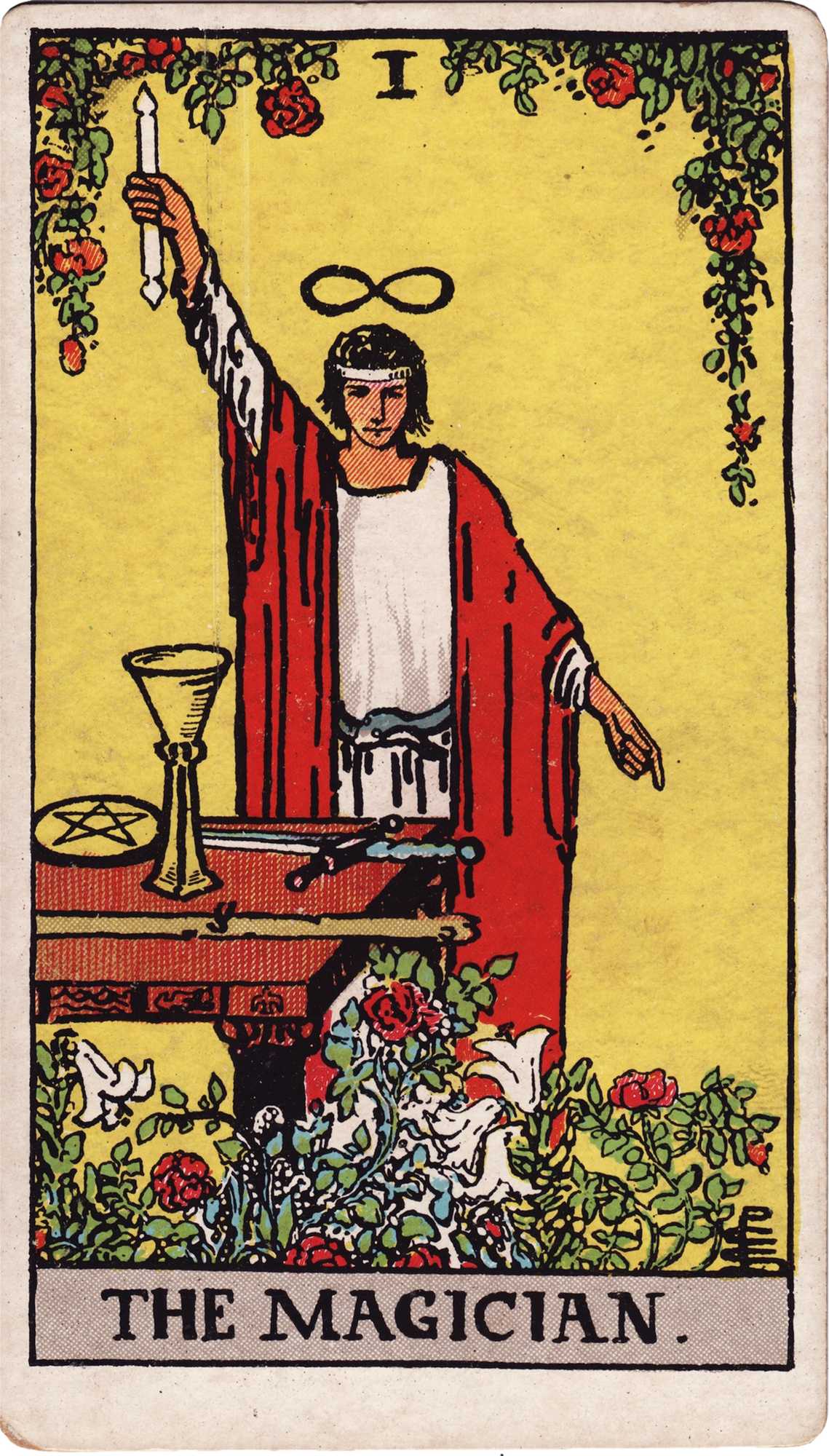 The Magician
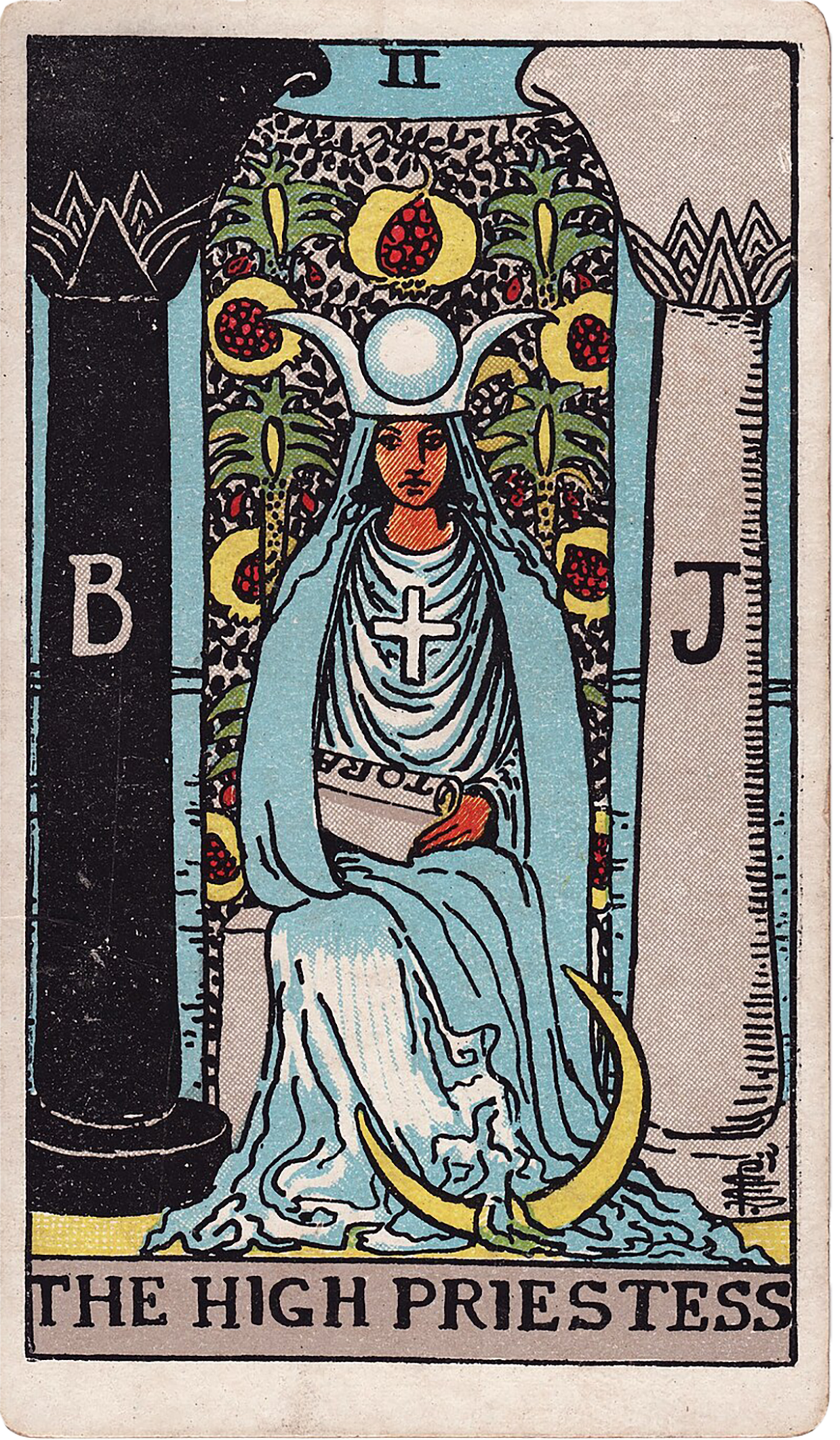 The High Priestess
Introduction to Dual Card Tarot Combinations
Dual card tarot combinations offer a rich way to explore complex situations by examining the interaction between two cards. Unlike single-card readings that highlight a singular theme or influence, dual card spreads invite the reader to consider how energies, messages, or archetypes blend, contrast, or influence one another. This technique helps readers develop nuanced interpretations that recognize the multifaceted nature of life’s questions. As we focus on The Magician and The High Priestess, two powerful Major Arcana cards, we will see how combining their qualities reveals dynamic insights that neither card alone might fully express.
Understanding The Magician and The High Priestess in Tarot Symbolism
The Magician, traditionally numbered 1 in the Major Arcana, represents the conscious mind’s power and the deliberate use of skills, resources, and communication. Standing before a table with the four suits of tarot tools – cups, pentacles, swords, and wands – The Magician channels potential into action, embodying manifestation and choice. The card’s upright meaning emphasizes clarity, willpower, and tangible steps toward goals. The High Priestess, numbered 2, contrasts The Magician by representing the subconscious, intuition, and inner knowing. She sits between two pillars, symbolizing duality and mystery, often holding a scroll partially concealed, indicating hidden knowledge. Her upright meaning encourages listening beneath surface appearances, trusting quiet discernment, and allowing information to emerge naturally. Together, these cards create a dialogue between analytical, deliberate action and receptive, intuitive wisdom.
Balancing Intuition and Analysis in Readings
When these cards appear together, either upright or reversed, they highlight the critical balance between using conscious skills and trusting inner guidance. Intuitive technique involves tuning into the feelings, impressions, and subtle messages evoked by The High Priestess. This requires quieting the mind, observing imagery details such as her calm expression, the moon symbolism, and the veil of mystery. Intuition encourages readers to sense what is not said plainly. Analytical technique focuses on The Magician’s symbolism of tools and deliberate action. Here, the reader consciously examines how the querent’s skills and resources can be harnessed and applied. Questions like "What concrete steps can be taken?" and "Where is clear communication needed?" anchor this mode. Mastering dual card combinations means weaving these approaches: using The Magician’s clarity to translate The High Priestess’s intuitive insights into actionable understanding.
Practical Method for Reading The Magician and The High Priestess Together
1. Observe Each Card Individually: Start by noting the upright or reversed position of each card. Consider The Magician’s call to deliberate choice and The High Priestess’s invitation to listen inwardly. 2. Compare and Contrast The Cards’ Messages: Reflect on where their energies complement or challenge each other. For example, The Magician’s proactive energy may be tempered by The High Priestess’s passive, receptive nature. 3. Explore Interaction Questions: Ask how conscious skill can work with inner wisdom. Is there a tension between what the querent wants to do and what they feel is right? Where does clarity meet mystery? 4. Use Imagery Anchors: Refer to The Magician’s raised wand and the infinity symbol above his head as signs of focused energy. Note The High Priestess’s crescent moon and the pillars as symbols of hidden knowledge and duality. 5. Synthesize a Balanced Interpretation: Integrate both cards’ lessons to produce a reading that honors both deliberate action and patient understanding. 6. Reflect on Reversals: If one or both cards are reversed, explore where blocks, distortions, or delays in using skills or accessing intuition might be occurring. For example, reversed The Magician may indicate scattered energy or manipulation, while reversed The High Priestess may suggest disconnection from inner knowing.
Common Mistakes in Dual Card Interpretations and How to Avoid Them
A frequent error is overemphasizing one card’s message at the expense of the other, which can create an unbalanced reading. For example, focusing solely on The Magician’s active energy might neglect The High Priestess’s essential intuitive insights, leading to premature or overly forceful interpretations. Another pitfall is ignoring reversals or interpreting them as simply negative. Reversals are nuanced, often indicating internal processes, temporary blocks, or the need for reflection rather than disaster. Avoid forcing a narrative by imposing personal biases instead of letting the cards’ combined symbolism guide the interpretation. Instead, ask open-ended questions inspired by the cards’ messages, such as "Where is deliberate choice needed?" or "What inner knowledge is waiting to be heard?" This encourages a balanced reading that respects both cards’ energies. Finally, neglecting the visual details in the cards can limit depth. For instance, missing The Magician’s infinity symbol or The High Priestess’s veil may result in a superficial reading. Attentive observation enriches interpretations.
Advanced Techniques to Deepen Dual Card Readings
Experienced readers can enhance their dual card skill by incorporating layered approaches: - Timing and Sequence: Consider the order in which cards are drawn. Does The Magician precede The High Priestess, suggesting action leading to reflection, or vice versa? This can influence the reading’s narrative flow. - Elemental and Numerological Insights: The Magician’s association with the number 1 and The High Priestess’s 2 can symbolize beginnings and duality, respectively. Their elemental ties—air for intellect (Magician’s sword) and water for intuition (High Priestess’s moon)—invite deeper exploration. - Psychological Perspectives: Use Jungian archetypes where The Magician represents the ego’s active will and The High Priestess the unconscious. This can reveal inner conflicts or growth opportunities. - Contextual Integration: Look at the querent’s question and life context to weigh how these cards’ energies apply. Are they being called to trust intuition before making a move, or to manifest an idea after inner clarity? - Combining Intuition and Analysis: During the reading, alternate between analytical questioning and intuitive sensing. For example, after a logical interpretation of The Magician’s resources, pause to observe bodily sensations or intuitive flashes inspired by The High Priestess.
Example Reading Using The Magician and The High Priestess
Imagine a querent asking about career direction. Drawing The Magician upright and The High Priestess upright invites an interpretation blending action and intuition: Analytically, The Magician encourages identifying skills, tools, and communication strategies to take concrete steps toward a goal. Visually, the infinity symbol above his head suggests unlimited potential when these resources are directed wisely. Intuitively, The High Priestess advises pausing to listen to inner guidance, paying attention to subtle messages or doubts that might otherwise be overlooked. Her veil reminds the querent that not all information is visible yet. Together, these cards suggest a strategy of deliberate planning informed by patient reflection. The querent is encouraged to take initiative but also to trust the emergence of deeper understanding before finalizing decisions.
Reflection Questions to Develop Your Dual Card Reading Skills
As you practice interpreting The Magician and The High Priestess together, consider these questions: - How do the active and passive energies of these cards interact in this reading? - Where in the querent’s situation is deliberate choice needed versus patient listening? - What blocks or distortions might be indicated if either card appears reversed? - Which visual elements of the cards resonate most strongly, and what do they suggest? - How can you balance intuitive impressions with analytical insights to form a coherent message? - In what ways might these cards reflect internal psychological dynamics?
Practice questions
• How do the active and passive energies of The Magician and The High Priestess interact in your readings?
• Where in a situation might deliberate choice be more helpful than patient listening, or vice versa?
• What signs indicate when a card’s energy is blocked or distorted, especially in reversal?
• Which visual symbols on these cards guide your interpretation most effectively?
• How do you ensure a balance between intuition and analysis during your tarot readings?
• How can understanding the cards’ psychological archetypes deepen your insights?
Comments
Sign in to comment.
Continue learning
Understanding the Synergy Between The Empress and The Emperor in Tarot Card Combinations
This article delves into the intricate synergy between The Empress and The Emperor cards in Tarot, focusing on how their combined energies modify and enrich readings across various...
Exploring The High Priestess in Career Relationships and Personal Growth
The High Priestess card in the tarot deck invites readers to explore intuition, hidden knowledge, and inner wisdom across various life contexts. This article examines how The High...
Using the Five Card Cross Tarot Spread to Navigate Career Changes with Confidence
The Five Card Cross Tarot Spread is a versatile and insightful tool for navigating career changes. This article guides learners through the method step-by-step using a practical ex...
Exploring The Hierophant in Modern Spiritual Practices and Personal Development
The Hierophant tarot card symbolizes structured wisdom, tradition, and the pursuit of knowledge through established systems. This article explores how The Hierophant’s upright and...
Unlocking Personal Ambition and Emotional Balance with The Chariot and Queen of Cups
The Chariot and Queen of Cups together represent a compelling combination of disciplined ambition and emotional maturity. This article guides learners through understanding how the...
Understanding The Tower in Tarot for Navigating Sudden Change and Crisis
The Tower card in Tarot symbolizes sudden, often disruptive change that destroys false foundations and compels honest reassessment. This article provides a comprehensive exploratio...
Understanding The Hanged Man in Personal Sacrifice and Spiritual Growth
The Hanged Man tarot card embodies the themes of intentional pause, surrender, and gaining new perspectives that foster personal sacrifice and spiritual growth. In this article, we...
Discovering The Hermit in Meditation and Self Reflection Practices
The Hermit tarot card, a symbol of introspection and deliberate solitude, offers profound lessons for meditation and self-reflection practices. This article unpacks its upright and...
Unlocking Emotional Balance with The Lovers and Temperance in Tarot Combinations
This article explores the dynamic interplay between The Lovers and Temperance cards in Tarot readings, focusing on how their combination unlocks emotional balance and integration....
Understanding the Court Cards of Pentacles for Practical Wisdom and Grounded Ambition
The Court Cards of Pentacles—Page, Knight, Queen, and King—offer a rich framework for understanding practical wisdom, grounded ambition, and stewardship of material resources. Anch...