
Mastering Intuitive Tarot Reading Techniques with The High Priestess and The Hermit
This article guides learners in mastering intuitive tarot reading techniques through the study of two powerful cards: The High Priestess and The Hermit. Combining beginner and advanced strategies, it emphasizes working with quiet discernment, inner knowing, and reflective solitude. By closely examining the symbolism and upright and reversed meanings of these cards, readers can develop greater confidence and depth in their tarot practice. Practical methods, common pitfalls, and interpretation logic are presented with rich examples to connect learning directly to the cards' imagery and archetypal lessons.
Cards explored in this article
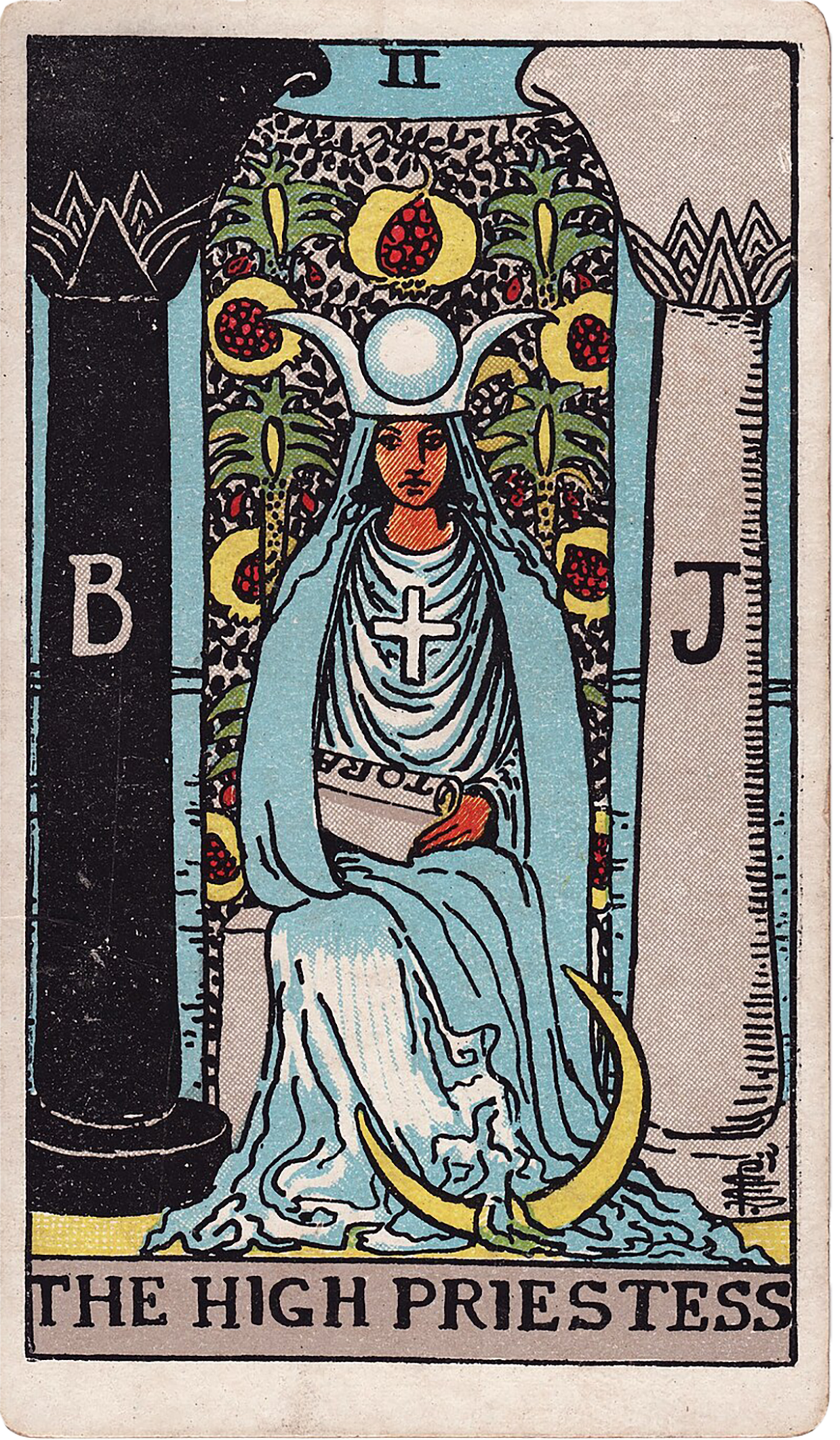 The High Priestess
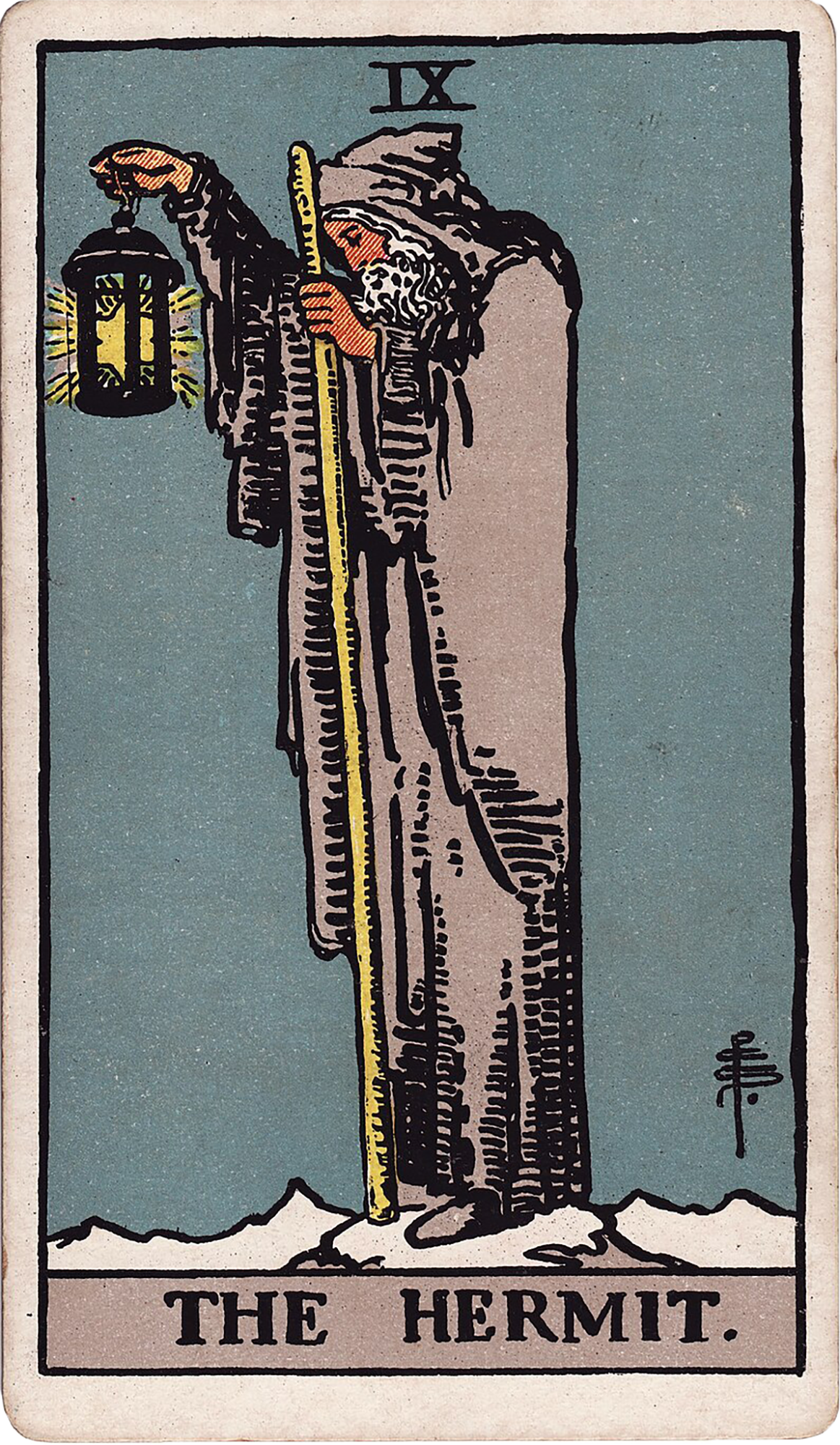 The Hermit
Introduction to Intuitive Tarot Reading with The High Priestess and The Hermit
Intuitive tarot reading involves going beyond surface interpretations to access deeper layers of meaning that resonate with the reader’s insight and the querent’s reality. The High Priestess and The Hermit are archetypes that embody core intuitive qualities essential to developing this skill. The High Priestess invites the reader to listen beneath appearances, trust quiet discernment, and engage with emerging information. The Hermit encourages stepping back, embracing solitude, and seeking clarity through reflection. This article explores how these two cards can be central tools for both beginners and advanced readers to cultivate a balanced, nuanced, and evolving approach to tarot.
Understanding The High Priestess Upright: Listening Beneath the Surface
The High Priestess card traditionally depicts a robed woman seated between two pillars labeled Boaz and Jachin, symbolizing duality, mystery, and the balance of opposites. She holds a scroll partially hidden, representing hidden knowledge and the value of subtlety in insight. Upright, this card emphasizes quiet discernment and receptivity to intuition. For intuitive reading, the lesson is to observe what is not immediately obvious—patterns, feelings, and symbols that arise without the need for overt explanation. Practically, The High Priestess signals that the core issue of a reading has become visible enough to engage consciously. Readers should encourage themselves or querents to consider where a clearer boundary, deeper honesty, or more deliberate choice could help the situation. Beginners can start by pausing before answering questions, asking themselves what deeper layer the card suggests, and allowing impressions to form organically. Advanced readers can explore the subtle emotional or psychic undercurrents suggested by the card’s quiet power, integrating these with other cards to reveal nuanced narratives.
Working with The High Priestess Reversed: Recognizing Blocked Intuition and Secrecy
When The High Priestess appears reversed, it typically points to challenges such as disconnection from intuition, secrecy, or confusing anxiety with inner knowing. The imagery remains the same, but the energy is distorted or inaccessible. This does not predict disaster but invites exploration: where is the intuitive process being resisted or delayed? In practice, a reversed High Priestess encourages readers to look inward and question whether avoidance or projection is clouding judgment. For beginners, this may manifest as an impatience to get clear answers rather than sitting with uncertainty. Advanced readers might note how this block affects the querent’s psychological state or the reading’s emotional tone. Use neighboring cards to clarify whether the reversal signals resistance, a needed pause, or a sign of recovery. For example, if The Hermit appears nearby, it might suggest that solitary reflection is the key to resolving the blockage. Maintaining openness and avoiding premature conclusions are essential techniques when facing this reversal.
Embodying The Hermit Upright: Cultivating Reflective Insight and Clarity
The Hermit card features an older figure holding a lantern and staff, symbolizing wisdom gained through introspection and careful navigation of uncertainty. Upright, The Hermit invites stepping back from noise and distractions to seek deeper understanding through solitude. This card teaches that clarity often emerges from deliberate withdrawal and contemplation, not from external input alone. For intuitive tarot reading, The Hermit urges readers to slow down, create mental space, and allow insights to appear distinctly. Beginners can practice this by taking moments of silence during readings to connect with the card’s message and observe internal responses. Advanced readers might integrate meditative or journaling techniques inspired by The Hermit to deepen intuitive clarity. The card’s lesson also includes recognizing that insight does not guarantee ease in the situation, but it provides a foundation for conscious engagement. Readers should ask: where can clearer boundaries or more honest choices move the matter forward?
Addressing The Hermit Reversed: Awareness of Isolation and Excessive Withdrawal
In its reversed position, The Hermit highlights potential pitfalls such as excessive isolation, loneliness, or avoidance. The card’s wise solitude quality becomes distorted into withdrawal that hinders necessary engagement with life or the querent’s challenges. Readers encountering this reversal should ask where over-analysis or escapism may be blocking progress. Beginners may notice a tendency to retreat from difficult questions or resist action. Advanced readers can explore psychological dimensions, recognizing how the reversal might signal an internal struggle between solitude’s benefits and its excesses. Interpreting The Hermit reversed requires balancing compassion and clear-eyed honesty. The card may mark an important moment of self-awareness, signaling a growing recognition of old patterns or the need for re-engagement. Look to surrounding cards for cues about whether this pause is temporary or indicative of resistance.
Practical Techniques Combining The High Priestess and The Hermit in Readings
When The High Priestess and The Hermit appear together in readings, they create a powerful synergy for intuitive skill development. Both emphasize introspection and working with subtle inner wisdom, but each adds a distinct layer—The High Priestess with receptivity and the mysterious subconscious, The Hermit with active reflection and deliberate seeking. A practical technique is to use The High Priestess to identify which hidden or emerging information deserves attention, then employ The Hermit’s energy to step back and reflect on that information in isolation. For example, after noting the themes suggested by The High Priestess, pause to mentally 'hold the lantern' as The Hermit does, illuminating what needs conscious thought. Beginners can practice by drawing these cards in tandem during their study sessions and journaling impressions, questions, and insights. Advanced readers may use them as focal points to integrate psychic impressions with rational analysis, carefully balancing intuition and intellectual clarity. Common mistakes to avoid include rushing to conclusions without allowing The High Priestess’s quiet wisdom to surface or misusing The Hermit’s introspection as avoidance rather than constructive reflection. Embracing patience and trust in the evolving process is key.
Examples and Interpretation Logic Anchored in Rider-Waite-Smith Symbolism
The Rider-Waite-Smith imagery offers rich symbolism to deepen intuitive reading techniques with these cards. For The High Priestess, key elements include the veil behind her, symbolizing the boundary between conscious and unconscious knowledge; the crescent moon at her feet representing intuition’s ebb and flow; and the pomegranates on the tapestry, symbolizing fertility and hidden potential. When reading The High Priestess, note how these symbols resonate with the querent’s question. For instance, a veil suggests something not yet revealed, inviting patient waiting or careful inquiry. The moon’s phases remind readers that intuition may be variable and cyclical. For The Hermit, the lantern signifies inner illumination, the staff represents support and authority in one’s journey, and the cloak suggests protection and introspection. When interpreting, consider how the querent might benefit from seeking guidance within rather than relying on external answers. By anchoring interpretation in these specifics, intuitive readers train themselves to trust their impressions while remaining grounded in the tarot’s visual and symbolic language. This balanced approach helps prevent projection or wishful thinking and encourages honest engagement with the cards’ messages.
Common Mistakes and How to Avoid Them in Intuitive Tarot Practice
Some common mistakes when working with The High Priestess and The Hermit include: 1. Ignoring the subtlety: Readers sometimes expect dramatic revelations and miss the quiet, gradual insights these cards offer. 2. Confusing intuition with anxiety or wishful thinking: Especially with reversed cards, it’s easy to mistake emotional noise for inner knowing. 3. Rushing the process: Both cards require patience and often a pause before action. 4. Misusing solitude: The Hermit reversed warns against excessive withdrawal; readers must discern between healthy reflection and avoidance. 5. Overcomplicating symbolism: While rich in meaning, symbols should support rather than overwhelm intuitive impressions. To avoid these pitfalls, work slowly with the cards, practice journaling impressions, seek feedback from other readers, and continually reflect on your emotional state during readings. Combining The High Priestess’s listening quality with The Hermit’s reflective clarity develops a disciplined yet flexible intuition.
Conclusion Mastering Intuitive Reading through The High Priestess and The Hermit
Mastering intuitive tarot reading is a journey of learning to balance receptivity with reflective clarity. The High Priestess and The Hermit provide complementary archetypes to structure this practice. By engaging deeply with their symbolism and meanings, both upright and reversed, readers cultivate the patience, discernment, and honesty necessary to access nuanced insights. Whether you are a beginner learning to trust your inner voice or an advanced reader refining your reflective skills, incorporating these cards as central guides will enhance your tarot work. Remember that intuition grows through practice, openness, and willingness to sit with uncertainty. Use the lessons of The High Priestess and The Hermit as ongoing companions on that path.
Practice questions
• How do you currently distinguish between true intuition and emotional noise during a reading?
• In what ways can you create space for The High Priestess’s quiet wisdom to emerge in your practice?
• How might embracing The Hermit’s approach to solitude improve your ability to reflect on complex readings?
• What signs indicate that introspection might be turning into avoidance when working with reversed cards?
• How can you balance symbolic interpretation with your intuitive impressions effectively?
Comments
Sign in to comment.
Continue learning
Harnessing the Power of The Magician and Ace of Wands: Igniting Creativity and Manifestation in Tarot Readings
The combination of The Magician and the Ace of Wands in tarot readings offers a potent blend of creative energy and manifestation power. This article delves into the ways these car...
Advanced Techniques for Combining The Moon and The Star to Enhance Intuition in Tarot Readings
This article explores advanced techniques to combine the symbolism and energy of The Moon and The Star Tarot cards to enhance intuition during Tarot readings. Drawing from traditio...
Enhancing Clarity in Complex Choices with the Five Card Cross Tarot Spread
The Five Card Cross Tarot Spread is a practical tool designed to clarify complex choices by breaking down the decision into manageable parts. This article explores each position in...
Tracing the Origins and Evolution of The Fool Card in Tarot History
The Fool card holds a foundational place in tarot tradition, symbolizing beginnings, openness, and the embrace of uncertainty. This article traces its origins from early European d...
Understanding The Hermit Card in Solitude Reflection and Guidance
This article offers an in-depth exploration of The Hermit tarot card as a single-card reading in different contexts such as love, career, money, advice, challenge, person, outcome,...
Unlocking the Creative Flow with The Magician and The Empress in Tarot Combinations
This article delves into the powerful synergy between The Magician and The Empress in Tarot combinations, focusing on how their combined symbolism unlocks creative flow across vari...
Using the Seven Card Horseshoe Spread to Uncover Career Growth and Opportunity
This article presents an in-depth guide to the Seven Card Horseshoe Tarot Spread with a focus on career growth and opportunity. Using the cards The Fool, The Magician, The Empress,...
Understanding the Many Facets of The Moon in Emotional and Intuitive Tarot Readings
The Moon card in the Tarot deck embodies themes of intuition, uncertainty, dreams, and emotional complexity. This article offers a comprehensive exploration of The Moon’s upright a...
Unlocking Advanced Intuition Techniques Using The High Priestess The Moon and The Hermit
This article examines advanced intuition development in tarot reading by focusing on The High Priestess, The Moon, and The Hermit cards. It offers practical techniques for beginner...
Mastering Intuition with The High Priestess The Hermit and The Moon in Tarot Readings
This article delves into mastering intuition through three powerful Tarot cards: The High Priestess, The Hermit, and The Moon. It guides readers from beginner to advanced reading t...