
Mastering the Art of Balancing Intuition and Logic in Tarot Reading
Balancing intuition and logic is essential for effective tarot reading. This article guides readers from beginner to advanced techniques by deeply exploring the symbolism and meanings of The Magician, The High Priestess, and Ace of Swords cards. It explains how to integrate intuitive insights with structured analysis, avoid common pitfalls, and use practical methods to enhance interpretive clarity and accuracy in readings.
Cards explored in this article
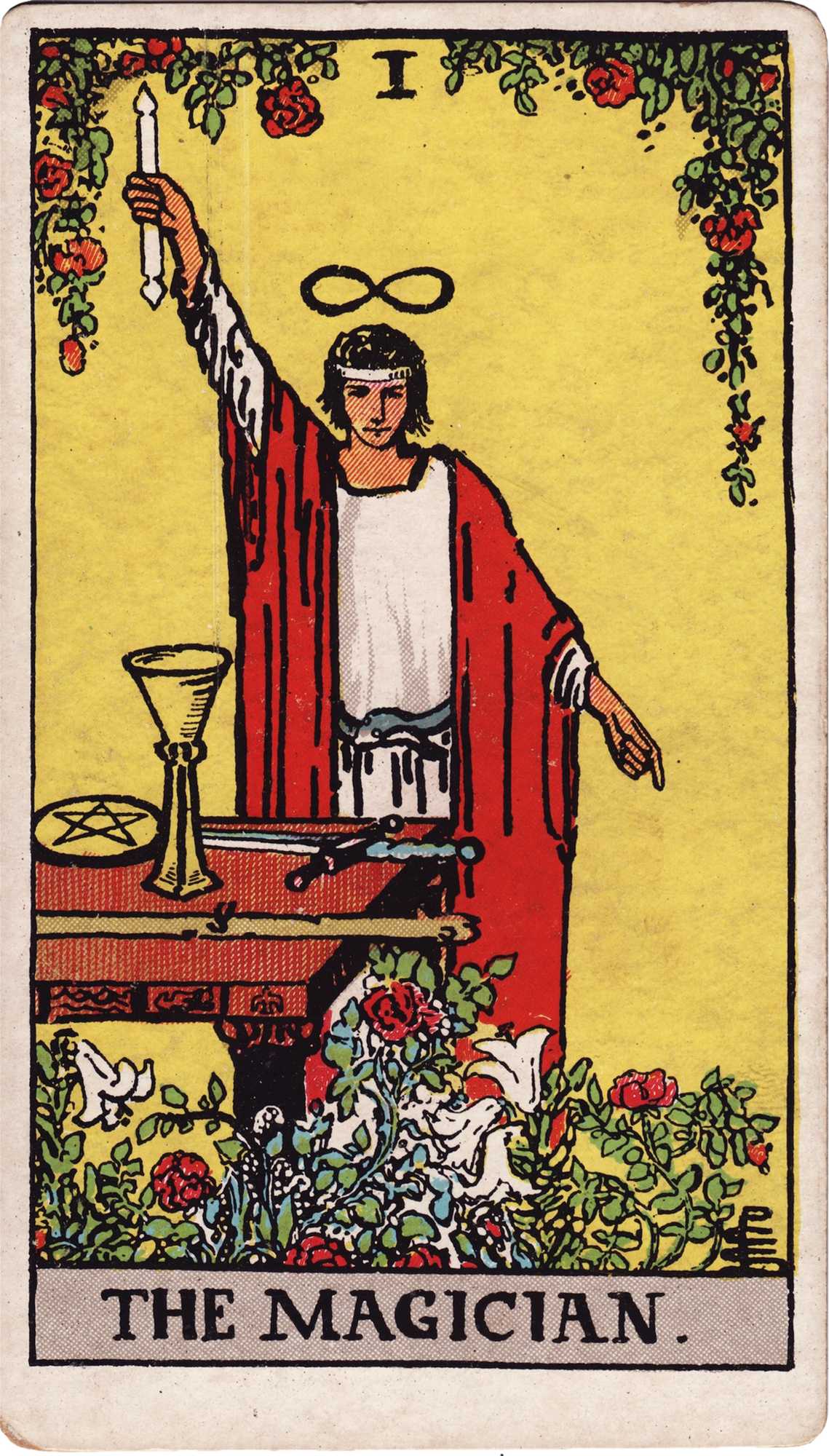 The Magician
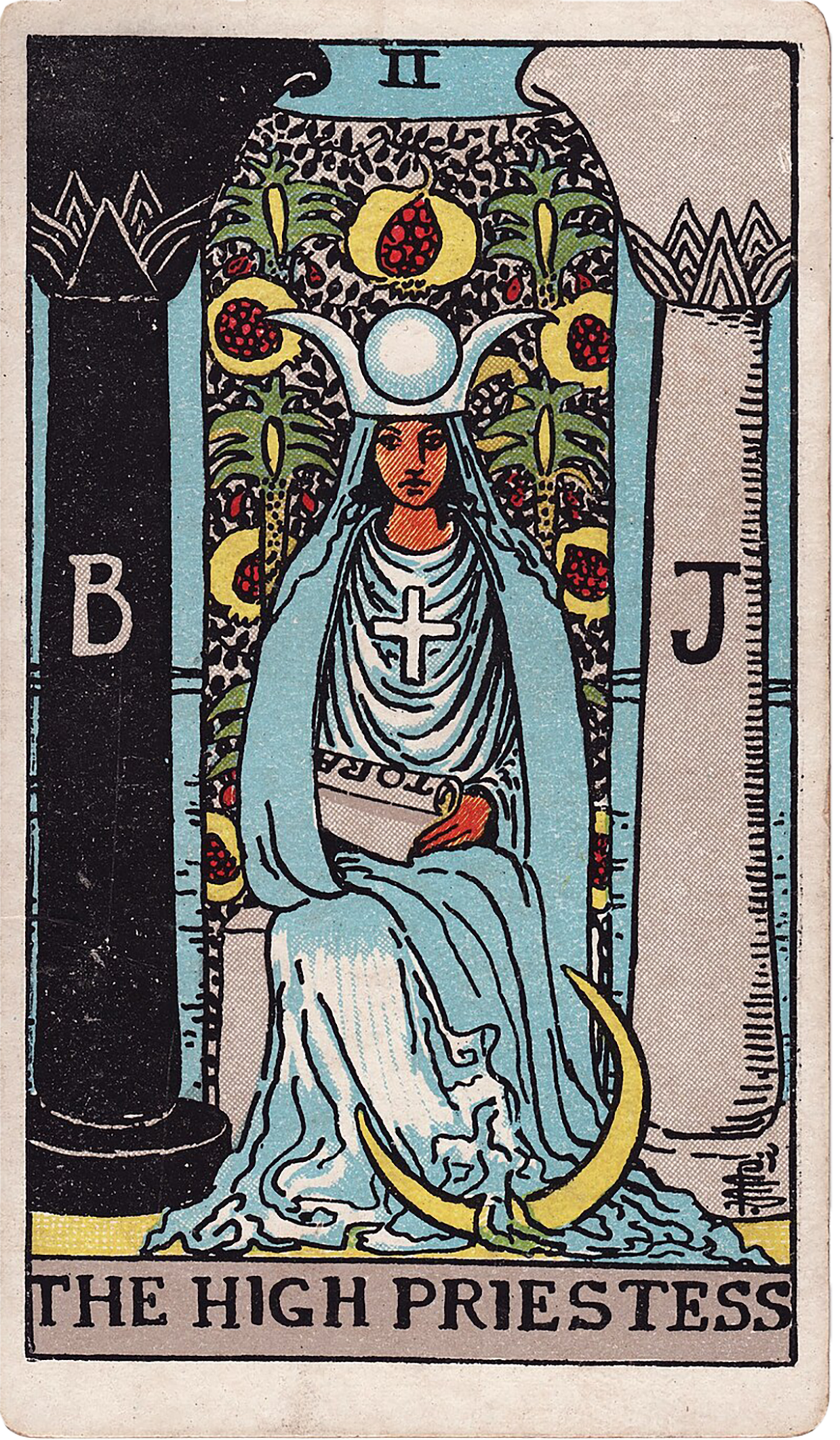 The High Priestess
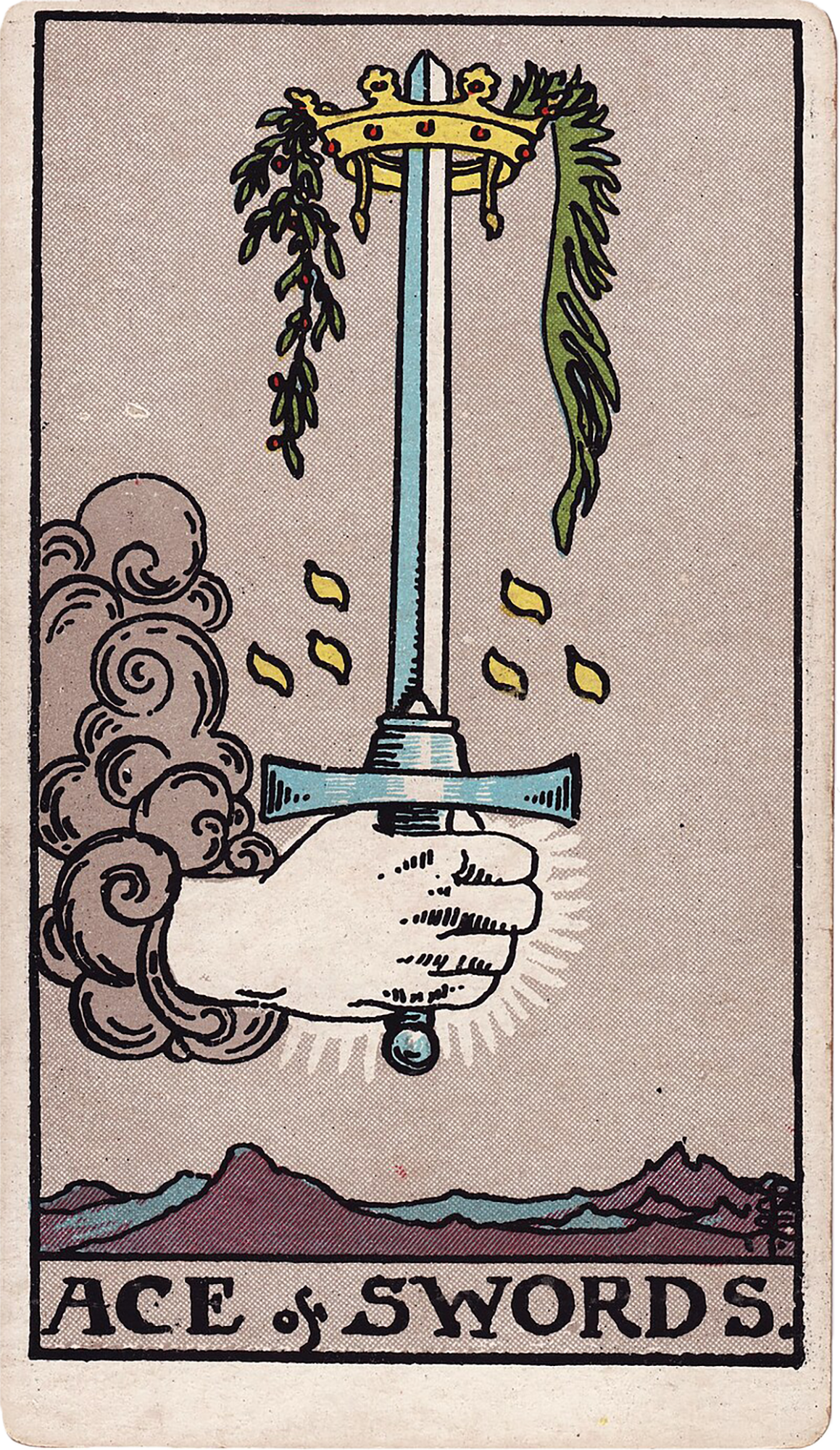 Ace of Swords
Introduction to Balancing Intuition and Logic in Tarot
Tarot reading involves working with both the intuitive and rational faculties of the mind. Intuition allows readers to connect with the subtle, often unconscious layers behind the cards, while logic provides structure, consistency, and clarity to interpret the cards’ messages. Mastering the balance between these two approaches empowers the reader to deliver insightful, grounded readings that respect the complexity of the querent’s situation. This article focuses on practical strategies to develop this balance, using three powerful cards—The Magician, The High Priestess, and Ace of Swords—as visual and symbolic anchors.
Understanding The Magician and The High Priestess as Symbols of Logic and Intuition
The Magician and The High Priestess form a compelling dichotomy in tarot symbolism. The Magician represents deliberate skill, clear communication, and focused action. Upright, this card encourages using available resources consciously and making proactive, deliberate choices. The Rider-Waite-Smith imagery, with one hand pointing to the sky and the other to the earth, symbolizes the channeling of universal energy into practical form, embodying logical structure and intent. Conversely, The High Priestess invites the reader to trust quiet discernment, listen beneath surface appearances, and access hidden knowledge through intuition. The card’s imagery, featuring the veil between the pillars and the moon at her feet, emphasizes mystery, subconscious wisdom, and receptivity rather than action. These cards together illustrate the complementary forces of logic and intuition within tarot reading. Successful interpretation demands recognizing when to apply each mode and how to blend them.
Practical Techniques for Using Logic in Tarot Reading Anchored by The Magician and Ace of Swords
Logical interpretation in tarot involves clear identification of the card’s core meaning, contextual analysis, and coherent synthesis with other cards. The Magician encourages readers to engage with what is concretely available—the visible signs, the question asked, and the immediate environment—rather than waiting for perfect conditions. This means focusing on conscious, deliberate choices. The Ace of Swords further supports this approach by symbolizing intellectual breakthroughs, clarity, and incisive insight. Its imagery—a sword piercing the clouds—represents cutting through confusion to reach truth. To use logic effectively, readers should: 1. Identify the central issue visible in the cards. 2. Use keywords connected to the cards’ upright meanings (skill, communication, insight). 3. Observe relationships between cards to test coherence. 4. Formulate a clear, proportionate response or advice based on the cards’ dynamic. For example, if The Magician appears upright alongside the Ace of Swords, logically the reading could emphasize the querent’s ability to harness personal skills and a decisive new idea to move forward. Avoid overcomplicating this with speculative interpretations that lack grounding in the card’s clear imagery and traditional meanings.
Techniques for Developing and Trusting Intuition Anchored by The High Priestess
Intuition in tarot reading involves perceiving beyond the surface meanings to access subtler layers of meaning and emotional truth. The High Priestess teaches readers to slow down, listen quietly, and allow impressions to arise naturally rather than forcing interpretation. Beginner readers can start by meditating on the card’s symbols—such as the scroll she holds, the veil, and the moon—and reflecting on what these evoke personally. Advanced readers can cultivate intuition by practicing exercises like journaling impressions before consulting reference materials, or using the card to identify internal emotional states or unconscious dynamics in the querent’s life. Key strategies include: 1. Creating mental space to notice feelings, images, or thoughts triggered by the card. 2. Suspending immediate judgment and allowing meanings to percolate. 3. Recognizing when anxiety or projection might be mistaken for intuition, especially when The High Priestess is reversed. 4. Using the card as a prompt to explore hidden or suppressed truths. For example, when The High Priestess appears reversed, it signals possible blocks to intuition such as secrecy or disconnection. Recognizing this helps the reader guide the querent to trust inner knowing rather than external noise.
Integrating Intuition and Logic for Advanced Tarot Interpretation
Mastery in tarot reading comes from harmonizing intuition and logic rather than favoring one over the other. Begin with logical analysis—identify the card’s upright or reversed position, traditional meanings, and relationships to the question and other cards. Then, listen silently for intuitive impressions triggered by the card’s imagery and symbolism. For example, in a spread containing The Magician upright, The High Priestess reversed, and Ace of Swords upright, logic suggests the querent has the skills and clarity to act but is struggling with inner disconnection or secrecy. Intuitively, this might feel like a tension between outward confidence and hidden self-doubt. To blend these insights: - Use logic to frame the reading's structure and guide interpretation. - Use intuition to add nuance, emotional depth, and subtle signals. - Recognize where the cards may show blocked or distorted energies (reversals). - Ask reflective questions: Where is deliberate choice needed? Where does inner silence require trust? How can clarity cut through confusion? Practicing this integration enhances both the practical usefulness and the depth of readings.
Common Mistakes When Balancing Intuition and Logic in Tarot Reading
A frequent error is over-reliance on either logic or intuition alone. Readers who focus solely on logical meanings may produce readings that feel cold, rigid, or disconnected from the querent’s lived experience. Conversely, readers who depend only on intuition without grounding in the cards’ traditional symbolism risk projecting personal biases or creating vague interpretations. Another mistake is misunderstanding reversals. For example, interpreting The Magician reversed strictly as “bad luck” misses the subtler meaning of blocked or distorted energy. Similarly, assuming The High Priestess reversed means the querent is dishonest rather than disconnected from their intuitive self limits interpretive depth. Readers should consider reversals as invitations to explore internal psychological processes or temporary pauses in energy flow. Finally, neglecting the card’s imagery during reading reduces the richness of insight. Paying attention to key symbols—the tools on The Magician’s table, the veil and moon with The High Priestess, the sword piercing clouds in the Ace of Swords—grounds intuition in concrete visual cues.
Practical Reading Method for Balancing Intuition and Logic Using The Magician, The High Priestess, and Ace of Swords
Here is a step-by-step method to balance intuition and logic in a reading using these cards: 1. Begin by examining The Magician card. Note its upright or reversed position and consider what skills, choices, or boundaries it suggests. Ask: Where can deliberate action or clear communication help? 2. Move to The High Priestess. Observe whether it is upright or reversed. Use this to gauge the querent’s connection to inner wisdom and subconscious knowledge. Ask: What hidden information or silence needs attention? 3. Look at the Ace of Swords. Identify signs of clarity, insight, or intellectual breakthrough, or their blockage. Ask: Where is truth needed to cut through confusion? 4. Use logic to synthesize these impressions: How do these cards relate in the querent’s current situation? What clear advice emerges? 5. Pause and listen for intuitive impressions: What feelings, images, or subtle messages arise? Do they complement or challenge your logical interpretation? 6. Reflect on reversals as signals of blocked or distorted energies rather than fixed outcomes. 7. Formulate a balanced message that integrates the cards’ traditional meanings, the logical narrative, and intuitive insights. This method anchors the reading in the cards’ rich symbolism while respecting the reader’s intuitive gifts.
Conclusion and Continuing Practice
Mastering the art of balancing intuition and logic in tarot reading is a dynamic, ongoing process. Using The Magician, The High Priestess, and Ace of Swords as focal points offers a powerful framework for developing this skill. Regularly study the cards’ symbolism, practice logical interpretation exercises, and cultivate intuitive awareness through meditation or journaling. Always approach reading as a dialogue between mind and spirit rather than a one-sided declaration. Over time, this balanced approach will deepen your readings’ accuracy, relevance, and transformative potential for yourself and your querents.
Practice questions
• How do I currently balance intuitive impressions with logical analysis in my tarot readings?
• What symbols or imagery in The Magician, The High Priestess, and Ace of Swords resonate most strongly with me and why?
• In what situations might I over-rely on logic or intuition, and how can I create more balance?
• How can I recognize when a reversed card indicates blocked energy versus an external event?
• What practical habits can I develop to improve my ability to integrate intuition and logic?
Comments
Sign in to comment.
Continue learning
Exploring The High Priestess in Career Relationships and Personal Growth
The High Priestess card in the tarot deck invites readers to explore intuition, hidden knowledge, and inner wisdom across various life contexts. This article examines how The High...
Unlocking Emotional Wisdom with The High Priestess and The Queen of Cups in Tarot Combinations
This article delves into the card combination of The High Priestess and The Queen of Cups, emphasizing their shared themes of intuition, emotional depth, and receptivity. By examin...
Balancing Ambition and Intuition with The Emperor and The High Priestess in Tarot Combinations
This article delves into the card combination of The Emperor and The High Priestess, highlighting their complementary energies of structure and intuition. It explores how these car...
Developing Intuitive Tarot Reading Skills with The High Priestess and The Moon
This article guides tarot learners through developing intuitive reading skills focusing on two powerful cards: The High Priestess and The Moon. Using traditional Rider-Waite-Smith...
Unlocking Advanced Intuition Techniques Using The High Priestess The Moon and The Hermit
This article examines advanced intuition development in tarot reading by focusing on The High Priestess, The Moon, and The Hermit cards. It offers practical techniques for beginner...
Unlocking Personal Growth and Intuition with The High Priestess Tarot Card
The High Priestess tarot card, with its rich symbolism and deep intuitive message, serves as a powerful tool for personal growth and inner wisdom. This article explores how to inte...
Unlocking the Dynamic Partnership of The Magician and The High Priestess in Tarot Combinations
The Magician and The High Priestess represent two complementary archetypes in the tarot deck that, when combined, offer a rich interplay of conscious action and intuitive insight....
Mastering Intuition with The High Priestess The Hermit and The Moon in Tarot Readings
This article delves into mastering intuition through three powerful Tarot cards: The High Priestess, The Hermit, and The Moon. It guides readers from beginner to advanced reading t...
Building Intuition and Analytical Skills with The High Priestess and The Hermit in Tarot Readings
This article explores how The High Priestess and The Hermit, two powerful Major Arcana cards, serve as complementary guides for developing intuition and analytical skills in tarot...
Using the Five Card Cross Spread to Navigate Ethical Dilemmas with Confidence
The Five Card Cross spread is a practical and versatile tool for exploring complex ethical dilemmas and making confident decisions. This article guides learners through each positi...